The diode 1n5819, a tiny workhorse in the electronics world, is a Schottky diode renowned for its low forward voltage drop and high switching speeds. Unlike conventional diodes, its unique construction lends itself to high-frequency applications, making it a crucial component in modern electronics. This article will explore the diode 1n5819's functionalities, applications, and advantages, bridging the gap between technical jargon and real-world usage.
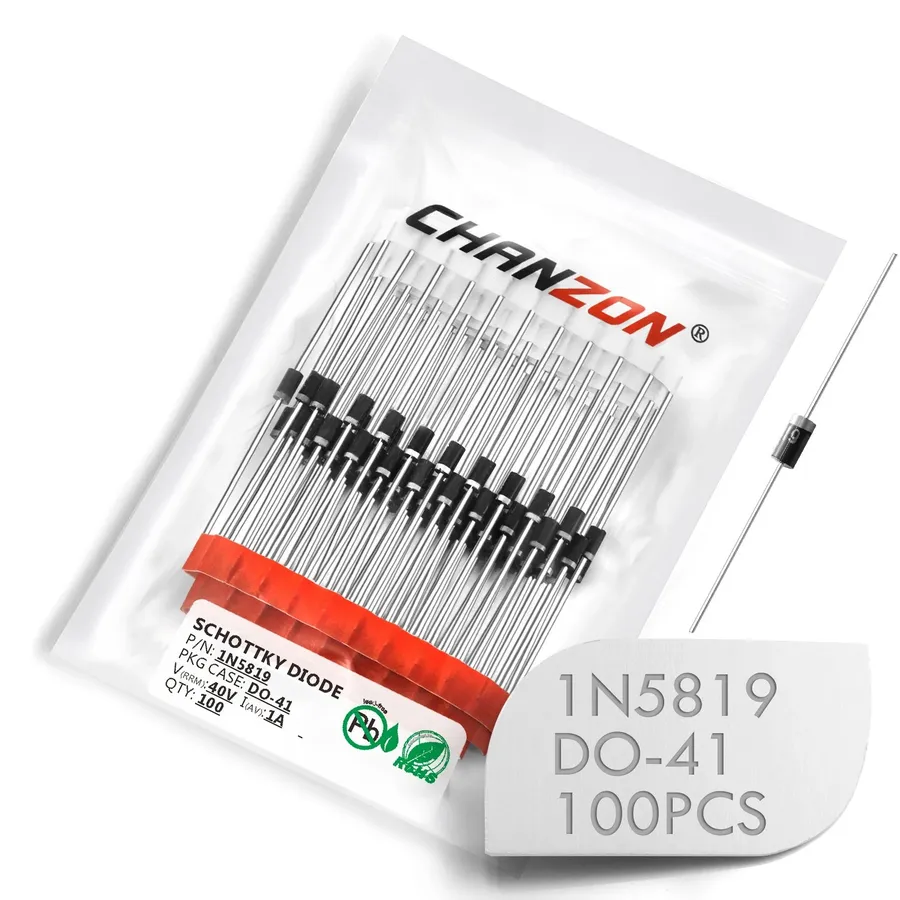
The 1N5819 is a Schottky diode, a semiconductor device distinguished by its metal-semiconductor junction. This unique structure results in a lower forward voltage drop and faster switching speeds compared to conventional PN junction diodes. Its performance characteristics make it particularly well-suited for high-frequency and power-sensitive applications.
Unlike standard PN junction diodes that rely on the combination of p-type and n-type semiconductors, the 1N5819's Schottky barrier is formed at the interface between a metal and a semiconductor, typically n-type silicon. This difference has profound implications for its electrical characteristics. The most significant is the reduced forward voltage drop, typically around 0.15 to 0.45 volts, which results in less power loss as heat and higher efficiency. The mechanism of current flow also differs; in a Schottky diode, current is primarily carried by majority carriers (electrons in this case), whereas in a PN junction diode, both electrons and holes contribute. This explains the lack of minority carrier storage and faster switching behavior of the Schottky diode. This translates to the 1N5819's ability to handle higher-frequency signals with significantly less signal degradation.
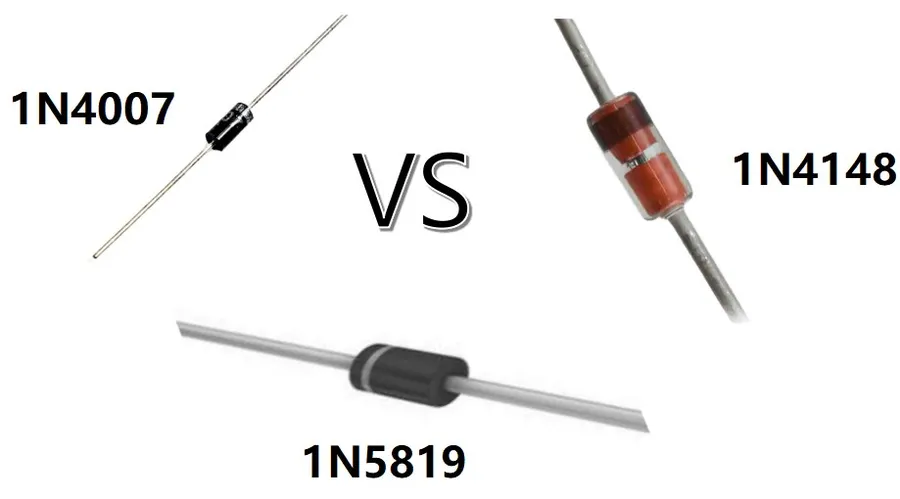
The 1N5819 Schottky diode is characterized by several key electrical specifications that dictate its performance in various applications. These include forward voltage drop, maximum reverse voltage, forward current, and operating temperature range. Understanding these parameters is crucial for effective circuit design and ensuring optimal performance of the 1N5819.
| Parameter | Symbol | Typical Value | Unit | Description |
|---|---|---|---|---|
| Forward Voltage Drop | Vf | 0.45 - 0.6 | V | Voltage across the diode when conducting in the forward direction (at rated current). |
| Maximum Reverse Voltage | Vr | 40 | V | The maximum reverse voltage that the diode can withstand without breaking down. |
| Forward Current | If | 1 | A | The maximum continuous current the diode can handle in the forward direction. |
| Peak Forward Surge Current | Ifsm | 25 | A | The maximum non-repetitive current the diode can handle for a short duration. |
| Operating Temperature Range | Tj | -65 to +125 | °C | The temperature range within which the diode is designed to operate reliably. |
It is important to consult the manufacturer's datasheet for the exact specifications, as these can vary slightly between manufacturers and production lots. These specifications impact the diode's performance in circuit design. For example, the low forward voltage drop is a key advantage of the 1N5819, but its relatively lower maximum reverse voltage compared to standard diodes must be considered.
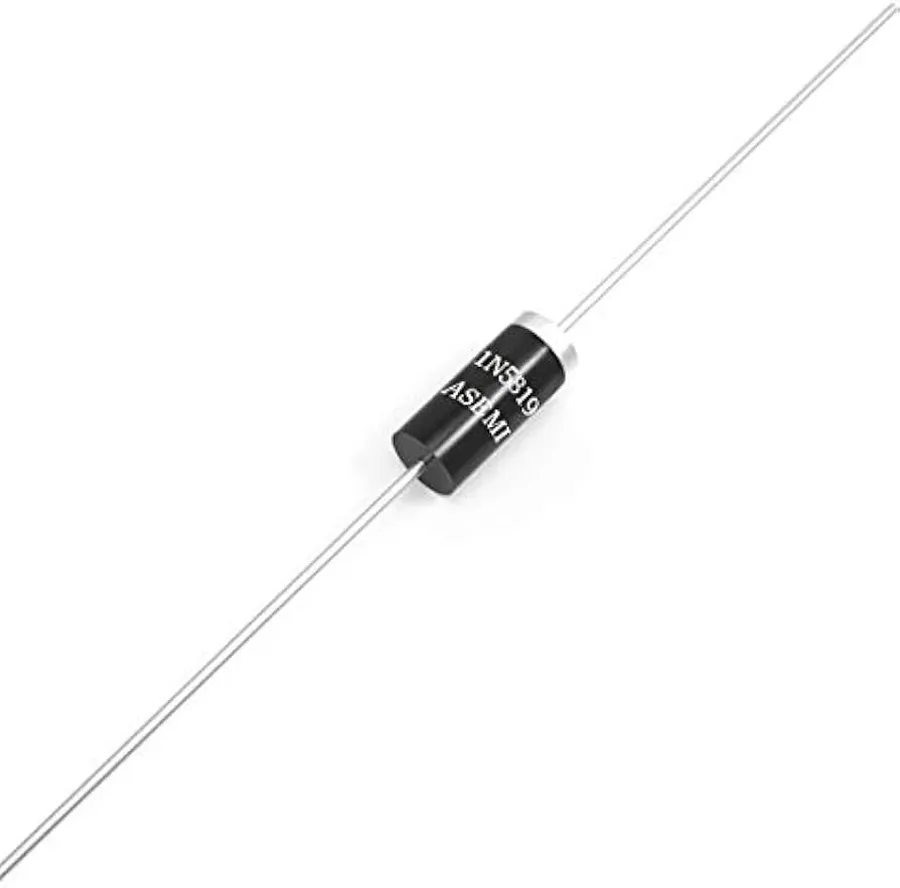
The 1N5819 Schottky diode is primarily available in two package types: the through-hole DO-41 package and various surface-mount (SMD/SMT) options, each with distinct pin configurations that are crucial for proper circuit integration. Understanding these configurations is essential for effective use of the diode in electronic designs.
| Package Type | Description | Pin Configuration | Mounting Method |
|---|---|---|---|
| DO-41 (Through-hole) | Standard axial lead package for through-hole mounting. | Two leads: Anode (banded end) and Cathode. | Through-hole soldering |
| SOD-123 (SMD/SMT) | Small surface-mount package. | Two terminals: Anode and Cathode identified by marking or pad layout. | Surface mount soldering |
| SOD-323 (SMD/SMT) | Smaller surface-mount package. | Two terminals: Anode and Cathode identified by marking or pad layout. | Surface mount soldering |
| SMA (SMD/SMT) | Larger surface-mount package with higher current capacity. | Two terminals: Anode and Cathode identified by marking or pad layout. | Surface mount soldering |
For the DO-41 package, the cathode is indicated by a band or marking near one of the leads. In SMD packages, polarity is identified via markings, or specific pad configurations on the PCB layout. Incorrect polarity can lead to device malfunction or failure.
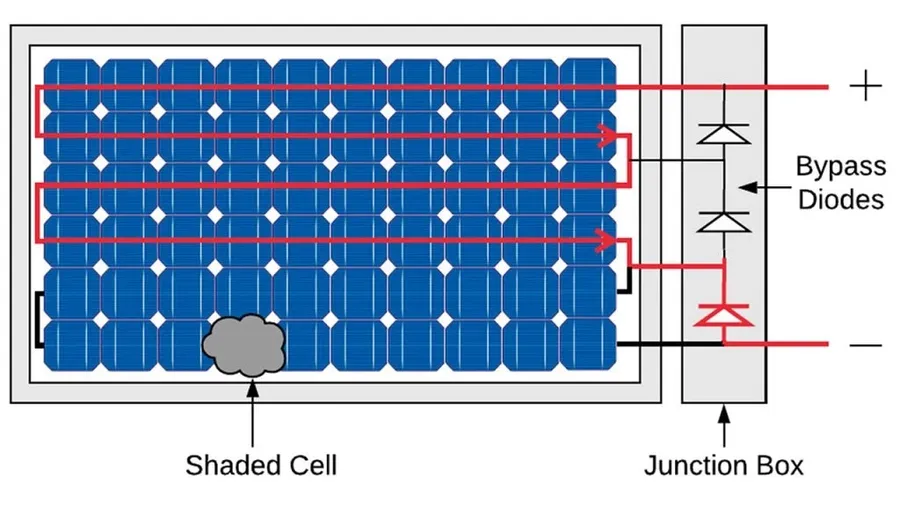
The 1N5819 Schottky diode, with its low forward voltage drop and rapid switching capability, is a versatile component finding use in numerous electronic applications. Its unique characteristics make it particularly suitable for high-efficiency power management and protection circuits.
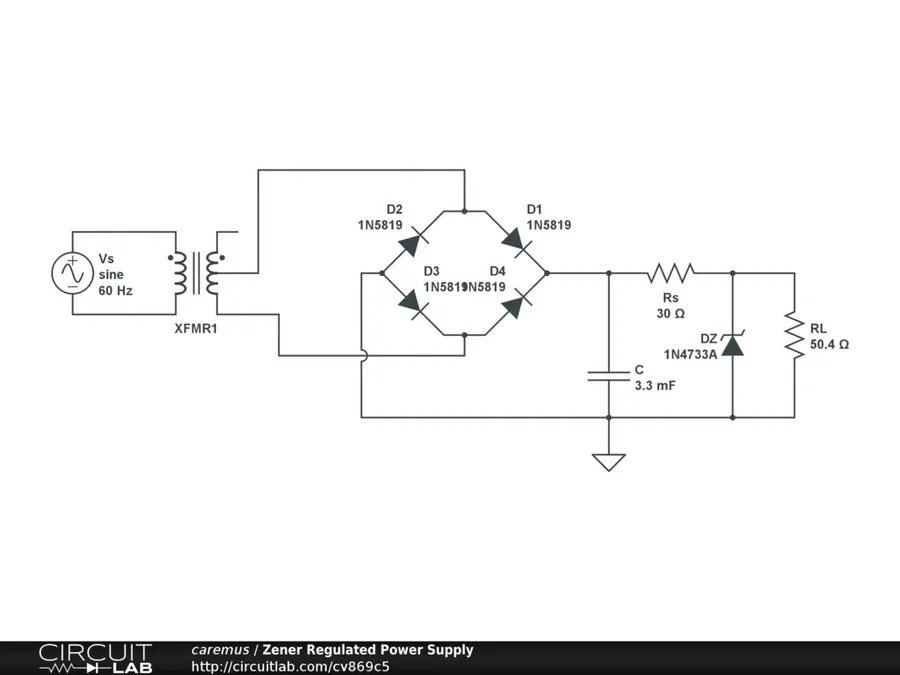
The 1N5819 Schottky diode offers significant advantages in electronic circuits, primarily due to its unique construction and resulting electrical characteristics. These advantages translate into improved efficiency and performance in a wide range of applications.
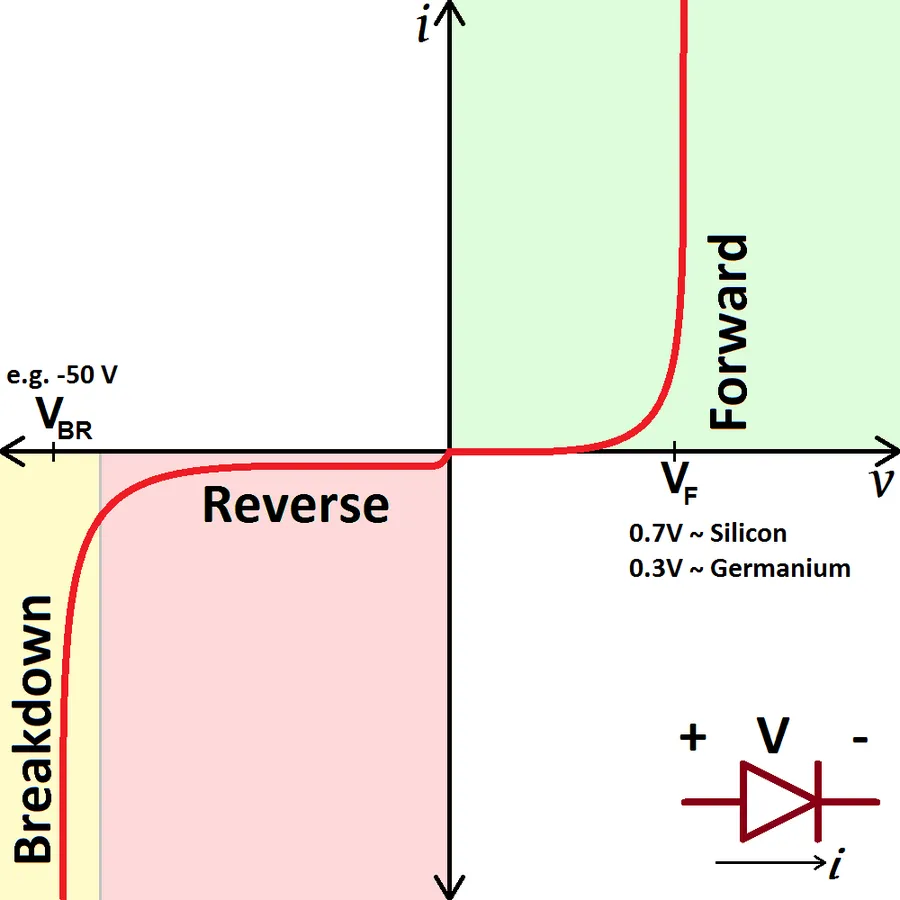
The 1N5819 is a Schottky diode, known for its low forward voltage drop and fast switching speed, making it suitable for high-frequency applications. When compared to other rectifier diodes, such as the 1N4007, which is a standard PN junction diode, the differences in their characteristics become crucial in selecting the appropriate diode for a given application. This section delves into a detailed comparison, highlighting key performance parameters and their impact on circuit design.
| Parameter | 1N5819 (Schottky) | 1N4007 (Standard Rectifier) |
|---|---|---|
| Forward Voltage Drop (Vf) | Typically 0.45V at 1A | Typically 1.1V at 1A |
| Reverse Recovery Time (trr) | Very fast, negligible (nanoseconds) | Relatively slow (microseconds) |
| Maximum Reverse Voltage (Vr) | 40V | 1000V |
| Maximum Forward Current (If) | 1A | 1A |
| Switching Frequency | High (MHz) | Low (kHz) |
| Application Suitability | High-frequency switching, low voltage drop circuits | General rectification, high voltage applications |
| Cost | Slightly more expensive | Less expensive |
The table above illustrates key differences between the 1N5819 Schottky diode and the 1N4007 standard rectifier diode. The 1N5819's lower forward voltage drop leads to less power loss, making it more efficient in applications where reducing voltage losses is crucial, such as in DC-DC converters. Its faster switching speed makes it ideal for high-frequency applications such as switch-mode power supplies. However, its lower reverse voltage rating compared to the 1N4007 means it cannot be used in very high voltage applications where the 1N4007 excels. The 1N4007, on the other hand, is more suitable for general rectification purposes where high voltage handling is necessary and high switching speeds are not required. The cost difference, while not substantial, can be a factor in high-volume applications where many diodes are used. Therefore, the selection between these two diode types requires a careful evaluation of the application's specific needs.
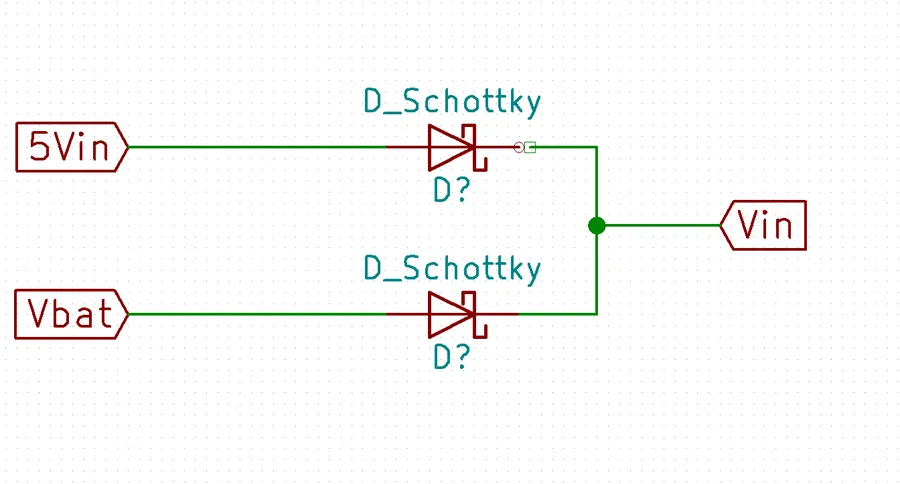
While the 1N5819 Schottky diode is a robust and versatile component, situations may arise where a direct replacement or alternative is necessary. This section provides guidance on selecting suitable equivalents based on performance characteristics, availability, and cost considerations.
When choosing an alternative, carefully evaluate the key parameters like forward voltage drop (Vf), reverse voltage rating (Vr), forward current capacity (If), and operating temperature range to ensure that the substitute meets or exceeds the requirements of the original design. The primary goal is to match or surpass the performance of the 1N5819 without compromising the integrity or functionality of the circuit.
| Parameter | 1N5819 | BAT43 | 1N5817 | SS14 | 1N4007 |
|---|---|---|---|---|---|
| Type | Schottky | Schottky | Schottky | Schottky | Standard Rectifier |
| Forward Voltage Drop (Vf) | 0.45V @ 1A | 0.45V @ 1A | 0.45V @ 1A | 0.45V @ 1A | 1.1V @ 1A |
| Max Reverse Voltage (Vr) | 40V | 30V | 20V | 40V | 1000V |
| Forward Current (If) | 1A | 1A | 1A | 1A | 1A |
| Switching Speed | Very Fast | Very Fast | Very Fast | Very Fast | Slow |
| Typical Application | Switching Circuits, Reverse Polarity Protection | Mixers, Detectors | Low voltage Rectification | General Purpose Rectification | General Purpose Rectification |
The table above offers a direct comparison. Schottky diodes such as BAT43, 1N5817 and SS14 serve as good alternatives based on their similar forward voltage drop, high switching speed. The 1N4007, while a common rectifier diode, exhibits a significantly higher forward voltage drop and slower switching speed, making it less suitable as a direct replacement for the 1N5819 in high-frequency applications.
This section addresses common inquiries regarding the 1N5819 Schottky diode, clarifying its characteristics, applications, and usage within electronic circuits. Understanding these frequently asked questions will enhance your ability to utilize this component effectively.
Selecting the appropriate 1N5819 diode for a project requires a systematic approach, considering key electrical characteristics and operational requirements to ensure both performance and reliability. This process involves a clear understanding of the circuit's needs and the diode's capabilities.
In conclusion, the diode 1N5819, a high-performance Schottky diode, is crucial in modern electronics thanks to its low forward voltage drop and rapid switching capabilities. Whether you're designing DC-DC converters or creating high-frequency switching circuits, understanding its characteristics is key to maximizing efficiency and reliability. The future of power electronics hinges on components like the 1N5819, and embracing its unique properties can lead to innovations across multiple industries.

