Resistors are fundamental building blocks in electronics, controlling current flow and enabling countless innovations. Whether you're a seasoned engineer or a hobbyist just starting, knowing where to buy resistors is crucial. This guide will walk you through the best options for sourcing resistors, from online giants to specialized local suppliers, helping you find the exact components you need to buy resistors and bring your electronics projects to life.
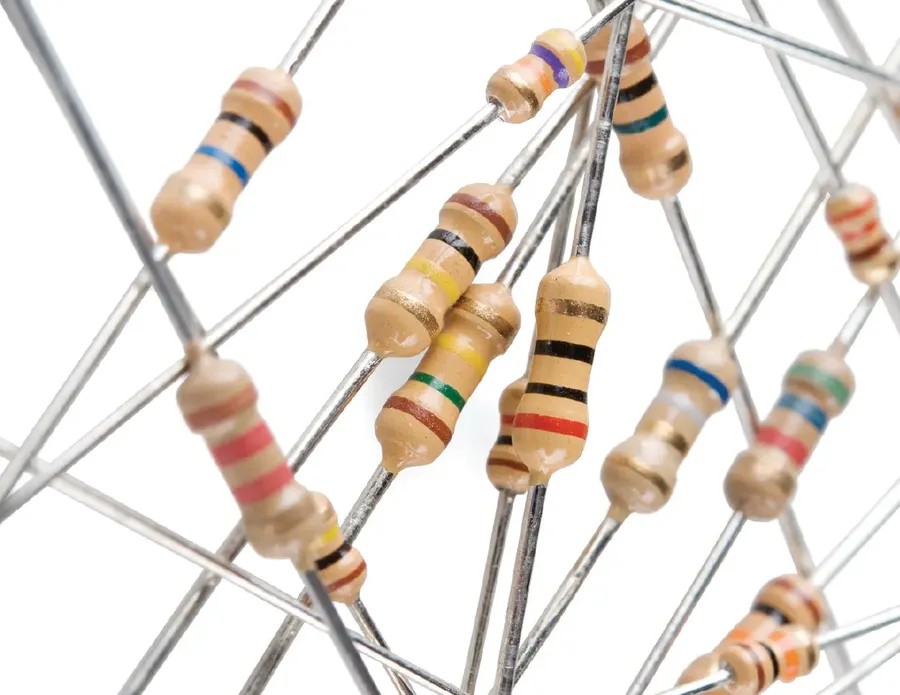
Major online marketplaces such as Amazon and Walmart offer a convenient starting point for purchasing resistors, particularly for hobbyists and small-scale projects. These platforms provide a wide selection of resistor kits and individual components, catering to various needs and skill levels.
These retailers often stock a range of resistor types, including common carbon film and metal film resistors, along with surface mount devices (SMD) for more advanced projects. The convenience of online shopping, coupled with competitive pricing, makes these platforms attractive for many users.

For electronics professionals and serious hobbyists seeking an extensive selection of resistors, specialized distributors like Mouser, DigiKey, Newark, and Future Electronics offer a vast inventory. These distributors are renowned for providing detailed datasheets and specifications, ensuring the correct components are selected for specific applications.
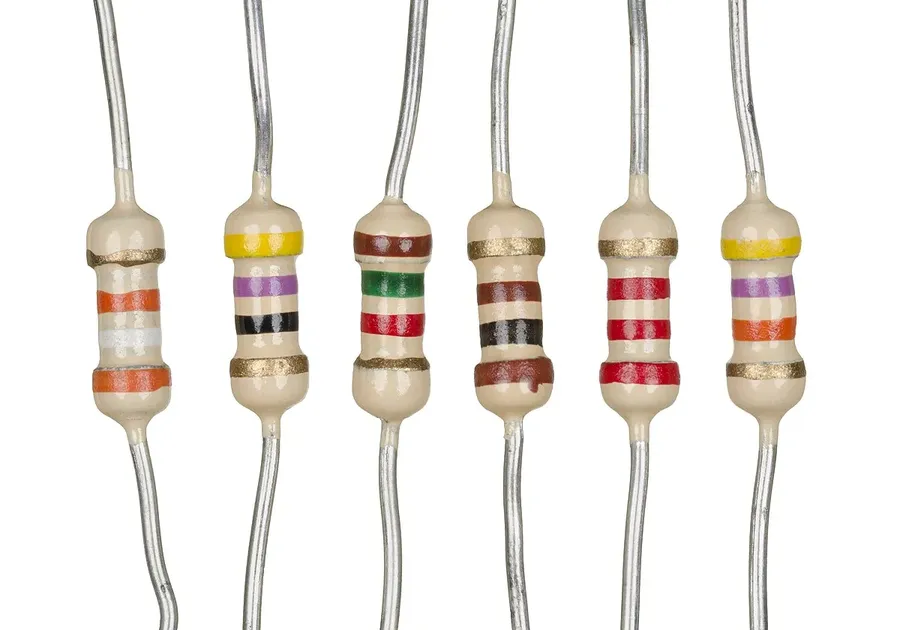
Selecting the correct type of resistor is crucial for optimal circuit performance. Resistors vary significantly in their construction, impacting their precision, temperature stability, and power handling capabilities. This section details the common types of resistors, their characteristics, and best uses to ensure your resistor purchase is appropriate for your project.
| Resistor Type | Construction | Typical Tolerance | Temperature Coefficient | Power Rating | Applications |
|---|---|---|---|---|---|
| Carbon Film | Thin carbon film deposited on a ceramic substrate | ±2% to ±5% | Relatively high | Low to medium | General-purpose applications, hobby electronics |
| Metal Film | Thin metal film deposited on a ceramic substrate | ±0.1% to ±1% | Low | Low to medium | Precision circuits, audio equipment, applications requiring higher stability |
| Wirewound | Metal wire wound around an insulating core | ±0.01% to ±5% | Low | High | Power circuits, current sensing, applications requiring high precision and power handling |
| Surface Mount (SMD) | Various film technologies, small size for direct mounting on PCBs | ±0.1% to ±5% | Low to medium | Low to medium | High-density circuit boards, compact electronic devices |
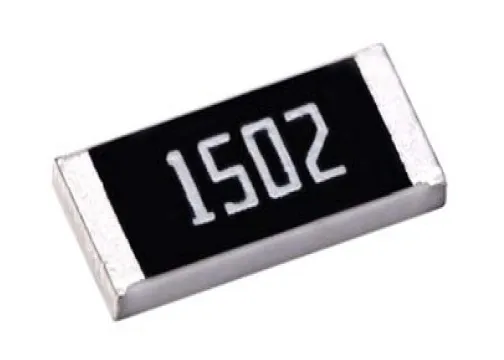
Selecting the correct resistor for an electronic circuit hinges on understanding two crucial parameters: resistance value, measured in ohms (Ω), and tolerance, which indicates the precision of that value. These factors directly impact circuit performance; therefore, proper selection is paramount for accurate and reliable operation.
Resistance value determines the opposition a component offers to the flow of electrical current. A higher resistance restricts current flow more than a lower resistance. Tolerance, on the other hand, specifies the acceptable range of variation from the stated resistance value, usually expressed as a percentage. For instance, a 100Ω resistor with a 5% tolerance can have an actual resistance ranging from 95Ω to 105Ω.
Accurate resistance values and appropriate tolerance are vital. Mismatches can lead to component failure and unstable circuit behavior, whereas proper selection ensures circuit stability and operational consistency.
The primary method for identifying resistor values involves reading the color-coded bands printed on the resistor body. Understanding this code is fundamental to accurately selecting resistors for specific designs.
The resistor color code is typically a system of four or five bands, each color indicating a specific numerical value or multiplier. The first two bands indicate the significant digits of the resistance value. The third band represents the multiplier, a power of ten applied to the digits. A fourth band, if present, denotes the tolerance. A fifth band, sometimes present on precision resistors, indicates temperature coefficient, this detail is less used in hobbyist projects, so it is not focused on here.
| Color | Digit Value | Multiplier | Tolerance (%) |
|---|---|---|---|
| Black | 0 | 1 | - |
| Brown | 1 | 10 | 1 |
| Red | 2 | 100 | 2 |
| Orange | 3 | 1,000 | - |
| Yellow | 4 | 10,000 | - |
| Green | 5 | 100,000 | 0.5 |
| Blue | 6 | 1,000,000 | 0.25 |
| Violet | 7 | 10,000,000 | 0.1 |
| Gray | 8 | - | 0.05 |
| White | 9 | - | - |
| Gold | - | 0.1 | 5 |
| Silver | - | 0.01 | 10 |
For example, a resistor with color bands Brown, Black, Red, and Gold would have a resistance of 10 x 100 = 1000 ohms (1kΩ) with a 5% tolerance. Using a multimeter to double-check the resistor value is essential.
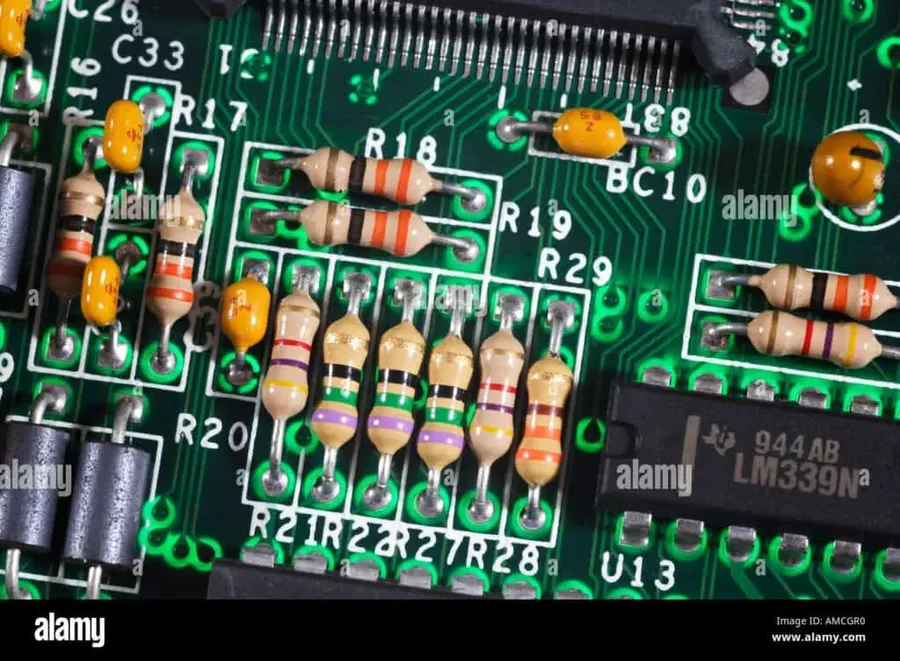
Selecting the right resistor involves careful consideration of several factors beyond just the resistance value. Key aspects include the quantity required, the power rating, and the physical size of the component. These elements must align with the application to ensure optimal circuit performance and longevity.
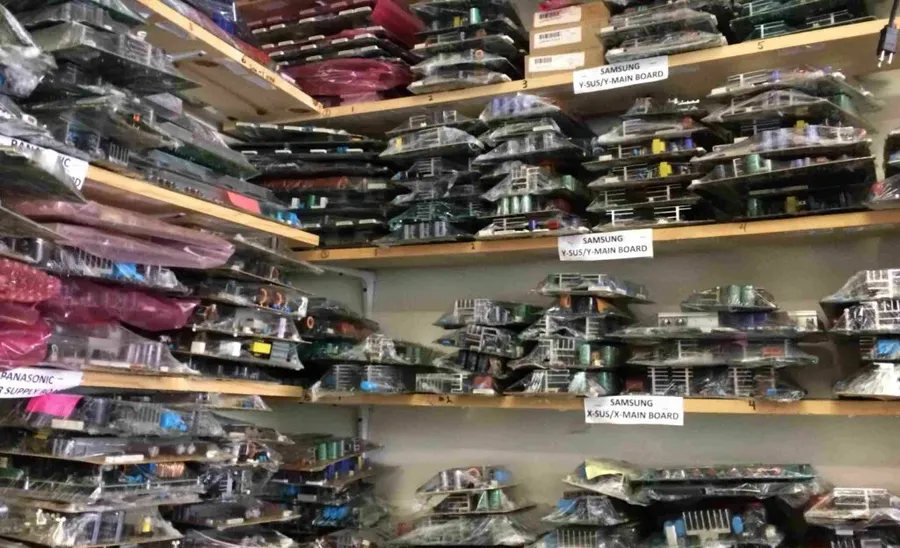
Sourcing resistors from local electronics supply stores offers distinct advantages, particularly for hobbyists and those needing components urgently. These stores often provide immediate access to a variety of resistors, enabling faster project completion and potentially saving on shipping costs. Moreover, local shops typically offer personalized customer service, allowing for direct advice and support from knowledgeable staff.
While the range of products available at local stores might be less comprehensive compared to online distributors, they present an ideal solution for acquiring common resistor types for prototyping and basic repairs. Additionally, browsing local stores allows for direct physical examination of the components before purchase, an advantage that online shopping lacks. This hands-on approach is especially beneficial for beginners in electronics.
This section addresses common questions that arise when purchasing resistors, providing clarity on resistor identification, alternatives, cost factors, and value selection, ensuring that you buy resistors with a complete understanding.
Choosing the right online retailer for resistors involves balancing several factors including product variety, pricing, customer service, and shipping options. This comparison table provides a structured overview to help you make an informed decision.
| Retailer | Selection Variety | Pricing | Customer Support | Shipping Options | Pros | Cons |
|---|---|---|---|---|---|---|
| Amazon | Very Wide (Including kits) | Competitive; varied | Good (Varies by seller) | Multiple options | Large selection, fast shipping (Prime) | Quality can vary by seller |
| Walmart | Wide (Mainly kits) | Competitive | Good | Standard and expedited | Good prices, easy returns | Less focused on individual components |
| Mouser Electronics | Extensive (Individual Components) | Competitive (Bulk discounts) | Excellent (Technical support) | Global, multiple carriers | Large stock, reliable parts | Can be more expensive for small orders |
| DigiKey | Extensive (Individual Components) | Competitive (Bulk discounts) | Excellent (Technical support) | Global, multiple carriers | Huge selection, detailed specs | Complex website for casual users |
| Newark (element14) | Extensive (Individual Components) | Moderate (Volume discounts) | Good (Technical support) | Global, multiple carriers | Good stock, strong brand | Potentially higher prices |
| Future Electronics | Very Extensive (Individual Components) | Competitive (For businesses) | Good (Account managers) | Global, specialized carriers | Large scale supplier, good for business | Less accessible to hobbyists |
Purchasing resistors is a crucial part of any electronics project. By understanding the variety of options, you can buy resistors from both online retailers and local suppliers. The key is to assess your needs considering the correct type, value, and tolerance of resistors as well as considering where to buy resistors. Whether you are a hobbyist or a professional, having the right parts makes all the difference. Keep this guide in mind as you gather your components, and watch your next project thrive.

