Your Guide to Electronic Components Online Shopping
2025.02.06
The digital age has made sourcing electronic components easier than ever. Gone are the days of limited local shops; now, a vast world of components is at your fingertips through electronic components online shopping. Whether you're a hobbyist building a robot or a professional developing cutting-edge technology, understanding where and how to shop for these essential parts is key. This article explores the landscape of online electronic component retailers, guiding you to make informed purchasing decisions and ensure you have the tools to bring your projects to life.
Top Online Retailers for Electronic Components
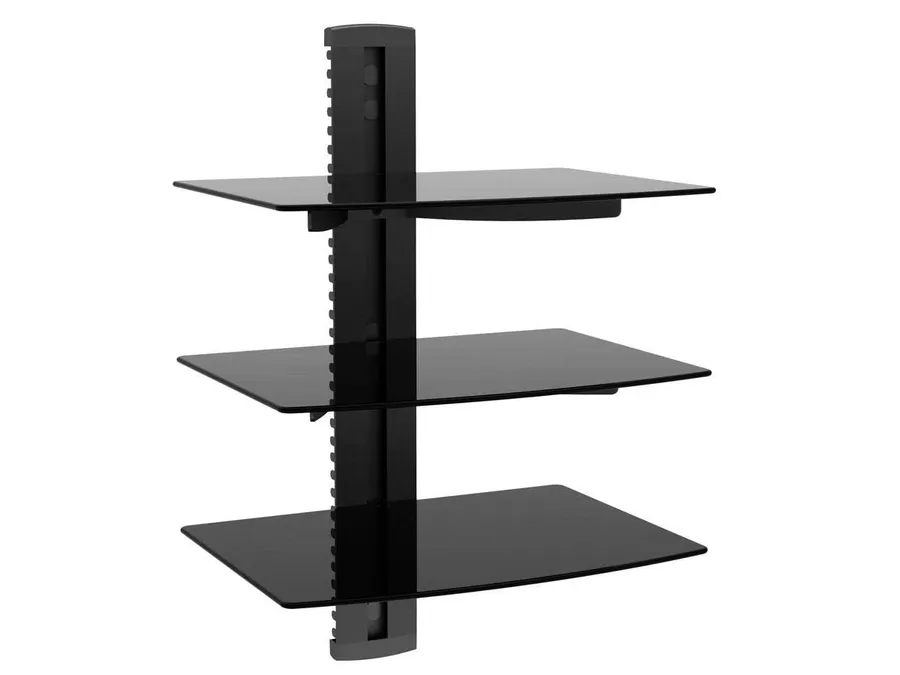
Electronic Components Shelves
The electronic components market has shifted significantly towards online retail, offering engineers, hobbyists, and manufacturers an array of options for sourcing parts. This section highlights the leading online distributors, such as Mouser Electronics, DigiKey, Newark, and Jameco, exploring their particular strengths, component availability, and customer service quality. Understanding the nuances of each distributor is critical for efficient procurement and project success.
Distributor
Strengths
Component Variety
Stock Availability
Customer Service
Mouser Electronics
Broad selection of new components, strong in semiconductors, rapid NPI (New Product Introduction)
Extensive
High
Highly rated technical support and customer service
DigiKey
Vast product catalog, strong search capabilities, focus on design engineering
Extensive
High, with frequent updates
Good technical resources and customer support
Newark (element14)
Focus on industrial and professional electronics, good for hard-to-find parts
Broad range, with industrial emphasis
Moderate to High
Support is well suited for professional users
Jameco Electronics
Value pricing on common components, good for hobbyists and educational institutions
Good selection of common components
Moderate
Customer service focused on direct sales
Choosing the Right Components: A Beginner's Guide
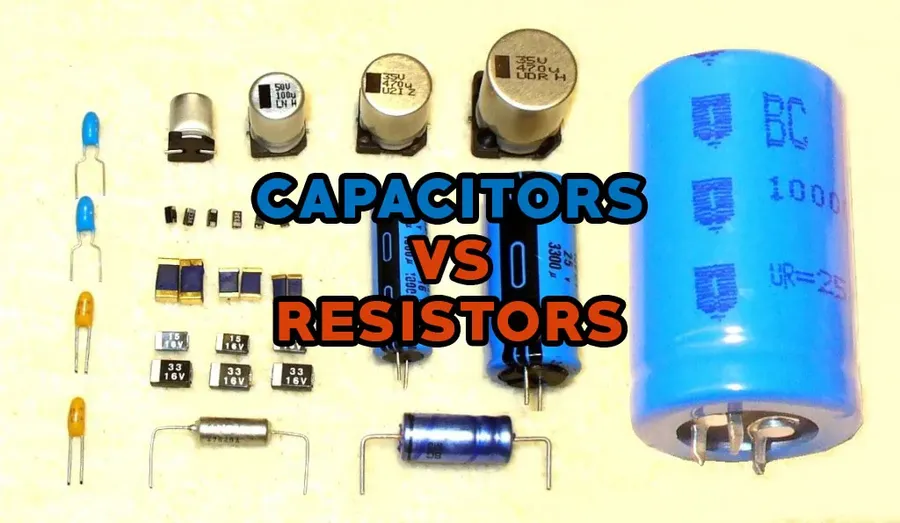
Resistors and Capacitors
Selecting the correct electronic components is crucial for any successful electronics project. This section provides a foundational understanding of essential component types, their basic applications, and tips for choosing the right components.
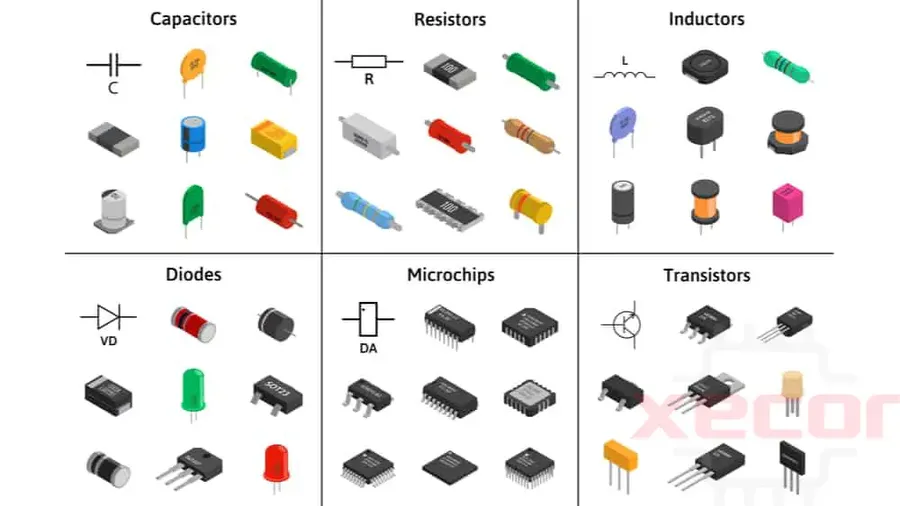
Electronic components are the fundamental building blocks of any electronic circuit. Understanding their basic functions and applications is essential for designing and building functional circuits.
Resistors Resistors limit the flow of electrical current in a circuit, measured in Ohms (Ω). They are crucial for setting current levels and voltage dividers in circuits. Applications include LED current limiting, pull-up resistors in digital circuits, and signal attenuation.
Capacitors Capacitors store electrical energy in an electric field, measured in Farads (F). They are used for energy storage, filtering noise, and signal coupling/decoupling. Applications include smoothing power supply voltages, filtering out high-frequency noise, and timing circuits.
Diodes Diodes allow current to flow in one direction and block it in the opposite direction. They are used in rectification, signal demodulation, and surge protection. Applications include AC to DC conversion in power supplies, protection from reverse polarity, and signal rectification in radio frequency circuits.
Transistors Transistors act as electronic switches or amplifiers. They control current or voltage flow, and come in various types, such as bipolar junction transistors (BJTs) and field-effect transistors (FETs). Applications include amplification in audio circuits, switching in digital logic, and power control in motors and actuators.
Integrated Circuits (ICs) ICs are miniaturized electronic circuits built on semiconductor materials. They integrate many components into a single package. Applications include microprocessors, op-amps, logic gates, and memory chips in computers, controllers, and embedded systems.
Sensors Sensors convert physical quantities into electrical signals. They measure temperature, pressure, light, distance, and more. Applications include environmental monitoring, robotics, and industrial automation.
Connectors Connectors provide detachable connections between circuits or devices. They come in various shapes and sizes for different applications like power delivery, signal transmission, and board-to-board connections. Applications include connecting power supplies to devices, signal transmission between circuit boards, and secure and reliable data transfer.
When selecting components, consider these critical factors:
Electrical Characteristics Ensure that the component's voltage, current, power ratings meet or exceed the requirements of your circuit to avoid component failure. Consult datasheets for specific parameters like maximum operating voltage, current capacity, and power dissipation.
Operating Conditions Match the component's temperature rating to the environment it will operate in. Avoid conditions that are out of the specified operating range because the device may fail or not function correctly. Check the manufacturer's datasheet for the component's maximum and minimum operating temperature range.
Physical Size and Package Verify that the component's dimensions and package type align with your PCB layout and space constraints. The wrong physical package may prevent you from assembling it on the board.
Tolerance Choose components with tolerance suitable to the application. A tighter tolerance value is important when accuracy is crucial. For example, in voltage dividers or amplification circuits, resistors with tight tolerances are preferable.
Datasheet Review Always consult datasheets for detailed specifications before making a purchase. Pay close attention to all maximum operating ratings, thermal properties, and other key information that could impact circuit performance.
Navigating Online Stores: Tips for Efficient Searching
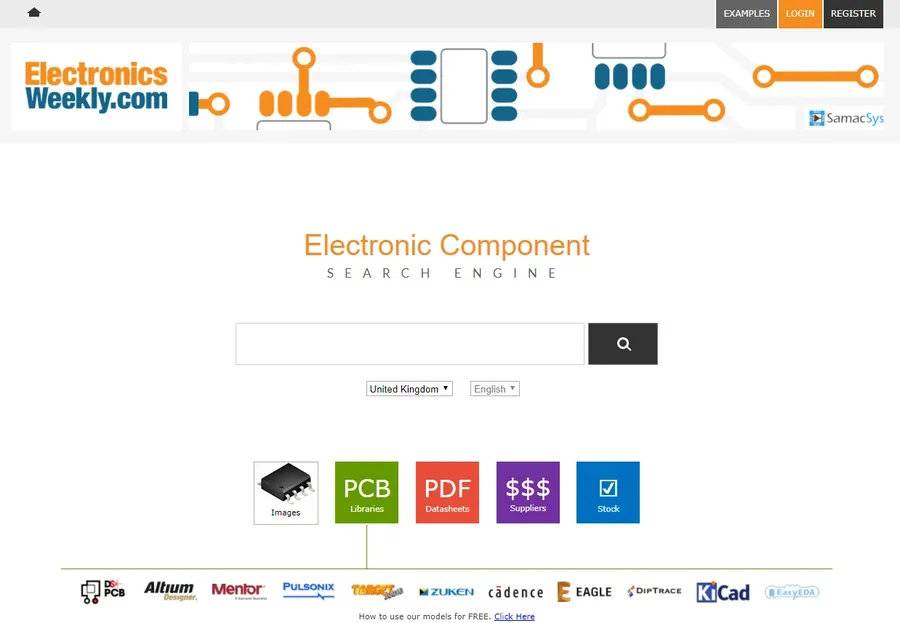
Online Component Search
Efficiently locating specific electronic components online requires mastering the art of search and filtering. This section provides practical advice on leveraging online store features to quickly find the exact components you need, ensuring compatibility and saving valuable time.
Utilize Specific Keywords Instead of broad terms, use precise keywords that include the component type (e.g., 'SMD resistor', 'electrolytic capacitor'), value (e.g., '10k ohm resistor', '100uF capacitor'), tolerance, package size (e.g., '0805 resistor', 'through-hole capacitor') and other relevant parameters. Specificity drastically narrows down search results and avoids wasting time on irrelevant listings.
Master Search Filters Most online retailers offer a suite of filters that refine search results. Common filters include manufacturer, component type, capacitance, resistance, voltage rating, current rating, temperature range, package type, and lead spacing. Employing filters systematically allows to find the exact needed component while ensuring compatibility with the project requirements.
Leverage Datasheets for Precise Matching Always verify compatibility and specifications with the component's datasheet. Look for the datasheet link provided on the product page, download it, and confirm parameters including pinout, voltage limits, current limits, operating temperature ranges, and other critical parameters before making a purchase. This ensures that the selected component is the right fit and avoids the risk of damage or failure.
Understand Product Information Carefully read the product description to note critical specifications that might not be immediately apparent from filters or titles. Be sure to check the manufacturer's part number, description, material composition, life-cycle status and other details to avoid any surprises after the component arrives. Pay special attention to units, tolerances and any specific warnings provided by the supplier.
Use Part Number Searches When ordering replacements or specific components, using the manufacturer's part number in searches yields the most accurate results. This reduces the risk of ordering a component that is similar but has slight differences in specifications or package.
Understanding Component Specifications and Datasheets
Component Datasheet
Datasheets are crucial for selecting the right electronic components. They provide detailed technical specifications, performance characteristics, and operational limits, enabling engineers to confirm that a component will function correctly within the desired application's parameters. This section delves into interpreting these documents effectively.
Key parameters to focus on when reviewing datasheets include:
Voltage Ratings This specifies the maximum voltage the component can safely withstand. Exceeding this rating can lead to component failure or damage.
Current Limits Indicates the maximum current the component can handle continuously. Surpassing this limit can cause overheating and potential failure. Both continuous and peak current limits are usually provided.
Tolerances Refers to the permissible variation in component values. For example, a 100-ohm resistor with a 5% tolerance could range from 95 to 105 ohms. The tolerance impacts circuit performance, particularly in precision applications.
Operating Temperature This range defines the ambient temperature at which the component will operate within specifications. Operating outside this range can result in component malfunction and reduced lifespan. Components in automotive or aerospace applications often have wider operating temperature requirements.
Power Dissipation This parameter indicates the maximum power that the component can dissipate as heat without damage. This is crucial for components that generate heat and may require a heat sink. It's determined by the current flowing through it and its resistance, following Ohm's Law (P=I²R).
Frequency Response Relevant for components operating in AC circuits, this parameter shows the range of frequencies over which the component maintains its performance characteristics. For example, inductors and capacitors have frequency-dependent behaviors that need to be considered for proper circuit operation. For example, many capacitors' capacitance reduces with increasing frequency.
Material Composition For certain types of components, such as capacitors, the material composition is vital. For example, Electrolytic capacitors are polarized and have higher capacitance, but are not suitable for high frequency operation or applications where polarity reversal is possible. Ceramic capacitors are less temperature sensitive and better at higher frequency.
When selecting components, ensure their specifications are not just within project requirements, but also include an adequate safety margin, considering factors like ambient temperature and manufacturing tolerances.
Order Placement and Delivery: Maximizing Speed and Cost-Efficiency
Component Packaging
Efficient order placement and delivery are crucial when purchasing electronic components online. This section provides a step-by-step guide to navigating the ordering process with online distributors, focusing on strategies to minimize shipping costs and maximize delivery speed. Understanding these procedures ensures timely project completion and cost-effective procurement.
The process typically involves:
Account Setup Create an account on the distributor's website. Ensure accurate contact and shipping details are provided to prevent delays.
Component Selection Use the distributor's search and filtering tools to locate the specific components required. Verify part numbers, specifications, and availability before adding to the cart.
Cart Review Carefully review the items in your cart to confirm that all required components are present, with the correct quantity and specifications. Check for any quantity discounts that might apply.
Shipping Options Select a suitable shipping method. Consider expedited options for urgent orders, and standard or economy options to reduce costs. Confirm estimated delivery dates.
Payment Processing Choose your preferred payment method. Most major distributors accept credit cards, wire transfers, and sometimes PayPal. Confirm the total order cost and payment details.
Order Confirmation and Tracking After payment, verify the confirmation details. Use the provided tracking number to monitor the shipment's progress and expected delivery.
To optimize speed and cost-efficiency, consider these tips:
Consolidate Orders Bundling multiple component orders into a single purchase can often reduce shipping costs compared to multiple smaller orders, especially when free shipping thresholds are met.
Compare Shipping Options Evaluate different shipping methods for their balance of speed and cost. Standard shipping is suitable for non-urgent items, while expedited shipping suits urgent projects.
Anticipate Needs Order components well in advance, especially for projects with tight schedules, avoiding the need for costly expedited shipping and minimizing project delays.
Check Stock Levels Confirm the availability of components before placing an order, ensuring you aren't impacted by backorders. Consider distributors who hold components in stock.
Use Order Tracking Use the tracking number provided by the distributor to check the real-time status of your order and estimated delivery time, so that you can be well-prepared to receive the shipment.
Managing Returns and Warranties When Electronic Components Online Shopping
Navigating returns and warranties is a crucial aspect of online electronic component shopping. Understanding the policies of major distributors ensures a smooth experience, particularly when dealing with discrepancies in orders or faulty products. This section outlines what to expect and how to handle these situations effectively.
Return Policies Overview Most major online distributors, like Mouser, Digi-Key, and Newark, have return policies that allow customers to return items within a specific timeframe, often 30 to 90 days. However, these policies can vary and usually require the components to be in their original, unopened packaging.
Reasons for Returns Common reasons for returns include receiving the wrong part, receiving a damaged component, or the component failing to meet the required specifications as per the datasheet. It's also possible to return components ordered in error.
Warranty Coverage Warranties for electronic components are often provided by the manufacturers and not the distributors, but the distributors usually facilitate the warranty claim process. The warranty period typically covers defects in materials or workmanship, and may vary from a few months to a year. Check the datasheet or manufacturer's website to confirm warranty periods.
Initiating a Return To initiate a return, it's typically required to contact the distributor's customer service or use their online return portal. You may need the original order number, details of the component, and reasons for the return. Be sure to comply with the distributor’s specific instructions for packing and shipping.
Dealing with Discrepancies If there’s a discrepancy between what you ordered and what you received, document this by taking pictures of the package and the received components before opening. Immediately inform the distributor with these details, so that the error can be rectified as quickly as possible.
Handling Faulty Products If a component is faulty, contact the distributor’s customer service immediately. Provide details of the fault and testing results if possible. The distributor may request you to return the product for inspection or provide a replacement. If warranty is applicable the distributor will facilitate this process.
Shipping Costs for Returns In many cases, the distributor will cover the return shipping costs if the return is due to their error or a faulty product. However, for other reasons such as errors in ordering, return shipping costs may be the responsibility of the customer. Confirm the exact return shipping cost policy before sending back any parts.
Frequently Asked Questions About Electronic Components Online Shopping
Navigating the online marketplace for electronic components can raise several questions for both seasoned engineers and hobbyists. This section addresses frequently asked questions to provide clarity and ensure a smooth online shopping experience.
What are the typical minimum order quantities when buying electronic components online? Minimum order quantities (MOQs) vary significantly between distributors. Some cater to individual hobbyists with no MOQs, while others, particularly those focused on bulk sales, may impose higher MOQs. It's essential to check the specific product page and distributor policies. Often, lower prices per unit are offered with larger quantity purchases.
What payment options are generally available when purchasing electronic components online? Common payment options include credit cards (Visa, Mastercard, American Express), PayPal, and bank transfers. Some distributors might also offer options for purchasing accounts, especially for businesses. Always check for secure payment gateways before proceeding with a transaction.
How long does it typically take to receive an order of electronic components? Shipping times vary based on the distributor's location, the shipping method chosen, and the destination. Standard shipping can take several business days, while expedited options (e.g., next-day delivery) are usually available for an extra fee. Consider the availability of the items in stock and processing times.
How can I locate datasheets and detailed specifications for electronic components online? Most reputable online distributors provide links to datasheets directly on the product page. Alternatively, manufacturers' websites and specialized datasheet repositories (such as Octopart and AllDataSheet) are valuable sources for detailed technical specifications.
What should I do if the electronic components I receive do not match my order? Immediately contact the distributor's customer service department. Provide them with your order details and a clear description of the discrepancy. Reputable distributors will typically offer a solution, which can range from a full refund or a free replacement of the incorrect items. Maintain all packaging and relevant documentation in case they are required for the returns process.
How can I choose the correct electronic component for my specific project? Begin by establishing the required functionality and specifications for your project. Consult datasheets to understand components' limitations and capabilities like voltage ratings, current limits, and operating temperatures. If uncertain, begin with the manufacturers' or suppliers' application notes and guides. Consider using online calculators and simulation tools to verify compatibility. Double-checking specifications will help avoid faulty circuit designs and prevent damage to components.
What are some best practices for finding the right components efficiently online? Utilize the search filters provided on online stores, specifying parameters like resistance, capacitance, voltage rating, and package type. Compare the datasheets of similar components before finalizing a purchase, looking for key parameters and operating conditions. Read the online product descriptions carefully for hints of common use and the latest updates. Use cross-reference tools or search engines to find alternatives for obsolete components.
Safety Precautions When Working With Electronic Components
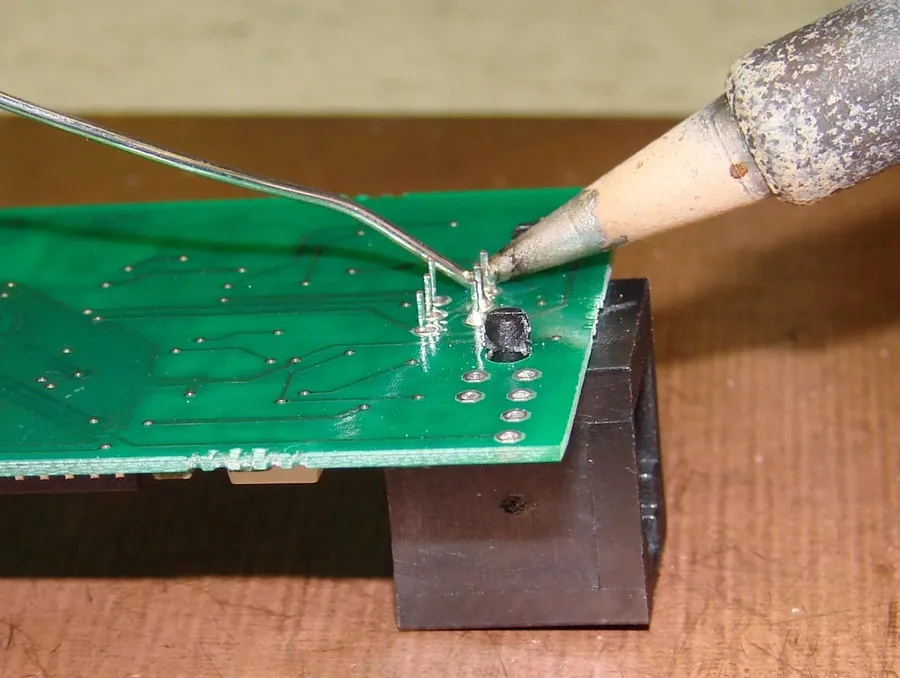
Soldering Circuit Board
Working with electronic components requires a strong understanding of safety protocols to prevent personal injury and damage to equipment. The following guidelines address critical aspects of handling, storage, and the use of protective gear.
Handling Precautions Always handle electronic components with care, especially static-sensitive parts like integrated circuits (ICs) and MOSFETs, to avoid electrostatic discharge (ESD). Ground yourself using an anti-static wrist strap. Do not touch component leads or pins with bare hands. Use tweezers or component handling tools. Ensure components are stored in anti-static packaging when not in use to prevent damage and accidental shorts.
Storage Techniques Store components in a cool, dry environment to prevent corrosion and degradation. Keep components away from sources of heat, moisture, and direct sunlight. Organize components in labelled containers for easy identification. Use anti-static bags or containers for static-sensitive components. Use component storage bins and cabinets for efficient inventory management.
Safety Gear Always wear safety glasses to protect your eyes from debris and accidental component explosions. Use appropriate gloves to prevent skin contact with potentially harmful materials or chemicals. When soldering, always use proper ventilation to avoid inhaling harmful fumes. Wear lab coats or aprons to protect clothing from spills and stains. Use ESD-safe mats and wrist straps on workbenches to protect components from static.
Specific Component Safety Pay extra caution when working with high-voltage components like capacitors and power supplies. Understand voltage ratings and current limitations of components before use. Never exceed the maximum specified ratings of components, as this can lead to damage or personal injury. Be aware of the polarity and pin configuration of components to prevent incorrect connections. Carefully check for shorts and misconnections before powering up a circuit.
General Safety Rules Always work in a clean and well-lit environment. Do not eat or drink while working with electronic components. Always disconnect power before making any adjustments or connections to a circuit. Use proper tools for each task and avoid using substitutes. Be mindful of sharp edges on components to prevent cuts and scrapes.
Comparative Analysis: Top Electronic Components Online Shopping Platforms
Selecting the right online platform for purchasing electronic components is crucial for both hobbyists and professionals. This section provides a comprehensive comparison of leading online distributors, focusing on key attributes such as pricing, product range, shipping speed, customer support, and return policies, enabling informed purchasing decisions.
Platform
Pricing
Product Range
Shipping Speed
Customer Support
Return Policy
Mouser Electronics
Competitive, with volume discounts
Extensive; wide selection of components
Fast, multiple shipping options
Excellent; responsive and knowledgeable
Good; standard return policy with some conditions
Digi-Key Electronics
Generally competitive
Very large; comprehensive catalog
Fast, various shipping options
Excellent; robust online support and resources
Good; standard return policy with some conditions
Newark Electronics
Moderate to high; focus on industrial grade
Broad; focus on industrial and professional components
Variable, depends on shipping option
Good; dedicated support for professionals
Moderate; return policy with some limitations
Jameco Electronics
Competitive, especially for smaller quantities
Moderate; good selection for hobbyists and prototyping
Variable, depending on location
Good; suitable for general queries
Good; standard return policy
Allied Electronics
Moderate, discounts for bulk purchases
Wide; extensive inventory of components
Fast, several shipping alternatives
Good; supports commercial and industrial users
Moderate; returns are based on their policy
Navigating the world of electronic components online shopping doesn't have to be daunting. By understanding the leading suppliers, crucial component types, and how to navigate online stores, you can make informed choices. Whether you’re a professional or hobbyist, securing your components through trusted online platforms will set you on the path to success. Remember to always prioritize safety when handling components and to leverage the resources available online to optimize your project builds. The convenience of electronic components online shopping ensures you have the technology you need to bring your ideas to life.