In today's fast-paced tech world, flexible PCBs are revolutionizing everything from wearable tech to aerospace, offering unique design possibilities compared to rigid circuit boards. Just like how a tailor needs precise measurements for a custom suit, getting an accurate flexible PCB quote is crucial. This article will guide you through the process, helping you understand the factors influencing cost and how to secure the best quote for your project. We'll unpack the complexities, demystify the jargon, and equip you with the knowledge to navigate the quoting process like a pro, ensuring you get the perfect 'flexible fit' for your electronic needs.
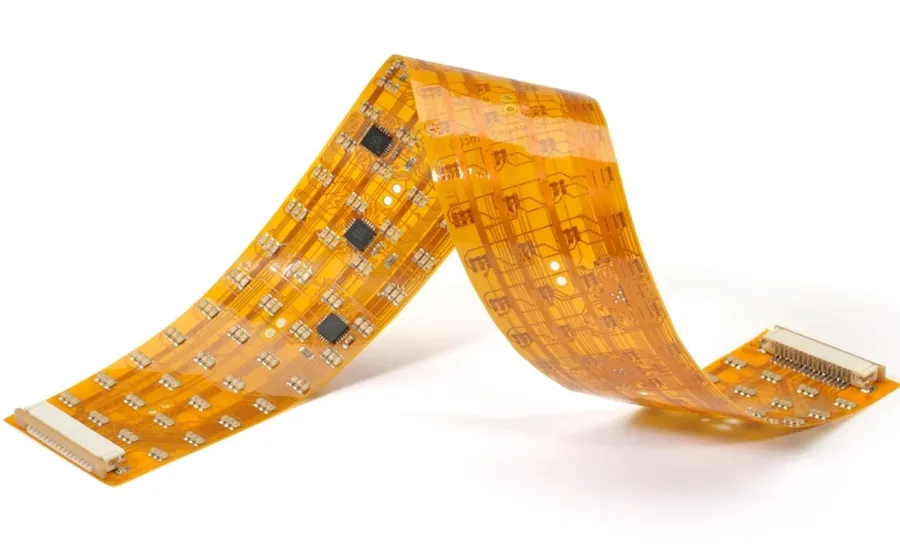
Flexible PCBs, or flex PCBs, are circuit boards constructed on a flexible substrate, allowing them to bend and conform to various shapes, a significant advantage over traditional rigid PCBs. This inherent flexibility, coupled with their space-saving potential, makes them indispensable in applications where form factor and movement are critical. Flex PCBs are essential components in modern electronics, ranging from handheld devices to aerospace technology.
The core construction of a flexible PCB comprises several key elements:
Common applications include:
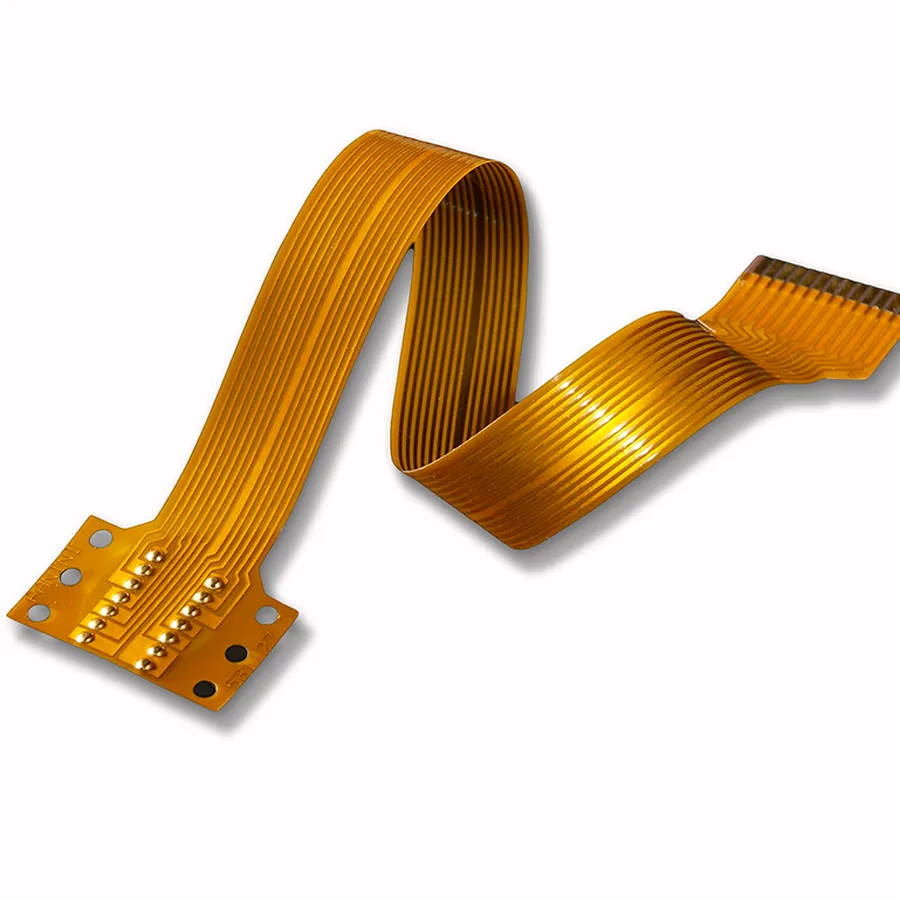
The cost of flexible PCBs is determined by a multitude of interconnected factors, each contributing to the final quote. Understanding these key drivers is crucial for both designers and purchasers aiming for cost-effective solutions. These factors encompass design complexities, material choices, and manufacturing requirements.
| Factor | Description | Impact on Cost |
|---|---|---|
| PCB Size and Complexity | The overall area and intricacy of the PCB design. | Larger and more complex designs generally lead to higher costs due to increased material usage and manufacturing time. |
| Layer Count | Number of conductive layers in the PCB (single-sided, double-sided, multilayer). | More layers increase complexity, material costs, and manufacturing steps, directly raising the price. |
| Material Selection | Type of base material (e.g., polyimide, PET). | Polyimide, known for its excellent thermal and chemical resistance, is generally more expensive than PET. |
| Copper Thickness | Thickness of the copper conductive layers. | Thicker copper layers require more material and specialized processing, increasing costs. |
| Surface Finish | Type of coating applied to exposed copper (e.g., ENIG, HASL). | Surface finishes like ENIG, providing better solderability, tend to be more expensive than HASL. |
| Special Features | Specific design requirements such as impedance control and via types. | Features like controlled impedance require tighter tolerances and specialized manufacturing processes, raising costs. |
| Production Volume | Number of PCBs to be manufactured. | Higher production volumes can lead to lower per-unit costs due to economies of scale. |
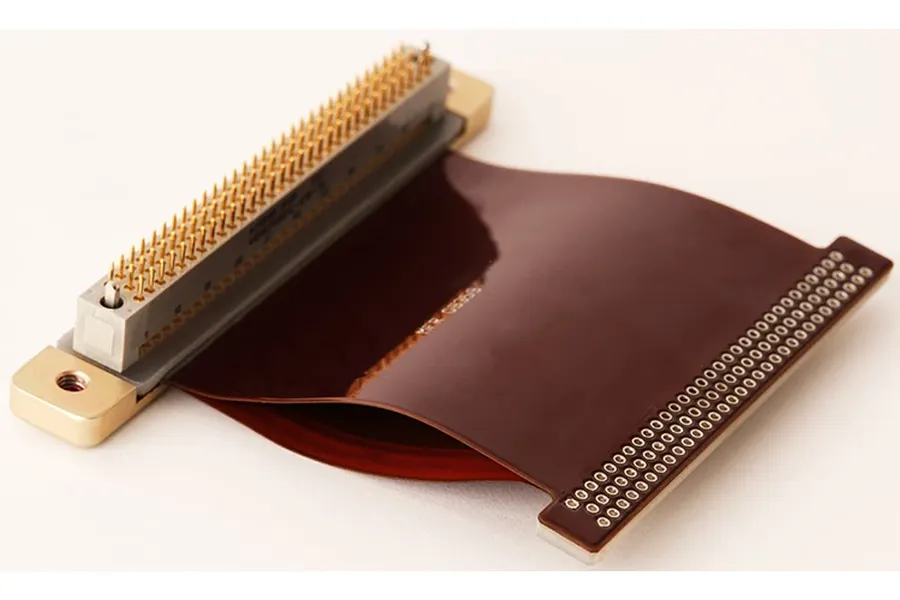
Flexible PCBs are categorized into single-sided, double-sided, and multilayer designs, each offering different levels of complexity, performance, and cost. Understanding these distinctions is crucial for selecting the right type for your specific application. The cost implications, design considerations and manufacturing processes are affected significantly by the number of layers and complexity. Furthermore, rigid-flex PCBs which combine the properties of both rigid and flexible circuits add to the available options.
| Feature | Single-Sided Flex PCB | Double-Sided Flex PCB | Multilayer Flex PCB | Rigid-Flex PCB |
|---|---|---|---|---|
| Layer Count | One conductive layer | Two conductive layers | Three or more conductive layers | Combines rigid and flexible layers |
| Complexity | Least complex | Moderate complexity | Most complex | Complex |
| Cost | Lowest cost | Medium cost | Highest cost | High cost |
| Flexibility | High flexibility | Good flexibility | Reduced flexibility with increased layer count | Flexibility only in designated flex areas |
| Applications | Simple circuits, static applications | More complex circuits, dynamic applications | High-density, high-performance applications | Applications needing both rigid and flex |
| Via Types | Limited to surface mounted components | Through hole or surface mounted | Through-hole, blind, and buried vias | Mix of via types |
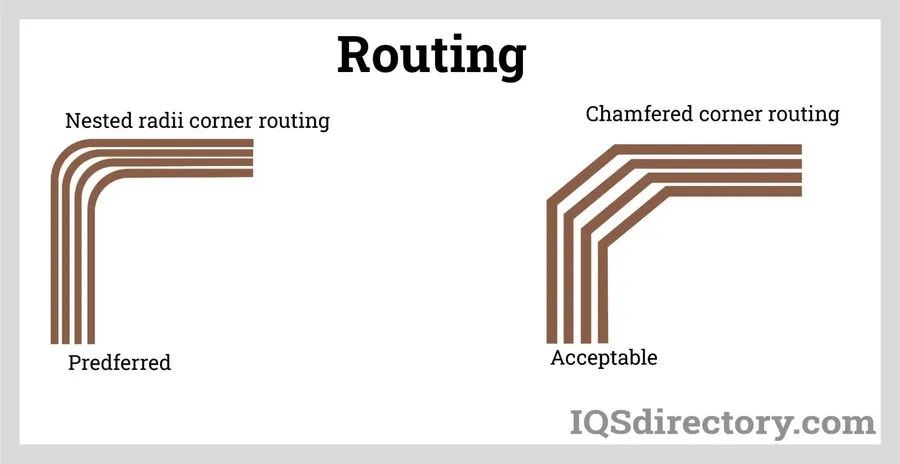
Preparing a comprehensive quote request for flexible PCBs is crucial for obtaining accurate pricing and avoiding production delays. This involves providing detailed specifications and design data that allow manufacturers to precisely understand your project requirements. Clear and complete documentation will streamline the quoting process, minimize errors, and ultimately save both time and money.
Evaluating flexible PCB quotes requires a comprehensive approach that extends beyond just the bottom line price. A thorough comparison should consider several crucial factors that impact the quality, reliability, and overall value of the final product.
A well-structured comparison ensures that you partner with a manufacturer who can deliver high-quality PCBs that meet your specific requirements, on time and within budget. Focusing on the right criteria can save time, money, and mitigate potential risks in the long run.
| Factor | Description | Importance |
|---|---|---|
| Price | The total cost for the PCBs, including tooling and other charges. | Important, but should not be the sole deciding factor. Low prices may indicate lower quality. |
| Lead Time | The time it takes from order placement to delivery of finished PCBs. | Crucial for project timelines; delays can lead to significant setbacks. |
| Manufacturer's Reputation | The manufacturer's history, customer reviews, and industry standing. | Indicates reliability and commitment to quality. Research their past performance. |
| Material Quality | The type and quality of base materials and conductive layers used. | Directly affects the performance, durability, and reliability of the PCB. |
| Certifications | ISO certifications and other industry-specific certifications. | Ensures that the manufacturer follows standardized processes and quality controls. |
| Production Capabilities | The manufacturer’s ability to produce PCBs with the required specifications. | Confirms they have the equipment and expertise for your complex requirements. |
| Tooling Charges | Costs associated with preparing for production, including tooling and setup. | Can add significant costs; confirm charges before committing. |
| Quality Control | The quality control and testing processes employed by the manufacturer. | Ensures the PCBs meet all required standards and performance criteria. |
Estimating the cost of flexible PCBs requires a multifaceted approach, considering both fixed and variable factors. A rudimentary starting point often involves a per-square-inch average, with figures around $100 per square inch frequently cited. However, this figure serves only as a preliminary guideline. The actual cost is significantly affected by design complexity, material choices, tooling requirements, and production volume. A crucial step in this process is to obtain quotations for prototypes, which will serve to validate cost estimates and provide vital insights for scaling up to mass production.
| Cost Factor | Description | Impact on Cost |
|---|---|---|
| Base Material Cost | Polyimide, PET, etc. | Varies based on material type and thickness |
| Copper Layer Count | Single, double or multi-layer | Higher layer count significantly increases cost |
| PCB Size | Length and width | Larger PCBs consume more materials and time |
| Design Complexity | Intricate shapes, small traces/spaces | Higher complexity means longer production and potentially lower yield |
| Surface Finish | ENIG, HASL, etc. | Premium surface finishes increase cost |
| Special Features | Impedance control, blind vias, etc. | Special features require more processes and can increase costs |
| Tooling Costs | Setup for manufacturing | Can be a significant upfront cost, especially for complex designs |
| Production Volume | Number of boards | Higher volumes typically have lower per-unit costs due to economies of scale |
This section addresses common questions regarding flexible PCBs, offering concise answers to help you navigate the complexities of flex circuit technology, design, and cost.

Optimizing flexible PCB design is crucial for controlling manufacturing costs. By making strategic decisions during the design phase, engineers can significantly reduce expenses without compromising functionality. This involves standardizing design elements, choosing cost-effective materials, and minimizing manufacturing complexities.
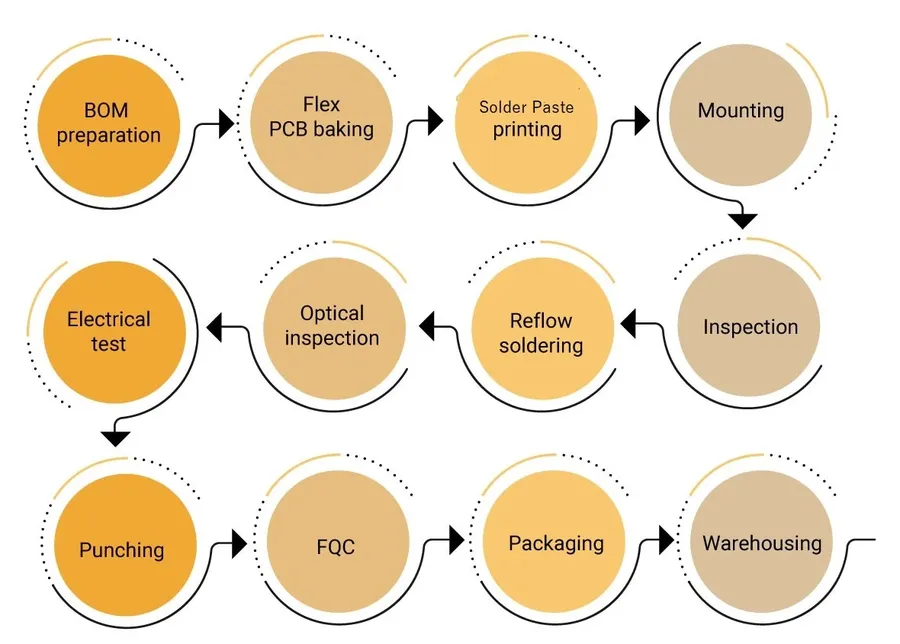
Advanced flexible PCB manufacturing techniques are driving innovation, enabling more complex designs and improved performance. These techniques, while potentially increasing initial costs, can lead to more robust, efficient, and application-specific solutions, expanding the possibilities for flexible electronics.
These methods offer design freedoms and performance enhancements that are often unattainable with conventional processes. Exploring and understanding these techniques enables designers and engineers to create cutting-edge products with superior functionality and adaptability.
| Technique | Description | Impact on Cost | Design Opportunities |
|---|---|---|---|
| Laser Ablation | Material removal using laser | Increased tooling costs, high precision | Fine features, intricate patterns, microvias |
| Additive Manufacturing | Layer-by-layer PCB construction | Potentially lower prototyping costs, higher material costs | Rapid prototyping, complex geometries, embedded components |
| Advanced Via Structures | Blind and buried vias | Higher fabrication costs, improves signal integrity | Layer-to-layer interconnections, compact designs |
Getting a precise flexible PCB quote involves more than just requesting a price; it requires a solid understanding of your design needs, material options, and manufacturing capabilities. Like a well-engineered bridge, every aspect of a flexible PCB is interconnected. By understanding these nuances and being meticulous in your request, you can ensure a cost-effective and successful production run. Remember, the cheapest quote isn't always the best; it's about finding the right balance between price, quality, and reliability to ensure that your final product has a truly 'flexible' performance advantage.

