From protecting sensitive electronics to regulating voltage in power supplies, the zener diode is a crucial component in modern circuits. Just as the cost of a semiconductor has a direct impact on electronic device affordability, understanding the factors that influence the zener diode price is vital for both hobbyists and industry professionals. This article will demystify zener diode prices, explain their functionality, and guide you to making smart purchasing decisions, also comparing with other voltage regulating devices.
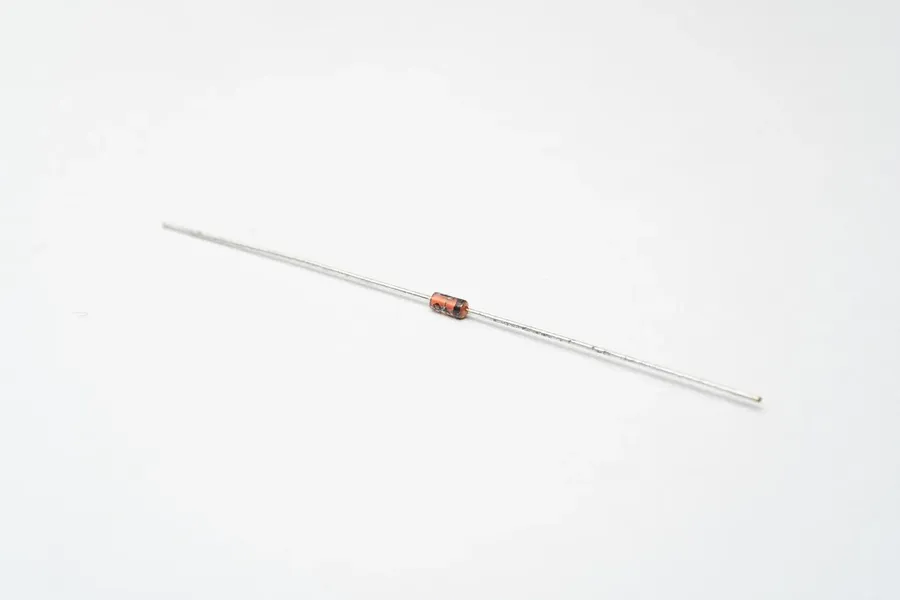
Zener diodes are specialized semiconductor devices engineered to allow current to flow in the reverse direction when a specific voltage, known as the Zener breakdown voltage, is reached. Unlike standard diodes which block reverse current, Zener diodes exploit this reverse breakdown characteristic for voltage regulation and protection applications. Their unique ability to maintain a stable voltage across their terminals in reverse bias, despite variations in current, makes them indispensable components in electronic circuits.
The key functional difference between a standard diode and a Zener diode lies in their reverse bias behavior. A standard diode is designed to block reverse current, while a Zener diode is designed to conduct in the reverse direction once its breakdown voltage is exceeded. This reverse conduction is not destructive, provided the power dissipation limits are not exceeded. This capability stems from the precise doping of the semiconductor material during manufacturing, allowing for controlled and predictable breakdown voltages. This breakdown voltage is a crucial parameter of a Zener diode.
Zener diodes are fundamentally different from standard diodes in that they are intentionally designed to operate in reverse bias. When a reverse voltage is applied across a Zener diode, very little current flows until the breakdown voltage is reached. At this point, the diode begins to conduct, and the voltage across it remains relatively constant even with further increases in reverse current, which is a key factor in their voltage regulation abilities. This constant voltage characteristic is what is leveraged in their various applications. In summary, Zener diodes are not used for rectification like standard diodes, but for voltage regulation, reference voltage, and overvoltage protection.
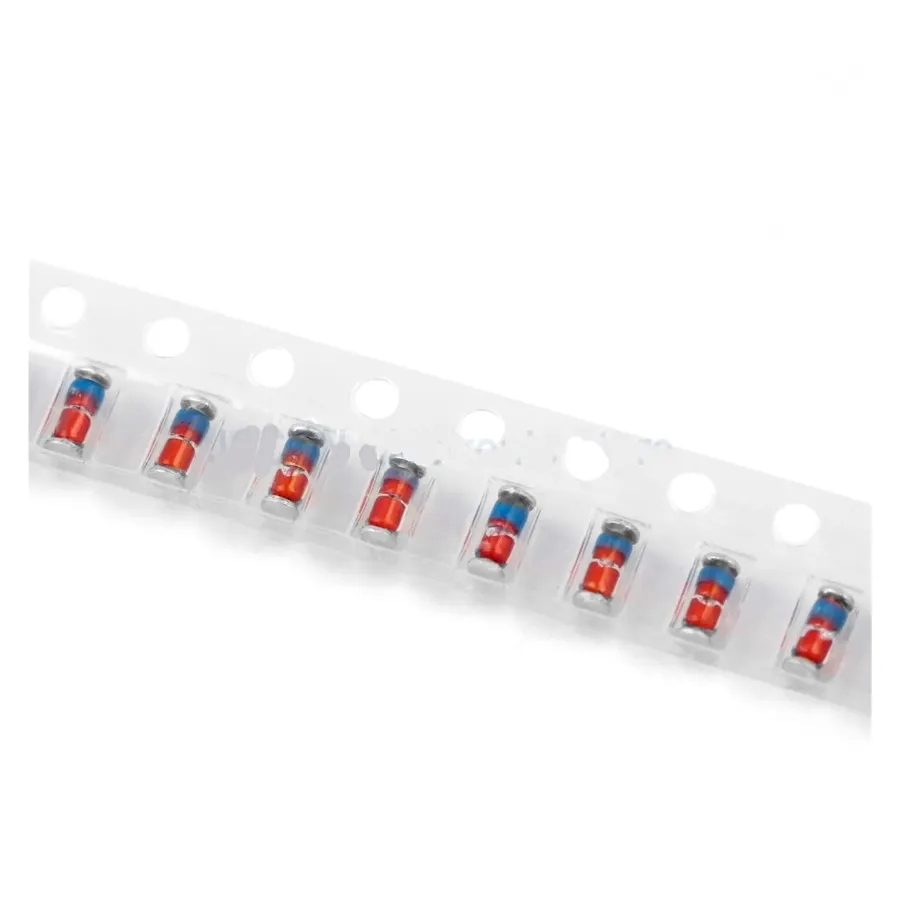
The price of a Zener diode is not fixed and varies depending on a number of factors. Understanding these influences is critical for engineers and procurement specialists alike to effectively manage costs and select the appropriate component for their electronic designs. Key drivers range from technical specifications to market dynamics.
| Factor | Description | Impact on Price |
|---|---|---|
| Voltage Rating | The specified reverse breakdown voltage at which the Zener diode starts conducting. | Higher voltage ratings often correlate with increased cost due to specialized manufacturing and testing requirements. |
| Power Rating | The maximum power the diode can dissipate without damage, usually measured in Watts (W). | Higher power ratings necessitate larger physical size and more robust materials, resulting in a higher price. |
| Tolerance | The precision of the Zener voltage, typically expressed as a percentage (e.g., ±5%). | Tighter tolerances require more precise manufacturing, leading to higher costs. |
| Manufacturer | The brand reputation and manufacturing processes employed by the diode manufacturer. | Established and reputable brands typically have higher prices due to higher quality control and reliability. |
| Package Type | The physical housing of the Zener diode (e.g., through-hole, surface-mount (SMD)). | Surface-mount devices are often more expensive due to the complexity of their manufacturing process and their smaller size, which requires more precise handling. |
| Quantity Ordered | The number of units purchased in a single transaction. | Bulk purchases usually benefit from volume discounts, significantly lowering the unit price. |
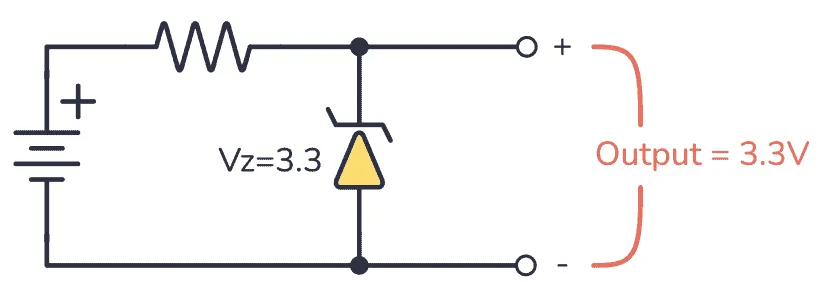
Zener diodes are characterized by their specific breakdown voltage, which is the reverse voltage at which they start conducting significantly. This voltage rating is a critical factor influencing the zener diode price, with higher voltage ratings generally incurring higher costs due to the manufacturing precision and materials required. Different voltage ratings cater to diverse applications and therefore, price ranges vary accordingly.
| Zener Diode Voltage Rating (V) | Typical Price Range (USD) | Common Applications | Considerations |
|---|---|---|---|
| 2.4V - 5.1V | $0.10 - $0.25 | Low voltage reference, portable devices | Lower voltage options are often smaller in package and have less current capabilities. |
| 6.2V - 12V | $0.15 - $0.35 | General voltage regulation, signal clipping | Mid-range voltage, most common values. |
| 15V - 24V | $0.20 - $0.50 | Higher voltage applications, industrial equipment | Price increases and may require better heatsinking. |
| 30V and above | $0.30 - $1.00+ | High-power regulation, surge protection | Higher voltage are generally more expensive and have higher power dissipation capability. |
Price variations also arise from the tolerance of the zener voltage. Tighter tolerances (e.g., ±1% or ±2%) generally result in higher zener diode prices compared to looser tolerances (e.g., ±5% or ±10%). The precise voltage is crucial for applications where consistent performance is required such as voltage reference circuits, so zener diodes with tight tolerance and a defined voltage are selected for those applications, while the selection of the zener diode with higher tolerance is selected for surge protection.
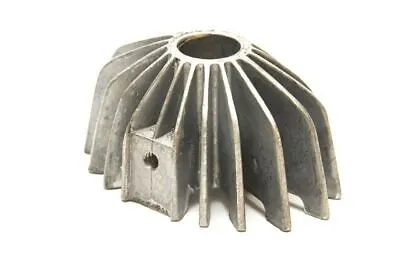
Zener diode power ratings, typically measured in milliwatts (mW) or watts (W), directly correlate with their ability to dissipate heat and handle current. Higher power ratings, signifying a greater capacity for power dissipation, generally result in higher prices for zener diodes. This is due to the increased size of the semiconductor material and packaging required to manage the higher thermal load. Understanding the relationship between power rating and cost is critical for selecting the appropriate zener diode for specific applications.
| Power Rating | Typical Application | Typical Zener Diode Price Range (USD) | Impact on price |
|---|---|---|---|
| 200 mW | Low-power signal regulation, portable devices | $0.10 - $0.30 | Lower |
| 500 mW | General purpose, basic voltage regulation | $0.20 - $0.50 | Mid-range |
| 1 W | Higher current voltage regulation | $0.40 - $0.80 | Higher |
| 5 W | Heavy duty voltage regulation, power protection | $0.80 - $2.00 | Much Higher |
The cost differences between various power ratings are influenced by the manufacturing complexity and materials used. Zener diodes with higher power ratings require larger junction areas and often better heat dissipation mechanisms, resulting in increased production costs. Therefore, selecting a zener diode with a power rating that is just sufficient for the application is important to manage project costs effectively without compromising performance.
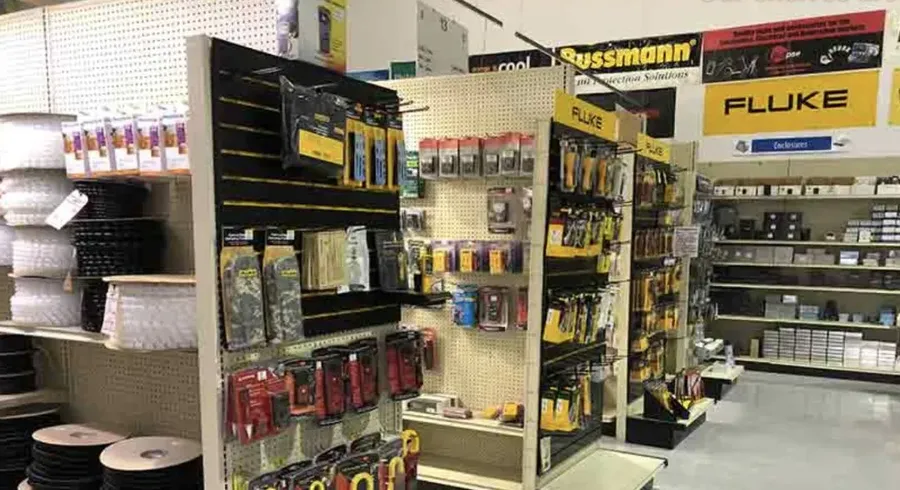
The sourcing of zener diodes significantly impacts cost, availability, and project timelines. This section analyzes the advantages and disadvantages of procuring these components from online retailers versus traditional local electronics suppliers.
| Factor | Online Retailers (e.g., Amazon, Mouser, DigiKey) | Local Electronics Suppliers |
|---|---|---|
| Price | Generally competitive, often lower due to volume and direct sourcing. | Potentially higher due to overhead costs and smaller volumes. |
| Availability | Vast selection and high stock levels of a wide range of components. | Limited selection and stock, may not carry specialized or less common zener diodes. |
| Delivery Time | Varies by retailer and shipping option; express shipping available but adds to cost. | Immediate availability if in stock; less waiting time for standard parts. |
| Convenience | Shopping from anywhere with internet access; comprehensive search and filtering capabilities. | Requires physical visit to the store during operating hours; may involve travel time. |
| Technical Support | May offer datasheets and basic product information, but limited personalized technical advice. | May provide more direct and personalized technical guidance from store staff with component knowledge. |
| Bulk Purchases | Often offers quantity discounts; more favorable pricing for large orders. | May not have the inventory or competitive pricing for significant bulk purchases. |
| Returns and Warranty | Established return policies and warranty options; easy process for resolving issues. | May have less flexible return and warranty policies; may vary across stores. |
A comparative price analysis is crucial when selecting Zener diodes for electronic applications. This table provides a side-by-side comparison of Zener diodes with varying specifications, sourced from different online retailers, to facilitate informed purchasing decisions.
| Zener Diode Model | Voltage Rating (V) | Power Rating (mW) | Tolerance (%) | Package Type | Supplier | Price (USD) | Datasheet Link |
|---|---|---|---|---|---|---|---|
| 1N4733A | 5.1 | 1000 | 5 | DO-41 | DigiKey | 0.25 | https://www.example.com/1N4733A-datasheet |
| 1N4742A | 12 | 1000 | 5 | DO-41 | Mouser | 0.28 | https://www.example.com/1N4742A-datasheet |
| BZX55C15 | 15 | 500 | 5 | DO-35 | Amazon | 0.18 | https://www.example.com/BZX55C15-datasheet |
| MMSZ5231B | 5.1 | 250 | 5 | SOD-123 | DigiKey | 0.15 | https://www.example.com/MMSZ5231B-datasheet |
| BZX84C12 | 12 | 350 | 5 | SOT-23 | Mouser | 0.20 | https://www.example.com/BZX84C12-datasheet |
| 1SMA15 | 15 | 1000 | 5 | SMA | Amazon | 0.35 | https://www.example.com/1SMA15-datasheet |

Zener diodes are indispensable components in numerous electronic circuits, primarily leveraging their unique ability to maintain a stable voltage when reverse-biased. This characteristic makes them ideal for several key applications, from voltage regulation to protection circuits. Choosing the correct Zener diode for a project requires a careful consideration of the specific application requirements and budget, balancing performance with cost-effectiveness.
Selecting the right Zener diode is critical for reliable circuit operation. It is important to consider the following parameters to ensure that the selected component meets the requirement of the application.
Understanding the nuances of Zener diodes and their pricing is crucial for engineers and hobbyists alike. This section addresses common queries regarding Zener diodes, their applications, and the factors influencing their cost.
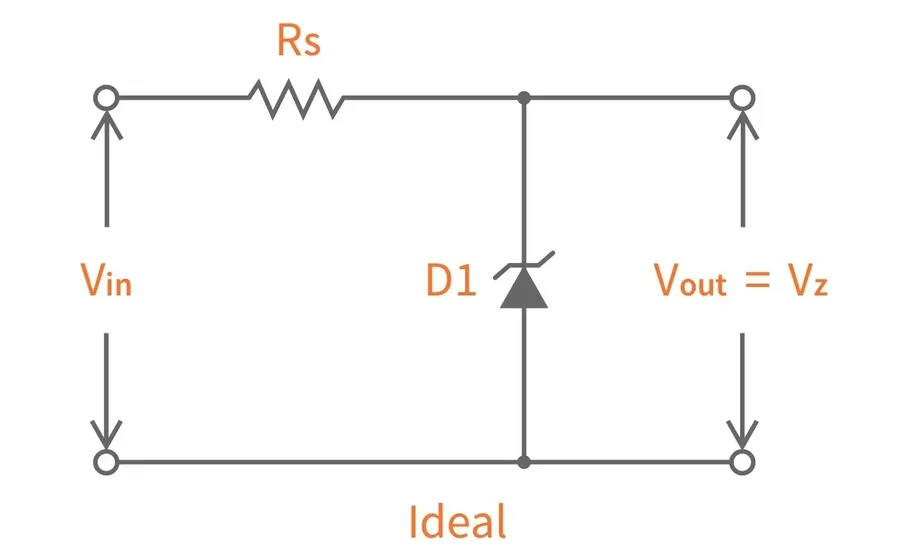
Zener diodes and voltage regulator ICs are both used for voltage regulation, but they differ significantly in their operation, complexity, and suitability for various applications. Understanding these differences is crucial when considering cost, performance and design constraints.
| Feature | Zener Diode | Voltage Regulator IC |
|---|---|---|
| Operating Principle | Reverse breakdown region; conducts when reverse voltage exceeds the zener voltage | Active circuit with feedback mechanisms to maintain a constant output voltage |
| Voltage Regulation | Basic; provides a relatively fixed voltage when operating in breakdown, not precision regulated | Precise and stable; designed to maintain a highly accurate output voltage |
| Current Handling | Limited; power rating is crucial; excessive current can cause failure | Handles a wide range; some regulators offer high current output capability |
| Efficiency | Lower; substantial power dissipation, especially at higher currents | Higher; more efficient power conversion with less power loss as heat |
| Circuit Complexity | Simple; requires few external components | More complex; needs supporting components such as capacitors or heatsinks |
| Cost | Typically lower in component cost per unit, especially in low power applications. | Higher; more complex chip and higher cost, cost can be lower for a full solution in higher current applications due to reduced part count and design time. |
| Design and Implementation | Simple design and implementation process, straightforward calculations. | Design can be more complex and involved, involving consideration of heat sinking, component selection and stability. |
| Applications | Suitable for basic voltage regulation, overvoltage protection, and clipping in low current applications. | Ideal for power supplies, battery charging, and precision voltage requirements where accuracy and stability is key. |
| Accuracy | Lower accuracy; output voltage varies based on load and temperature. | Higher accuracy; maintains the output voltage at the target value within specified tolerances. |
In summary, while Zener diodes are inexpensive and simpler to implement, voltage regulator ICs offer superior performance and accuracy. The selection should be based on the specific application and its requirements, with careful consideration given to the zener diode price and overall system cost. For basic, low-current applications, zener diodes can be cost-effective, but for precise, high-current needs, voltage regulator ICs are generally the preferred option.
Understanding zener diode prices and their applications is key for electronic engineers and hobbyists alike. This guide covered the main factors that affect a zener diode's price, from power and voltage ratings to brand and quantity. As technology evolves, the market for zener diodes will continue to change, with price fluctuations based on innovation and demand. This comprehensive knowledge will help you in both cost-effective component sourcing and optimizing the performance of your electronic projects, ensuring efficient and affordable voltage regulation solutions.

