In our increasingly mobile and energy-dependent world, converting 12V DC power from car batteries or solar panels to 220V AC for household appliances is essential. The heart of this conversion lies in the inverter circuit board. Understanding the 12v to 220v inverter circuit board price, its function, and its different types can greatly improve your understanding of portable power solutions. This article will guide you through the intricacies of these boards, their pricing, and key considerations to make the best choice for your needs.
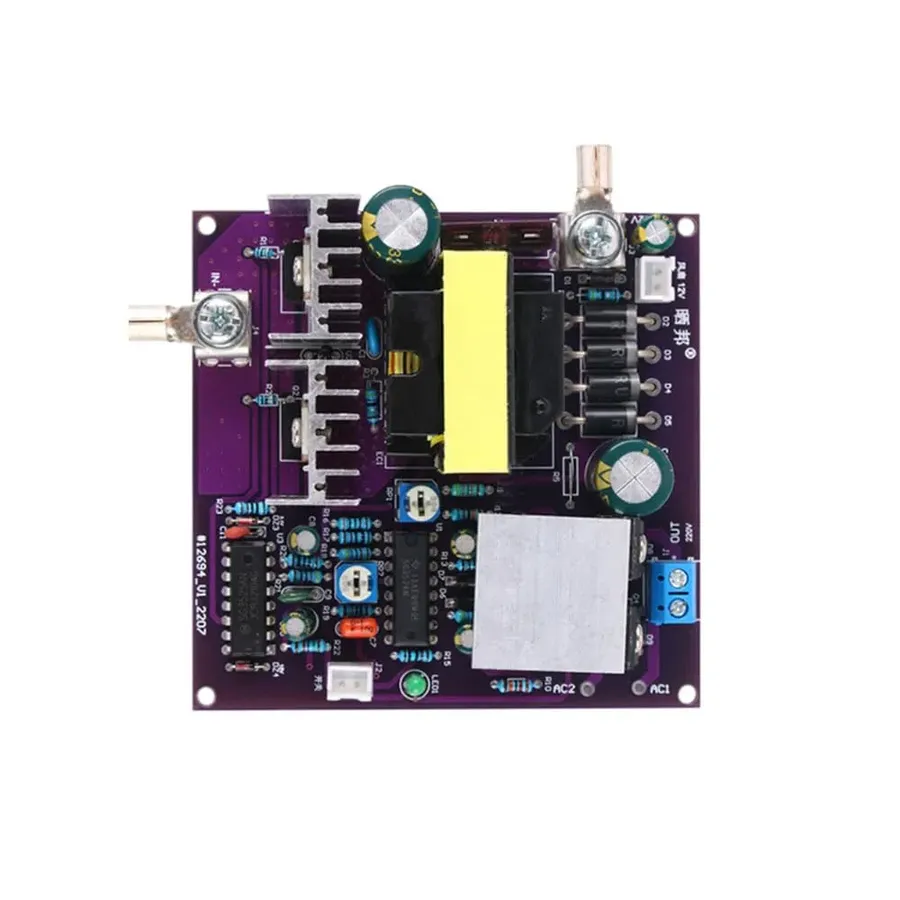
A 12V to 220V inverter circuit board fundamentally transforms direct current (DC) power, typically from a 12V battery, into alternating current (AC) power at 220V, suitable for powering household appliances and electronic devices. This conversion process involves electronic components that switch the DC current on and off at a specific frequency, thereby generating an AC waveform. The core principle is to create a varying magnetic field that induces alternating current in a transformer.
The typical circuit board comprises several key components including: a DC-DC converter (often a boost converter) to step up the voltage, a switching circuit with transistors, MOSFETS or IGBTs, a control IC or Microcontroller and a transformer to increase the voltage and an output filter to smooth the output.
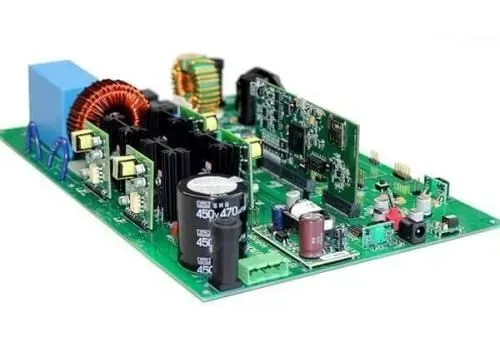
12V to 220V inverter circuit boards are categorized primarily by the type of AC waveform they produce: modified sine wave and pure sine wave. The choice between these two significantly impacts the inverter's performance, compatibility with different appliances, and overall cost, directly influencing the suitability of the inverter for specific applications.
| Feature | Modified Sine Wave Inverter | Pure Sine Wave Inverter |
|---|---|---|
| Waveform | Approximates a sine wave with a stepped, square-like pattern. | Produces a smooth, clean sine wave identical to grid power. |
| Cost | Generally more affordable. | Typically more expensive. |
| Efficiency | Slightly less efficient, more energy loss as heat. | Higher efficiency, less energy loss as heat. |
| Device Compatibility | Suitable for basic appliances but can cause issues with sensitive electronics. | Compatible with virtually all AC devices, including sensitive equipment. |
| Harmonic Distortion | Higher harmonic distortion levels which can reduce the lifespan of connected devices. | Low harmonic distortion, thus safer and more efficient for sensitive equipment. |
| Applications | Suitable for resistive loads such as lighting, heaters, and simple motors. | Ideal for all loads including inductive and capacitive loads such as electronics, power tools, and medical devices. |
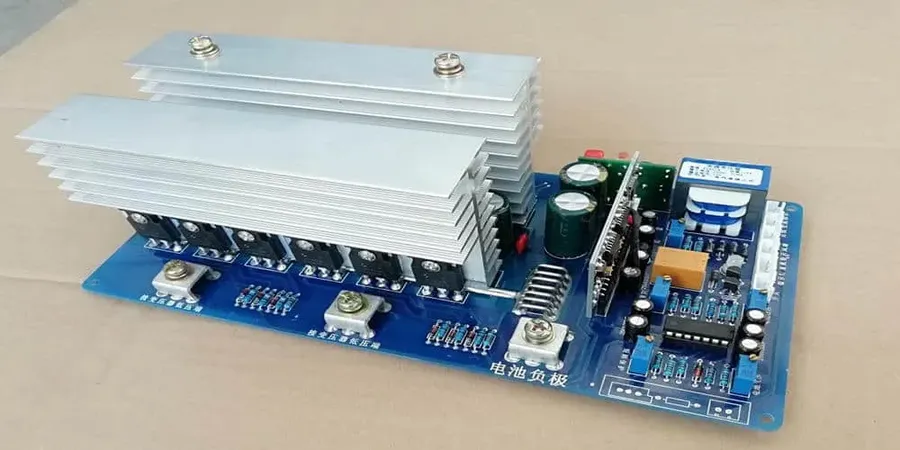
The price of a 12V to 220V inverter circuit board is influenced by several key factors. Understanding these factors is crucial for selecting a board that meets your specific needs and budget. These elements range from the technical specifications of the board to market factors.
| Factor | Description | Impact on Price |
|---|---|---|
| Power Output (Wattage) | The maximum power the inverter can deliver, typically measured in watts. This determines the size and number of devices it can power. | Higher wattage inverters cost more due to larger components and greater power handling capacity. |
| Waveform Type (Modified vs. Pure Sine) | Modified sine wave inverters are simpler and cheaper to produce, generating a stepped approximation of an AC sine wave. Pure sine wave inverters produce a smoother, cleaner AC waveform identical to mains power. | Pure sine wave inverters are significantly more expensive due to their more complex circuitry and better performance. |
| Build Quality & Components | The quality of materials, circuit board design, and components used in manufacturing. This affects the board's durability, reliability, and overall performance. | Higher quality, robust components and more precise manufacturing processes increase costs. |
| Brand Reputation | Well-known, established brands often have better quality control and customer support, influencing consumer preference and premium pricing. | Reputable brands may charge more due to their established market position and reliability. |
| Included Features | Additional protective circuits like overcurrent, overload, short-circuit, over-temperature protection, and low voltage cut-off that improve safety and reliability. | Inverters with more safety features and protection circuitry will generally cost more. |
| Quantity Purchased | Buying in bulk, especially from manufacturers, may result in reduced per-unit costs. | Bulk purchases typically lead to lower unit prices due to economies of scale. |
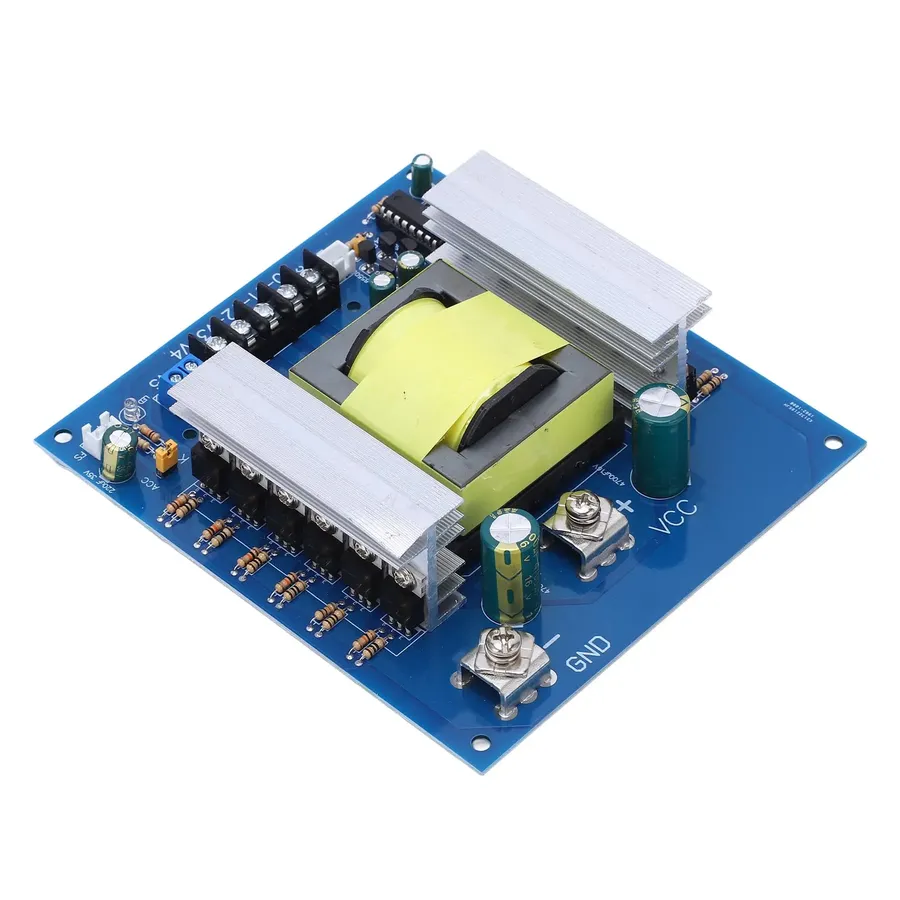
Sourcing a 12V to 220V inverter circuit board involves navigating various online marketplaces, specialized electronics retailers, and direct manufacturers. Prices fluctuate considerably depending on specifications and quality, therefore a thorough comparison is critical.
| Platform | Price Range (USD) | Shipping Costs | Warranty Information | Pros | Cons |
|---|---|---|---|---|---|
| Amazon | $25 - $180+ | Varies by seller and shipping method | Often includes seller warranties and Amazon's A-to-z Guarantee | Wide selection, buyer protection | Price variation, potential for non-genuine items |
| Alibaba | $10 - $150+ | Typically calculated by weight and destination | Negotiable with suppliers, but can vary widely | Direct from manufacturers, bulk purchase options | Minimum order quantities, longer shipping times |
| eBay | $20 - $160+ | Varies by seller and shipping method | Seller-specific warranties, buyer protection program | Wide variety, potential for deals | Seller reputation can vary, potential for non-genuine items |
| AliExpress | $15 - $150+ | Often includes free or low-cost shipping | Typically limited warranty from sellers | Lower prices, wide selection | Longer shipping times, variable quality |
| Specialized Electronics Stores (e.g., Adafruit, SparkFun) | $40 - $200+ | Based on location and shipping method | Often include warranties and support | Higher-quality components, technical support | Potentially higher prices |
| Direct Manufacturers (e.g., custom orders or OEM) | Varies widely based on order size and complexity | Negotiable, may vary based on contract | Dependent on the manufacturer | Customizable solutions, large quantities available | Higher costs for small quantities, longer lead times |
The price ranges provided serve as a general guide. It is important to note that a basic modified sine wave inverter circuit board might be found in the $25-$50 range, while pure sine wave boards can easily exceed $150, depending on power output and additional features.
When assessing where to buy, always consider factors beyond just the initial price. Shipping costs can add significantly to the overall price, especially when purchasing from international suppliers. Warranty information is vital, as it provides protection in case the board malfunctions. Consider also if technical support is included and if it suits your experience level with electronic components. Reputable online retailers with customer reviews can help in your decision.
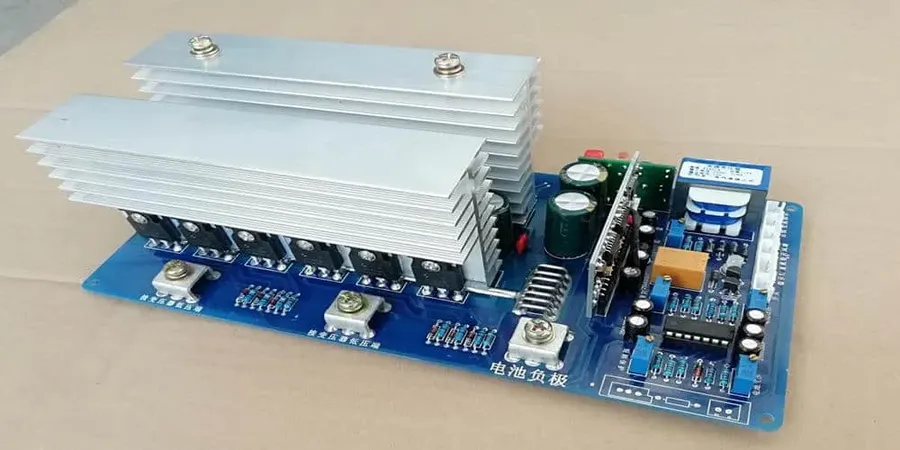
12V to 220V inverter circuit boards are essential for converting direct current (DC) power from sources like batteries into alternating current (AC) power, which is required by most household appliances and electronic devices. This conversion enables a wide range of applications, extending from mobile power solutions to backup systems.
The selection of an inverter circuit board should be based on the specific application’s power requirements, waveform needs (modified or pure sine), and operating environment. Considering the type of devices you intend to power will help determine the necessary inverter characteristics.
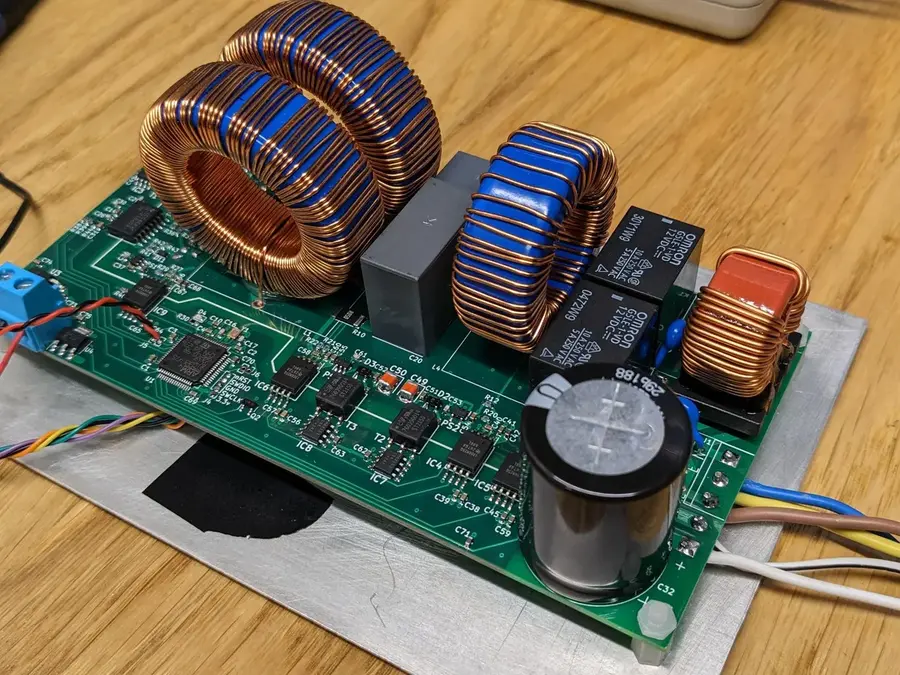
Choosing between assembling your own 12V to 220V inverter circuit board and purchasing a pre-assembled module involves a trade-off between cost, technical expertise, and reliability. While DIY offers potential cost savings and customization, pre-assembled boards provide convenience and a higher degree of assurance regarding safety and functionality, especially for those without extensive electronics experience.
| Feature | DIY Assembly | Pre-Assembled Board |
|---|---|---|
| Cost | Potentially lower if components are sourced cheaply, but requires initial investment in tools and equipment. | Higher upfront cost, but no additional tool purchases needed. |
| Technical Skill Required | Requires strong understanding of electronics, soldering, and circuit design, including knowledge of component selection and placement. | Minimal technical skill needed; generally plug-and-play. |
| Reliability | Dependent on the builder's skills and component quality, risk of component failure from poor assembly. | Typically tested and verified, offering a higher level of reliability and built-in protections. |
| Safety | Increased risk of electrical shock, fire, and damage to connected devices if not assembled and tested correctly. | Designed with safety features like overcurrent and thermal protection; safer for beginners. |
| Component Availability | Need to source individual components, which can be time-consuming and availability can vary. | Components are already chosen and integrated; readily available as one unit. |
| Customization | Offers maximum flexibility to tailor the design to specific requirements, including potential for experimentation. | Limited or no customization options, as the design is fixed by the manufacturer. |
| Time Investment | Significant time needed for design, sourcing components, assembly, and testing. | Very low time investment for integration into a project. |
For those without prior experience in electronics or a deep understanding of circuit design, purchasing a pre-assembled inverter board is generally recommended. These boards undergo quality control checks and often include safety features like overload protection, which are crucial for reliable and safe operation. The ease of use and reduced risk of errors typically offset the higher initial cost for most users. Conversely, a DIY approach can be rewarding for experienced hobbyists or engineers who need to optimize the design for very specific applications, such as integrating into more complex projects or requiring a higher-performance, customized inverter.
This section addresses common questions regarding 12V to 220V inverter circuit boards, clarifying their function, components, and safe usage. Understanding these FAQs is crucial for both beginners and experienced users looking to utilize or troubleshoot these devices effectively.
Effective troubleshooting of 12V to 220V inverter circuit boards requires a systematic approach to identify and rectify common problems. This section provides guidance on diagnosing and resolving issues such as low output, overheating, and component failures.
Understanding the 12v to 220v inverter circuit board price and its underlying technology is crucial for anyone seeking a reliable portable power solution. While the initial cost can vary widely based on factors like power output, waveform quality, and the brand, choosing the right board for your specific needs will save you time, money, and hassle in the long run. Whether you're powering a small device or setting up a backup power system, knowing the ins and outs of inverter circuit boards ensures you're making a practical investment in portable power solutions. Always prioritize safety and proper usage to maximize the benefits of your chosen inverter circuit board.

