In today's world, where every gadget and innovation relies on the intricate dance of electronics, the Printed Circuit Board (PCB) stands as a fundamental building block. However, understanding the true cost of assembling these boards is crucial for anyone from a hobbyist to a large corporation. This article delves into the complexities of PCB assembly cost, providing a detailed breakdown and practical tips to help you navigate the financial landscape of electronics manufacturing, ensuring that your project stays within budget without compromising quality.
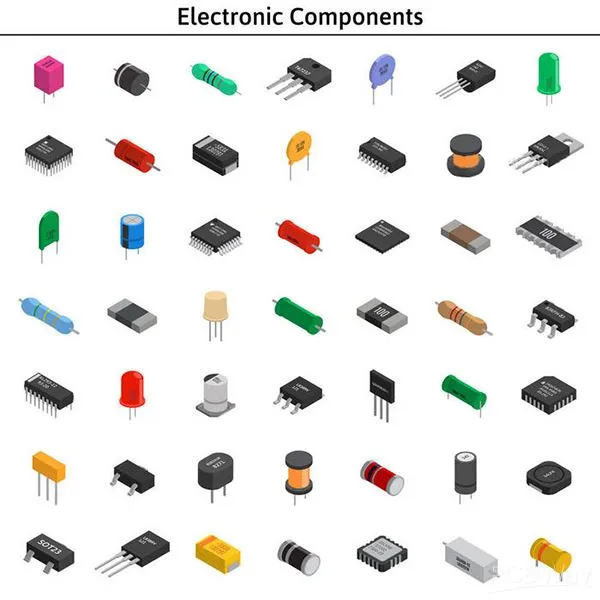
The cost of assembling a Printed Circuit Board (PCB) is a multifaceted issue, influenced by several key factors that interact in complex ways. Understanding these factors is crucial for effectively managing project budgets and making informed decisions. This section details the primary drivers of PCB assembly costs, which include board complexity, component count, order volume, and the chosen assembly method.
| Factor | Description | Impact on Cost |
|---|---|---|
| Board Complexity | Number of layers, trace width and spacing, via count, and overall design intricacy. | Higher complexity increases manufacturing and assembly costs due to the precision required and more processing time, more materials. |
| Component Count | Total number of components, different types of components, package sizes (0201, 0402, 0603 etc.) and pin counts. | More components increase material cost, assembly time, testing time, and probability of failures. |
| Order Volume | Quantity of boards being assembled in a single order. | Higher volumes typically lead to lower per-unit costs due to economies of scale in manufacturing and assembly processes. |
| Assembly Method | Use of Surface Mount Technology (SMT) and/or Through-Hole Technology (THT). | SMT is often more cost-effective for large-scale production, while THT may be better for low volumes or very large components, each method has different processing and labor implications. |
Each of these factors directly impacts the resources, time, and technology required for successful PCB assembly. For instance, a high layer count board with many small components will demand higher precision and sophisticated equipment, resulting in increased expenses compared to a simpler design with fewer components. Similarly, choosing between SMT and through-hole technologies will influence not only the manufacturing process but also the material costs and labor time. A strategic approach to these factors during the design and planning phase can yield significant cost savings without compromising on product quality.
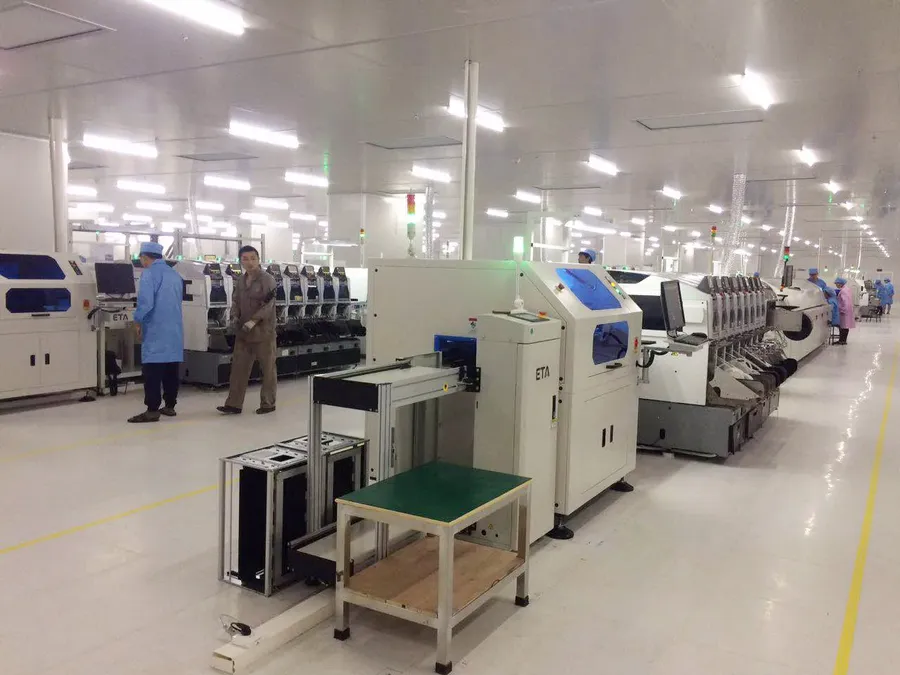
Understanding the individual cost components of PCB assembly is crucial for effective budget management. These costs broadly fall into three categories: materials, labor, and overhead. Each contributes significantly to the final assembly price and must be considered during project planning.
| Cost Component | Description | Key Factors |
|---|---|---|
| Materials | Costs associated with the physical components of the PCB assembly. | PCB substrate material, component types and quantities, solder paste/materials, stencil costs |
| Labor | Costs for the human effort involved in the assembly process. | Assembly time, complexity of assembly, testing and inspection, rework, packaging |
| Overhead | Indirect costs that support the assembly operation. | Machine maintenance and depreciation, electricity and utilities, quality control measures, facility rent, engineering setup |
Detailed analysis of each component will reveal opportunities for cost optimization. Material costs are dependent on component prices and PCB complexity, labor on assembly complexity and time, and overhead on general operational costs and efficiencies.
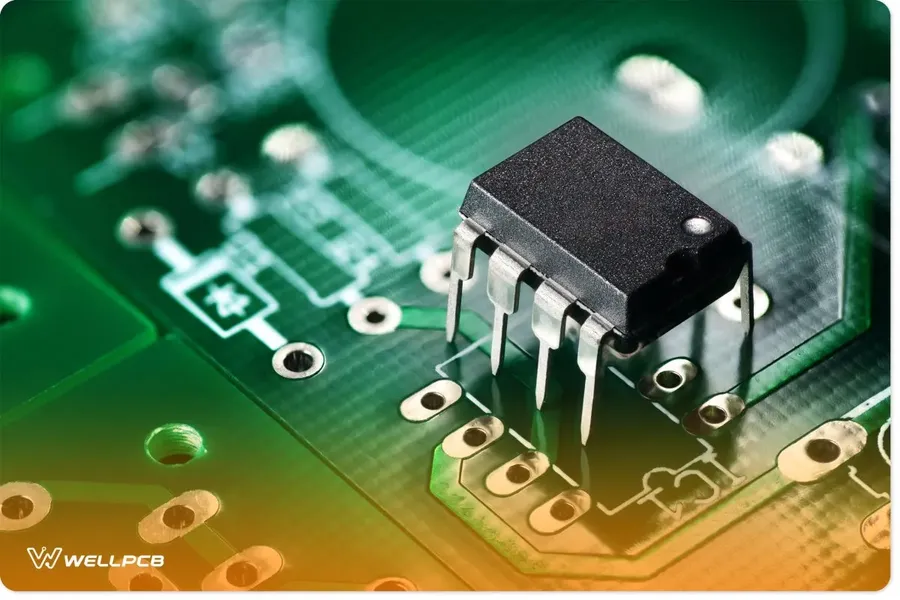
The selection of assembly method—Surface Mount Technology (SMT) or Through-Hole—significantly impacts PCB assembly costs. SMT is generally favored for mass production due to its cost-effectiveness and automation potential, while through-hole is more appropriate for low-volume production and prototyping where manual assembly may be more practical. This section explores the cost implications of each method.
| Feature | Surface Mount Technology (SMT) | Through-Hole |
|---|---|---|
| Component Mounting | Components are soldered onto the surface of the PCB | Components are inserted through holes in the PCB and soldered on the opposite side |
| Automation | Highly automated process, suitable for high-volume production | Primarily manual process, suitable for low-volume production and prototyping |
| Cost | Lower cost per unit for high-volume production; higher initial investment in equipment | Higher cost per unit for high-volume production, lower upfront investment |
| Component Size | Supports very small component sizes, high density | Limited to larger component sizes |
| PCB Design | Requires more precise PCB design and footprint | Less precise requirements compared to SMT |
| Reliability | Generally good, subject to surface mounting | Generally more robust physical connection |
| Time | Quicker assembly in high volume due to automated processes | Slower assembly due to manual processes |
SMT assembly offers several advantages in terms of speed, precision, and cost-effectiveness for large runs. However, it requires upfront investment in specialized equipment like pick-and-place machines and reflow ovens. Through-hole assembly, on the other hand, is more flexible for low-volume production but may incur higher costs per unit due to the manual labor involved. When choosing between SMT and through-hole assembly, consider the project volume, budget constraints, and component size requirements.
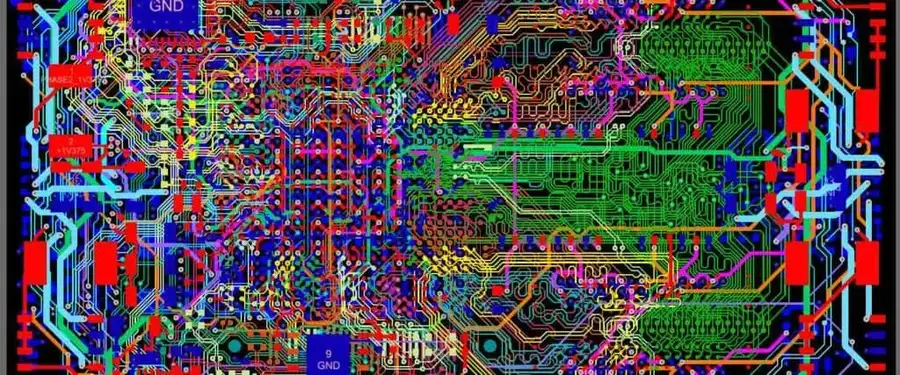
The complexity of a Printed Circuit Board (PCB) design is a significant determinant of its assembly cost. Intricate designs necessitate more precise manufacturing and assembly processes, directly impacting expenses. Factors such as the number of layers, component density, and trace widths all contribute to the overall assembly cost.
Understanding how design choices affect cost and designing with manufacturing in mind (DFM) can lead to substantial savings. DFM involves optimizing the PCB layout and component selection for efficient and cost-effective assembly.
| Design Factor | Impact on Assembly Cost | Mitigation Strategy |
|---|---|---|
| Number of Layers | Increased cost due to complex fabrication and higher material usage. | Use the minimum number of layers necessary for functionality. Consider multi-layer stack-up optimization. |
| Component Density | Higher density increases assembly time and the potential for errors, thus cost. | Optimize component placement and minimize the number of different packages. Employ automated assembly processes. |
| Trace Width and Spacing | Narrow traces and tight spacing demand higher precision and can raise costs. | Adhere to standard trace widths and spacing rules to ensure manufacturability and reduce complexity. |
| Via Type and Count | Excessive use of complex vias such as blind or buried vias increases cost. | Utilize standard through-hole vias where possible. Reduce via counts and simplify via structures |
| Panelization | Poor panelization design can cause production issues and reduce production efficiency. | Optimize panelization for efficient assembly, and allow for efficient machine handling. |
| Component Selection | Usage of Non-standard or obsolete parts will increase costs due to sourcing issues or lack of availability. | Choose commonly available and standard parts. Use standard footprint libraries |
| Board Size & Shape | Non-standard or irregular board shapes can cause production and handling issues. | Use standard board shapes and sizes wherever possible. |
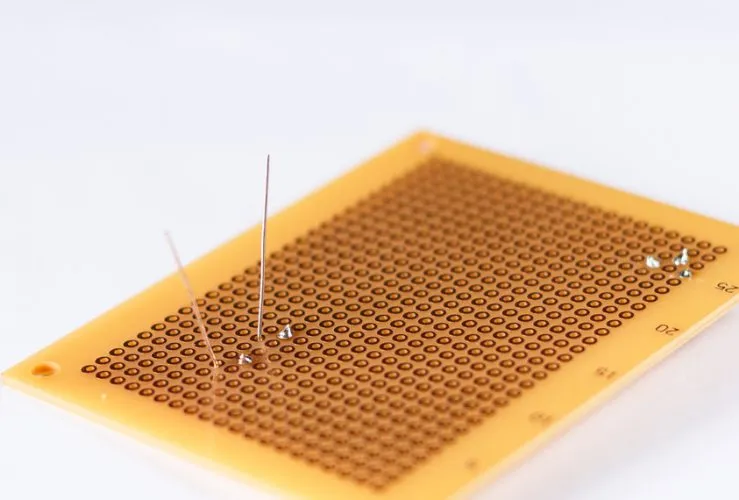
The cost of PCB assembly varies significantly between prototyping and mass production. Understanding these differences is crucial for effective budget planning at different stages of a project. Prototyping involves higher per-unit costs due to setup fees and lower production volumes, while mass production benefits from economies of scale, resulting in lower per-unit costs. This section will analyze these differences to aid in strategic financial planning.
| Feature | Prototyping | Mass Production |
|---|---|---|
| Order Volume | Low (typically 1-100 units) | High (typically 1000+ units) |
| Per-Unit Cost | Higher | Lower |
| Setup Costs | Higher per unit due to tooling and programming | Lower per unit as fixed costs are spread out |
| Manufacturing Process | Often involves manual steps | Heavily automated processes |
| Lead Time | Potentially faster for initial builds, longer for reworks | Potentially longer in the initial stages, quicker after |
| Cost Factors | Setup fees, manual labor costs, component costs (small quantities) | Bulk material purchases, automated assembly, reduced labor costs |
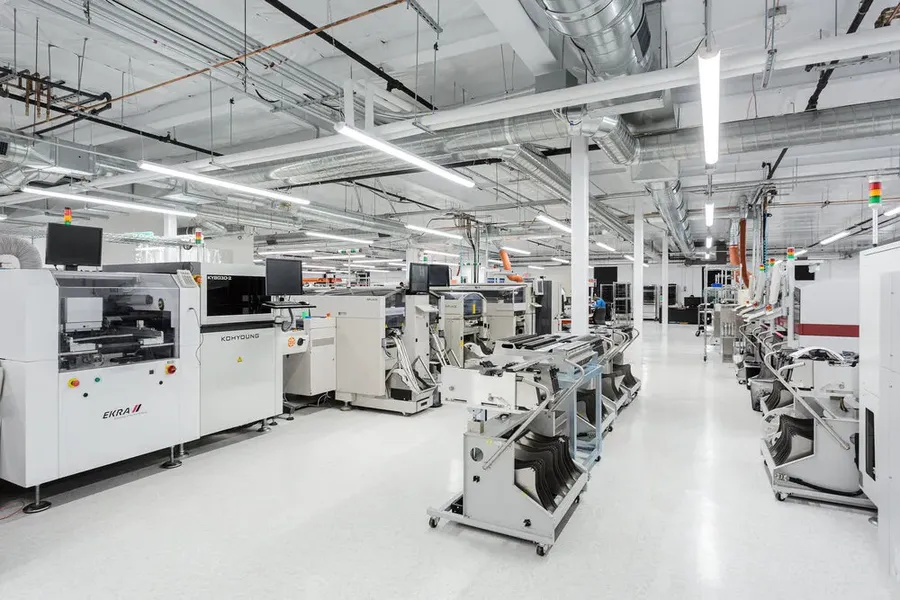
The geographic location of your PCB assembly partner significantly impacts cost, lead time, and quality. Choosing between domestic (US) and overseas options, particularly China and Europe, requires a careful evaluation of these factors against your project’s specific needs. Each region offers unique advantages and disadvantages that need to be considered.
| Factor | US | China | Europe |
|---|---|---|---|
| Cost | Generally higher due to higher labor costs and overheads. | Generally lower due to lower labor costs and large-scale manufacturing capabilities. | Falls in the middle ground, with varying prices based on country. |
| Lead Time | Potentially faster for smaller volumes and prototypes. | Can vary but often requires longer shipping times, especially for bulk orders. | Moderate lead times, balancing responsiveness and overseas cost advantage. |
| Quality | Typically very high, often with stricter quality controls and compliance standards. | Variable but has improved dramatically. Requires careful vendor selection and quality assurance processes. | Generally good quality with adherence to European standards, however, can vary based on the specific country. |
| Communication and Support | Easier communication, time zone alignment, and readily available customer service. | Potential language and cultural barriers, which may result in communication challenges. | Good communication with fewer cultural barriers than China but might vary depending on the country. |
| Intellectual Property Protection | Strong IP protection laws and enforcement. | IP protection concerns exist; requires stringent contracts and trust in suppliers. | Moderate to Strong intellectual property protection |
| Flexibility | More flexible with smaller production runs and design changes. | Less flexible, best for large production runs with standardized designs. | Fairly flexible and open to various production needs. |
The decision on where to have your PCBs assembled should be driven by a balance between cost, turnaround time, and your required level of quality and support. It’s imperative to conduct due diligence on potential partners irrespective of their location.
This section addresses common queries regarding PCB assembly costs, providing concise, informative answers to help clarify the factors influencing these expenses.
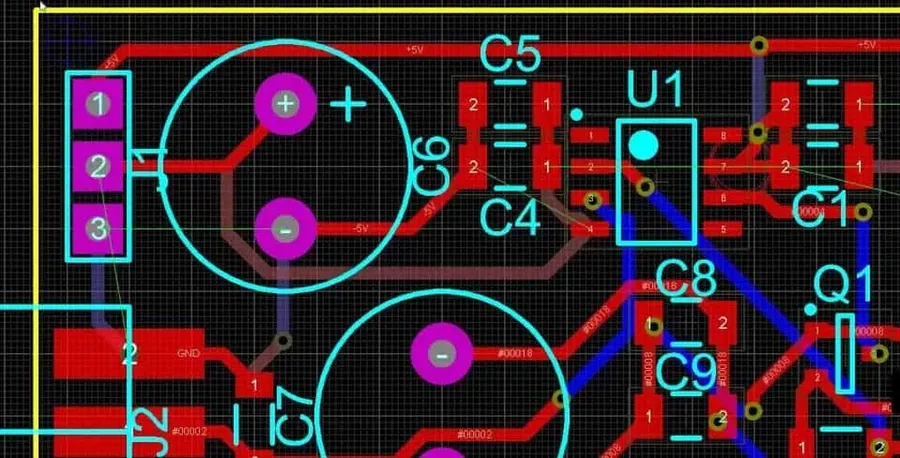
Minimizing PCB assembly costs requires a multifaceted approach, focusing on design optimization, component selection, efficient manufacturing processes, and strategic partnerships. By addressing these areas proactively, significant cost reductions can be achieved without compromising quality or functionality.
Online PCB assembly cost calculators are valuable tools for preliminary budgeting and project planning, providing instant estimates based on user-defined parameters. These calculators, while incredibly useful, have limitations, and their outputs should be considered as estimates, not final quotations.
These tools can help you rapidly explore the cost implications of various design choices, material selections and assembly volumes before you commit significant resources. Understanding both their strengths and weaknesses will enable you to leverage them effectively in the planning phase of your project.
Navigating the world of PCB assembly costs can be challenging, but by understanding the core factors influencing the price, you can effectively plan your budget and optimize your project. Whether you're producing a prototype or mass-producing electronic components, strategic planning, a thorough understanding of your requirements, and smart choices in materials and assembly techniques are critical to ensuring both financial prudence and technical excellence. Keep exploring, stay updated and leverage the right tools to manage the ever-evolving dynamics of PCB assembly cost, as every penny saved and every improvement in efficiency adds up to more successful projects.

