In today's rapidly evolving world of 3D printing, the control board stands as the brain of any 3D printer, orchestrating every movement and function with precision. From hobbyist projects to industrial-grade manufacturing, the demand for reliable and efficient 3D printer control board solutions is ever-increasing. Zero One Solution Limited, with its decade-long experience in PCB solutions and rapid prototyping, stands at the forefront of this technological wave, empowering innovators to bring their ideas to life faster and more reliably. How can a well-designed and expertly manufactured control board revolutionize your 3D printing experience? This article delves into the critical aspects of 3D printer control board solutions, exploring design considerations, manufacturing processes, and the comprehensive services offered by Zero One Solution Limited to meet the diverse needs of the 3D printing community.
At the heart of every functional 3D printer lies the control board, often referred to as its “brain.” This sophisticated piece of electronics orchestrates every movement, temperature reading, and communication, transforming digital design files into tangible 3D objects. Without a robust and precisely engineered control board, a 3D printer would be an inert collection of components. Its fundamental role is to interpret G-code commands, manage motor movements for precise axis positioning, regulate extrusion and bed temperatures, and facilitate seamless interaction between the user and the machine. The efficiency and reliability of this central processing unit directly impact print quality, speed, and overall user experience.
| Functionality | Impact on Print Quality | Common Issues Without Proper Control |
|---|---|---|
| Motor Control | Ensures precise layer alignment and reduces visible layering artifacts. | Skipped steps, layer shifting, inconsistent extrusion. |
| Temperature Regulation | Prevents warping, ensures proper filament adhesion, and consistent extrusion flow. | Poor layer adhesion, stringing, nozzle clogging, material degradation. |
| Peripheral Management | Controls fans, end-stops, and sensors for safe and efficient operation. | Overheating components, crashes into build plate, failed prints. |
| User Interface Interaction | Allows for real-time monitoring and control of print parameters. | Unresponsive controls, difficult troubleshooting, limited user feedback. |
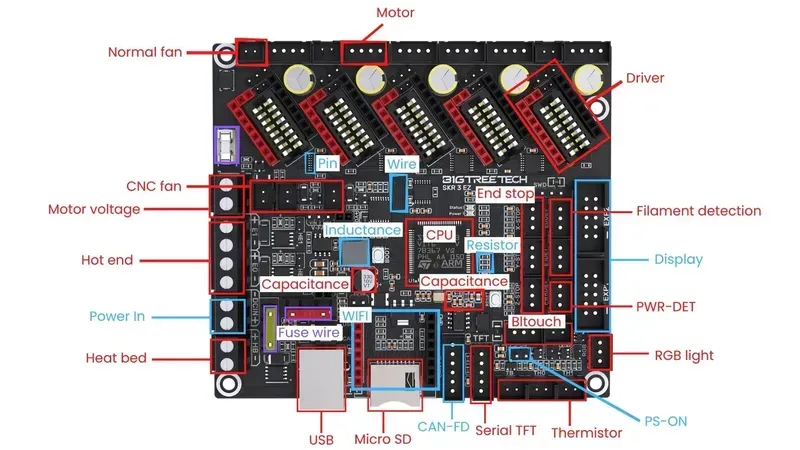
The sophisticated operation of a 3D printer hinges on its control board, a complex PCB integrating various specialized components that orchestrate every movement and thermal event. Understanding these fundamental building blocks is crucial for appreciating how a 3D printer precisely translates digital models into physical objects, making the control board the true command center. From processing G-code commands to driving motors and managing temperatures, each component plays a vital and interconnected role in achieving reliable and accurate additive manufacturing.
| Component | Primary Function | Contribution to 3D Printing |
|---|---|---|
| Microcontroller (MCU) | The 'brain' of the board; processes G-code, manages logic, and coordinates all operations. | Executes print commands, calculates precise motor movements, and controls heating elements for accurate layer deposition and filament extrusion. |
| Stepper Motor Drivers | Convert digital signals from the MCU into analog currents to power and precisely control stepper motors. | Enable precise, repeatable movement of the X, Y, and Z axes, and the extruder, ensuring accurate positioning and layer alignment critical for print quality. |
| MOSFETs (Metal-Oxide-Semiconductor Field-Effect Transistors) | Act as high-power electronic switches, primarily for controlling heating elements. | Efficiently switch high currents for heating the hotend (nozzle) and heated bed, maintaining precise temperatures essential for proper filament melting and bed adhesion. |
| Input/Output (I/O) Interfaces | Provide connectivity for sensors, endstops, LCD screens, and SD cards. | Allow the control board to receive feedback from endstops (for axis limits), read temperature sensors, display information to the user, and load print files. |
Achieving optimal performance and long-term reliability in a 3D printer control board hinges on meticulous design considerations. Beyond basic functionality, a well-engineered board minimizes operational issues like thermal runaway, signal degradation, and power instability, which are critical for consistent and high-quality 3D printing. Strategic planning in thermal management, ensuring signal integrity, and robust power distribution are paramount, laying the foundation for a stable, precise, and durable control system.
| Design Aspect | Key Consideration | Impact on Performance |
|---|---|---|
| Signal Integrity | Minimizing noise and crosstalk, impedance matching for high-speed signals. | Ensures accurate communication between components, preventing skipped steps and print errors, especially critical for high-resolution printing. |
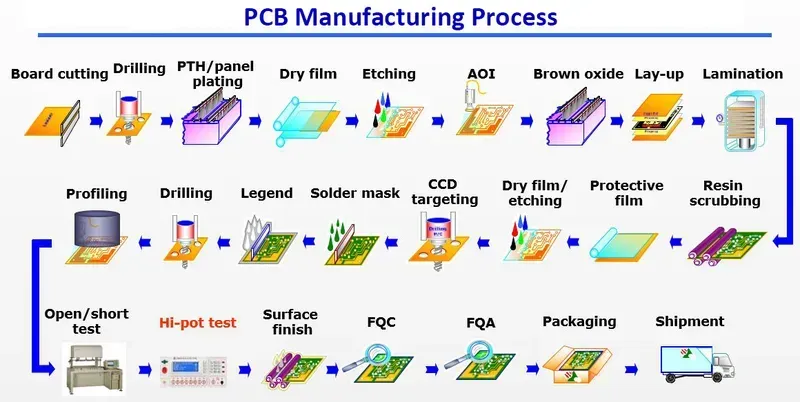
The manufacturing process of a 3D printer control board is a meticulous journey, demanding precision and stringent quality control at every stage to ensure the final product delivers unwavering reliability and optimal performance. This intricate process transforms raw materials into the sophisticated electronic core that drives a 3D printer, making the adherence to high standards critical for the board's functionality and longevity.
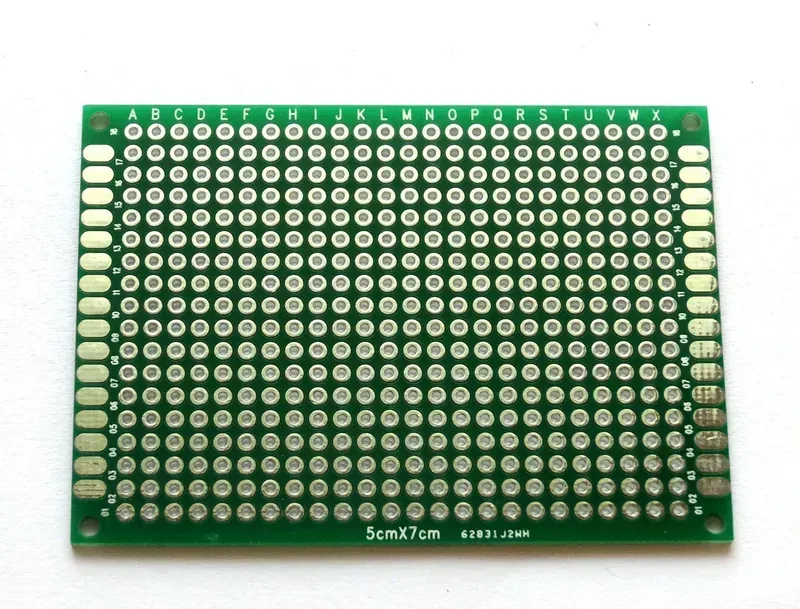
Zero One Solution Limited, a distinguished leader in PCB assembly solutions, offers comprehensive, end-to-end services tailored specifically for 3D printer control boards. Leveraging over a decade of industry expertise since our establishment in 2011, we provide a seamless continuum from initial PCB design and rapid prototyping through to high-precision manufacturing and rigorous assembly. Our commitment to accelerating product development for innovators in the 3D printing sector is underpinned by a global supply chain network, ensuring superior quality and efficiency from our strategic bases in Shenzhen and Dubai.
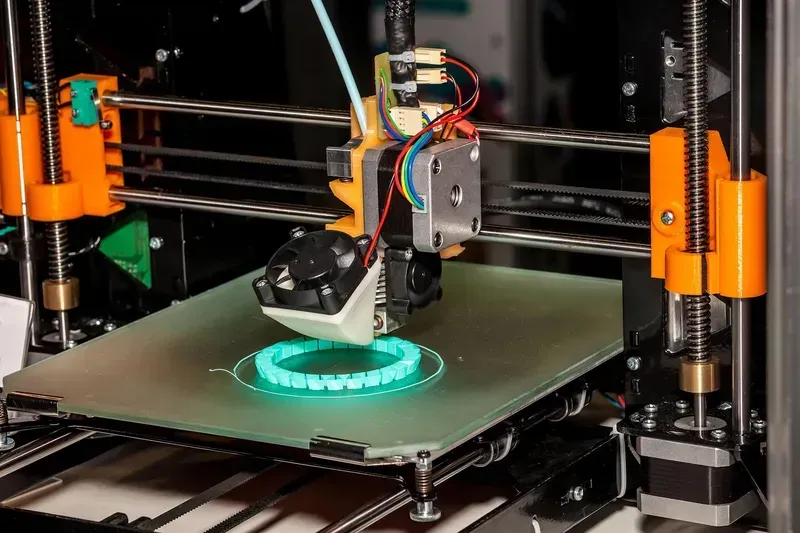
Rapid prototyping for 3D printer control boards is not merely a service; it is a strategic imperative that significantly compresses product development cycles, allowing innovators to validate designs, identify flaws, and iterate improvements with unprecedented speed. This agile approach minimizes time-to-market and optimizes resource allocation, ensuring that cutting-edge 3D printer solutions can be brought to fruition efficiently and cost-effectively, thus solidifying a competitive advantage.
In the dynamic landscape of 3D printing, a one-size-fits-all approach to control board design often falls short of meeting diverse application demands. Customization and flexibility are paramount, allowing manufacturers to optimize performance, integrate specialized features, and differentiate their products in a competitive market. Zero One Solution Limited excels in providing bespoke 3D printer control board solutions, meticulously engineered to align with unique project specifications and user requirements, moving beyond generic offerings to deliver truly optimized hardware platforms.
| Customization Aspect | Benefits for 3D Printer Control Boards | Zero One Solution's Approach |
|---|---|---|
| Microcontroller Selection | Optimized processing power, memory, and peripheral sets for complex algorithms and high-speed operations. | Analysis of processing needs, real-time control requirements, and future scalability to select the most suitable MCU (e.g., STM32, ESP32). |
| Motor Driver Integration | Precision motion control, higher current capabilities for larger motors, quiet operation, and advanced features like sensorless homing. | Implementation of specific stepper motor drivers (e.g., TMC2209 for silent operation, TMC5160 for high power) based on axis count, motor type, and desired accuracy/speed profiles. Selection based on noise reduction, thermal performance, and micro-stepping requirements for ultra-smooth movement in 3D printing applications, enhancing print quality and user experience. Consideration of advanced features like stall detection for improved safety and efficiency. Integration of appropriate cooling solutions for optimal driver longevity and performance under continuous operation, crucial for long print jobs and high-performance machines. Ensuring compatibility with various motor types (e.g., NEMA 17, NEMA 23) and power requirements, offering versatility for different printer sizes and capabilities, from desktop models to industrial-grade systems. |
| Input/Output (I/O) Configuration | Support for additional sensors (e.g., filament runout, bed leveling), multiple hotends, custom displays, or network connectivity. | Flexible arrangement of GPIO pins, ADC/DAC channels, UART, SPI, I2C interfaces to accommodate diverse sensor types, display technologies, and communication protocols (e.g., Ethernet, Wi-Fi modules). |
| Thermal Management | Enhanced heat dissipation for stable operation, extended component lifespan, and prevention of thermal throttling under heavy loads. | Incorporation of optimized PCB layout, larger copper planes, heat sinks, and fan control circuits to manage heat generated by MOSFETs and motor drivers, critical for high-power heated beds and extruders. |
At Zero One Solution Limited, our expertise in PCB design and manufacturing, coupled with a deep understanding of 3D printing technology, enables us to deliver control boards that are not only robust and reliable but also precisely aligned with your vision. Our collaborative process ensures that every aspect, from component selection to thermal management, is optimized for your specific application, providing a significant competitive edge.
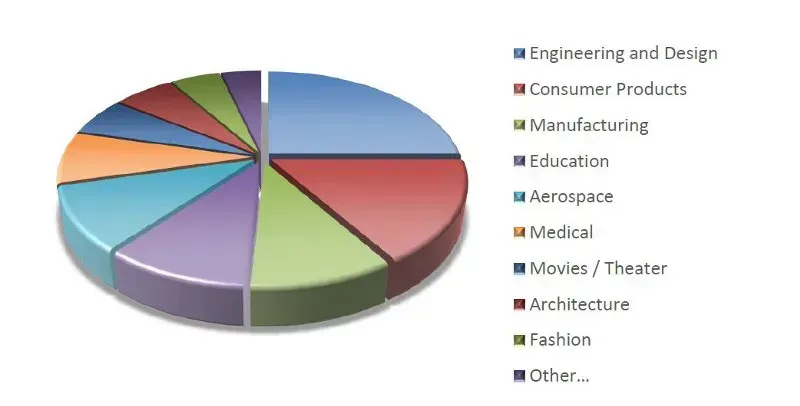
Zero One Solution Limited's commitment to delivering cutting-edge 3D printer control board solutions is best exemplified through our diverse range of successful projects. These case studies showcase how our rapid prototyping, advanced design, and precision manufacturing capabilities have addressed complex challenges and driven innovation across various sectors, enabling our clients to achieve unparalleled performance and accelerated market entry.
| Industry/Project Type | Challenge | Zero One Solution Limited's Solution | Achieved Benefits |
|---|---|---|---|
| Industrial Prototyping | Need for high-speed, multi-axis control and enhanced thermal management for large-scale industrial 3D printers. | Developed a custom control board featuring a high-performance ARM Cortex-M7 microcontroller, integrated advanced motor drivers with active cooling, and optimized PCB layout for superior heat dissipation. | Increased printing speed by 30%, improved positional accuracy by 15%, and significantly extended the lifespan of critical components through efficient thermal management. |
| Medical Device Development | Strict requirements for precision, reliability, and regulatory compliance for a 3D bioprinter control system. | Designed and manufactured a control board with ultra-low noise signal paths, redundant safety protocols, and medical-grade component sourcing. Implemented rigorous testing and documentation procedures to ensure compliance with ISO 13485 standards. | Achieved sub-micron printing resolution, 99.99% operational reliability, and accelerated regulatory approval process due to comprehensive quality assurance. |
| Educational & DIY Market | Requirement for a cost-effective, user-friendly, and highly versatile control board for entry-level and educational 3D printers. | Created a modular control board design with easily replaceable components, intuitive firmware compatibility, and robust protection against common user errors. Optimized for cost-efficiency without compromising core functionality. | Reduced manufacturing costs by 25%, significantly lowered barrier to entry for new users, and fostered a vibrant community due to its open-source friendly design and ease of modification. |
| Aerospace Components | Demand for extreme environmental resilience and precise control in high-temperature 3D printing applications. | Engineered a control board utilizing high-temperature resistant components, specialized conformal coating for environmental protection, and redundant communication pathways. Rigorous validation against aerospace environmental standards. | Maintained stable operation in extreme temperatures (up to 120°C), achieved critical dimensional accuracy for complex geometries, and ensured uninterrupted printing cycles in demanding aerospace environments. |
The trajectory of 3D printer control boards is rapidly evolving, driven by advancements in microelectronics, connectivity, and artificial intelligence. These innovations are poised to redefine the capabilities and accessibility of 3D printing, enabling more precise, efficient, and intelligent manufacturing processes. The future promises control boards that are not merely command centers but sophisticated, adaptive systems capable of real-time optimization and autonomous operation.
In conclusion, the 3D printer control board is a critical component that significantly impacts the performance and reliability of any 3D printing system. Zero One Solution Limited provides comprehensive PCB solutions, from design and rapid prototyping to manufacturing and assembly, ensuring that your 3D printer control boards meet the highest standards of quality and performance. By partnering with Zero One Solution Limited, you gain access to cutting-edge technology, expert engineering, and a commitment to excellence that will accelerate your product development and bring your innovative ideas to market faster. Contact us today to learn more about how our 3D printer control board solutions can benefit your projects and business. Share this article with your network and leave your comments below!

