In today's precision agriculture landscape, accurate and reliable environmental data is paramount. Farmers and agricultural researchers rely on weather stations to gather critical information such as temperature, humidity, rainfall, and wind speed. At the heart of these weather stations lies the Printed Circuit Board (PCB), the central nervous system that connects all the sensors and processing units. Zero One Solution Limited provides comprehensive PCB solutions specifically tailored for agricultural weather stations, enabling efficient data collection and informed decision-making. Whether you are developing a compact field station or a sophisticated research-grade weather monitoring system, our expertise in PCB design, manufacturing, and assembly ensures optimal performance and reliability.
Introduction to Agricultural Weather Station PCBs
At the forefront of modern agriculture, Printed Circuit Boards (PCBs) are the unseen backbone of agricultural weather stations, transforming raw environmental data into actionable insights for precision farming. These specialized PCBs are critical for enabling reliable, real-time monitoring of essential parameters such as temperature, humidity, rainfall, wind speed, and soil moisture, which are pivotal for optimizing crop yields, managing irrigation, and predicting disease outbreaks. Zero One Solution Limited recognizes the indispensable role these robust electronic foundations play in enhancing agricultural productivity and sustainability by ensuring data accuracy and system longevity in demanding outdoor environments.
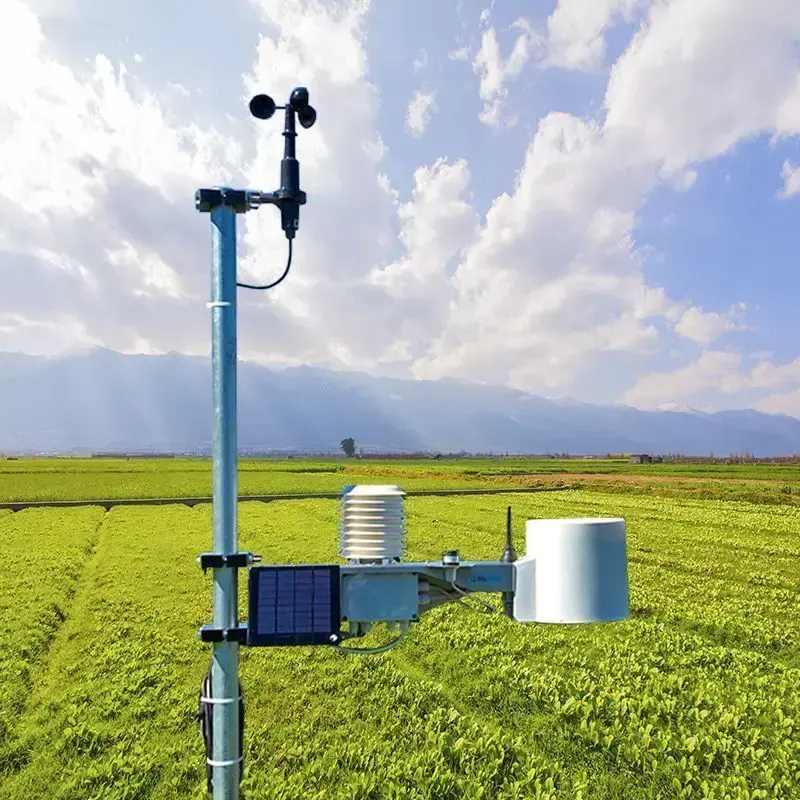
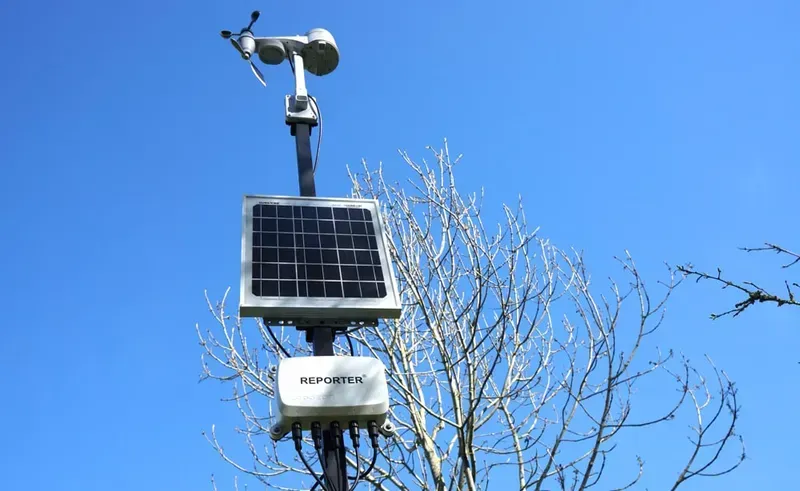
What is an Agricultural Weather Station? An agricultural weather station is a sophisticated system designed to collect and transmit real-time meteorological data specific to farming environments. It typically includes various sensors for measuring parameters like air temperature, relative humidity, precipitation, wind speed and direction, solar radiation, and soil moisture. The data collected by these stations assists farmers in making informed decisions regarding planting, irrigation, pest control, and harvesting, ultimately optimizing agricultural operations and resource management.
Why are PCBs Crucial for Agricultural Weather Stations? PCBs are crucial for agricultural weather stations because they provide the electronic platform for integrating diverse sensors, processing data, managing power, and facilitating communication. Their robust design ensures the station's durability and functionality in harsh outdoor conditions, including extreme temperatures, high humidity, dust, and potential exposure to agricultural chemicals. A well-designed PCB ensures signal integrity, power efficiency, and long-term reliability, which are paramount for continuous and accurate environmental monitoring in remote agricultural settings.
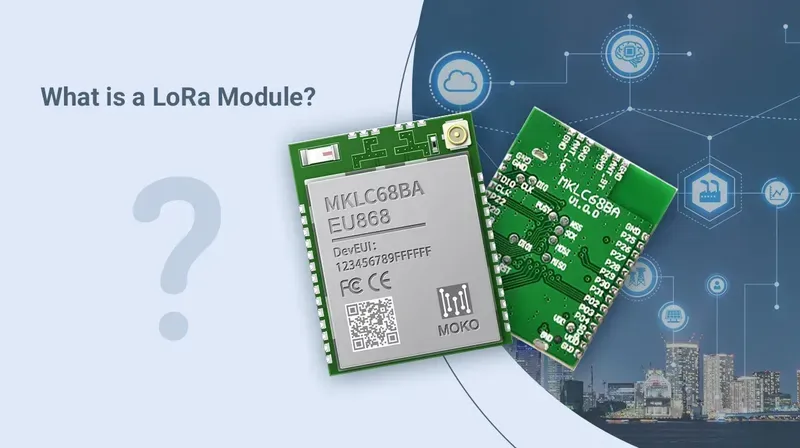
What are the Primary Functions of a PCB in an Agricultural Weather Station? The primary functions of a PCB in an agricultural weather station encompass sensor interfacing, data acquisition and processing, power management, and communication. It connects and manages various environmental sensors, converts analog sensor readings into digital data, and often includes a microcontroller for local data processing and storage. Furthermore, the PCB integrates power regulation circuits to efficiently manage energy from batteries or solar panels and incorporates communication modules (e.g., LoRaWAN, NB-IoT, cellular) for transmitting data to central monitoring systems or cloud platforms.
How does PCB reliability impact agricultural operations? PCB reliability directly impacts agricultural operations by ensuring consistent and accurate data collection. Unreliable PCBs can lead to system failures, data gaps, and inaccurate readings, which in turn can result in suboptimal farming decisions, wasted resources (water, fertilizer), reduced crop yields, and increased operational costs. High-reliability PCBs guarantee continuous operation, minimize maintenance needs, and provide the trustworthy data essential for precision agriculture, ultimately contributing to higher profitability and sustainability for farmers.
What environmental challenges do PCBs in agricultural weather stations face? PCBs in agricultural weather stations face a myriad of environmental challenges, including wide temperature fluctuations (from freezing to extreme heat), high humidity, condensation, exposure to dust, dirt, and corrosive elements like fertilizers and pesticides. Vibrations from machinery or wind, as well as potential electromagnetic interference, also pose challenges. Therefore, the PCBs must be designed with materials and coatings that offer superior resistance to moisture, corrosion, and extreme temperatures, ensuring long-term performance and protection.
Key Features of PCBs for Agricultural Weather Stations
Agricultural Weather Station Sensors
At the heart of every robust agricultural weather station lies a meticulously designed Printed Circuit Board (PCB), serving as the central nervous system that orchestrates data collection and transmission. The efficacy and longevity of these critical monitoring systems are directly tied to the inherent features of their PCBs, which must adeptly integrate diverse sensors, ensure reliable data communication, optimize power consumption, and provide unwavering environmental protection against the elements.
Feature Category
Key Attribute
Description
Sensor Integration
Precision Connectivity
Enables seamless and accurate interfacing with a wide array of environmental sensors (temperature, humidity, soil moisture, wind speed/direction, rainfall, etc.) for comprehensive data acquisition. Requires robust analog and digital I/O capabilities and noise reduction techniques to maintain signal integrity in agricultural settings.
Feature Category
Key Attribute
Description
Data Transmission
Reliable Connectivity
Facilitates stable and efficient data transfer from the weather station to central monitoring systems or cloud platforms. This includes support for various wireless communication protocols (e.g., LoRaWAN, NB-IoT, Wi-Fi, cellular) and robust data integrity checks to prevent loss or corruption.
Feature Category
Key Attribute
Description
Power Management
Energy Efficiency
Crucial for remote agricultural deployments where power sources may be limited. Features include low-power design, efficient voltage regulators, sleep/wake cycles, and compatibility with solar panels or long-life battery systems to ensure continuous operation with minimal intervention.
Feature Category
Key Attribute
Description
Environmental Protection
Durability & Resilience
The PCB must withstand harsh agricultural conditions, including extreme temperatures (-40°C to +85°C), high humidity, dust, water ingress, and potential exposure to agricultural chemicals. This necessitates conformal coatings, robust component selection, and specialized enclosure integration to prevent corrosion and functional degradation, ensuring an operational lifespan of 5-10 years.
PCB Design Considerations for Harsh Agricultural Environments
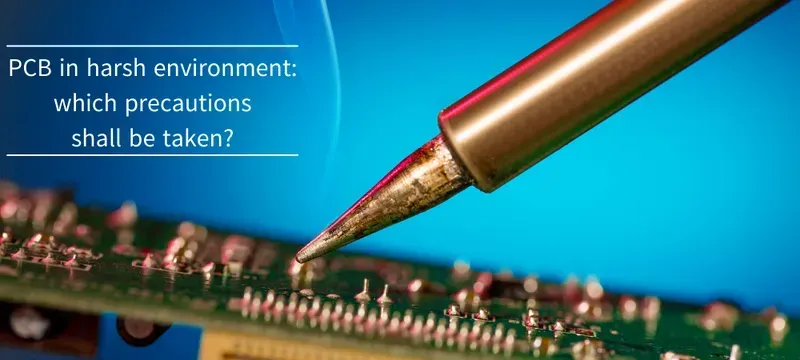
PCB for Harsh Environments
Designing PCBs for agricultural weather stations demands a specialized approach, prioritizing resilience against extreme environmental stressors. Unlike standard electronics, these PCBs must reliably operate amidst fluctuating temperatures, high humidity, pervasive dust, and even exposure to corrosive agricultural chemicals. Strategic design considerations are paramount to ensure longevity and accuracy, directly impacting the station's ability to provide critical data for precision agriculture.
Temperature Resilience PCBs in agricultural weather stations face significant temperature swings, from sub-zero winters to scorching summers. Design must account for coefficient of thermal expansion (CTE) mismatches between materials, selecting substrates like FR-4 that maintain stability across a wide range (-40°C to +85°C typically required). Components must be industrial-grade, rated for extended temperature ranges. Thermal management, including proper component spacing and heat dissipation paths, is crucial to prevent overheating and ensure consistent performance.
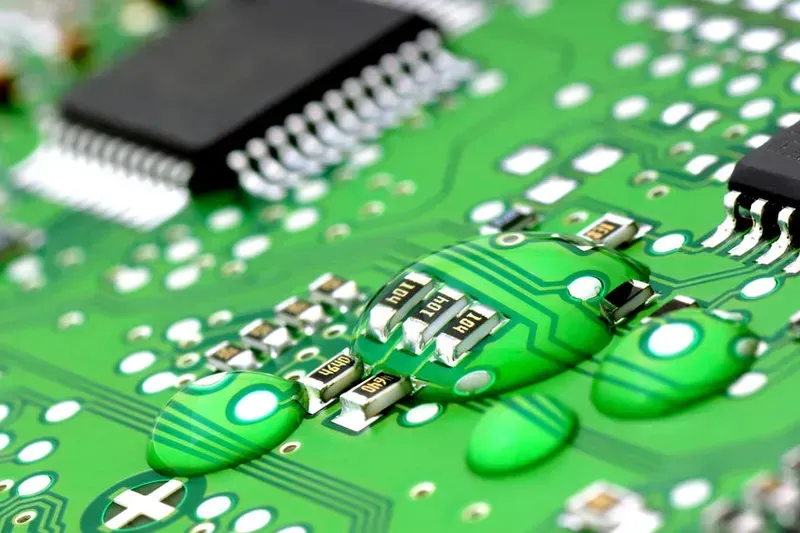
Humidity and Moisture Protection High humidity, rain, and condensation are constant threats. Conformal coatings (e.g., acrylic, polyurethane, silicone) are essential to create a protective barrier against moisture ingress and prevent corrosion, short circuits, and fungal growth. Furthermore, the selection of hydrophobic PCB materials and robust enclosure designs with appropriate IP ratings (e.g., IP67 for dust and water immersion protection) are critical to safeguarding the electronic components.
Dust and Particulate Ingress Agricultural environments are inherently dusty. Fine particulates can accumulate on PCB surfaces, leading to insulation breakdown, short circuits, and degraded signal integrity. The PCB design should minimize exposed conductive areas and utilize smooth finishes that are less prone to dust adhesion. Hermetically sealed enclosures or robust potting compounds are vital to prevent dust from reaching sensitive components and connections.
Corrosion Resistance Exposure to fertilizers, pesticides, and other agricultural chemicals can be highly corrosive to standard PCB finishes and components. Utilizing corrosion-resistant solder masks, gold plating (ENIG or ENEPIG) for exposed pads, and selecting components with appropriate packaging materials are crucial. Furthermore, the overall enclosure design must prevent chemical contact with the internal electronics, often requiring chemically inert seals and durable housing materials.
Vibration and Shock Tolerance Agricultural machinery and strong winds can subject weather stations to significant vibrations and physical shocks. PCB designs must incorporate robust mechanical mounting, secure component placement, and potentially vibration-damping materials. Through-hole components may be preferred over surface-mount for larger, heavier parts to enhance mechanical stability. Traces should be routed to minimize stress points, and adequate copper weight should be considered for power and ground planes to improve structural integrity.
Material Selection for Agricultural Weather Station PCBs
Weather Resistant PCB Material
Selecting the optimal PCB materials for agricultural weather stations is paramount, directly influencing the device's durability, weather resistance, and signal integrity in demanding outdoor environments. Unlike standard electronics, these PCBs face constant exposure to temperature fluctuations, humidity, UV radiation, and potentially corrosive agrochemicals, necessitating specialized material choices that guarantee long-term reliability and precise data acquisition. Prioritizing robust substrates, protective coatings, and high-performance laminates ensures the weather station's longevity and consistent performance, safeguarding vital agricultural insights.
Material Type
Key Characteristics
Benefits for Agricultural Weather Stations
Common Examples
Substrate (Laminate)
High Tg (Glass Transition Temperature), Low Dk/Df, Excellent Mechanical Strength
Resists warping under extreme temperatures, maintains signal integrity, provides structural stability
FR-4 (High Tg), Polyimide, Rogers (PTFE-based)
Conductor Material
High Electrical Conductivity, Corrosion Resistance
Efficient power and signal transmission, prevents degradation from moisture/chemicals
Copper (with anti-tarnish/oxidation treatment)
Solder Mask
UV Resistance, Chemical Resistance, Moisture Barrier
Protects circuits from environmental stressors, prevents shorts, improves reliability
Liquid Photoimageable (LPI) with high chemical/UV resistance
Surface Finish
Excellent Solderability, Corrosion Protection, Flatness for Fine Pitch
Hydrophobic, UV-resistant, Chemical Barrier, Fungus Resistance
Adds an extra layer of protection against moisture, dust, chemicals, and biological growth
Acrylic, Silicone, Urethane, Parylene
Zero One Solution Limited leverages its extensive experience in harsh environment electronics to guide clients through the intricate material selection process. Our expertise ensures that every PCB destined for an agricultural weather station is engineered with materials that not only meet but exceed industry standards for resilience and performance, translating into highly reliable and accurate environmental monitoring solutions.
Manufacturing Processes for High-Reliability Weather Station PCBs
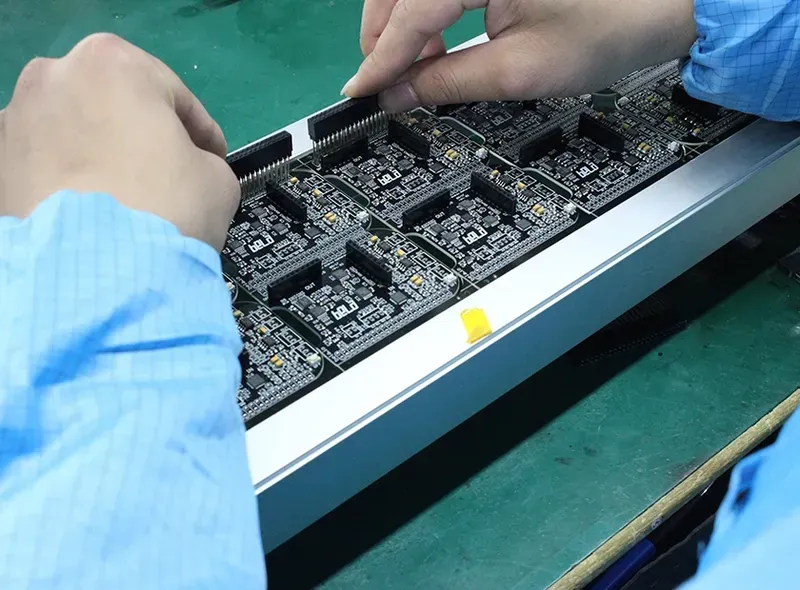
High Reliability PCB Manufacturing
Achieving high reliability in Agricultural Weather Station PCBs hinges critically on meticulous manufacturing processes, encompassing advanced fabrication, precise assembly, and rigorous testing. These stages are not merely sequential steps but integrated components of a quality assurance framework, ensuring that the PCBs can withstand the demanding and often unpredictable conditions of agricultural environments, thereby guaranteeing long-term performance and data integrity for crucial environmental monitoring.
Ensures robust physical structure, excellent electrical connectivity, and protection against environmental factors like moisture and corrosion. Precision in each step prevents defects that could lead to early failure in the field.
Automated Optical Inspection (AOI) AOI systems are employed after etching and solder mask application to detect defects such as short circuits, open circuits, incorrect line widths, and missing pads. This automated visual inspection ensures that the bare board meets design specifications before components are added, preventing costly rework later in the process and enhancing overall reliability by catching flaws invisible to the human eye. According to industry data, AOI can detect over 90% of surface defects, significantly improving yield rates for high-reliability applications like agricultural weather stations, where environmental resilience is paramount. This proactive approach minimizes the risk of field failures due to board-level manufacturing defects, ensuring the station's continuous operation and accurate data collection regardless of weather conditions or prolonged exposure to harsh elements in the field.
Wireless Communication Integration in Weather Station PCBs
LoRaWAN Wireless Communication Module
Seamless and reliable data transmission is paramount for agricultural weather stations, enabling real-time insights for optimized farming practices. Integrating robust wireless communication technologies into weather station PCBs ensures that critical environmental data, from soil moisture to ambient temperature, is efficiently relayed to central monitoring systems or cloud platforms, even from the most remote agricultural fields. This integration is a cornerstone for precision agriculture, facilitating timely decision-making regarding irrigation, pest control, and crop health.
Wireless Technology
Key Advantages
Typical Applications in Weather Stations
LoRaWAN
Long-range (up to 15 km), low power consumption, excellent for sparsely populated areas.
Remote field monitoring, low data rate sensor networks, battery-powered deployments.
NB-IoT
Wide coverage, strong penetration (ideal for underground sensors), low cost, moderate data rates.
High bandwidth, low latency, widespread coverage, supports real-time video/high-resolution data.
Comprehensive weather stations with multiple high-frequency sensors, critical data streaming, areas with strong cellular signal.
When selecting a wireless communication module for an agricultural weather station PCB, engineers must consider several critical factors: the required data rate, power budget, operational range, network availability, and total cost of ownership. LoRaWAN excels in power-efficient, long-range applications with low data throughput, making it ideal for vast agricultural landscapes. NB-IoT offers a balance of coverage, power efficiency, and cost, fitting well into scenarios requiring deeper penetration or slightly higher data frequency. For high-bandwidth, real-time data needs, particularly in areas with established infrastructure, cellular technologies (4G/5G) provide the necessary speed and reliability. Each technology offers distinct benefits, and the optimal choice often depends on the specific deployment environment and data requirements of the agricultural weather station.
Power Management Solutions for Remote Weather Stations
Solar Powered Weather Station
Effective power management is the cornerstone of reliable and sustainable agricultural weather station operation, especially in remote areas where conventional power grids are unavailable. The critical challenge lies in ensuring continuous data collection and transmission without frequent manual intervention, necessitating robust, energy-efficient solutions that can harness ambient energy or provide long-duration autonomy. Zero One Solution Limited specializes in integrating advanced power management directly onto the PCB, optimizing for minimal consumption and maximum operational uptime in the most demanding agricultural environments.
What are the primary power sources for remote agricultural weather stations? The primary power sources for remote agricultural weather stations are solar power and battery power. Solar power, often coupled with rechargeable batteries, is the most prevalent due to its renewable nature and ability to provide continuous power in sunny conditions. Batteries, particularly high-capacity lithium-ion or lithium iron phosphate (LiFePO4) batteries, serve as energy storage for solar setups and as primary power for locations with limited sunlight or higher instantaneous power demands. Hybrid systems combining both are common for enhanced reliability.
How does solar power integration optimize agricultural weather station PCBs? Solar power integration optimizes agricultural weather station PCBs by providing a sustainable, self-sufficient energy source. The PCB design must incorporate a maximum power point tracking (MPPT) controller to efficiently convert solar panel output, a battery charge management circuit to safely charge and discharge batteries, and low-power component selection. This integration ensures consistent power supply to sensors and communication modules, extending the station's operational lifespan and reducing maintenance costs, crucial for remote deployments.
What are the key considerations for battery selection in remote weather stations? Key considerations for battery selection include energy density (mAh/Wh), discharge characteristics, cycle life, operating temperature range, and self-discharge rate. For agricultural weather stations, batteries must withstand extreme temperatures (-40
to +85C), offer high cycle life for longevity, and have a low self-discharge rate to maintain charge during periods of low solar irradiation. Lithium-ion (Li-ion) and Lithium Iron Phosphate (LiFePO4) batteries are preferred for their balance of energy density, cycle life, and thermal stability compared to traditional lead-acid batteries.
Power Solution Type
Advantages
Disadvantages
Typical Applications
Solar-Powered Systems
Renewable, low operational cost, self-sustaining
Dependent on sunlight, initial setup cost, size/weight of panels
Long-term monitoring, open fields, sunny regions
Battery-Powered Systems
Compact, consistent power output, independent of sunlight (for discharge)
Limited lifespan, requires recharging/replacement, higher operational cost over time
Zero One Solution Limited: Your Partner for Agricultural Weather Station PCBs
Zero One Solution Limited stands as a premier partner for agricultural weather station PCB solutions, offering a comprehensive suite of services that integrate rapid prototyping, advanced design, precision manufacturing, and expert assembly. Our deep understanding of the unique demands of agricultural environments, coupled with our strategic global presence, positions us as an invaluable ally for innovators seeking to deploy reliable, high-performance weather monitoring systems.
Rapid-Response R&D Prototyping Our core strength lies in accelerating product development cycles. We provide unparalleled rapid prototyping services, enabling swift iteration and testing of PCB designs specifically tailored for agricultural weather stations. This agile approach significantly reduces time-to-market for critical monitoring technologies.
End-to-End PCB Solution Provider From initial PCB design consultation to final assembly, Zero One Solution Limited offers a seamless, one-stop experience. We manage the entire lifecycle, ensuring design optimization for environmental resilience, material selection for durability, and manufacturing processes for high reliability, critical for long-term outdoor deployment.
Expertise in Harsh Environment Design Leveraging decades of experience, our engineers specialize in designing PCBs that withstand the extreme conditions prevalent in agricultural settings, including temperature fluctuations, high humidity, dust, and exposure to corrosive agents. We implement robust design considerations for waterproofing, vibration resistance, and EMC compatibility.
Global Supply Chain Advantage Headquartered in Shenzhen, China, and with a branch in Dubai, Zero One Solution Limited benefits from a globally optimized PCBA supply chain network. This strategic positioning ensures access to premium components, efficient logistics, and competitive pricing, without compromising on quality or delivery timelines.
Service Aspect
Zero One Solution Limited's Advantage
Benefit for Agricultural Weather Stations
PCB Design
Specialized in robust, low-power designs for remote sensing
Ensures long-term operational stability and energy efficiency in the field
Material Selection
Expertise in durable, weather-resistant substrates and coatings
Guarantees resilience against harsh environmental factors, extending device lifespan
Manufacturing & Assembly
High-precision SMT, advanced testing, and quality control
Delivers consistently reliable and high-performance PCBs for accurate data collection
Prototyping Speed
Industry-leading rapid turnaround times
Accelerates R&D cycles, allowing faster deployment of new agricultural technologies
Technical Support
Dedicated engineering support from concept to deployment
Provides peace of mind and efficient troubleshooting for complex agricultural applications
Frequently Asked Questions (FAQs) about Agricultural Weather Station PCBs
Understanding the intricacies of Agricultural Weather Station PCBs is crucial for maximizing their performance and longevity in challenging farm environments. This FAQ section addresses common queries, providing essential insights into their design, manufacturing, and maintenance to help ensure your agricultural monitoring systems operate reliably.
What are the primary challenges for PCBs in agricultural weather stations? Agricultural weather station PCBs face extreme environmental conditions including wide temperature fluctuations, high humidity, dust, UV radiation, and potential exposure to corrosive agricultural chemicals. These factors necessitate robust design, material selection, and protective coatings to prevent signal degradation, component failure, and board corrosion, ensuring continuous and accurate data collection.
How does Zero One Solution Limited ensure PCB durability for harsh agricultural environments? Zero One Solution Limited employs a multi-faceted approach to ensure durability. This includes using high-Tg (glass transition temperature) laminates, conformal coatings (e.g., acrylic, polyurethane, silicone) for moisture and chemical resistance, robust solder masks, and specialized enclosures. Our design processes also prioritize component selection with extended operating temperature ranges and vibration resistance, all validated through rigorous environmental stress testing.
What communication technologies are commonly integrated into Agricultural Weather Station PCBs? Common communication technologies integrated into these PCBs include LoRaWAN for long-range, low-power data transmission, NB-IoT and LTE-M for wider cellular network coverage with low power consumption, and Wi-Fi or Bluetooth for shorter-range local connectivity. The choice depends on factors like range requirements, data volume, power budget, and existing infrastructure, with Zero One Solution Limited providing expertise in integrating these diverse modules.
What power management strategies are essential for remote agricultural weather stations? For remote agricultural weather stations, efficient power management is critical. This typically involves low-power microcontroller units (MCUs), intelligent power cycling of sensors and communication modules, and robust energy harvesting solutions. Solar panels coupled with rechargeable battery packs (e.g., LiFePO4 for wider temperature tolerance) are prevalent, requiring charge controller circuits on the PCB to optimize energy capture and distribution, ensuring uninterrupted operation in off-grid locations.
How do PCBs contribute to the accuracy and reliability of sensor data in agricultural weather stations? PCBs are fundamental to sensor data accuracy and reliability by providing stable power delivery, precise signal conditioning, and noise reduction for sensitive analog and digital sensors (e.g., temperature, humidity, soil moisture, wind speed). High-quality PCB layouts minimize electromagnetic interference (EMI) and crosstalk, ensuring that raw sensor signals are accurately captured and processed before transmission. Furthermore, robust PCB design reduces the likelihood of component failure, thereby maintaining long-term measurement integrity.
In conclusion, Zero One Solution Limited offers comprehensive PCB solutions for agricultural weather stations, encompassing design, manufacturing, and assembly. Our expertise ensures that your weather stations are equipped with reliable and high-performance PCBs, enabling accurate environmental monitoring and informed decision-making. By partnering with us, you can accelerate your product development, reduce time-to-market, and ultimately contribute to a more sustainable and efficient agricultural industry. Contact Zero One Solution Limited today to discuss your agricultural weather station PCB requirements and experience the difference our expertise can make. We provide rapid prototyping, and one-stop services from PCB design to manufacturing and assembly. Empowering clients to accelerate product development and bring innovative solutions to market with exceptional efficiency.