In an era where food safety and transparency are paramount, consumers and regulators alike are demanding greater accountability in the agricultural supply chain. The ability to trace a product from farm to table is no longer a luxury, but a necessity. This is where Agricultural Product Traceability Label PCB Solutions come into play, offering a technological backbone for ensuring the authenticity and safety of our food. Zero One Solution Limited, with its expertise in PCB design, manufacturing, and assembly, stands at the forefront of providing these critical solutions, enabling businesses to meet the evolving demands of the agricultural industry. This article delves into the world of agricultural product traceability label PCBs, exploring their functionality, benefits, and the pivotal role they play in safeguarding our food supply.
In an increasingly interconnected world, the ability to meticulously track agricultural products from farm to fork has transcended a mere operational luxury to become a fundamental necessity. This is driven by escalating consumer demand for transparency, stringent global regulatory frameworks, and the complex, often fragile, nature of international food supply chains. Effective traceability, underpinned by advanced PCB solutions, is paramount for ensuring food safety, combating counterfeiting, and cultivating profound consumer trust, thereby safeguarding public health and market integrity.
| Aspect | Impact of Traceability | Consequence Without Traceability |
|---|---|---|
| Food Safety | Rapid recall of contaminated products, precise source identification, minimized public health risks | Widespread outbreaks, difficulty in identifying contamination sources, severe public health crises |
| Fraud Prevention | Authentication of product origin, prevention of mislabeling and counterfeiting, protection of brand integrity | Proliferation of fake products, economic losses for legitimate producers, erosion of consumer confidence |
| Consumer Trust | Transparency and accountability, demonstration of ethical sourcing and quality control, enhanced brand loyalty | Skepticism and doubt, negative public perception, reduced market demand |
An Agricultural Product Traceability Label PCB (Printed Circuit Board) is a specialized electronic tag engineered to digitally track and monitor agricultural products throughout their entire lifecycle, from farm to fork. These sophisticated labels are the linchpin of modern supply chain transparency, providing an immutable record of a product's journey and ensuring food safety, authenticity, and consumer trust. They serve as miniature data hubs, enabling real-time insights into crucial parameters like origin, cultivation methods, handling, and logistics.
These components collectively facilitate seamless data capture and transmission, making the traceability label PCB an indispensable tool for robust agricultural supply chain management. By embedding these intelligent labels directly onto or within product packaging, stakeholders can achieve unparalleled visibility and control, fostering a more secure and transparent global food system.
Agricultural Product Traceability Label PCBs are engineered with specific features to withstand challenging agricultural environments while delivering substantial benefits across the food supply chain. These specialized PCBs are crucial for ensuring the integrity and transparency of agricultural products from farm to consumer, directly addressing the modern demands for food safety and accountability. Their robust design and advanced capabilities enable unprecedented visibility and control, transforming traditional supply chains into highly efficient, verifiable networks.
| Feature/Benefit | Description | Impact on Agricultural Traceability |
|---|---|---|
| Durability | Withstands environmental stressors like moisture, temperature, and chemicals. | Ensures consistent data integrity and long-term functionality in diverse farm-to-fork conditions, preventing data loss due to environmental damage, crucial for reliable tracking. |
| Data Storage | Enables comprehensive storage of product-specific information. | Allows for detailed historical records of each agricultural item, supporting granular traceability for quality control, compliance, and dispute resolution. |
| Communication Range | Facilitates efficient data exchange via RFID/NFC with readers. | Enables rapid and accurate data capture at various checkpoints, streamlining logistics, inventory management, and reducing manual data entry errors across the supply chain. |
| Supply Chain Visibility | Provides real-time tracking of product movement. | Optimizes logistics, identifies inefficiencies, and enables proactive management of the entire supply chain, from farm to retail. |
| Contamination/Fraud Prevention | Securely links product data, making tampering difficult. | Minimizes the risk of counterfeit products and allows for swift, targeted recalls in case of safety incidents, protecting consumers and brands. |
| Brand Reputation | Demonstrates commitment to transparency and quality. | Builds consumer confidence and loyalty by offering verifiable product origins and journeys, differentiating brands in a competitive market. |
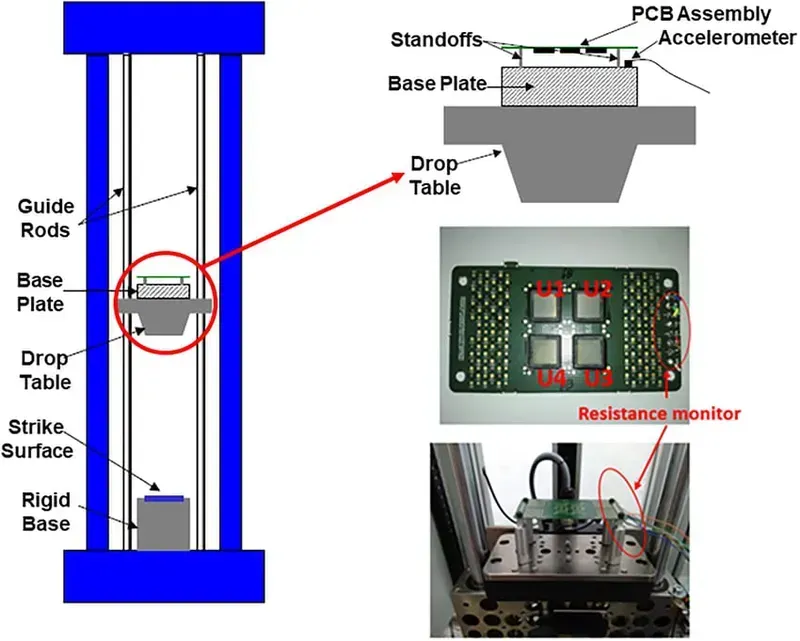
Designing Printed Circuit Boards (PCBs) for agricultural product traceability labels presents a unique set of engineering challenges that demand specialized consideration to ensure reliability and longevity in harsh environmental conditions. Unlike typical indoor electronics, agricultural applications expose PCBs to a gauntlet of stressors, necessitating robust design choices in material selection, component layout, and protective measures. This meticulous approach to design is paramount for the effectiveness and durability of traceability solutions in the agricultural supply chain.
| Design Consideration | Challenge in Agriculture | Zero One Solution Approach |
|---|---|---|
| Environmental Durability | Exposure to moisture, humidity, dust, and UV radiation. | Utilizing IP-rated enclosures, hydrophobic coatings, and UV-resistant solder masks. |
| Temperature Variations | Extreme hot and cold cycles, from sun-baked fields to refrigerated storage. | Selecting components with wide operating temperature ranges (-40°C to +85°C) and robust thermal management designs. |
| Mechanical Stress | Vibrations during transport, impacts from handling, and flexible applications. | Employing flexible PCB substrates (e.g., polyimide), reinforced mounting points, and vibration-resistant component soldering. |
| Chemical Exposure | Contact with fertilizers, pesticides, cleaning agents, and natural acids. | Applying chemical-resistant conformal coatings (e.g., parylene) and selecting inert materials for the PCB substrate and components. |
| Power Efficiency | Limited power sources, often battery-dependent for extended periods. | Optimizing circuit design for low power consumption, integrating energy-harvesting capabilities, and using efficient power management ICs. |
| Data Integrity & Security | Ensuring accurate data capture and preventing tampering in distributed environments. | Implementing robust error correction codes, secure encryption protocols, and anti-tamper features at the hardware level. |
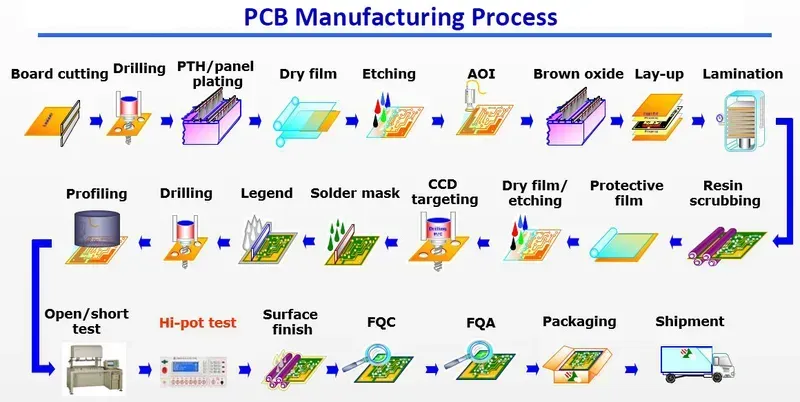
The efficacy of Agricultural Product Traceability Label PCBs hinges critically on their robust manufacturing and precise assembly, which ensures their durability and reliable performance in demanding agricultural environments. High-quality production processes, stringent quality control, and adherence to industry standards are paramount to creating PCBs that can withstand harsh conditions while accurately capturing and transmitting vital traceability data. This meticulous approach in manufacturing and assembly directly contributes to enhanced food safety, reduced fraud, and increased consumer confidence in the agricultural supply chain.
| Manufacturing Aspect | Typical Challenge in Agricultural PCBs | Zero One Solution's Approach |
|---|---|---|
| Material Selection | Moisture absorption, temperature extremes, chemical exposure | Utilizes high-grade, chemically resistant FR-4 or flexible polyimide substrates with enhanced moisture barriers. |
| Component Placement | Ensuring precise alignment for durability against vibration | Employs high-precision automated pick-and-place machines with vision systems for exact component positioning. |
| Soldering Quality | Reliability of joints under mechanical stress and thermal cycling | Applies advanced lead-free soldering processes and rigorous post-solder inspection (AOI, X-ray). |
| Environmental Protection | Resistance to water, dust, chemicals, and UV radiation | Applies MIL-I-46058C qualified conformal coatings and optional potting/encapsulation for superior environmental sealing. |
| Testing & Validation | Verifying data integrity and sensor accuracy in harsh conditions | Conducts comprehensive functional testing, environmental stress screening (ESS), and accelerated life testing. |
At Zero One Solution Limited, our expertise in rapid prototyping, PCB manufacturing, and assembly is directly aligned with the stringent requirements of agricultural traceability solutions. Headquartered in Shenzhen, China, with a branch office in Dubai, we leverage a global supply chain network to source the highest quality materials and deploy cutting-edge manufacturing technologies. Our commitment to precision engineering and rigorous quality control ensures that every Agricultural Product Traceability Label PCB we produce is of the highest quality, capable of delivering reliable performance and enduring the unique challenges of agricultural environments. Our agile rapid prototyping services further empower clients to quickly test and iterate their designs, accelerating market entry for innovative traceability solutions.
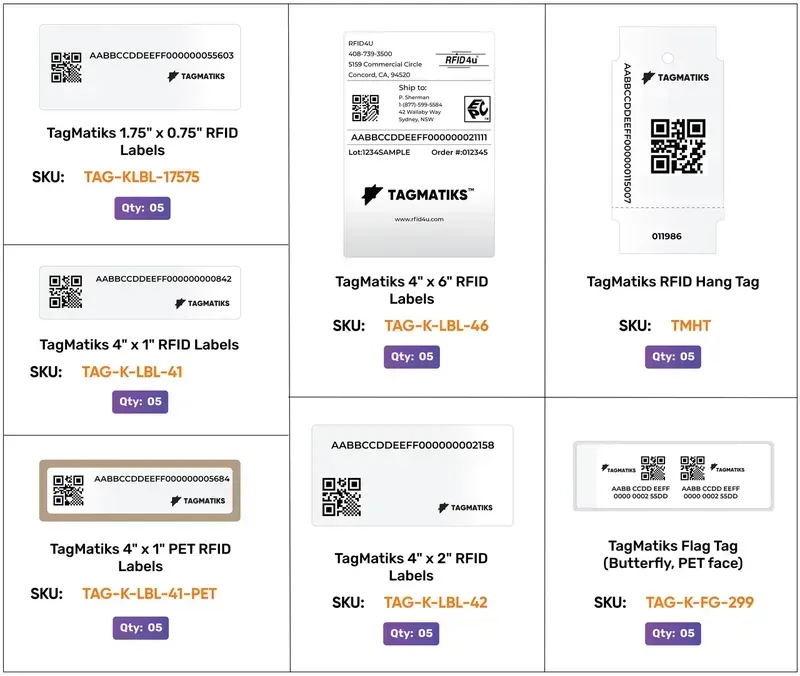
Agricultural Product Traceability Label PCBs serve as the foundational hardware for robust traceability systems, enabling seamless data flow from farm to fork. Their true power is unlocked through effective integration with specialized traceability systems and software platforms, which manage, analyze, and present the captured data. This synergistic relationship ensures complete visibility, allowing stakeholders to track product journeys, verify authenticity, and respond swiftly to any supply chain anomalies, ultimately safeguarding consumer health and enhancing brand trust.
| Integration Component | Function | Impact on Traceability |
|---|---|---|
| RFID Readers | Wireless data capture from PCB tags | Enables rapid, automated data collection at various checkpoints, reducing manual errors and increasing efficiency. Critical for real-time tracking and inventory management in high-volume operations by allowing simultaneous reading of multiple tags without direct line of sight |
| Barcode Scanners | Optical data capture from printed labels | Provides a cost-effective and widely adopted method for point-of-sale and warehouse tracking. Essential for unique product identification and cross-referencing with digital records, supporting inventory accuracy and recall readiness |
| Cloud-Based Platforms | Data storage, processing, and analytics | Offers scalable, secure, and accessible data management from anywhere globally. Facilitates collaboration among supply chain partners and provides a centralized repository for comprehensive traceability data, enhancing data integrity and disaster recovery |
| APIs (Application Programming Interfaces) | Enables data exchange between disparate systems | Facilitates seamless integration with existing ERP, WMS, and other enterprise systems. Ensures data consistency and automates workflows, eliminating manual data entry and reducing operational silos |
| Data Analytics & Reporting Tools | Transforms raw data into actionable insights | Provides valuable intelligence on product movement, supply chain bottlenecks, and quality control. Supports proactive decision-making, risk assessment, and compliance reporting, improving overall supply chain resilience and transparency |
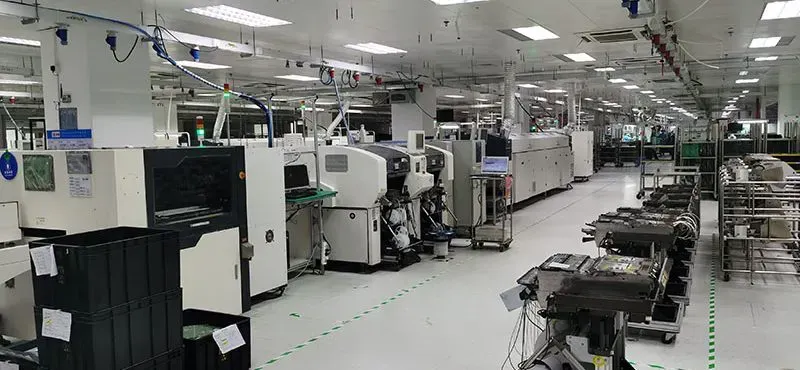
Zero One Solution Limited stands at the forefront of providing bespoke PCB solutions crucial for advanced agricultural product traceability. Leveraging over a decade of specialized expertise since our founding in 2011, we are not just a manufacturer; we are a strategic partner dedicated to empowering the agricultural sector with rapid-response R&D prototype manufacturing and a seamless one-stop service from PCB design to manufacturing and assembly. Our commitment to precision, reliability, and innovation makes us the ideal choice for integrating robust traceability into your agricultural supply chain.
| Key Differentiator | Zero One Solution Limited's Advantage |
|---|---|
| Rapid Prototyping | Accelerate your product development cycles with our efficient R&D prototype manufacturing, ensuring quick market entry for innovative traceability solutions, including rapid PCB prototyping for agricultural labels and sensors allowing for quick iteration and testing of new designs for optimal performance in harsh agricultural environments. This significantly reduces time-to-market for new agricultural products and technologies that rely on advanced traceability features. |
The landscape of agricultural product traceability is undergoing a transformative evolution, driven by advancements in digital technologies. These emerging trends promise to elevate transparency, efficiency, and security across the entire food supply chain, moving beyond traditional methods to embrace intelligent, data-driven approaches. For stakeholders like Zero One Solution Limited, understanding these trajectories is crucial to developing cutting-edge PCB solutions that meet future demands.
Implementing agricultural product traceability requires robust, reliable, and cost-effective solutions. Agricultural Product Traceability Label PCBs are central to this, enabling precise tracking and data capture. Below, we address common inquiries regarding these essential components, providing clarity and practical insights for their successful deployment in modern agricultural supply chains.
In conclusion, Agricultural Product Traceability Label PCB Solutions are revolutionizing the way we approach food safety and supply chain management. By providing a robust and reliable system for tracking agricultural products from origin to consumer, these solutions are not only enhancing transparency but also building trust in the food industry. Zero One Solution Limited is committed to delivering cutting-edge PCB solutions that empower businesses to meet the challenges of modern agriculture and ensure a safer, more secure food supply for all. Contact Zero One Solution today to discover how our PCB solutions can transform your agricultural product traceability system. Let's work together to build a future where every product tells its story, ensuring safety and quality for consumers worldwide.

