In the demanding realm of aerospace, where precision and unwavering reliability are paramount, the electronic backbone of critical systems like airborne radar inverters must meet the highest standards. Zero One Solution Limited, a leader in PCB assembly solutions since 2011, understands these rigorous requirements. We specialize in providing robust, high-performance PCB solutions that drive innovation and ensure operational excellence. This article will delve into the complexities of airborne radar inverter PCBs and how our expertise provides unparalleled advantages, accelerating product development from concept to deployment.
The Unwavering Backbone: How Inverter PCBs Ensure Airborne Radar's Operational Excellence
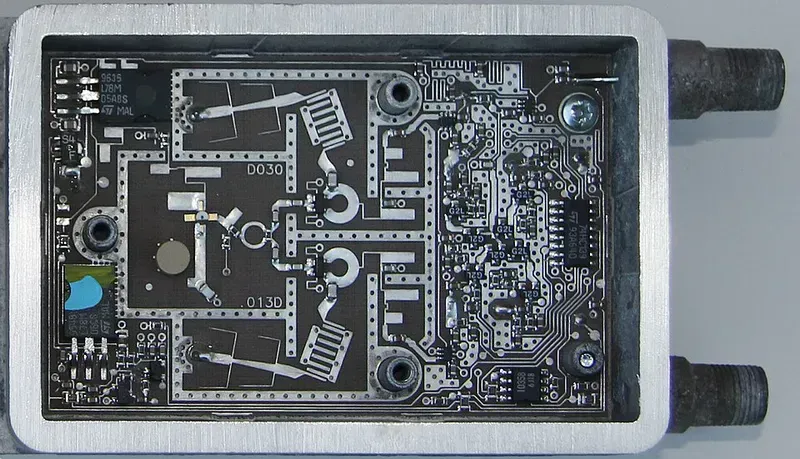
Airborne Radar Inverter PCB
At the heart of every airborne radar system lies the critical function of the inverter PCB, a component that is indispensable for the stable and efficient operation of these sophisticated devices. These PCBs are not just circuit boards; they are the powerhouses that convert DC power to the AC power required by various radar components, ensuring that the system operates flawlessly even under the most demanding conditions. Their role is pivotal, underpinning the radar's ability to detect, track, and analyze targets with unparalleled precision, ultimately safeguarding the aircraft and its mission. Without reliable inverter PCBs, the entire radar system, and by extension, the aircraft's operational capabilities, would be compromised.
Inverter PCBs are fundamentally responsible for several key functions. They convert the DC power from the aircraft's power supply into the AC power necessary for the radar's high-frequency components. This conversion must be precise and reliable to prevent signal interference and maintain signal integrity. Furthermore, inverter PCBs often incorporate sophisticated control circuits to regulate voltage and current, ensuring optimal performance and protecting sensitive radar components from power surges or fluctuations. Their design must also address the challenge of thermal management, as inverters generate significant heat. Effective heat dissipation is essential to prevent component failure and maintain operational stability. Moreover, these PCBs are instrumental in isolating different parts of the radar system, which helps minimize electromagnetic interference (EMI) and ensure that radar signals are transmitted and received clearly. They are the unseen workhorses that enable radar systems to deliver dependable performance.
The reliability of an airborne radar system is directly tied to the performance of its inverter PCBs. A failure in these components can lead to catastrophic consequences, ranging from the loss of radar functionality to severe operational impairment. As a result, the design and manufacturing of these PCBs must adhere to the highest standards. Zero One Solution Limited understands the critical nature of these components and is committed to providing advanced PCB solutions that meet the stringent demands of the aerospace industry. Our expertise in high-performance PCB manufacturing, combined with our stringent quality control processes, ensures that our inverter PCBs provide the reliability and performance that airborne radar systems require to operate safely and efficiently.
Navigating Design Hurdles: Challenges in Airborne Radar Inverter PCB Design
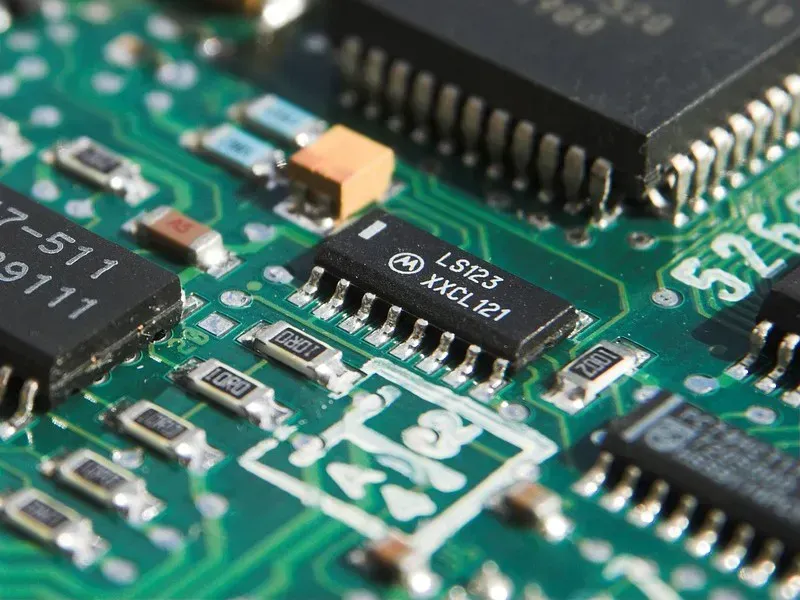
PCB Design Challenges
Designing and manufacturing printed circuit boards (PCBs) for airborne radar inverters presents a unique set of engineering challenges. These challenges stem from the harsh operational environments, the need for high performance, and stringent regulatory requirements. Overcoming these hurdles is crucial for ensuring the reliability, efficiency, and longevity of airborne radar systems, impacting mission success and operational safety. At Zero One Solution Limited, we understand these critical demands and specialize in providing solutions that address these complex requirements head-on.
High Power Density and Thermal Management Airborne radar systems demand high power in compact spaces. This leads to significant heat generation within the inverter PCB. Effective thermal management is vital to prevent component failure and maintain performance. This includes using advanced materials with high thermal conductivity, optimized layout design for heat dissipation, and incorporating thermal vias and heat sinks.
Electromagnetic Interference (EMI) and Electromagnetic Compatibility (EMC) Airborne environments are susceptible to significant EMI. Inverter PCBs must be designed to minimize both the generation and susceptibility to EMI. This involves careful shielding, filtering, and PCB layout techniques, such as proper ground plane design and signal integrity analysis, to ensure the system operates without interference and complies with aerospace EMC standards.
Vibration Resistance and Mechanical Durability Airborne systems experience extreme vibrations and mechanical stress. PCBs must be robust enough to withstand these conditions without compromising performance. This necessitates the use of vibration-resistant materials, secure component mounting, and conformal coatings to protect against mechanical stress and environmental factors.
Signal Integrity and High-Frequency Performance Airborne radar inverters often operate at high frequencies, demanding precise signal integrity control. This requires careful impedance matching, controlled layer stacking, and minimizing signal path lengths to prevent signal degradation and ensure efficient power conversion and signal processing.
Reliability and Compliance Aerospace applications demand the highest levels of reliability. PCBs must meet stringent quality standards and regulatory requirements, including IPC-A-600 and other aerospace-specific certifications. This involves rigorous testing, quality control processes, and traceability throughout the manufacturing process.
Zero One Solution: Precision PCB Manufacturing for Airborne Radar Inverters
Zero One Solution Limited distinguishes itself as a premier provider of high-performance PCB manufacturing solutions, specifically tailored for the demanding requirements of airborne radar inverter applications. With two decades of experience in Silicon Valley, our team brings unparalleled expertise to the aerospace sector, ensuring that every PCB meets the stringent demands of reliability, performance, and compliance. Our commitment extends beyond mere manufacturing; we deliver engineering excellence, supporting every stage of PCB development from design to final assembly.
Our capabilities are rooted in a deep understanding of the unique challenges presented by airborne radar systems. We specialize in manufacturing PCBs that can withstand extreme conditions, including high altitudes, rapid temperature changes, and intense vibrations. Our state-of-the-art manufacturing facilities are equipped with advanced technologies and operated by a team of seasoned engineers who are adept at handling complex designs, ensuring that each PCB functions flawlessly within the radar system. These complex designs must also adhere to stringent aerospace standards, which we consistently meet and exceed.
Expertise in High-Frequency Design We excel in creating PCBs that operate at high frequencies, critical for the efficient signal processing required by airborne radar systems. Our expertise ensures optimal performance and minimal signal loss.
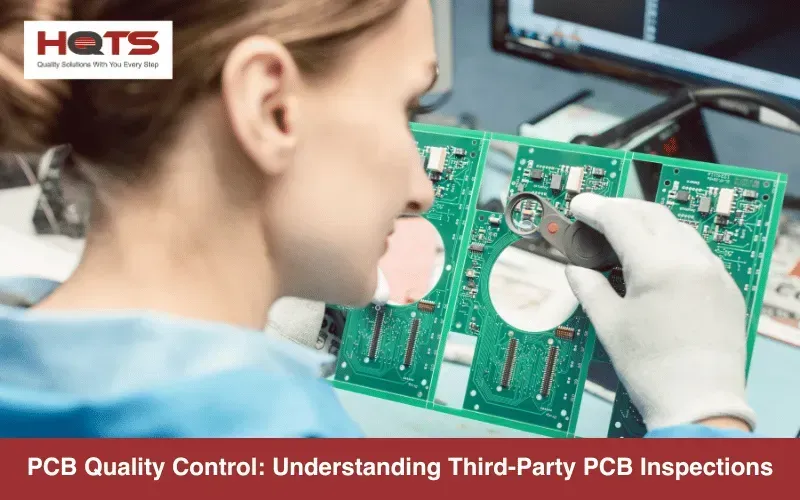
Stringent Quality Control Each PCB undergoes rigorous testing and inspection procedures, including automated optical inspection (AOI) and functional testing, to ensure the highest levels of reliability and compliance with aerospace standards.
Advanced Materials and Techniques We use advanced materials like Rogers and other high-performance laminates, alongside precision manufacturing techniques such as impedance control and blind/buried vias, to enhance the durability and performance of our PCBs.
Rapid Prototyping Capabilities Our rapid prototyping services drastically reduce lead times, enabling faster development cycles and accelerating the time-to-market for innovative aerospace products.
Comprehensive Support From design consultation and fabrication to assembly and testing, we offer end-to-end services. This comprehensive approach ensures seamless project execution and superior quality control.
Zero One Solution Limited's commitment to excellence is reflected in our robust quality management system and certifications, which guarantee that every PCB meets or exceeds industry standards. We are dedicated to providing our clients with PCB solutions that are not only technologically advanced but also reliable, efficient, and compliant. Partner with Zero One Solution for your airborne radar inverter PCB needs and experience the pinnacle of PCB manufacturing expertise.
Advanced Materials and Manufacturing Processes for Aerospace PCBs
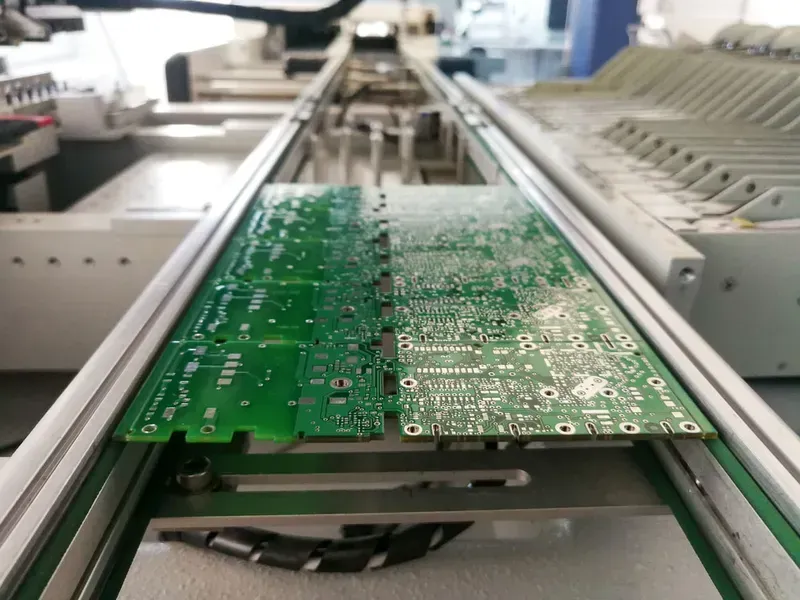
Aerospace PCB Manufacturing
Manufacturing Airborne Radar Inverter PCBs demands an uncompromising approach to materials and processes, directly impacting performance and longevity in extreme aerospace environments. Zero One Solution Limited employs cutting-edge materials and precision manufacturing techniques, ensuring that every PCB withstands the rigorous demands of airborne radar systems, from thermal cycling and vibration to precise signal integrity, thereby delivering unparalleled reliability and operational excellence.
High-Performance Laminates We utilize advanced laminates like high-Tg FR-4, polyimide, and ceramic-filled PTFE materials, specifically chosen for their superior dielectric properties, thermal stability, and low signal loss at high frequencies (up to 77 GHz for radar applications). These materials are critical for maintaining signal integrity and power efficiency under varying operational conditions in airborne environments. For example, our selection includes Rogers, Arlon, and Taconic laminates, known for their consistent dielectric constant and low dissipation factor, essential for precise impedance control.
Precise Impedance Control Achieving precise impedance control (typically within ±5%) is paramount for high-frequency signal transmission in radar systems. We employ sophisticated design software and manufacturing techniques, including meticulous stack-up design, controlled trace geometry, and advanced etching processes, to ensure consistent impedance across all signal paths. Our in-house TDR (Time Domain Reflectometry) testing verifies impedance accuracy, crucial for preventing signal reflections and maintaining data integrity.
Thermal Management Solutions Given the high power density of inverter PCBs, effective thermal management is vital. We integrate advanced thermal solutions such as heavy copper planes (up to 6 oz), thermal vias, and specialized substrates with high thermal conductivity (e.g., aluminum or copper core PCBs). These techniques facilitate efficient heat dissipation, preventing localized hotspots and extending component lifespan. Our thermal simulation software guides optimal heat sink and material placement for maximum thermal efficiency.
Fine pitch components, high-reliability interconnections (e.g., IPC-6012 Class 3/A)
Precision Laser Drilling & Via-in-Pad
Enables higher component density, improved signal paths, miniaturization
BGAs, compact inverter designs (e.g., IPC-7351)
Rapid Prototyping and Accelerated Development for Airborne Systems
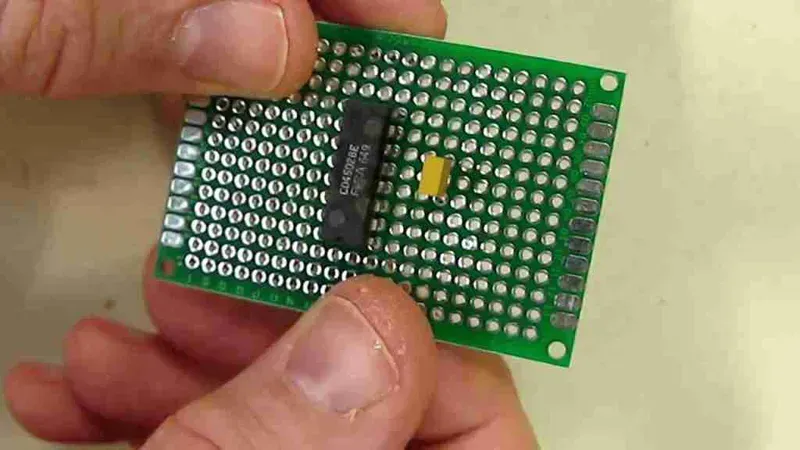
Rapid PCB Prototyping
In the fast-paced aerospace industry, the ability to rapidly prototype and iterate designs is paramount for the development of advanced airborne radar inverter PCBs. Zero One Solution Limited excels in accelerating these critical development cycles, empowering clients to bring innovative aerospace products to market with unparalleled speed and efficiency. Our rapid prototyping services are specifically engineered to meet the demanding requirements of airborne systems, ensuring that complex designs are validated quickly and effectively, thereby significantly reducing time-to-market and fostering innovation.
Reduced Development Cycles Zero One Solution's rapid prototyping drastically cuts down the time from concept to functional prototype. By leveraging advanced manufacturing techniques and streamlined workflows, we enable quick iterations and design validations essential for complex airborne radar inverter PCBs, ensuring that our clients maintain a competitive edge and respond swiftly to market demands.
Cost-Effective Iteration Our rapid prototyping services minimize the financial burden of design iterations. By producing high-quality prototypes efficiently, we allow for early detection and correction of design flaws, preventing costly rework during mass production. This approach optimizes resource allocation and ensures that investment is focused on refined, validated designs.
Enhanced Design Validation Through rapid prototyping, engineers can physically test and validate the performance, thermal management, and EMI/EMC characteristics of airborne radar inverter PCBs in real-world scenarios. This hands-on validation process uncovers potential issues that simulation alone might miss, leading to more robust and reliable final products for critical airborne applications.
Comprehensive One-Stop Services: From Design to Assembly
PCB Assembly and Testing
For airborne radar inverter PCB solutions, the complexity and critical nature of the application demand a seamless, integrated approach that spans the entire product lifecycle. Zero One Solution Limited offers a comprehensive one-stop service, meticulously orchestrating every phase from initial conceptual design and engineering to precision fabrication, advanced assembly, and rigorous final testing. This end-to-end support model ensures unparalleled quality control, accelerated development cycles, and a singular point of accountability, mitigating risks and optimizing outcomes for highly sensitive aerospace projects.
Integrated PCB Design & Engineering Our expertise begins at the drawing board. We provide robust PCB design services, leveraging advanced CAD tools and simulation software to optimize layouts for high-frequency performance, thermal dissipation, EMI/EMC compliance, and signal integrity, critical factors for airborne radar inverter PCBs.
Precision PCB Fabrication With state-of-the-art manufacturing facilities, Zero One Solution produces multi-layer PCBs using aerospace-grade materials and precise manufacturing techniques. This includes impedance control, tight tolerance registration, and specialized surface finishes essential for the reliability and longevity required in airborne environments.
Advanced Component Sourcing & Management We manage the entire supply chain for components, sourcing high-reliability, MIL-spec parts from certified vendors. Our robust inventory management system and established global network ensure timely procurement and authenticity of every component, reducing lead times and ensuring quality.
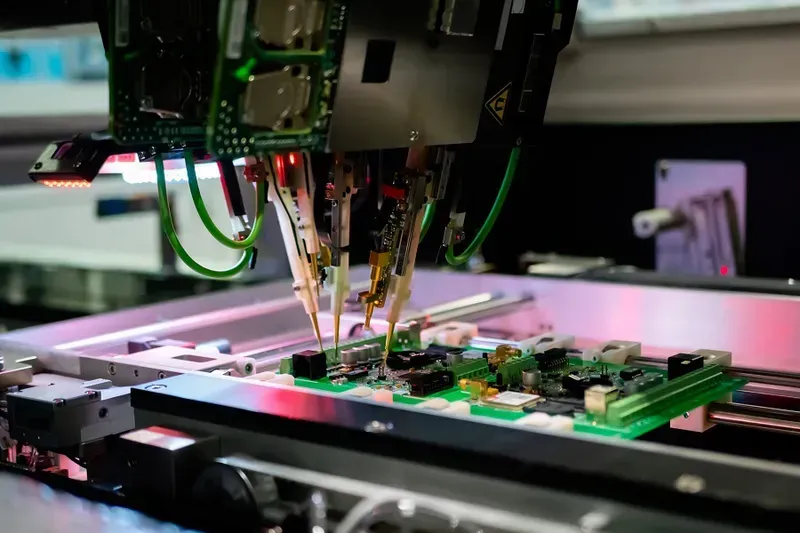
High-Density PCB Assembly (PCBA) Our assembly capabilities encompass fine-pitch SMT, BGA, and through-hole technologies, utilizing automated pick-and-place machines and precision soldering processes. Specialized techniques are employed for handling sensitive aerospace components, ensuring robust and reliable connections capable of withstanding extreme conditions.
Rigorous Testing & Quality Assurance Every airborne radar inverter PCBA undergoes comprehensive testing, including Automated Optical Inspection (AOI), X-ray inspection for hidden solder joints, In-Circuit Test (ICT), Functional Testing (FCT) simulating operational conditions, and environmental stress screening (ESS) to validate performance under extreme temperatures and vibrations.
Streamlined Project Management Our dedicated project managers oversee the entire process, providing transparent communication and real-time updates. This single point of contact simplifies coordination, ensures adherence to specifications and timelines, and facilitates seamless integration of design, manufacturing, and assembly phases.
Ensuring Reliability and Compliance: Quality Assurance for Airborne PCBs
PCB Quality Assurance
For airborne radar inverter PCBs, reliability and compliance are not merely desirable attributes but absolute prerequisites. The unforgiving operational environment of aerospace applications demands that every component, especially critical power conversion units, adheres to the highest standards of quality and regulatory conformity. Zero One Solution Limited implements rigorous quality assurance protocols and holds essential certifications to guarantee that every PCB delivered meets and exceeds the stringent requirements of the aerospace industry, safeguarding system performance and operational safety.
Quality Assurance Protocol
Description
Aerospace Benefit
IPC Class 3/A Standards
Adherence to the highest class of electronic product specifications for products where continued high-performance or performance-on-demand is critical.
Ensures maximum reliability and extended operational life in harsh airborne environments.
AS9100D Certification
A widely adopted and standardized quality management system for the aerospace industry, built on ISO 9001.
Demonstrates commitment to quality, safety, and continuous improvement throughout the PCB lifecycle.
DFM/DFA Analysis
Design for Manufacturability and Assembly reviews conducted early in the design phase.
Identifies and mitigates potential manufacturing and assembly issues, reducing risks and costs.
Comprehensive AOI & X-Ray Inspection
Automated Optical Inspection and X-ray inspection for detecting hidden defects in solder joints and internal layers.
Guarantees structural integrity and flawless connectivity, crucial for high-frequency signal transmission.
Environmental Stress Screening (ESS)
Subjecting PCBs to thermal cycling, vibration, and humidity to weed out infant mortality failures.
Proves resilience and stable performance under extreme operational conditions encountered in flight.
Traceability Systems
Detailed tracking of all components, materials, and manufacturing processes from raw material to finished product.
Enables swift root cause analysis and corrective actions in the event of any anomaly, ensuring accountability.
Frequently Asked Questions about Airborne Radar Inverter PCBs
Understanding the intricacies of Airborne Radar Inverter PCBs is crucial for reliable aerospace system performance. This section addresses common inquiries to clarify key aspects of their design, manufacturing, and application, providing essential insights for engineers and project managers in the aerospace and defense sectors.
What are the primary functions of an inverter PCB in an airborne radar system? An inverter PCB in an airborne radar system primarily converts DC power from the aircraft's power bus into high-frequency AC power required for radar components such as the magnetron, TWT amplifier, or solid-state power amplifier. This conversion is critical for the precise operation of the radar's transmitting and receiving modules, ensuring stable signal generation and accurate target detection. Beyond simple power conversion, these PCBs often integrate advanced control circuitry for voltage regulation, current limiting, and fault protection, which are vital for system reliability and longevity in demanding airborne environments. They also play a significant role in managing power efficiency and thermal dissipation to prevent overheating and ensure consistent performance during extended missions. The reliability and stability of this power conversion are paramount for maintaining the integrity and accuracy of the radar's performance, directly impacting the aircraft's operational capabilities and mission success.
Why is thermal management a critical consideration for Airborne Radar Inverter PCBs? Thermal management is paramount for Airborne Radar Inverter PCBs due to the high power densities and compact nature of airborne electronics. Inverters generate significant heat during power conversion, and excessive temperatures can lead to reduced component lifespan, performance degradation, and even catastrophic failure of the radar system. Effective thermal management, incorporating techniques like advanced heat sinks, thermal vias, and specialized substrate materials with high thermal conductivity (e.g., ceramic-filled laminates), is essential to dissipate heat efficiently. This ensures that critical components operate within their specified temperature limits, maintaining signal integrity, power efficiency, and overall system reliability, especially in the fluctuating temperature and pressure conditions encountered during flight. Without robust thermal management, the sustained high-power operation required by airborne radar would be unsustainable, leading to system instability and operational downtime.
How do Airborne Radar Inverter PCBs address EMI/EMC challenges? Airborne Radar Inverter PCBs inherently generate electromagnetic interference (EMI) due to high-frequency switching operations and high current transients. Addressing EMI/EMC (Electromagnetic Interference/Electromagnetic Compatibility) is critical to prevent interference with other sensitive avionics systems and to ensure the radar's own signal integrity. Design strategies include careful component placement, optimized trace routing for impedance control, the use of ground planes, shielded enclosures, and EMI filters. Selecting low-loss dielectric materials and implementing precise impedance matching techniques minimize signal reflections and radiation. Additionally, employing common-mode and differential-mode filters, along with strategic power and ground plane segmentation, helps suppress conducted and radiated emissions. Adherence to strict aerospace EMI/EMC standards (e.g., MIL-STD-461) through rigorous testing and validation is essential to guarantee system compatibility and operational safety in complex airborne environments. Proper EMI/EMC design ensures that the radar system can perform its functions without disrupting or being disrupted by other electronic systems on the aircraft.
What specialized materials are used in Airborne Radar Inverter PCB manufacturing? Manufacturing Airborne Radar Inverter PCBs requires specialized materials to withstand extreme operational conditions and meet stringent performance requirements. High-frequency laminates such as PTFE (Teflon) or ceramic-filled hydrocarbons (e.g., Rogers Corporation materials) are commonly used due to their low dielectric loss, stable dielectric constant across temperature variations, and excellent signal integrity characteristics at high frequencies. These materials minimize signal attenuation and distortion, crucial for radar precision. For enhanced thermal management and structural integrity, substrates with high thermal conductivity, such as aluminum or copper-based cores, are often integrated. Additionally, specialized copper foils and plating processes ensure robust current handling capabilities, while high-Tg (glass transition temperature) epoxies are used for prepregs and soldermasks to maintain structural stability under thermal cycling. The selection of these materials is dictated by the need for superior electrical performance, mechanical robustness, and thermal resilience under the demanding conditions of airborne operations.
The stakes are incredibly high in airborne radar systems, where the performance of every component directly impacts mission success and safety. Zero One Solution Limited stands as your trusted partner, offering unparalleled expertise in Airborne Radar Inverter PCB Solutions. Our commitment to rapid prototyping, stringent quality control, and comprehensive one-stop services from design to assembly ensures that your critical aerospace projects are executed with precision and efficiency. By leveraging our deep understanding of high-frequency, high-power, and thermal management challenges, we empower innovators to push the boundaries of aerospace technology. Contact Zero One Solution Limited today to discuss your next airborne radar project and experience the difference that a dedicated, expert PCB solution provider can make.