GPS Precision Positioning Signal Processing Board Solution
2025.07.27
In an increasingly connected world, the demand for precise and reliable positioning has never been more critical. From autonomous vehicles and smart agriculture to industrial IoT and advanced robotics, the accuracy of location data directly impacts performance and safety. At the heart of this precision lies the signal processing board, a sophisticated piece of engineering that transforms raw satellite signals into actionable location information. Zero One Solution Limited, a leader in rapid-response PCB solutions, is at the forefront of this technological advancement, offering comprehensive GPS Precision Positioning Signal Processing Board Solutions designed to meet the most stringent accuracy requirements.
The Foundation of Precision: Understanding GPS Signal Processing
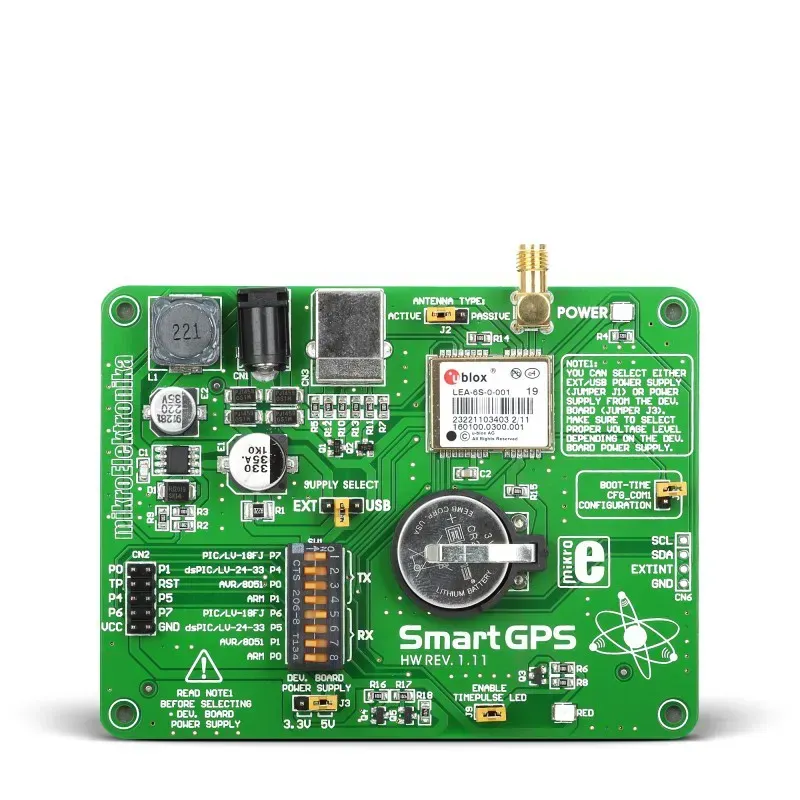
GPS Signal Processing Board
At the heart of every high-accuracy GPS application lies sophisticated signal processing. This intricate process transforms the faint, complex radio signals broadcast by Global Positioning System (GPS) satellites into precise positional data. Achieving centimeter-level or even millimeter-level accuracy demands not just robust hardware for signal reception, but also advanced algorithms and computational power to meticulously filter noise, correct errors, and interpret the subtle nuances embedded within these signals. This foundational understanding is crucial for anyone seeking to leverage the full potential of modern GPS technology, especially in demanding environments where accuracy is paramount.
How GPS Signals Are Transmitted GPS satellites transmit signals on multiple frequencies (L1, L2, L5) containing navigation messages and precise timing codes. These signals, traveling at the speed of light, are modulated with pseudo-random noise (PRN) codes unique to each satellite, allowing receivers to differentiate between them and measure the time of arrival accurately. The navigation message includes satellite ephemeris (orbital data), clock corrections, and system health status essential for calculating position.
The Role of the GPS Receiver A GPS receiver's primary function is to capture these weak satellite signals, amplify them, and then perform a series of digital signal processing (DSP) operations. This includes signal acquisition (detecting and locking onto satellite signals), tracking (continuously monitoring the signal phase and frequency), and demodulation (extracting the navigation message). Each step is critical for maintaining signal integrity and preparing the data for position computation.
Processing Stage
Objective
Key Challenges
Signal Acquisition
Detect and lock onto satellite signals
Low signal strength, interference, rapid satellite movement
Extract ephemeris, clock data, and integrity information
Data corruption, bit errors, signal fade
Position Calculation
Compute receiver's 3D position and velocity
Achieving high accuracy, real-time processing, error correction (e.g., RTK, PPP)
The transition from raw satellite signals to precise positioning data is fraught with challenges. Atmospheric conditions (ionospheric and tropospheric delays), multipath effects (signals reflecting off surfaces before reaching the antenna), receiver clock errors, and satellite orbital inaccuracies all contribute to potential positioning errors. Modern GPS signal processing boards employ sophisticated algorithms like Kalman filters, advanced error models, and differential correction techniques (such as Real-Time Kinematic - RTK, and Precise Point Positioning - PPP) to mitigate these errors, significantly enhancing accuracy and reliability. Understanding these complexities is foundational to designing and deploying effective GPS precision positioning solutions.
In an increasingly interconnected and automated world, the demand for GPS precision positioning has escalated from a mere convenience to an absolute necessity. Centimeter-level or even millimeter-level accuracy is no longer a luxury but a fundamental requirement, underpinning critical operations across a multitude of industries. This enhanced precision drives efficiency, safety, and innovation, transforming traditional practices and enabling entirely new capabilities that were once confined to the realm of science fiction.
Autonomous Driving & Robotics For self-driving cars and autonomous robots, high-accuracy GPS provides the essential spatial awareness needed for safe navigation, lane-keeping, and obstacle avoidance, enabling seamless operation even in complex environments. This precision is critical for decision-making and ensuring regulatory compliance and public safety.
Key Challenges in Designing GPS Precision Signal Processing Boards
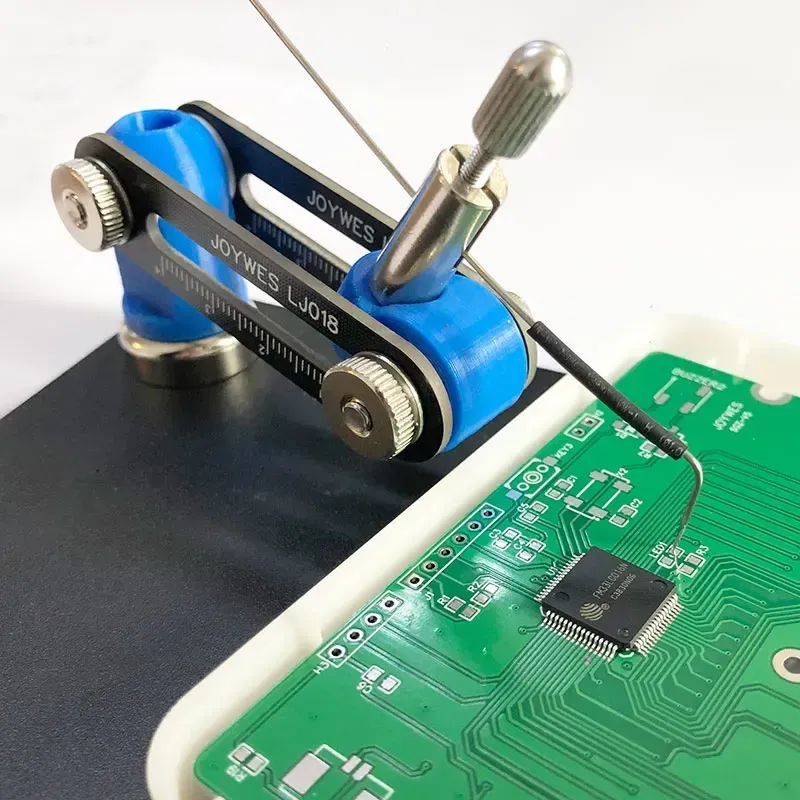
Engineer Testing Signal Board
Designing a high-performance GPS precision positioning signal processing board is an intricate task, fraught with technical complexities that demand specialized expertise. Achieving centimeter-level or even millimeter-level accuracy requires meticulous attention to every aspect of the design, from the initial capture of faint satellite signals to their final processing. The primary hurdles include combating pervasive signal noise, ensuring the pristine integrity of high-frequency signals, effectively mitigating the detrimental effects of multipath, and balancing the imperative for compact form factors with stringent power efficiency requirements. Furthermore, robust electromagnetic compatibility (EMC) and efficient thermal management are paramount for reliable operation in diverse and often demanding environments, underscoring the necessity for a comprehensive engineering approach.
Signal Noise Management GPS signals arriving at the receiver are extremely weak and susceptible to various forms of noise, including thermal noise, atmospheric noise, and interference from other electronic devices. Effective signal noise management is critical to extract usable information from these faint signals. This involves sophisticated filtering techniques, low-noise amplifier (LNA) design, and advanced digital signal processing algorithms to enhance the signal-to-noise ratio (SNR) and ensure accurate data acquisition.
Ensuring Signal Integrity (SI) Maintaining signal integrity is paramount, especially for high-frequency RF signals characteristic of GPS. Poor signal integrity can lead to data loss, increased bit error rates, and inaccurate positioning. Challenges include impedance matching, minimizing reflections and crosstalk on PCB traces, proper grounding, and careful layout design to prevent signal degradation. This requires deep understanding of high-speed digital and RF design principles.
Mitigating Multipath Effects Multipath occurs when GPS signals reflect off surfaces (buildings, terrain) before reaching the receiver antenna, causing delayed and distorted versions of the original signal. This can introduce significant positioning errors. Designing for multipath mitigation involves specialized antenna designs (e.g., choke ring antennas), advanced receiver algorithms like those employing correlator tracking and signal quality indicators, and careful consideration of the operational environment to minimize reflection sources.
Compact Form Factor & Power Consumption Optimization Many precision GPS applications, such as drones and wearable devices, demand extremely compact form factors and low power consumption. This presents a significant challenge in PCB design, requiring highly integrated components, multi-layer board design with optimized routing, and efficient power management circuits. Balancing performance with size and power constraints necessitates innovative design choices and component selection.
Zero One Solution Limited's Approach to GPS Precision Board Solutions
PCB Design Manufacturing Factory
At Zero One Solution Limited, we don't just provide GPS precision positioning signal processing boards; we deliver comprehensive, high-performance solutions tailored to the exacting demands of modern applications. Our unique value proposition stems from an integrated approach that spans rapid prototyping, one-stop PCB design-to-assembly services, and a strategically optimized global supply chain, ensuring unparalleled efficiency and quality from concept to deployment. We leverage deep expertise in complex multi-layer PCB design, high-frequency signal routing, and advanced component integration to engineer boards that consistently push the boundaries of accuracy and reliability, empowering our clients to achieve their most ambitious precision goals.
Rapid Prototyping Excellence Our core strength lies in rapid-response R&D prototype manufacturing. We understand that time-to-market is critical for innovation. Our streamlined processes and in-house capabilities enable us to quickly translate complex designs into functional prototypes, allowing for accelerated testing, iteration, and validation. This significantly reduces development cycles and provides a competitive edge for clients.
One-Stop PCB Services (Design to Assembly) We offer a complete suite of services, eliminating the complexities of managing multiple vendors. From initial PCB layout and schematic capture to advanced manufacturing, component sourcing, and final assembly, Zero One Solution Limited handles every stage. This holistic approach ensures seamless integration, consistent quality control, and optimized production efficiency for GPS precision boards.
Strategic Global Supply Chain Network Headquartered in Shenzhen, China, and with a branch in Dubai, we are strategically positioned within the global PCBA supply chain. This extensive network provides us with unparalleled access to a diverse range of high-quality components and materials, mitigates supply chain risks, and enables us to procure specialized parts for GPS precision applications at competitive prices and lead times.
Advanced Engineering & Design Expertise Our veteran engineers possess extensive experience in designing highly complex PCBs critical for GPS signal processing. This includes expertise in multi-layer board stack-up optimization, impedance control for high-frequency signal integrity, noise reduction techniques, and thermal management for stable performance in demanding environments. We ensure the physical design perfectly complements the sophisticated RF and digital processing requirements.
Rigorous Quality Assurance & Testing Quality is paramount in precision positioning. Our processes incorporate stringent quality control measures at every step, from incoming material inspection to in-process checks and comprehensive final testing. We utilize advanced testing methodologies, including functional testing and environmental simulations, to ensure that every GPS precision board meets the highest standards of performance and reliability.
Core Technologies and Components in Our GPS Solutions
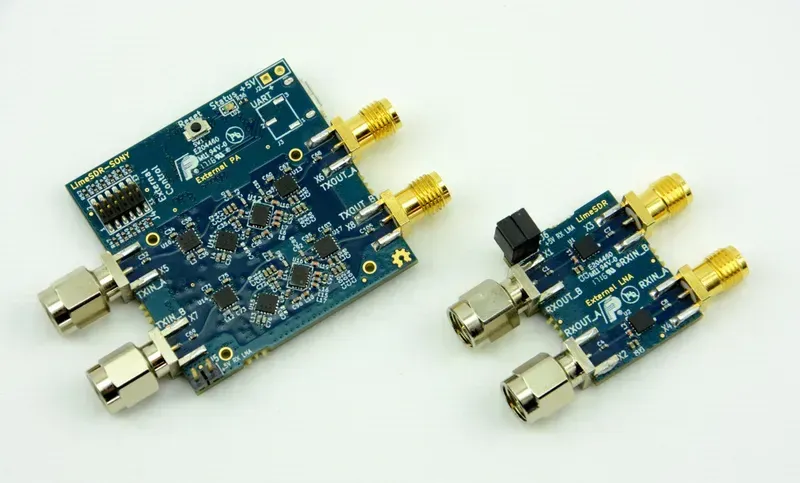
RF Front-End Circuit Board
At Zero One Solution Limited, the foundation of our high-precision GPS positioning signal processing boards lies in the meticulous selection and integration of cutting-edge technologies and high-performance components. Our engineering philosophy centers on leveraging the latest advancements in RF, digital signal processing, and timing to ensure unparalleled accuracy, robustness, and reliability for critical applications.
Advanced RF Front-Ends Our solutions employ state-of-the-art RF front-ends designed to optimize signal reception. These include low-noise amplifiers (LNAs) with exceptional noise figures, highly linear mixers, and high-selectivity band-pass filters. This crucial stage minimizes signal degradation and interference, enabling the clear capture of faint satellite signals, especially in challenging urban or obstructed environments. We focus on multi-band and multi-constellation RF designs to support GPS, GLONASS, Galileo, BeiDou, and QZSS for enhanced availability and accuracy.
High-Speed Analog-to-Digital Converters (ADCs) The conversion of analog RF signals into digital data is critical for precise processing. We integrate high-speed, high-resolution ADCs (typically 12-bit or higher) that can sample GNSS signals at rates up to tens of MHz. This ensures that the raw digital data retains maximum fidelity, capturing even subtle signal characteristics necessary for advanced correlation and tracking algorithms. Low power consumption and low spurious-free dynamic range (SFDR) are key considerations in our ADC selection.
Powerful GNSS Baseband Processors The heart of our GPS solutions are robust GNSS baseband processors. These powerful System-on-Chips (SoCs) are capable of concurrently tracking multiple satellite constellations (e.g., GPS L1/L2/L5, GLONASS G1/G2, Galileo E1/E5a/E5b, BeiDou B1I/B2I/B3I). They execute sophisticated algorithms for signal acquisition, tracking, demodulation, and position calculation, supporting advanced techniques like RTK (Real-Time Kinematic) and PPK (Post-Processed Kinematic) for centimeter-level accuracy. We prioritize processors with dedicated hardware accelerators for correlation, enabling rapid and parallel processing of hundreds of satellite channels.
Specialized Filters and Interference Mitigation To combat common challenges like narrow-band and wide-band interference, jamming, and spoofing, our boards incorporate specialized digital and analog filters. These include adaptive digital filters, anti-jamming algorithms, and notch filters that can dynamically suppress unwanted signals without compromising legitimate GNSS data. This robust interference mitigation ensures reliable operation in electrically noisy environments.
Advanced Timing Circuits and Oscillators Precise timing is fundamental to GPS positioning. Our designs utilize highly stable and accurate timing circuits, often featuring temperature-compensated crystal oscillators (TCXOs) or oven-controlled crystal oscillators (OCXOs), and increasingly, atomic clocks or disciplined oscillators. These provide the ultra-stable reference clock necessary for accurate signal sampling, correlation, and precise time-tagging of measurements, crucial for achieving sub-meter to centimeter-level positional accuracy.
Component Category
Key Specifications / Features
Impact on Precision & Performance
RF Front-End
Low Noise Figure (<1.5dB), High Linearity, Multi-band Support
Maximizes signal sensitivity, minimizes internal noise, supports advanced constellations for more robust fixes
Preserves signal fidelity, allows for precise digital processing of raw signals, reduces quantization noise
GNSS Baseband Processor
Multi-constellation (GPS, GLONASS, Galileo, BeiDou), Multi-frequency (L1/L2/L5), RTK/PPK Support
Enables higher availability, faster convergence, and centimeter-level accuracy through advanced processing algorithms
Filters & Interference Mitigation
Adaptive Digital Filters, Anti-Jamming/Anti-Spoofing Algorithms
Ensures robust operation in noisy environments, protects against signal disruptions and malicious attacks
Timing Circuits
TCXO/OCXO Stability (<0.5 ppm), High Phase Noise Performance
Provides ultra-stable reference clock for accurate signal correlation and time-tagging, critical for precise positioning
Case Studies and Success Stories: Real-World GPS Precision in Action
Drone Precision Navigation
At Zero One Solution Limited, our commitment to engineering excellence in GPS precision positioning signal processing boards is best demonstrated through the tangible successes of our clients. We empower industries to achieve unprecedented accuracy, transforming complex challenges into actionable solutions. Our rapid prototyping and comprehensive one-stop services ensure that innovative ideas quickly transition from concept to high-performance reality, delivering a competitive edge in applications where every millimeter of precision counts.
Autonomous Agricultural Robotics A leading agricultural technology firm required highly robust and precise GPS positioning for their autonomous seeding and spraying robots operating in challenging outdoor environments. Zero One Solution Limited engineered a custom multi-constellation, multi-frequency RTK-enabled signal processing board, integrating advanced filtering for noise reduction and multipath mitigation. The solution delivered consistent centimeter-level accuracy even under dense canopy, significantly increasing crop yield efficiency by reducing overlap and under-application of resources. This led to a 15% reduction in input costs and a 10% increase in harvest yield for our client's end-users.
High-Accuracy Drone Surveying For a client specializing in large-scale infrastructure mapping using drones, the demand was for sub-decimeter accuracy in real-time. We developed a compact, low-power GPS signal processing board featuring a high-speed ADC and a powerful GNSS baseband processor optimized for PPK (Post-Processed Kinematic) workflows. Our design ensured signal integrity despite the drone's high-vibration environment. The resulting solution allowed the client to capture survey-grade data with unprecedented speed, reducing field time by 40% and post-processing efforts by 25%, proving instrumental in accelerating project timelines for critical infrastructure development.
Real-Time Asset Tracking in Logistics A global logistics provider needed a resilient and accurate tracking solution for high-value assets across diverse terrains, including urban canyons and remote areas. Zero One Solution Limited provided a tailored GPS board that incorporated robust anti-jamming capabilities and seamless integration with inertial measurement units (IMUs) for enhanced dead reckoning. This hybrid approach maintained high positioning accuracy even when GPS signals were intermittently obscured, improving tracking reliability by 30% and significantly reducing instances of lost or misdirected cargo, leading to substantial operational cost savings and improved customer satisfaction.
These case studies underscore our capability to not only design but also deliver high-performance GPS precision positioning signal processing boards that directly address specific industry needs, driving innovation and efficiency for our partners. Our rapid prototyping and comprehensive one-stop services ensure that innovative ideas quickly transition from concept to high-performance reality.
Future Trends in GPS Precision Positioning and Our Vision
The evolution of GPS and GNSS technology is relentlessly pushing the boundaries of precision, driving innovations that are critical for emerging applications. Staying ahead of these advancements is paramount for delivering cutting-edge GPS precision positioning signal processing board solutions that meet the escalating demands of industries reliant on hyper-accurate location data.
Multi-Frequency and Multi-Constellation GNSS Receivers Modern GNSS receivers are increasingly leveraging multiple frequencies (e.g., L1, L2, L5, L band) and constellations (GPS, GLONASS, Galileo, BeiDou, QZSS). The L5 signal, in particular, offers superior accuracy and robustness due to its wider bandwidth and greater resistance to multipath interference. Utilizing these diverse signals significantly improves positioning accuracy, reliability, and availability, especially in challenging urban or obstructed environments, by enhancing signal integrity and mitigating atmospheric errors.
RTK and PPK Advancements Real-Time Kinematic (RTK) and Post-Processed Kinematic (PPK) techniques continue to evolve, delivering centimeter-level accuracy by correcting real-time or recorded raw GNSS observations with data from a nearby reference station. Future advancements will focus on enhancing the robustness and accessibility of RTK/PPK systems, such as through network RTK (NRTK) and Precise Point Positioning (PPP) convergence, to reduce reliance on local base stations and improve global coverage and efficiency.
Seamless Integration with IMU and Other Sensors The fusion of GNSS data with Inertial Measurement Units (IMUs), odometers, barometers, and cameras is becoming standard practice. This sensor fusion creates a robust and continuous positioning solution, particularly vital during GNSS outages or in environments where satellite signals are intermittently blocked. Kalman filtering and advanced sensor fusion algorithms are key to seamlessly integrating these diverse data streams, providing uninterrupted and highly accurate position, velocity, and attitude estimates.
AI and Machine Learning in Positioning Artificial Intelligence (AI) and Machine Learning (ML) are poised to revolutionize GPS precision positioning. AI/ML algorithms can be applied to filter out noise, predict and correct errors (like multipath), classify environments for adaptive error models, and even enhance signal tracking in weak signal conditions. This data-driven approach promises to significantly improve accuracy, reliability, and efficiency of positioning systems beyond traditional deterministic models.
Edge Computing for Onboard Processing The trend towards edge computing involves processing large volumes of raw GNSS data directly on the signal processing board. This minimizes latency, reduces bandwidth requirements for data transmission, and enhances the security of sensitive positioning data. Powerful System-on-Chips (SoCs) and FPGAs embedded on the board enable complex real-time computations, including RTK corrections and sensor fusion, at the source.
At Zero One Solution Limited, our vision is to remain at the forefront of these technological advancements. We are actively investing in R&D to integrate the latest multi-frequency GNSS chipsets, enhance our RTK/PPK processing capabilities, and explore the synergistic potential of AI/ML in our board designs. Our strategic focus on rapid prototyping and our global supply chain network ensure that we can quickly adapt to new trends and deliver cutting-edge GPS precision positioning signal processing boards that empower our clients to innovate and lead in their respective fields.
FAQs about GPS Precision Positioning Signal Processing Boards
What factors most significantly impact the accuracy of a GPS precision positioning signal processing board? The primary factors impacting GPS precision positioning accuracy include satellite visibility (number and geometry of satellites), atmospheric conditions (ionospheric and tropospheric delays), multipath interference (signals reflecting off surfaces), receiver noise, and the quality of correction data (e.g., RTK, PPK). Advanced signal processing boards are engineered to mitigate these effects through sophisticated algorithms and robust hardware designs, enabling sub-meter to centimeter-level accuracy even in challenging environments.
How does Zero One Solution Limited ensure the reliability and robustness of its GPS precision signal processing boards? Zero One Solution Limited ensures reliability and robustness through a rigorous design and manufacturing process. This includes selecting automotive-grade or industrial-grade components, employing advanced multi-layer PCB design techniques for signal integrity, implementing comprehensive electromagnetic compatibility (EMC) testing, and integrating robust power management and thermal dissipation solutions. Our one-stop service, from design to assembly, allows for end-to-end quality control and optimization, ensuring boards perform reliably under demanding operational conditions.
Can Zero One Solution Limited customize GPS precision positioning boards for specific application requirements? Absolutely. Customization is a core offering at Zero One Solution Limited. We work closely with clients to understand their unique application requirements, whether it involves specific form factors, unique antenna interfaces, specialized communication protocols, integration with additional sensors (e.g., IMUs), or tailored processing capabilities for unique algorithms. Our agile R&D and rapid prototyping capabilities allow us to quickly develop and iterate custom solutions to meet precise specifications.
What is the typical lead time for prototyping a custom GPS precision positioning signal processing board? Our rapid prototyping specialization means we can significantly accelerate the development cycle. While the exact lead time for a custom GPS precision positioning signal processing board depends on the complexity of the design, component availability, and specific testing requirements, we are committed to providing some of the fastest turnaround times in the industry. For many projects, initial prototypes can be delivered within weeks, leveraging our integrated design and manufacturing capabilities and strategic supply chain.
The pursuit of precision in positioning is an ongoing journey, and at Zero One Solution Limited, we are committed to being your trusted partner every step of the way. Our GPS Precision Positioning Signal Processing Board Solutions are a testament to our dedication to innovation, quality, and client success. By leveraging our deep expertise in PCB design, manufacturing, and assembly, we empower you to overcome the most challenging technical hurdles and bring groundbreaking products to market faster. We invite you to explore the possibilities with us. Visit our website or contact our expert team today to discuss how our bespoke PCB solutions can elevate your next-generation GPS precision applications. Let's build the future of precise positioning, together.