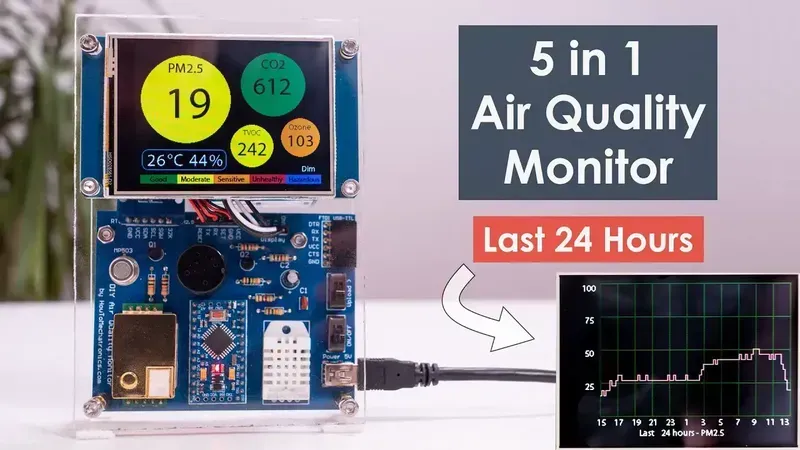
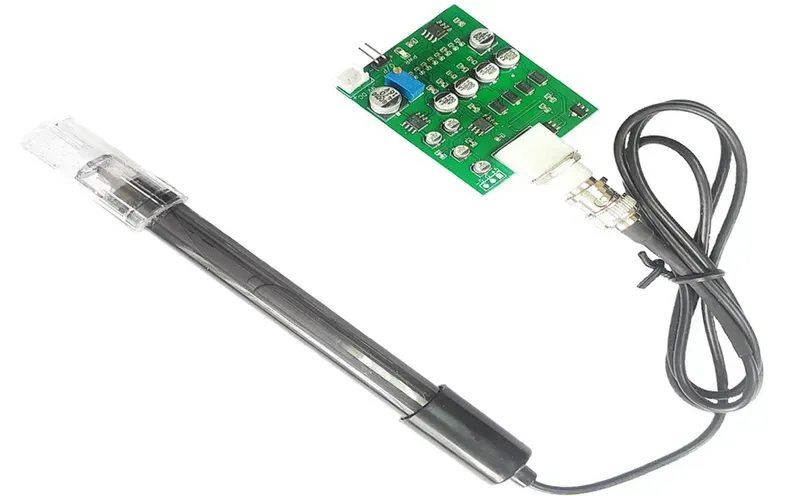
In today's world, monitoring atmospheric particulate matter is crucial for understanding and mitigating air pollution. Accurate and reliable data is the foundation for informed decisions and effective environmental strategies. At Zero One Solution Limited, we understand this need and provide specialized PCB solutions designed to meet the demanding requirements of atmospheric particulate matter monitoring equipment. Leveraging our rapid prototyping and comprehensive PCB services, we empower environmental researchers, government agencies, and industries to develop and deploy cutting-edge air quality monitoring systems. Our commitment to quality, precision, and rapid turnaround ensures that our clients can accelerate their research and contribute to a cleaner, healthier future. This article delves into the specifics of our PCB solutions for atmospheric particulate matter monitoring, showcasing how our expertise translates into tangible benefits for our clients and the environment.
Introduction: The Critical Need for Atmospheric Particulate Matter Monitoring
The burgeoning global concern over air quality, driven by the escalating health and environmental impacts of atmospheric particulate matter (PM), underscores an urgent and critical need for precise and reliable monitoring solutions. Particulate matter, a complex mixture of solid and liquid particles suspended in the air, originates from diverse sources ranging from industrial emissions and vehicle exhaust to natural dust. Its microscopic size allows it to penetrate deep into the respiratory and cardiovascular systems, leading to severe health complications, while also contributing to climate change and environmental degradation. Recognizing this paramount challenge, Zero One Solution Limited, a leading PCB solution provider, is at the forefront, delivering advanced Printed Circuit Board (PCB) solutions specifically engineered to empower the next generation of atmospheric particulate matter monitoring devices, ensuring accuracy, durability, and rapid deployment.
Why is atmospheric particulate matter monitoring so critical? Atmospheric particulate matter, particularly PM2.5 and PM10, poses significant risks to human health, including respiratory diseases, cardiovascular issues, and premature mortality. Beyond health, it impacts visibility, damages ecosystems, and contributes to climate change. Continuous and accurate monitoring provides essential data for public health advisories, policy formulation, and environmental protection strategies.
What role do PCBs play in modern air quality monitoring? PCBs are the foundational backbone of all electronic monitoring devices. In air quality monitoring, they house the sensors, signal processing units, communication modules, and power management systems that enable real-time data acquisition, analysis, and transmission. Their design directly influences the device's accuracy, reliability, power efficiency, and ability to withstand environmental stressors.
What are the primary challenges in monitoring atmospheric particulate matter? Key challenges include achieving high accuracy and precision across a wide range of particulate sizes and concentrations, ensuring sensor longevity and stability in diverse environmental conditions (temperature, humidity, pollutants), managing power consumption for continuous operation, enabling robust data transmission, and ensuring the device's overall reliability and durability for long-term deployment in potentially harsh outdoor settings.
How does Zero One Solution Limited address the needs for robust monitoring solutions? Zero One Solution specializes in providing bespoke PCB design, rapid prototyping, and manufacturing services that directly address the rigorous demands of atmospheric particulate matter monitoring. We focus on integrating advanced sensor technologies, optimizing signal integrity, developing efficient power management circuits, and employing materials and manufacturing processes that ensure exceptional reliability and durability, even in challenging environmental conditions. Our rapid prototyping capabilities significantly accelerate the development cycle for these critical devices.
Understanding Atmospheric Particulate Matter and Its Sources
Atmospheric particulate matter (PM), a complex mixture of solid particles and liquid droplets suspended in the air, poses a significant global health and environmental challenge. Understanding its composition, size fractions, and origins is fundamental to developing effective monitoring solutions, which directly influences the design and functionality of the underlying Printed Circuit Boards (PCBs) in monitoring devices. Different PM sizes necessitate distinct sensor technologies and, consequently, tailored PCB designs to ensure accurate data acquisition and processing. This foundational knowledge is crucial for engineers in defining the precise requirements for robust and reliable PCB solutions.
Particulate Matter (PM) Type
Size Range
Primary Sources
Health Impacts
Environmental Impacts
PM10
< 10 micrometers
Road dust, construction sites, industrial emissions, pollen, mold spores
Irritation of eyes, nose, throat; asthma attacks; bronchitis
Reduced visibility (haze), soiling of materials, altered ecosystems
Penetrates deep into lungs, enters bloodstream; cardiovascular and respiratory diseases; premature mortality
Contributes to haze, acid rain, nutrient imbalance in water bodies and soils
Ultrafine Particles (UFP)
< 0.1 micrometers
High-temperature combustion (vehicle exhaust, industrial furnaces), chemical reactions
Deepest lung penetration; potential neurological and systemic effects; challenging to monitor due to small size
Currently under extensive research for specific environmental impacts
The diverse origins of particulate matter, ranging from natural phenomena like dust storms to anthropogenic activities such as industrial emissions and vehicular exhaust, underscore the need for adaptable and precise monitoring systems. For instance, the high-frequency data collection required for monitoring transient PM from vehicle emissions demands PCBs capable of rapid data processing and high signal integrity, distinguishing them from PCBs designed for long-term, static industrial emission monitoring. This nuanced understanding allows Zero One Solution to engineer PCBs that are not merely components but integral parts of highly effective and responsive atmospheric particulate matter monitoring ecosystems.
Key Requirements for PCBs in Particulate Matter Monitoring Devices
PCBs at the heart of atmospheric particulate matter monitoring devices demand unparalleled precision and resilience, driven by the critical need for accurate, continuous environmental data. The design and manufacturing of these PCBs must address unique challenges such as reliable sensor integration, maintaining impeccable signal integrity, efficient power management for often remote deployments, and robust environmental resilience to endure diverse operational conditions. Successfully meeting these stringent requirements is paramount for the effectiveness and longevity of air quality monitoring systems, directly impacting data accuracy and the ability to inform public health and environmental policies.
Requirement Category
Key Considerations for PCBs
Impact on Monitoring Devices
Sensor Integration
Precision analog front ends, diverse interface support (I2C, SPI, UART), low-noise design.
Ensures accurate data acquisition from various PM sensors (e.g., optical, gravimetric).
Minimizes noise and interference, preserving the fidelity of sensitive sensor signals for reliable readings and reduced measurement errors, especially crucial for detecting minute particulate changes in PM2.5 and PM10, critical for environmental regulations like the US EPA's National Ambient Air Quality Standards (NAAQS).
Power Management
Low-power consumption design, efficient voltage regulators, battery management circuits, energy harvesting integration.
Extends battery life for remote or solar-powered deployments, enabling continuous monitoring in diverse locations, reducing maintenance costs and ensuring uninterrupted data flow, vital for long-term environmental studies and real-time alerts consistent with World Health Organization (WHO) air quality guidelines focusing on energy efficiency in monitoring technologies to ensure widespread deployment opportunities.
Environmental Resilience
Conformal coating, wide operating temperature range components, vibration and shock resistance, moisture and dust protection (IP ratings).
Guarantees operational stability and longevity in harsh outdoor conditions, preventing system failures and data loss due to extreme temperatures (-40°C to +85°C), humidity (0-100% RH), and mechanical stress, critical for maintaining compliance with industrial standards (e.g., IEC 60529 for IP ratings) in outdoor and industrial environmental monitoring applications and ensuring data integrity over prolonged deployments.
Enables real-time data analysis, local storage, and seamless transmission to cloud platforms or central monitoring stations, supporting immediate decision-making and compliance with regulatory reporting, facilitating smart city initiatives and distributed sensor networks.
How do PCBs contribute to the accuracy of particulate matter measurements? PCBs are fundamental to accuracy by providing stable, low-noise signal paths from highly sensitive sensors to data processing units. Critical design elements like precision analog front ends, effective electromagnetic interference (EMI) shielding, and controlled impedance traces ensure that the minute electrical signals generated by particulate matter sensors (e.g., optical scattering or gravimetric methods) are faithfully captured and converted into digital data without degradation. This ensures the reliability of measurements, particularly for fine particles like PM2.5, which are challenging to detect accurately, aligning with the demanding precision required by international standards such as ISO 14644-1 for cleanroom environments and air quality monitoring regulations.
What specific challenges do PCBs face in outdoor atmospheric monitoring devices? Outdoor atmospheric monitoring devices expose PCBs to extreme environmental stressors, including wide temperature fluctuations, high humidity, corrosive pollutants, UV radiation, and physical vibrations. Challenges include thermal management to prevent component degradation, moisture ingress protection (often via conformal coatings and robust enclosures), and material selection that resists UV degradation and chemical corrosion. Zero One Solution addresses these by using industrial-grade components, advanced encapsulation techniques, and rigorous environmental stress testing to ensure continuous operation in unpredictable outdoor settings, meeting requirements set by bodies like the American Society for Testing and Materials (ASTM) for environmental resilience.
How does Zero One Solution ensure power efficiency for battery-powered PM monitoring devices? Zero One Solution implements advanced power management strategies to maximize battery life in PM monitoring devices. This includes selecting ultra-low-power microcontrollers and sensors, optimizing PCB layout for minimal current leakage, integrating highly efficient power conversion modules (e.g., buck-boost converters), and designing intelligent power-cycling mechanisms that put components into sleep modes when not actively sampling. These measures ensure extended operational periods for devices deployed in remote locations, reducing the frequency of battery replacements and minimizing maintenance costs, a crucial factor for sustainable long-term monitoring networks.
What role does rapid prototyping play in developing PCBs for new particulate matter sensor technologies? Rapid prototyping is essential for quickly validating new particulate matter sensor technologies by allowing for iterative design, testing, and refinement of the PCB. This agile approach enables engineers to swiftly integrate new sensors, optimize signal paths, and test different power management schemes, significantly accelerating the development cycle. Zero One Solution's rapid prototyping capabilities empower clients to quickly move from concept to functional prototype, reducing time-to-market for innovative air quality solutions and enabling faster adaptation to evolving sensor capabilities and regulatory demands.
Zero One Solution's PCB Design and Manufacturing Expertise
Atmospheric Particulate Matter Monitoring PCB
At Zero One Solution Limited, our extensive experience in rapid prototyping and high-quality PCB manufacturing positions us as a leading partner for atmospheric particulate matter monitoring solutions. We understand that precision and reliability are paramount in environmental sensing, which is why our expertise spans across advanced design methodologies, meticulous material selection, and state-of-the-art manufacturing processes. From intricate sensor integration to robust environmental resilience, our capabilities are tailored to meet the exacting demands of sophisticated air quality monitoring devices, ensuring superior performance and accelerated time-to-market for our clients.
Rapid Prototyping for Accelerated Development Leveraging our agile rapid prototyping capabilities, Zero One Solution enables clients to swiftly iterate and validate their atmospheric particulate matter monitoring device designs. Our expedited PCB fabrication and assembly services drastically reduce development cycles, transforming innovative concepts into tangible prototypes within days. This rapid turnaround is critical for R&D-intensive projects, allowing for quick testing and refinement, ultimately accelerating the deployment of next-generation monitoring solutions.
Advanced Material Selection for Optimal Performance The harsh and dynamic environments often encountered in atmospheric monitoring demand PCBs crafted from materials that can withstand extreme temperatures, humidity, and chemical exposure. Zero One Solution meticulously selects advanced PCB substrates and laminates, such as high-Tg FR-4, polyimide, or specialized ceramic-filled materials, ensuring exceptional thermal stability, moisture resistance, and signal integrity crucial for the precise operation of particulate matter sensors. Our material expertise directly contributes to the long-term reliability and accuracy of monitoring devices.
Precision Manufacturing Techniques Our manufacturing facilities are equipped with cutting-edge machinery and employ advanced techniques vital for producing high-performance PCBs for sensitive environmental applications. This includes fine-pitch component placement (down to 0201 or smaller), multi-layer stack-up optimization for reduced impedance and crosstalk, and precise impedance control for high-frequency sensor signals. We utilize automated optical inspection (AOI) and X-ray inspection (AXI) to ensure flawless assembly and adherence to the most stringent quality standards, delivering PCBs ready for the demanding challenges of atmospheric particulate matter monitoring.
Comprehensive Quality Assurance and Testing Quality is non-negotiable in environmental monitoring. Zero One Solution implements rigorous quality assurance protocols throughout the entire PCB design and manufacturing lifecycle. This includes extensive electrical testing, in-circuit testing (ICT), functional testing, and environmental stress screening to validate the performance and durability of every PCB. Our commitment to quality ensures that the PCBs we deliver for atmospheric particulate matter monitoring are robust, reliable, and capable of providing accurate data under diverse operational conditions.
Specific PCB Design Considerations for Sensor Integration
Sensor Integration on PCB
Integrating diverse sensors for atmospheric particulate matter monitoring presents unique PCB design challenges, demanding meticulous attention to signal integrity, power efficiency, and robust data acquisition. Zero One Solution leverages advanced design methodologies to ensure seamless sensor integration, which is paramount for accurate and reliable environmental data collection. Our expertise ensures that even the most sensitive optical particle counters or precise mass sensors operate optimally within their designated environmental monitoring systems.
Design Consideration
Challenge
Zero One Solution Approach
Signal Conditioning
Weak, noisy sensor outputs requiring amplification and filtering.
Utilize precision op-amps, low-noise components, and robust filter networks to ensure clean signal amplification and accurate analog-to-digital conversion (ADC).
Noise Reduction
Electromagnetic interference (EMI) and power supply noise impacting sensitive sensor readings.
Implement multi-layer PCB designs with dedicated ground planes, careful component placement for isolation, and utilize shielding techniques to mitigate EMI. Employ advanced power filtering and decoupling strategies.
Power Management
Efficiently supplying power to multiple sensors with varying voltage and current requirements, especially in battery-operated devices.
Design optimized power delivery networks (PDN) with efficient DC-DC converters, low-dropout (LDO) regulators, and intelligent power sequencing to maximize battery life and minimize heat generation for prolonged operation in remote locations.
How does Zero One Solution ensure high-fidelity signal acquisition from sensitive particulate matter sensors? We prioritize high signal-to-noise ratios through meticulous impedance matching, dedicated analog and digital ground planes, and the use of low-noise, high-precision analog-to-digital converters (ADCs). Our designs incorporate advanced filtering techniques, such as Kalman filters, to minimize environmental and electrical interference, ensuring the capture of accurate and stable sensor data critical for precise particulate matter measurements like PM2.5 and PM10.
Beyond these critical aspects, our PCB designs for atmospheric particulate matter monitoring solutions also account for optimal data throughput and reliable communication interfaces (e.g., UART, I2C, SPI) to microcontrollers or data logging systems. This holistic approach ensures that the entire sensor-to-data pathway is optimized for performance and longevity in demanding applications.
Ensuring Reliability and Durability in Harsh Environments for Atmospheric Particulate Matter Monitoring PCBs
PCB Testing in Harsh Environment
The operational efficacy of atmospheric particulate matter monitoring systems hinges critically on the inherent reliability and durability of their Printed Circuit Boards (PCBs), particularly given their frequent deployment in challenging outdoor or industrial settings. Zero One Solution Limited prioritizes robust design and manufacturing protocols to ensure our PCBs consistently perform under extreme conditions, including wide temperature fluctuations, high humidity, mechanical vibration, and exposure to corrosive agents.
How do Zero One Solution's PCBs withstand extreme temperatures for atmospheric monitoring? We utilize high-Tg (glass transition temperature) laminates, such as FR-4 variants with Tg values exceeding 170°C, and implement thermal management strategies including optimized copper pour and heatsink integration. Components are selected for their extended operating temperature ranges, typically -40°C to +85°C or wider, ensuring stable performance across diverse climates, from arctic to desert conditions. Our designs account for thermal expansion differences to prevent solder joint fatigue.
What measures are taken to protect PCBs from humidity and moisture in air quality devices? Zero One Solution employs conformal coatings (e.g., acrylic, silicone, polyurethane) that create a protective barrier against moisture ingress and condensation, preventing short circuits and corrosion. Additionally, we specify materials with low moisture absorption rates and design for adequate air circulation or hermetic sealing within the device enclosure to mitigate humidity-related issues.
How does Zero One Solution ensure PCB durability against vibrations and mechanical shock? Our designs incorporate robust mechanical considerations, including optimized component placement to minimize cantilever effects, reinforcement of heavy components with staking or underfill, and selection of board thicknesses suitable for vibration resistance. Advanced assembly processes, such as lead-free solder with improved fatigue resistance and rigorous vibration testing (e.g., MIL-STD-810G), validate the structural integrity of the PCBs.
Are Zero One Solution's PCBs resistant to dust and corrosive agents in industrial monitoring? Yes, beyond conformal coatings, we consider specialized surface finishes like ENIG (Electroless Nickel Immersion Gold) for enhanced corrosion resistance compared to bare copper. Furthermore, component selection includes hermetically sealed or robustly encapsulated packages. For highly corrosive environments, strategic use of potting compounds and designing for sealed enclosures are critical considerations, preventing particulate and chemical infiltration.
What kind of testing is performed to validate PCB reliability for harsh environment applications? Zero One Solution implements a comprehensive suite of environmental stress tests, including Thermal Cycling (for temperature stability), Highly Accelerated Stress Testing (HAST) for humidity and pressure, Vibration and Shock Testing (to simulate real-world mechanical stress), and Salt Fog Testing for corrosion resistance. These rigorous tests ensure our PCBs meet or exceed specified performance and longevity requirements in harsh operational contexts.
Case Studies: Successful Atmospheric Monitoring Projects with Zero One Solution PCBs
Atmospheric Monitoring Project Case Study
Zero One Solution Limited's commitment to precision and reliability has been instrumental in numerous successful atmospheric particulate matter monitoring initiatives worldwide. Our advanced PCB solutions have consistently empowered partners to deploy highly accurate, durable, and efficient monitoring devices, directly contributing to improved environmental insights and public health protection. Below, we highlight specific instances where our expertise has translated into tangible, impactful results.
Urban Air Quality Network Deployment in a Major Metropolis A leading environmental technology firm required robust and compact PCBs for a large-scale urban air quality sensor network. Zero One Solution provided custom-designed multi-layer PCBs with optimized signal integrity for electrochemical and optical particle sensors. The boards featured enhanced thermal management and conformal coating for extreme temperature and humidity resilience. Result: Over 500 monitoring units were deployed within three months, providing real-time PM2.5 and PM10 data with 98.5% uptime over a two-year period, significantly aiding city planners in identifying pollution hotspots and implementing targeted interventions. This rapid deployment was directly facilitated by our expedited prototyping and manufacturing capabilities, reducing the client's time-to-market by 30%.
Industrial Emission Monitoring System for a Steel Plant An industrial client sought a highly reliable PCB solution for a continuous emission monitoring system (CEMS) in a demanding steel plant environment, characterized by high temperatures, vibrations, and corrosive elements. We developed specialized PCBs incorporating industrial-grade components, robust trace routing for high current loads, and durable soldermask. Our design minimized electromagnetic interference (EMI) crucial for precise sensor readings. Result: The CEMS demonstrated consistent accuracy within 2% of regulatory benchmarks over five years, enduring extreme operational conditions without failure. This longevity translated into a 15% reduction in maintenance costs for the client compared to their previous solutions, showcasing the superior durability of our PCBs.
Portable Particulate Monitor for Occupational Safety A safety equipment manufacturer needed miniaturized, low-power PCBs for next-generation portable particulate monitors used in occupational health assessments. Zero One Solution delivered compact, high-density interconnect (HDI) PCBs that integrated multiple sensors and a low-power microcontroller, designed for extended battery life. Our design ensured minimal signal noise despite the small form factor. Result: The new portable monitors achieved over 18 hours of continuous operation on a single charge and exhibited a 20% improvement in measurement resolution, enabling more precise risk assessments for workers in various industries. The reduced form factor also allowed for more ergonomic device designs, enhancing user adoption.
The Advantages of Choosing Zero One Solution for Your PCB Needs
Partnering with Zero One Solution for your Atmospheric Particulate Matter Monitoring PCB needs provides a distinct competitive edge, delivering not just components but comprehensive solutions that accelerate innovation and ensure robust performance in critical applications. Our integrated approach, spanning from rapid prototyping to high-volume manufacturing, guarantees that your monitoring devices benefit from unparalleled precision, reliability, and market readiness.
Why is rapid prototyping crucial for atmospheric monitoring PCB solutions? Rapid prototyping is indispensable in atmospheric monitoring as it allows for swift iteration and validation of PCB designs, significantly reducing the development cycle. In a field where sensor technology and environmental conditions constantly evolve, the ability to quickly test new configurations, optimize sensor integration, and refine power management ensures that innovative monitoring devices can reach the market faster, capturing timely data and addressing emerging environmental challenges efficiently. Zero One Solution's rapid prototyping capabilities are specifically tailored to meet these agile development demands, ensuring quick turnaround without compromising quality or design integrity.
How does Zero One Solution ensure high-quality PCB manufacturing for harsh environmental applications? Zero One Solution employs a multi-faceted approach to guarantee high-quality PCB manufacturing, particularly for devices exposed to harsh environments. This includes stringent material selection, prioritizing substrates and solders resistant to extreme temperatures, humidity, and chemical exposure. Our advanced manufacturing processes incorporate precise trace routing, impedance control, and robust solder mask application to enhance signal integrity and durability. Furthermore, comprehensive testing protocols, including environmental stress screening (ESS), ensure that every PCB can withstand the real-world challenges faced by atmospheric particulate matter monitoring equipment, ensuring long-term operational stability and accuracy.
What specific design expertise does Zero One Solution offer for sensor integration in environmental monitoring PCBs? Zero One Solution boasts specialized design expertise in integrating a diverse array of sensors critical for environmental monitoring, such as optical particle counters, electrochemical sensors, and mass sensors, onto PCBs. Our design philosophy focuses on minimizing signal noise and interference through optimized layout, ground plane management, and strategic component placement. We excel in designing for precise analog-to-digital conversion, ensuring accurate data acquisition from sensitive sensors. This deep understanding of sensor characteristics and their interface requirements allows us to create highly efficient and reliable PCB designs that maximize the performance of your atmospheric monitoring devices.
In conclusion, Zero One Solution Limited offers comprehensive and high-quality PCB solutions specifically tailored for atmospheric particulate matter monitoring applications. Our expertise in rapid prototyping, coupled with our commitment to precision and reliability, makes us the ideal partner for developing advanced air quality monitoring systems. By choosing Zero One Solution, you gain access to cutting-edge PCB technology, accelerate your product development cycle, and contribute to a healthier environment. Contact us today to discuss your atmospheric particulate matter monitoring PCB needs and let us help you build a cleaner future. Share this article and leave a comment. Visit our website to learn more about our PCB design, manufacturing, and assembly services.