In today's world, ensuring the safety and security of educational campuses is paramount. At the heart of every robust security system lies a Printed Circuit Board (PCB), the unsung hero that powers access control, surveillance, and communication networks. Zero One Solution Limited, a leader in PCB solutions, understands the critical role these components play. With over a decade of experience and a commitment to rapid prototyping and high-quality manufacturing, we empower campus security system developers to create cutting-edge solutions. But how exactly does a well-designed PCB contribute to a safer campus environment? This article delves into the intricacies of PCB solutions for campus security terminals, exploring design considerations, manufacturing processes, and the vital role they play in protecting students, faculty, and staff.
The Importance of Reliable PCBs in Campus Security
At the core of any robust campus security infrastructure lies the printed circuit board (PCB), the foundational component that orchestrates the seamless operation of critical security systems. In the dynamic and sensitive environment of a campus, the reliability and performance of these PCBs are not merely technical specifications but fundamental pillars supporting the safety and well-being of students, faculty, and staff. High-quality PCBs are indispensable, directly impacting the efficacy of access control, surveillance, and emergency communication systems, making them central to a truly secure campus ecosystem.
Why are PCBs critical for campus access control? PCBs in access control systems, from biometric scanners to smart card readers and electrified locks, must guarantee instantaneous and precise responses. Failures can compromise security, leading to unauthorized access. Reliable PCBs ensure consistent authentication, swift entry/exit processing, and seamless integration with central security databases, forming the first line of defense in campus safety.
How do PCBs enhance campus surveillance capabilities? For surveillance systems, PCBs are vital for processing high-resolution video streams, enabling advanced analytics, and ensuring continuous recording in diverse environmental conditions. High-performance PCBs facilitate high-speed data transmission, efficient power management for continuous operation, and robust signal integrity, which are crucial for clear imagery and real-time threat detection across extensive campus grounds.
What role do PCBs play in emergency communication on campus? In emergency communication systems like panic buttons, intercoms, and mass notification systems, PCBs must provide unwavering reliability and instant activation. A failure in these components can severely delay critical information dissemination during crises. Dependable PCBs ensure clear audio transmission, robust network connectivity, and fail-safe operation, serving as the lifeline for coordinated responses and timely alerts during emergencies.
Why is durability important for campus security PCBs? Campus environments expose security hardware to varying conditions, from temperature fluctuations to potential vandalism. PCBs must be engineered with durable materials and robust designs to withstand these stresses, ensuring long-term operational integrity without degradation. This durability minimizes maintenance, reduces system downtime, and guarantees continuous protection.
How does Zero One Solution ensure PCB reliability for campus security? Zero One Solution Limited employs rigorous design principles, advanced material selection, and precision manufacturing processes, including IPC Class 2/3 standards, to produce highly reliable PCBs for campus security applications. Our rapid prototyping and comprehensive testing ensure that every PCB meets stringent performance benchmarks, offering unparalleled stability and longevity crucial for critical security infrastructure.
Key Design Considerations for Campus Security Terminal PCBs
Designing printed circuit boards (PCBs) for campus security terminals demands a meticulous approach, as these critical components form the backbone of systems protecting students, staff, and assets. Beyond general electronics design principles, campus security applications introduce unique environmental, operational, and reliability challenges that necessitate specialized considerations in component selection, signal integrity, power distribution, and overall environmental resilience to ensure uninterrupted performance and data integrity in demanding public settings.
Component Selection for Longevity and Performance The choice of components is paramount. For campus security terminals, industrial-grade components with extended temperature ranges, high mean time between failures (MTBF), and resistance to electrostatic discharge (ESD) are preferred. This includes robust microcontrollers, high-reliability memory, and durable connectors, ensuring the system can withstand continuous operation and resist tampering or environmental fluctuations. Prioritizing components with excellent electromagnetic compatibility (EMC) characteristics also reduces interference and enhances system stability.
Ensuring Signal Integrity in High-Security Data Transmission Signal integrity is critical for reliable data transmission, especially for high-bandwidth applications like video surveillance and biometric authentication. Designers must carefully manage impedance matching, trace routing, and crosstalk to prevent signal degradation. Techniques such as differential pair routing, controlled impedance traces, and strategic ground plane design are essential to maintain data fidelity and prevent errors, which could compromise security operations or lead to false alarms. High-speed data buses require particular attention to minimize latency and ensure real-time responsiveness.
Robust Power Distribution for Uninterrupted Operation Campus security terminals often operate 24/7, making robust power distribution a non-negotiable design factor. This involves designing stable power rails, incorporating appropriate voltage regulators, and ensuring sufficient capacitance to handle transient loads. Furthermore, consideration for power-over-Ethernet (PoE) capabilities is vital for simplified deployment, while backup power solutions, such as battery management circuits, are crucial to maintain functionality during power outages. Effective thermal management also plays a role in sustaining power component reliability.
Environmental Resilience and Physical Durability PCBs for campus security systems must withstand diverse and sometimes harsh environmental conditions, including temperature extremes, humidity, dust, and potential vandalism. This necessitates the use of conformal coatings to protect against moisture and contaminants, robust mechanical mounting solutions to absorb vibrations or impacts, and consideration for ingress protection (IP) ratings for outdoor installations. The PCB layout should also account for adequate heat dissipation to prevent overheating of components, ensuring long-term operational stability in varied climates.
PCB Materials and Manufacturing Processes for Enhanced Durability
The unparalleled reliability of campus security terminal PCBs hinges critically on the selection of robust materials and precision manufacturing processes. These components are often exposed to a myriad of environmental stresses, from fluctuating temperatures and humidity to potential physical impacts. Therefore, the strategic choice of substrates, laminates, and surface finishes, coupled with advanced fabrication techniques, is paramount to ensuring the long-term durability and consistent performance of security infrastructure, thereby safeguarding campus environments.
Material/Process
Key Benefit for Campus Security PCBs
Specific Application Example
FR-4 Laminates (High Tg)
Enhanced thermal resistance and mechanical stability, crucial for sustained operation in varying temperatures.
Surveillance camera mainboards, access control panels.
.Polyimide Substrates
Superior flexibility and high-temperature performance, ideal for compact or dynamic installations.
Wearable security devices, biometric scanners with flexible sensors.
.Copper Weights (2oz+)
Improved current carrying capacity and heat dissipation, vital for power-hungry security components.
Power distribution units within security hubs, high-power LED lighting controls.
.ENIG (Electroless Nickel Immersion Gold)
Excellent solderability, corrosion resistance, and flatness, ensuring reliable connections over time.
All exposed PCB pads, fine-pitch component areas on emergency call boxes.
.Conformal Coating
Protection against moisture, dust, chemicals, and extreme temperatures, extending operational life in exposed environments.
Ensures high reliability and extended lifespan through stringent manufacturing quality controls.
All campus security terminal PCBs, meeting or exceeding industry benchmarks for critical applications.
Why are high-temperature (High Tg) laminates crucial for campus security PCBs? High Tg (glass transition temperature) laminates, such as specialized FR-4 variants, are essential because campus security systems often operate continuously and may be exposed to significant temperature fluctuations, both internal (component heat generation) and external (environmental). A higher Tg ensures the PCB maintains its structural integrity and electrical performance under elevated temperatures, preventing delamination or warpage that could lead to system failure and compromise security.
How do different copper weights impact the durability and performance of security terminal PCBs? Varying copper weights directly influence the PCB's current carrying capacity and thermal management. For campus security terminals, which may include power-hungry components like high-resolution cameras, robust access control units, or bright emergency lights, using heavier copper (e.g., 2 oz or 3 oz) provides lower electrical resistance, better heat dissipation, and increased mechanical strength. This enhances durability by reducing hot spots and improving reliability, especially for power planes and high-current traces.
What role does surface finishing play in the long-term reliability of campus security PCBs? Surface finishes protect the exposed copper circuitry from oxidation and corrosion, ensuring excellent solderability during assembly and maintaining reliable electrical connections throughout the PCB's lifespan. For campus security applications, which demand unwavering performance, finishes like ENIG (Electroless Nickel Immersion Gold) are preferred for their superior flatness, corrosion resistance, and suitability for fine-pitch components, leading to more robust and durable solder joints.
Is conformal coating necessary for all campus security terminal PCBs? While not necessary for all, conformal coating significantly enhances the durability of PCBs exposed to harsh environmental conditions. For security terminals installed outdoors or in areas with high humidity, dust, or potential chemical exposure (e.g., cleaning agents), a conformal coating provides a protective barrier against moisture, contaminants, and physical abrasion. This extends the operational life of the PCB and prevents premature failures, ensuring the continuous function of critical security infrastructure.
Access Control PCB Solutions: Ensuring Secure Entry Points
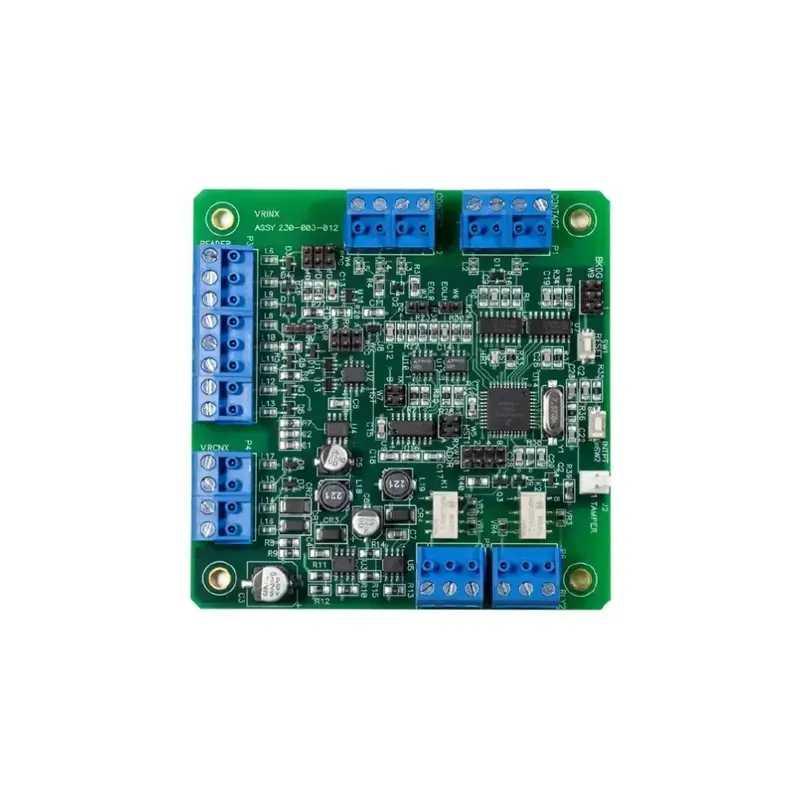
Access Control Card Reader PCB
Robust and secure access control is fundamental to campus safety, and at its core are meticulously designed Printed Circuit Boards (PCBs). These specialized PCBs are the silent architects behind secure entry points, facilitating the seamless and reliable operation of critical components like card readers, biometric scanners, and intelligent door control mechanisms. Ensuring the integrity and performance of these PCBs is paramount to preventing unauthorized access and maintaining a secure environment for students, faculty, and staff.
What are the primary challenges in designing PCBs for campus access control systems? Designing PCBs for campus access control systems presents unique challenges, primarily centered around ensuring high reliability, robust security against tampering, and environmental resilience. These PCBs must operate continuously, often in varying environmental conditions (e.g., outdoor card readers), and be resistant to electrical interference, physical wear, and potential cyber threats. Furthermore, integration with diverse sensing technologies (RFID, biometrics) and communication protocols (Ethernet, Wi-Fi, RS-485) demands versatile and high-performance PCB layouts to prevent system vulnerabilities and downtime.
How do Zero One Solution's PCB designs enhance the security of access control terminals? Zero One Solution enhances the security of access control terminals through multi-layered PCB design principles. We prioritize signal integrity to prevent data corruption or interception, incorporate robust power delivery networks to ensure stable operation, and utilize advanced encryption hardware directly on the PCB where applicable. Our designs also account for tamper detection mechanisms, secure boot processes, and physical hardening of components, making the access control system highly resistant to both logical and physical security breaches. This holistic approach ensures data confidentiality, integrity, and system availability.
What specific PCB features are crucial for biometric access control systems? For biometric access control systems, crucial PCB features include high-speed data transmission lines to process large biometric data sets (fingerprint, facial recognition) rapidly and accurately. Low-noise power planes are essential to ensure the precision and sensitivity of biometric sensors. Additionally, robust grounding schemes, electromagnetic compatibility (EMC) optimization, and dedicated secure processing units (SPUs) integrated on the PCB are vital to protect sensitive biometric data from interference and unauthorized access, ensuring both reliable performance and data privacy.
How do PCBs contribute to the durability and longevity of outdoor access control readers? PCBs for outdoor access control readers significantly contribute to durability and longevity through careful material selection and protective manufacturing processes. We utilize high-Tg laminates for temperature stability, apply conformal coatings to protect against moisture, dust, and chemicals, and design for wide operating temperature ranges. Robust solder mask and component placement strategies minimize stress on components due to thermal cycling. These measures ensure that the PCBs can withstand harsh outdoor conditions, preventing premature failure and extending the operational lifespan of the access control system.
Can Zero One Solution provide custom PCB solutions for unique campus access control needs? Absolutely. Zero One Solution specializes in providing custom PCB solutions tailored to unique campus access control needs. Our rapid prototyping capabilities and experienced engineering team allow us to design and manufacture PCBs for specific form factors, integration requirements, and security protocols. Whether it's a specialized reader for historical buildings, an integrated solution for smart dormitories, or a high-security entry point, we work closely with clients from concept to final product, ensuring the PCB perfectly meets their precise functional and security specifications, enabling innovative and effective access control deployments.
Surveillance System PCBs: Powering High-Resolution Monitoring
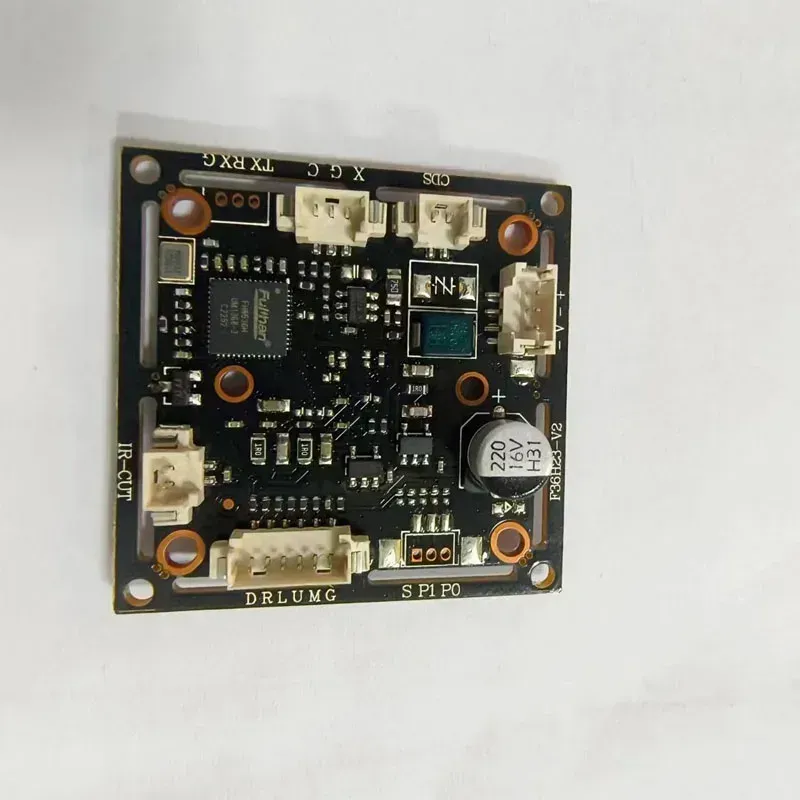
Surveillance Camera PCB Board
Robust and efficient PCBs are the backbone of modern campus surveillance systems, critical for enabling high-resolution monitoring, seamless data transmission, and reliable video processing. These specialized circuit boards must address the demanding requirements of continuous operation, varying environmental conditions, and the need for precision in capturing and analyzing visual data, ultimately ensuring comprehensive security coverage across educational institutions.
Designing PCBs for surveillance cameras and recording systems involves meticulous attention to several key factors to ensure optimal performance and longevity. The integration of advanced image sensors, high-speed data interfaces (like MIPI or LVDS), and powerful video processing units (VPUs) necessitates a PCB layout that minimizes signal interference and supports high data rates. Furthermore, efficient power management circuits are essential to reduce heat generation and extend the operational life of surveillance devices, which often run 24/7. Zero One Solution is adept at creating PCBs that meet these rigorous demands, supporting everything from basic IP cameras to advanced AI-powered analytics systems.
Feature
Importance in Surveillance PCBs
Zero One Solution Advantage
High-Speed Data Transmission
Enables real-time, high-resolution video streaming without lag, crucial for clear footage and rapid response.
Optimized trace routing, impedance control, and advanced material selection for superior signal integrity up to 10Gbps+ speeds.
What are the primary challenges in designing PCBs for high-resolution surveillance cameras? The main challenges include managing high data rates from image sensors, ensuring signal integrity over long traces, dissipating heat effectively from powerful processors, and providing stable power delivery to all components, especially in compact form factors. Environmental resilience is also key for outdoor cameras.
Emergency Communication PCBs: Maintaining Critical Lifelines
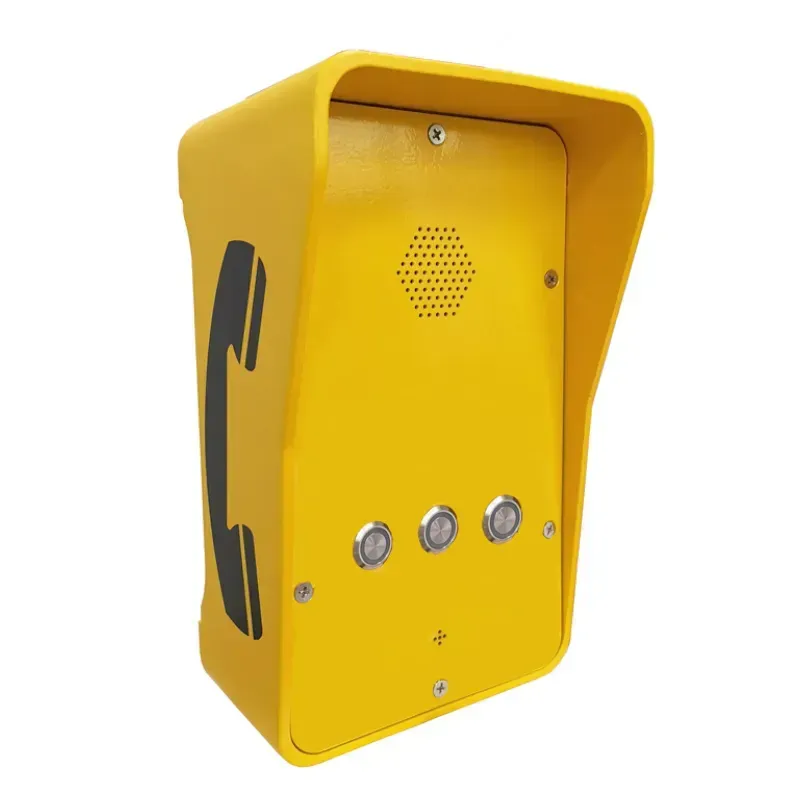
Emergency Call Box PCB
In any campus environment, the ability to communicate instantly and reliably during emergencies is paramount. Emergency communication systems, encompassing intercoms, alarm panels, and emergency call boxes, serve as critical lifelines, and the Printed Circuit Boards (PCBs) at their core must be engineered for unwavering performance under duress. These specialized PCBs are designed with an emphasis on robust signal integrity, fault tolerance, and immediate activation, ensuring that vital information can be transmitted and received without delay when it matters most, directly impacting the safety and security of the entire campus community.
What are the key design considerations for Emergency Communication PCBs? Key design considerations include extreme reliability, low-latency signal processing, power redundancy for continuous operation, electromagnetic compatibility (EMC) to prevent interference, and robust component selection that can withstand environmental fluctuations and high-stress activation. Furthermore, these PCBs must support diverse communication protocols and integration with broader security networks.
How do PCBs ensure immediate activation in emergency communication systems? Immediate activation is ensured through optimized circuit designs that minimize boot-up times and signal processing delays. This involves specialized power management ICs for rapid power-on, dedicated hardware logic for direct triggering mechanisms, and the strategic placement of critical components to reduce signal path lengths and potential bottlenecks, ensuring instantaneous response upon system activation.
What materials are best suited for Emergency Communication System PCBs? Materials for Emergency Communication System PCBs typically prioritize durability and performance. High-Tg (glass transition temperature) laminates are often used for thermal stability, while materials with low dielectric loss are crucial for maintaining signal integrity over various frequencies. Flame-retardant substrates (e.g., FR-4 with higher performance grades) and conformal coatings are also frequently employed to enhance environmental resilience and protection against moisture, dust, and vibrations, ensuring long-term reliability in exposed or demanding conditions.
Zero One Solution's Expertise in Campus Security PCB Solutions
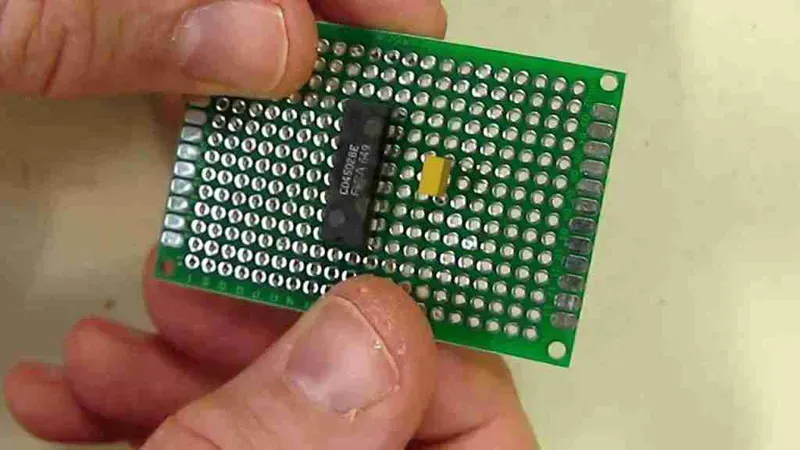
PCB Prototype Sample
Zero One Solution Limited stands at the forefront of delivering robust and innovative PCB solutions specifically tailored for the demanding landscape of campus security. Our extensive experience, coupled with a strategic global presence, enables us to provide comprehensive, one-stop services from initial PCB design and rapid prototyping to high-precision manufacturing and assembly, ensuring that critical security infrastructure is built on an unshakeable foundation of reliability and advanced functionality.
Rapid Prototyping for Accelerated Development We specialize in rapid-response R&D prototype manufacturing, significantly reducing time-to-market for new campus security terminal designs. Our agile approach allows for quick iteration and validation of PCB designs, ensuring optimal performance and compatibility with evolving security technologies from access control to advanced surveillance systems.
Comprehensive Design and Engineering Support Our veteran engineering team provides deep expertise in PCB design, focusing on critical factors for campus security applications such as signal integrity, robust power distribution for continuous operation, and environmental resilience to withstand diverse campus conditions. We optimize designs for longevity and seamless integration with complex security networks, adhering to industry standards and best practices.
High-Precision Manufacturing and Quality Assurance Leveraging state-of-the-art facilities in Shenzhen and a global supply chain network, Zero One Solution delivers high-precision PCB manufacturing. We meticulously select materials and employ advanced processes to ensure PCBs meet the stringent demands of campus security environments, offering exceptional durability and consistent performance for mission-critical applications like emergency communication systems and high-resolution monitoring. Our rigorous quality control protocols guarantee the reliability of every board.
Case Studies: Successful Campus Security PCB Implementations
Campus Security PCB Deployment
Zero One Solution Limited has a proven track record in delivering robust PCB solutions that form the backbone of cutting-edge campus security systems. Our expertise in rapid prototyping, design for manufacturing (DFM), and high-quality assembly ensures that even the most complex security terminals are built for unwavering reliability and performance in demanding environments. These case studies highlight our commitment to empowering clients to deploy advanced, dependable security infrastructure.
Collaborated closely with the client's R&D team for rapid prototyping and iterative design optimization, focusing on miniaturization and power efficiency.
Developed a compact, multi-layer PCB for a new biometric reader, significantly reducing power consumption by 25% and enabling seamless integration with existing campus security networks, improving access efficiency and security.
Optimizing Wireless Surveillance Camera Performance A university client needed to deploy a new generation of wireless, high-resolution surveillance cameras across a large campus, demanding PCBs that could handle high data throughput and operate reliably in varying outdoor conditions. Zero One Solution designed and manufactured custom PCBs with enhanced signal integrity and robust environmental protection, resulting in a 30% improvement in wireless range and a 15% reduction in data packet loss, ensuring crystal-clear video feeds and expanded coverage.
Future Trends in Campus Security PCB Technology
The evolution of campus security systems is inextricably linked to advancements in PCB technology, which serves as the foundational backbone for increasingly sophisticated and interconnected devices. As we look ahead, several key trends in PCB design and manufacturing are set to redefine the capabilities and reliability of campus security infrastructure, driven by the demand for enhanced efficiency, pervasive connectivity, and proactive threat detection.
How will IoT integration impact Campus Security Terminal PCB Solutions? IoT integration will revolutionize Campus Security Terminal PCB Solutions by enabling a vast network of interconnected sensors, cameras, access points, and communication devices. This connectivity demands PCBs with advanced wireless communication modules (Wi-Fi, LoRa, 5G), low-power consumption capabilities for battery-operated devices, and robust security features to protect data at the edge. The future will see more distributed intelligence, with PCBs supporting local data processing and real-time decision-making, reducing reliance on centralized servers and improving response times. Miniaturization will also be key, allowing for discreet and versatile deployment of security devices across diverse campus environments.
What role will advanced sensor technologies play in future Campus Security PCBs? Advanced sensor technologies, supported by specialized Campus Security PCBs, will move beyond traditional motion and proximity detection to include sophisticated environmental sensors (air quality, sound anomalies), thermal imaging for enhanced night vision and anomaly detection, and even biometric sensors integrated directly onto PCB modules. These PCBs will need to manage high data throughput from multiple sensor inputs, often requiring dedicated signal processing units and efficient power management to support continuous operation. The trend is towards multi-modal sensing, where data from various sensor types is fused on the PCB to provide a more comprehensive and accurate picture of the security landscape, enabling proactive threat identification and situational awareness.
How are AI and Machine Learning influencing PCB design for campus security? AI and Machine Learning are increasingly influencing PCB design for campus security by necessitating the integration of specialized processing units like NPUs (Neural Processing Units) or powerful GPUs directly onto the board. These components enable on-device analytics for tasks such as facial recognition, behavioral anomaly detection, and predictive maintenance of security hardware. PCBs must be designed to handle the increased power demands and thermal management associated with these high-performance processors, while also ensuring high-speed data pathways for efficient data transfer between the processor and memory modules. This shift to edge AI on PCBs reduces latency and enhances privacy by processing sensitive data locally.
What challenges will future Campus Security Terminal PCB Solutions face? Future Campus Security Terminal PCB Solutions will face challenges including managing the immense volume of data generated by interconnected devices, ensuring robust cybersecurity at the hardware level, maintaining low power consumption for widespread IoT deployment, and ensuring interoperability between diverse systems. Furthermore, the increasing complexity of integrated circuits demands advanced design-for-manufacturability (DFM) and design-for-testability (DFT) strategies to ensure reliability and cost-effectiveness. The need for flexible and stretchable PCBs for wearable or unconventional security devices also presents manufacturing complexities.
In conclusion, the PCB is more than just a component; it's the backbone of any reliable campus security terminal. Zero One Solution Limited is dedicated to providing cutting-edge PCB solutions that meet the evolving needs of campus security. By choosing a partner with expertise in rapid prototyping, design, and manufacturing, you can ensure the safety and security of your campus community. Contact Zero One Solution today to discuss your campus security PCB needs and discover how we can help you create a safer, more secure environment. Let's work together to build a secure future for our campuses.