In the realm of home comfort, central heating systems stand as essential components, particularly in regions experiencing colder climates. The brains behind these systems are sophisticated Printed Circuit Boards (PCBs) that govern temperature regulation, energy consumption, and overall system efficiency. As a veteran engineer at Zero One Solution Limited, I've witnessed firsthand how crucial a well-designed and manufactured PCB is to the performance and reliability of central heating control systems. But what exactly constitutes an effective PCB solution for central heating control, and how can it transform your product? Let's delve into the world of central heating control PCB solutions, exploring their design, functionality, and the crucial role they play in modern home automation.
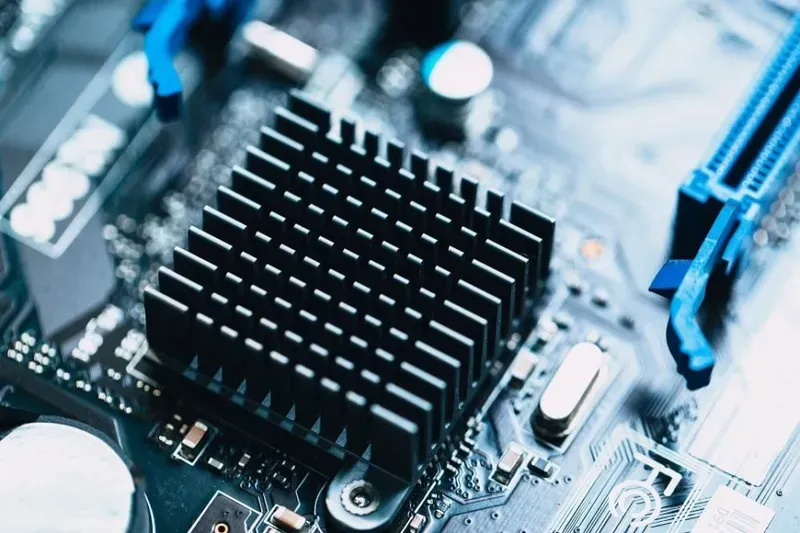
At the heart of every efficient central heating system lies the Printed Circuit Board (PCB), acting as the central nervous system that precisely orchestrates temperature regulation, optimizes energy consumption, and ensures overall system reliability. These specialized PCBs are not merely electronic components; they are the intelligent core that translates user commands and sensor data into operational instructions, making them indispensable for modern heating control, from traditional boilers to advanced smart home integrations. Their robust design and sophisticated functionality are critical for achieving both comfort and significant energy savings in residential and commercial environments.
| Aspect of Control | PCB Functionality | Impact on Heating System |
|---|---|---|
| Temperature Regulation | Processes sensor data (e.g., thermistors) and controls heating element activation/deactivation. | Maintains consistent indoor temperatures, preventing overheating or underheating. |
| Energy Usage Optimization | Manages boiler/furnace cycles, pump speeds, and fan operation based on demand and efficiency algorithms. | Reduces energy waste, leading to lower utility bills and environmental benefits. |
| System Efficiency | Integrates logic for zoned heating, scheduling, and fault detection. | Enhances overall system performance, extends equipment lifespan, and improves user comfort. |
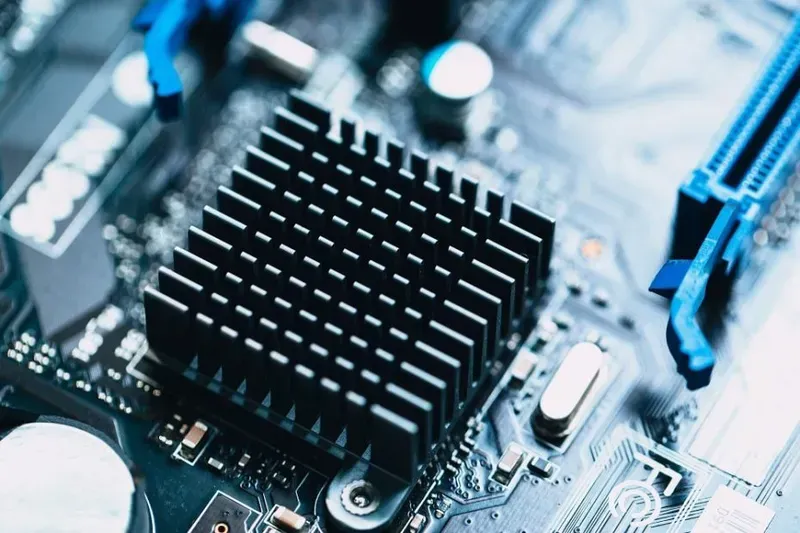
The sophisticated operation of modern central heating systems hinges on the precise interplay of critical components integrated into their control PCBs. These printed circuit boards act as the brain, orchestrating temperature regulation, safety protocols, and energy efficiency. Understanding the core elements and their functional contributions is paramount for developing robust and reliable heating solutions that meet evolving market demands for performance and intelligence.
| Component | Functionality in Heating System PCBs | Impact on System Performance |
|---|---|---|
| Microcontroller (MCU) | The central processing unit that executes control algorithms, processes sensor data, and manages system states. It's the 'brain' coordinating all operations. | Enables advanced control logic, precise temperature management, and adaptable heating schedules, directly influencing energy efficiency and user comfort. |
| Temperature Sensors (e.g., NTC thermistors, thermocouples) | Detects ambient and water temperatures, providing real-time feedback to the MCU for accurate heating regulation. | Crucial for maintaining desired temperatures, preventing overheating, and optimizing energy consumption by modulating heating output. |
| Relays | Electromechanical switches that control high-power loads like boiler igniters, pumps, and fan motors, based on MCU commands. | Ensures safe and reliable switching of power components, preventing electrical hazards and extending the lifespan of heating system actuators. |
| Communication Interfaces (e.g., Wi-Fi, Bluetooth, RS485) | Facilitates data exchange with external devices such as smart thermostats, home automation systems, or service diagnostic tools. | Enables remote control, diagnostic capabilities, over-the-air updates, and integration into smart home ecosystems, enhancing convenience and serviceability. |
| Power Management Unit (PMU) | Regulates and distributes various voltage levels required by different components on the PCB, often including power factor correction. | Ensures stable and clean power supply to all circuits, protecting sensitive components and contributing to the overall reliability and longevity of the PCB. |
| User Interface (UI) Circuitry | Manages inputs from buttons, rotary dials, or touchscreens and outputs to displays (LEDs, LCDs) for user interaction. | Provides intuitive control and feedback to the user, enhancing the usability and accessibility of the heating system. |
| Safety Circuits (e.g., overcurrent protection, surge protection) | Monitors electrical parameters and protects the PCB and connected components from faults like short circuits or voltage spikes. | Essential for operational safety, preventing damage to the system and ensuring compliance with electrical safety standards. |
The careful selection, integration, and layout of these components are paramount for the overall performance, reliability, and safety of a central heating control system. At Zero One Solution Limited, our engineering expertise is focused on optimizing these critical interactions to deliver PCBs that are not only functional but also highly efficient and durable, meeting the stringent demands of modern heating applications.
Designing Central Heating Control PCBs for optimal performance and unwavering reliability is paramount, as these boards are the silent orchestrators of climate comfort. A meticulously engineered PCB ensures precise temperature regulation, efficient energy consumption, and long-term system stability. Key design considerations, including thermal management, signal integrity, power distribution, and judicious component placement, collectively contribute to a robust and dependable heating control solution that can withstand the demands of continuous operation and varying environmental conditions.
| Design Aspect | Key Consideration | Impact on Performance & Reliability |
|---|---|---|
| Thermal Management | Component heat dissipation, PCB material selection (Tg, Td), heat sinks/thermal vias | Prevents overheating, extends component lifespan, maintains stable operation |
| Signal Integrity | Impedance matching, trace routing (length, spacing), ground planes, shielding | Ensures accurate sensor readings, reliable communication, prevents signal corruption |
| Power Distribution | Trace width/thickness, decoupling capacitors, power plane design, low ESR components | Minimizes voltage drops, reduces noise, ensures stable power delivery to all components |
| Component Placement | Minimizing trace lengths, grouping related components, accessibility for testing/assembly | Reduces signal interference, optimizes manufacturing efficiency, simplifies debugging |
| EMI/EMC Compliance | Filtering, grounding, shielding, component selection (low EMI emitters) | Prevents interference with other electronic devices, ensures regulatory compliance |
| Environmental Robustness | Conformal coating, industrial-grade components, wide operating temperature range | Ensures operation in harsh environments (humidity, dust, temperature fluctuations) |
Zero One Solution Limited, with its deep expertise in PCB design and manufacturing, integrates these critical considerations from concept to production. Our engineers prioritize thermal modeling and simulation to identify potential hotspots, ensuring efficient heat dissipation. We employ advanced routing techniques for superior signal integrity, crucial for precise sensor readings and reliable communication within complex heating systems. Furthermore, our robust power distribution networks are designed to handle fluctuating loads and minimize noise, guaranteeing stable operation. By adhering to stringent design protocols and leveraging cutting-edge tools, we deliver Central Heating Control PCBs that are not only high-performing but also exceptionally reliable and durable, meeting the rigorous demands of the global market.
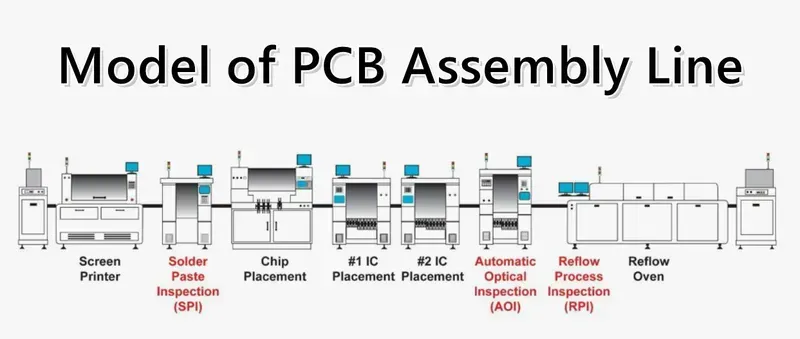
The manufacturing and assembly processes are paramount in producing high-quality and reliable Central Heating Control PCBs, directly impacting their performance, longevity, and safety. Precision engineering and stringent quality control are not merely best practices but essential pillars, as even minor imperfections can lead to system malfunctions, energy inefficiency, or costly breakdowns in heating systems. Achieving robust and dependable PCBs requires meticulous attention to detail at every stage, from component selection to final testing, ensuring that the control unit can withstand operational stresses and deliver consistent, accurate heating regulation.
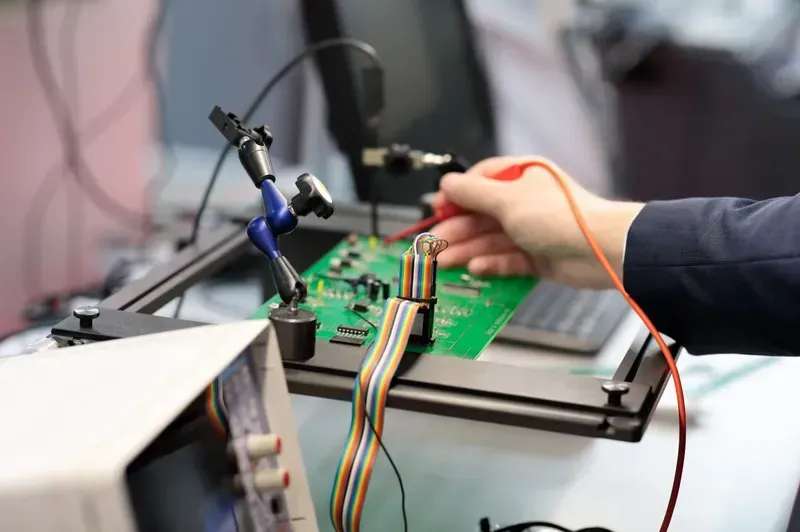
Rapid prototyping is a cornerstone of agile development in the central heating control PCB industry, significantly compressing development cycles and accelerating time-to-market. By quickly transforming conceptual designs into tangible prototypes, engineers can rigorously test functionality, identify design flaws early, and iterate with unprecedented speed, ultimately ensuring a robust and optimized final product that meets stringent performance and reliability standards.
| Prototyping Method | Typical Lead Time | Cost Implications | Iteration Speed |
|---|---|---|---|
| Traditional Prototyping | 4-8 Weeks | High (tooling costs) | Slow |
| Rapid Prototyping (e.g., SLA, FDM) | 1-2 Weeks | Moderate (material costs) | Fast |
| Advanced PCB Prototyping (e.g., Quick-Turn PCB) | 3-7 Days | Moderate (specialized services) | Very Fast |
Zero One Solution Limited excels in providing rapid prototyping services for central heating control PCBs. Our advanced facilities and experienced engineers enable us to quickly translate your design concepts into high-fidelity prototypes, leveraging cutting-edge manufacturing techniques to ensure accuracy and functionality. Partner with us to significantly accelerate your product development lifecycle, reduce risks, and bring your innovative central heating solutions to market with unparalleled speed and confidence.
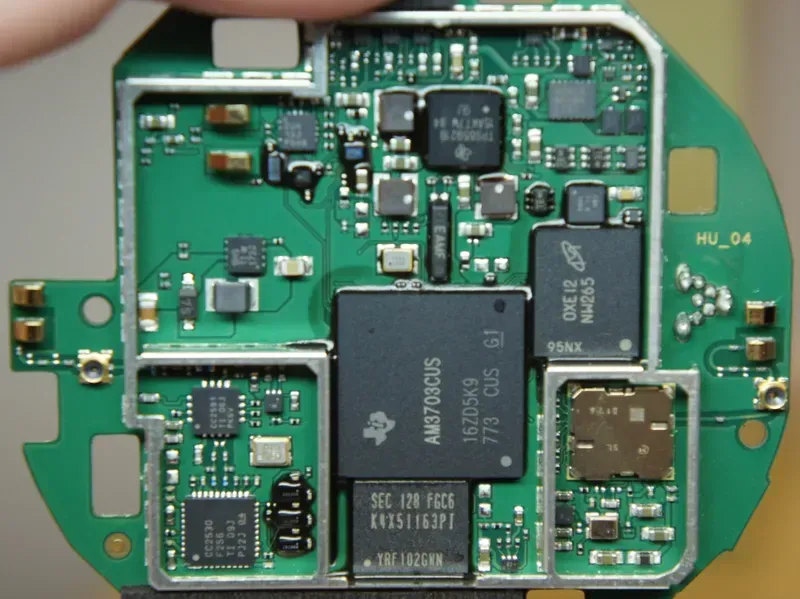
Smart thermostat PCBs are the technological backbone enabling the seamless integration of central heating systems into the broader home automation ecosystem, offering unprecedented levels of convenience, energy efficiency, and control. These specialized printed circuit boards house the intelligence that transforms a traditional thermostat into a sophisticated hub, capable of remote management, adaptive scheduling, and insightful energy monitoring, fundamentally changing how homeowners interact with their heating and cooling infrastructure.
Zero One Solution Limited stands as a beacon of innovation and reliability in the PCB solutions landscape, particularly for the intricate demands of central heating control systems. Our unparalleled expertise, honed over years in the industry, positions us as the ideal partner to transform your heating control concepts into robust, high-performance realities. We understand that the heart of any efficient central heating system lies in its control PCB, and our commitment to precision, speed, and quality ensures your systems operate flawlessly.
The evolution of Central Heating Control PCBs is rapidly accelerating, driven by the demand for increased efficiency, connectivity, and user convenience. The future promises a landscape where these critical components are not merely control units but integral parts of interconnected smart home ecosystems, leveraging cutting-edge technologies to deliver unparalleled performance and energy savings. This forward trajectory is fundamentally transforming how we manage home climate, making systems more responsive, proactive, and intelligent.
In conclusion, the Central Heating Control PCB Solution is more than just a component; it's the heart of efficient and intelligent home heating. Zero One Solution Limited is dedicated to providing cutting-edge PCB solutions that not only meet but exceed the demands of modern central heating systems. We are at the forefront of innovation, ensuring that our clients receive the best in design, manufacturing, and assembly. Contact us today to discover how our expertise can transform your central heating control system into a market leader. Let Zero One Solution Limited be your trusted partner in building a future of smarter, more efficient, and more comfortable homes.

