In today's world, efficient and reliable water pump systems are essential for a multitude of applications, ranging from residential water supply to industrial irrigation. At the heart of these systems lies the water pump inverter control board, a critical component responsible for regulating the pump's motor speed and overall performance. Zero One Solution Limited, with its extensive experience in PCB solutions and rapid prototyping, offers comprehensive solutions for water pump inverter control boards, empowering clients to develop innovative and efficient water pump systems. This article delves into the intricacies of water pump inverter control board solutions, exploring their key components, design considerations, and the advantages they offer.
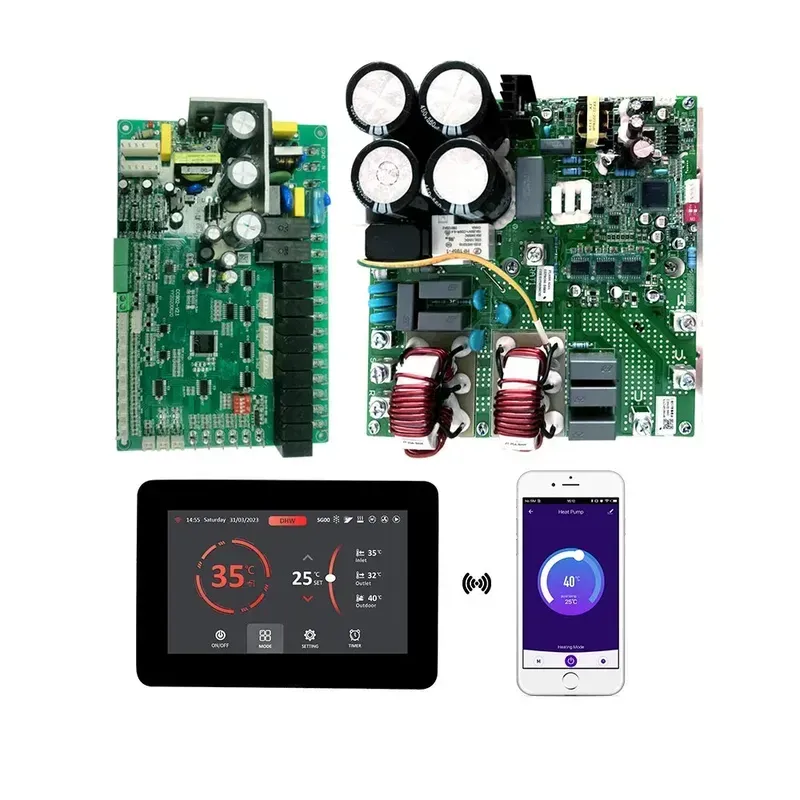
Water pump inverter control boards are the intelligent core of modern water management systems, fundamentally transforming traditional pump operations. By precisely regulating motor speed and torque, these advanced circuit boards enable pumps to adapt dynamically to varying demand, delivering unparalleled energy efficiency and extended operational lifespan. This sophisticated control mechanism is paramount for optimizing performance across diverse applications, from agricultural irrigation to industrial fluid transfer and domestic water supply.
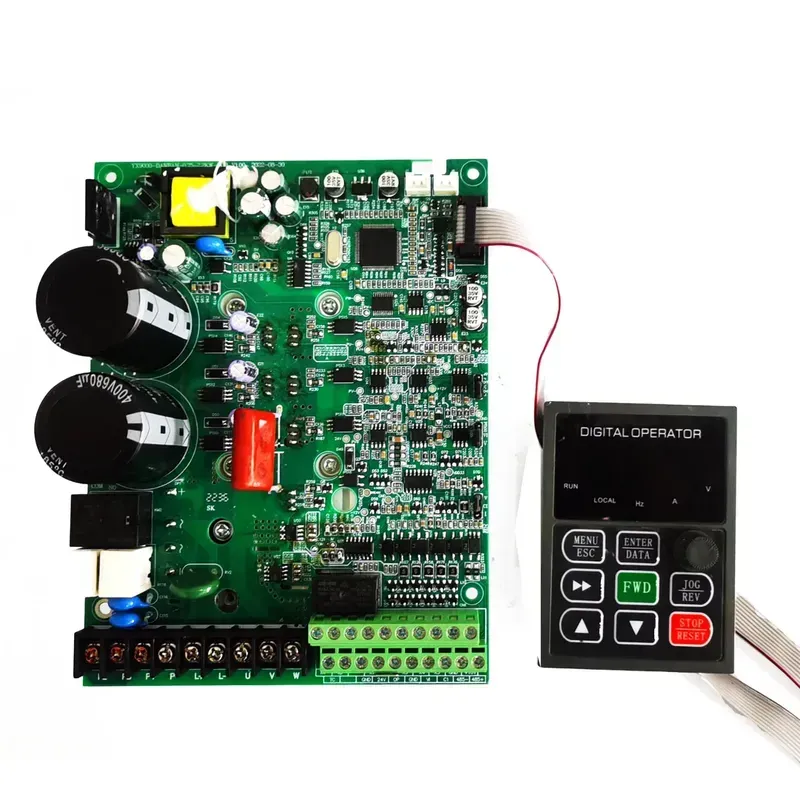
At the core of an efficient water pump inverter system lies its control board, a sophisticated integration of electronic components meticulously engineered to precisely manage pump operation. Understanding these fundamental building blocks is crucial for appreciating the board's functionality, ensuring reliable performance, and optimizing energy consumption in diverse applications. From processing commands to delivering power and safeguarding the system, each component plays a vital role in orchestrating the seamless operation of the water pump.
| Component Category | Key Components | Function in Water Pump Inverter Control Board |
|---|---|---|
| Processing & Control | Microcontroller (MCU) / Digital Signal Processor (DSP) | The brain of the board, executing algorithms for precise motor speed control, fault detection, and communication with external systems. It interprets sensor data and adjusts output frequency accordingly to maintain desired pressure or flow. |
| >Power Management | Power Supply Unit (PSU) | Converts incoming AC power to stable DC voltages required by the board's various components, ensuring consistent and reliable operation. Essential for powering the MCU, gate drivers, and other low-voltage circuitry. |
| >Power Management | DC-Link Capacitor Bank | Acts as an energy reservoir, smoothing the rectified DC voltage from the AC input and providing a stable power source for the inverter section. Crucial for handling instantaneous power demands during motor operation and reducing ripple. |
| >Motor Control | Insulated Gate Bipolar Transistors (IGBTs) / MOSFETs | The primary switching elements in the inverter bridge, responsible for converting the DC-link voltage into variable frequency and variable voltage AC power to drive the water pump motor. Their rapid switching enables precise speed control. |
| >Motor Control | Gate Drivers | Provide isolated and amplified signals to switch the IGBTs/MOSFETs on and off rapidly and efficiently, ensuring proper operation of the power stage and minimizing switching losses. |
| >Motor Control | Current Sensors (e.g., Hall Effect sensors) | Monitor the current flowing to the motor, providing feedback to the MCU for closed-loop control, overcurrent protection, and diagnostics. Essential for maintaining optimal motor performance and preventing damage. |
| >Motor Control | Voltage Sensors | Measure the input and output voltages, allowing the MCU to monitor system health, implement voltage regulation, and detect abnormal conditions. |
| >Protection & Feedback | Temperature Sensors (e.g., NTC thermistors) | Monitor the temperature of critical components like IGBTs and the motor itself. This data is used by the MCU to implement thermal management strategies, prevent overheating, and ensure long-term reliability. |
| >Protection & Feedback | Overcurrent/Overvoltage Protection Circuits | Dedicated hardware and software mechanisms that safeguard the board and motor from damaging current surges or excessive voltage levels, ensuring system integrity and longevity. |
| >Communication & Interface | Communication Interface (e.g., RS485, CAN, Modbus) | Enables the control board to communicate with external systems such as building management systems (BMS), human-machine interfaces (HMIs), or other control devices for remote monitoring and parameter adjustment. |
| >Input/Output | Input/Output (I/O) Peripherals | Include analog-to-digital converters (ADCs) for sensor input, digital-to-analog converters (DACs) for control signals, and general-purpose input/output (GPIO) pins for various control and status indications. |
Achieving optimal performance and long-term reliability in water pump inverter control boards hinges on meticulous design considerations. Beyond basic functionality, a robust design accounts for the demanding operational environment, ensuring efficiency, longevity, and regulatory compliance. Focusing on these critical aspects from the outset minimizes future failures, reduces maintenance, and maximizes the return on investment for any water pump system. Key areas include advanced thermal management, strategic component selection, and stringent electromagnetic compatibility (EMI/EMC) compliance.
| Design Aspect | Key Consideration | Impact on Performance |
|---|---|---|
| EMI/EMC Compliance | Filtering (Common Mode/Differential Mode), Grounding Strategies, Shielding | Prevents interference with other electronic devices, ensures stable operation, meets regulatory standards (e.g., IEC 61800-3 for variable speed drives). |
| Protection Mechanisms | Overcurrent, Overvoltage, Undervoltage, Overtemperature, Short-Circuit | Safeguards components from damage, extends board lifespan, prevents system failures, ensures user safety and reliable operation in fault conditions. Incorporates dedicated hardware and software protections with rapid response times. |
void check_motor_protection() {
    if (current_sensor_reading > OVERCURRENT_THRESHOLD) {
        // Initiate shutdown or fault sequence
        set_fault_status(FAULT_OVERCURRENT);
        disable_pwm_output();
    }
    if (temperature_sensor_reading > OVERTEMP_THRESHOLD) {
        // Reduce switching frequency or shut down
        set_fault_status(FAULT_OVERTEMP);
        reduce_speed_or_disable();
    }
    // Additional checks for undervoltage, overvoltage, etc.
}Integrating inverter control into water pump systems revolutionizes their operation, moving beyond simple on/off functionality to deliver unprecedented efficiency, longevity, and precise control. This advanced approach addresses critical pain points in traditional pump systems, such as energy waste, mechanical stress, and limited adaptability, by precisely matching pump output to demand.
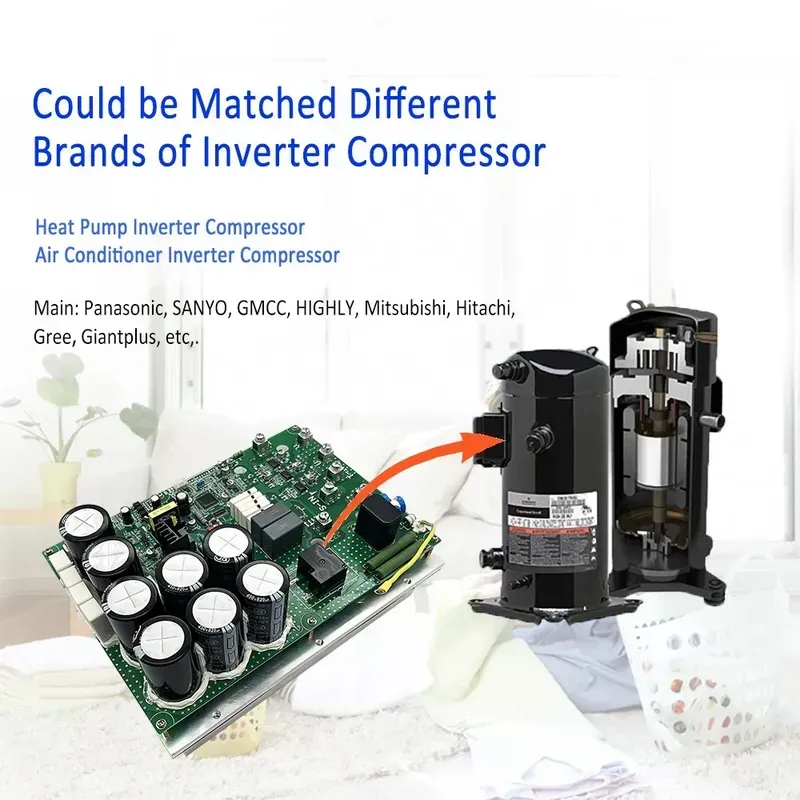
At Zero One Solution Limited, we understand the critical role a robust and efficient PCB plays in the performance of water pump inverter systems. Leveraging over a decade of specialized experience since our founding in 2011, we provide unparalleled PCB solutions specifically engineered for water pump inverters, designed to enhance energy efficiency, extend operational lifespan, and ensure precise control. Our integrated approach, from design optimization to rapid prototyping and high-quality manufacturing, positions us as the ideal partner for developing advanced and reliable water pump inverter control boards that meet the dynamic demands of global industries.
| Solution Aspect | Zero One Solution's Offering | Benefit to Water Pump Inverter |
|---|---|---|
| Design Optimization | Component selection for efficiency and thermal management | Extends pump lifespan, reduces energy consumption |
| Rapid Prototyping | Quick turnaround for design iteration and validation | Accelerates product development, minimizes risk |
| Manufacturing Quality | High-precision production, rigorous testing | Ensures reliability and consistent performance |
| Customization | Tailored designs for specific application needs | Optimizes efficiency and functionality for diverse systems |
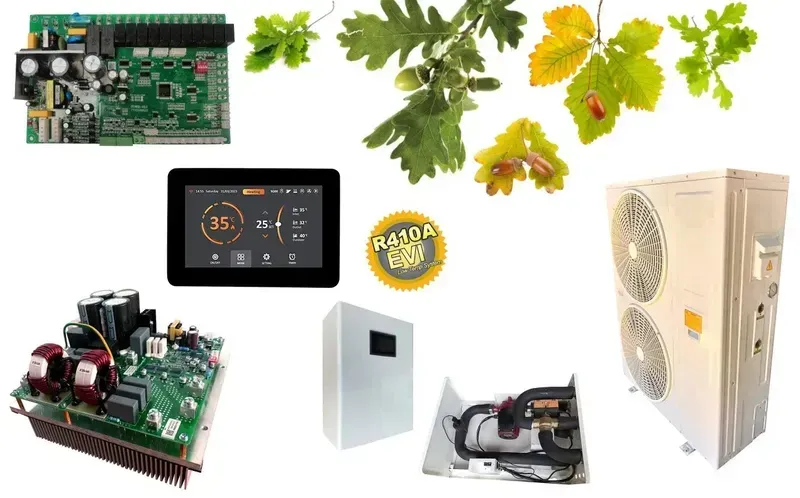
Rapid prototyping is a cornerstone of efficient product development, particularly for complex systems like water pump inverter control boards. It enables engineers to quickly transform design concepts into tangible prototypes, facilitating early detection of flaws, validation of functionality, and iterative refinement. This accelerated feedback loop is crucial for reducing time-to-market and ensuring the final product meets stringent performance and reliability standards.
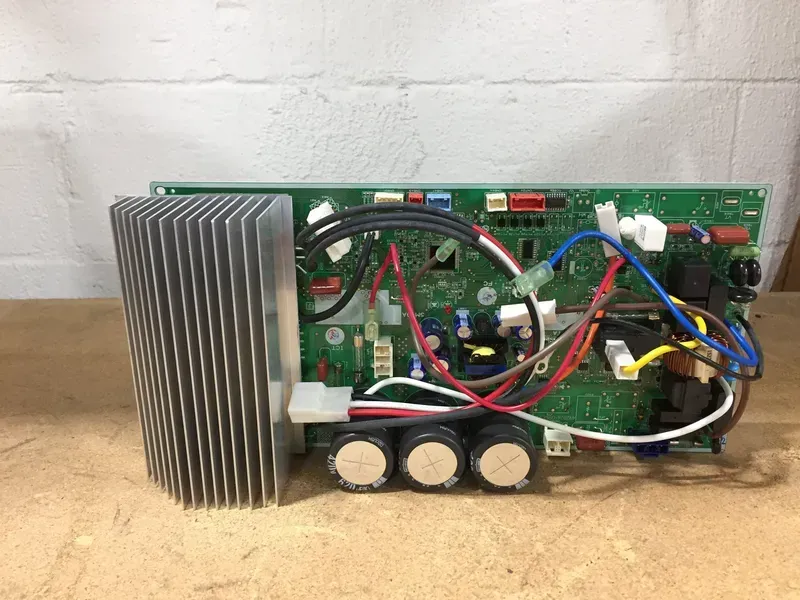
Zero One Solution Limited's manufacturing and assembly expertise is the cornerstone of delivering high-quality, reliable water pump inverter control boards that consistently meet and exceed stringent industry standards. Our integrated approach from design to final product ensures unparalleled precision and performance, translating directly into enhanced durability and operational efficiency for your water pump systems. We leverage cutting-edge technology and a highly skilled workforce to transform innovative designs into robust, market-ready solutions.
| Capability | Description | Benefit to Water Pump Inverter Boards |
|---|---|---|
| Automated SMT Lines | High-speed placement of surface mount components with micron-level accuracy. | Ensures consistent component placement and soldering quality, crucial for the reliable operation of sensitive inverter circuitry and power stages. |
| Precision Soldering (Reflow/Wave) | Controlled thermal profiles for optimal solder joint integrity on various component types. | Eliminates common soldering defects, enhancing electrical connectivity and thermal dissipation, vital for sustained performance under varying load conditions. |
| Advanced Testing & Inspection | Utilizing AOI, X-ray, ICT, and functional testing for comprehensive defect detection. | Guarantees every board meets design specifications and functional requirements, reducing product recalls and ensuring long-term reliability in diverse environmental applications. |
Our commitment to manufacturing excellence means that when you partner with Zero One Solution Limited, you receive water pump inverter control boards that are not only technologically advanced but also built to withstand the rigors of continuous operation. This dedication to quality and precision ensures that your water pump systems achieve optimal efficiency, extended lifespan, and superior overall performance in the field.
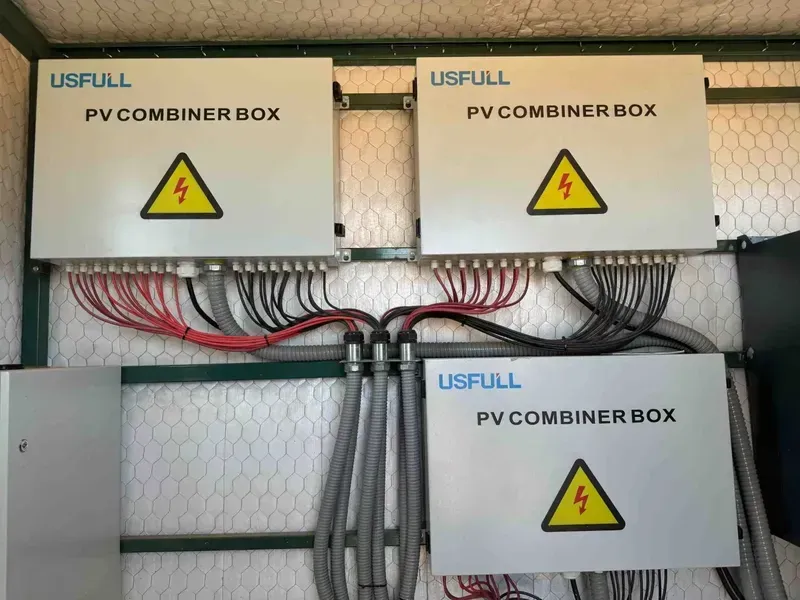
Zero One Solution Limited's expertise in PCB design, rapid prototyping, and manufacturing has been instrumental in the success of numerous water pump inverter projects globally. These case studies highlight how our tailored PCB solutions have enabled clients to achieve superior performance, energy efficiency, and reliability in their water management systems.
| Project Title | Client Need/Challenge | Zero One Solution's Contribution | Key Outcome |
|---|---|---|---|
| High-Efficiency Agricultural Irrigation System | Client required a robust inverter control board for a large-scale agricultural irrigation system to maximize water conservation and minimize energy consumption across varying demand. | Designed and manufactured a custom high-power PCB with advanced motor control algorithms and robust thermal management, enabling precise pump speed adjustment. | Achieved over 30% energy savings and improved irrigation efficiency by 25%, resulting in significant operational cost reductions for the client's farms. System reliability significantly improved in harsh outdoor conditions. |
| Project Title | Client Need/Challenge | Zero One Solution's Contribution | Key Outcome |
|---|---|---|---|
| Smart Building HVAC Water Circulation | A commercial building developer sought an intelligent inverter solution for their HVAC water circulation pumps to maintain optimal indoor climate with minimal noise and energy use, requiring compact and reliable PCBs. | Provided compact, high-density PCB designs with integrated sensor interfaces for real-time monitoring and advanced noise suppression features suitable for sensitive environments. | Reduced HVAC system's energy consumption by 20% and significantly lowered operational noise levels, enhancing occupant comfort and meeting stringent building energy certifications. |
| Project Title | Client Need/Challenge | Zero One Solution's Contribution | Key Outcome |
|---|---|---|---|
| Industrial Water Treatment Plant Upgrade | An industrial plant needed to upgrade their aging water treatment pump systems to improve process control, reduce downtime, and meet stricter environmental discharge regulations, necessitating highly reliable and durable inverter control boards. | Developed and supplied industrial-grade PCBs with enhanced surge protection, extended operating temperature ranges, and robust communication interfaces for seamless integration with existing plant control systems. | Resulted in a 15% increase in water treatment throughput, a 50% reduction in pump-related downtime, and full compliance with new environmental standards, demonstrating long-term operational stability. |
Understanding the intricacies of water pump inverter control boards is crucial for optimizing system performance, extending equipment lifespan, and achieving significant energy savings. This section addresses common inquiries to provide clarity and valuable insights into this essential technology.
In conclusion, water pump inverter control board solutions are crucial for achieving efficient and reliable water pump systems. Zero One Solution Limited's expertise in PCB design, manufacturing, and assembly makes us an ideal partner for developing innovative and customized control board solutions. We invite you to leverage our rapid prototyping capabilities and global supply chain network to accelerate your product development and bring cutting-edge water pump solutions to market. Contact Zero One Solution Limited today to discuss your specific needs and explore how we can help you achieve your goals. Together, let's drive innovation in water pump technology and contribute to a more sustainable future.

