In today's technologically driven world, circuit boards are the backbone of countless devices. From smartphones to medical equipment, the need for reliable and high-quality circuit boards is ever-present. This article will guide you through the process of selecting the ideal circuit board factory, emphasizing key factors, and ensuring you make an informed choice. Understanding these nuances is crucial, whether you're developing a prototype or engaging in mass production. Let's explore what makes a circuit board factory suitable for your unique requirements.
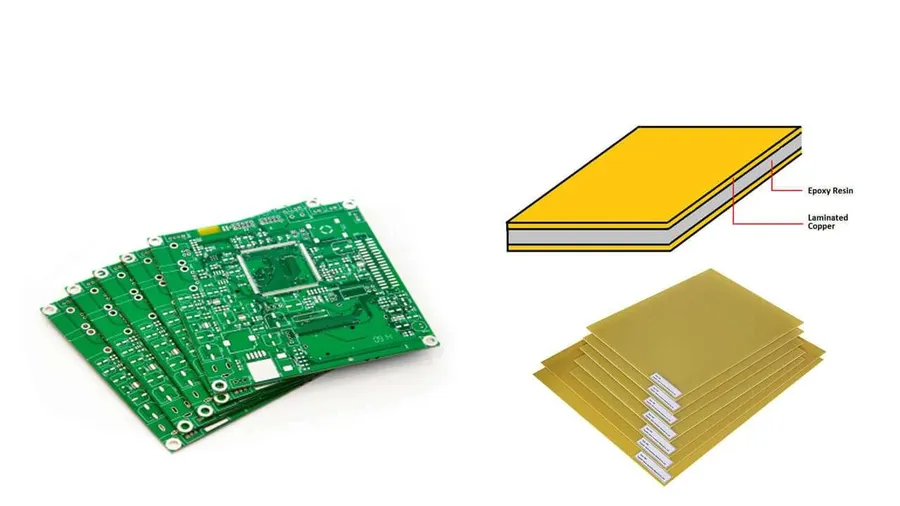
Prior to engaging with a circuit board factory, a comprehensive understanding of your project's specific printed circuit board (PCB) requirements is paramount. This involves a detailed analysis of several key factors that will directly influence the manufacturing process and the final product's performance.
The complexity of the PCB, ranging from single-layer to multi-layer designs, dictates the manufacturing methods and capabilities required from the factory. Material selection, driven by performance needs such as thermal and electrical properties, further refines the choice of suitable manufacturers. The quantity needed, whether for rapid prototyping, small batches, or high-volume production, directly affects the production timeline and cost. Additionally, unique performance requirements must be specified to ensure the final PCB meets all application-specific needs.
| Factor | Description | Impact on Factory Selection |
|---|---|---|
| PCB Complexity | Single-layer, multi-layer, HDI | Determines factory's layer count capabilities and technology |
| Materials | FR-4, Rogers, metal core | Ensures compatibility with factory's material handling and processes |
| Quantity | Prototypes, small batch, large volume | Affects factory's production capacity and pricing structure |
| Performance Needs | Impedance control, high-frequency performance, thermal management | Selects factories with required fabrication precision and test capabilities |

Selecting a circuit board factory requires careful consideration of its certifications and adherence to industry standards. These benchmarks ensure consistent quality, environmental responsibility, and reliability in the manufacturing process, thereby mitigating risks associated with substandard products.
| Certification/Standard | Description | Importance for PCB Manufacturing |
|---|---|---|
| ISO 9001 | International standard for quality management systems. It outlines a framework for consistent quality assurance. | Ensures the factory has well-defined processes for design, manufacturing, and testing, guaranteeing product reliability. |
| RoHS Compliance | Restriction of Hazardous Substances. Limits the use of specific hazardous materials in electronic and electrical equipment. | Demonstrates a commitment to environmental sustainability and ensures PCBs are safe for both use and disposal. |
| IPC Standards | Standards from the association connecting electronics industries which provides guidance on manufacturing, performance, and quality | Following IPC standards, such as IPC-A-600 for PCB acceptance, ensures consistent quality and compatibility across various industry practices. |
| UL Certification | Safety certification ensuring products comply with specific safety standards | Ensures that PCBs and manufacturing processes meet the requirements of a reputable third-party safety organization. |
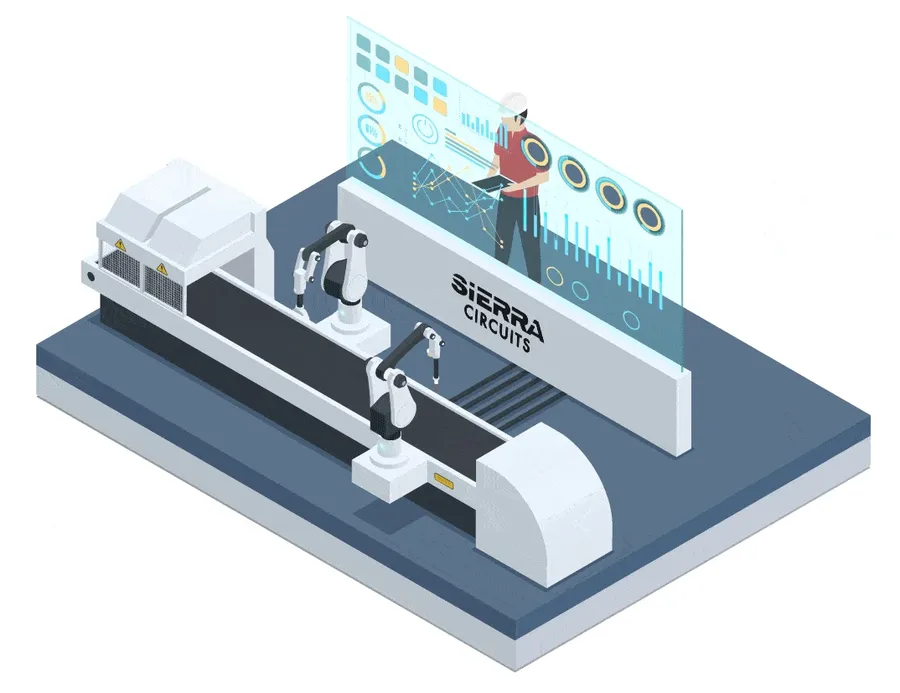
Selecting the appropriate circuit board factory requires a thorough evaluation of their manufacturing capabilities to ensure alignment with your project's technical requirements. This includes assessing their precision, layer count limits, via drilling capabilities, and surface finishing options. A comprehensive evaluation ensures the chosen manufacturer can produce boards that meet your specifications and quality standards.
| Capability | Description | Importance |
|---|---|---|
| Precision | Refers to the accuracy and tolerances achievable in board fabrication, including trace widths, spacing, and component placement. | Critical for high-density designs and fine-pitch components. |
| Layer Count Limits | The maximum number of layers the factory can handle, including single-layer, double-layer, and multi-layer boards. | Determines the complexity and functionality of the PCB. |
| Via Drilling | Capabilities related to via types (through-hole, blind, buried) and drilling precision. | Essential for connecting different layers of a multi-layer PCB. |
| Surface Finishing Options | Different surface finishes like HASL, ENIG, immersion tin, or immersion silver that impact solderability and durability. | Impacts board solderability, component reliability and overall durability |
| Materials | The different materials the manufacturer can process such as FR-4, Aluminum, Flexible materials etc. | Critical for high-frequency applications, thermal management and mechanical flexibility. |
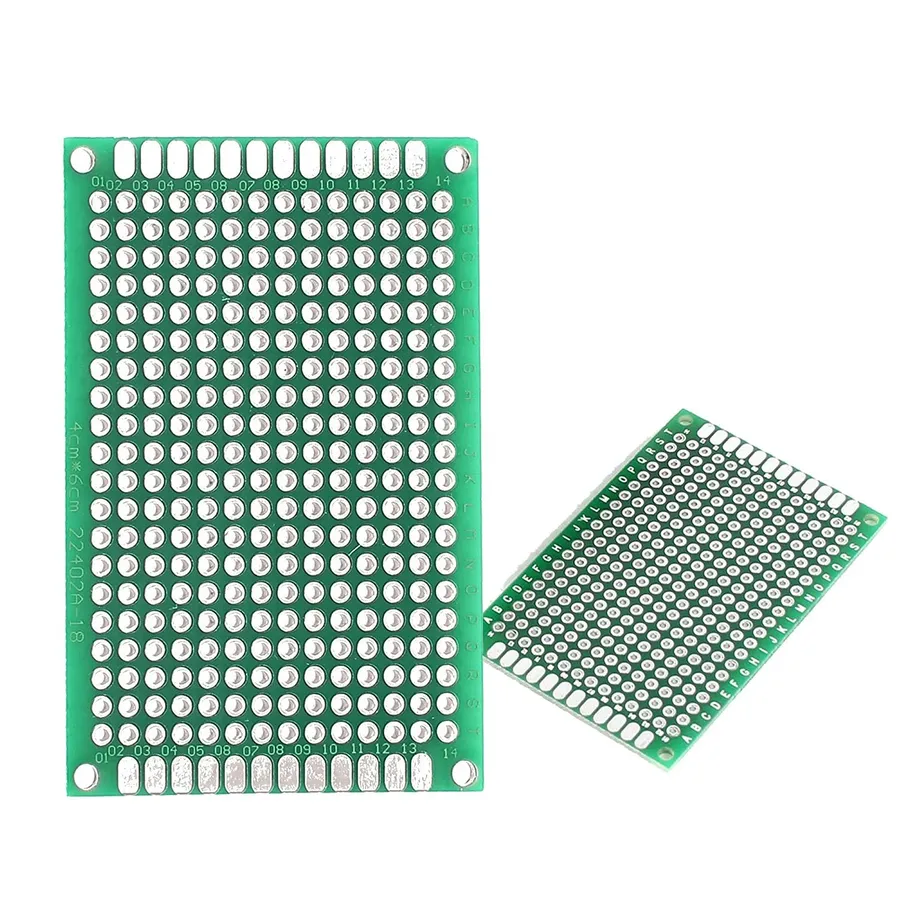
For product development cycles that rely on iterative design, selecting a circuit board factory that offers rapid prototyping is paramount. Quick turnaround times directly impact the speed at which design flaws are identified and improvements are implemented.
When evaluating prototyping services, consider the following aspects:
| Factor | Description | Importance |
|---|---|---|
| Turnaround Time | Time from design submission to receiving prototypes | High: Directly impacts speed of development |
| Prototyping Capabilities | Complexity of prototypes the factory can produce | High: Ensures accurate representation of final product |
| Minimum Order Quantity (MOQ) | Minimum quantity required for prototyping | Medium: Needs to match the demands of your project's prototype phase. |
| Cost per Prototype | Price for a single prototype board | Medium: Important to balance with speed requirements. |
| Iterative Support | Support for design iterations and feedback | Medium: Can help speed up the prototyping process. |
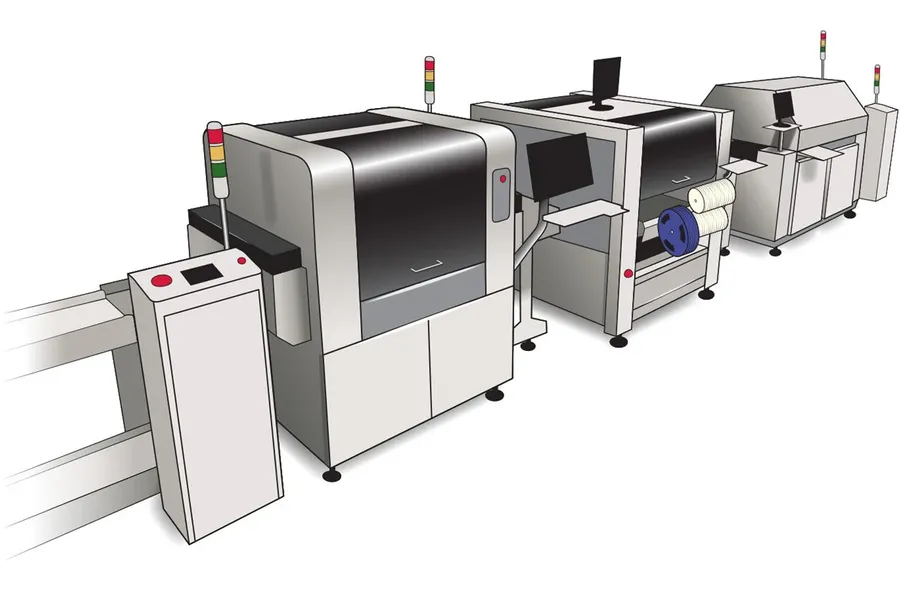
The decision to utilize in-house or outsourced assembly services is a critical aspect of circuit board manufacturing. Some circuit board factories provide complete assembly services, managing the entire process from fabrication to component placement, while others specialize solely in PCB fabrication. The optimal choice depends on your supply chain model and the level of control you require.
Selecting the right approach involves considering factors such as cost, capacity, and capabilities of potential partners. In-house assembly, while offering greater control, requires investment in equipment and expertise, while outsourcing reduces upfront costs and leverages the specialist experience of dedicated assembly services.
| Factor | In-House Assembly | Outsourced Assembly |
|---|---|---|
| Cost | Higher initial investment, lower per-unit cost for high volumes | Lower initial investment, potentially higher per-unit cost |
| Control | Greater control over process and quality | Less direct control; reliance on external partner |
| Capacity | Limited by in-house equipment and resources | Scalable capacity based on the capabilities of the outsourcing partner |
| Lead Time | Potentially shorter lead times for production | Lead time dependent on external partner's schedule and location |
| Expertise | Dependent on existing in-house skills | Access to specialized expertise and equipment from the partner |
| Flexibility | Potentially less flexible to accommodate unexpected peaks in demand. | More adaptable to fluctuation in demand. |
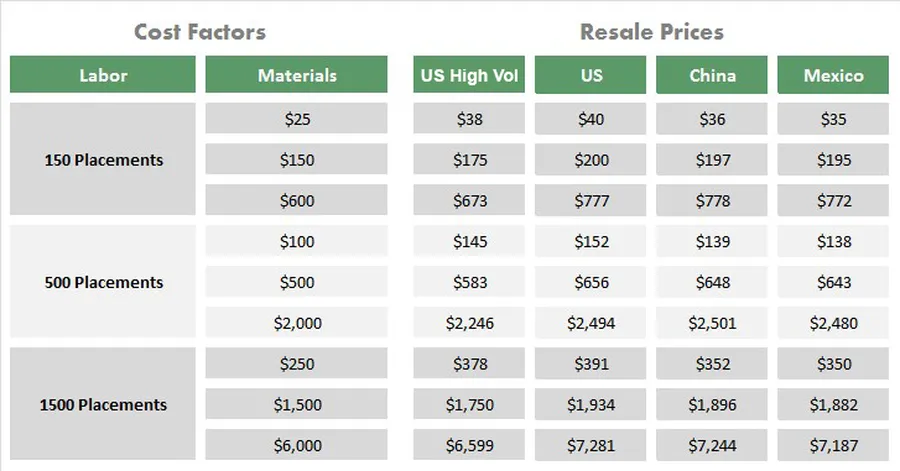
Selecting a circuit board factory involves a careful cost analysis that balances economic considerations with stringent quality requirements. While minimizing expenses is a natural objective, it should not compromise the reliability and performance of the final product. A thorough assessment of pricing structures alongside quality metrics is essential for making an informed decision.
The ideal circuit board factory should offer a competitive pricing model that reflects its capabilities, the materials used, and the manufacturing precision. It’s crucial to move beyond simply comparing bottom-line figures; a comprehensive evaluation requires detailed insight into cost drivers and the corresponding value added.
| Cost Factor | Impact on Price | Quality Implications |
|---|---|---|
| Material Type | Higher costs for advanced materials (e.g., Rogers, Teflon) | Improved electrical performance, higher temperature resistance, better signal integrity |
| Layer Count | Increased cost per layer | More complex board designs and increased functionality |
| Surface Finish | Different finish types like ENIG or HASL have varying costs | Improved solderability, corrosion resistance, and contact quality |
| Quantity | Lower cost per unit for higher volumes | Impacts fabrication techniques |
| Manufacturing Complexity | Advanced features like fine lines, buried vias drive up cost | High precision and performance |
| Turnaround Time | Faster production lead times increase cost | Faster product delivery |
The cost of a circuit board is influenced by a multitude of factors, each adding a specific degree of complexity to the manufacturing process. A detailed understanding of these elements enables more precise cost evaluation. It also becomes crucial to ask a circuit board factory for comprehensive quotes that detail each variable, ensuring cost-effectiveness without sacrificing quality.
It is necessary to scrutinize quotations from multiple manufacturers, clarifying any variances in material quality, manufacturing standards, and the scope of services included. A deeper investigation of this information facilitates selection of a circuit board factory that not only meets budget requirements but also delivers exceptional quality, reliability, and performance.
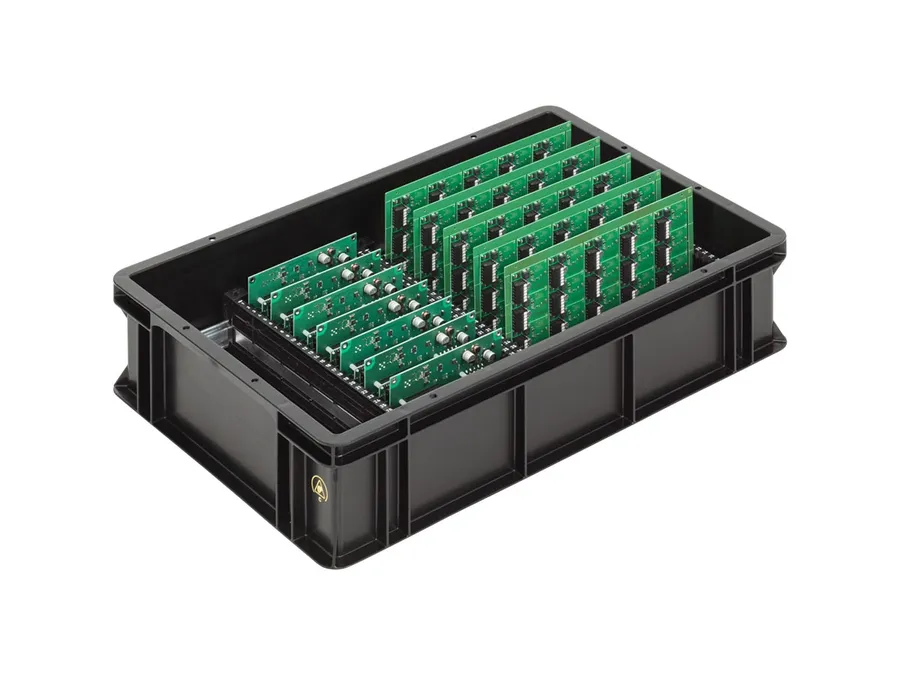
The geographical location of a circuit board factory significantly impacts both shipping costs and lead times. Selecting a factory closer to your operations can drastically reduce logistical overhead, and accelerate your time-to-market. Consider both domestic and international options based on your volume needs and required turnaround times.
| Factor | Domestic Factory | International Factory |
|---|---|---|
| Shipping Time | Shorter | Longer |
| Shipping Cost | Lower | Potentially Higher |
| Lead Time | Faster | Slower |
| Communication | Easier | Potentially More Challenging |
| Cost | Potentially Higher | Potentially Lower |
This section addresses common questions regarding circuit board manufacturing, providing clarity on industry practices, key players, and associated costs.
Effective communication and responsive customer support are crucial when selecting a circuit board factory. A reliable manufacturer should provide clear communication channels and prompt assistance throughout the fabrication process, ensuring a smooth and efficient collaboration.
Choosing the right circuit board factory is a crucial decision that can impact the quality, cost, and timeline of your project. By carefully evaluating your needs, comparing manufacturers based on their capabilities, and considering factors like certifications, turnaround time, and assembly services, you can ensure you partner with the ideal supplier. Remember that a reputable circuit board factory is more than just a supplier; they are a strategic partner crucial to your product's success. The future of electronics depends on reliable circuit board manufacturing, and your informed choice sets the stage for innovation.

