In today's world, the intricate dance of electronics hinges on the unassuming yet vital component: the PCB (Printed Circuit Board). Just like a city's foundation, PCBs support and connect electronic components. Whether it's your smartphone or a complex industrial machine, they are crucial, and understanding the factors behind the PCB plate price is important for both DIY hobbyists and professional manufacturers. This article delves into what determines the cost of a PCB plate, exploring variables like materials, production complexities, and market trends, offering a thorough picture of PCB pricing. Get ready to unravel the details behind these critical components and make informed decisions based on your needs and budget.
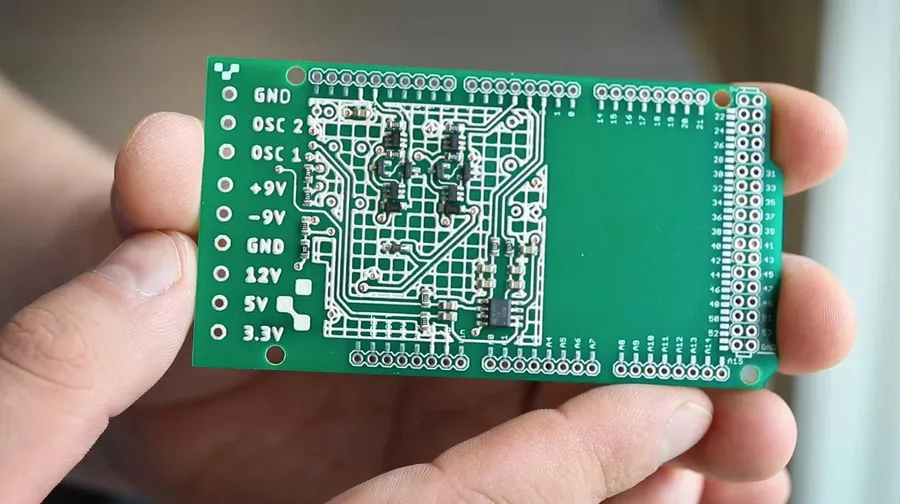
The price of a PCB (Printed Circuit Board) plate is not fixed; it fluctuates based on a confluence of factors. These elements range from the raw materials used in construction to the complexity of the board design and the sheer volume of the order. Understanding these variables is crucial for both designers and purchasers to optimize cost-effectiveness.
The key drivers affecting PCB plate pricing can be broadly categorized as follows:
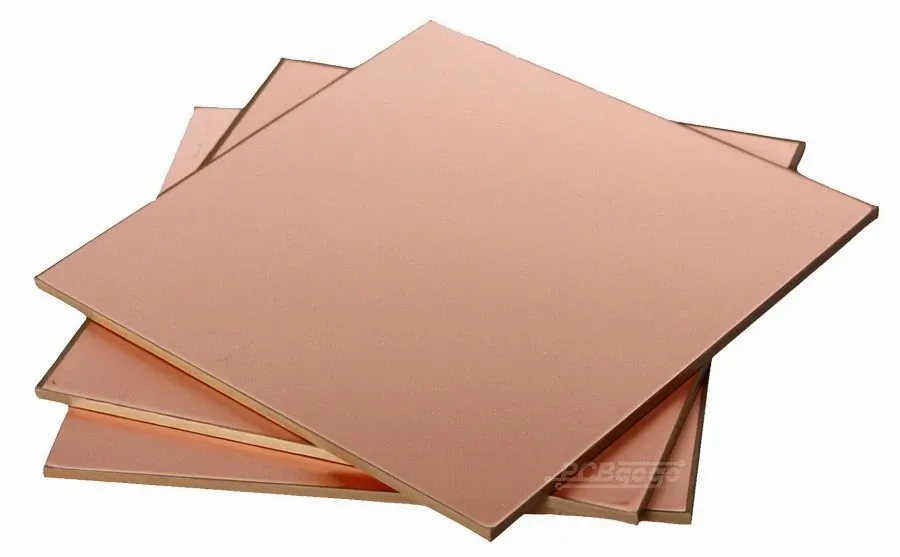
The selection of materials for PCB construction is a crucial factor directly influencing the final price of the PCB plate. Different materials offer varying electrical, thermal, and mechanical properties, which consequently affect manufacturing costs and performance. Understanding these impacts is essential for cost-effective design and procurement.
| Material | Description | Cost Impact | Typical Applications |
|---|---|---|---|
| FR-4 | A fiberglass-reinforced epoxy laminate. It is the most common and cost-effective material. | Low to Moderate | Most general-purpose PCBs, including consumer electronics, computer motherboards. |
| Aluminum | Aluminum core PCBs offer superior heat dissipation. | Moderate to High | LED lighting, power electronics, high-temperature applications. |
| Copper | Copper is primarily used for the conductive layers in a PCB but sometimes forms the base for metal core boards. | Low to Moderate | Conductive traces, heatsink backings. |
| Rogers | High-frequency laminates known for their superior dielectric properties. | High | RF and microwave circuits, high-speed data transmission. |
| Polyimide | Flexible substrate with good temperature resistance. | High | Flexible circuits, aerospace applications. |
The cost implications extend beyond the raw material cost. For instance, materials requiring specialized processing or those with lower yields during manufacturing will increase the final PCB plate price.
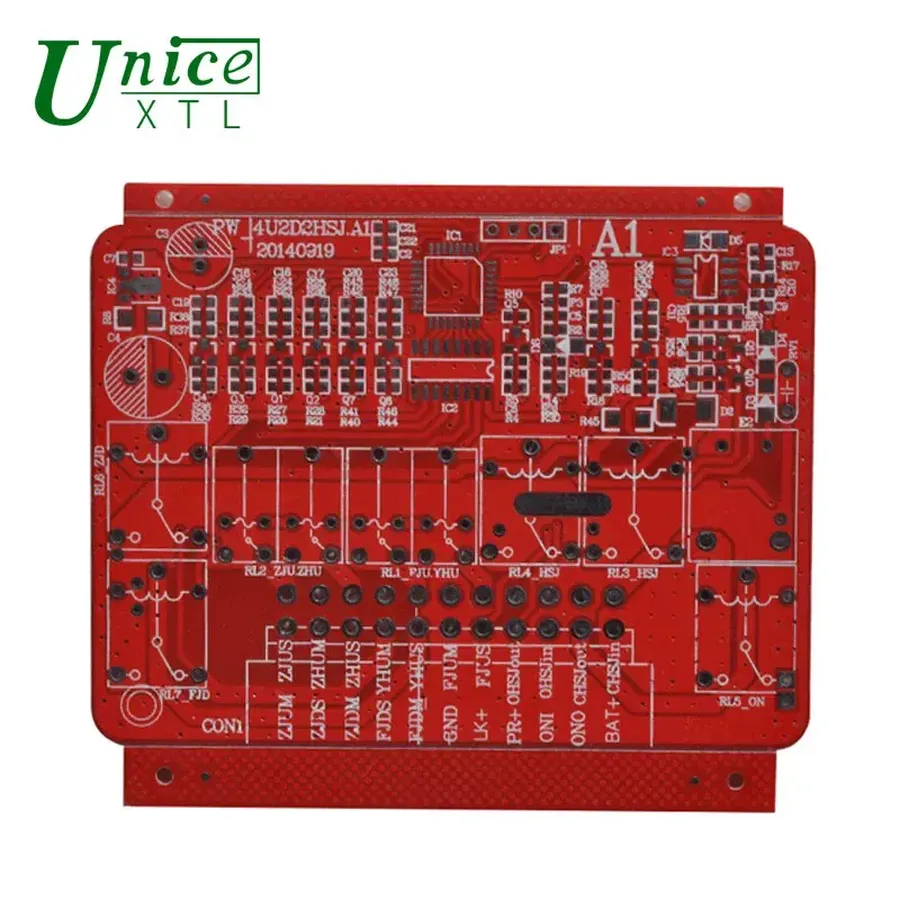
The number of layers in a printed circuit board (PCB) directly impacts its cost, with single-sided PCBs being the most economical and multi-layer PCBs commanding a higher price due to their increased complexity and manufacturing requirements. This section will detail the cost implications of single-sided, double-sided, and multi-layer PCBs.
| PCB Type | Complexity | Cost Factor | Typical Applications |
|---|---|---|---|
| Single-Sided | Simplest | Lowest | Basic electronics, simple circuits, low-density devices |
| Double-Sided | Moderate | Medium | Intermediate complexity devices, some industrial and consumer applications |
| Multi-Layer (4-16 Layers) | Complex | High | Advanced electronics, high-density circuits, computer motherboards, medical devices |
| Multi-Layer (16+ Layers) | Highly Complex | Very High | Specialized applications, high-speed digital design, server hardware, aerospace applications |
The cost differential arises from several factors including the increased material usage (more copper layers and insulation), more intricate manufacturing processes (precision alignment and lamination), and the higher degree of process control required to ensure the reliability of multi-layer boards.
Choosing the appropriate number of layers is a trade-off between cost and performance requirements. Single-sided PCBs are sufficient for basic circuits but lack the design flexibility and density of multi-layer boards. Double-sided boards offer a good balance, while multi-layer PCBs enable complex routing and high-density component placement needed for advanced electronic systems.
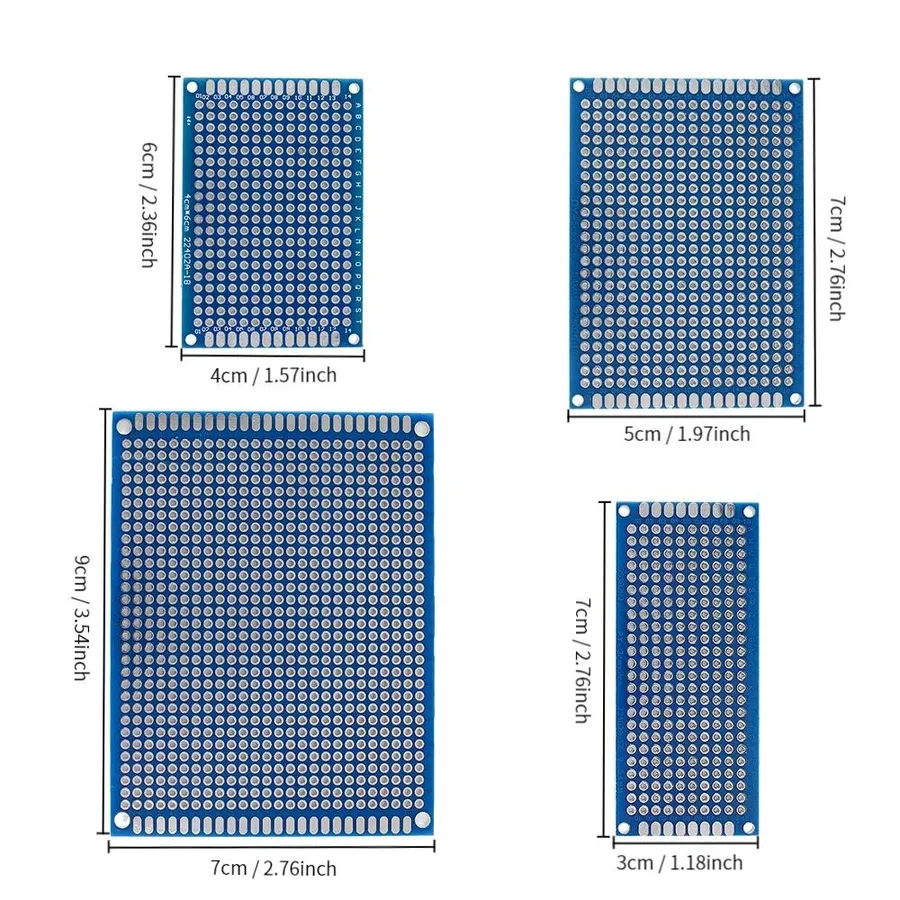
The physical dimensions of a Printed Circuit Board (PCB) directly influence its manufacturing cost. Larger PCBs generally require more raw materials and processing time, leading to higher prices. This section explores the relationship between PCB size and cost, focusing on how surface area calculations impact pricing.
The cost of a PCB isn't just about the surface area, it's also about how effectively the manufacturer can utilize the standard panel sizes they work with. For instance, if a PCB design is unusually sized, it can lead to greater material waste on the manufacturing floor, and thus increased costs. Standard PCB panel sizes are generally optimized for efficient production and reducing waste. Therefore, keeping your board design within standard dimensions can help reduce unnecessary expenses.
| Dimension | Impact on Price | Typical Unit | Cost Implication |
|---|---|---|---|
| Surface Area (Square Inches) | Directly Proportional | Square Inch | Larger area, higher cost due to more materials and processing. |
| Surface Area (Square Centimeters) | Directly Proportional | Square Centimeter | Larger area, higher cost due to more materials and processing. |
| Overall Dimensions | Indirectly Proportional | Inches or Millimeters | Non-standard sizes can increase cost due to material wastage and processing inefficiency. |
For a more accurate estimate of cost for a given PCB size, manufacturers often consider the number of PCBs that can be placed on a standard panel. Optimizing your design to fit within these panel parameters can help minimize the cost. It is also good practice to consider the utilization of the panel during the design phase. If you can reduce wasted area during manufacturing you can reduce the overall cost.
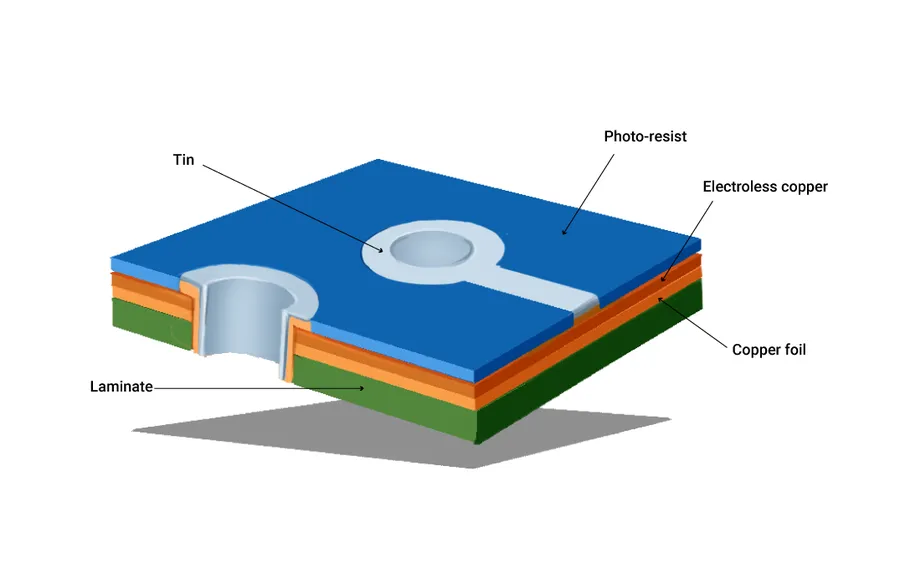
The cost of a Printed Circuit Board (PCB) is significantly impacted by the manufacturing processes involved, each contributing to the overall price. These processes include precision drilling for vias, chemical etching to define circuit traces, and surface plating to ensure connectivity and protection. Understanding these processes is crucial for comprehending the cost drivers of PCB production.
| Manufacturing Process | Description | Cost Impact |
|---|---|---|
| Drilling | Creating holes for vias and component leads, using mechanical or laser drilling. | Precision drilling, particularly for microvias, adds to cost due to equipment and process time. |
| Etching | Removing unwanted copper to define circuit traces using chemical etching. | Fine line etching requires more precise and expensive processes and chemicals, thus increasing cost. |
| Plating | Applying a thin layer of metal (e.g., copper, tin, gold) on board surfaces to enhance conductivity and solderability. | Specific plating materials like gold can increase costs, while selective plating may be more cost effective. |
| Solder Mask Application | Applying a protective layer to prevent solder bridging. | Solder mask application is standard, but custom colors or special masks might incur additional costs. |
| Silkscreen Printing | Printing component labels and reference designators using ink. | The addition of silkscreen can add some cost, particularly for multi-layered or complex designs. |
| Surface Finish | Applying a protective final layer to ensure solderability and prevent oxidation (e.g., HASL, ENIG). | Surface finishes like ENIG (Electroless Nickel Immersion Gold) are more expensive than HASL (Hot Air Solder Leveling). |
Each of these processes has associated costs related to equipment, materials, and labor. The complexity of the design, the precision required, and the choice of materials will all influence the final price of the PCB.
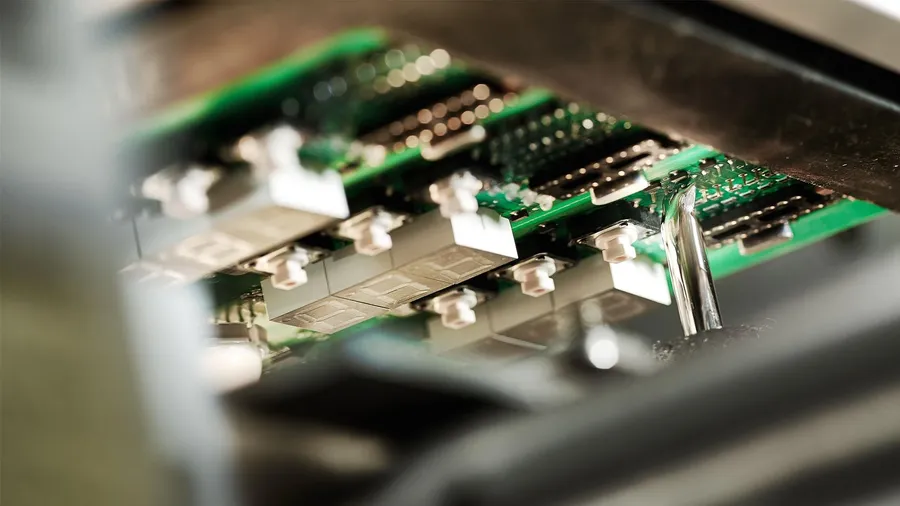
The correlation between order quantity and unit price in PCB manufacturing is a fundamental economic principle: larger order volumes typically result in a lower per-unit cost. This phenomenon arises from the distribution of fixed manufacturing costs across a greater number of units, allowing manufacturers to offer substantial discounts for bulk orders. Understanding this relationship is crucial for optimizing project budgets.
The cost reduction is not linear; it tends to follow a diminishing returns curve. Initially, the per-unit price drops dramatically as the quantity increases from small prototypes to small production runs. Beyond a certain point, however, while cost savings continue, the rate of savings slows as most of the fixed costs are already absorbed. Factors like raw material procurement discounts for high volume purchases and optimized production line setup for the specific design contribute to these economies of scale.
| Order Quantity | Approximate Unit Cost | Cost Reduction Rationale |
|---|---|---|
| 1-10 (Prototypes) | High | High Setup Cost, Minimal Volume Discount |
| 10 - 100 (Small Batch) | Medium-High | Some fixed costs are covered, slight discount on materials |
| 100 - 1000 (Medium Batch) | Medium | Significant per-unit cost reduction due to material cost discounts and production optimization. |
| 1000+ (Large Batch) | Low | Maximization of economies of scale, substantial discounts, reduced per-unit handling and setup cost |
To effectively optimize cost, consider the trade-offs between inventory holding costs and order quantities. Avoid ordering excessive quantities that could lead to storage costs or obsolescence issues. Efficient planning involves accurate forecasting of demand, which can allow for larger orders, maximizing the discounts while mitigating risks of overstocking. Explore strategies such as staged orders with contract manufacturers, where large volumes are produced over time, while minimizing the initial financial burden.
This section addresses common queries regarding PCB plate pricing, providing clarity on factors influencing cost and strategies for obtaining better deals. We aim to demystify the pricing complexities associated with PCB manufacturing.
Navigating the PCB market requires understanding price variations among different suppliers. This section analyzes pricing and offerings from various sources, including major online retailers and specialized manufacturers, to pinpoint where cost-effective solutions can be found, enabling informed purchasing decisions.
| Supplier | Typical Price Range (USD) for Standard FR-4 | Lead Time | Minimum Order Quantity (MOQ) | Additional Services |
|---|---|---|---|---|
| Alibaba | Variable, $5 - $500+ per batch | 2-8 weeks | Variable, Often 10+ | Wide range of customization options, assembly services available |
| Amazon | $10 - $100 per board, often for small quantities | 2-7 days | 1+ | Limited customization, often pre-made boards |
| Specialized PCB Suppliers (e.g., JLCPCB, PCBWay) | $5 - $200+ per batch, dependent on complexity | 1-4 weeks | 1-5+ | Full customization, assembly, and advanced PCB options |
| Local PCB Manufacturers | Higher end, can vary from $20-$500+ per batch | 1-3 weeks | Variable, from 1+ | Proximity, easier communication, potentially faster turnarounds |
The price ranges provided in the table are approximations. The specific price will depend on many factors, including size, complexity, layer count, materials used and order quantity. It's imperative that buyers obtain detailed quotations before making purchasing decisions, especially for larger orders or specialized requirements.
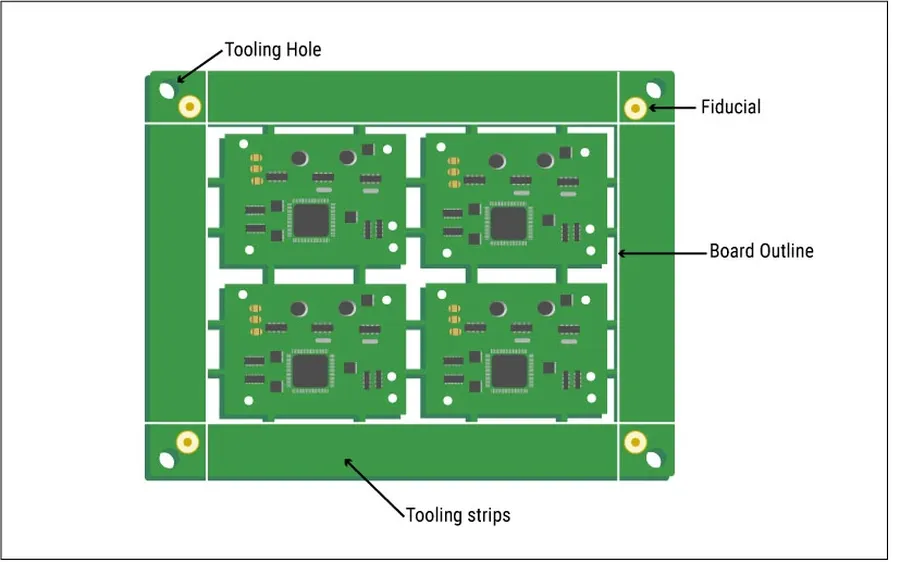
Reducing PCB plate costs requires a strategic approach that balances design choices, material selection, and efficient manufacturing practices, without sacrificing the required performance and reliability of the final product. By carefully considering these factors, it's possible to significantly lower expenses.
Understanding the intricacies behind PCB plate price involves a deep dive into various material, manufacturing process, and order volume factors. By understanding these critical cost drivers, whether you're a hobbyist or a professional, you can make informed decisions. The cost of a PCB plate can vary widely, from a few dollars for basic boards to hundreds for complex ones. So, by understanding these key factors, you're equipped to optimize your budget and ensure you get the best possible value for your electronic projects. Considering a balance between your budget and project requirements helps navigate the PCB market effectively. Always comparing quotes and suppliers to secure the best possible PCB plate price is a key to your success.

