In today's rapidly evolving electronics landscape, the demand for custom circuit boards is higher than ever. Whether you're a seasoned engineer or a hobbyist, selecting the right custom circuit board maker is crucial for your project's success. This article delves into the key considerations when choosing a PCB manufacturer, highlighting the available options and best practices to ensure your designs come to life flawlessly. Think of these boards as the nervous system of electronics; a custom circuit board maker brings your unique visions to life, linking technology to our daily lives and future innovations.
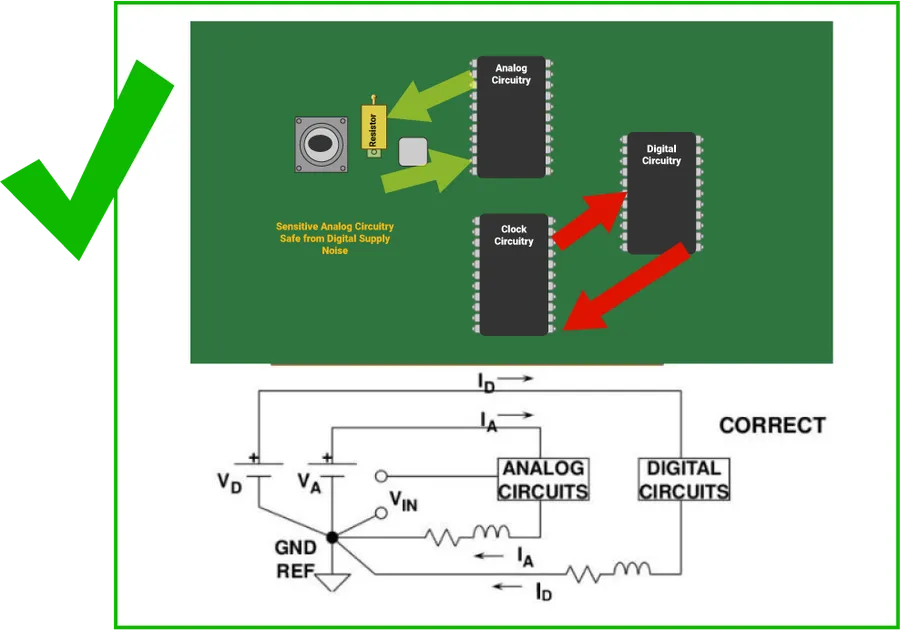
Before engaging a custom circuit board maker, a meticulous assessment of your project's specific requirements is paramount. This involves clearly defining the board's characteristics, including its type (single-layer, multi-layer), the materials required, its dimensions, and the necessary production volume. A crucial early decision involves determining whether the immediate need is for a rapid prototype or a full-scale production run. These initial considerations dictate the selection of the most appropriate manufacturer and service package.
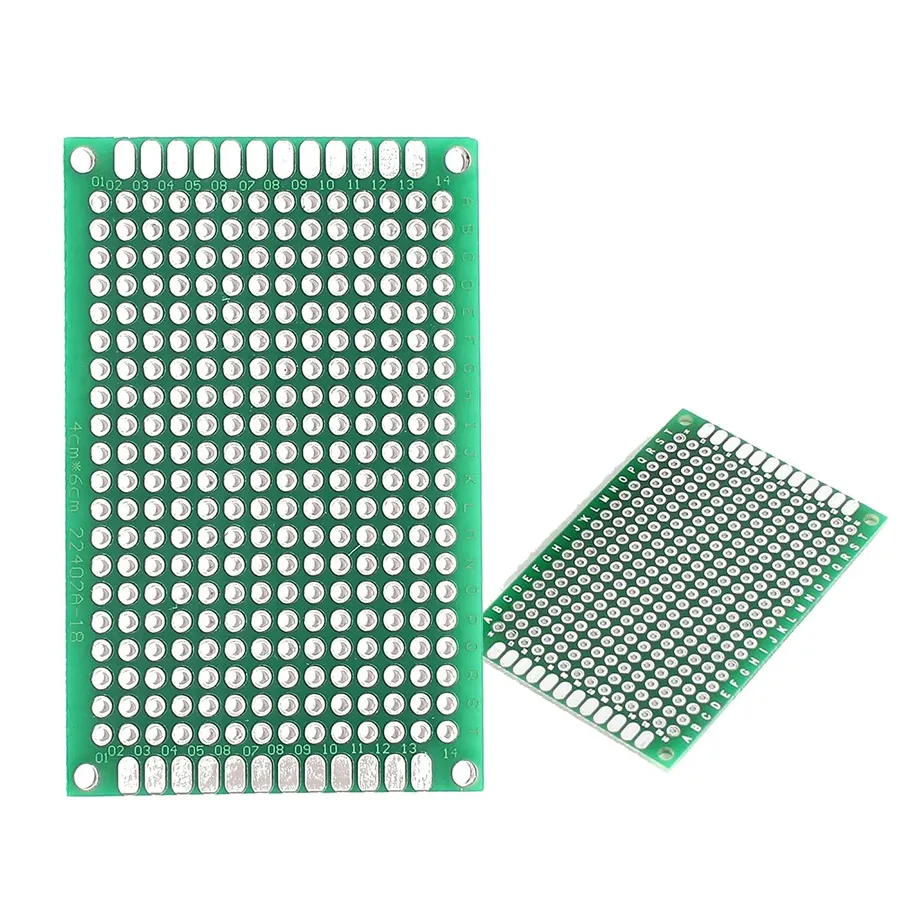
Selecting the appropriate service—prototype or production—is crucial when engaging a custom circuit board maker. These services cater to different project phases and requirements, affecting cost, turnaround time, and scalability. Understanding these distinctions will ensure optimal use of resources and a smoother development process.
| Feature | Prototype PCB Service | Production PCB Service |
|---|---|---|
| Purpose | Testing and Iteration | Large-Scale Manufacturing |
| Volume | Small Quantities | Large Quantities |
| Cost per Unit | Higher | Lower |
| Turnaround Time | Faster | Can be Longer Depending on Volume |
| Design Flexibility | High | Lower, Standardized Process |
| Testing and QA | Basic testing | Comprehensive testing, quality checks, and standards compliance |
Custom circuit board makers often provide specialized packages for each type of service. Prototypes, typically ordered in small quantities, allow for rapid testing and design revisions. Production runs, on the other hand, are for mass manufacturing once the design is finalized and validated. Knowing the differences helps in budgeting and timeline management.
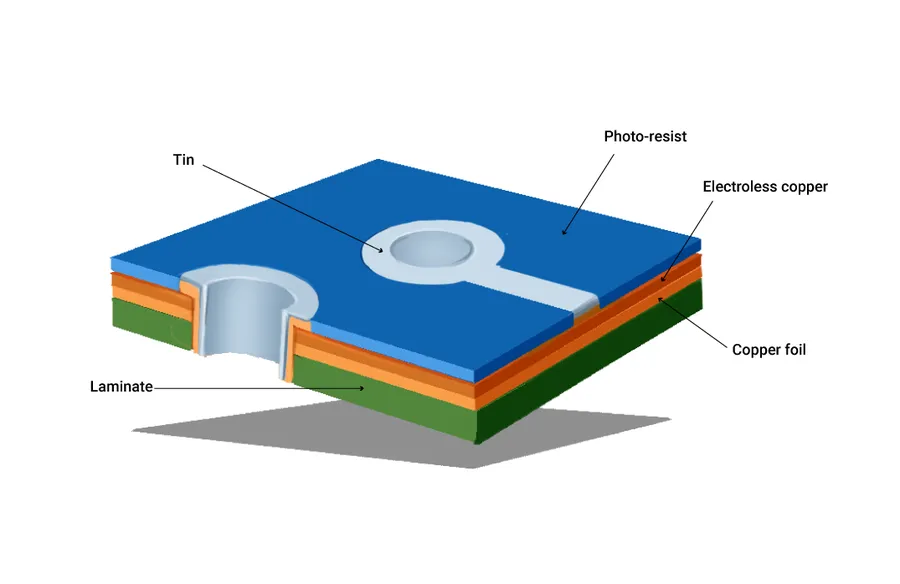
Selecting the right custom circuit board maker involves a careful evaluation of several critical factors. These elements directly impact the quality, cost, and timeliness of your project. A thorough understanding of these factors is crucial for making an informed decision.
| Factor | Description | Importance |
|---|---|---|
| Price | The cost per board, often influenced by quantity, board complexity, materials, and lead time. | Budget constraints often dictate the choice; however, the cheapest option is not always the best. |
| Turnaround Time | The time it takes from placing the order to receiving the finished boards. | Critical for projects with strict deadlines, particularly for prototyping and time-sensitive production. |
| Quality Control | The processes used to ensure boards are manufactured to specification, including inspections and certifications. | Directly affects the reliability and performance of the final product; a critical aspect for quality-focused applications. |
| Technical Support | Availability and quality of assistance provided by the manufacturer for technical issues and design reviews. | Essential for projects that involve complex designs or require support during the manufacturing process. |
| Material Options | The range of materials offered, impacting the board's performance and environmental tolerance. | Allows customization based on specific project needs, including high-temperature or high-frequency applications. |
| Minimum Order Quantity (MOQ) | The smallest number of boards a manufacturer is willing to produce. | Relevant for small-scale projects or initial prototypes. Manufacturers with lower MOQs are preferred for small production or pilot programs. |
| Certifications | Accreditations such as ISO 9001 or UL certifications indicating a manufacturer's adherence to quality and safety standards. | Provide assurances of quality and are essential for projects where compliance is required. |
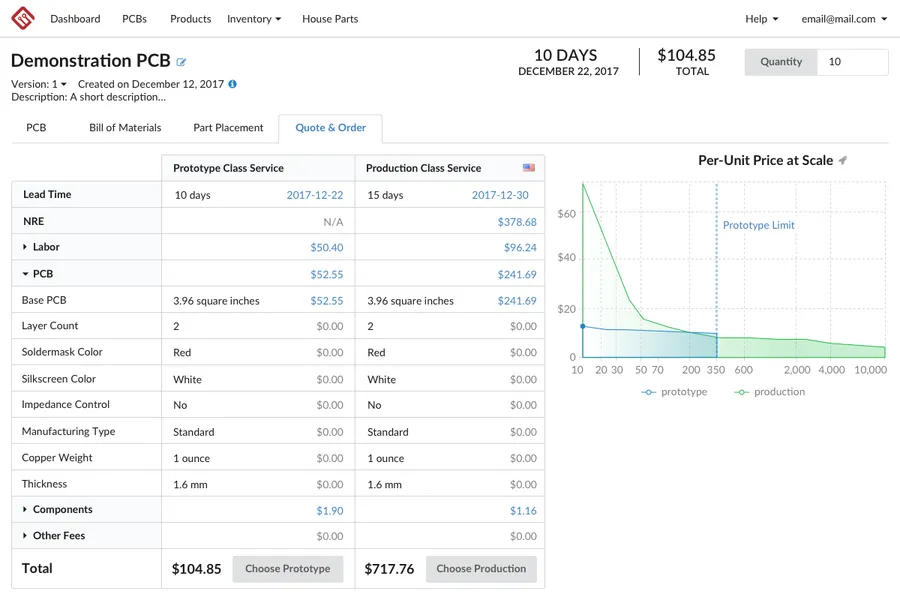
Selecting the right online PCB builder is crucial for the success of your electronics project. This section provides a comparative analysis of popular online PCB manufacturers, including JLCPCB, PCBWay, and DigiKey's service, to help you make an informed decision. We delve into their offerings, pricing structures, user interface design, payment methods, and customer reviews, with an emphasis on user experience and the ease of uploading Gerber files.
| Feature | JLCPCB | PCBWay | DigiKey |
|---|---|---|---|
| Base Price (Example for 10 PCBs, 100mm x 100mm, 2 layers) | Very competitive, starting at around $2-$5 | Moderate, slightly higher than JLCPCB | Typically higher; primarily a component supplier, PCB services as value add. |
| Turnaround Time (Prototype) | 24 hours to 2 days, depending on the complexity and order volume, plus shipping | 24 hours to 3 days, depending on options, plus shipping | Turnaround times vary and depend on manufacturing partner. |
| User Interface | Easy to use, with clear upload process and order tracking | Generally user-friendly, with a wide range of features | PCB design functionality is less prominent with emphasis on parts ordering. |
| Material Options | FR-4 standard, Aluminum, and various specialty materials available | FR-4 standard, aluminum, and a wide variety of advanced materials | Limited Material options, focused on standard FR-4. |
| Payment Options | PayPal, Credit Card, Wire Transfer | PayPal, Credit Card, Wire Transfer | Credit Card, Wire Transfer, and Purchase Orders for business customers |
| Customer Support | Responsive support through email and online ticketing system | Good support through various channels, including live chat | Customer service is mostly focused on part ordering and technical questions about components |
| Gerber File Upload Process | Direct upload with good error checking system | Straightforward upload with comprehensive validation checks | May involve third party tools for Gerber file generation. |
| Special Features | Assembly service, stencil service and multi-layer boards at competitive prices. | PCB assembly, advanced material options, and design assistance. | PCB service primarily through partnership, not its primary business. |
| Customer Reviews | Generally positive, known for cost-effectiveness | Good to very good reviews, known for quality and service | Digikey is a very trusted company, but PCB manufacturing is not its primary service. |
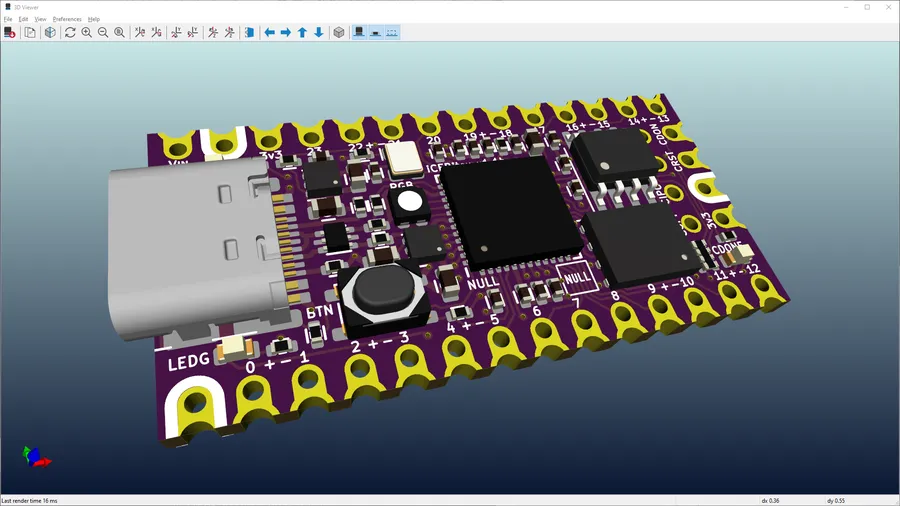
The availability of free and robust PCB design software has democratized electronics design, empowering both beginners and experts to create professional-grade circuit board layouts before engaging with a custom circuit board maker. These tools not only reduce design costs but also allow for iterative development and refinement of designs.
Proficiency in these design tools is crucial as it enables users to generate accurate Gerber files, which are the standard data format used by custom circuit board makers. Incorrectly generated Gerber files can lead to manufacturing errors, highlighting the need for a sound understanding of PCB design software.
Learning to utilize these free tools translates to significant cost savings, allowing designers to focus on refining their designs without financial constraints. This, in turn, enables more efficient and innovative electronic product development.
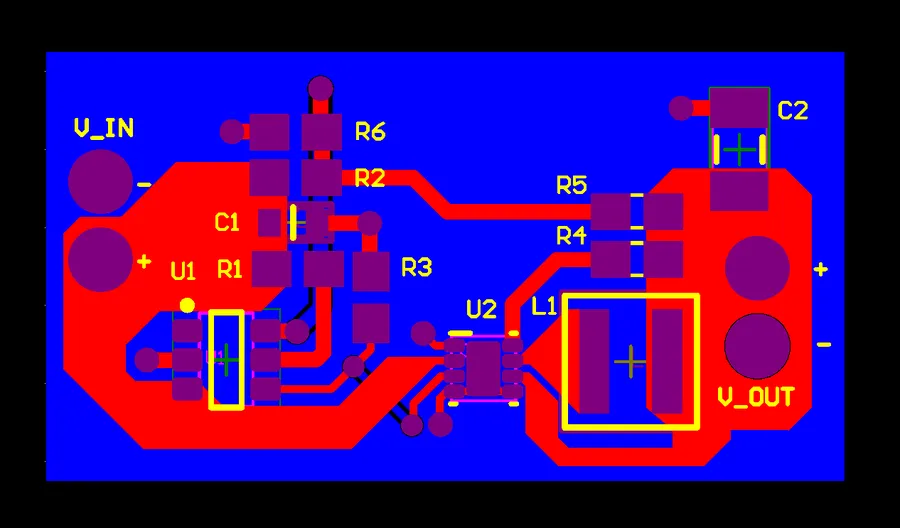
Gerber files are the standardized lingua franca of the PCB manufacturing world, serving as the critical bridge between your design and the physical realization of your circuit board. A custom circuit board maker relies entirely on these files to accurately translate your digital design into the precise fabrication steps needed for a functional PCB.
These files, typically in the RS-274X format, contain vector-based information describing each layer of your PCB design – from copper traces and solder masks to silkscreen markings and drill locations. Understanding how Gerber files are created and what information they contain is paramount to avoiding costly errors during PCB fabrication. In essence, if the Gerber files are not correctly generated, the final PCB will not be manufactured as intended.
This section addresses common inquiries regarding custom circuit board manufacturing, covering aspects such as cost, minimum order quantities, delivery times, and limitations on board complexity and layer counts. Understanding these factors is crucial for effectively utilizing a custom circuit board maker.
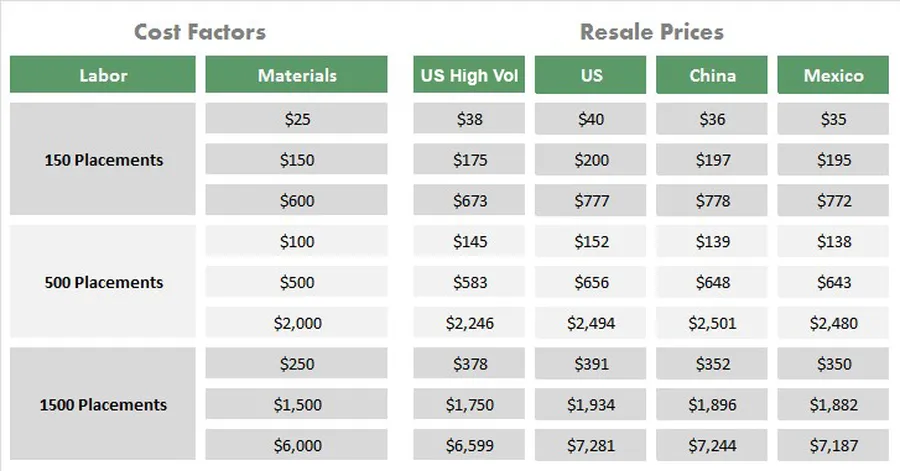
Understanding the cost drivers in custom circuit board manufacturing is crucial for budget management and project success. Several factors influence the final price, ranging from fundamental elements like material choice to complex variables such as production volume and specialized surface treatments. A strategic approach to these cost drivers allows for effective cost optimization without compromising the quality or performance of the circuit board.
| Cost Factor | Description | Impact on Cost | Optimization Strategies |
|---|---|---|---|
| Material | The type of substrate material (e.g., FR-4, aluminum, Rogers) used in PCB fabrication. | Higher cost materials like Rogers or aluminum increase the price significantly. | Choose standard materials like FR-4 when performance allows; explore material alternatives if cost optimization is paramount. |
| Board Size and Layers | Physical dimensions of the board and the number of conductive layers. | Larger boards and more layers add to complexity and cost. | Design with smaller board sizes and fewer layers if feasible; minimize unnecessary complexity in the layout. |
| Quantity | The number of circuit boards produced in a single run. | Unit cost decreases significantly with higher volumes due to economies of scale. | Consolidate orders to achieve higher production quantities; plan ahead for future requirements to maximize cost efficiency. |
| Complexity | The intricacy of the board's design, including trace widths, via counts, and component density. | Higher complexity requires advanced manufacturing processes, increasing cost. | Simplify design layouts where possible; optimize component placement; use standard design rules. |
| Surface Finish | Type of plating applied to exposed copper (e.g., HASL, ENIG, Immersion Silver). | Advanced finishes like ENIG increase cost compared to HASL. | Use basic finishes like HASL if performance requirements allow; balance performance and cost. |
| Specialized Requirements | Features such as impedance control, blind vias, and custom solder mask colors. | Special requirements add significant costs to manufacturing. | Limit special requirements to essential needs; carefully consider the justification and costs before implementing. |
| Testing | Type and depth of testing required, such as Flying Probe, ICT, or functional testing. | Extensive testing increases the cost but ensures product reliability. | Prioritize necessary testing; balance cost and reliability; plan testing requirements upfront. |
In summary, a thorough evaluation of these cost factors in relation to the design requirements enables informed decision-making and effective cost management during the custom circuit board manufacturing process. Working with a custom circuit board maker that provides transparent cost breakdowns can be highly beneficial for budget adherence and project success.
Selecting the right custom circuit board maker is critical for the success of your project. This section provides a concise checklist of actionable steps to ensure you choose a reliable and high-quality manufacturer, minimizing risks and maximizing the potential for a successful outcome.
Choosing the right custom circuit board maker is a critical step in the development of any electronic project. By understanding your project’s requirements, comparing available options, and carefully evaluating various factors, you can ensure high-quality fabrication and successful outcomes. With the right custom circuit board maker, you can bring your most innovative ideas from concept to reality, demonstrating the seamless blend of social science and technology.

