In today's technology-driven world, custom printed circuit boards (PCBs) are the backbone of countless electronic devices. From simple gadgets to advanced medical equipment, the demand for custom PCBs is constantly growing. Understanding the nuances of 'custom pcb board cost' is crucial for both hobbyists and professional engineers. This article provides a comprehensive breakdown of what impacts the price of a custom PCB, guiding you through the complexities to help you make informed decisions and optimize your budget.
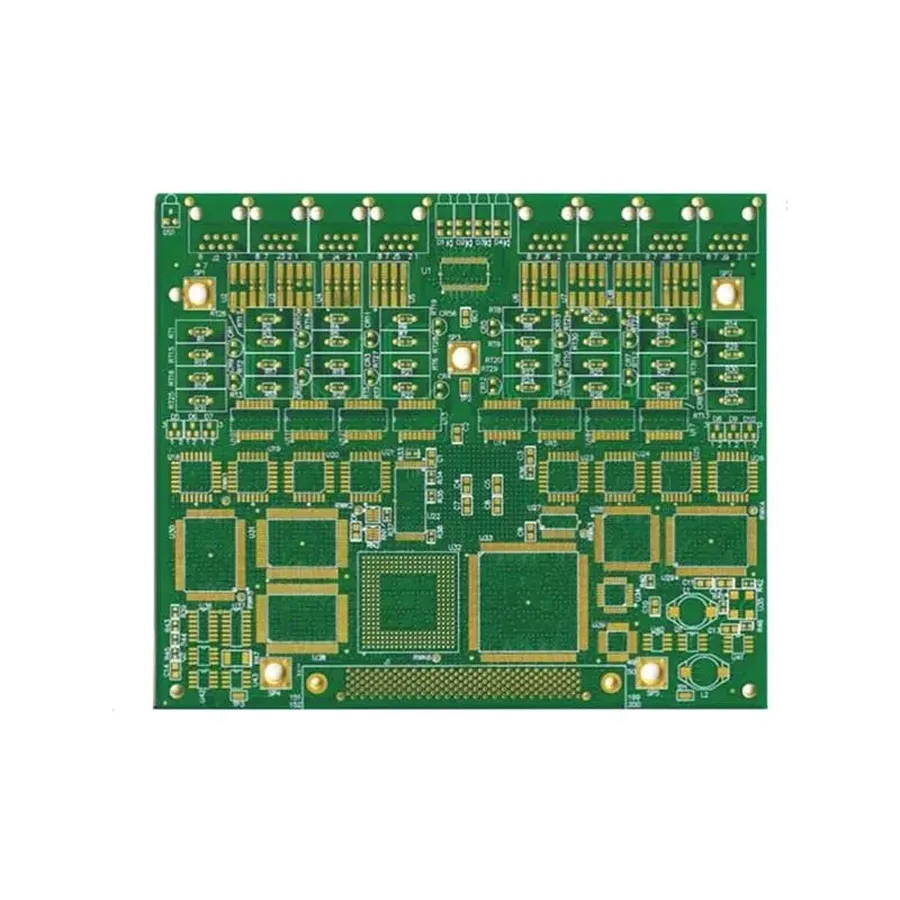
The cost of a custom Printed Circuit Board (PCB) is not a fixed value; it's a composite determined by several interconnected factors. Understanding these primary determinants—board size, number of layers, material selection, and design complexity—is crucial for accurate budgeting and cost-effective PCB design. Each of these aspects contributes uniquely to the final price, and careful consideration during the design phase can lead to significant cost savings.
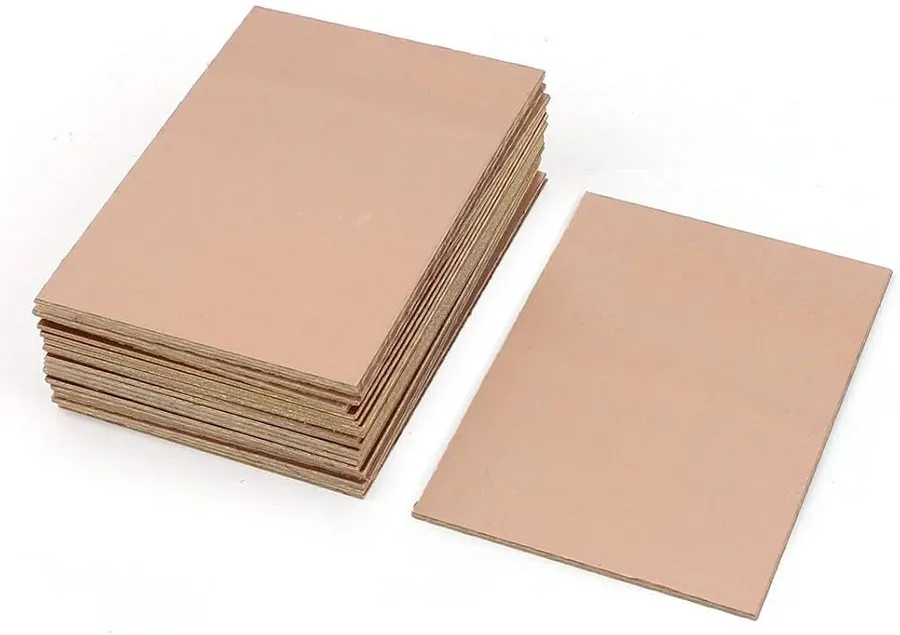
The choice of materials in PCB manufacturing significantly influences both the performance and cost of the final product. Different materials offer varying electrical, thermal, and mechanical properties, directly impacting the price point. Selecting the appropriate material is a critical step in the design process and requires a careful consideration of project requirements and budget constraints.
| Material | Cost (Relative) | Dielectric Constant (Approximate) | Typical Applications | Advantages | Disadvantages |
|---|---|---|---|---|---|
| FR-4 | Low to Moderate | 4.5 | General purpose PCBs, most consumer electronics | Widely available, cost-effective, good mechanical strength | Higher dielectric loss at high frequencies, limited thermal performance |
| Rogers (e.g., 4350B) | High | 3.66 | High-frequency applications, RF circuits, aerospace | Low dielectric loss, stable dielectric constant over frequency, excellent thermal properties | More expensive than FR-4, higher material cost |
| CEM-1 | Low | 4.2 | Single-sided PCBs, less demanding applications | Lower cost than FR-4, relatively good electrical properties | Lower mechanical strength, not suitable for multi-layer boards |
| Polyimide | High | 3.4 | Flexible PCBs, high-temperature applications, aerospace | Excellent thermal stability, high flexibility | High cost, sensitive to moisture |
| Metal Core (e.g., Aluminum) | Moderate to High | N/A | LED lighting, power electronics | Excellent heat dissipation, good mechanical strength | More difficult to manufacture, not suitable for fine traces |
As shown in the table, FR-4 stands out as the most commonly used material due to its balance of cost-effectiveness and reasonable performance characteristics. Rogers materials, while more expensive, offer superior performance in high-frequency applications. Material selection should always be made in the context of the specific requirements of each application.
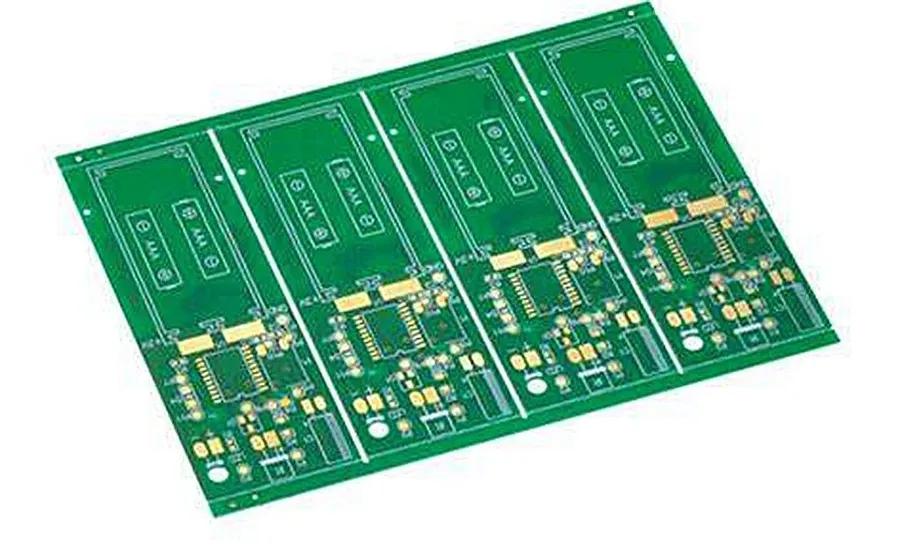
The number of layers in a Printed Circuit Board (PCB) is a primary determinant of its manufacturing cost. As the layer count increases, so does the complexity of the fabrication process, leading to higher production expenses. This section explores the cost implications of single-layer, double-layer, and multi-layer PCBs, offering a clear understanding of how layer count influences the final price.
| PCB Type | Layer Count | Typical Applications | Cost Factor | Complexity |
|---|---|---|---|---|
| Single-Layer | 1 | Simple electronics, basic circuits, LEDs | Lowest | Low |
| Double-Layer | 2 | Intermediate complexity circuits, basic digital electronics | Moderate | Medium |
| Multi-Layer | 3+ | Complex electronics, high-density circuits, advanced applications | High | High |
Each additional layer introduces the need for more precise alignment, additional lamination processes, and more advanced manufacturing techniques, all of which contribute to increased cost.
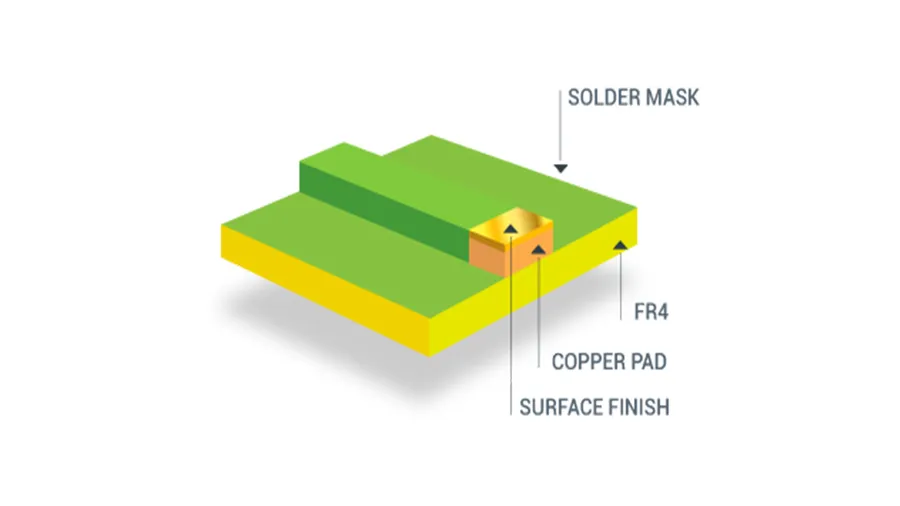
The surface finish of a Printed Circuit Board (PCB) is a critical factor influencing both its cost and long-term reliability. Different finishes provide varying levels of protection against oxidation and corrosion, as well as impacting solderability. Choosing the appropriate finish requires careful consideration of the project’s specific requirements and budget constraints. This section will detail some of the common PCB surface finishes, evaluating the cost implications and benefits of each.
| Surface Finish | Cost | Solderability | Corrosion Resistance | Longevity | Typical Application |
|---|---|---|---|---|---|
| HASL (Hot Air Solder Leveling) | Low | Good | Moderate | Moderate | General purpose PCBs |
| ENIG (Electroless Nickel Immersion Gold) | High | Excellent | Excellent | High | High-reliability and fine-pitch components |
| OSP (Organic Solderability Preservative) | Low | Good | Poor | Low | Cost-sensitive applications with single reflow |
| Immersion Tin | Medium | Good | Good | Moderate | Fine pitch components with moderate shelf life needs |
| Immersion Silver | Medium | Good | Good | Moderate | Fine pitch components |
Each surface finish offers a different balance of cost, performance, and durability. HASL is a cost-effective, and widely used option, while ENIG provides superior performance for high-reliability applications at a premium cost. OSP is another low cost alternative, however it's limited shelf life and single reflow constraint may be limiting for some applications.

The intricacy of a Printed Circuit Board (PCB) design significantly impacts its manufacturing cost. Complex designs with a high density of components, numerous vias, and intricate trace patterns demand more sophisticated manufacturing processes, leading to increased expenses. Design complexity translates directly to longer production times, higher material utilization, and potentially higher defect rates, all of which affect the final cost.
| Design Element | Impact on Cost | Description |
|---|---|---|
| Number of Vias | Increased Cost | Vias, which are plated through-holes connecting different layers, add complexity and material usage. Microvias, which are even smaller, require specialized drilling and plating techniques, driving up costs further. |
| Trace Density and Width | Increased Cost | Fine traces and high trace density require advanced fabrication processes and precise control. Narrow traces can lead to yield issues and require more accurate imaging equipment, thus higher cost. |
| Component Density | Increased Cost | Higher component density leads to tighter spacing, requiring finer pitch SMT placement, and more precise and advanced equipment which increases the complexity of the assembly processes. |
| Board Size | Increased Cost | Larger boards use more material and may require specialized manufacturing processes, increasing the cost of PCB board. |
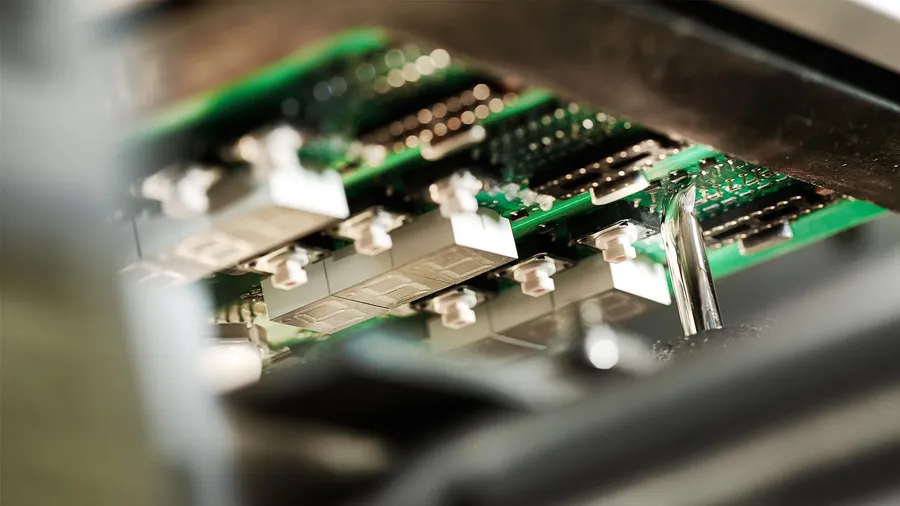
The quantity of custom PCB boards ordered significantly influences the per-unit cost due to economies of scale. Larger production runs distribute fixed costs—such as setup fees, tooling, and initial programming—across more units, resulting in a lower cost per board. Understanding this relationship is crucial for cost-effective PCB manufacturing.
| Quantity | Setup Cost (Hypothetical) | Variable Cost per Board (Hypothetical) | Total Cost | Cost Per Board |
|---|---|---|---|---|
| 10 | $100 | $5 | $150 | $15.00 |
| 100 | $100 | $5 | $600 | $6.00 |
| 500 | $100 | $5 | $2600 | $5.20 |
| 1000 | $100 | $5 | $5100 | $5.10 |
The break-even point represents the production volume where total revenue equals total cost. While not directly applicable to PCB purchasing (which is a cost rather than revenue driver), it serves as a useful concept to understand the point at which further cost reductions become less significant. This point is different for every project, but it can be seen that the biggest savings in unit cost comes early, with diminishing savings in larger volumes. Manufacturers often have different pricing tiers based on order volume, further illustrating this economy of scale. For instance, a small order might incur a disproportionately higher setup fee per board, while larger orders can secure bulk discounts.
It's important to align your order quantity with your project needs and budget constraints. Ordering too many PCBs will lead to wasted inventory, while ordering too few may cause delays and higher unit costs for future reorders. Analyze project requirements, potential future needs, and cost implications before finalizing your order quantity. For example, if your project is a prototype or proof of concept, then it might be more effective to do a small order first and then order in larger quantities once testing is complete.
Turnaround time, the duration from placing an order to receiving the finished PCBs, significantly impacts the final cost. Expedited manufacturing processes inherently command a premium due to the resource allocation and scheduling adjustments required for faster production.
Balancing the need for speed with budget constraints is crucial. Understanding the relationship between turnaround time and cost allows for strategic project planning and cost-effective decision-making.
| Turnaround Time | Cost Impact | Suitability | Considerations |
|---|---|---|---|
| Standard (e.g., 1-2 weeks) | Lowest cost | Typical projects with flexible deadlines | Allows for efficient batching and resource allocation. |
| Expedited (e.g., 3-7 days) | Moderate increase | Projects requiring faster delivery but not immediate | May involve prioritization and adjusted scheduling. |
| Rush/Fast (e.g., 1-2 days) | Highest cost | Urgent projects with critical deadlines | Requires immediate production and may have limited availability. |
The cost increase associated with faster turnaround times is a reflection of the increased operational costs required to expedite the manufacturing process. This includes potentially re-prioritizing production schedules, using overtime labor, and faster shipping methods.
This section addresses common inquiries regarding the cost of custom PCB boards, providing concise answers to help you better understand the pricing factors and make informed decisions.
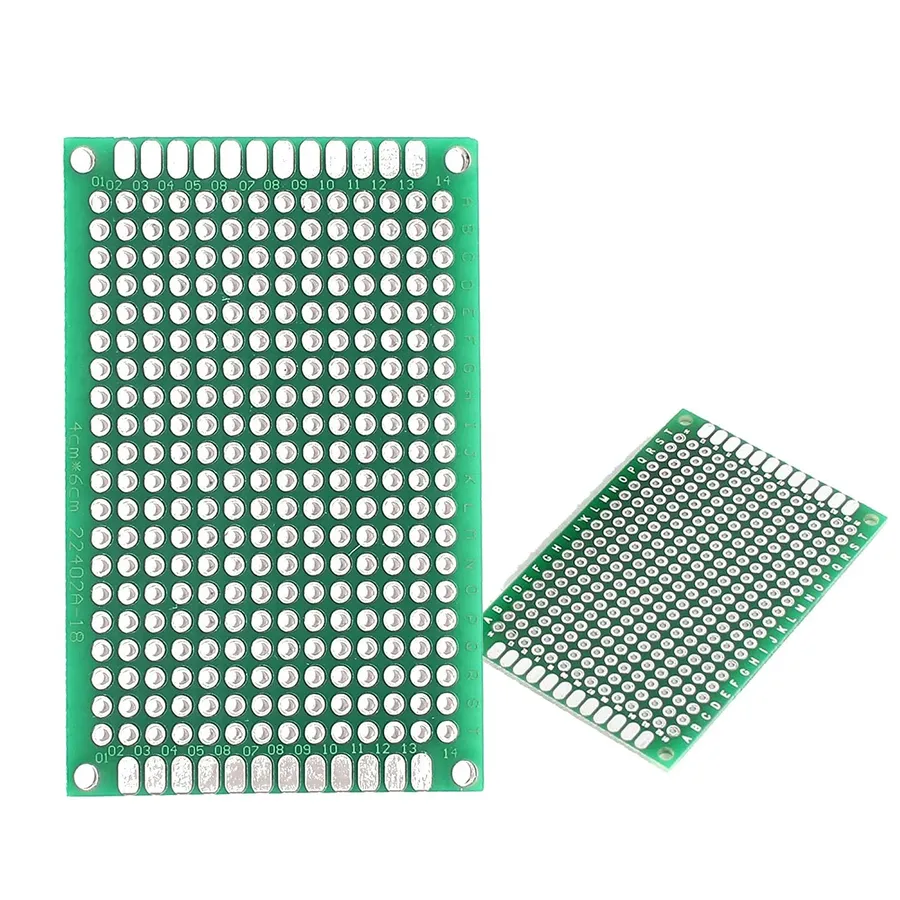
Optimizing the cost of custom PCBs requires a strategic approach that balances functionality and budget. By employing smart design practices and effective negotiation strategies, significant cost reductions can be achieved without sacrificing quality or performance.
Navigating the complexities of 'custom pcb board cost' requires careful consideration of numerous factors, from material selection and design complexity to production volume. By understanding these elements and implementing cost-optimization strategies, you can secure high-quality custom PCBs that fit your project's budget and performance needs. Keep abreast of market trends and innovative manufacturing techniques to ensure your projects remain cost-effective and competitive. Ultimately, whether you're a hobbyist or an industry professional, making informed choices will lead to successful and economically viable PCB solutions. Considering the overall project, the per-unit custom pcb board cost is a key factor to consider in the initial stages.

