In today’s fast-paced electronics landscape, custom PCBs are the backbone of countless innovations. From simple hobbyist projects to complex industrial applications, the need for a reliable custom PCB maker is paramount. Choosing the right partner can be the difference between success and setbacks. This guide will explore the key aspects to consider when selecting a custom PCB maker, providing actionable insights and practical tips to ensure your project's success.
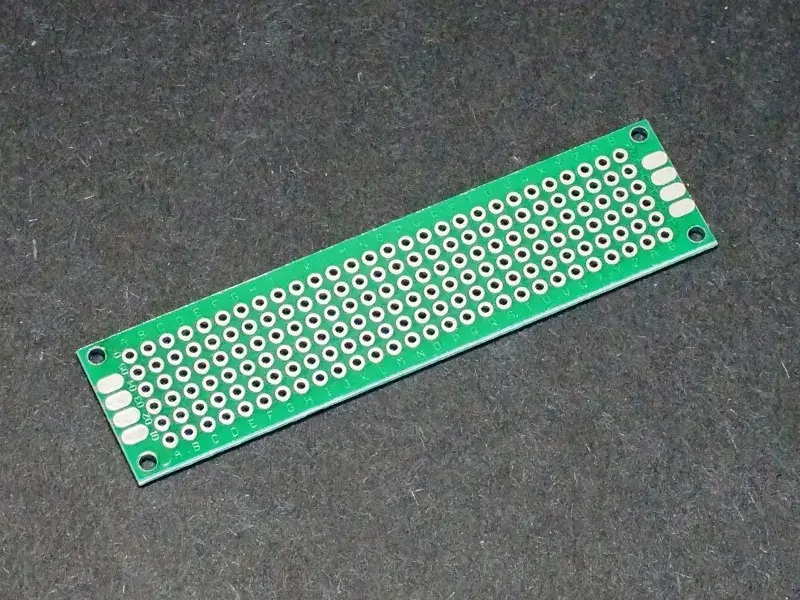
The selection of a custom PCB maker hinges significantly on a clear understanding of your project's phase: are you in the prototyping stage, requiring a small batch for design validation, or are you scaling up to full production volumes? This initial assessment is crucial, as it directly influences the choice of manufacturer and their specific capabilities.
| Characteristic | Prototyping | Production |
|---|---|---|
| Volume | Low (few units) | High (hundreds to thousands+ units) |
| Purpose | Design Validation, Proof of Concept, Testing | Mass Manufacturing, Commercial Deployment |
| Lead Time | Typically Shorter, Focus on Speed | Can vary depending on complexity and volume |
| Cost Per Unit | Higher | Lower due to economies of scale |
| Design Flexibility | May be more iterative and flexible | Design usually finalized |
| Quality Requirements | While good quality is needed, may not be full commercial spec | Strict requirements for reliability and performance |
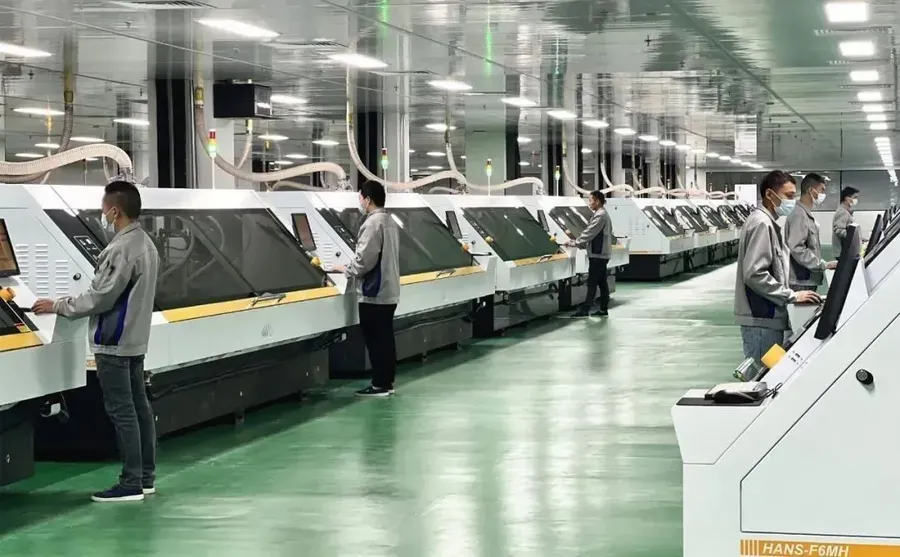
Selecting the right custom PCB maker hinges on a thorough evaluation of their capabilities. This involves assessing their technology, equipment, material options, surface finish choices, and layer count capabilities to ensure they align with your current and future project requirements.
| Factor | Description | Importance |
|---|---|---|
| Technology and Equipment | Includes the types of machines (e.g., CNC drills, laser direct imaging) and their precision. Advanced equipment supports finer traces and smaller vias. | Critical for achieving high-density and complex designs. |
| Material Options | The choice of substrate material (e.g., FR-4, Rogers, aluminum) affects performance, heat dissipation, and cost. Consider dielectric constant, loss tangent, and thermal conductivity. | Crucial for performance in high-frequency, high-temperature, or high-reliability applications. |
| Surface Finish Choices | Options like HASL, ENIG, and immersion silver protect the copper and provide a solderable surface. The appropriate finish depends on the assembly process and usage environment. | Impacts solderability, corrosion resistance, and long-term reliability. |
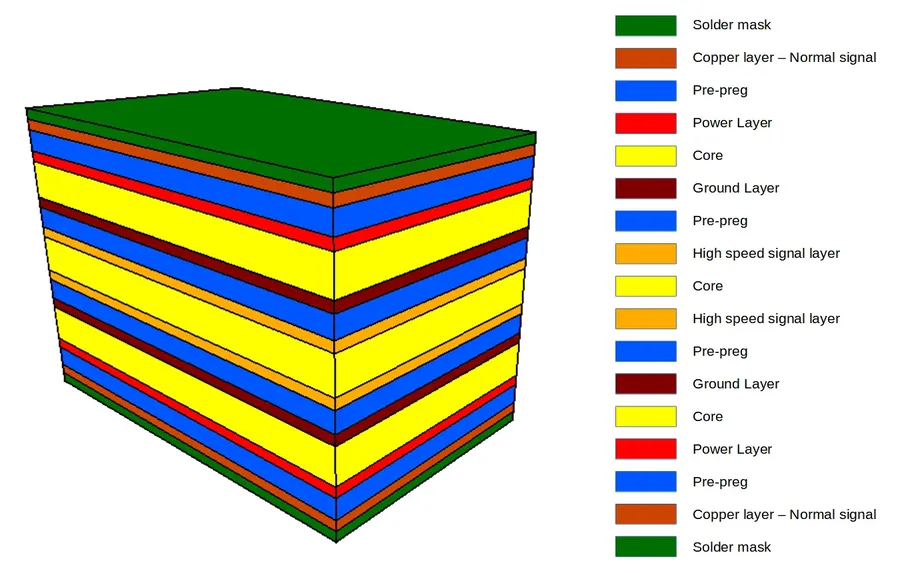
| Layer Count Capabilities | The number of copper layers a manufacturer can produce. More layers allow for complex routing and higher component density. | Essential for complex multi-layer designs. |
| Minimum Trace Width and Spacing | The smallest features a manufacturer can reliably produce. Directly impacts the density and complexity of your PCB. | Determines the complexity of designs that can be manufactured. |
| Minimum Drill Hole Size | The smallest hole size they can reliably drill. This can affect via size and component selection. | Determines the size of vias and impacts component selection. |
| Impedance Control | Ability to control the characteristic impedance of traces, essential for signal integrity. | Vital for high-speed digital and RF designs. |
Beyond these core technical aspects, also consider the manufacturer's capacity for scalability. Can they handle your transition from prototyping to mass production, should the need arise? Verify certifications (e.g., ISO 9001) that demonstrate quality control processes. Furthermore, explore their design rule checking capabilities and the software they employ for CAD file review to avoid unnecessary production delays due to design errors.
Selecting a custom PCB maker involves a careful balance between cost and quality. A thorough cost analysis should extend beyond the per-unit price and incorporate various factors such as tooling charges, shipping costs, and the impact of order volume on pricing. Understanding these elements is crucial to optimizing your budget without compromising the performance and reliability of your PCBs.
| Cost Factor | Description | Impact on Total Cost |
|---|---|---|
| Tooling Costs | One-time charges for preparing the manufacturing equipment, often associated with new designs. | Significant for small prototype runs; less impactful for large production volumes. |
| Per-Unit Costs | The cost of manufacturing each PCB. | Decreases as order volume increases due to economies of scale. |
| Shipping Fees | Costs associated with transporting the finished PCBs. | Varies based on distance, speed, and shipping method; can be significant for international orders. |
| Material Costs | Cost associated with raw materials, like FR4, aluminum, and copper. | Material selection can greatly increase or decrease the per unit cost. |
| Expedited Fees | Additional costs for faster production times. | Substantially increases costs, especially if rapid turnaround is needed. |
| Testing and Quality Check Fees | Extra costs for any special quality checks. | Increase costs, but ensures high quality and reliability. |
It's also crucial to differentiate between manufacturers offering low prices at the expense of quality and those who offer competitive pricing without sacrificing performance or reliability. For example, a very low price may imply lower quality materials, slower turnaround, or less rigorous testing. When evaluating costs, therefore, always consider the total cost of ownership, including the potential costs associated with failures, rework, or recalls.
Turnaround time is a critical factor when selecting a custom PCB maker, particularly for projects with strict deadlines. It encompasses the entire duration from order placement to delivery of the finished PCBs. Understanding and optimizing this timeline is vital for project success, and can be achieved through careful selection of your custom PCB maker.
The following table outlines common turnaround time considerations, and strategies to meet deadlines.
| Factor | Description | Impact on Turnaround Time | Mitigation Strategies |
|---|---|---|---|
| Order Complexity | Number of layers, board size, material specifications, complexity of layout. | Directly increases the manufacturing time and quality checks required. | Simplify design where possible, provide clear and complete specifications. |
| Manufacturer's Capacity | Current workload and availability of production resources. | Can significantly impact how quickly the order is processed. | Check manufacturer's lead time and capacity prior to ordering, consider manufacturers with proven track record of on-time delivery. |
| Expedited Manufacturing | Faster processing options at a premium price. | Reduces the production time dramatically. | Assess if the additional cost is worth meeting the deadline, use only if absolutely necessary. |
| Shipping Speed | Shipping method and distance between manufacturer and project. | Direct impact on final delivery time. | Choose shipping that matches the project schedule and costs. Consider local or domestic makers for faster shipping. |
| Order Size | Number of PCBs requested. | Larger orders typically require longer processing. | Plan orders in advance, consider splitting into smaller batches if feasible. |
| Communication Efficiency | Speed of responses from the PCB maker during the ordering process. | Delays can occur from back-and-forth regarding design clarifications. | Work with PCB makers with clear communication channels and quick response times. |
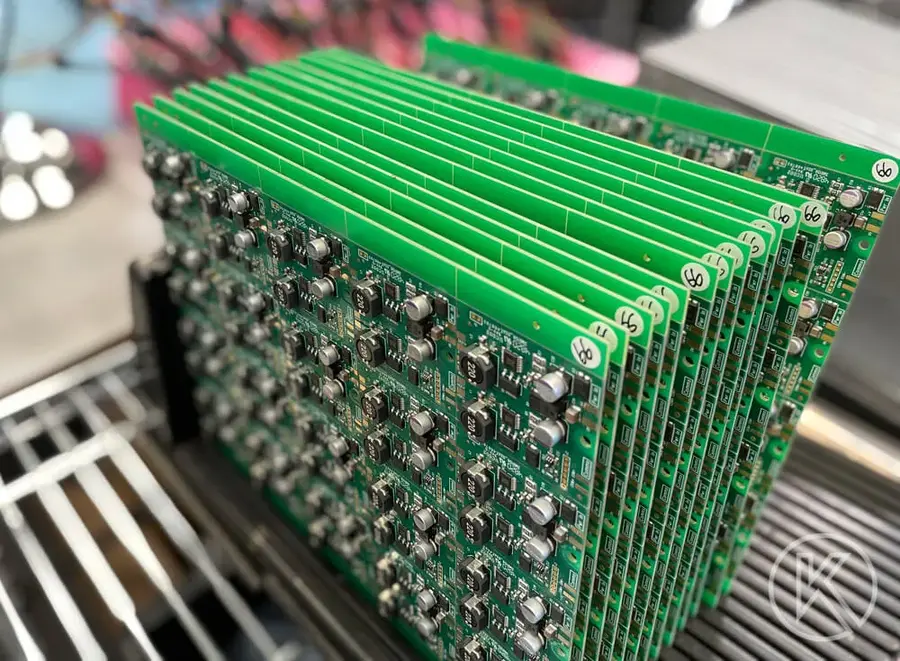
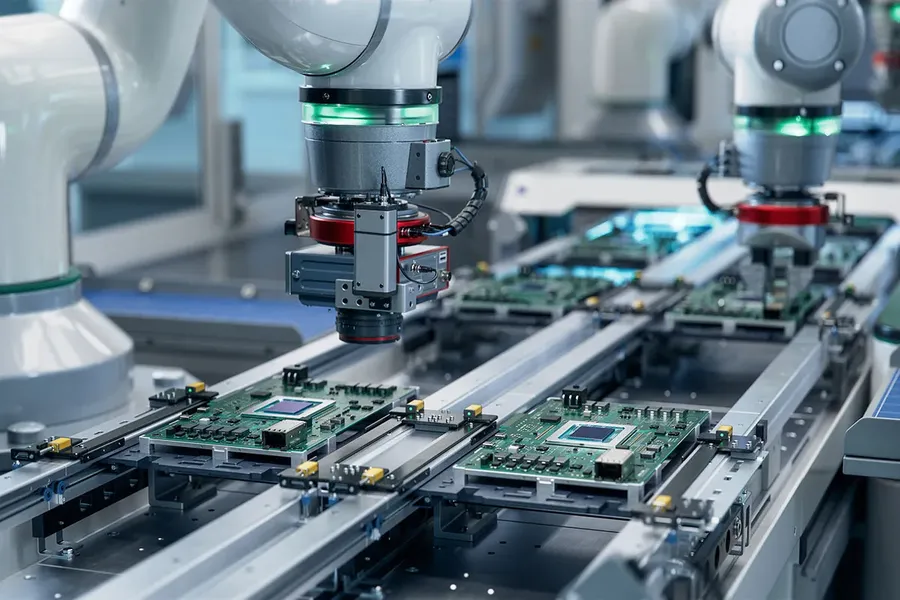
Moving beyond bare board fabrication, many custom PCB makers offer comprehensive assembly services, transforming your designs into fully functional electronic products. This integrated approach streamlines the manufacturing process, reducing the need to coordinate multiple vendors and ensuring a cohesive final product.
Key aspects of PCB assembly services include component sourcing, solder paste application, component placement, soldering, and testing, each critical to the final product's performance and reliability.
| Service | Description | Benefits |
|---|---|---|
| Component Sourcing | Procurement of all required parts based on BOM. | Reduces supply chain complexity, ensures compatible components. |
| Solder Paste Application | Precise application of solder paste to PCB pads. | Ensures uniform solder application, minimizes soldering defects. |
| Component Placement | Automated or manual placement of components. | High accuracy, fast assembly, reduces manual labor. |
| Soldering (Reflow/Wave) | Melting solder to form reliable component connections. | Robust connections, proper joints for surface mount and through-hole. |
| Testing (Visual/Electrical/Functional) | Verification of assembly quality and functionality. | Early detection of errors, ensures quality and reliability. |
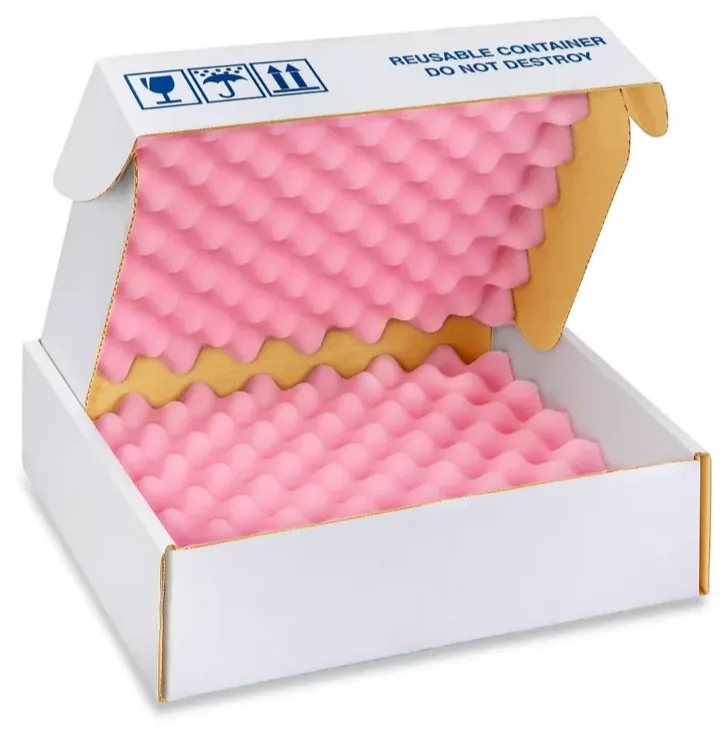
The geographic location of your custom PCB maker significantly impacts lead times and overall project costs. Understanding the implications of shipping distances and times is crucial for maintaining project timelines and budgets. Choosing a domestic or local manufacturer can drastically reduce shipping times, and in some cases, can provide benefits in terms of communication due to shared time zones.
| Factor | Domestic/Local Manufacturer | International Manufacturer |
|---|---|---|
| Shipping Time | Typically shorter, often within a few days. | Longer, usually several days to weeks depending on customs and location. |
| Shipping Costs | Generally lower due to shorter distances and less complex logistics. | Higher due to international shipping rates and customs fees. |
| Lead Time | Faster turnaround times are common due to geographical proximity. | Potentially longer turnaround due to transit times and different working hours. |
| Communication | Easier due to shared time zones and potentially cultural similarities. | May encounter delays in communication due to time zone differences and language barriers. |
| Potential Customs Delays | Minimal or no risk. | Increased risk of customs delays which can impact project timelines. |
For projects with tight deadlines or those requiring frequent communication, a domestic or local PCB maker might be the preferred option, although this may come with higher per-unit costs. Conversely, international manufacturers can offer more competitive pricing, especially for larger production runs, but you must account for longer shipping times and the possibility of communication challenges. Therefore, the decision needs careful evaluation of the trade-offs between cost, time, and ease of communication.
This section addresses common queries regarding custom PCB manufacturing, providing clear and concise answers to help you navigate the process effectively. We will delve into questions about the feasibility of custom PCBs, costs involved, manufacturer selection, and the capabilities of specific suppliers.
Assessing customer support and reviews is crucial for selecting a reliable custom PCB maker. A responsive and helpful support team can significantly streamline your project, swiftly addressing any issues that arise during the fabrication or assembly process. Thoroughly researching customer experiences provides invaluable insights into a manufacturer's consistency, quality, and dedication to customer satisfaction.
Customer feedback often reveals a manufacturer's true capabilities beyond advertised claims. Pay close attention to recurring themes, both positive and negative, in customer testimonials. Consistent patterns of issues or praise can indicate what you might expect from your experience.
Consider these key elements when analyzing reviews and customer support:
Selecting the optimal custom PCB maker requires a strategic approach, carefully considering various factors to align with your project's specific demands. This section provides actionable guidance to ensure you make an informed decision, focusing on practical considerations to streamline the entire process.
Choosing the right custom pcb maker is critical for a successful electronics project. By understanding your project needs, considering key factors such as price, turnaround, and customer support, you can find a reliable partner. This comprehensive guide equips you to make informed decisions, ensuring you are well-positioned to bring your designs to life with the best custom pcb maker.

