In today's fast-paced technology landscape, selecting the right EMS PCB manufacturer is crucial for bringing innovative products to market efficiently. Just like the intricate network of neurons firing in the brain, PCB assembly forms the foundation of most electronics. This article delves into the essential aspects of choosing the ideal partner to ensure the success of your project, connecting the intricate world of electronics with the human need for innovation and reliability.
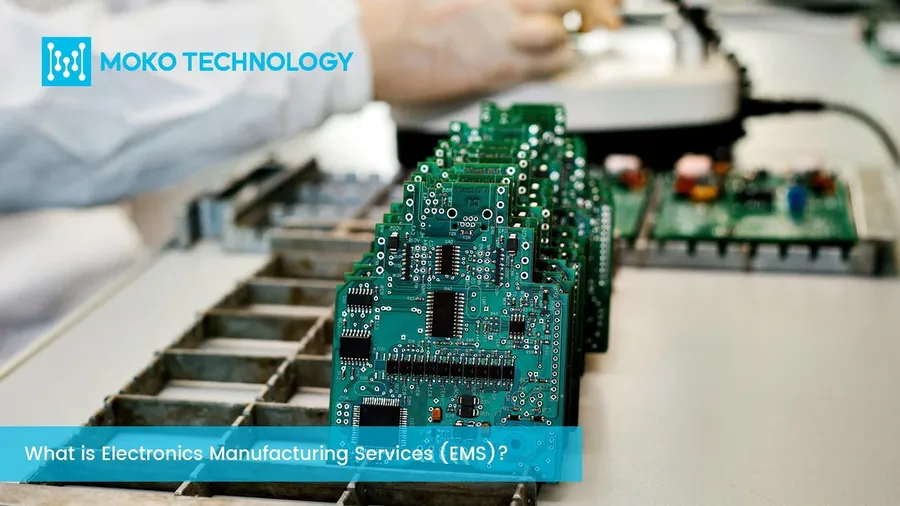
An Electronic Manufacturing Services (EMS) PCB manufacturer is a crucial partner in the production of printed circuit boards, offering a suite of services that extend beyond mere assembly. They manage the complexities of PCB production, from initial design and component sourcing to final testing and logistics. This allows product companies to focus on their core competencies, such as product design and marketing, while relying on the expertise of an EMS provider for efficient and high-quality PCB manufacturing.
The role of an EMS provider is multifaceted, encompassing not only the physical assembly of electronic components onto the PCB but also the intricate supply chain management, quality control, and adherence to industry standards. This comprehensive approach ensures that the finished PCBs meet the required performance specifications and reliability standards, facilitating the smooth launch of electronic products.
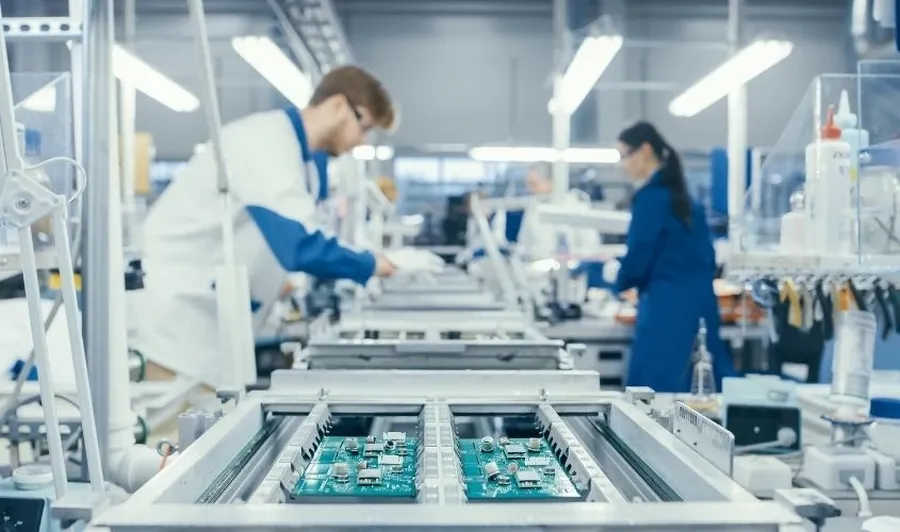
Selecting the right Electronic Manufacturing Services (EMS) provider for your Printed Circuit Board (PCB) assembly is crucial for ensuring product quality, reliability, and timely delivery. This section details the essential criteria to consider when evaluating potential EMS partners, emphasizing factors that directly impact the success of your PCB manufacturing process.
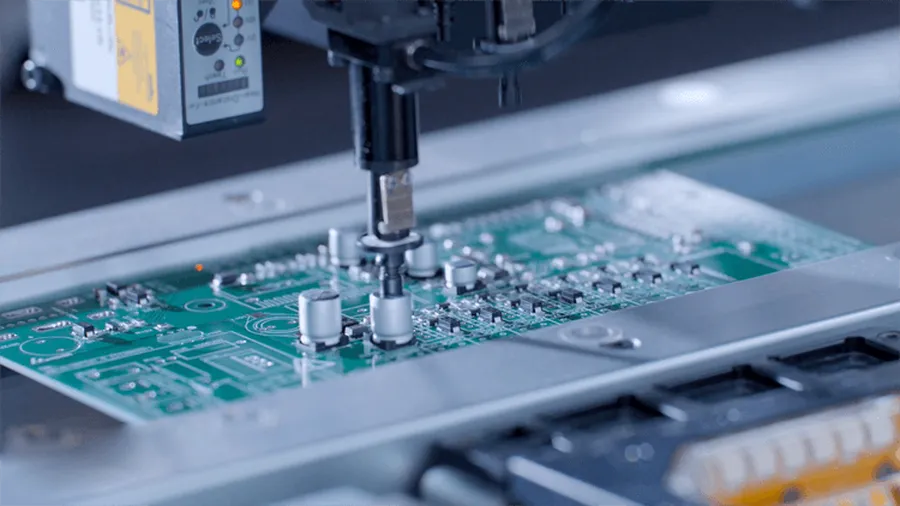
Electronic Manufacturing Services (EMS) providers offer a diverse array of PCB assembly services to meet varying project requirements. Understanding these different techniques is crucial for selecting the most appropriate service to ensure the highest quality, efficiency, and cost-effectiveness of your electronic products.
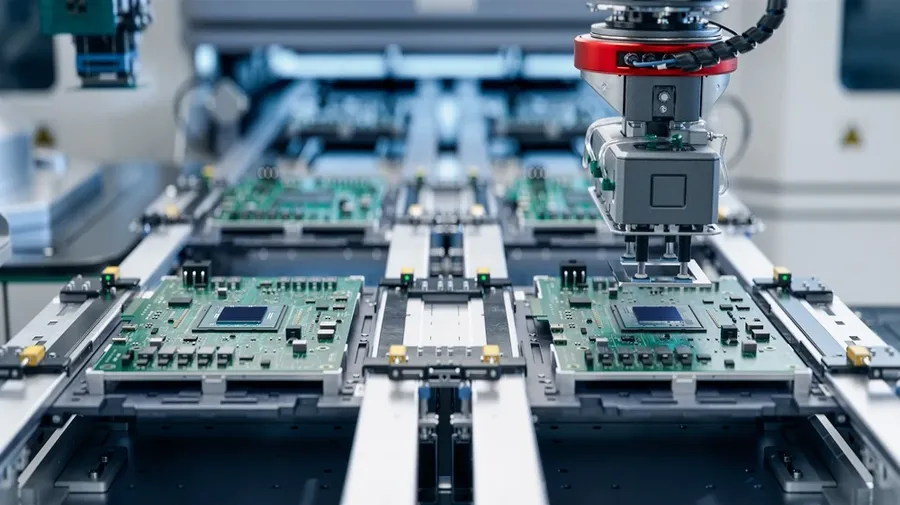
A critical aspect of choosing an Electronic Manufacturing Services (EMS) provider for PCB manufacturing is evaluating their technological prowess. This encompasses not just the machinery they employ, but also the expertise of their personnel and their ability to adapt to increasingly complex design requirements and evolving industry standards. A capable EMS provider will possess the infrastructure to handle intricate PCB layouts, utilize cutting-edge equipment, and demonstrate the scalability necessary to meet fluctuating production demands while ensuring consistent quality.
The following points delineate key areas of technological capabilities that should be carefully scrutinized:
The selection of an EMS PCB manufacturer should not only consider the present technological requirements of a project but also future needs. It is essential to select a partner who actively invests in technology to maintain pace with industry advancements. This approach ensures that the EMS provider can provide consistent quality, flexibility and scalability, which are essential for both current and upcoming PCB manufacturing challenges.
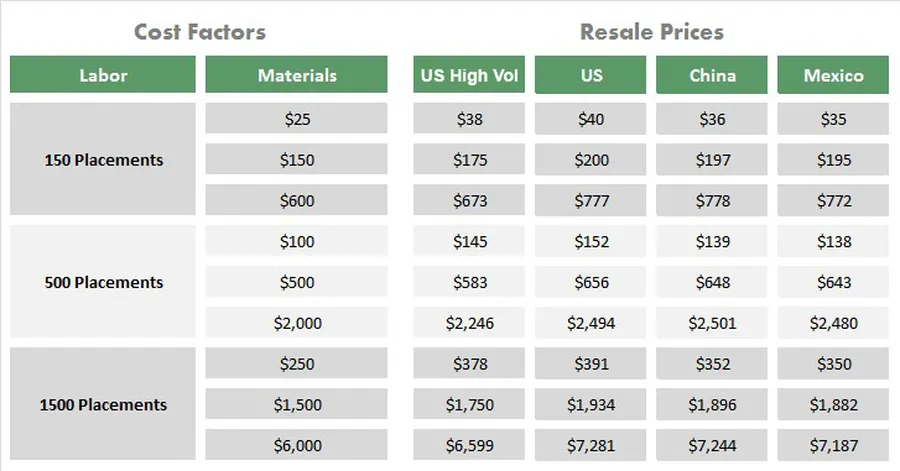
Navigating the cost landscape of PCB assembly is crucial, requiring a delicate balance between budgetary constraints and the desired quality of the final product. A comprehensive understanding of all cost factors, extending beyond just the initial quotes, is essential for making informed decisions when selecting an EMS (Electronic Manufacturing Services) PCB manufacturer. This section delves into the various aspects of cost that should be carefully considered.
Key cost drivers in PCB assembly include the complexity of the design, the volume of production, the types of components used, and the turnaround time required. More complex designs often demand advanced manufacturing techniques and materials, leading to higher costs. Similarly, low-volume production runs usually incur higher per-unit costs due to setup and overhead expenses. Component choices significantly impact the overall price, with premium components contributing to a higher final cost. Expedited delivery and shorter turnaround times are also often associated with increased expenses.
Beyond the initial quote, the Total Cost of Ownership (TCO) should be a primary consideration. This includes not only the cost of assembly but also expenses related to testing, rework, shipping, and potential delays. A thorough evaluation of an EMS manufacturer's pricing model, including payment terms and conditions, is advisable. Some manufacturers might offer competitive pricing but have less favorable payment terms or hidden charges, which can affect the overall TCO. It's also beneficial to evaluate the cost of potential modifications, particularly for prototypes and initial production runs, as changes in design might impact production costs.
Optimizing PCB designs for cost-effectiveness is a strategic approach that can substantially reduce assembly expenses without compromising quality. This involves considering factors such as component placement, layer count, and design for manufacturability (DFM). Selecting standard or readily available components can also lower costs compared to using specialized or difficult-to-source parts. Working closely with the EMS manufacturer during the design phase to ensure the design is optimized for their manufacturing processes can lead to significant cost savings. Understanding and applying these principles will lead to greater cost efficiencies and better overall results.
| Cost Factor | Description | Cost Impact |
|---|---|---|
| Design Complexity | Number of layers, component density, trace routing. | High complexity leads to higher costs due to increased processing. |
| Production Volume | Quantity of PCBs being assembled. | Low volume typically has higher per-unit costs; large volumes benefit from economies of scale. |
| Component Types | Selection of standard vs. specialty components, availability, and sourcing. | Specialized components or those with low availability can significantly increase costs. |
| Turnaround Time | Timeframe for PCB assembly. | Expedited or fast turnaround times often increase costs. |
| Testing Requirements | Testing protocols, such as ICT, functional testing. | More rigorous testing leads to higher expenses. |
| Logistics and Shipping | Shipping distance, transportation type, customs, and handling. | Logistical challenges can lead to increased overall costs and transit times. |
| Payment Terms | Payment schedules, conditions, and deposit requirements. | Unfavorable terms may increase the financial burden, affecting overall TCO. |
The geographical location of an Electronic Manufacturing Services (EMS) provider significantly influences factors such as shipping costs, lead times, and the efficiency of communication. Selecting the right location for your EMS partner involves a strategic evaluation of regional benefits and potential logistical challenges.
| Factor | Local EMS Manufacturer | International EMS Manufacturer |
|---|---|---|
| Shipping Costs | Lower due to proximity | Higher due to distance and international freight |
| Delivery Time | Faster turnaround times | Longer lead times, potential for delays |
| Communication | Easier due to similar time zone, culture and language | Potentially difficult due to time zone differences, language and culture barriers |
| Quality Control | Potentially easier to monitor and verify in-person | Requires more robust remote quality assurance procedures |
| Cost of Labor | Variable based on local labor costs | Often lower in developing countries |
| Legal Compliance | Simplified if within same country | Complex due to international trade laws and regulations |
| Supply Chain | Potentially shorter supply chain depending on local component supply | Extended supply chains which may be more exposed to risks |
When evaluating location, consider the total cost of ownership beyond the initial quote. This includes factoring in potential delays, shipping insurance, customs duties, and communication expenses. For international partnerships, assess the political stability, economic conditions, and environmental practices of the region.
To mitigate potential logistical difficulties, establish clear communication protocols, utilize project management tools, and conduct regular audits. Prioritize transparent relationships with your selected EMS partner to ensure smooth operations regardless of geographical distance. In certain situations, a local EMS provider could offer quicker turnaround and more direct communication, while international partners might offer greater cost savings but require more robust risk assessment and project management strategies.
Understanding the nuances of Electronic Manufacturing Services (EMS) for Printed Circuit Boards (PCBs) is crucial for making informed decisions. This section addresses common questions, providing clarity on key aspects of EMS PCB manufacturing and selection.
The Electronic Manufacturing Services (EMS) sector for Printed Circuit Boards (PCBs) is experiencing rapid evolution, driven by technological advancements and shifting market demands. Understanding these trends is crucial for businesses seeking to stay competitive and select an EMS partner that is prepared for future challenges and opportunities.
Selecting the right EMS PCB manufacturer is critical for the success of any electronics project. A thorough comparison of different manufacturers' capabilities can help ensure that your chosen partner aligns with your project's specific requirements. This section provides a framework for comparing EMS providers based on key criteria, allowing you to make an informed decision.
| Criteria | Manufacturer A | Manufacturer B | Manufacturer C | Considerations |
|---|---|---|---|---|
| Industry Experience | 15 years | 5 years | 20 years | Evaluate the manufacturer's history and reputation in the EMS industry. More experience often translates to better process knowledge and problem-solving capabilities. |
| Technological Capabilities | Basic SMT, Through-Hole | Advanced SMT, BGA, Fine Pitch | Advanced SMT, BGA, Fine Pitch, Automated Inspection | Assess their ability to handle your specific technology needs, including advanced component placement, micro-BGA and fine pitch technologies, and test capabilities. |
| Production Capacity | Small to Medium Volumes | Medium to Large Volumes | Small to Large Volumes | Consider their production capacity, flexibility to scale your production volume as needed, and how long it will take to complete your projects. |
| Quality Control Processes | Basic QC checks | ISO 9001 Certified | ISO 9001 and IPC Standards | Verify their quality control processes, including certifications, and adherence to industry standards. Confirm their processes are well-defined and consistently applied. |
| Component Sourcing | Limited network | Extensive global network | Extensive global network with direct vendor relationships | Evaluate the reach of their component sourcing, their ability to procure quality materials cost effectively and whether they offer alternatives. |
| Turnaround Time | 5-10 business days | 3-7 business days | 2-5 business days | Consider the turnaround time and delivery speed, and the flexibility of their scheduling processes to meet your timeline. |
| Pricing Structure | Higher cost per unit | Medium cost per unit | Competitive pricing | Evaluate the transparency and competitiveness of their pricing, payment terms, and potential additional costs. |
| Communication Effectiveness | Occasional updates | Regular updates | Dedicated account managers, real time tracking | Confirm the provider’s communication style and accessibility for feedback, status and overall project management. |
This comparative table should serve as a starting point. Engage directly with potential manufacturers, request detailed quotes, and conduct on-site visits where possible. This comprehensive approach will ensure you choose a partner that is best equipped to fulfill your specific PCB manufacturing needs.
Choosing the right EMS PCB manufacturer is vital to the success of any electronics project. An experienced and capable partner, offering services from PCB layout to final assembly, ensures product quality and timely market delivery. This guide has explored key aspects of EMS, including choosing the right manufacturer to help navigate the complexities of electronic manufacturing. Remember to prioritize your specific needs, research thoroughly, and consider a partner that not only meets your current requirements but can also adapt to your future growth. For a seamless PCB assembly process, a reputable EMS PCB manufacturer with robust capabilities is the best option.

