Printed circuit boards (PCBs) are the backbone of modern electronics, silently powering everything from smartphones to industrial machinery. Choosing the right printed circuit board factory is crucial for ensuring the quality and reliability of your electronic devices. This guide will walk you through the key factors to consider when selecting a PCB manufacturing partner, helping you understand the intricacies of PCB production and making the best choice for your project.
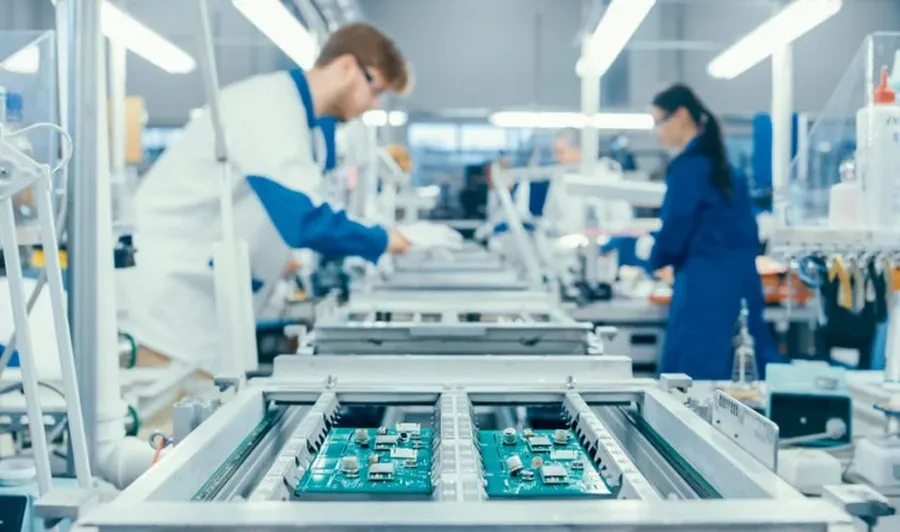
Printed circuit board (PCB) factories vary significantly in their focus and capabilities, each catering to different production needs. Understanding these variations is crucial for selecting the right partner for your project. This section provides a comparative overview of different types of PCB factories, including prototype-focused, high-volume production, and specialized manufacturers.
| Factory Type | Focus | Strengths | Weaknesses | Ideal For |
|---|---|---|---|---|
| Prototype-Focused | Small quantities, quick turnaround | Fast lead times, design flexibility, lower setup costs | Higher per-unit cost, limited large-scale capabilities | Initial design verification, small batch testing, rapid iteration cycles |
| High-Volume Production | Large quantities, cost efficiency | Economies of scale, standardized processes, lower per-unit cost | Longer lead times for initial setup, less flexibility in design changes | Large scale product manufacturing with established design |
| Specialized Manufacturers | Specific technologies or materials | Expertise in advanced technologies (e.g., flexible PCBs, HDI), use of unique materials. | Higher costs, limited availability, specific equipment needs | Projects requiring special technologies, materials, or certifications |
Selecting the right printed circuit board (PCB) factory is crucial for the success of any electronics project. This decision hinges on several key factors that directly impact cost, quality, and time-to-market. A thorough evaluation of these elements will ensure a suitable partnership that aligns with your specific requirements and project goals.
| Factor | Description | Importance |
|---|---|---|
| Cost | The price per PCB, including tooling and setup costs. Consider both unit price for high-volume and cost for low-volume prototyping. | Critical for budgeting, especially for startups and cost-sensitive products. |
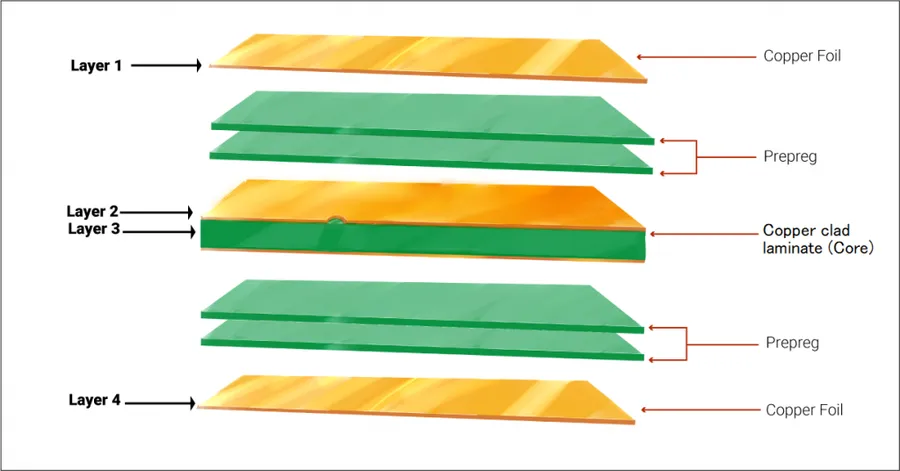
| Manufacturing Capability | The factory's ability to handle your specific PCB design, including layer count, materials, and special features. | Essential for ensuring the factory can produce PCBs that meet your technical requirements. |
| Production Speed | The time it takes for a factory to produce and deliver your PCBs. Lead times are crucial for project scheduling. | Key for meeting deadlines and rapid product development cycles. |
| Quality Control Measures | The factory's processes for ensuring the quality and reliability of PCBs, including inspections and testing. | Vital for ensuring the performance and reliability of your end product. |
| Geographic Location | The factory's location can affect shipping times, costs, and communication. Consider domestic versus overseas options. | Important for logistics, communication, and potential legal and geopolitical factors. |
| Customer Service | The level of support and communication provided by the factory during the entire process. | Necessary for efficient collaboration and issue resolution. |
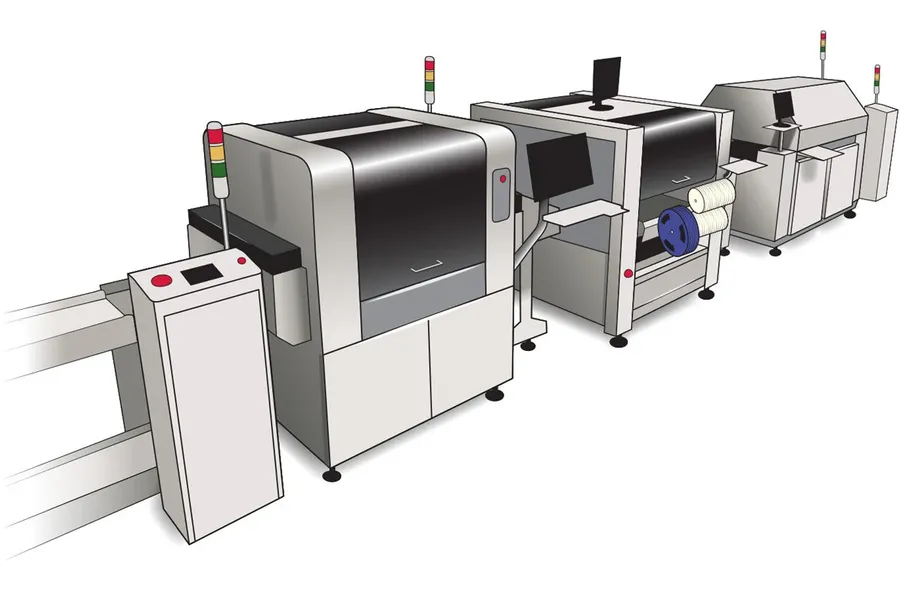
The fabrication of a printed circuit board (PCB) is a complex, multi-stage process that transforms a design concept into a tangible electronic component. This process encompasses design review, material preparation, pattern transfer, copper etching, hole creation, layer stacking, plating, solder mask application, component identification printing and final inspection.
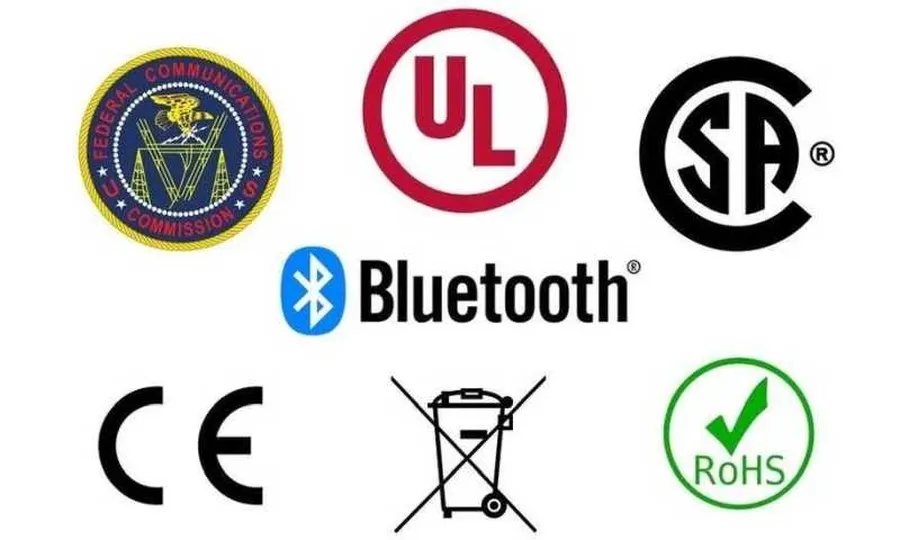
Adherence to industry certifications and standards is paramount for printed circuit board (PCB) factories to ensure consistent quality, reliability, and performance. These certifications demonstrate a factory's commitment to rigorous processes and help build trust with clients seeking high-quality PCBs.
| Certification/Standard | Description | Significance for PCB Manufacturing |
|---|---|---|
| ISO 9001 | An international standard that specifies requirements for a quality management system (QMS). | Ensures that the PCB factory has well-defined processes for all stages of manufacturing, from design review to final inspection. It focuses on customer satisfaction and continuous improvement. |
| AS9100D | A quality management standard for the aerospace industry, building upon ISO 9001 with additional requirements specific to this sector. | Critical for PCB factories serving the aerospace and defense sectors. It mandates strict process control, risk management, and traceability to meet the stringent requirements of these industries. |
| IPC Standards (e.g., IPC-A-600, IPC-6012, IPC-A-610) | Standards developed by the IPC (Association Connecting Electronics Industries) that establish accepted practices for PCB manufacturing. | Define acceptable quality levels, performance characteristics, and reliability guidelines for various PCB types. Ensures consistency in materials, processes, and inspection criteria. |
| UL Certification | Certifications from Underwriters Laboratories, a global safety science company. | Indicates that the PCB materials and manufacturing processes meet specific safety and performance requirements, essential for products used in regulated industries. |
| RoHS Compliance | Restriction of Hazardous Substances Directive of the European Union. | Ensures that PCBs are produced without the use of hazardous materials such as lead, mercury, cadmium and hexavalent chromium, contributing to environmental protection and compliance with regulations |
| REACH Compliance | Registration, Evaluation, Authorisation and Restriction of Chemicals, a European Union regulation. | Ensures that PCB manufacturing processes do not use substances harmful to human health and the environment. |
Beyond these core standards, some PCB factories may also pursue industry-specific certifications or undergo regular audits by their clients. The presence and relevance of specific certifications will depend on the target market for the PCBs produced. Selecting a PCB manufacturer with relevant and up-to-date certifications is crucial for ensuring quality and minimizing the risks associated with defective boards.
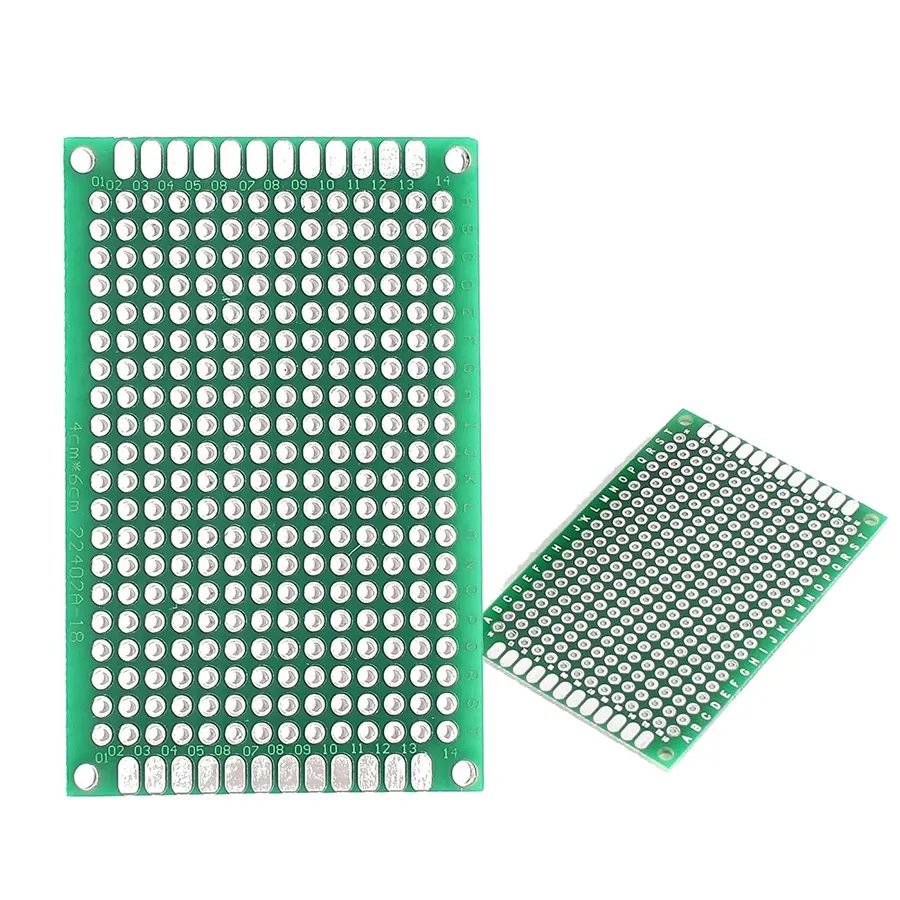
Printed circuit board (PCB) manufacturing processes diverge significantly between prototyping and mass production, each requiring distinct approaches and considerations. Understanding these differences is crucial for selecting the appropriate manufacturing strategy for your project's phase and volume requirements.
| Feature | Prototype PCB Manufacturing | Mass Production PCB Manufacturing |
|---|---|---|
| Purpose | Validation of design, functionality, and materials | Large-scale replication of a finalized and tested design |
| Volume | Low volume, often ranging from a few units to small batches | High volume, ranging from thousands to millions of units |
| Lead Time | Typically faster lead times due to lower complexity and volume | Longer lead times due to higher volume and more complex logistics |
| Cost per Unit | Higher unit cost because of setup costs and smaller quantities | Lower unit cost due to economies of scale |
| Process Flexibility | More flexibility for design changes and experimentation | Less flexibility due to standardized and optimized processes |
| Equipment and Tooling | Uses more general-purpose equipment and may require manual handling | Utilizes specialized, high-throughput equipment and automated processes |
| Quality Control | Rigorous testing for each prototype to identify any design flaws | Statistical process control to maintain consistent quality across large volumes |
| Material Selection | May involve a wider range of materials and customized options | Focuses on a limited selection of cost-effective materials |
Prototype PCB manufacturing is characterized by its focus on design validation and flexibility. It often involves a close collaboration between the design team and the manufacturer, allowing for quick iterations and modifications. The emphasis is on rapidly producing a small batch of boards to verify functionality and performance before committing to larger production runs. Mass production, on the other hand, prioritizes efficiency and cost-effectiveness. It uses highly optimized processes, automated machinery, and statistical quality control to deliver large volumes of consistent, high-quality PCBs. The process is less flexible, but it is essential for scaling up successful prototypes.
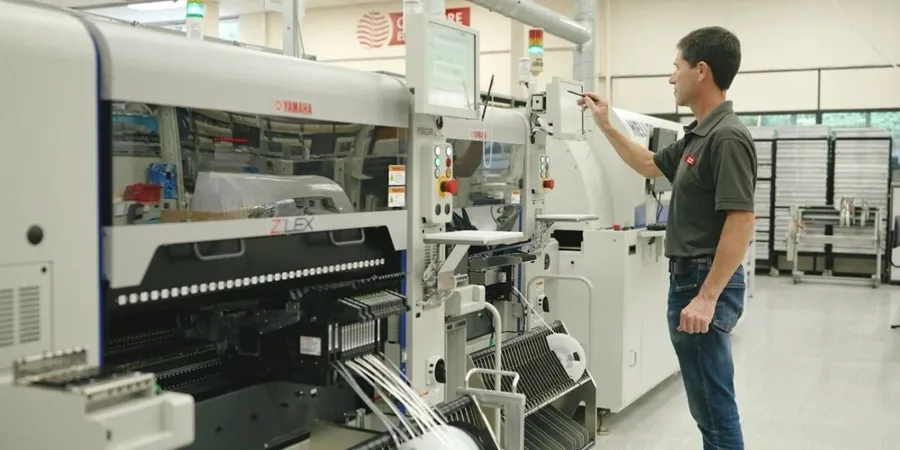
The decision between selecting a domestic or offshore printed circuit board (PCB) factory is a critical one, impacting cost, lead times, communication, and logistics. This section provides a balanced analysis of these factors to guide your choice.
| Factor | Domestic PCB Factories | Offshore PCB Factories |
|---|---|---|
| Cost | Higher unit cost due to labor, infrastructure, and regulatory compliance. | Lower unit cost due to lower labor costs and economies of scale. |
| Lead Time | Shorter lead times, especially for prototypes and smaller production runs, due to proximity. | Longer lead times due to shipping and customs clearance, especially during peak seasons. |
| Communication | Easier communication due to similar time zones, language, and cultural norms, facilitating quicker feedback and issue resolution. | Potential communication challenges due to time zone differences, language barriers, and cultural differences. |
| Logistics | Simpler logistics due to lower shipping distances and less complex customs procedures. | More complex logistics involving international shipping, customs duties, and potential delays. |
| Intellectual Property (IP) Protection | Stronger IP protection due to established legal frameworks and enforcement mechanisms. | Potential risks of IP infringement due to differences in legal systems and enforcement. |
| Quality Control | Often easier to conduct on-site quality inspections and audits due to physical proximity, but not always guaranteed. | May require more stringent processes for quality assurance, and may be challenging to conduct in person audits. |
| Minimum Order Quantity (MOQ) | Generally lower MOQ, can be flexible for prototypes. | Typically higher MOQ, which can be a barrier for small projects or prototyping. |
This section addresses common queries regarding printed circuit board (PCB) factories, offering concise and authoritative answers to clarify prevalent questions within the industry. We aim to provide clarity on manufacturing locations, leading manufacturers, and specific company details.
Effective collaboration with a printed circuit board (PCB) factory is crucial for a successful project. This involves clear communication, adherence to design guidelines, and a well-defined request for quote (RFQ) process. By following these practical tips, you can streamline the manufacturing process, reduce errors, and ensure your PCBs are fabricated to your specifications.
The printed circuit board (PCB) manufacturing industry is undergoing significant transformation, driven by advancements in materials, processes, and technologies. These trends are reshaping how PCBs are designed, fabricated, and integrated into electronic devices, impacting the operations of PCB factories profoundly.
Choosing the right printed circuit board factory is a critical decision that can significantly impact the success of your electronic product. By carefully considering factory types, manufacturing capabilities, certifications, and geographic location, you can select a partner that meets your specific needs and ensures the quality and reliability of your PCBs. As technology evolves, staying informed about industry trends will further help you make informed decisions in the future. With a trusted PCB factory at your side, your projects can be brought to life with confidence.

