Decoding Printed PCB Board Price: A Comprehensive Guide
2025.01.09
In our technology-driven world, printed circuit boards (PCBs) are the backbone of almost every electronic device. From the smartphone in your hand to the complex systems powering modern industry, PCBs are essential. But how much does a printed PCB board price really cost? This article demystifies PCB pricing, exploring the various factors impacting the cost, from material choices to manufacturing complexities. We'll provide you with insights into navigating the pricing landscape and making informed decisions for your next electronic project.
Key Factors Influencing Printed PCB Board Price
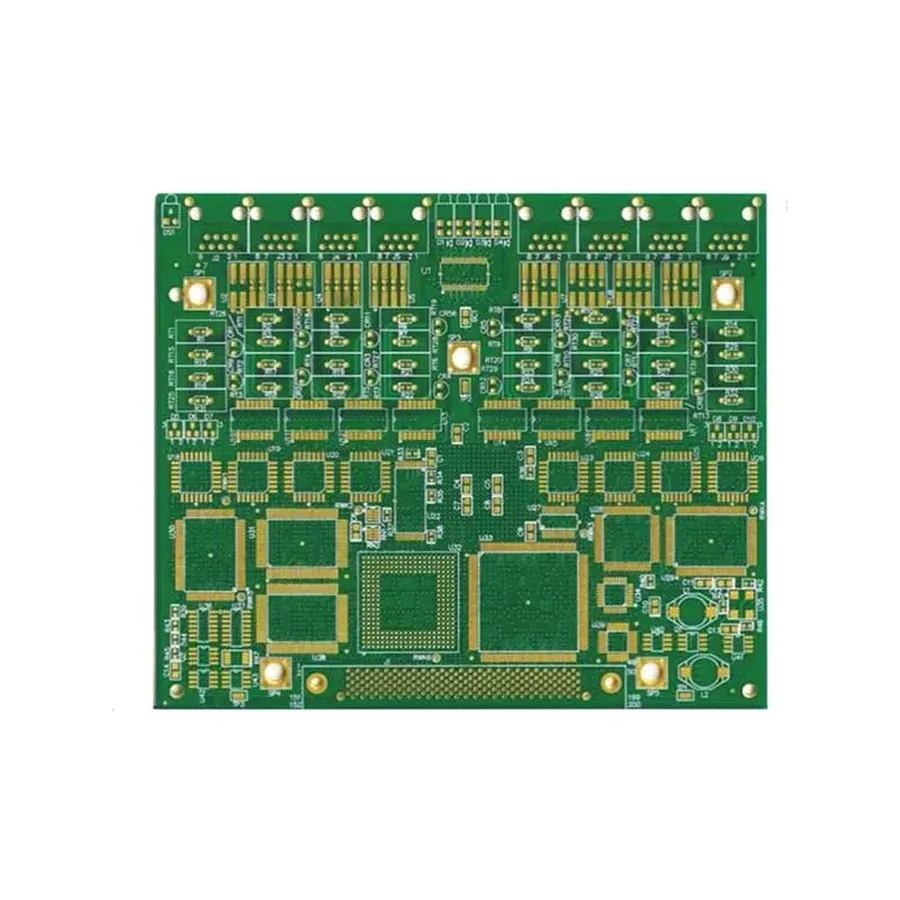
Multilayer PCB
The price of a printed circuit board (PCB) is not fixed; it's a dynamic figure influenced by a multitude of factors. Understanding these key drivers is essential for accurate cost estimation and effective budget management in electronics projects. This section delves into the primary determinants of PCB costs, providing a foundational understanding of how material choices, design complexities, and manufacturing processes collectively shape the final price.
Material Type The choice of base material, such as FR-4, aluminum, or flexible substrates, significantly impacts cost due to varying material prices and processing requirements. For instance, FR-4 is a standard material for PCBs due to its balance between cost and performance, while materials with special dielectric properties can command higher prices.
Board Dimensions The physical size of the PCB directly affects the amount of material used and the processing time required, leading to a direct correlation with cost. Larger PCBs typically cost more due to increased material usage and processing time.
Layer Count The number of copper layers within a PCB greatly influences its price. Multi-layer PCBs, while offering increased functionality and routing density, require more complex fabrication processes, resulting in higher costs. Single-layer PCBs are the most cost-effective, as the name implies.
Component Density A high concentration of components, especially surface mount devices (SMD), increases manufacturing complexity. This higher density requires precise assembly techniques and potentially advanced fabrication processes that will impact the final price. The density of vias and traces also contributes to the final cost.
Manufacturing Complexity Complex designs require more advanced manufacturing processes, thus impacting cost. Examples include fine-pitch traces, blind and buried vias, impedance control, special surface finishes, etc. These specifications also increase the risk of fabrication errors, which may add to the final expense of the PCB.
Material Costs: A Breakdown
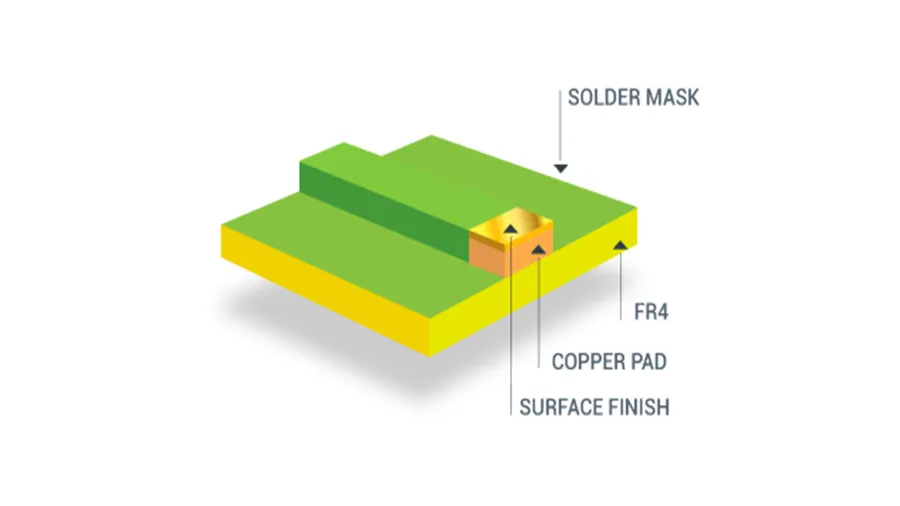
PCB Substrate Materials
The selection of base materials significantly impacts the price of printed circuit boards (PCBs), with variations in cost arising from differences in performance characteristics, raw material expenses, and manufacturing requirements. Understanding these factors allows for informed trade-offs between cost and functionality.
Material
Description
Typical Applications
Price (Relative)
Performance Characteristics
FR-4
Most common PCB material, fiberglass reinforced epoxy laminate.
General-purpose electronics, consumer goods.
Low to Medium
Good electrical insulation, moderate thermal and mechanical properties
Aluminum
Metal core PCB material with high thermal conductivity.
LED lighting, power electronics, high-temperature applications.
Medium to High
Excellent heat dissipation, durable, good for high-power applications
Polyimide
Flexible PCB material with high-temperature resistance.
Aerospace, medical devices, automotive.
High
Exceptional flexibility and high temperature resistance.
Rogers (PTFE)
High-frequency material with low dielectric loss.
RF and microwave circuits, radar systems, high speed digital
High
Low dielectric constant, low signal loss at high frequencies
Beyond the base material, other factors such as copper thickness, dielectric constant, and lamination process also influence the final cost and performance of PCBs.
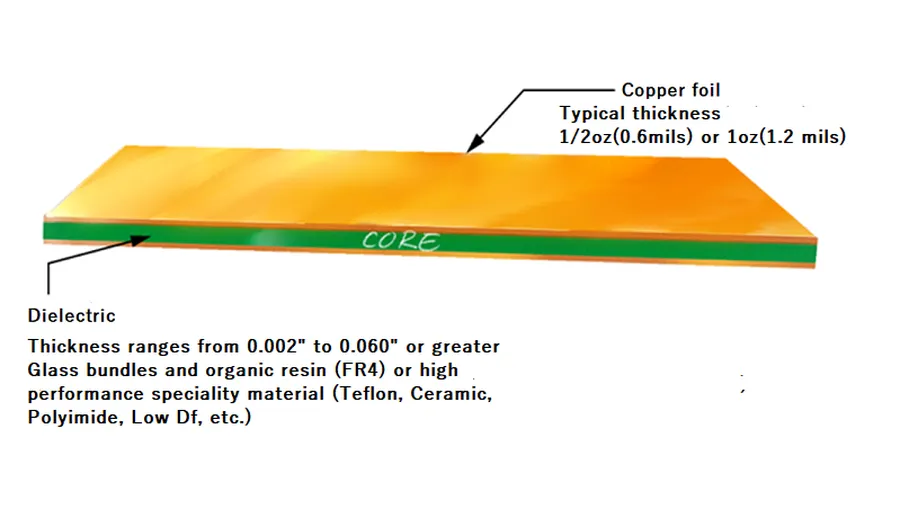
Copper Thickness: Measured in ounces per square foot (oz), thicker copper layers increase current carrying capacity but also raise material costs. Standard thicknesses are 1oz and 2oz, but other thicknesses are available. Choosing an appropriate thickness is a critical balance between cost and performance requirements.
Dielectric Constant (Dk): A higher Dk results in higher capacitance and potentially lower signal impedance, materials with lower Dk are used in high frequency boards. Choosing material with the right dielectric constant is critical for signal integrity and costs can vary depending on the material and manufacturing process used to achieve the specified Dk.
Lamination Processes: The lamination process can have a significant impact on cost and performance, with different adhesives and layer bonding requirements adding to the overall manufacturing complexity and cost.
Layer Count and Its Effect on Pricing
4 Layer PCB
The number of layers in a printed circuit board (PCB) design is a primary cost driver, directly impacting both manufacturing complexity and material usage. As the layer count increases, so too does the complexity of the manufacturing process, leading to higher production costs. This section delves into the ramifications of different layer counts on PCB pricing, offering a clear understanding of the trade-offs involved.
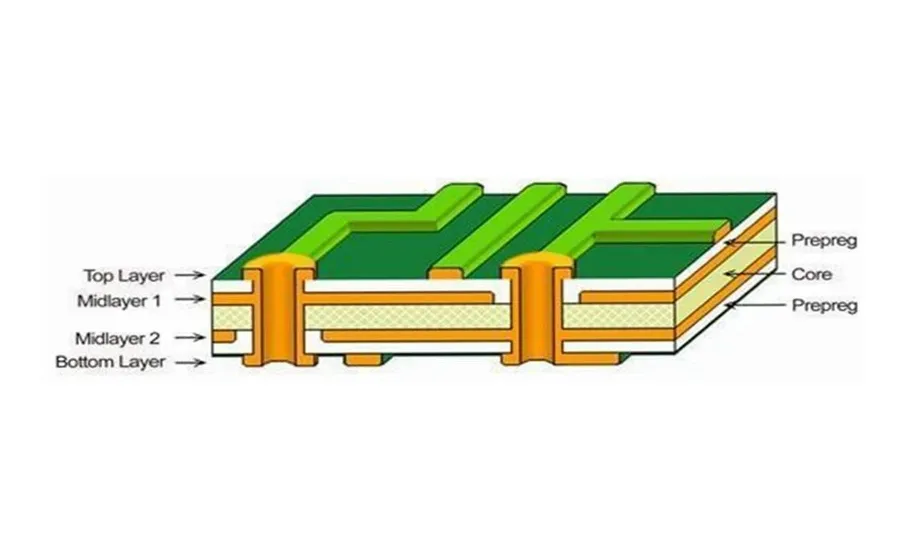
Single-layer PCBs, the simplest design, use only one conductive layer, making them the most cost-effective but limiting in functionality. Conversely, multi-layer PCBs, which have multiple conductive layers separated by insulating layers, provide advanced routing and performance capabilities, but come at a higher cost.
High-Performance Computing, High-Speed Data Systems
The cost increase associated with higher layer counts isn't just due to increased material; it's also driven by the precise alignment and lamination processes required. For example, multi-layer PCBs demand highly accurate drilling and registration to ensure that vias (interlayer connections) and conductive patterns line up correctly. Additionally, the probability of manufacturing defects tends to rise with layer count, affecting yield rates and further driving up the cost.
While multi-layer PCBs are more expensive, they allow for greater design flexibility and circuit density. They enable complex routing, improved signal integrity, and better power distribution—all of which are crucial for high-performance applications. Therefore, the optimal layer count needs to be determined based on the application's functional requirements and budget constraints.
PCB Size and Dimensions
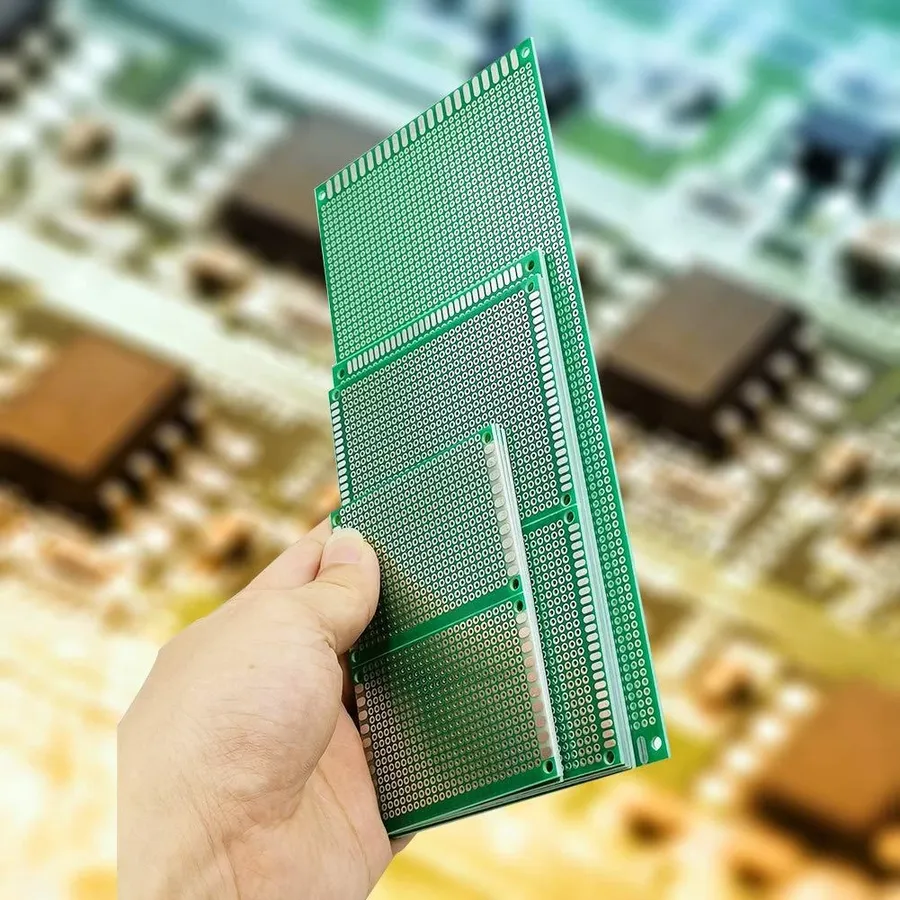
Various PCB Sizes
The physical size and dimensions of a printed circuit board (PCB) are primary factors in determining its manufacturing cost. As the board area increases, so does the amount of raw material consumed, the processing time required, and consequently, the price. This section explores the direct relationship between PCB size, complexity, and overall cost, focusing on the concept of price per square inch and its influencing factors.
The calculation of a PCB's cost isn't a straightforward 'per square inch' computation. While this metric serves as a common benchmark, it is crucial to acknowledge that the price per square inch isn't constant; it fluctuates depending on several key variables, which are:
Layer Count: The number of conductive layers within the PCB greatly influences its complexity and cost. More layers require additional materials and processing steps, leading to a higher price per square inch.
Material Choice: Different base materials like FR-4, aluminum, or flexible substrates carry varying costs. For example, materials with higher thermal conductivity or specialized electrical properties will often increase cost.
Design Complexity: Intricate designs involving fine traces, small vias, or impedance control requirements can impact the cost per square inch. These design features demand more precise manufacturing processes and increase yield loss.
Panelization: The way PCBs are arrayed on a larger panel for manufacturing affects material use and processing efficiency. Efficient panelization reduces waste and improves the effective cost per board.
Manufacturing Volume: As volume increases, per-unit cost generally decreases because fixed setup costs are spread over more units. High volume orders often result in a reduced price per square inch.
While 'price per square inch' provides a basic estimate, it's essential to consider specific details of your PCB project to obtain an accurate quotation from manufacturers. A smaller board with high layer count, complex components or specialized material will almost certainly cost more per square inch than a simpler, larger board made with standard materials.
PCB Characteristic
Impact on Price per Square Inch
Explanation
Larger PCB size
Higher, but not linearly proportional
More material is needed, but cost savings can occur when panelized.
Smaller PCB size
Lower, but can be more expensive if highly complex
Less material required, but complexity increases price per unit.
Increased layer count
Significantly higher
Adds to material costs and complexity of manufacturing.
Standard material (FR-4)
Lower
Lower cost material with good overall properties.
Advanced materials (e.g. High-Tg FR4)
Higher
Offers improved performance at a higher cost.
Manufacturing Complexity: Finishes, Plating & More
PCB Surface Finishes
The cost of a printed circuit board is not solely determined by its size and materials; manufacturing processes significantly contribute to the final price. Surface finishes, plating requirements, and specialized features introduce complexities that affect both production time and material usage.
Selecting the appropriate surface finish is a critical step in PCB manufacturing, and it can influence both the board’s performance and its cost. Each finish provides different benefits in terms of solderability, corrosion resistance, and environmental impact. Here’s a brief overview of common PCB surface finishes:
HASL (Hot Air Solder Leveling) This is one of the most common and cost-effective finishes. It involves dipping the board into molten solder and then leveling it using hot air knives. While robust and good for solderability, HASL may not be ideal for fine-pitch components. Lead-free HASL is more environmentally friendly but can have a slightly higher cost.
ENIG (Electroless Nickel Immersion Gold) ENIG involves plating a layer of nickel followed by a thin layer of gold. This finish offers excellent solderability, corrosion resistance, and is ideal for fine-pitch components. ENIG is more expensive than HASL due to the use of gold.
Immersion Tin Immersion tin is applied through a chemical process and provides good flatness and solderability. It is a lead-free finish. However, it’s more susceptible to handling and has a shorter shelf life compared to ENIG.
Immersion Silver Immersion silver offers excellent solderability and is also lead-free. It is more cost-effective than ENIG but more prone to tarnish over time, which requires careful handling and storage.
OSP (Organic Solderability Preservative) OSP is a thin, organic coating that protects the copper pads from oxidation. It’s cost-effective and offers good solderability. However, it is sensitive to handling and does not provide long-term protection.
Beyond surface finishes, the type of plating used can influence the cost and performance of a PCB. Common plating requirements include:
Copper Plating Copper plating increases the thickness of copper traces and vias, which is necessary for handling higher currents and improving conductivity. Thicker copper plating will lead to increased costs due to both material and processing time.
Gold Plating Gold plating is used for connector pads and contact areas to provide excellent conductivity, corrosion resistance, and long-term reliability. However, gold is an expensive material, increasing overall cost.
Tin Plating Tin plating is used as a solderable finish and can be more cost effective than gold plating, particularly when used in conjunction with other surface finishes.
Special features on a PCB can add complexity and cost. These features can be essential for functionality, requiring precise manufacturing:
Impedance Control For high-speed signal applications, impedance control is essential to maintain signal integrity. It involves precise control of the trace widths and spacing which add to the cost.
Via Types Different types of vias, such as buried vias and blind vias, add to the manufacturing complexity and cost. These vias connect different layers within a multi-layer PCB and require more precise fabrication. Standard through-hole vias are the most cost effective and the easiest to manufacture.
Controlled Depth Milling/Routing Precise milling or routing for features such as cavities requires careful control during fabrication and can increase cost.
In conclusion, the manufacturing processes used to produce a PCB directly impact its cost, and understanding these factors is crucial for effective PCB design and budgeting. Selecting a balance between functionality and cost needs careful consideration during the design phase to optimize the printed pcb board price.
Order Volume and Prototyping Costs
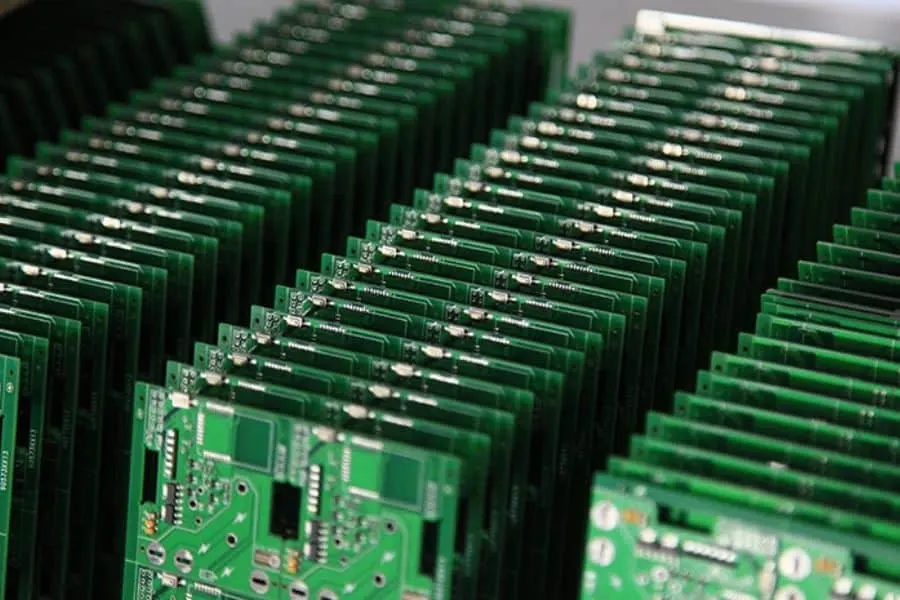
PCB Mass Production
The quantity of printed circuit boards (PCBs) ordered exerts a considerable influence on the per-unit cost, with a significant price differential between low-volume prototypes and high-volume production runs. This disparity arises from the economies of scale inherent in manufacturing processes.
Prototyping, crucial for verifying design functionality, typically involves smaller order quantities, leading to higher per-unit costs due to the setup overheads. Conversely, large production orders benefit from the amortization of these initial expenses, resulting in lower individual PCB costs.
This section examines the factors that contribute to these cost variances and explores strategies for effective cost management during the prototyping phase.
Order Volume
Typical Application
Cost per PCB
Setup Costs
Manufacturing Time
Low Volume (1-10 units)
Prototyping, Proof of Concept
High
Relatively High
Variable, Typically Faster
Medium Volume (10-100 units)
Small Production Runs, Initial Market Release
Moderate
Moderate
Moderate
High Volume (1000+ units)
Mass Production
Low
Low (Amortized)
Longer Lead Times
The manufacturing process entails set up for each new PCB design. This process includes the creation of stencils and preparation of machinery. The cost of set up is spread out over the entire manufacturing run. Prototyping often involves changes to the design, and so multiple set up runs are required; the cost of each being incurred by the relatively few boards produced.
For prototyping, consider these cost-effective approaches:
Panelization: Combine multiple smaller designs on one panel to reduce manufacturing overheads. This method is not suitable for designs that require individual testing of each board.
Standardized Designs: Using standard components and layouts to simplify the manufacturing process which will result in lower costs and faster turn around times.
Virtual Prototyping: Use PCB design software for accurate simulation, which minimizes the need for physical revisions to the design, and in turn, costs.
Combined orders: Where possible, combine prototype orders to achieve larger combined runs. This can be a suitable approach when the same type of PCB is needed for multiple projects.
Printed PCB Board Price Comparison Table
Understanding the costs associated with printed circuit boards (PCBs) is crucial for project planning and budgeting. This section provides a comparative analysis of PCB prices based on several key factors, including size, layer count, and complexity. Please note that the prices are approximate and can vary depending on the manufacturer, order volume, and specific requirements. These figures should serve as a guideline for initial cost estimation.
PCB Specification
Typical Size (mm)
Layer Count
Complexity
Approximate Price Range (USD)
Notes
Single-Sided PCB
50x50 to 100x100
1
Simple
$5 - $20
Basic components, suitable for simple circuits
Double-Sided PCB
50x50 to 150x150
2
Moderate
$15 - $50
More complex routing, vias required
4-Layer PCB
100x100 to 200x200
4
Medium
$40 - $150
Improved signal integrity, more routing options
6-Layer PCB
150x150 to 250x250
6
Complex
$120 - $300
Higher density designs, impedance control, multiple power planes
8-Layer PCB
200x200 and up
8
Very Complex
$250 - $500+
Advanced designs, high speed signals, dense interconnects
Flexible PCB (FPC)
Varies by design
1-2
Flexible
$30 - $200+
Dynamic bending, space constraints; price significantly varies with size and complexity
Aluminum PCB
Varies by design
1
Thermal
$20 - $100+
Heat dissipation, LED lighting, power electronics
Frequently Asked Questions About Printed PCB Board Price
Understanding the costs associated with printed circuit boards (PCBs) can be complex. This section addresses common queries regarding PCB pricing, aiming to provide clarity on what drives these costs and how they can be managed effectively.
How much does a printed circuit board cost? The cost of a printed circuit board varies widely, influenced by factors such as board size, layer count, materials used, manufacturing complexity, and order volume. Simple, single-layer boards can be relatively inexpensive, while complex, multi-layer designs with specialized materials can be significantly more costly. Prices can range from a few dollars for small, basic boards to hundreds or even thousands for large, intricate designs.
What impacts PCB costs the most? Several factors significantly affect PCB costs. The number of layers is a major cost driver, as multi-layer PCBs require more complex manufacturing processes. Material choices, especially high-performance materials, also increase costs. Manufacturing complexity, such as the inclusion of blind and buried vias, impedance control, and specific surface finishes, adds to the price. Additionally, smaller order quantities typically lead to higher per-unit costs.
How is PCB price calculated per square inch? While 'per square inch' pricing is a common industry metric, it's an oversimplification. The actual cost is based on a complex mix of material cost, area used, panelization efficiency, manufacturing steps and the manufacturing volume. While larger PCBs typically cost more, price per sq in is more indicative of the manufacturing complexity than directly proportional to the size. The type of manufacturing process and materials will be a much more significant factor than the area alone. It is crucial to also consider features like number of layers and finish etc.
How can I reduce printed circuit board expenses? Cost reduction can be achieved through careful design practices, material selection, and strategic vendor relationships. Designing for manufacturability (DFM) by minimizing complex features and using standard components can lower expenses. Choosing cost-effective materials, optimizing board size, and consolidating orders to increase volume can also reduce costs. Furthermore, sourcing from reliable manufacturers that offer competitive pricing is a vital step.
Are there cost differences between prototype and production runs? Yes, there is a significant difference in cost between prototype and production runs. Prototypes are typically more expensive per unit due to set-up costs, tooling, and the small volumes produced. As production volume increases, economies of scale reduce the per-unit cost. If you can batch your prototypes and production, you will typically save money. Always plan and consider the lifecycle volume when making design and material choices.
What is the effect of material selection on PCB cost? The choice of PCB material has a considerable impact on cost. FR-4 is the most commonly used material because of its balance of cost, durability, and performance. High-performance materials like Rogers or polyimide offer superior electrical and thermal properties but come at a higher price. Additionally, copper thickness and the dielectric constant of the materials used will influence the overall price, and the performance of your board.
How does surface finish affect the cost of my PCB? Surface finishes like HASL (Hot Air Solder Leveling) are generally less expensive, while more advanced finishes such as ENIG (Electroless Nickel Immersion Gold) or Immersion Silver are more costly. The choice of surface finish should balance cost considerations with requirements for the board’s application, like solderability and long-term reliability. Consider the intended use environment when making material choices and don't select something more expensive than needed.
Tips for Optimizing Printed PCB Board Price
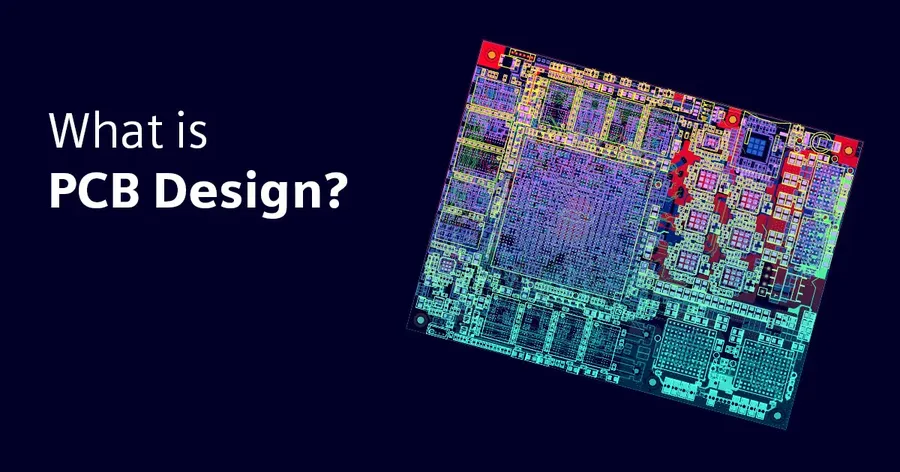
PCB Design Optimization
Optimizing printed circuit board (PCB) costs requires a strategic approach encompassing design, component selection, and manufacturing choices. By focusing on these key areas, significant cost reductions can be achieved without compromising the quality or functionality of the final product. This section provides actionable advice for minimizing PCB manufacturing expenses.
Design for Manufacturability (DFM) Implement DFM principles early in the design process. This includes using standard component footprints, minimizing the number of unique component types, and avoiding overly complex layouts, all of which streamline the fabrication and assembly processes and reduce costs.
Standard Component Selection Opt for widely available, standard components rather than specialty parts. Readily available components are generally more affordable and have lower lead times, which translates to cost and time savings in manufacturing.
Panelization Strategy Effective panelization, i.e., grouping multiple PCBs on a single production panel, can significantly reduce per-unit cost. Careful panel design maximizes the utilization of raw materials and reduces handling costs during production.
Layer Count Optimization Minimize the number of layers in your PCB design. Each additional layer increases manufacturing complexity and cost. Consider a thorough analysis to determine if a two-layer board can meet your requirements. If not, strive for the lowest multi-layer count that satisfies design criteria.
Trace Width and Spacing Use standard trace widths and spacing as per your manufacturer’s capabilities. Deviating from standard guidelines might require specialized processing and thus incur higher costs.
Surface Finish Selection Choose a cost-effective surface finish like HASL (Hot Air Solder Leveling) if appropriate for your application. More expensive finishes like ENIG (Electroless Nickel Immersion Gold) should only be used when required by specific performance needs.
Right Manufacturer Selection Carefully select a manufacturer who can meet the specific requirements of your design at a competitive price. Consider the manufacturer's capabilities, reputation, and pricing structure before committing to a production run.
PCB Size Optimization Minimize the size of your PCB as much as possible without sacrificing functionality. Smaller boards require less material and are therefore less costly to manufacture.
Understanding the factors influencing the price of printed PCB boards is crucial for any electronic project. While prices can range from a few cents per square inch to hundreds of dollars per board, depending on complexity, a clear grasp of materials, layer counts, and manufacturing processes allows you to optimize your designs and budgets effectively. By comparing different options and planning carefully, you can ensure that your PCB needs are met without compromising your budget and project timelines. In conclusion, printed pcb board price is a dynamic factor, which requires continuous adjustment of material selection, process optimization and cost control.