Choosing the Right IQ PCB Manufacturer: A Comprehensive Guide
2025.01.14
In today's fast-evolving tech landscape, the foundation of any cutting-edge electronic device is the printed circuit board, or PCB. Selecting the right IQ PCB manufacturer is crucial for achieving high-quality, reliable, and innovative results. Just as a sturdy blueprint is vital for a successful building, the selection of your IQ PCB partner significantly impacts the performance and success of your technology. This article explores the critical factors to consider when choosing an IQ PCB manufacturer, ensuring your project's success in the complex world of electronics.
Understanding IQ PCB Manufacturing
HDI PCB
An 'IQ' PCB manufacturer signifies a commitment to high intelligence and quality in printed circuit board (PCB) production, emphasizing advanced manufacturing techniques, stringent quality control, and a focus on innovation. These manufacturers go beyond basic assembly, employing sophisticated technologies and processes to produce PCBs that meet the rigorous demands of modern electronics, often catering to specialized sectors.
The core of IQ PCB manufacturing lies in several key areas:
Advanced Technologies Utilizing cutting-edge technologies such as laser direct imaging (LDI), automated optical inspection (AOI), and advanced surface treatment processes to achieve precision and reliability.
Stringent Quality Control Implementing rigorous quality checks at every stage of the manufacturing process, adhering to IPC standards, and maintaining high yields and low defect rates.
Innovation Focus Continuously investing in research and development to enhance PCB performance, develop new materials, and create innovative design solutions, often focusing on complex and high-performance PCBs.
Specialized Capabilities Specializing in a range of PCBs such as high-density interconnect (HDI) PCBs, multi-layer boards, flex PCBs, rigid-flex boards, and those designed for high reliability applications.
The significance of quality in PCB manufacturing cannot be overstated, as it directly impacts the performance, reliability, and longevity of electronic devices. IQ PCB manufacturers prioritize quality to minimize risks and ensure product excellence, offering clients high-value solutions that meet their application-specific needs.
Key Criteria for Selecting an IQ PCB Manufacturer
PCB Factory
Selecting an IQ PCB manufacturer requires careful consideration of several critical factors to ensure the production of high-quality, reliable printed circuit boards. These criteria span from manufacturing capabilities and material quality to production capacity and adherence to stringent quality control measures, all while complying with industry-standard IPC certifications.
Criteria
Description
Importance
Manufacturing Capabilities
The range of PCB technologies and processes a manufacturer can handle, such as HDI, multilayer, flexible, and rigid-flex PCBs.
Ensures the manufacturer can meet the specific technical requirements of your project.
Material Quality
The type and grade of materials used in PCB fabrication, including substrates (e.g., FR-4, Rogers), copper, and soldermask.
Directly impacts the performance, reliability, and longevity of the PCBs.
Production Capacity
The manufacturer's ability to handle production volumes from small prototyping runs to large-scale manufacturing.
Critical for meeting project timelines and scaling production efficiently.
Quality Control Measures
The rigorous processes and testing procedures a manufacturer employs to ensure PCB quality and compliance with standards.
Essential for ensuring the reliability and performance of the PCBs, and adherence to IPC standards.
IPC Standards and Certifications
Compliance with industry-wide IPC standards (e.g., IPC-A-600, IPC-6012) and relevant certifications that demonstrate adherence to quality benchmarks.
Provides assurance of the manufacturer's commitment to quality and reliability.
Analyzing Specific IQ PCB Manufacturer Specializations
PCB Drilling Machine
IQ PCB manufacturers distinguish themselves through specialized capabilities that cater to diverse industry needs. This section explores these specializations, focusing on how their unique strengths align with specific project requirements. Understanding these focuses—such as high-reliability PCBs, HDI, multilayer, or those using blind/buried vias—is critical for successful project execution.
The diversity in manufacturing capabilities allows for selection of a partner that matches your project's unique demands. Consider the examples below:
High-Reliability PCBs These PCBs are essential for aerospace, defense, and medical applications, requiring robust performance under extreme conditions. Manufacturers specializing in this area adhere to stringent standards and employ rigorous testing protocols.
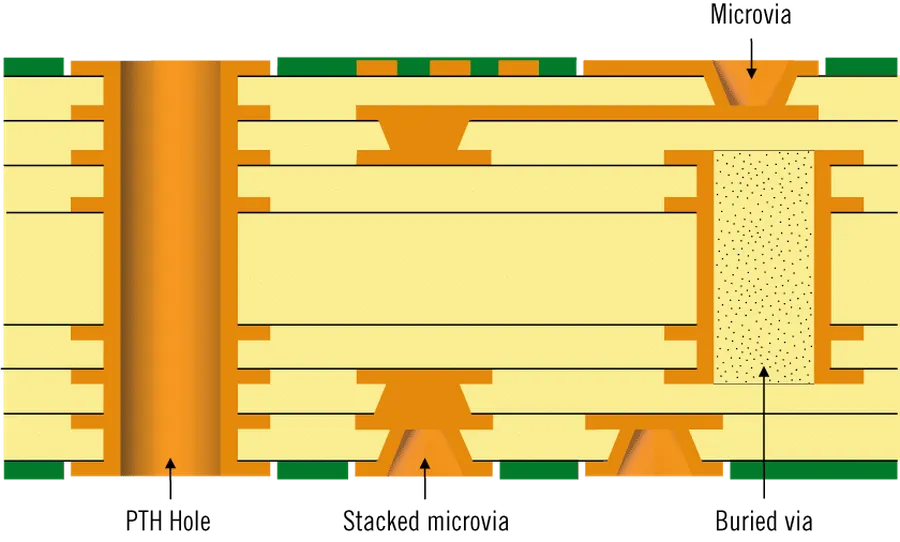
HDI (High-Density Interconnect) PCBs HDI PCBs enable greater circuit density and miniaturization, crucial for modern electronics. These manufacturers often use advanced fabrication techniques such as microvias and fine-line etching.
Multilayer PCBs Multilayer PCBs provide complex routing solutions and higher functionality by layering multiple conductive layers. Specialization here means the manufacturer excels in layer registration, lamination, and high-layer count designs.
Blind and Buried Vias Manufacturers with a focus on blind and buried vias facilitate advanced PCB designs by allowing interconnections between layers without requiring full through-hole vias. This increases density and allows for more complex circuits.
Matching your project needs with a manufacturer's expertise is crucial. For example, a high-reliability aerospace project would benefit from a manufacturer specializing in PCBs for extreme conditions. Conversely, a compact wearable device would require a manufacturer adept in HDI technology. By aligning your project demands with specific manufacturer expertise, you not only ensure the best possible quality, but also a smoother and more efficient manufacturing process.
The Importance of Turnkey Solutions and Prototyping Services
PCB Prototypes
Selecting an IQ PCB manufacturer that provides turnkey solutions and robust prototyping services is critical for streamlined project management and risk mitigation. These integrated services offer a cohesive approach from design conceptualization to final product, accelerating development cycles and ensuring a higher quality output.
Turnkey solutions encompass a full suite of services that typically include PCB design, fabrication, component procurement, assembly, and testing. This comprehensive approach minimizes communication overhead between multiple vendors and mitigates potential issues arising from disparate manufacturing processes. The inherent advantage lies in single-point accountability, which can significantly reduce project management complexity and expedite timelines. Prototyping, as a distinct but equally crucial element, allows for iterative refinement of the design, identifying potential flaws early in the development cycle, ultimately saving cost and resources in mass production.
The benefits of choosing an IQ PCB manufacturer offering turnkey solutions and prototyping services are multifaceted:
Reduced Project Complexity A single vendor manages all stages of the project, minimizing communication gaps and streamlining the workflow. This integrated approach significantly reduces the logistical challenges associated with managing multiple suppliers.
Accelerated Development Cycles With all services under one roof, the process from design to final product can be significantly expedited. Reduced lead times are achieved by optimized coordination and material management.
Improved Quality Control A single manufacturer is responsible for the entire process, leading to enhanced quality control and fewer inconsistencies, reducing the risk of manufacturing defects and ensuring consistent quality throughout the project.
Cost Savings While it may seem counterintuitive, using a single provider with an integrated service can be more cost-effective. Reduced overhead and logistical costs, combined with minimized rework, can lead to cost savings in the long run.
Design Refinement Through Prototyping Iterative prototyping enables designers to test and improve designs based on real-world feedback. This process is essential for ensuring product viability and functionality before committing to full-scale production. Prototyping allows for design validation, error identification, and performance optimization early in the cycle.
In conclusion, the availability of turnkey solutions and rapid prototyping from an IQ PCB manufacturer is not just convenient but also strategically vital for project success. It ensures a more efficient and cost-effective approach to PCB production, while mitigating the inherent risks associated with complex supply chains and production processes.
Cost-Effectiveness and Budgeting for IQ PCB Manufacturing
PCB Cost Analysis
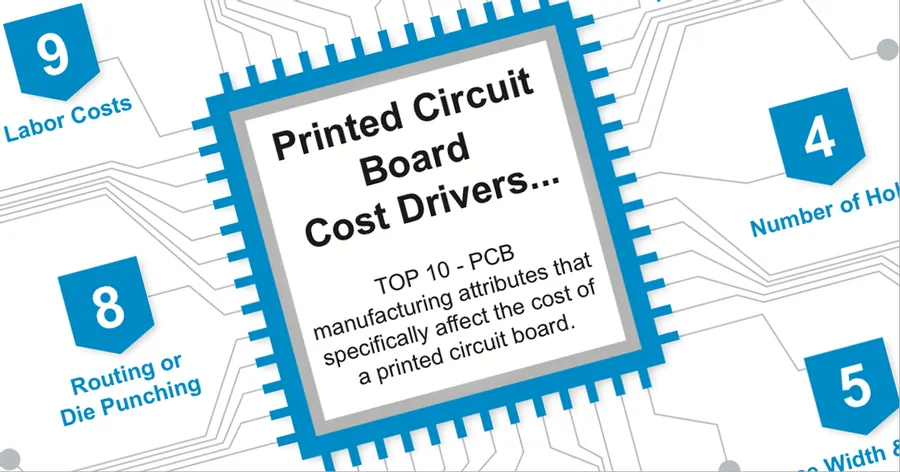
Achieving cost-effectiveness in IQ PCB manufacturing requires a strategic approach that balances budgetary constraints with the need for high-quality, reliable products. This section explores key considerations for cost optimization, including pricing models, economies of scale, and strategies for minimizing expenses without sacrificing quality.
A thorough understanding of the pricing structures employed by IQ PCB manufacturers is critical. These models can vary based on factors such as volume, complexity, materials used, and turnaround time. Evaluating these factors early in the design phase can lead to substantial savings, especially when considering long-term projects and scalability.
Effective budgeting for IQ PCB manufacturing also requires a holistic view of project costs. This should include not only the initial PCB fabrication but also assembly, testing, and potential rework expenses. Considering these factors upfront enables more accurate budget forecasting and cost management.
Furthermore, choosing a manufacturer that offers design for manufacturability (DFM) analysis can significantly reduce costs by identifying potential manufacturing issues early in the design phase, avoiding costly revisions and delays. Partnering with an IQ PCB manufacturer that can offer insights into cost-effective designs and material choices is essential to optimizing overall project expenditures.
Technological Advancements and Innovative Solutions Offered by IQ PCB Manufacturers
Automated PCB Line
IQ PCB manufacturers are at the forefront of technological advancement in the PCB industry, constantly pushing the boundaries of what's possible. Their dedication to research and development translates directly into advanced capabilities, innovative design solutions, and cutting-edge material research, ensuring they meet the increasing demands of modern electronics.
These advancements encompass several key areas:
Advanced Materials Research IQ manufacturers are heavily invested in exploring and adopting new materials with superior electrical, thermal, and mechanical properties. This includes high-Tg laminates, ceramics, and composites to address the challenges of high-frequency and high-power applications.
High-Density Interconnect (HDI) Technology These manufacturers are adept at HDI technology, enabling the creation of PCBs with finer lines, smaller vias, and higher component density. This is crucial for compact and high-performance electronics.
Microvia and Blind/Buried Via Technology Advanced via technologies such as microvias and blind/buried vias are commonly used to increase circuit density and improve signal integrity in complex multilayer PCBs. These techniques allow for more efficient routing and reduced layer count.
Embedded Component Technology The integration of passive components such as resistors and capacitors directly within the PCB substrate reduces overall size and enhances performance. This advanced method also reduces assembly complexity and improves reliability.
Rigid-Flex PCB Technology IQ PCB manufacturers also specialize in producing rigid-flex boards, combining the advantages of rigid and flexible substrates. These PCBs are ideal for complex electronic systems where space is at a premium and connections must be routed around bends or corners.
Advanced Surface Finishing Manufacturers are continuously researching and implementing advanced surface finishes to ensure better solderability, improved corrosion resistance, and enhanced electrical performance of PCBs. Finishes such as ENIG, ENEPIG, and immersion tin/silver are common.
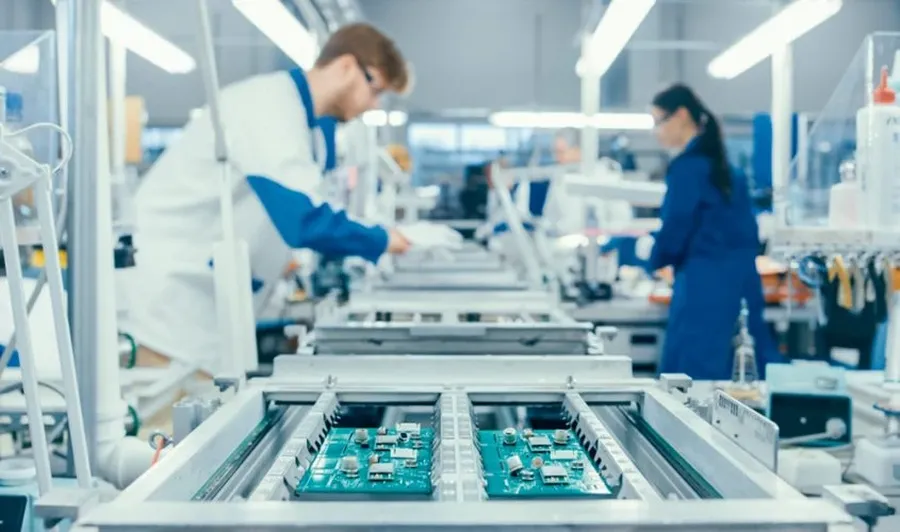
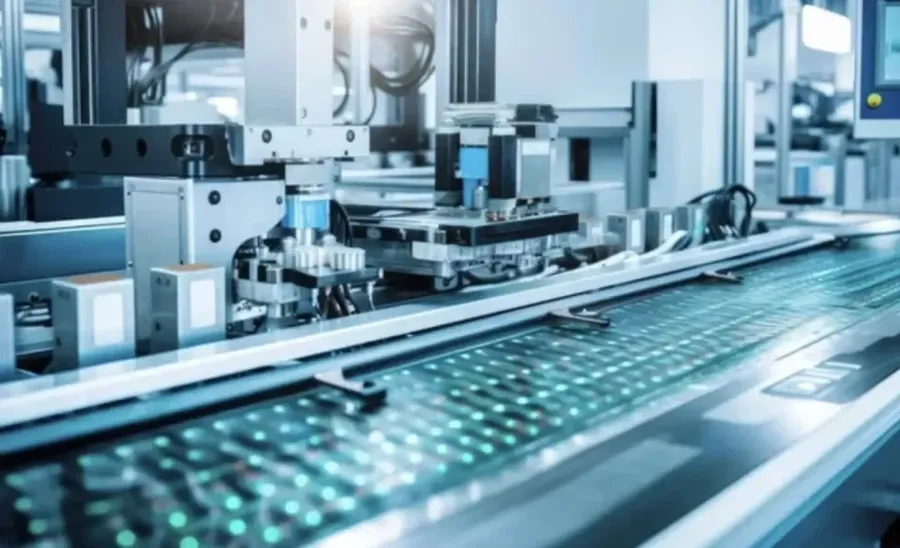
Automated Manufacturing and Inspection The implementation of state-of-the-art automated manufacturing and inspection equipment enables higher throughput, tighter tolerances, and improved overall product quality. This includes robotic assembly, automated optical inspection (AOI), and electrical testing.
Thermal Management Solutions As electronic devices become more powerful, the need for robust thermal management becomes crucial. IQ manufacturers offer integrated thermal management solutions like heat sinks, thermal vias, and metal core PCBs to dissipate heat efficiently and enhance reliability.
Signal Integrity Analysis and Simulation IQ manufacturers provide signal integrity analysis and simulation to ensure PCBs are designed for optimal performance, minimize signal loss, and manage impedance control effectively in high-speed applications.
These technological advancements are not just for show; they directly translate to improved PCB performance, increased functionality, higher reliability, and reduced size. By collaborating with an IQ PCB manufacturer that embraces innovation, clients can create products that are more advanced and competitive in their respective markets.
Supply Chain Considerations and Delivery Timeframes
A robust supply chain is paramount for timely PCB delivery, directly impacting project timelines and overall success. Selecting an IQ PCB manufacturer with a dependable supply chain and clear communication regarding delivery schedules is crucial. Strategic supply chain management minimizes delays and ensures a steady flow of materials and components.
Key considerations for a dependable supply chain include:
Material Sourcing Evaluate the manufacturer's sources for raw materials, ensuring they are reliable and meet required quality standards. Transparency in material sourcing is key to verifying consistency and mitigating risk.
Logistics and Transportation Assess the manufacturer's logistics network, including their ability to handle international shipments if necessary. Evaluate their tracking systems to ensure visibility and timely arrival of PCBs.
Manufacturing Capacity Confirm the manufacturer's production capacity aligns with your project volumes and timelines. Overextended production lines can lead to delays and compromise quality.
Risk Management and Contingency Planning Inquire about the manufacturer's contingency plans for supply chain disruptions, such as material shortages or geopolitical instability. A proactive approach to risk management can significantly reduce potential delays.
Delivery timeframes are equally important and should be clearly established during the initial contract phase. Factors influencing delivery times include:
Production Complexity The complexity of the PCB design, including layers, materials, and specialized features, will directly affect production lead times. Higher complexity typically requires longer manufacturing periods.
Order Volume The volume of PCBs ordered will influence the manufacturing schedule. Large-scale production runs often have different lead times than smaller prototype batches.
Geographical Location The proximity of the manufacturing facility to your location can affect delivery time, especially when considering international shipping. Domestic manufacturers might offer shorter lead times due to decreased transportation periods.
Manufacturer Capacity and Scheduling The manufacturer's capacity to handle your order within their existing production schedule is a crucial factor. Checking their available capacity upfront is advisable.
Engage in open and consistent communication with your selected IQ PCB manufacturer about potential supply chain challenges and delivery schedules. Proactive management of expectations and transparent reporting are crucial for a smooth and successful partnership.
Frequently Asked Questions About IQ PCB Manufacturers
Selecting the right IQ PCB manufacturer involves navigating various technical and logistical considerations. This section addresses common questions regarding material selection, design processes, manufacturing standards, and other critical factors, including typical manufacturing turnaround times, to ensure a well-informed decision.
What does 'IQ' signify in the context of PCB manufacturing? In the PCB manufacturing sector, 'IQ' generally refers to manufacturers who emphasize 'Innovation and Quality'. These manufacturers typically demonstrate advanced technological capabilities, robust quality control processes, and a commitment to research and development, often resulting in higher performance and more reliable PCBs.
What PCB materials are commonly used by IQ manufacturers, and how do I choose the right one for my project? IQ PCB manufacturers work with a variety of materials, including FR-4, high-Tg epoxy, polyimide, and ceramic substrates. The ideal material depends on factors such as operating temperature, frequency requirements, and mechanical stress. For example, high-Tg materials are better suited for applications with higher operating temperatures, whereas polyimide may be necessary for flexible PCBs. Consult with the manufacturer to determine the best material based on your specific application needs and performance goals.
What are typical manufacturing turnaround times for IQ PCBs? Turnaround times vary widely based on the complexity of the PCB, the manufacturer's current workload, and the required service level (e.g., standard vs. expedited). Simple designs might be completed in a few days, while more complex multilayer boards, or those requiring special finishes or materials, could take several weeks. It’s crucial to discuss timelines explicitly with the manufacturer during the quoting process, including lead time for prototyping and mass production, and ensure a clear agreement on delivery schedule.
What design considerations should I prioritize when working with an IQ PCB manufacturer? Key design considerations include adherence to design rules, proper impedance control, thermal management, and the manufacturability of the design. Engage with your IQ PCB manufacturer early in the design process. Many offer design for manufacturing (DFM) feedback to ensure the PCB is designed for cost-effective, high-quality production. Ensure that your design software matches the manufacturer's requirements, and be clear on layer stack-up, via types and placement, and trace widths. Early collaboration reduces the risk of issues during manufacturing, thus saving time and cost.
How do IQ PCB manufacturers ensure quality control during the production process? IQ manufacturers typically employ rigorous quality control processes at multiple stages of production, including automated optical inspection (AOI), electrical testing (e.g., flying probe or bed-of-nails testing), X-ray inspection, and in-circuit testing (ICT). They should also adhere to IPC standards and certifications. Detailed documentation and statistical process control (SPC) are also common to track and maintain quality throughout production. Ask for specific quality control reports as part of your vendor selection process.
What kind of certifications and standards should an IQ PCB manufacturer have? An IQ PCB manufacturer should ideally have certifications like ISO 9001 (Quality Management), ISO 14001 (Environmental Management), and industry specific certifications such as AS9100 for aerospace and IATF 16949 for automotive. They should also adhere to IPC standards for PCB design and fabrication such as IPC-A-600 for acceptability and IPC-6012 for performance and quality of rigid printed boards, ensuring the quality and reliability of the PCBs.
Can IQ PCB manufacturers provide assembly services, and what are the benefits? Yes, many IQ manufacturers offer turnkey solutions including PCB assembly. The primary benefits of this integrated approach are streamlined communication, reduced lead times, simplified logistics, and better control over quality. A single point of contact for design, manufacturing, and assembly can significantly reduce the risk of errors and delays and ensure a smoother and faster overall project timeline.
Comparative Analysis: Evaluating Different IQ PCB Manufacturers
Selecting the ideal IQ PCB manufacturer requires a thorough comparison of their capabilities, specializations, and service offerings. This section presents a structured analysis to aid in this critical decision-making process, focusing on key differentiators such as quality, service range, geographical reach, and pricing.
Manufacturer
Quality Standards (Certifications)
Specialization
Service Range
Geographical Reach
Pricing Tier (Relative)
Manufacturer A
ISO 9001, AS9100
High-Reliability PCBs, Aerospace Applications
Design, Fabrication, Assembly
Global
High
Manufacturer B
ISO 13485, IPC Class 3
Medical Device PCBs, Flexible PCBs
Fabrication, Assembly, Testing
North America, Europe
Medium-High
Manufacturer C
ISO 9001, UL Certified
HDI PCBs, Multilayer PCBs
Design, Fabrication
Asia, Europe
Medium
Manufacturer D
ISO 9001
Cost-Effective Volume Production
Fabrication
Asia
Low-Medium
Manufacturer E
IPC-6012 Class 3
High Frequency PCBs, RF Applications
Design, Fabrication, Testing
Global
High
Selecting the right IQ PCB manufacturer is a decision that significantly impacts the quality and innovation of your electronic products. By considering factors like manufacturing capabilities, specializations, turnkey solutions, and cost-effectiveness, you can find a partner that will propel your project to success. Remember that an IQ PCB manufacturer like those offering advanced technologies and comprehensive services are not just vendors but strategic partners. With a well-informed decision, your project will be grounded in a solid foundation, guaranteeing quality and performance, and facilitating future developments with [iq pcb manufacturer] partners.