In today's interconnected world, printed circuit boards (PCBs) are the unsung heroes powering almost every electronic device we use. Selecting the right PCB electronics company is crucial for product success, regardless of whether you are designing a simple sensor or a sophisticated computing system. This article helps guide you through the key factors to consider when choosing a PCB partner, ensuring your designs are brought to life with quality and efficiency. Let's delve into the essentials for identifying a suitable PCB electronics company and explore strategies for a fruitful collaboration.
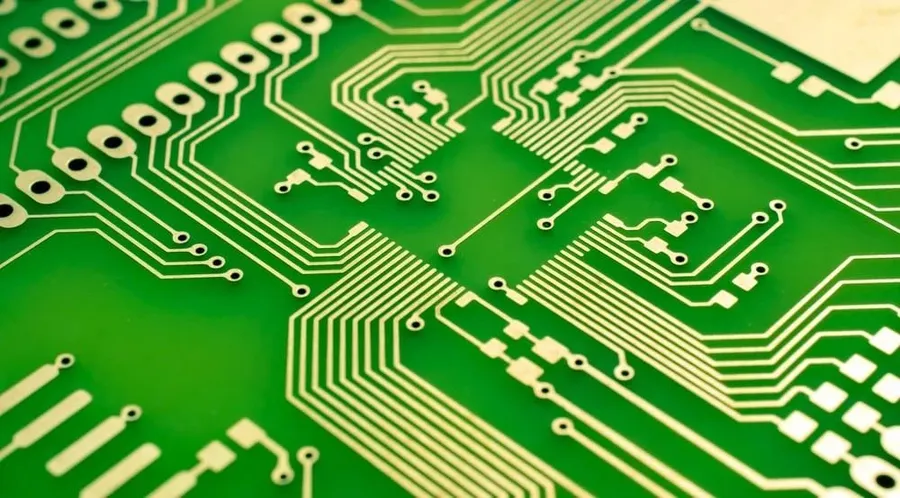
Before engaging with a PCB electronics company, a meticulous evaluation of your project's specific requirements is paramount. This foundational step ensures the selection of a partner that can effectively meet your unique needs, encompassing factors such as board complexity, production volume, material specifications, and project timelines. A precise understanding of these parameters is crucial for successful PCB manufacturing.
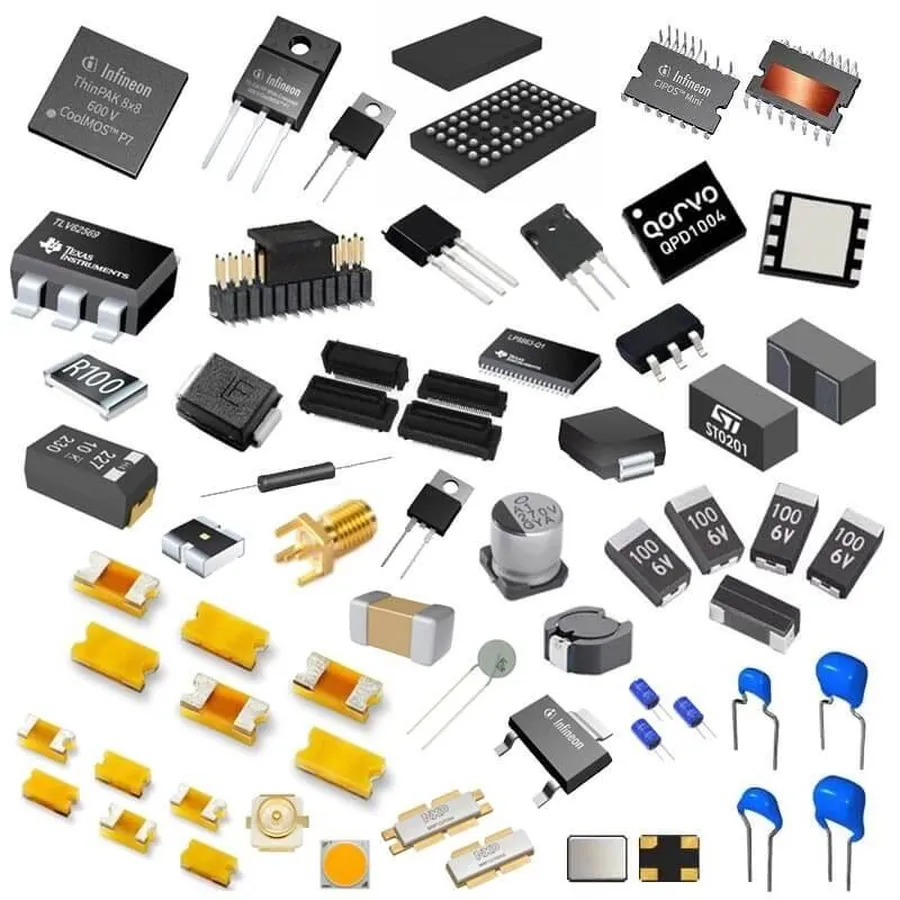
Selecting a PCB electronics company requires a thorough evaluation that goes beyond just the quoted price. A comprehensive assessment should include the company's expertise, certifications, technological capabilities, quality control measures, lead times, and the quality of their customer support. These factors collectively determine a company’s ability to consistently deliver high-quality PCBs.
| Factor | Description | Importance |
|---|---|---|
| Expertise | Years of experience in PCB manufacturing, specialized knowledge in different PCB types and technologies. | Ensures the company understands complex designs and can avoid common production pitfalls. |
| Certifications | Compliance with industry standards such as ISO 9001, IPC standards. | Demonstrates commitment to quality management and adherence to industry best practices. |
| Technology Capabilities | Advanced manufacturing processes like SMT (Surface Mount Technology), through-hole, multi-layer boards, fine-pitch components, advanced materials handling. | Enables the production of complex boards with high precision and reliability. |
| Quality Control Processes | Rigorous testing procedures including Automated Optical Inspection (AOI), In-Circuit Testing (ICT), and functional testing. | Reduces defects and ensures high quality boards. |
| Lead Times | The time it takes from order placement to delivery. | Crucial for project timelines and should be consistent with project schedules. |
| Customer Support | Availability of technical support, communication channels, and responsiveness. | Essential for resolving issues and maintaining a smooth production process. |
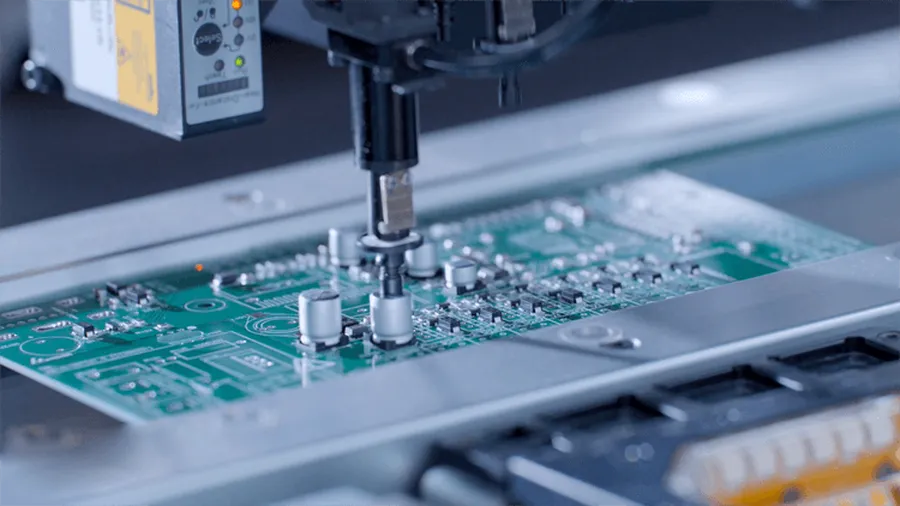
PCB electronics companies offer a spectrum of services, each crucial at different stages of product development. Selecting a provider that offers the specific services aligned with your project requirements, from initial prototyping to final assembly and testing, is essential for streamlining the process and ensuring a seamless transition between stages. This approach minimizes potential compatibility issues and reduces the complexities of managing multiple vendors.
| Service Type | Description | Key Considerations |
|---|---|---|
| PCB Design & Layout | Creation of PCB schematics and layout from a concept or circuit design. | Ensure the company has skilled designers with the experience to handle your PCB complexity and requirements. Verify their CAD software compatibility. |
| PCB Prototyping | Production of small quantities of PCBs for design verification and testing. | Check the company's lead time for prototypes and the ability to transition seamlessly to full-scale production. Fast turnaround is crucial for iterative designs. |
| PCB Fabrication | Manufacturing bare PCBs according to the design files. | Evaluate their material capabilities (e.g., FR-4, flex PCBs), manufacturing precision, and ability to meet tight tolerances. Verify they can achieve your desired layer count and board thickness. |
| PCB Assembly | Mounting of electronic components onto the bare PCBs. | Assess their component placement accuracy, soldering methods, and capabilities with different component types (SMT, through-hole). Check their capacity for your production volume requirements. |
| PCB Testing | Functional and in-circuit testing to ensure the PCB works correctly. | Confirm the type of testing they offer (e.g., automated optical inspection (AOI), in-circuit testing (ICT)). Rigorous testing is key to ensuring reliability. |
| Other services | Specific services like conformal coating, potting, and specialized assembly | Confirm if they provide niche services you may require. This can streamline your process further. Check to see if they will work on customer specified parts. |
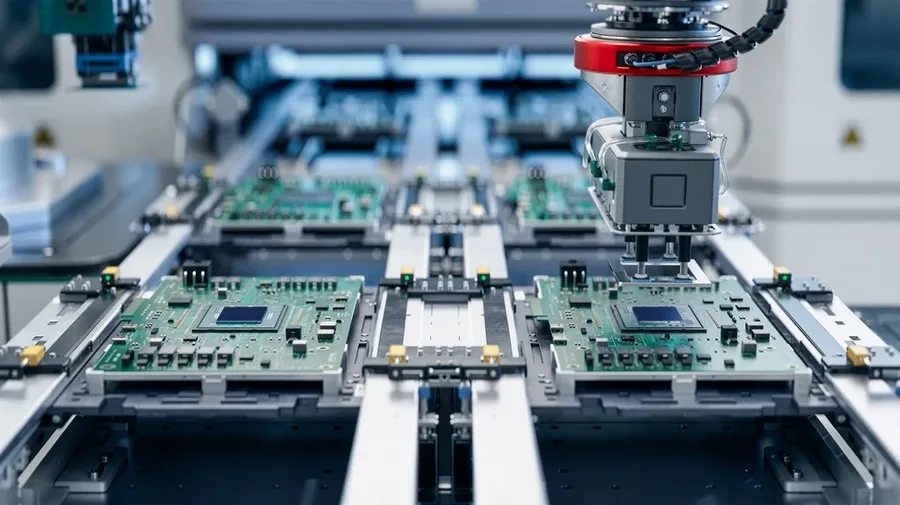
The decision of whether to partner with a domestic or international PCB electronics company is a pivotal one, directly influencing cost, lead time, and quality control. Evaluating these factors in the context of your supply chain strategy is crucial for optimized project outcomes.
| Factor | Domestic PCB Company | International PCB Company |
|---|---|---|
| Cost | Potentially higher initial cost due to labor and overhead. | Often lower manufacturing cost due to lower labor and operational expenses. |
| Lead Time | Generally shorter lead times due to proximity. | Longer lead times can be expected due to shipping and customs processes. |
| Communication | Easier communication due to similar time zones and potential language. | Communication can be challenging due to time zone differences and potential language barriers. |
| Quality Control | Easier to conduct on-site audits and address quality issues promptly. | Quality control requires robust procedures, may have challenges with on-site auditing. |
| Shipping | Lower shipping costs and easier logistics. | Higher shipping costs and more complex logistics, potential for delays at customs. |
| Supply Chain | Potentially more robust and resilient, easier to manage. | Potentially more vulnerable to disruptions and require more sophisticated planning. |
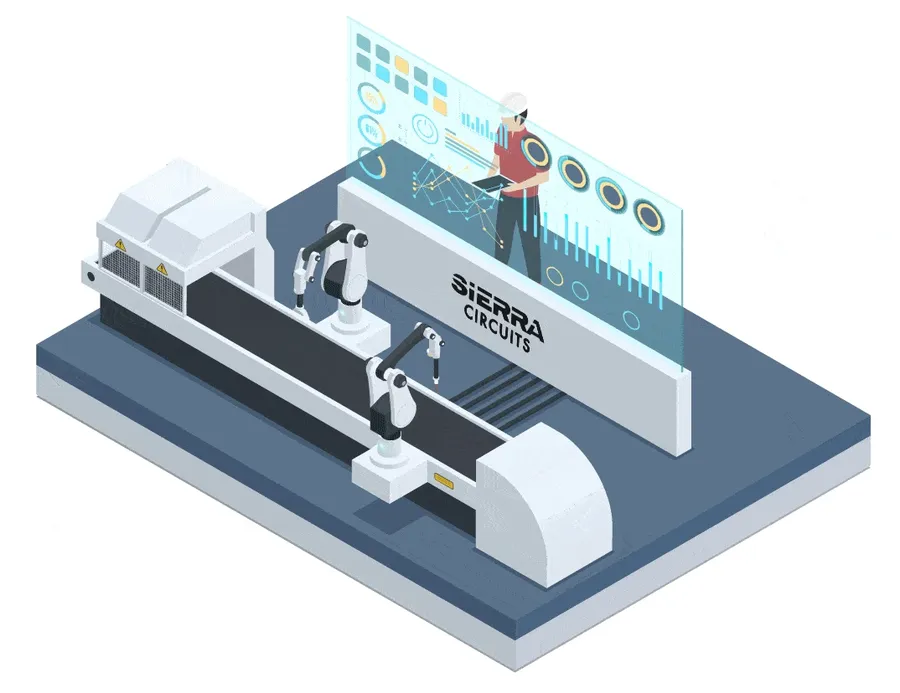
A PCB electronics company's technological prowess is a direct indicator of its ability to produce high-quality printed circuit boards. The sophistication of their equipment and manufacturing processes directly impacts the precision, reliability, and overall quality of the final product. A thorough evaluation of their technology is essential before selecting a manufacturing partner.
Key aspects to consider include:
| Technology Aspect | Importance | Questions to Ask |
|---|---|---|
| Equipment Sophistication | Directly affects PCB accuracy and features. | What is the age and capability of your equipment? Do you utilize automated processes? |
| Material Processing | Ensures boards can be made with diverse substrates. | What materials are you capable of processing? Have you worked with [your material]? |
| Advanced Tech | Enhances manufacturability of complex designs | Do you offer LDI, laser drilling, and controlled impedance? |
| Automation | Ensures consistent production and scale. | How automated is your production line? Is there process control monitoring? |
| Maintenance | Maintains accuracy and reduces errors. | What is your equipment maintenance and calibration protocol? |
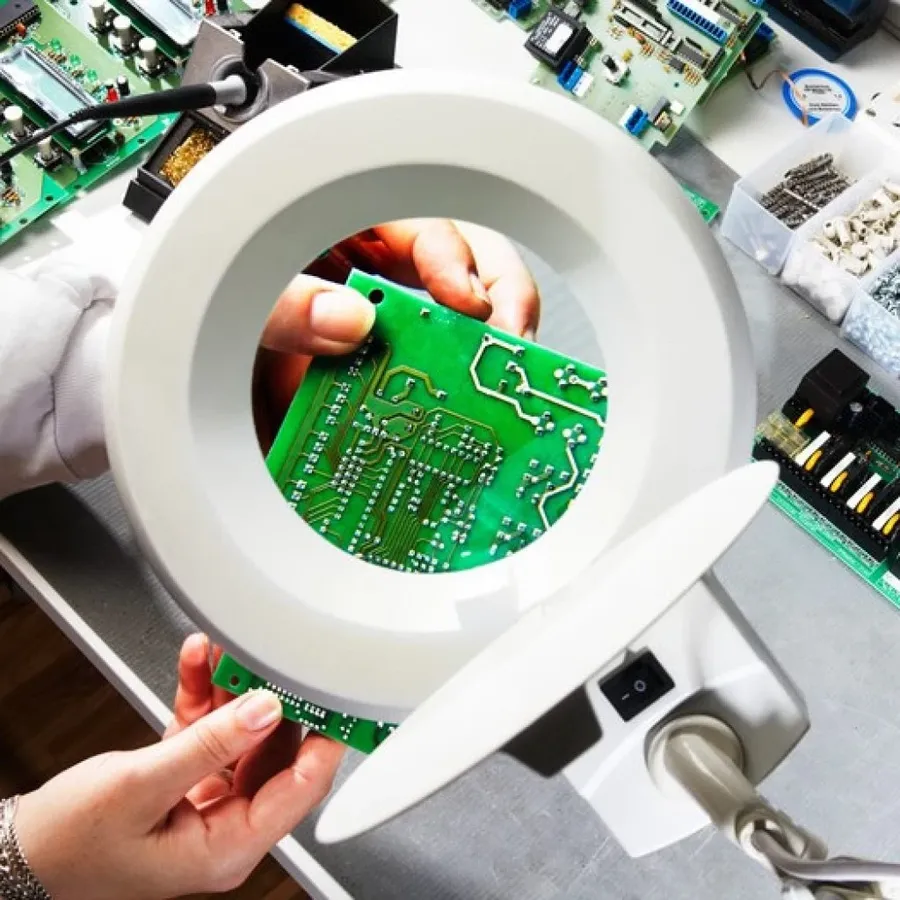
Rigorous quality control and adherence to industry certifications are paramount when selecting a PCB electronics company. These practices directly impact the reliability and long-term performance of the printed circuit boards (PCBs), making them a critical evaluation factor.
The adherence to quality control standards is not merely a matter of compliance; it is an indicator of a PCB company's commitment to excellence and their ability to consistently produce high-quality, dependable PCBs. This commitment should encompass all stages of production, from design review to final inspection. Certifications provide an additional layer of assurance that the company adheres to established industry best practices.
| Certification/Standard | Description | Benefit |
|---|---|---|
| ISO 9001 | International standard for quality management systems | Demonstrates robust quality practices and continuous improvement |
| IPC Standards | Industry-specific standards for PCB manufacturing | Ensures best practices in design, fabrication, and assembly |
| UL Certification | Safety certification by Underwriters Laboratories | Indicates that the PCBs meet safety requirements for end use |
| RoHS Compliance | Restriction of Hazardous Substances Directive | Guarantees that the PCB is free from certain hazardous materials |
While cost is a significant factor in choosing a PCB electronics company, it should not be the sole determinant. A comprehensive analysis of quotes should consider the total cost, including fabrication, assembly, and testing, as well as lead times, payment terms, and any potential hidden fees. Prioritizing long-term value over the lowest initial cost is crucial for ensuring both quality and consistency.
| Factor | Description | Considerations |
|---|---|---|
| Total Cost | Encompasses all expenses, from raw materials to final testing. | Breakdown of costs to understand each element, evaluate quantity discounts, and consider tooling costs. |
| Lead Times | The time taken from order placement to delivery. | Balance lead times with project timelines, understand expedited options, and plan for potential delays. |
| Payment Terms | Agreements on payment schedules and methods. | Discuss payment milestones, preferred methods, and credit facilities. |
| Hidden Fees | Unforeseen costs that can arise during production. | Clarify all potential additional charges, such as testing, engineering change orders, and shipping. |
| Long-Term Value | The overall cost-effectiveness considering quality, reliability, and consistency. | Evaluate the cost of rework, defects, and delayed project completion. |
Navigating the selection process for a PCB electronics company can raise numerous questions. This section addresses common inquiries to provide clarity and aid in making informed decisions. The 'best' choice depends heavily on project specifics, and size doesn't always equate to suitability.
Establishing a robust partnership with your PCB electronics company is paramount for ensuring the success of your project. This goes beyond a simple client-vendor relationship, aiming instead for a collaborative environment where clear communication, mutual understanding, and proactive problem-solving are prioritized. This approach reduces errors and drives higher quality outcomes.
Selecting the right PCB electronics company is critical to the success of your project. By carefully considering the factors mentioned in this article—from understanding your specific needs to thoroughly evaluating potential partners—you can ensure you partner with a company that not only meets your technical requirements but also contributes to your project's overall success. A reliable PCB partner, like our [pcb electronics company], will provide you with the peace of mind that your PCB production is in capable hands, allowing you to focus on innovation and growth.

