In today's interconnected world, circuit boards are the unsung heroes powering everything from our smartphones to advanced medical equipment. Selecting the right circuit manufacturing company is crucial for ensuring the success of any electronic project. Just as the foundations of a skyscraper determine its stability, the quality and reliability of your circuit boards depend entirely on the capabilities of your manufacturing partner, [circuit manufacturing company]. This article provides a comprehensive guide to assist in finding a manufacturer that meets your specific needs and scales with your project's demands.
Before engaging a circuit manufacturing company, a precise understanding of your project's requirements is paramount. This involves clearly defining the complexity of your circuit design, the anticipated production volume, and the required turnaround time. These three elements serve as the cornerstone for selecting a manufacturer that aligns with your project's unique needs and constraints.
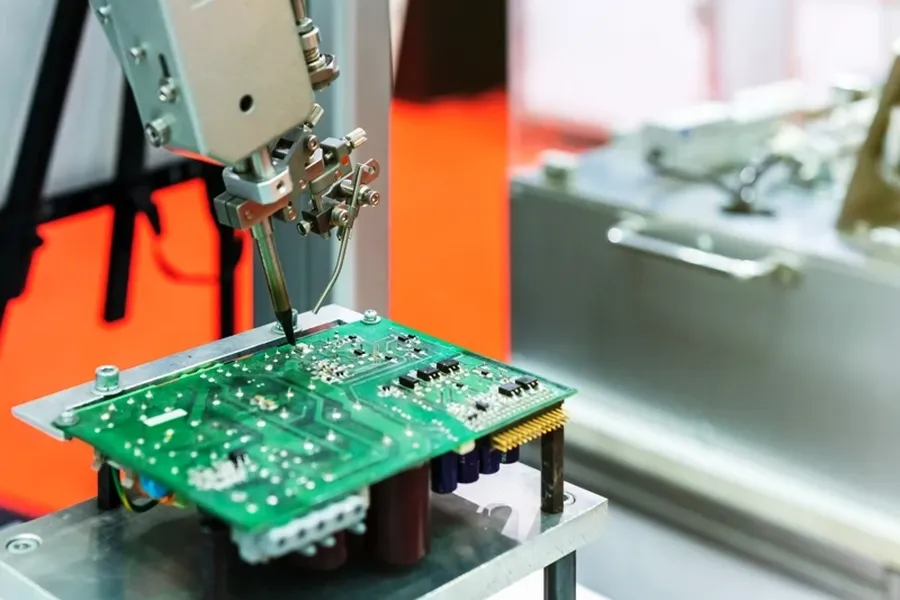
Selecting the right circuit manufacturing company is crucial for ensuring the success of your electronic product. This decision should be based on a comprehensive evaluation of several key factors that directly impact the quality, cost, and timeliness of your project. These factors include the manufacturer's technological capabilities, material expertise, adherence to industry certifications, and rigorous testing processes.
| Factor | Description | Importance |
|---|---|---|
| Technological Capabilities | The range of manufacturing processes (e.g., SMT, through-hole, advanced packaging), equipment, and expertise. | Essential for handling complex designs and utilizing the latest technologies. |
| Material Expertise | The ability to work with a variety of materials (e.g., FR-4, flex, metal core) and provide advice on material selection. | Critical for the durability, performance, and reliability of the final product. |
| Industry Certifications | Compliance with standards like ISO 9001, ISO 13485, UL, IPC, and others. | Demonstrates a commitment to quality and ensures the manufacturer meets industry-accepted benchmarks. |
| Testing Processes | The types of testing performed (e.g., in-circuit testing, flying probe, functional testing, AOI) and their rigor. | Vital for identifying and correcting any defects before mass production, reducing risk and cost. |
| Manufacturing capacity | The ability of the manufacture to meet the required volume with the production capacity, the delivery times and manufacturing capabilities. | Ensures that the manufacture can meet the volume required for each production cycle and that the manufacturing time meets the requirements of the project. |
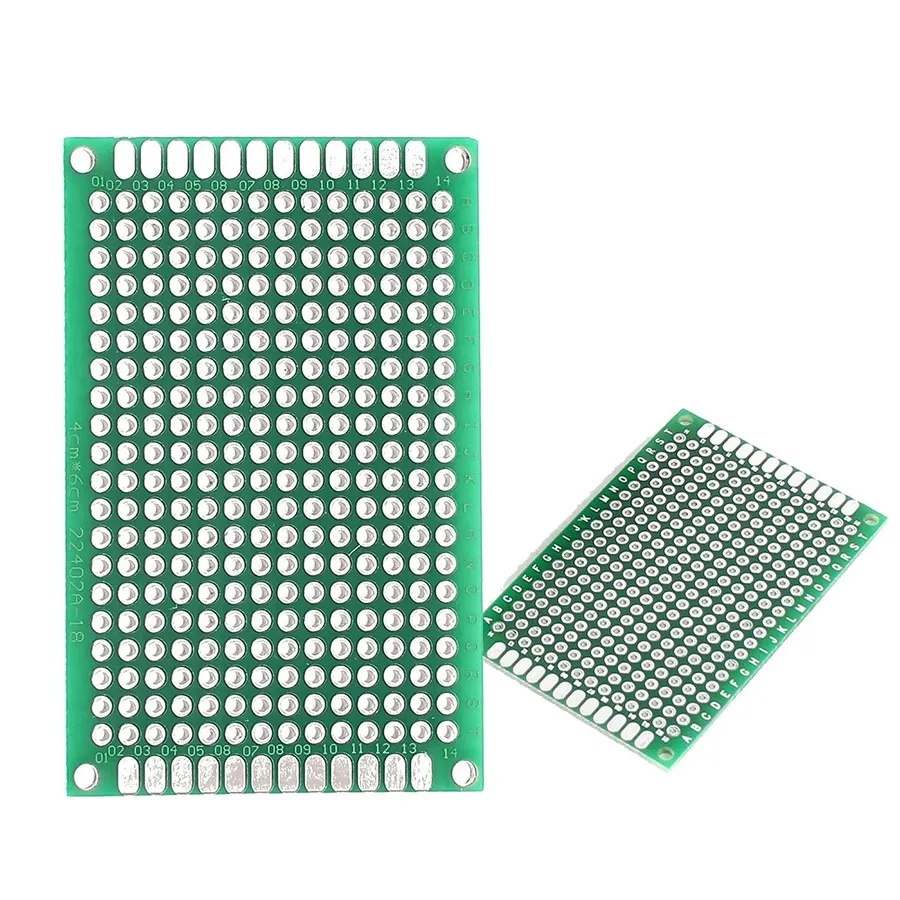
The requirements for circuit manufacturing differ significantly between prototyping and full-scale production. Understanding these differences is crucial for selecting the right manufacturing partner to align with the specific needs of each project phase. Prototyping focuses on validating design and functionality, while production prioritizes high-volume, cost-effective manufacturing.
| Feature | Prototyping | Production |
|---|---|---|
| Focus | Design Validation, Functional Testing | High-Volume Manufacturing, Cost Efficiency |
| Volume | Low (e.g., 1-100 boards) | High (e.g., 1000+ boards) |
| Lead Time | Faster turnaround, often within days or a few weeks | Longer lead times, often several weeks to months |
| Cost per Unit | Higher due to lower volume and specialized setups | Lower due to economies of scale |
| Flexibility | Higher, allows for frequent design changes | Lower, changes require more planning |
| Material Selection | May use a broader range of materials to test functionality | Focused on standard, cost-effective materials |
| Testing | Detailed functional and design validation | Automated quality control testing |
| Manufacturer Selection | Manufacturers with flexible lines and quick turnaround times | Manufacturers specializing in volume production and cost optimization |
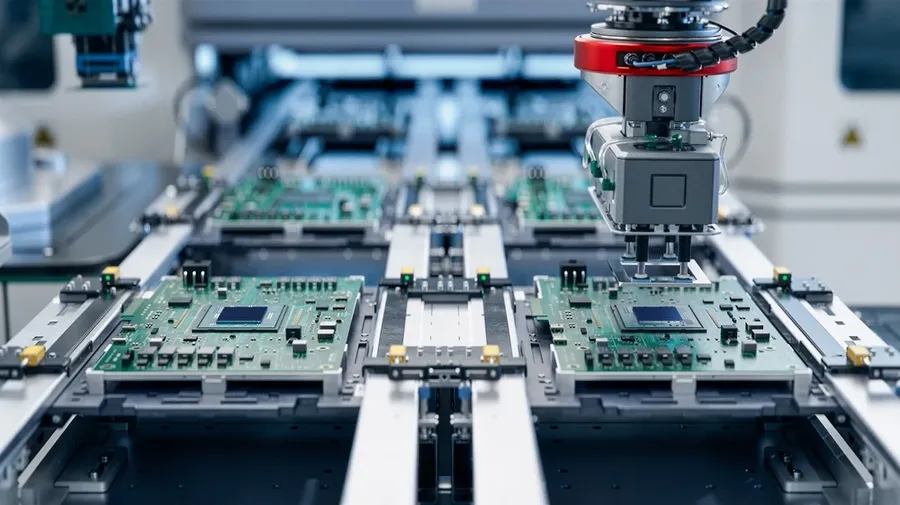
The decision between local and overseas circuit manufacturing is a critical one, influencing cost, lead times, communication ease, and overall project management. This section explores the trade-offs inherent in each choice, providing a framework for making an informed selection.
| Factor | Local Manufacturer | Overseas Manufacturer |
|---|---|---|
| Cost | Higher initial cost due to labor, overhead, and material sourcing. | Lower per-unit cost due to reduced labor and operational expenses. |
| Turnaround Time | Shorter lead times; faster prototyping and production. | Longer lead times, impacted by shipping and potential customs delays. |
| Communication | Easier communication due to proximity, shared time zones, and potentially language. | Communication can be challenging due to time differences, language barriers, and cultural nuances. |
| Intellectual Property | Potentially lower risk, as domestic laws may offer greater protection. | Potentially higher risk, with varying IP protection laws and enforcement |
| Quality Control | Easier to conduct site visits and monitor production in person. | Requires a robust quality management system, relies on remote audits and reporting. |
| Shipping Cost and Logistics | Lower shipping cost, simpler logistics, and shorter delivery time | Higher shipping cost, complex logistics, and longer delivery time. |
| Minimum Order Quantities | May offer flexibility with smaller order sizes. | Often requires larger minimum order quantities (MOQs) due to production scale and shipping efficiency. |
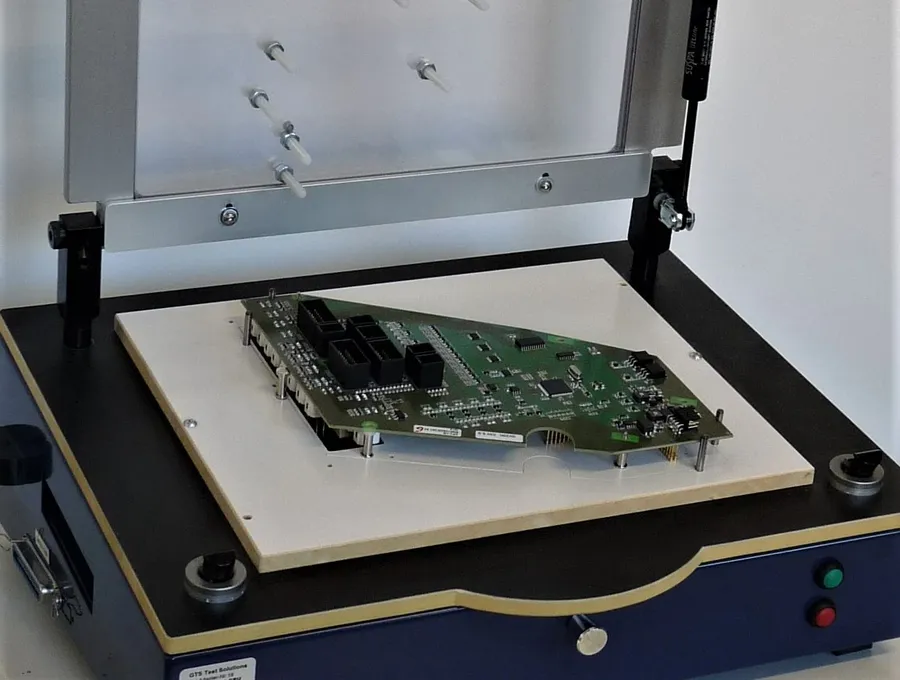
The selection of a circuit manufacturing company hinges significantly on its technological capabilities. This section explores key manufacturing technologies, such as Surface Mount Technology (SMT), Through-Hole Technology, and the capacity to handle advanced materials, all critical factors in ensuring your project's success.
| Technology | Description | Typical Applications | Advantages | Considerations |
|---|---|---|---|---|
| Surface Mount Technology (SMT) | Components are mounted directly onto the surface of the PCB. | High-density electronics, consumer devices, portable gadgets. | High component density, automation-friendly, cost-effective for high-volume production. | Requires specialized equipment, less robust for manual assembly, sensitive to thermal stress. |
| Through-Hole Technology | Components are inserted into holes drilled through the PCB. | Aerospace, military, industrial equipment, high-reliability applications. | Robust connections, suitable for manual assembly, better for high-stress applications. | Lower component density, not ideal for high-volume or complex designs, can be more costly. |
| Advanced Materials | Use of materials beyond standard FR-4, such as polyimides, ceramics, or metal core PCBs. | High-frequency applications, high-temperature environments, specific impedance requirements. | Enhanced thermal performance, improved electrical properties, increased durability. | Higher cost, may require specialized manufacturing processes, potentially longer lead times. |
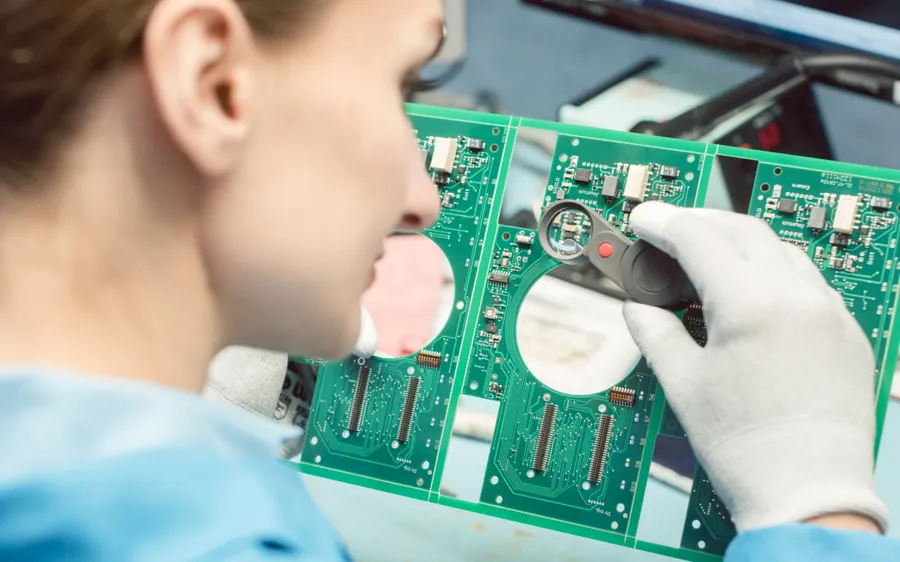
Rigorous quality control and adherence to industry certifications are paramount when selecting a circuit manufacturing company. These measures ensure that the manufactured circuits meet the required performance, reliability, and safety standards, minimizing defects and preventing costly issues downstream.
Understanding the cost and pricing structures of a circuit manufacturing company is crucial for making informed decisions and ensuring project success. A comprehensive approach to cost evaluation goes beyond just comparing quotes, it involves understanding the value proposition of each manufacturer, which can significantly impact the overall budget and long-term profitability of your product. It is essential to evaluate not only the initial price but also the total cost of ownership, factoring in aspects such as quality, reliability, and long-term support.
| Cost Factor | Description | Impact on Total Cost |
|---|---|---|
| NRE (Non-Recurring Engineering) Costs | One-time costs for design, setup, and tooling. | Significantly impact small production runs; amortized over large volumes. |
| Unit Price | Cost per printed circuit board (PCB). | Key factor, especially for high-volume production. Discounts usually apply for bulk orders. |
| Material Costs | Costs associated with raw materials (e.g., copper, substrates, components). | Influenced by component availability, material grade and market price. Varies with spec requirements. |
| Labor Costs | Costs for manufacturing processes, assembly, and testing. | Dependent on manufacturing complexity, technology used and location of the factory. Can be optimized by automation. |
| Testing Costs | Costs for various tests, including functional, electrical, and environmental. | Essential for ensuring quality and reliability. Can add to cost but crucial for long-term performance. |
| Shipping and Logistics | Costs associated with transporting finished PCBs. | Varies significantly based on delivery speed, manufacturer location and shipping method. Import duties and taxes must be included in final cost analysis. |
| Hidden Costs | Costs for rework, delays, or design changes. | Potentially significant and can be minimized by clear specifications, good communication and a well chosen partner. |
This section addresses common inquiries regarding circuit manufacturing companies, providing clear and concise answers to assist in your selection process. Understanding these key aspects is crucial for successful project outcomes.
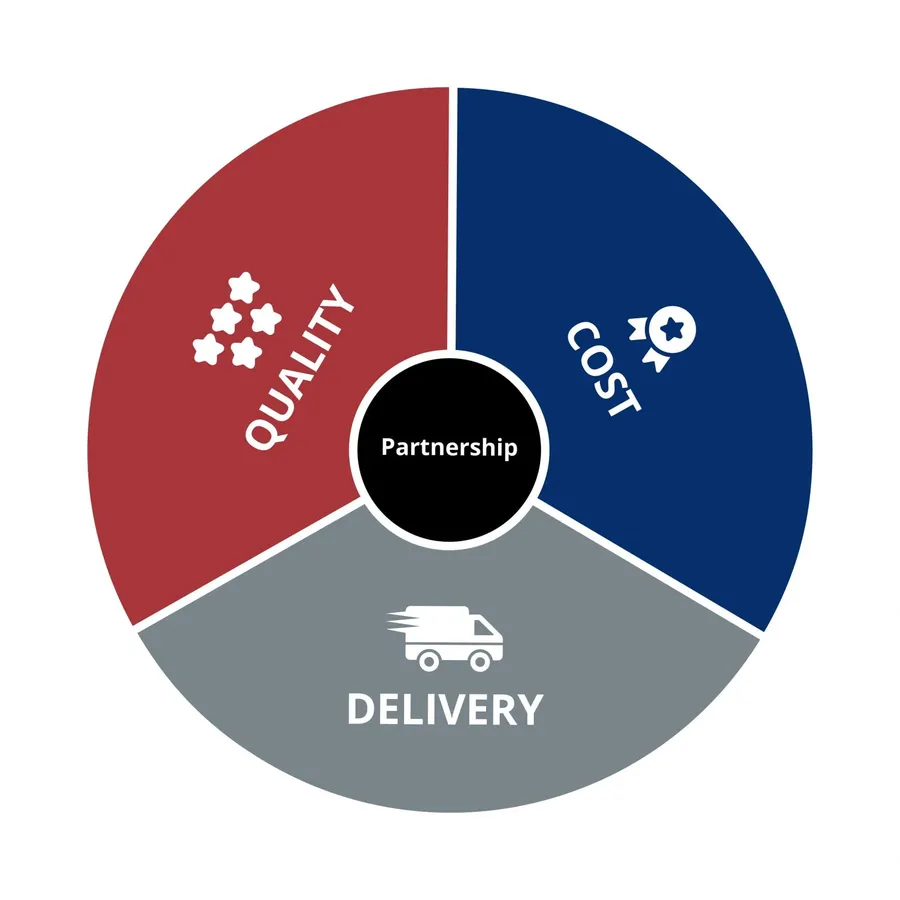
Analyzing successful circuit manufacturing partnerships provides invaluable insights into best practices and potential pitfalls. These case studies highlight the importance of clear communication, rigorous quality control, and selecting a manufacturer that aligns with specific project needs. By examining real-world examples, businesses can make more informed decisions and mitigate risks associated with the circuit manufacturing process.
Below are a few hypothetical case studies, illustrating diverse scenarios and successful outcomes:
Selecting the right circuit manufacturing company is a critical step in bringing your electronic project to life. By understanding your project needs, evaluating manufacturer capabilities, and considering quality and cost, you can choose a reliable partner like [circuit manufacturing company] that will help you scale from prototypes to full production. Remember, the right partner not only provides circuit boards but also contributes to the overall success of your electronic solutions. The future of electronic innovations relies on strong manufacturing partnerships.

