Printed circuit boards (PCBs) are the backbone of modern electronics, silently powering everything from smartphones to industrial machinery. Choosing the right PCB manufacturing factory is crucial for bringing your electronic designs to life, impacting product performance, cost, and time to market. This guide explores the key factors in selecting a reliable PCB manufacturing factory, ensuring your project's success.
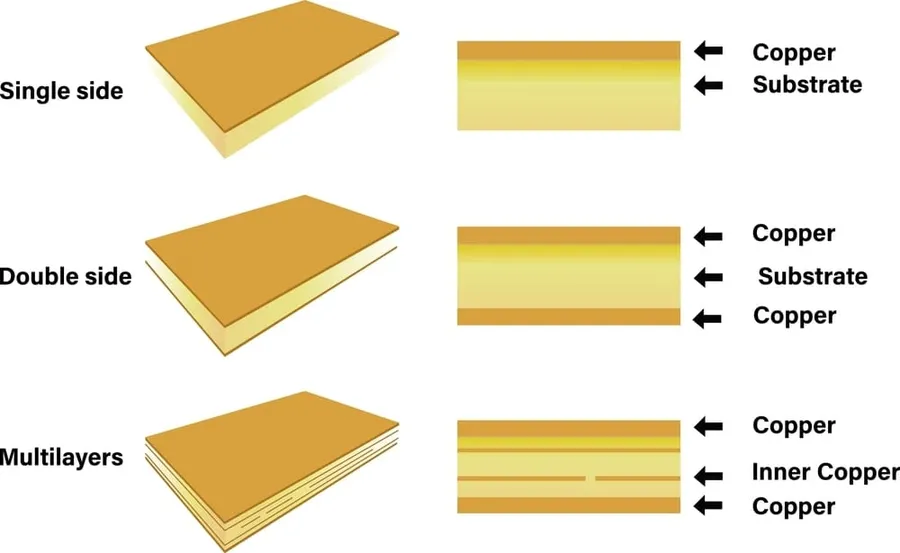
Prior to engaging a PCB manufacturing factory, a meticulous assessment of your project's specific needs is paramount. This involves a detailed consideration of several critical factors, including the complexity of the circuit board design, the types of materials required, the anticipated production volume, and the necessary turnaround time. Furthermore, it is essential to determine whether your project necessitates prototype development, small-batch production runs, or large-scale mass manufacturing.
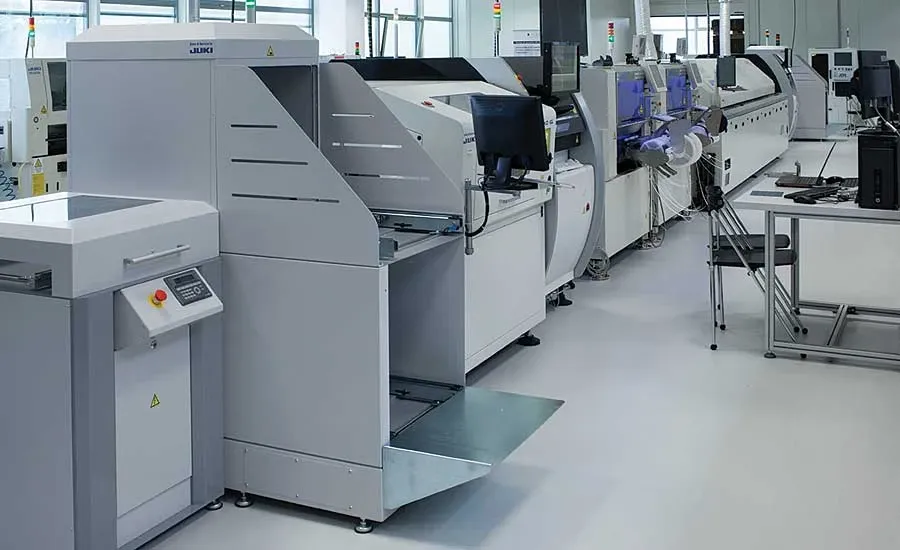
PCB manufacturing factories provide a comprehensive suite of services essential for bringing electronic designs to life. These services span from initial design to final product testing, encompassing various crucial stages to ensure the delivery of high-quality, functional printed circuit boards. Understanding these services is paramount for selecting the right manufacturing partner.
| Technology | Description | Typical Applications |
|---|---|---|
| Surface Mount Technology (SMT) | Components are mounted directly onto the surface of the PCB. | High-density boards, portable devices, consumer electronics |
| Through-Hole Technology (THT) | Components with leads are inserted into holes drilled into the PCB and soldered on the opposite side. | High-power applications, robust connections, prototypes |
| Mixed Assembly | Combines both SMT and THT components on the same board. | Diverse applications, bridging requirements of different component types |
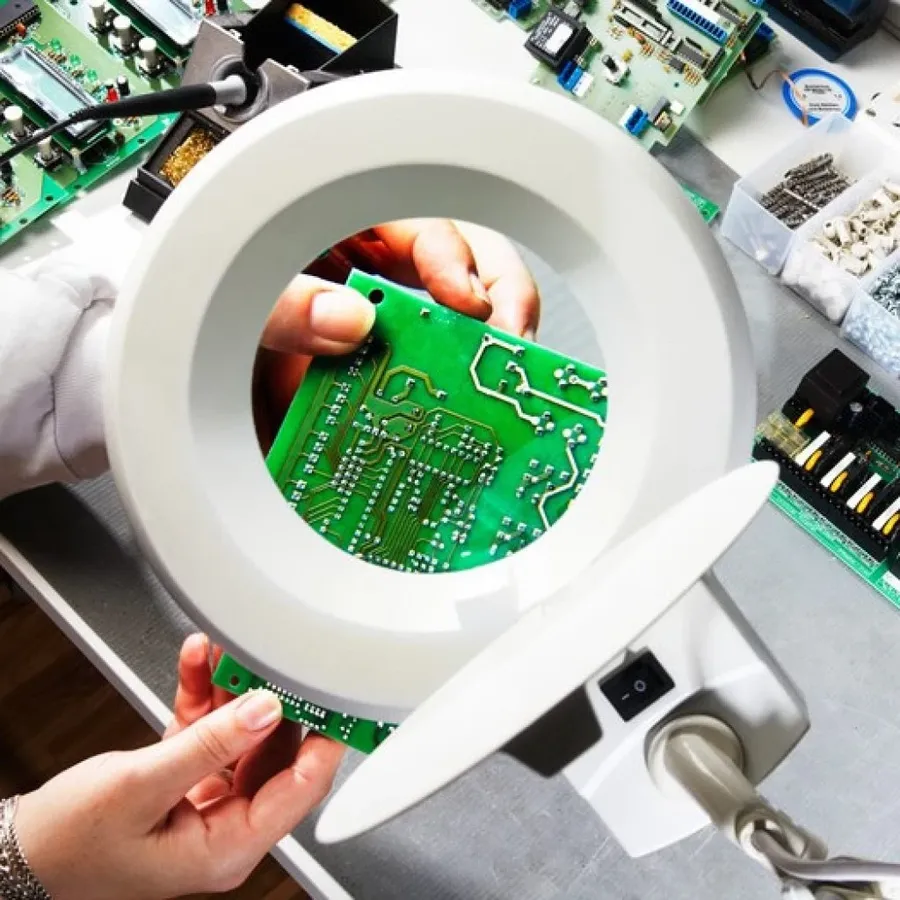
Selecting the right PCB manufacturing partner is crucial for the success of any electronics project. A multitude of factors must be carefully evaluated to ensure the chosen factory can consistently deliver high-quality PCBs that meet the specific demands of your design. These considerations range from technological capabilities and material options to quality assurance processes and customer service.
| Factor | Description | Importance |
|---|---|---|
| Technology Capabilities | Assess the factory's equipment and processes for precision fabrication, SMT, through-hole assembly, and specialized finishes. | Ensures ability to meet design requirements. |
| Material Options | Verify the availability of preferred materials (FR-4, Aluminum, flex), various copper thicknesses, and dielectric constants. | Essential for performance and specific applications. |
| Quality Assurance | Confirm the factory has implemented rigorous checks such as AOI, ICT, and FCT. | Critical for product reliability and minimizing defects. |
| Certifications | Look for compliance with ISO 9001, AS9100 (for aerospace), or other relevant industry standards. | Demonstrates commitment to quality management and adherence to industry standards. |
| Turnaround Time | Evaluate the typical lead time for prototypes and mass production, and if it aligns with project timelines. | Crucial for meeting deadlines and project schedules. |
| Pricing Transparency | Request detailed quotes and understand all cost components, including tooling, materials, and assembly charges. | Ensures cost-effectiveness and eliminates unexpected expenses. |
| Customer Service | Assess the factory's responsiveness, communication, and support throughout the ordering and manufacturing process. | Important for efficient communication and issue resolution. |
| Reputation | Research the factory's track record through reviews, referrals, and industry recognition. | Indicates reliability and consistency in quality and service. |
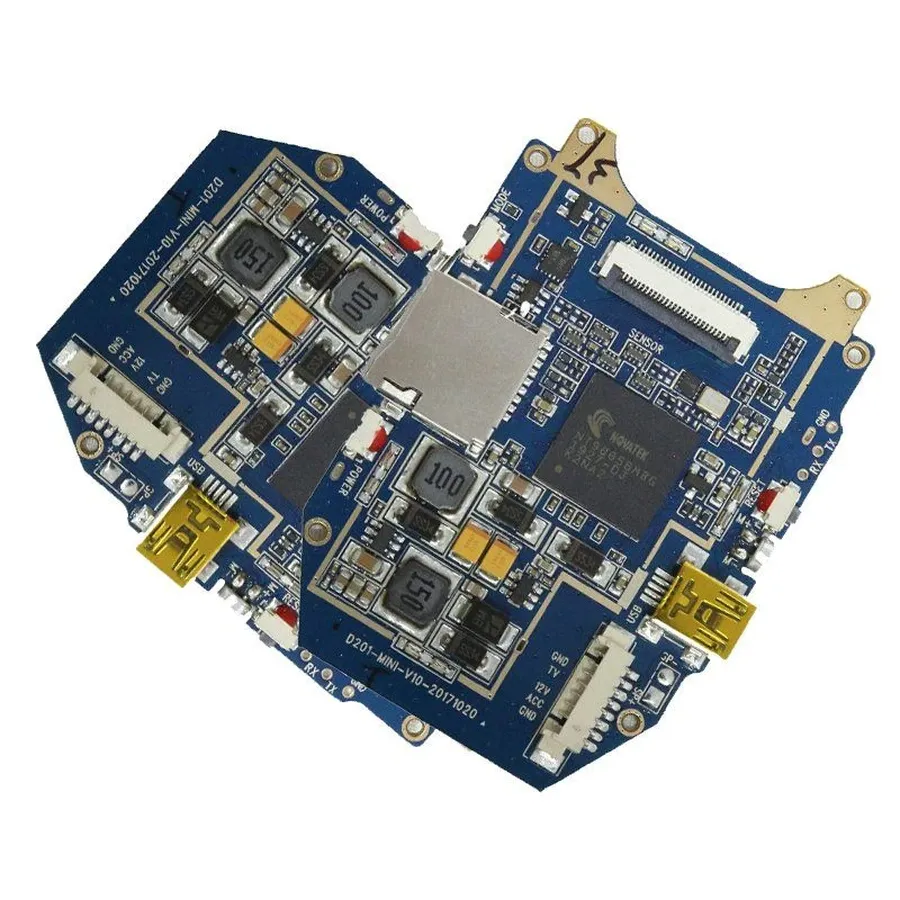
The distinction between PCB prototyping and mass production is critical when selecting a manufacturing partner. Prototyping focuses on validating designs and functionality with small quantities, while mass production requires scalable processes to efficiently produce large volumes. Matching your project phase with a factory's expertise is crucial for project success and cost-effectiveness.
| Feature | Prototyping | Mass Production |
|---|---|---|
| Volume | Low (typically 1-100 boards) | High (hundreds to millions of boards) |
| Turnaround Time | Fast (days to a few weeks) | Longer (weeks to months) |
| Cost Per Board | High | Low |
| Process Flexibility | High, easier to accommodate changes | Lower, changes require more process adjustment |
| Purpose | Design verification and functionality testing | Large-scale commercial production |
| Equipment Focus | Versatile machines and manual adjustments | Automated and high-throughput machines |
| Material Handling | Flexible handling of different materials for testing | Optimized for bulk material processing |
Ideally, a PCB manufacturing partner should offer robust capabilities for both prototyping and mass production. This dual capability ensures a smooth transition from initial design verification to full-scale manufacturing, minimizing delays and streamlining the overall product lifecycle.
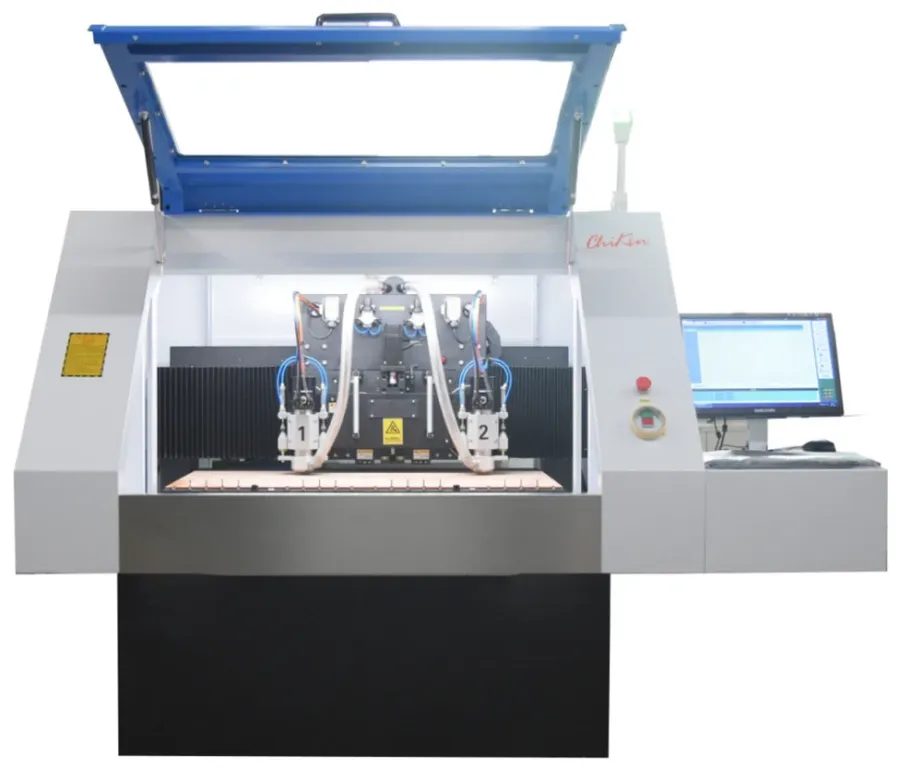
A PCB manufacturing factory's technological infrastructure and equipment are paramount for producing high-quality printed circuit boards. Modern machinery enables precise fabrication, efficient automated assembly, and rigorous quality control, ensuring that the final product meets stringent specifications. Evaluating a factory's equipment is crucial to determine its capability to handle your project's requirements.
| Equipment Category | Specific Equipment | Function | Importance |
|---|---|---|---|
| Fabrication | CNC Drilling Machines, Laser Direct Imaging (LDI) Systems, Etching Machines | Precise drilling of vias and holes, creating circuit patterns using lasers, and controlled material removal to form conductive traces. | Critical for accuracy and precision in PCB manufacturing. Ensures design specifications are met with minimal variation. |
| Assembly | Pick and Place Machines, Reflow Ovens, Wave Soldering Machines | Automated placement of components on the PCB, controlled heating for solder reflow, and soldering of through-hole components. | Improves speed and accuracy in component placement, ensuring proper soldering and electrical connections. |
| Quality Control | Automated Optical Inspection (AOI) Systems, In-Circuit Testers (ICT), X-ray Inspection Equipment | Automated visual inspection for defects, electrical testing of circuits, and internal inspection for solder joints and component alignment. | Vital for ensuring product reliability and identifying defects at different stages of manufacturing, avoiding costly errors. |
| Surface Finish | Electroless Nickel Immersion Gold (ENIG) Plating Line, Hot Air Solder Leveling (HASL) System | Application of protective finishes on copper traces to prevent oxidation and ensure solderability. | Critical for preserving PCB solderability and preventing environmental corrosion. |
| Impedance Control | TDR (Time Domain Reflectometry) Testing Equipment | Measurement and control of signal impedance to ensure signal integrity for high-frequency applications. | Necessary for high-speed and high-frequency applications where signal integrity is crucial. |
The technological capabilities of a factory extend beyond just the equipment. Consider their ability to handle various surface finish options like ENIG, HASL, and immersion silver, as well as their capacity for impedance control to ensure signal integrity in high-frequency applications. These technological aspects collectively define the range and reliability of the PCBs a factory can produce.
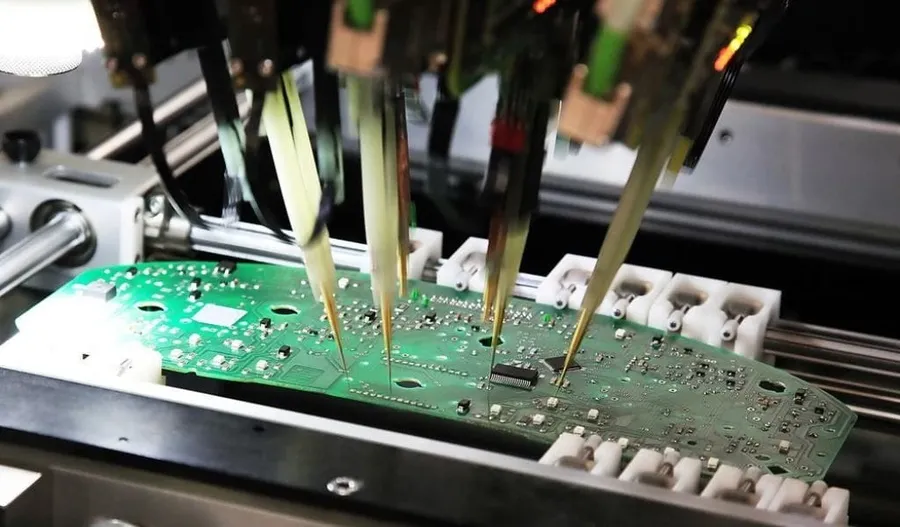
Rigorous quality control and testing are paramount in PCB manufacturing to ensure reliability and performance. A comprehensive approach involves multiple stages of inspection and testing, leveraging both automated and manual methods to identify and rectify defects early in the production process, safeguarding the integrity of the final product.
| Testing Stage | Description | Purpose | Technologies/Methods |
|---|---|---|---|
| Automated Optical Inspection (AOI) | Automatic visual inspection of the PCB using high-resolution cameras. | Detects surface defects like shorts, opens, missing components, and incorrect placement. | High-resolution cameras, image processing software, machine learning |
| In-Circuit Testing (ICT) | Electrical testing of individual components and circuits on the assembled PCB. | Verifies correct component placement, orientation, and solder joint integrity; checks for electrical shorts and opens. | Test probes, test fixtures, electrical measurement equipment |
| Functional Testing (FCT) | Testing of the assembled PCB under simulated operating conditions. | Ensures that the PCB functions correctly according to the design specifications. | Test jigs, custom test software, power supplies, input/output devices |
| X-Ray Inspection | Non-destructive inspection using X-rays. | Detects hidden defects like solder voids, insufficient solder, and misaligned components, particularly in Ball Grid Array (BGA) packages. | X-ray imaging equipment, image analysis tools |
| Microsection Analysis | Destructive physical analysis of the PCB cross-section. | Analyzes layer alignment, copper plating thickness, and overall board structure. | Microscopes, metallographic preparation tools |
Navigating the PCB manufacturing process can raise numerous questions. This section addresses common queries related to PCB manufacturing, offering concise and authoritative answers to help you make informed decisions.
Understanding the cost drivers in PCB manufacturing is crucial for effective budgeting and project management. This section explores the key factors influencing PCB manufacturing costs and provides guidance on how to approach cost analysis to achieve a balance between price and quality.
| Cost Driver | Description | Impact on Cost |
|---|---|---|
| Material Costs | The type of substrate used (e.g., FR-4, aluminum, flex) directly impacts cost. Higher-performance materials often incur higher costs. | Significant; can vary widely. |
| Layer Count | The number of copper layers in the PCB. More layers lead to more complex manufacturing processes. | High; increases with each additional layer. |
| Board Complexity | Factors such as the size and number of vias, trace width and spacing, and the presence of complex geometries. | Medium to high; complexity drives up production costs. |
| Surface Finish | Options like HASL, ENIG, and Immersion Silver vary in cost, performance, and longevity. Gold finishes are more expensive. | Medium; depends on the finish type. |
| Manufacturing Volume | The quantity of PCBs being produced. Larger production runs often result in lower per-unit costs. | Significant; economies of scale apply. |
| Testing and Quality Control | The extent of testing and quality control performed, including AOI, ICT, and FCT, impacts costs. | Medium; necessary for reliability. |
| Lead Time | Shorter lead times or rush orders can significantly increase costs due to expedited processes. | Medium to high; premium for faster turnaround. |
| Special Features | Specific requirements like controlled impedance, blind and buried vias, and specialized laminates will affect costs. | Medium to High; depends on specific requirements. |
To effectively manage costs, obtain multiple quotes from different PCB manufacturing factories. This ensures price transparency and allows for a comprehensive comparison. It is vital to remember that the cheapest option may not always be the best, and balancing cost with quality is necessary to guarantee a reliable and performing final product. Be sure to provide clear and detailed specifications to manufacturers, which allows for the most accurate and comparable quotes.
Efficient logistics, predictable lead times, and reliable shipping are critical components of a successful PCB manufacturing partnership. Selecting a factory that not only produces high-quality boards but also manages the delivery process effectively is essential to ensure project timelines are met.
| Shipping Method | Typical Transit Time | Cost | Tracking |
|---|---|---|---|
| Standard Shipping | 5-15 business days | Lower | Yes |
| Express Shipping | 1-5 business days | Higher | Yes |
| Local Courier | 1-2 business days | Dependent on Distance | Yes |
Maintaining open lines of communication with your PCB manufacturer is also essential. A factory that proactively informs you of any production or delivery delays demonstrates transparency and reliability, fostering a partnership based on mutual trust and understanding.
Choosing the right PCB manufacturing factory requires a careful evaluation of your specific needs, the factory's capabilities, and quality control practices. By thoroughly investigating all of these factors, you can partner with a PCB manufacturing factory that supports your project from design to completion, ultimately leading to a successful and efficient manufacturing process. For the best results, focus on a PCB manufacturing factory that aligns with your project's volume, complexity, and required quality standards.

