In the realm of electronics, the humble printed circuit board (PCB) serves as the backbone of countless devices. From smartphones to industrial machinery, these boards form the foundation upon which electronic circuits are built. A crucial aspect for designers and hobbyists is understanding the price of plain PCB boards. In this article, we will dive into the factors determining plain pcb board price, offering a comprehensive guide to help you navigate the market and make informed decisions about your projects. The costs are influenced by material, size, layers, quantity, and the manufacturing process, it's about understanding the value for your project's success.
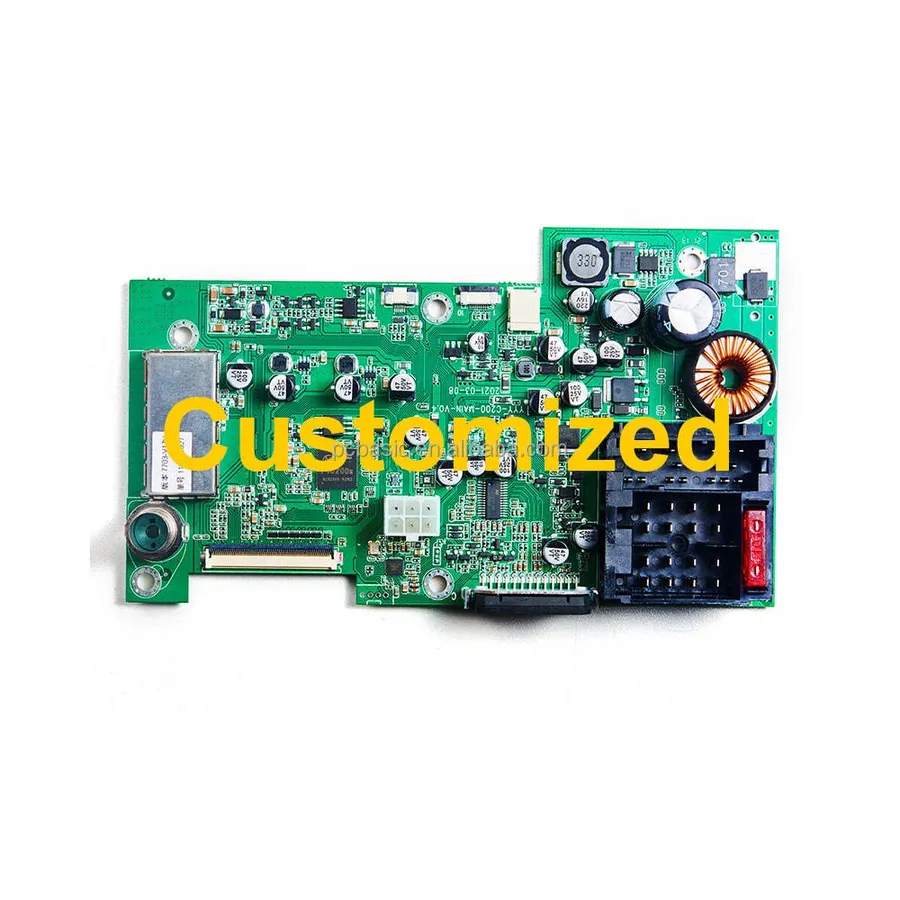
The price of a plain PCB board is not fixed; it's a function of several key variables. These factors include the type of material used, the physical dimensions of the board, and the quantity ordered. A clear understanding of these determinants enables cost-conscious decision-making and effective budget management when purchasing PCBs.
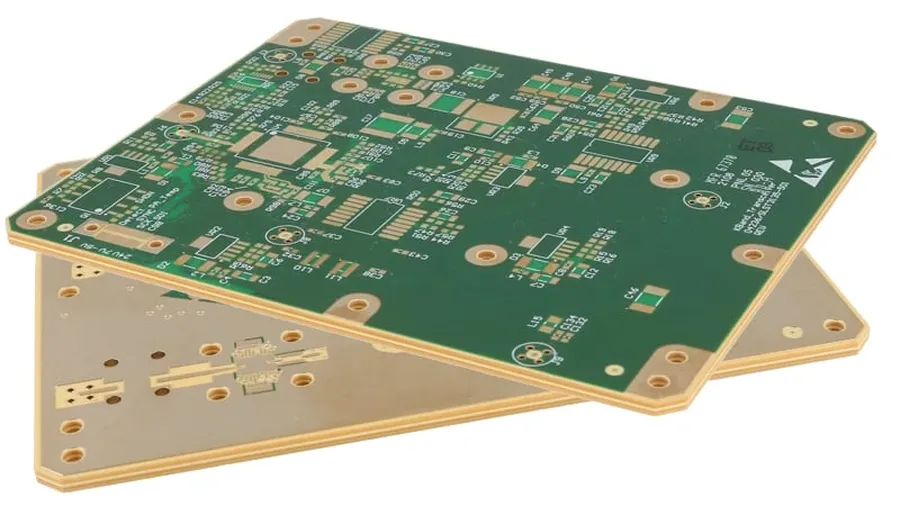
The selection of materials for plain PCB boards significantly affects both their price and performance characteristics. Common materials like FR-4, phenolic, and aluminum each possess distinct properties that influence cost, durability, and suitability for different applications. Understanding these differences is crucial for making informed decisions that balance budgetary considerations with application requirements.
| Material | Description | Cost | Typical Applications | Pros | Cons |
|---|---|---|---|---|---|
| FR-4 | A glass-reinforced epoxy laminate, the most widely used PCB material due to its good mechanical and electrical properties. | Moderate | General-purpose electronics, consumer electronics, industrial controls. | Good balance of cost, performance and ease of fabrication. | Not suitable for high-frequency or high-temperature applications. |
| Phenolic | Paper-based material with phenolic resin. Less expensive than FR-4 but has lower mechanical strength and thermal resistance. | Low | Simple, low-cost consumer devices, educational projects, prototyping. | Very cost-effective. | Fragile and poor thermal properties. |
| Aluminum | An aluminum substrate, commonly used for thermal management due to its excellent heat dissipation properties. | High | LED lighting, power electronics, high-power applications. | Excellent heat dissipation and durability. | More expensive and electrically conductive (requires insulation). |
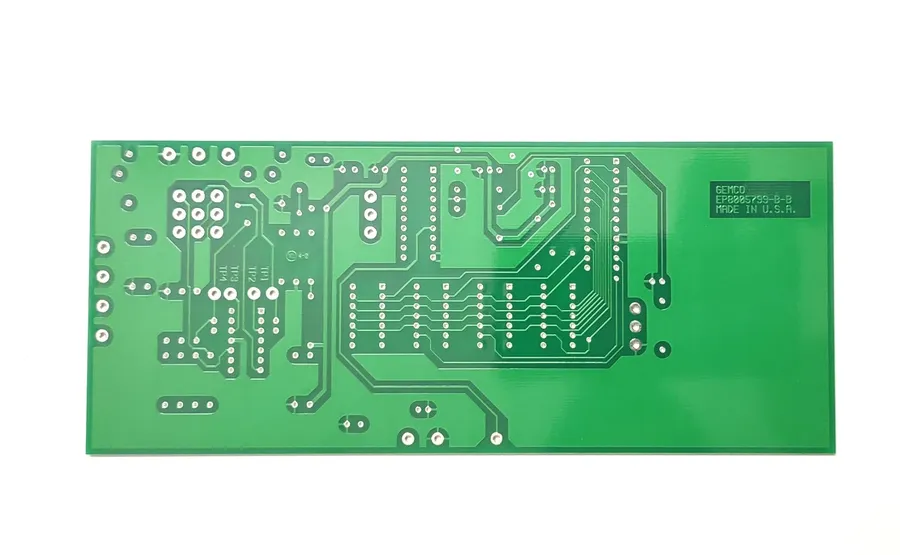
The fundamental difference between single-sided and double-sided PCBs lies in the number of conductive copper layers they possess, directly impacting both their complexity and cost. Single-sided PCBs feature a single layer of copper, while double-sided PCBs have copper layers on both the top and bottom surfaces. This distinction is a primary driver of price variation.
| Feature | Single-Sided PCB | Double-Sided PCB |
|---|---|---|
| Copper Layers | One | Two |
| Complexity | Lower | Higher |
| Cost | Lower | Higher |
| Circuit Density | Lower | Higher |
| Interconnectivity | Limited | Increased |
Single-sided PCBs are generally less expensive due to their simpler construction. They are suitable for basic electronic circuits where component density is low and complex routing is not required. Double-sided PCBs, with their added copper layer, allow for more intricate designs, denser component placement, and more complex routing options. This increased capability comes with a higher production cost.
The cost difference isn't just about the added layer of copper; it's also about the increased manufacturing processes required for double-sided boards. These processes include through-hole plating, where vias (holes connecting the two copper layers) are created and plated with copper to allow electrical connections between the layers. This added complexity results in higher material and labor costs.
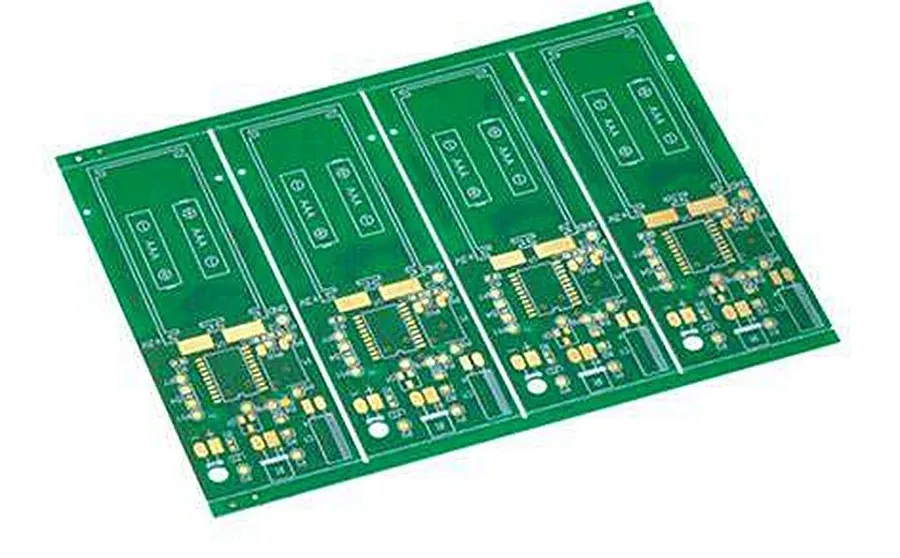
The physical dimensions of a plain PCB board, specifically its size (surface area) and thickness, are directly correlated with its manufacturing cost. Larger boards inherently require more raw materials, and thicker boards utilize more substrate material, thereby increasing the overall expenditure.
This section examines how these physical attributes influence the final price.
PCB size is typically measured in square inches or square centimeters and is a primary factor impacting cost due to the amount of raw material, like copper and substrate, consumed. A larger PCB footprint will use more material and generally cost more.
PCB thickness, often specified in mils (thousandths of an inch) or millimeters, also contributes to the cost. Standard PCB thicknesses range from 0.031” to 0.093”, with variations available. Thicker PCBs, while potentially offering improved mechanical robustness, require more raw material during manufacturing. They also require more processing, increasing costs.
| Parameter | Impact on Cost |
|---|---|
| Increased PCB Size (Surface Area) | Higher material costs (copper, substrate). Increased processing and handling during manufacturing. |
| Increased PCB Thickness | Higher material costs. Increased time and energy during processing such as lamination, drilling and routing. |
The relationship between size/thickness and cost isn't always linear. There is a minimum size and thickness where the board can be effectively manufactured. As the board size increases, some efficiencies of scale become possible, and the per-unit material cost may decrease for larger volumes. However, very large PCBs may exceed standard panel sizes, incurring extra panelization charges. Likewise, PCBs can't be made arbitrarily thin for practical manufacturing and reliability considerations.
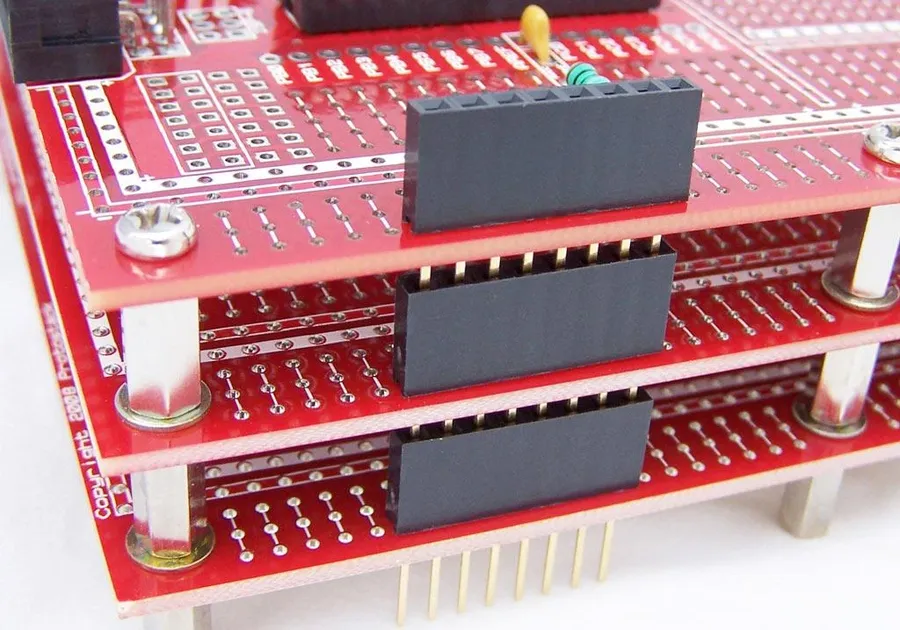
The price of plain PCB boards is significantly influenced by the quantity ordered, a principle rooted in economies of scale. As order volumes increase, per-unit costs decrease due to factors such as reduced setup costs, bulk material purchases, and more efficient manufacturing processes. This principle applies to both prototyping and large-scale production.
The cost of plain PCB boards varies significantly across different suppliers, influenced by factors such as board specifications, material, and order volume. This section provides an overview of pricing from popular platforms, highlighting their strengths and typical price ranges.
| Supplier | Typical Price Range (USD) | Strengths | Considerations |
|---|---|---|---|
| Amazon | $5 - $50+ | Wide selection, fast shipping for some vendors | Prices can fluctuate; verify supplier reputation |
| Alibaba | $0.10 - $20+ per piece (bulk) | Competitive pricing for bulk orders | Longer shipping times, requires due diligence on suppliers |
| eBay | $3 - $40+ | Variety of sellers, may find unique boards | Seller reliability varies; check ratings |
| Jameco | $3 - $60+ | Established electronics supplier, known for quality | Selection may be less varied than other platforms |
| AliExpress | $0.10 - $15+ per piece (bulk) | Low cost for small orders and bulk, wide range of options | Shipping can be slow and may require higher volume orders. |
| Bantam Tools | $20 - $100+ | Focus on precision PCBs and prototyping equipment. | Higher price point, may be more suited to specialized prototyping |
This section addresses common questions regarding plain PCB board pricing, offering concise answers to help clarify cost considerations.
To provide a tangible understanding of plain PCB board pricing, the following table presents a comparative analysis across different materials, board types (single and double-sided), and common board sizes. This data is indicative of typical market prices, but actual costs may vary based on supplier, order quantity, and other factors.
| Material | Board Type | Size (mm) | Typical Price Range (USD) |
|---|---|---|---|
| FR-4 | Single-Sided | 100x100 | $1 - $3 |
| FR-4 | Single-Sided | 200x200 | $3 - $8 |
| FR-4 | Double-Sided | 100x100 | $2 - $5 |
| FR-4 | Double-Sided | 200x200 | $5 - $12 |
| Phenolic | Single-Sided | 100x100 | $0.8 - $2.5 |
| Phenolic | Single-Sided | 200x200 | $2.5 - $6 |
| Aluminum | Single-Sided | 100x100 | $3 - $7 |
| Aluminum | Single-Sided | 200x200 | $7 - $15 |
Note that these prices are for standard thickness boards (typically 1.6mm) and do not include costs for shipping or additional finishing processes. Prices are based on market research and may vary. For exact quotes, it's always best to contact suppliers directly.
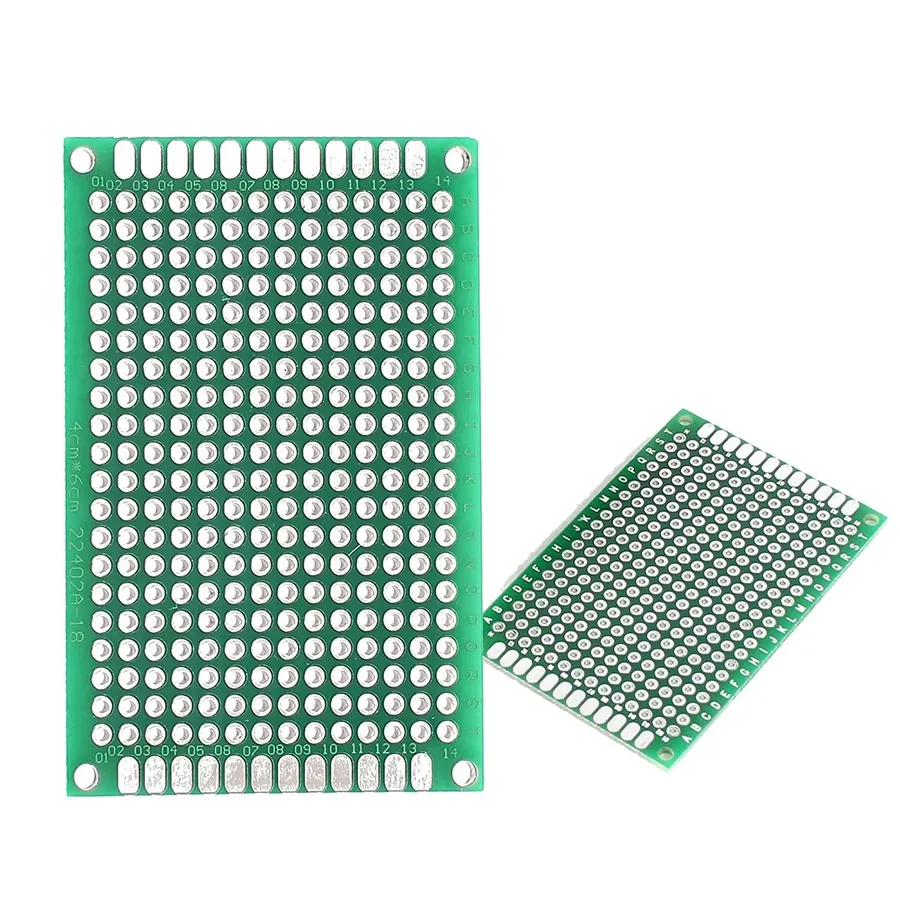
Acquiring plain PCB boards without exceeding your budget requires a strategic approach. This section outlines proven methods for reducing costs, including effective negotiation, selecting appropriate materials, and leveraging bulk purchasing advantages. Implementing these tips will help you secure high-quality boards at the best possible price.
By applying these techniques, you can significantly reduce the expenses associated with plain PCB boards, ensuring your projects are both successful and cost-effective. Remember, meticulous planning and thorough research are crucial components of smart procurement practices.
Understanding the factors that affect plain pcb board price is essential for anyone involved in electronics projects. Whether you are a hobbyist working on a small circuit or an engineer developing a complex device, knowledge about these price drivers empowers you to manage your budget wisely. From the initial material selection to the final order quantity, every choice affects the bottom line. Remember to compare different suppliers and consider the total cost and value when making purchasing decisions. The plain pcb board price will depend on your specific needs, so do your research to make informed decisions to keep your project within budget.

