In today's world, printed circuit boards (PCBs) and their assembled counterparts (PCBAs) form the backbone of countless electronic devices. From the smartphone in your hand to the advanced medical equipment in hospitals, the reliable production of PCBs and PCBAs by specialized manufacturers is crucial. This article serves as a comprehensive guide to choosing the right PCB & PCBA manufacturer, helping you to ensure the success of your next electronics project, and highlights the impact of a quality PCB & PCBA manufacturer on innovation and technology.
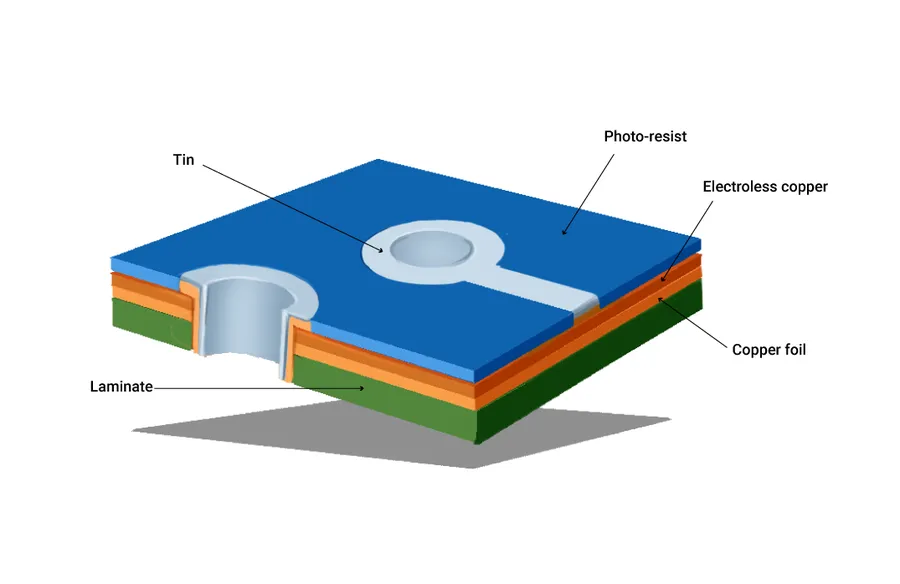
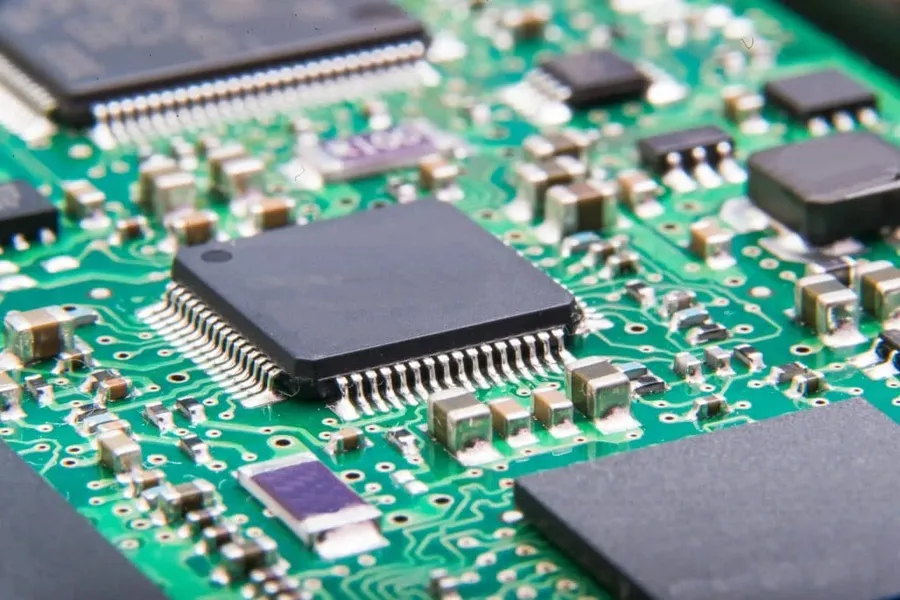
Printed Circuit Boards (PCBs) and Printed Circuit Board Assemblies (PCBAs) are fundamental components in modern electronics, yet they represent distinct stages in the manufacturing process. A PCB is essentially the 'skeleton' or the physical base onto which electronic components are mounted. A PCBA, on the other hand, is a fully assembled board, including all the electronic components, ready to perform a specific function. Understanding the difference is critical for selecting a suitable manufacturer, one that can proficiently handle both the bare board fabrication and the subsequent component assembly, whether through direct capability or strong partnerships.
| Feature | PCB (Printed Circuit Board) | PCBA (Printed Circuit Board Assembly) |
|---|---|---|
| Definition | A bare board with conductive tracks and pads. | A fully assembled board with electronic components. |
| Components | No electronic components are mounted. | Includes components such as resistors, capacitors, ICs, etc. |
| Manufacturing Process | Involves etching, plating and drilling of a substrate. | Involves component placement and soldering onto a bare PCB. |
| Function | Provides mechanical support and electrical connections. | Performs the intended function of the electronic device. |
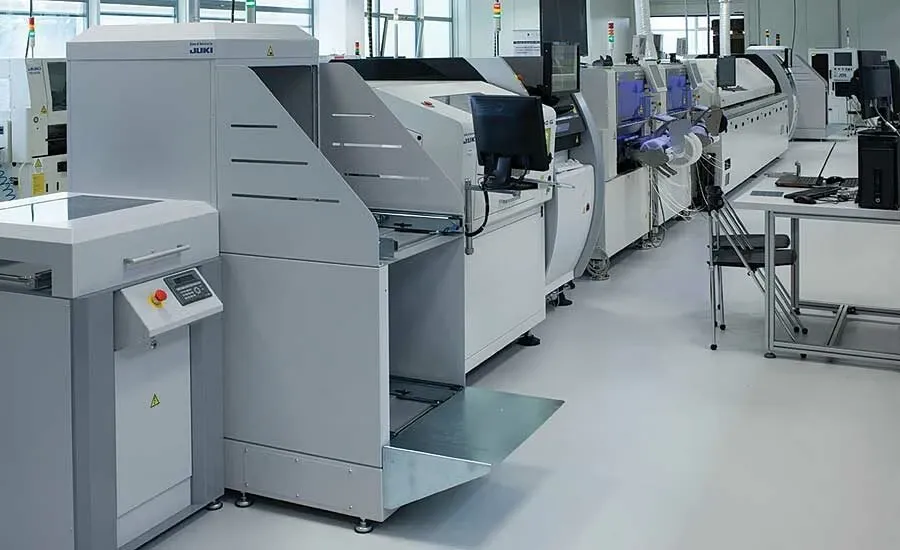
Selecting the right PCB & PCBA manufacturer is crucial for ensuring the quality and reliability of your electronic products. This section delves into the key factors that should be considered, encompassing manufacturing capabilities, technological proficiency, certifications, experience, and geographic location, all of which play a pivotal role in determining a manufacturer's suitability for your project.
The decision between domestic and overseas PCB and PCBA manufacturers is a critical one, significantly impacting project costs, timelines, and overall quality. This section provides a comprehensive comparison to aid in making an informed choice, considering various factors such as lead times, communication, quality control, and the specific needs of the project, whether it involves prototypes, mass production, or specialized product types.
| Factor | Domestic Manufacturers | Overseas Manufacturers |
|---|---|---|
| Cost | Generally higher due to labor and operational costs | Generally lower due to lower labor and production costs |
| Lead Times | Shorter lead times due to proximity and potentially quicker turnaround | Longer lead times, including shipping times, may impact delivery schedules |
| Communication | Easier and more direct communication due to similar time zones and cultural familiarity | Communication challenges may arise due to time zone differences and language barriers |
| Quality Control | Potentially easier to monitor and control quality with on-site visits and established regulatory standards | Quality control can be more challenging; reliance on audits and sample inspection may be required. |
| Intellectual Property | Stronger protection of intellectual property due to local legal framework | Higher risk of intellectual property leakage, requires careful contract negotiation and protective measures |
| Flexibility | Greater flexibility in customization, design changes and rapid prototyping | Less flexible due to longer lead times and potential communication difficulties. |
| Minimum Order Quantity | Typically more amenable to small quantity orders, ideal for prototypes and small runs. | Often require larger minimum order quantities, may not be suitable for small runs or early prototyping. |
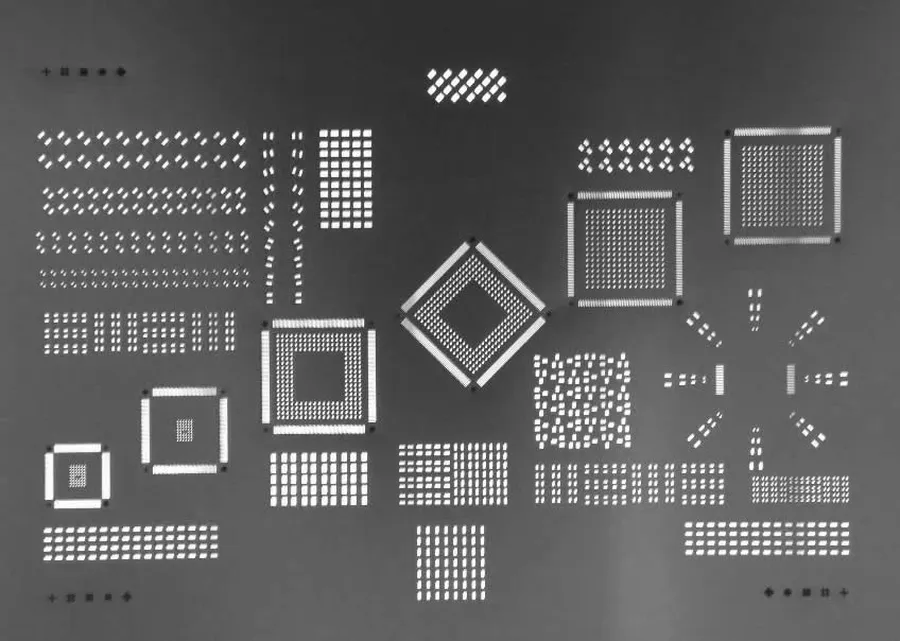
Understanding the manufacturing capabilities of a PCB & PCBA manufacturer is paramount to ensuring the production of high-quality, reliable electronic assemblies. This section delves into the critical technologies and processes, such as Surface Mount Technology (SMT), through-hole assembly, and mixed assembly, that define a manufacturer's ability to meet diverse project requirements. A manufacturer’s investment in advanced equipment and technology directly impacts the precision, efficiency, and overall quality of the final product.
| Manufacturing Capability | Description | Typical Applications | Advantages | Disadvantages |
|---|---|---|---|---|
| Surface Mount Technology (SMT) | Components are mounted directly onto the surface of the PCB. | Most modern electronics, including smartphones and computers. | High density, efficient automated assembly, cost-effective for mass production. | Requires specialized equipment, less suitable for prototyping, not ideal for through-hole components |
| Through-hole Assembly | Components are inserted into holes drilled on the PCB and soldered on the opposite side. | Power supplies, high-power applications, legacy systems. | Stronger mechanical bond, suitable for larger and heavier components. | Lower component density, less efficient assembly process, less suitable for high-density complex designs |
| Mixed Assembly | Combines both SMT and through-hole assembly methods. | Industrial control systems, telecommunication equipment. | Flexibility to use both SMT and through-hole components, can support wide range of product requirements. | More complex assembly process, requires expertise in both technologies. |
| Advanced Equipment | Manufacturers that utilize advanced pick-and-place machines, reflow ovens, automated optical inspection (AOI) systems, etc | High-precision manufacturing processes, high-reliability, and consistency. | Allows for the manufacturing of more complex designs, and enables higher manufacturing capacity and reduces manufacturing defects | Higher investment costs, more complex maintenance requirements |
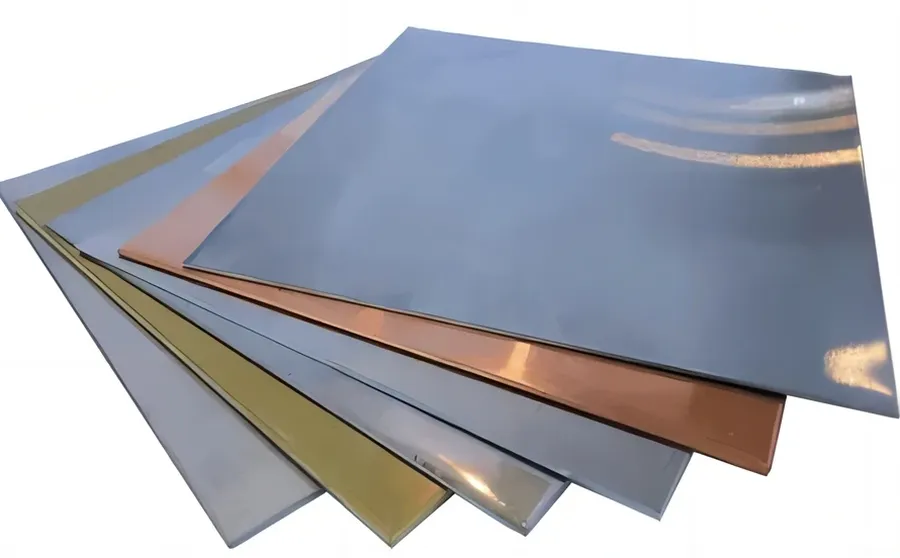
The selection of materials for PCB and PCBA manufacturing is paramount to the quality and reliability of the final product. A reputable PCB & PCBA manufacturer will implement stringent sourcing and quality control processes to ensure that only high-grade materials are used, guaranteeing performance and longevity. This encompasses not only the substrate material of the PCB itself but also all components used in the assembly process.
A comprehensive quality control system is crucial, which encompasses rigorous testing and inspection procedures. These processes are implemented at every stage of production, from raw material intake to the final assembled product. These rigorous procedures ensure that the manufacturer meets the required quality standards, and adheres to industry standards.
| Process Stage | Quality Control Measure | Purpose |
|---|---|---|
| Material Receiving | Visual Inspection, Material Testing, Certification Review | Ensure compliance with specifications and required standards |
| PCB Fabrication | Automated Optical Inspection (AOI), Electrical Testing | Identify any manufacturing defects |
| Component Placement | Placement Accuracy Check, Solder paste deposit inspection | Confirm that components are placed correctly and the quality of solder paste is ensured |
| Soldering | Solder joint inspection, reflow profiling | Confirm correct solder temperature, and joint formation |
| Assembly Inspection | AOI, X-ray Inspection, Functional Testing | Confirm final assembly quality and operational readiness |
Pricing and lead time are critical factors that directly impact project budgets and timelines in PCB and PCBA manufacturing. Understanding these aspects and effectively navigating them is essential for successful project management.
Variations in pricing stem from factors including complexity of the design (number of layers, types of components), material choices, manufacturing volume, and the manufacturer's location. Lead time, on the other hand, is influenced by production capacity, the current order backlog of the manufacturer, the complexity of the PCB, and the required assembly processes. It’s vital to understand that lower price does not equate to better value; other critical factors like quality control, on-time delivery, and reliability are equally, if not more, important to the project's success.
| Factor | Impact on Pricing | Impact on Lead Time |
|---|---|---|
| Design Complexity | Higher price for complex designs with more layers, fine pitch components, and unique requirements. | Longer lead time due to intricate manufacturing processes and potential reworks. |
| Material Type | Use of specialized or high-performance materials will increase the cost. | May slightly impact lead time if specialized material need to be sourced. |
| Order Quantity | Lower unit prices for larger volumes due to economies of scale. | Potentially shorter lead times for high volume, but subject to manufacturer's capacity |
| Manufacturing Location | Cost can be significantly affected by geographical location of the manufacturer due to labor costs, material costs and logistics. | Lead time can vary widely depending on location, with overseas options often having longer lead times due to shipping. |
| Assembly Process | SMT assembly is more cost-effective, while through-hole and mixed assemblies can increase the price. | More complex assembly can result in increased lead time. |
| Expedited Service | Urgent requirements will increase costs | Expedited service will reduce lead time but will usually have an increased price |
When comparing prices among different manufacturers, it's not just about the lowest quote; a comprehensive approach that considers quality, reliability, and risk mitigation is necessary. Engaging with manufacturers to understand their capabilities, production schedule, and flexibility is critical for budget planning and timeline management. Often, an initial small batch order helps to confirm price competitiveness and lead-time reliability.
To optimize lead times, clear communication is key. Provide detailed documentation, engage early in the design phase, and establish clear expectations for production schedules. Some manufacturers also offer services such as prototype runs that can help accelerate the development process. It is worth considering a manufacturer with proven and stable supply chains, this can give more accurate lead times.
Certifications and compliance standards are paramount in PCB & PCBA manufacturing, signifying a manufacturer's adherence to rigorous quality management systems and industry-specific requirements. Selecting a certified manufacturer is not just a matter of compliance; it's a strategic decision that directly impacts the reliability, performance, and safety of the final electronic product.
Here's a breakdown of why certifications are critical:
Below is a table outlining key certifications and their significance across different industries:
| Certification | Description | Industry Relevance |
|---|---|---|
| ISO 9001 | Quality Management System standard ensuring consistent product quality and customer satisfaction. | Broadly applicable across all industries, a fundamental requirement for many companies. |
| ISO 13485 | Quality Management System for medical devices, emphasizes regulatory compliance, risk management, and product safety. | Mandatory for manufacturers of medical devices and their components. |
| IATF 16949 | Quality Management System standard for the automotive industry, focuses on defect prevention and continuous improvement. | Required for manufacturers supplying the automotive sector. |
| IPC Standards (e.g., IPC-A-600, IPC-A-610) | Industry standards for PCB acceptance and assembly, specifying requirements for design, manufacturing, and inspection. | Essential for ensuring the physical reliability of PCB and PCBA products |
| UL Certification | Safety certification demonstrating that products meet UL safety standards. | Common for electrical and electronic devices, often a market requirement. |
In addition to certifications, it's crucial to consider compliance with environmental regulations such as RoHS (Restriction of Hazardous Substances) and REACH (Registration, Evaluation, Authorization, and Restriction of Chemicals). These standards restrict the use of hazardous materials in electronic products, ensuring environmental protection and human health safety.
This section addresses common queries regarding PCB and PCBA manufacturing, providing clear and concise answers to help you navigate the selection process and understand key aspects of working with PCB & PCBA manufacturers.
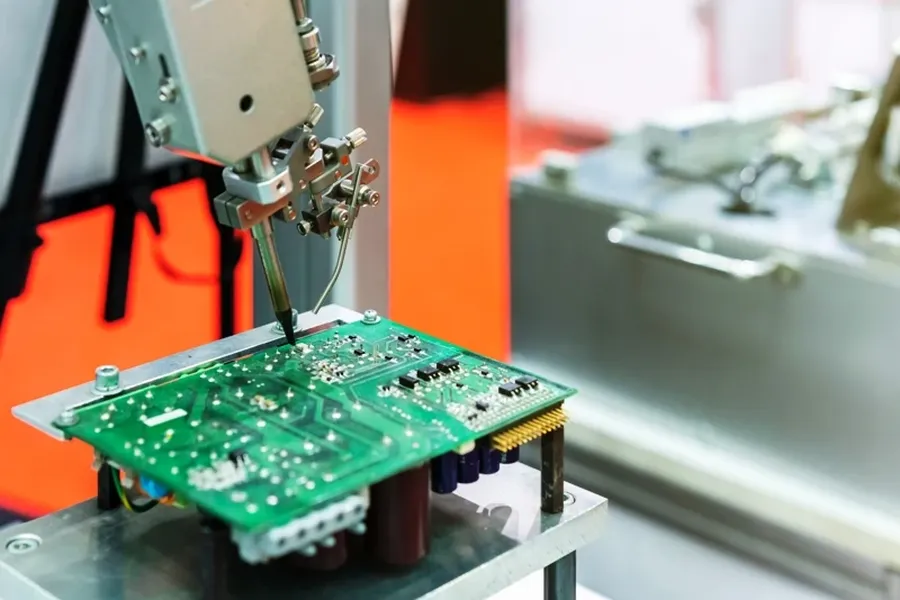
Examining real-world case studies provides invaluable insights into the practical aspects of selecting a PCB & PCBA manufacturer. These examples highlight the strengths and weaknesses of various manufacturers, illustrating the impact of different choices on project outcomes. By analyzing diverse scenarios, we can understand the critical factors that lead to successful partnerships and the potential pitfalls of less suitable collaborations.
Below are summaries of a few case studies, showcasing different needs and outcomes:
These case studies illustrate that the best choice of PCB and PCBA manufacturers depends on the project's specific needs and requirements. There is no single best manufacturer for all needs, and it's essential to select a manufacturer based on project specifications and trade-offs.
Selecting the right PCB & PCBA manufacturer is a pivotal decision that significantly impacts the quality, cost, and timeline of your electronics projects. By carefully considering the factors discussed in this guide and emphasizing partnership with your chosen manufacturer, you will not only improve the reliability and performance of your products but also gain a competitive edge in the market. We encourage you to choose a PCB & PCBA manufacturer that not only meets your current needs but can also scale with your future requirements, contributing to the success of your business and the technology it produces.

