Choosing the Right PCB Plate Manufacturers: A Comprehensive Guide
2025.01.15
In today's rapidly advancing technological landscape, printed circuit boards (PCBs) are at the heart of nearly every electronic device. The selection of reliable PCB plate manufacturers is crucial for the success of any electronic product, whether it's a sophisticated smartphone or a critical component in medical equipment. This article demystifies the process of choosing the right manufacturer, exploring key considerations and providing a clear roadmap for ensuring your PCBs meet the highest standards of quality and performance, bridging the gap between advanced technology and everyday applications.
Understanding Your PCB Needs: A Pre-Selection Checklist
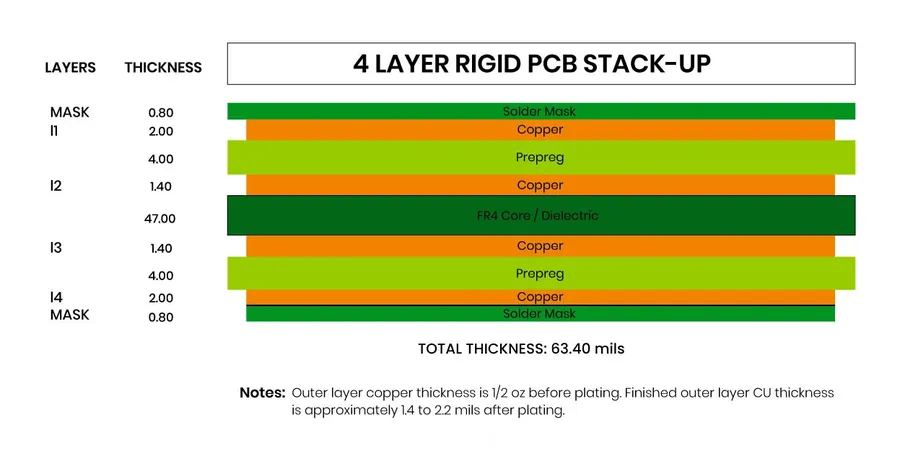
PCB Layer Stackup
Before engaging with PCB plate manufacturers, a meticulous assessment of your project's unique requirements is paramount. This foundational step ensures the selection of a manufacturer with the requisite capabilities, thereby mitigating potential issues and streamlining the production process. It involves a detailed evaluation of several critical parameters specific to your printed circuit board design and application.
PCB Type Identify whether your application requires a single-layer, double-layer, multi-layer, rigid, flexible, or rigid-flex PCB. Each type has different manufacturing complexities and cost implications.
Material Specifications Specify the substrate material needed, such as FR-4, Rogers, or aluminum. Different materials offer varied electrical, thermal, and mechanical properties, directly impacting the board's performance and reliability.
Layer Count Determine the number of conductive layers required for your design. This parameter directly affects the complexity and manufacturing cost of the PCB.
Board Dimensions and Size Clearly define the physical dimensions of the PCB, including its length, width, and thickness. Accurate dimensions are crucial for seamless integration into your final product.
Critical Tolerances Specify the required precision for trace widths, spacing, hole diameters, and other critical dimensions. Tighter tolerances usually lead to higher manufacturing costs but are crucial for specific applications.
Production Volume Define the required quantity of PCBs. Manufacturers often offer price breaks for larger volumes. Understanding the volume helps determine the appropriate manufacturing technology.
Turnaround Time Establish realistic timelines for prototype and production runs. This will dictate the selection of a manufacturer with the necessary lead times.
Special Requirements Any specific requirements such as impedance control, specialized plating, or surface finishes need to be clearly outlined before contacting potential manufacturers.
Key Factors to Evaluate PCB Plate Manufacturers
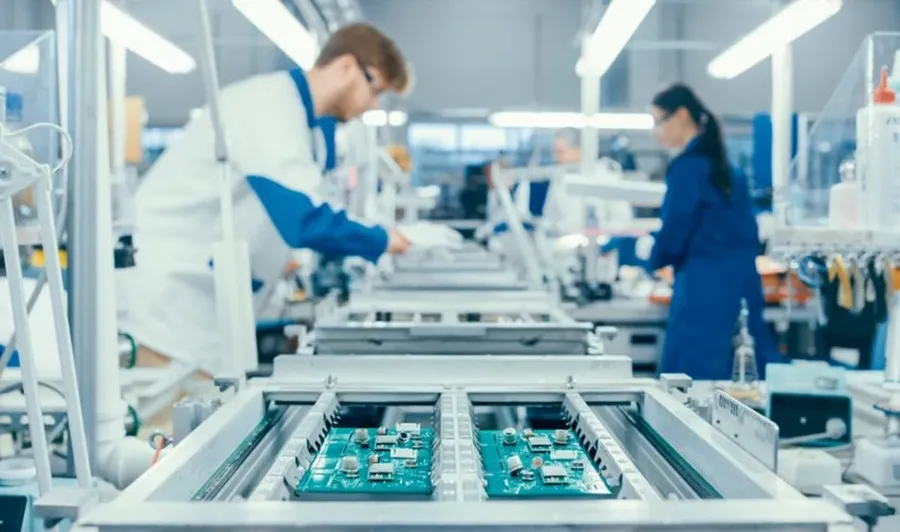
PCB Factory
Selecting a PCB plate manufacturer requires careful consideration of several critical factors to ensure the chosen partner aligns with your project's specific needs and quality expectations. These key factors encompass production capacity, adherence to industry certifications, material sourcing, technological capabilities, quality control measures, and cost structures, all of which collectively influence the outcome of your PCB manufacturing endeavor. Thoroughly evaluating these elements is essential to ensure the selected manufacturer meets the necessary standards and your project-specific demands.
Production Capacity Assess if the manufacturer can handle your order volume, from prototypes to mass production, while maintaining consistent quality and delivery schedules. High capacity is essential for large orders, while flexibility is important for smaller or custom projects.
Industry Certifications (ISO, UL) Confirm that the manufacturer possesses necessary certifications such as ISO 9001 for quality management and UL certifications for product safety. These certifications ensure that the manufacturer adheres to globally recognized standards and practices.
Material Sourcing Verify the use of high-quality materials from reputable suppliers, this is critical to product durability and performance. Ensure that the manufacturer is transparent about their supply chain.
Manufacturing Technologies and Equipment Evaluate the manufacturer’s technology and machinery. Advanced equipment enables precision and efficiency, especially for complex PCBs. Also, verify that they support the specific technologies required for your design (HDI, blind vias, etc.)
Quality Control Processes Examine the manufacturer's quality control procedures, including inspection methods and testing. Rigorous quality control, using tools like AOI and ICT, results in reliable PCBs.
Pricing Models Understand the manufacturer’s pricing structure, look beyond the initial price and evaluate cost-effectiveness in terms of quality, delivery, and other value-added services. Beware of hidden costs and fees.
In addition to the factors above, it's crucial to determine if the PCB plate manufacturer can handle specific project requirements such as custom impedance control, specialized plating, or any other unique design needs. Ensure they have the necessary experience and expertise to meet your project-specific requirements. Addressing these aspects early will help avoid potential problems.
Assessing Manufacturing Capabilities: Beyond the Basics
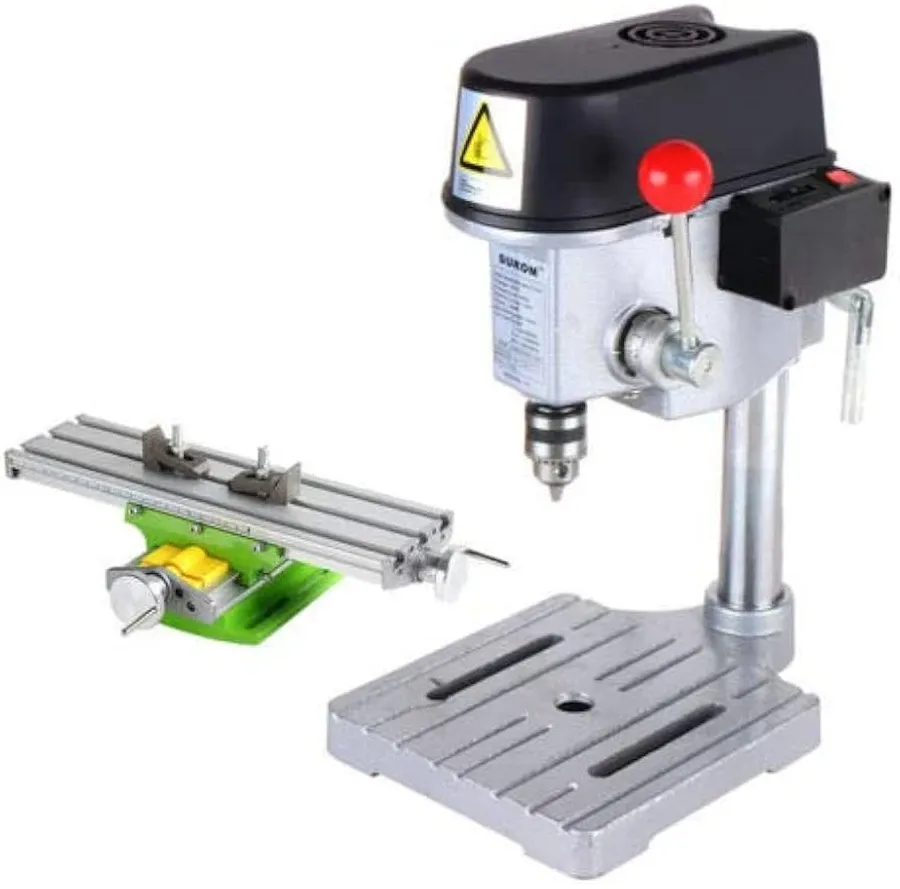
PCB Drilling Machine
Selecting a PCB manufacturer requires a thorough evaluation of their technological prowess, extending beyond basic manufacturing. This involves scrutinizing their capacity for advanced technologies crucial for complex electronics, such as High Density Interconnect (HDI), blind and buried vias, fine-line etching, and specialized surface finishes. These capabilities directly impact the performance, reliability, and miniaturization potential of your electronic product.
High Density Interconnect (HDI) HDI technology enables higher component density and improved electrical performance through finer lines, smaller vias, and advanced materials. Assess if the manufacturer is experienced in HDI techniques and can meet the specific needs of your design, especially for compact electronic devices.
Blind and Buried Vias Verify if the manufacturer offers blind and buried via technology, enabling more complex, multi-layer PCB designs that optimize space and improve signal integrity. Manufacturers that are competent in these technologies can offer greater freedom in complex designs.
Fine-Line Etching Fine-line etching is essential for creating intricate circuit patterns with high precision and detail. Inquire about the manufacturer’s line width and spacing capabilities to ensure they align with the demands of your circuit design and to support miniaturization and precision needs.
Specialized Surface Finishes Different surface finishes have distinct characteristics that impact solderability, corrosion resistance, and signal integrity. Ensure the manufacturer offers a range of surface finishes like ENIG (Electroless Nickel Immersion Gold), HASL (Hot Air Solder Leveling), or immersion tin, and can advise on the most suitable for your application and product requirements.
Substrate Material Handling Inquire about the manufacturer's experience handling diverse substrate materials, ranging from standard FR-4 to high-performance options like Rogers or polyimide. The ability to process a variety of materials will impact the PCB's thermal and electrical performance, thus, select the manufacturer based on your substrate needs.
Micro-Vias and Intricate Circuit Designs Manufacturers experienced in micro-vias and complex circuit designs are vital for advanced technologies. Micro-vias offer space optimization and signal integrity advantages, and specialized manufacturers with expertise in these techniques will be able to deliver high-quality PCB products. Make sure to confirm that they can accommodate your design's complexity.
Quality Control and Assurance: Ensuring PCB Reliability
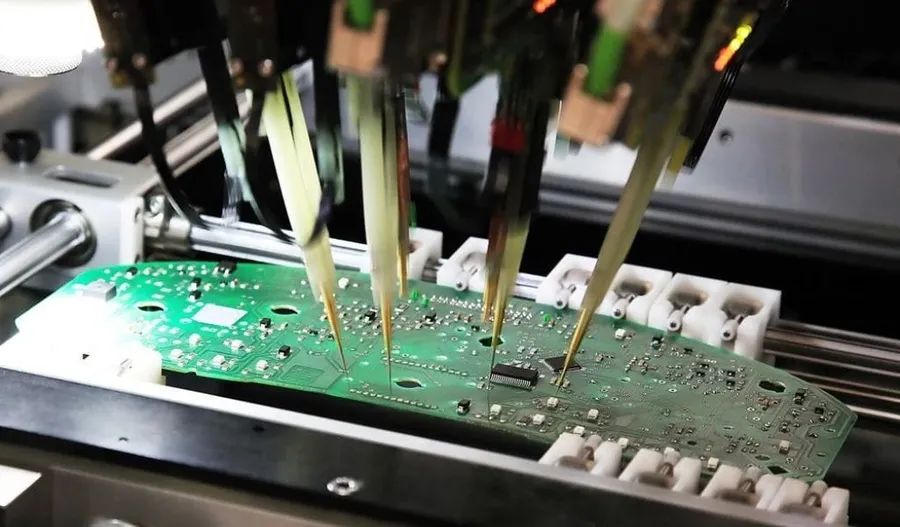
PCB Testing
A rigorous quality control (QC) and assurance process is paramount when selecting a PCB plate manufacturer. It's not merely about detecting defects; it’s about embedding reliability into every stage of the manufacturing process, from raw material inspection to final product testing. A robust QC system safeguards against costly failures and ensures the delivered PCBs perform as designed, meeting or exceeding industry standards.
Visual Inspection A thorough visual inspection should be the first step of the QC process. This involves checking for physical defects such as scratches, shorts, opens, misalignments, and inconsistencies in solder mask application. High-quality manufacturers employ trained personnel to identify even minor anomalies that may affect PCB performance. This process is crucial to ensure the PCB is suitable for the next stage of manufacturing.
Automated Optical Inspection (AOI) AOI is a non-contact, automated inspection method that uses high-resolution cameras to capture images of the PCB at various stages. The AOI system compares these images to a known good reference to detect defects such as shorts, opens, insufficient solder, solder bridges, and component placement errors. The AOI method significantly enhances defect detection efficiency and consistency, especially in complex designs and high-volume production.
In-Circuit Testing (ICT) ICT employs a bed-of-nails fixture to make physical contact with test points on the PCB to check electrical properties and continuity. It verifies the connections between components, and identifies shorts, opens, and incorrect component values. ICT is particularly effective for detecting manufacturing errors but doesn't guarantee the performance of the finished board under all operating conditions. In contrast, it checks for electrical continuity. Therefore, it is essential that the ICT is designed based on product functionality and a design for testability approach.
Functional Testing Functional testing simulates the PCB's operating environment by applying power and input signals. The system verifies that the PCB functions according to its specifications and requirements. Unlike ICT, functional testing looks at the performance under dynamic operating conditions, and detects issues related to thermal characteristics, analog and digital signal integrity, timing, etc. Functional tests are designed specifically for each project based on product parameters.
Sample Board Verification Before committing to bulk manufacturing, requesting sample boards is a fundamental step in the quality assurance process. This allows for a practical, hands-on evaluation of the manufacturer's capabilities. Testing the sample boards in your actual application or a simulated operating environment can expose unexpected issues that may not be apparent during routine tests. This is an essential safeguard that reduces financial and time risks.
Defect Reporting and Corrective Actions A reliable manufacturer should have a well-defined defect reporting system and a robust corrective action process. Defects should be logged, analyzed to determine the root cause, and corrected through process improvements to prevent recurrence. Transparency and a commitment to continuous improvement are key indicators of a manufacturer's dedication to quality. This step ensures that the same type of defects don't appear in subsequent manufacturing lots.
Turnaround Time and Supply Chain Management
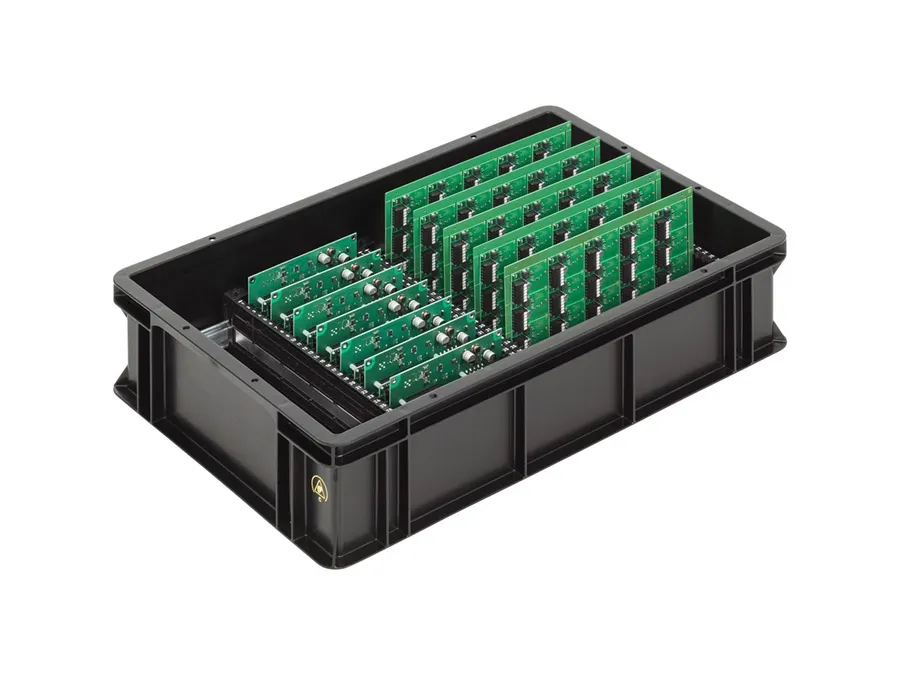
PCB Packaging
Timely delivery of printed circuit boards (PCBs) is paramount for meeting project deadlines and ensuring smooth product launches. Evaluating a manufacturer's turnaround time and supply chain management is crucial for efficient operations and minimizing potential delays.
A robust supply chain ensures consistent availability of raw materials, reducing risks of production bottlenecks. This is critical as PCB manufacturing relies on specialized materials that may have lead times. An efficient supply chain also minimizes the risk of delays from logistic hurdles.
Manufacturers often provide lead times, which vary depending on the PCB type, complexity, and order size. Factors such as manufacturing processes, material sourcing, and shipping logistics impact lead times. Understanding and assessing these factors provides clarity on expected delivery schedules.
Consider the manufacturer's capacity for expedited orders. Determine if they can handle urgent requirements without compromising quality. Evaluate their approach to potential disruptions in material availability and identify contingency measures for a stable supply of your PCB plates.
Factor
Description
Importance
Typical Lead Times
Standard production time for different PCB types and volumes.
Essential for project scheduling and planning.
Expedited Order Capacity
Ability to handle urgent PCB orders with minimal delays.
Crucial for addressing unexpected project needs.
Supply Chain Reliability
Consistency and predictability in material sourcing and logistics.
Critical for minimizing disruptions and delays.
Material Availability
Assessment of risks related to material shortages.
Vital for uninterrupted production.
Cost Analysis: Finding the Right Balance
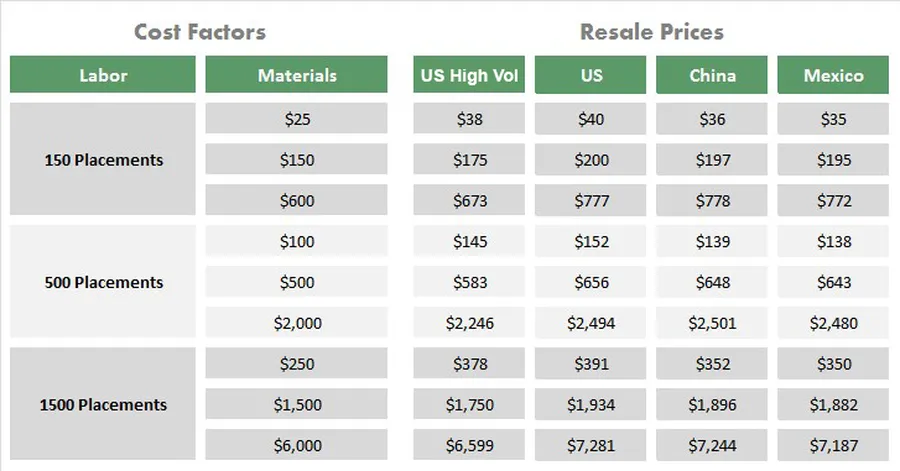
PCB Cost Breakdown
While cost is a significant consideration when selecting a PCB plate manufacturer, it should not be the sole determining factor. A focus on the overall value proposition, encompassing quality, reliability, and service, is paramount for long-term success. The lowest price tag does not always translate to the best value, and can often lead to higher costs down the line.
When comparing manufacturers, it is critical to look beyond the initial per-unit cost. Thoroughly analyze the pricing structures of various manufacturers. Be sure to identify any potential hidden costs such as tooling fees, setup charges, or expedited shipping fees. Hidden costs can significantly impact the overall project expenses. Understanding the full cost breakdown enables a more accurate comparison between potential PCB plate manufacturers.
Assess the cost-effectiveness in relation to other crucial factors such as material quality, manufacturing precision, delivery schedules, and value-added services. The ideal manufacturer should offer a balance of competitive pricing and high quality, without compromising on reliability. Selecting the manufacturer with the most appealing price initially may lead to quality issues, delays, or re-fabrication costs that can ultimately exceed the initial project budget. Always consider the long-term costs and benefits to make an informed choice.
Frequently Asked Questions About PCB Plate Manufacturers
Selecting the right PCB plate manufacturer is crucial for product success. This section addresses common questions to guide you in making informed decisions. The 'best' choice depends heavily on your specific project requirements, volume, and budget.
How to Determine the Best PCB Manufacturer for My Needs? The 'best' PCB manufacturer is highly subjective and depends on your specific needs. Consider factors such as the complexity of your design (single-layer, multi-layer, HDI), required materials (FR-4, Rogers), production volume, turnaround time, quality requirements, and budget. It is essential to research thoroughly, ask for referrals, and review customer feedback to find a manufacturer that aligns with your project requirements. A manufacturer with a proven track record in producing similar PCBs as yours is often a safe choice.
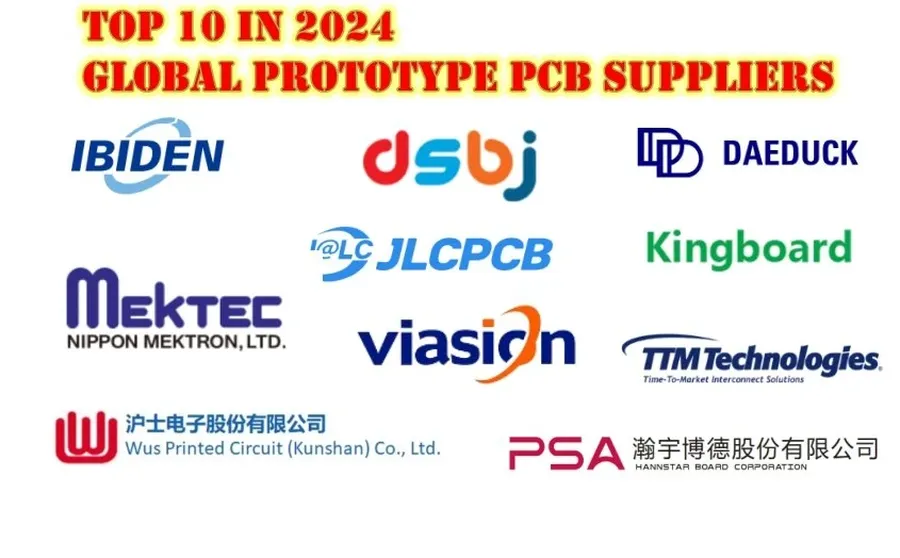
Who are the Largest PCB Manufacturers Globally? The largest PCB manufacturers are typically large, publicly traded corporations, primarily based in Asia, with substantial production volumes. These manufacturers often have diverse capabilities and cater to high-volume production. However, their size doesn't always equate to the best solution for every project. It's important to weigh the benefits of economies of scale against other needs like flexibility and specialization.
What Types of Companies Manufacture PCBs? PCB manufacturers range from small, local fabrication shops specializing in prototyping and small production runs to large, international corporations serving major industries. The choice depends on project specifics and scale. Small shops may offer greater flexibility and faster turnarounds for small batches, while large companies are better suited for high-volume, standard production. Each type of manufacturer has its specific advantages.
Which PCB Company Offers the Highest Quality PCBs? The notion of 'best' regarding PCB quality is nuanced. A company’s high quality is determined by their adherence to rigorous quality control processes, advanced manufacturing technologies, and use of high-grade materials. It's essential to look beyond brand recognition and evaluate these specific capabilities, as well as certifications (ISO, UL) and customer reviews. Requesting samples and performing thorough testing are crucial to determine if a manufacturer’s quality aligns with your standards. Ultimately, the best company is one that consistently meets your quality standards for your specific application.
What are the Key Certifications to Look for in a PCB Manufacturer? Key certifications, such as ISO 9001 (Quality Management System) and UL certifications (safety standards), demonstrate that a manufacturer adheres to industry-standard practices. These certifications are indicators of reliability and a commitment to quality assurance. Additionally, look for certifications specific to your industry or the end-use of your product, such as certifications for aerospace or medical devices if applicable. A manufacturer holding relevant certifications provides added confidence in their capabilities and processes.
How Can I Ensure the PCB Manufacturer Can Handle My Specific Project Requirements? Clearly outlining your specifications is crucial. Provide your manufacturer with details of your project, including the type of PCB (single, multi-layer, flexible), material requirements, layer count, size, tolerances, and any specialized features such as impedance control or controlled impedance requirements. In addition, seek detailed technical data sheets of the raw materials, and verify that their manufacturing process is suitable for the required complexity, asking if they have past experience of the similar design and requirements. Communicate and verify all specifications before proceeding with any order.
Are There Specific PCB Manufacturers Suitable for Prototyping? Yes, many PCB manufacturers specialize in prototyping. Look for manufacturers that offer quick turnarounds, low minimum order quantities, and design assistance to assist in the early stage of development. These manufacturers generally offer shorter lead times, making them ideal for iterative testing and design adjustments in the prototype stage. It’s critical to ensure they maintain the same quality standards used for mass production to facilitate a smooth transition to large-scale manufacturing.
Global vs. Local PCB Plate Manufacturers: Choosing the Right Partner
Global PCB Supply Chain
Selecting between global and local PCB plate manufacturers requires a careful evaluation of your project's priorities and constraints. Global manufacturers often leverage economies of scale to offer cost advantages, while local manufacturers can provide faster turnaround times and more accessible support. This decision is pivotal to your project’s success and should align with your specific operational and logistical needs.
Factor
Global PCB Manufacturers
Local PCB Manufacturers
Cost
Potentially lower due to economies of scale.
Potentially higher due to smaller scale operations.
Lead Time
Longer lead times due to shipping and logistics.
Shorter lead times due to proximity.
Communication
Possible language and time zone barriers.
Easier communication and potentially better understanding of specific needs.
Shipping and Logistics
Higher shipping costs and longer transit times.
Lower shipping costs and faster delivery.
Support
Support might be less personalized and slower.
More personalized and faster support due to proximity.
Customization
Potentially more standardized processes.
Potentially greater flexibility for unique customizations.
Quality
May vary, requires thorough due diligence.
Potentially easier to monitor due to proximity; quality is also dependent on internal management and capabilities.
Compliance
Must adhere to various international standards.
May have better adherence with local standards and regulations.
When making your choice, consider the following factors. For instance, if cost is the primary driver and lead times are less critical, a global manufacturer may be suitable. Conversely, for prototypes or projects with short deadlines and high customization needs, local manufacturers are often a superior option. Thorough research is crucial for ensuring quality and that they possess the right capabilities, regardless of location.
Comparative Analysis of PCB Plate Manufacturers: A Checklist Table
Selecting the right PCB manufacturer requires a careful comparison across multiple factors. This section provides a structured checklist table to facilitate this process, enabling a more informed decision. By systematically assessing manufacturers against these criteria, users can align their choices with their specific project needs and priorities.
Specialized Services (e.g., Impedance Control, Special Plating)
Impedance Control
None
Impedance Control, Special Plating
Specify your service needs
Customer Support
Responsive and helpful
Limited support
Highly responsive
Specify your support needs
Selecting the appropriate PCB plate manufacturers requires diligent evaluation and an understanding of your project's specific demands. This article provides an overview of the most essential criteria to consider, from technological capabilities to cost and quality assurance. By carefully assessing these points, you can ensure that the manufacturer you choose will meet your needs, contributing to the overall quality and success of your electronics. Ultimately, a well-informed choice in PCB manufacturing translates to higher quality, more reliable products, and long-term success. It’s crucial to partner with [pcb plate manufacturers] who not only meet your specifications but also align with your business goals.