In the fast-paced world of electronics, rapid prototyping is key. Proto PCB boards, the unsung heroes of innovation, are essential for quickly testing and refining electronic designs. This article will delve into the different types of proto PCB boards, their uses, and how to make the right choice for your project, with a focus on maximizing the utility of proto pcb boards in the development cycle.
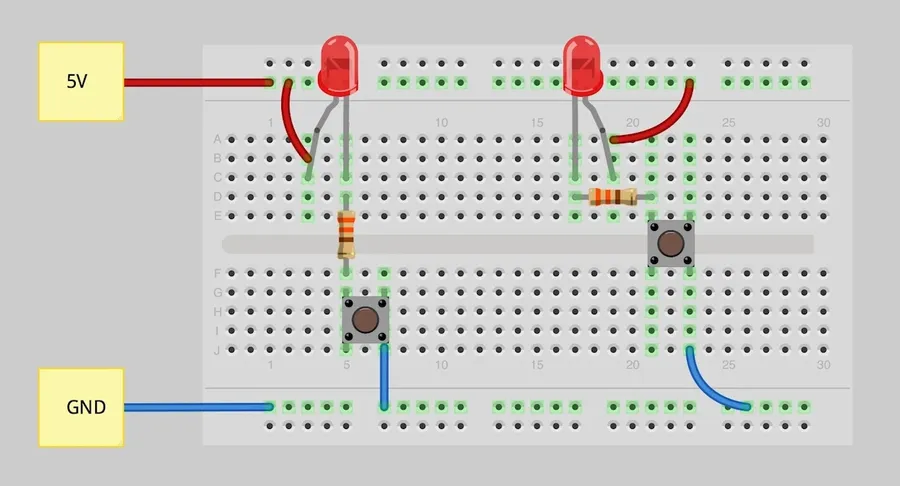
Proto PCB boards, often referred to as prototype printed circuit boards, are fundamental tools in electronics development, serving as a crucial bridge between theoretical circuit designs and final product realization. These boards are specifically designed to facilitate the rapid construction and testing of electronic circuits, enabling engineers and hobbyists to validate their designs before committing to mass production. The adaptability and flexibility of proto PCBs are paramount, allowing for iterative design improvements and modifications, significantly reducing both time and cost associated with product development. These boards play a vital role in identifying design flaws early, ensuring that the final product meets performance and reliability standards. Their utilization provides a tangible platform to test the schematic and to fine-tune the electrical characteristics of a circuit.
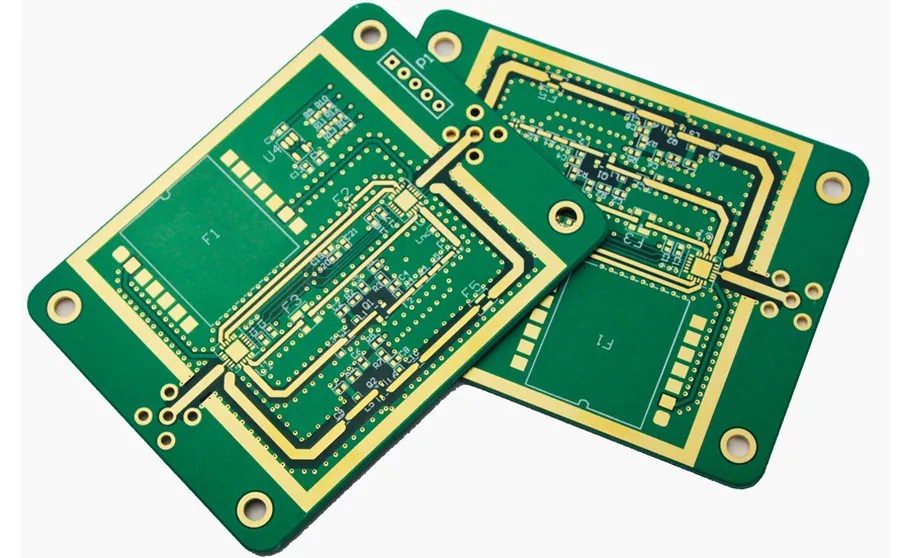
Proto PCB boards serve as a crucial stepping stone in electronics development, allowing engineers and hobbyists to test and refine circuits before committing to a final design. These boards come in various forms, each offering unique advantages and disadvantages based on project requirements, complexity, and cost considerations. The three most common types are breadboards, perfboards, and custom proto PCBs.
| Feature | Breadboard | Perfboard | Custom Proto PCB |
|---|---|---|---|
| Connectivity | Solderless, reusable connections | Requires soldering for permanent connections | Soldered or surface-mounted components |
| Durability | Low, not suitable for permanent circuits | Moderate, semi-permanent | High, designed for robust and reliable operation |
| Complexity | Best for simple, low-frequency circuits | Suitable for moderately complex circuits | Handles complex, high-density, and high-frequency circuits with fine pitch components |
| Cost | Low | Moderate | Higher initial cost but suitable for multiple prototype runs, and also depends on complexity |
| Ease of Use | Very easy for rapid prototyping and debugging | Moderate, requires soldering skills | Requires design software knowledge and fabrication expertise |
| Flexibility | Highly flexible for component and configuration changes | Moderate flexibility with some modifications possible | Less flexible, requires board modification for design changes |
| Frequency Handling | Limited to low frequencies, susceptible to signal interference | Better than breadboards, but has limitations in higher frequencies | Designed for specific frequency requirements |
Breadboards are ideal for initial prototyping, especially for beginners, they facilitate quick component placement and easy modifications without soldering. However, their temporary nature and limitations with high frequencies make them unsuitable for more demanding projects. Perfboards offer a step up in terms of durability, allowing for more permanent circuit construction through soldering. They're suitable for semi-permanent solutions but can be time-consuming for complex layouts. Custom proto PCBs, while requiring more upfront effort in design and fabrication, provide the most tailored and robust solution. They can handle complex layouts and high-frequency circuits, making them perfect for designs nearing production.
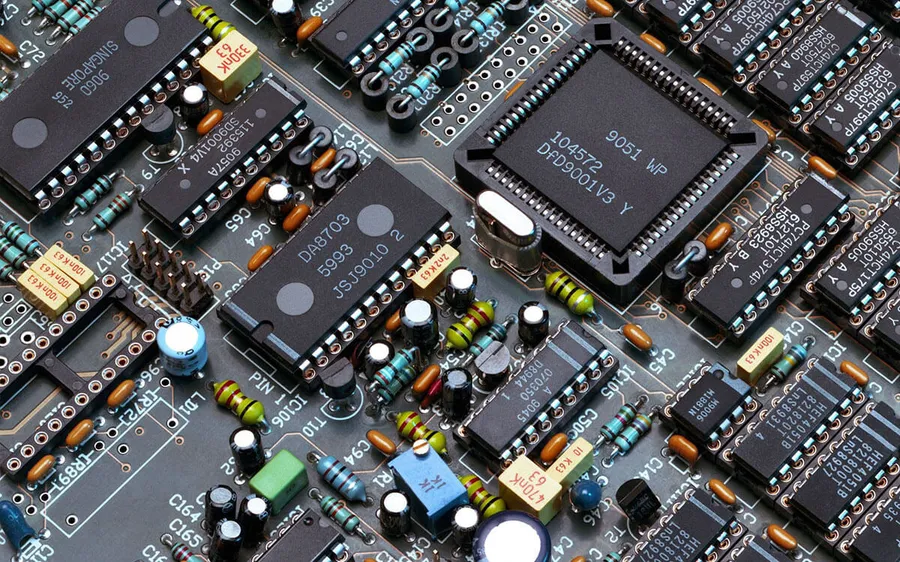
Selecting the appropriate proto PCB board is crucial for successful electronics prototyping. This decision hinges on several key factors, including the complexity of the project, the physical size of the required circuit, the necessary durability for testing, and budgetary limitations. Ease of use also plays a significant role in ensuring the prototyping process is efficient and effective.
| Factor | Description | Impact on Proto PCB Choice |
|---|---|---|
| Project Complexity | The intricacy of the circuit design, including the number of components and layers. | More complex projects may necessitate larger proto boards, multilayer PCBs, or even custom designs. Simpler projects can utilize basic perfboards or breadboards. |
| Circuit Size | The physical dimensions of the circuit being prototyped. | Larger circuits require larger proto boards with sufficient space for component placement and routing, while smaller circuits can be tested on more compact boards. |
| Durability Needs | The extent to which the prototype will be handled, tested, and reused. | Projects needing extensive or rugged testing require durable materials and construction methods. Fragile prototypes may be suitable for breadboards, while more robust prototypes could benefit from custom PCBs or more solid perfboards. |
| Cost Considerations | Budget allocated for prototyping | Simple breadboards are low cost, but less robust, while custom PCBs provide excellent robustness and functionality, but are expensive and time-consuming. Balancing cost and project requirements is critical. |
| Ease of Use | How straightforward it is to design and assemble the circuits on the selected board. | Ease of use can be related to factors such as the clarity of markings, simplicity of hole placement (for perfboard), or availability of specific mounting locations. This should be in consideration for the users experience. |
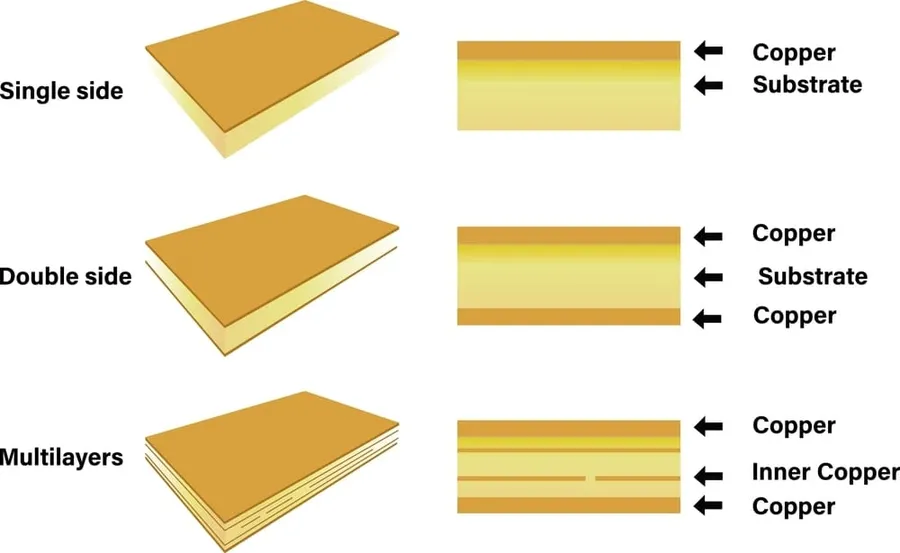
The performance, durability, and longevity of proto PCB boards are significantly influenced by the materials used in their construction and the methods employed in their fabrication. Understanding these aspects is crucial for selecting the appropriate board for specific prototyping needs. This section explores the common materials and construction methods of proto PCB boards.
| Material | Description | Pros | Cons | Typical Use |
|---|---|---|---|---|
| FR4 | A composite material made of woven fiberglass cloth with an epoxy resin binder. | Excellent mechanical strength, good electrical insulation, widely available, cost-effective. | Can be difficult to machine, can absorb moisture if not properly sealed, not very flexible. | Most general-purpose proto boards and final PCBs. |
| Phenolic | A paper-based material impregnated with phenolic resin. | Low cost, easier to machine than FR4. | Less durable than FR4, poorer electrical performance and prone to moisture absorption. | Simple, low-cost projects where durability and signal integrity are not critical. |
| Aluminum | A metal substrate with a dielectric layer. | Excellent thermal conductivity, robust and durable. | More expensive, requires specific fabrication techniques, can be harder to work with for prototyping. | High-power applications, LED lighting, and where heat dissipation is crucial. |
| CEM-1 | Composite material with paper and woven glass fabric with epoxy. | Better electrical and mechanical performance than phenolic. More robust than phenolic. | More expensive than phenolic, less durable than FR4. | Cost-sensitive projects that require better performance than phenolic boards. |
Proto PCB boards are typically constructed using one of the following methods, impacting their complexity and signal handling capabilities:
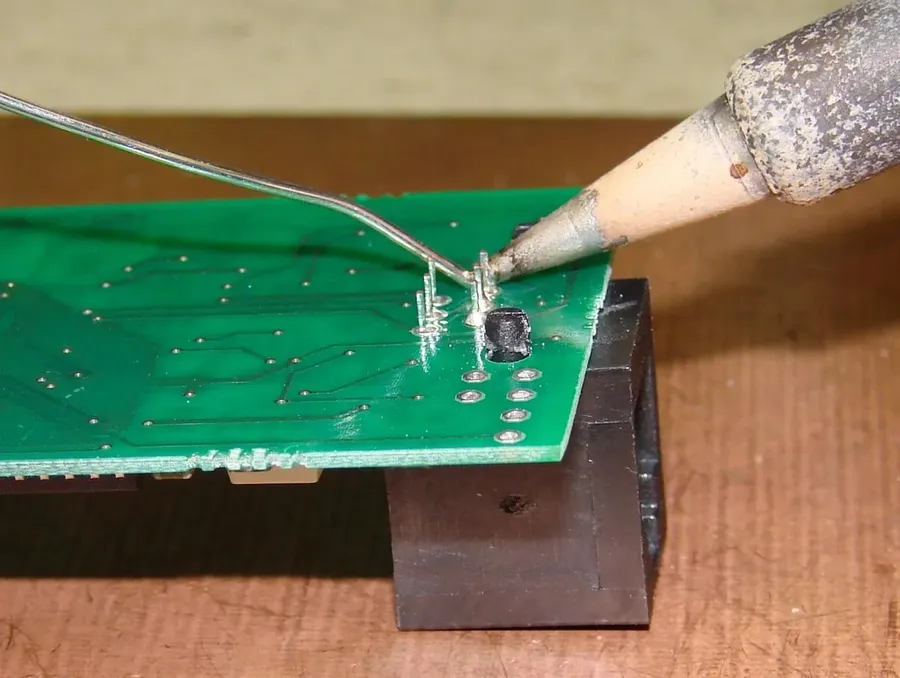
Efficiently designing and assembling circuits on proto PCB boards is crucial for successful prototyping. This process involves careful component placement, strategic wiring, and systematic troubleshooting to ensure the prototype functions as intended. Effective utilization of proto PCB boards can significantly streamline the development process.
Selecting the right supplier for proto PCB boards is crucial for ensuring quality, cost-effectiveness, and timely delivery of your prototypes. This section compares different types of suppliers, including online marketplaces, specialized manufacturers, and local electronics stores, to help you make an informed decision based on your project needs.
| Supplier Type | Examples | Pros | Cons | Best Use Cases |
|---|---|---|---|---|
| Online Marketplaces | Amazon, eBay | Wide variety of options, generally lower prices, convenient purchasing | Variable quality, potential for counterfeit products, less control over specifications | Simple projects with less critical specifications or for beginners seeking low cost options |
| Specialized PCB Manufacturers | PCBWay, JLCPCB, Seeed Studio | High-quality boards, custom specifications, design for manufacturing (DFM) checks, production scalability | Higher cost than marketplaces, longer lead times, potentially more complex ordering process | Complex or high-performance prototypes that require precise specifications and high reliability and also for larger production needs |
| Local Electronics Stores | Fry's Electronics (if available), Micro Center | Immediate availability, ability to inspect boards before purchase, good for quick prototyping. | Limited selection, generally higher prices, lack of customization options. | Simple prototypes when you need a proto board immediately and do not require special customizations. |
This section addresses common inquiries about proto PCB boards, providing clarity on their functionality, applications, costs, and differences from related prototyping tools. Understanding these points is crucial for effectively utilizing proto PCBs in electronics design.
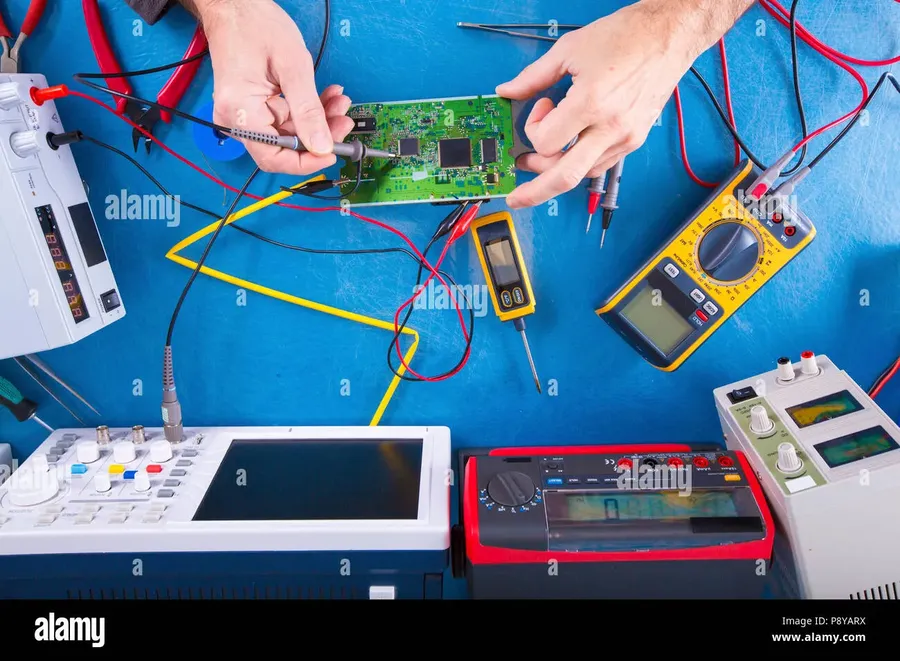
Effective utilization of proto PCB boards is crucial for successful electronic prototyping. Adhering to best practices not only ensures functional circuits but also streamlines the design and testing process, saving time and resources. This section outlines essential techniques for optimal proto PCB board performance.
Venturing beyond basic circuits on proto PCBs unlocks the potential for more complex and functional prototypes. Advanced techniques enable the integration of surface mount components and the creation of intricate layouts, essential for modern electronic designs. These techniques, while demanding precision and skill, allow engineers to validate sophisticated designs without the commitment of custom PCB fabrication.
Proto PCB boards are indispensable tools in the electronics design and prototyping process. Whether you are working on a simple hobby project or a complex industrial design, understanding the different types of proto PCB boards and how to utilize them effectively is critical. By carefully considering your project's requirements and the various options available, you can streamline your development process, save time, and create better products. Investing in high quality proto pcb boards and best practices in their use will significantly improve your projects outcomes.

