In today's fast-paced electronics industry, time is often of the essence. Whether you're developing a new product or need to quickly iterate on a design, finding a reliable rapid PCB manufacturer is crucial. Like a well-oiled machine, this process ensures that your projects are not delayed, and you can get your electronic devices up and running quickly. This article will guide you through understanding the landscape of rapid PCB manufacturers, providing you with actionable insights to choose the best partner for your needs.
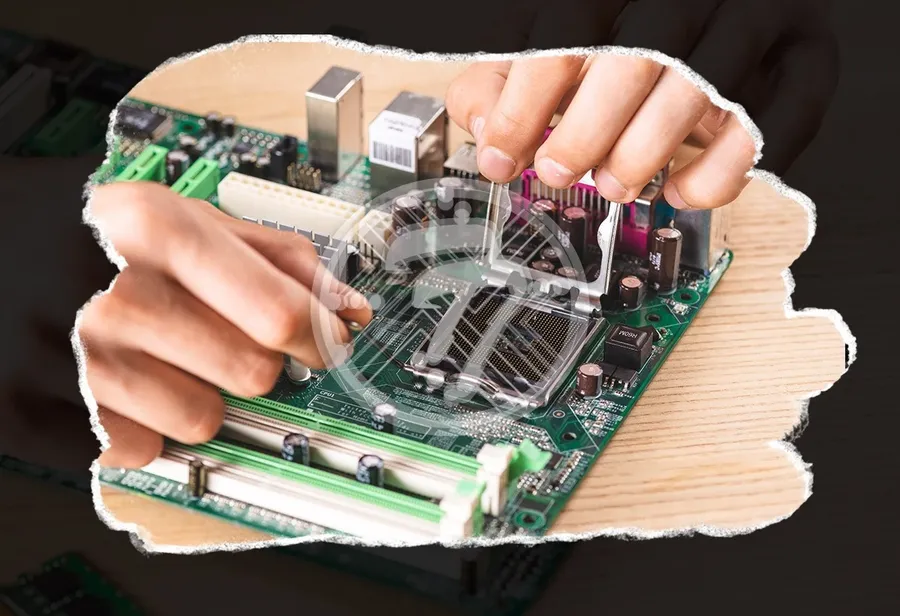
Rapid PCB manufacturing is a specialized service focused on significantly accelerating the production of printed circuit boards, typically achieving turnaround times from 24 hours to a few days, as opposed to the weeks often required by standard PCB production. This expedited process is crucial for projects requiring swift prototyping or quick iterations during development cycles.
The core distinction between rapid and standard PCB manufacturing lies in the prioritization of speed. Rapid PCB manufacturers utilize streamlined processes, often involving automated workflows and readily available materials, to minimize production time. While standard PCB production might focus on cost optimization and large-scale batch runs, rapid PCB manufacturing prioritizes agility and responsiveness to meet the time-sensitive demands of prototyping and fast-paced product development.
Selecting the right rapid PCB manufacturer is crucial for project success, demanding careful consideration of several key factors. These factors collectively determine a manufacturer's ability to meet project requirements within the necessary timeframe, while also maintaining quality and cost-effectiveness. This section will outline the crucial criteria to evaluate when choosing a rapid PCB manufacturer.
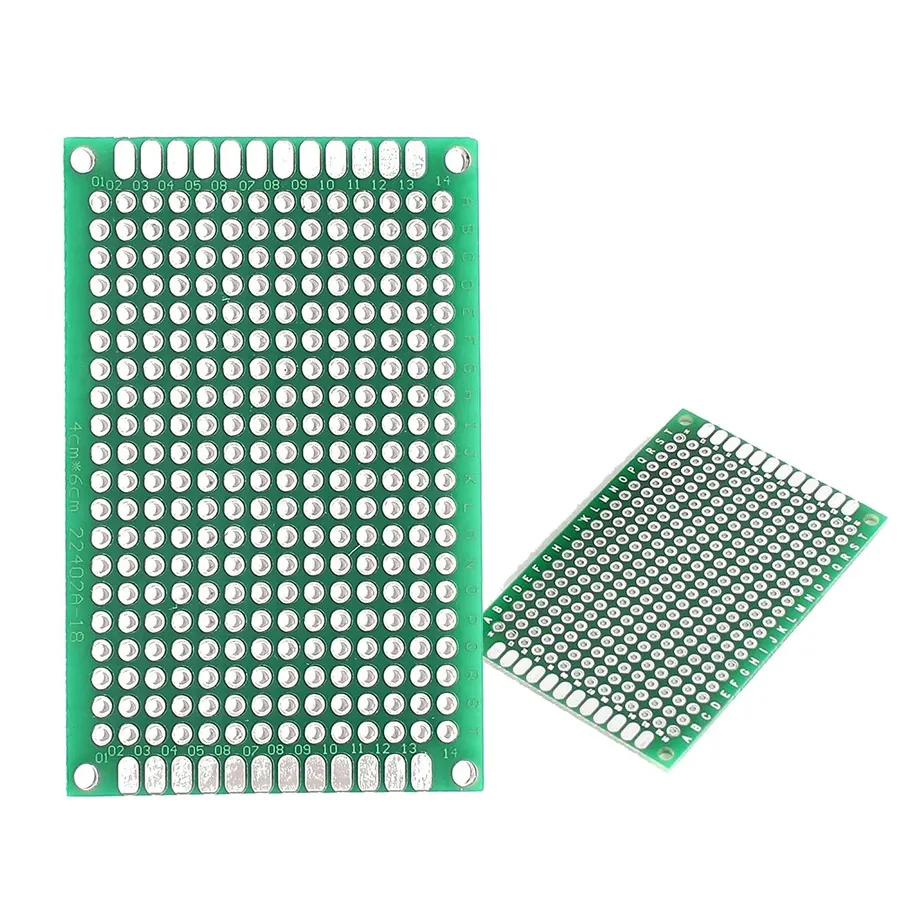
Rapid PCB manufacturing caters to two distinct needs: prototyping and production. Understanding the differences between these services is crucial for selecting the right rapid PCB manufacturer and ensuring your project's success. Prototyping focuses on quickly testing and validating designs, while production aims for larger volumes of finished boards.
| Feature | Rapid PCB Prototyping | Rapid PCB Production |
|---|---|---|
| Purpose | Design validation, testing, and iteration | Volume manufacturing of finalized design |
| Quantity | Low (typically 1-100 boards) | Medium to high volume (100+) boards |
| Turnaround Time | Very fast (24 hours to a few days) | Faster than standard, but slower than prototyping (3-10 days) |
| Cost per Board | Higher | Lower due to economies of scale |
| Design Flexibility | Greater, allows for changes | Lower, requires finalized design |
| Material Options | Potentially limited to most common | Wider variety of materials available |
| Quality Focus | Functional performance, basic verification | Rigorous quality control for high reliability |
The pricing model also varies significantly between prototyping and production. Prototyping costs are typically higher per board due to setup costs and smaller volumes. Production costs per board decrease as volume increases, reflecting the efficiencies of large-scale manufacturing. Additionally, while both prototyping and production runs often have expedited options, they will come with varying premiums depending on the selected rapid PCB manufacturer.
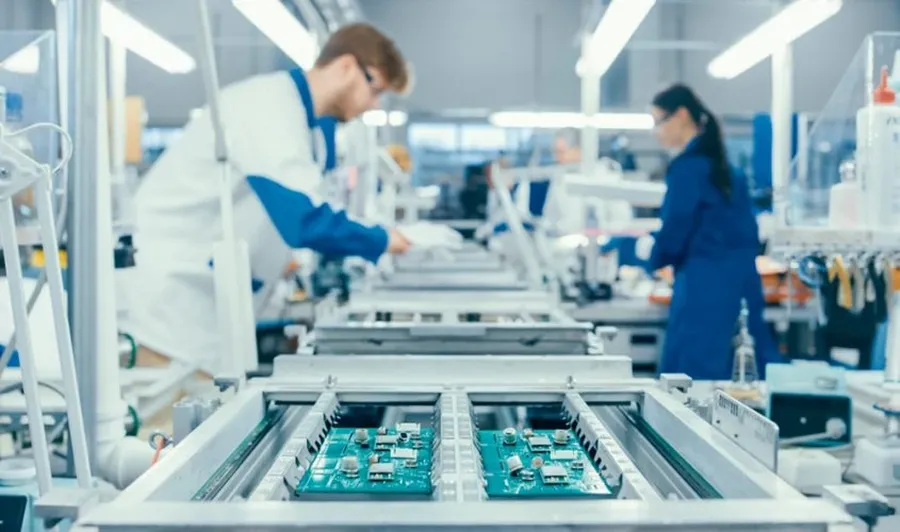
The geographical location of a rapid PCB manufacturer significantly impacts various project aspects, particularly cost, lead time, communication, and quality control. Choosing between domestic and overseas manufacturers requires careful consideration of these trade-offs to align with project priorities and deadlines.
| Factor | Domestic Manufacturers | Overseas Manufacturers |
|---|---|---|
| Cost | Generally higher due to labor costs and overhead. | Generally lower due to lower labor costs and manufacturing scale. |
| Lead Time | Potentially shorter for prototyping and smaller orders, with faster shipping times. | Potentially longer, especially with shipping and customs clearance; however, some offer very rapid turnaround times. |
| Communication | Easier communication due to proximity, time zone, and language compatibility. | Potential communication barriers due to language, time zone, and cultural differences. |
| Quality Control | Potentially higher standards due to local regulations and oversight. | Variable, from excellent to poor, depending on the manufacturer's capabilities and certifications. |
| IP Protection | Stronger intellectual property protection under domestic laws. | Potential risk of IP compromise in some overseas locations. |
| Shipping Costs | Lower shipping costs due to shorter distances, faster and simpler logistics. | Higher shipping costs, with potentially longer transit times and customs procedures. |
| Minimum Order Quantity (MOQ) | Lower minimum order quantities are often more feasible. | Potentially higher minimum order quantities |
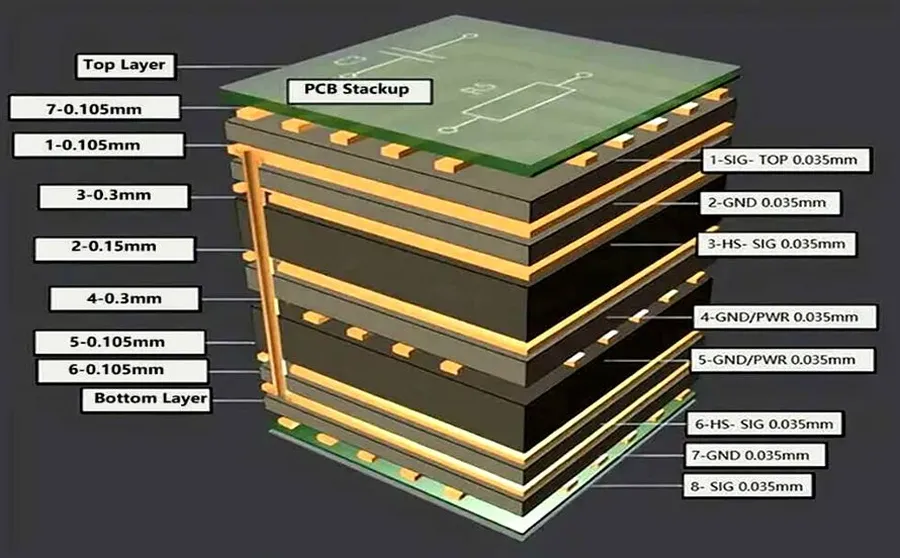
When selecting a rapid PCB manufacturer, understanding their technological capabilities is paramount to ensuring the successful fabrication of your circuit board. These capabilities directly impact the complexity, performance, and ultimately, the suitability of the PCB for your specific application. Prioritizing manufacturers with the necessary technological breadth is crucial for rapid prototyping and production alike.
| Technology | Description | Impact on Design | Typical Requirement |
|---|---|---|---|
| Multilayer PCBs | Printed circuit boards with three or more conductive layers. | Enables higher circuit density and more complex routing. | Designs involving complex signal routing, high component count, or compact form factors. |
| Special Materials | Use of materials with specific electrical or thermal properties like high-frequency laminates or high-Tg FR-4. | Tailors performance for specific applications, like higher signal speeds and better thermal management. | High-speed digital, RF/microwave, or high-power applications. |
| Surface Finishes | Different finishes such as ENIG, HASL, OSP etc., applied to the exposed copper pads of a PCB. | Ensures solderability, and protects from oxidation, impacting reliability and lifespan of solder joints. | Applications involving fine-pitch components, lead-free soldering, or long-term reliability requirements. |
| Specific Tolerances | The precision of PCB manufacturing, including trace widths, spacing, hole sizes, and layer registration. | Determines component compatibility, impedance control, and overall circuit reliability. | High-precision analog, high-density circuits, or any designs with very precise signal integrity or mechanical requirements. |
This section addresses common questions regarding rapid PCB manufacturing, providing clear, concise answers to guide you through the process. We'll explore what quick-turn PCBs are, how to choose a manufacturer, and other relevant aspects of rapid PCB production.
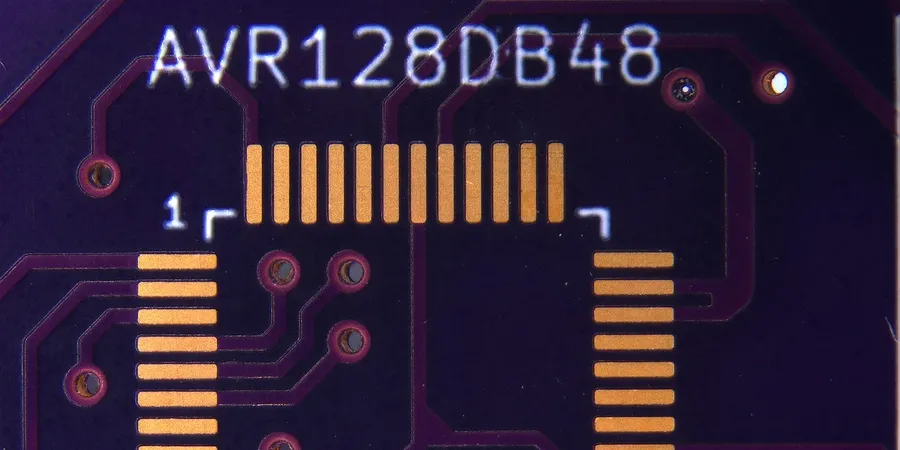
Selecting the right rapid PCB manufacturer is crucial for meeting project timelines and quality requirements. This section provides a comparative analysis of several leading rapid PCB manufacturers, focusing on key criteria to aid your decision-making process. By examining turnaround times, capabilities, minimum order quantities, cost, customer reviews, and other pertinent factors, you can make an informed choice that aligns with your specific project needs.
| Manufacturer | Turnaround Time (Days) | Capabilities | Min. Order Quantity | Cost (USD) | Customer Reviews | Key Factors to Consider |
|---|---|---|---|---|---|---|
| JLCPCB | 1-3 | Multilayer, FR-4, Aluminum | 5 | Low | Generally positive for price and speed, but some concerns over quality control | Cost-effectiveness, suitable for prototyping, good for hobbyist projects. |
| PCBWay | 2-5 | Advanced PCB tech, HDI, Rigid-Flex | 5 | Medium | Positive reviews for quality, technology, and services, but can be pricier | Comprehensive service, best for advanced projects, and medium volume needs. |
| Allpcb | 3-7 | Multilayer, FR-4, Metal core | 1 | Medium to High | Mix reviews, concerns about quality, some positive | Fast turnaround for large project, quality needs monitoring, for professional large projects |
| Advanced Circuits | 1-3 | Wide range, multilayer, Flex, Metal core | 1 | High | High reviews for quality and fast turn, suited for professional quick-turn. | Quality and reliability, best for high-demanding professional project, higher price point |
| Sierra Circuits | 1-5 | Complex PCBs, HDI, impedance control | 1 | High | Known for high precision, but costly, good for very high performance circuit design. | Professional high performance PCB manufacturing, best for high end applications. |
Efficiently placing a PCB order with a rapid manufacturer hinges on meticulous preparation and clear communication. By adhering to established standards and best practices, you can significantly reduce turnaround time and avoid costly delays, ensuring a smoother transition from design to physical prototype or production board.
The rapid PCB manufacturing sector is poised for significant advancements, driven by the ever-increasing demand for faster prototyping and production cycles. These trends promise not only to speed up the design and development process but also to enhance the capabilities of the PCBs themselves, enabling more complex and efficient electronic devices.
Key advancements are anticipated in several areas:
Choosing a rapid PCB manufacturer requires a strategic approach that balances turnaround time, quality, and cost. The right partner can be a game changer for your projects and provide competitive advantage. By carefully considering factors like technological capabilities, location, and customer support, you can confidently select a rapid PCB manufacturer that aligns with your specific needs. As technology advances, rapid PCB manufacturing will continue to accelerate product development cycles, making it a vital resource for engineers and innovators. Therefore, the selection of a rapid pcb manufacturer is of paramount importance for success.

