In today's fast-paced electronics industry, the quality of printed circuit boards (PCBs) is paramount. Whether you're developing a complex medical device or a simple DIY project, selecting a reliable quality PCB manufacturer is crucial to success. This article will guide you through the essential aspects of finding a manufacturer that meets your needs, ensuring high performance and reliability. We'll explore the key considerations when choosing a quality PCB manufacturer and how to make informed decisions.
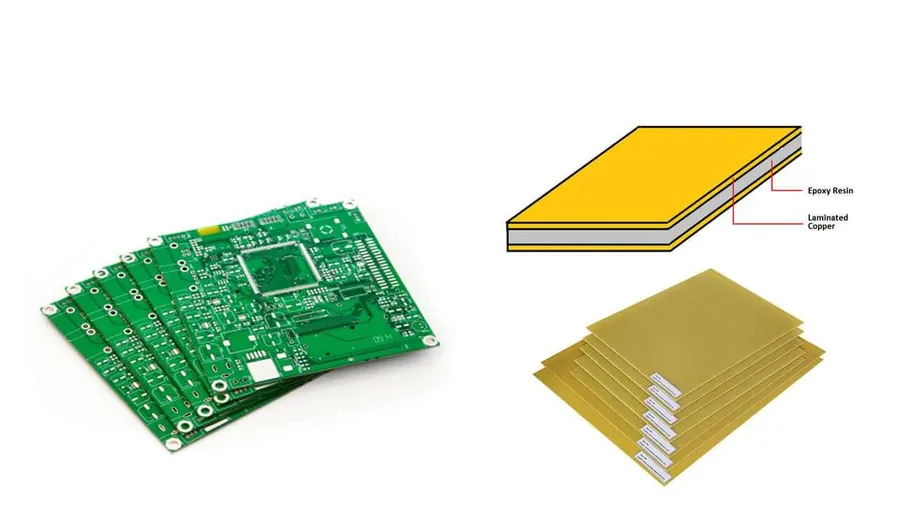
Before engaging a PCB manufacturer, a precise understanding of your project's requirements is paramount. This upfront clarity ensures that the chosen manufacturer possesses the requisite capabilities and expertise. A detailed specification, encompassing PCB type, layer count, materials, tolerances, and specialized processes, lays the groundwork for a successful manufacturing partnership and avoids costly miscommunications or redesigns down the line.
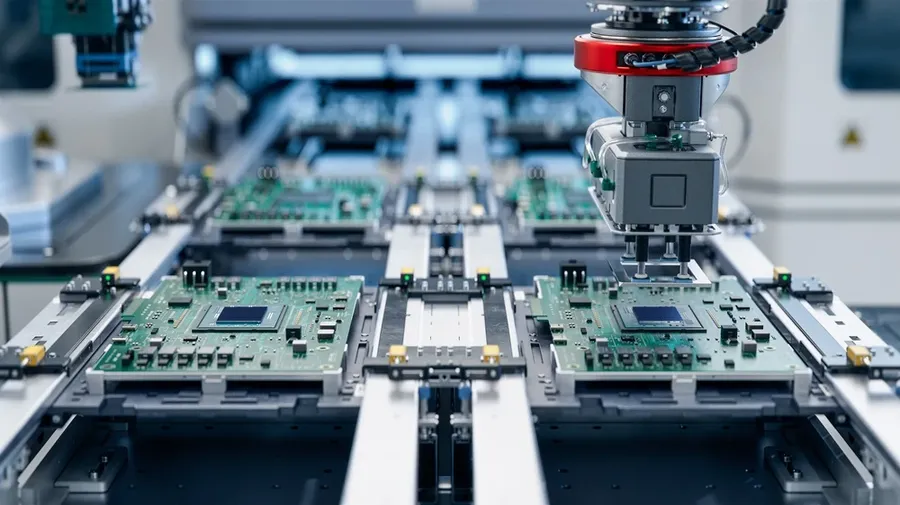
Selecting a high-quality PCB manufacturer is paramount for ensuring the reliability and performance of electronic products. Several factors significantly impact the final product, demanding careful evaluation of a manufacturer's capabilities and processes. These critical factors range from material selection to stringent quality control measures.
| Factor | Description | Importance |
|---|---|---|
| Material Quality | The quality of the base materials (e.g., FR-4, Rogers, aluminum) and laminates used directly impacts the performance, durability, and reliability of the PCB. | Critical, as poor materials can lead to premature failure and performance issues. |
| Manufacturing Standards | Adherence to industry standards such as IPC-A-600 for acceptability of printed boards and IPC-6012 for rigid boards demonstrates the manufacturer's commitment to quality. | Essential for ensuring consistency and meeting industry benchmarks. |
| Testing Procedures | Rigorous testing at various stages of the manufacturing process, including electrical tests, visual inspections, and functional tests ensures that the PCB meets specified requirements. | Vital to identify and rectify defects before PCBs reach end products. |
| Quality Certifications | Certifications such as ISO 9001, UL, and IPC demonstrate the manufacturer's adherence to high quality standards and are indicators of the company's commitment to continuous quality improvement. | Provides assurance of consistent and reliable manufacturing processes. |
| Technology and Equipment | The technology and equipment used by the manufacturer plays a critical role in achieving high-precision PCBs. | Necessary for creating high-density circuits and ensuring accuracy. |
| Layer Count Capability | The ability of the manufacturer to handle the number of layers in the design to support complex circuit requirements. | Crucial for complex designs requiring multiple signal layers. |
| Surface Finish Options | The availability of various surface finishes such as HASL, ENIG, and OSP to match the design requirements and intended usage. | Relevant for solderability and environmental protection. |
| Turnaround Time | The time it takes for a manufacturer to complete a production batch and deliver the PCBs. | Essential for project timelines and maintaining schedule efficiency |
| Communication and Support | Responsive and effective communication and support between the manufacturer and the client will ensure issues can be addressed efficiently and ensure the project progresses smoothly | Important for resolving any issues and keeping projects on track |
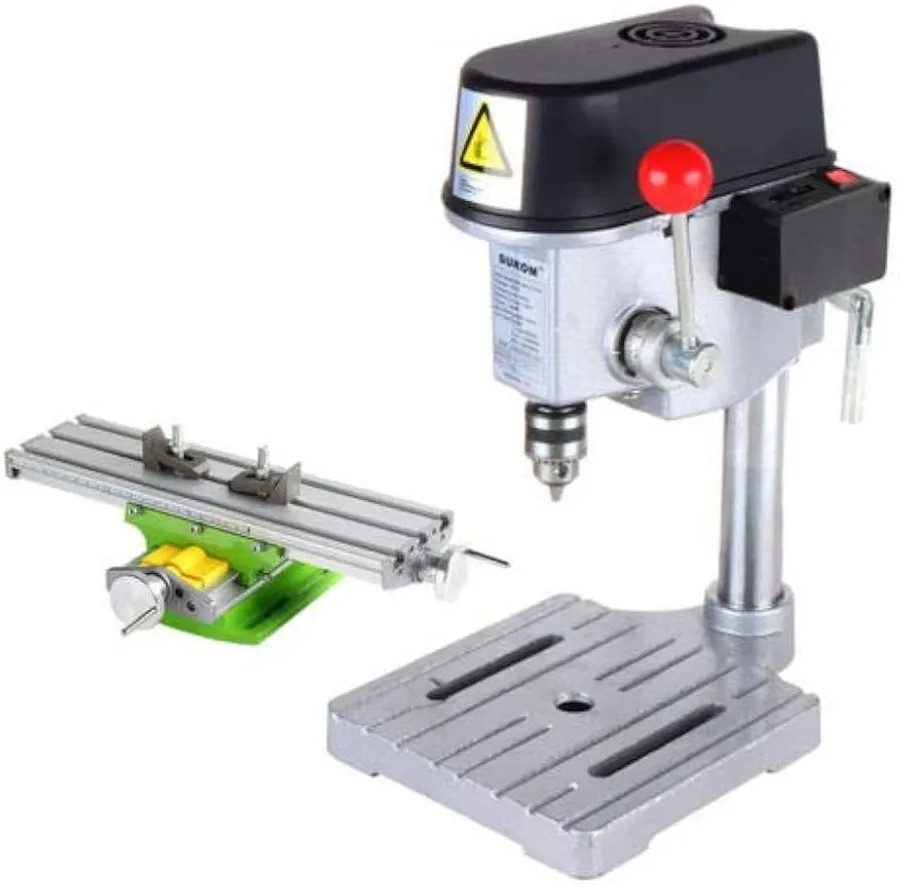
A quality PCB manufacturer must possess a comprehensive suite of manufacturing capabilities to meet diverse project needs, including prototyping, fabrication, and assembly services. Evaluating a manufacturer's equipment, technical expertise, and service range is crucial for ensuring they can fulfill all the necessary requirements of your PCB design.
| Capability | Description | Importance |
|---|---|---|
| PCB Prototyping | Quick turnaround for testing and design validation before full production. | Essential for verifying design functionality and making necessary adjustments. |
| PCB Fabrication | Manufacturing the bare PCB, including drilling, etching, and plating. | Core process for creating the physical board with precise specifications. |
| PCB Assembly | Mounting electronic components onto the fabricated PCB. | Critical step to integrate components and achieve the complete circuit. |
| Surface Mount Technology (SMT) | Automated process of mounting surface mount components. | Enables high-density and high-precision component placement. |
| Through-Hole Technology (THT) | Mounting components with leads inserted through holes in the PCB. | Suitable for larger components requiring strong mechanical connections. |
| Testing Services | Electrical tests to verify PCB functionality. | Ensures proper electrical continuity and performance. |
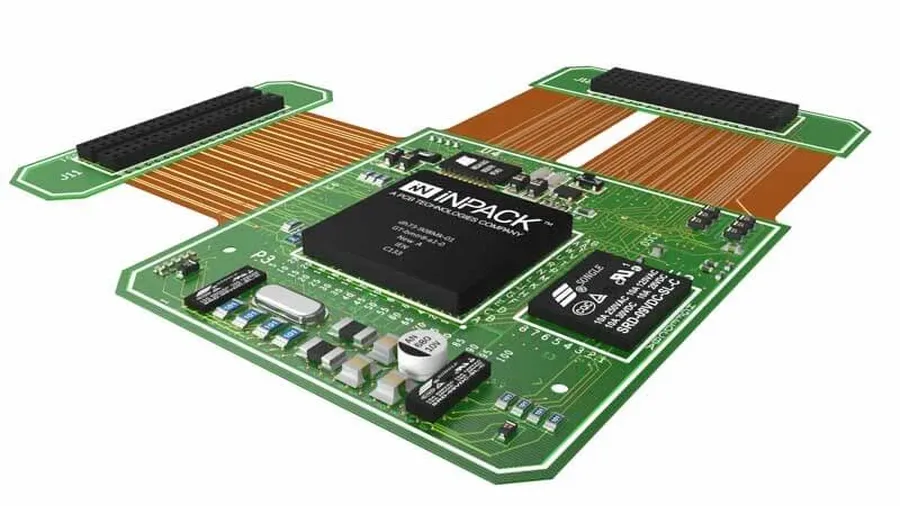
| Specialized Processes | Options such as HDI, flexible PCBs, and advanced materials. | Important for specialized applications or design requirements. |
| Equipment | Modern and well-maintained equipment ensures high quality manufacturing. | State-of-the-art machinery is a pre-requisite for complex designs. |
| Technical Expertise | Experienced engineers and technicians who can handle complex PCB designs. | Highly knowledgeable staff guarantee quality and process optimisation. |
The decision between a local and an overseas PCB manufacturer is a pivotal one, directly impacting project costs, lead times, communication efficiency, and ultimately, the overall success of your product. This section will delve into the nuanced considerations of choosing between these options.
| Factor | Local PCB Manufacturer | Overseas PCB Manufacturer |
|---|---|---|
| Cost | Generally higher due to labor and overhead | Potentially lower due to lower labor costs and economies of scale |
| Lead Time | Shorter lead times due to proximity and reduced shipping | Longer lead times due to shipping and potential customs delays |
| Communication | Easier communication due to time zone alignment and language | Potential for communication barriers and time zone differences |
| Quality Control | Easier to audit and monitor production processes | Potentially harder to verify and enforce quality standards |
| Shipping and Logistics | Simplified logistics, lower shipping costs, and less risk of damage | Increased shipping costs, potential delays, and more complex logistics |
| Minimum Order Quantity | Often more flexible with smaller order quantities | May require larger minimum order quantities to achieve cost efficiencies |
| Intellectual Property Protection | Potentially higher protection due to local laws and regulations | IP protection concerns may exist based on the overseas location |
Choosing between a local and an overseas manufacturer depends on the priority of your specific project needs. If rapid prototyping, tight quality control, and seamless communication are paramount, a local manufacturer may be preferable despite the potentially higher costs. However, if cost reduction is the primary objective, and you can manage longer lead times and potential communication challenges, then an overseas manufacturer may be a suitable option.
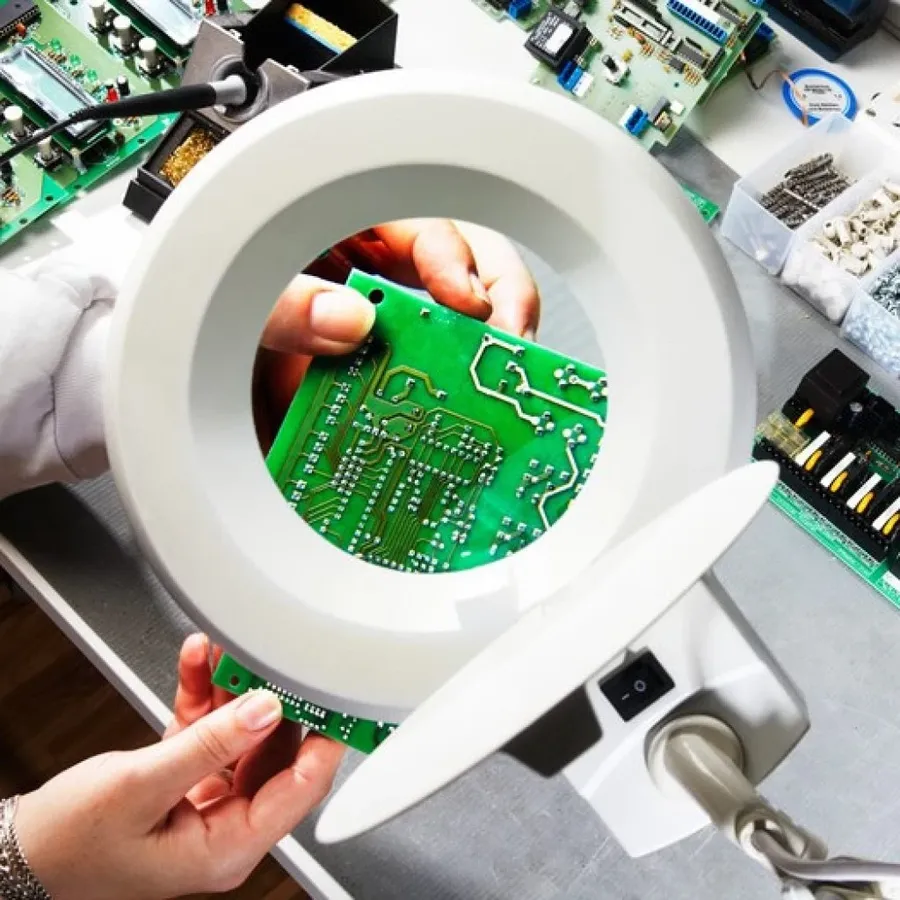
Rigorous quality control and adherence to industry certifications are paramount when selecting a PCB manufacturer. These certifications provide assurance that the manufacturer's processes and products meet established quality and environmental standards, reducing the risk of defects and ensuring reliable performance of your printed circuit boards.
| Certification | Description | Significance for PCBs |
|---|---|---|
| ISO 9001 | International standard for quality management systems. | Indicates a structured approach to quality control throughout the manufacturing process, from design to delivery. |
| UL Certification | Safety certification by Underwriters Laboratories. | Confirms the PCB manufacturer's compliance with specific safety standards for electrical products. |
| IPC Standards (e.g., IPC-A-600, IPC-6012) | Standards developed by the Association Connecting Electronics Industries. | Provides guidelines for acceptable quality of printed circuit boards, covering aspects such as design, fabrication, and performance. |
| ISO 14001 | International standard for environmental management systems. | Ensures that a PCB manufacturer adopts environmentally sustainable practices during the manufacturing process. |
| RoHS Compliance | Restriction of Hazardous Substances directive. | Verifies that the manufacturer eliminates the use of hazardous substances, ensuring the environmental safety of PCBs. |
Beyond these key certifications, assess the manufacturer's commitment to quality throughout the entire production process. This includes: detailed inspection procedures, usage of high-precision testing equipment, and a robust system for tracking and resolving defects. These practices minimize the likelihood of flaws in the final PCB and reduce long-term costs associated with faulty circuits.
Selecting the right PCB manufacturer is crucial for the success of your electronic projects. This section addresses some of the most frequently asked questions to guide you in making an informed decision. Understanding these key points can help ensure you partner with a manufacturer that aligns with your quality and project requirements.
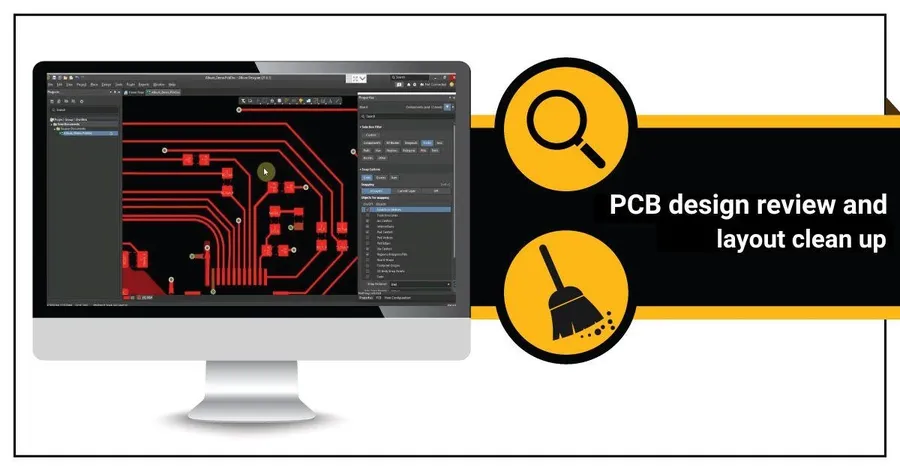
Gauging a PCB manufacturer's suitability extends beyond stated capabilities; it necessitates examining real-world performance. Customer reviews, case studies, and industry recommendations offer invaluable insights into a manufacturer’s strengths, weaknesses, and overall reliability. This provides a pragmatic view, supplementing technical specifications with user experience.
When considering these resources, prioritize the following:
Utilize the following resources to gather information:
Cost is a pivotal consideration when selecting a PCB manufacturer, yet it should not be the sole determinant. A balanced approach that weighs both cost and quality is essential for long-term project success. A comprehensive cost analysis extends beyond the unit price of the PCBs and includes a thorough evaluation of tooling, testing, and potential rework expenses to fully grasp the financial implications.
| Cost Factor | Description | Impact on Overall Cost |
|---|---|---|
| Unit Cost | The price per PCB, influenced by material, complexity, and volume. | Directly impacts the total cost, especially at high volumes. |
| Tooling Costs | Fees for creating necessary tools and fixtures for PCB production. | Significant initial cost, potentially amortized over larger production runs. |
| Testing Costs | Expenses related to electrical testing, functional testing, and other quality assurance procedures. | Essential for ensuring reliability, but adds to the total cost. |
| Shipping Costs | The cost of transporting PCBs from the manufacturer to your location. | Can vary significantly based on distance and shipping method. |
| Rework Costs | Expenses associated with rectifying issues and defects on PCBs. | Can be substantial if quality control is inadequate. |
| NRE Costs | Non-recurring engineering costs. | One-time expenses associated with the set-up of manufacturing process. |
Establishing a long-term partnership with a quality PCB manufacturer is a strategic decision that yields consistent quality, streamlined processes, and reduced lead times, crucial for sustained project success. This goes beyond individual transactions, fostering a relationship built on mutual understanding, consistent communication, and shared goals.
Selecting the right quality PCB manufacturer is an essential step in ensuring the success of your electronic project. By carefully considering all aspects from material quality to certifications, and by aligning with a manufacturer that offers the right capabilities, you can secure high-quality PCBs that will meet all your needs. Whether you're seeking a local partner or looking at an international quality PCB manufacturer, due diligence and a thorough understanding of your needs will guarantee long-term success. A quality PCB manufacturer is more than just a supplier; they’re a crucial partner in your electronics journey, ensuring your projects are built to your high standards.

