In today's electronic landscape, the demand for miniaturization and high performance drives the need for Surface Mount Device (SMD) printed circuit boards (PCBs). Selecting the right SMD PCB manufacturer is crucial for ensuring the quality, reliability, and cost-effectiveness of your electronic products. From hobbyists to large-scale industrial applications, understanding the nuances of SMT assembly and its manufacturing process is fundamental, bridging the gap between design and functionality. This article explores the key aspects of choosing the ideal partner for your PCB manufacturing needs, considering factors that affect both the product and your budget.
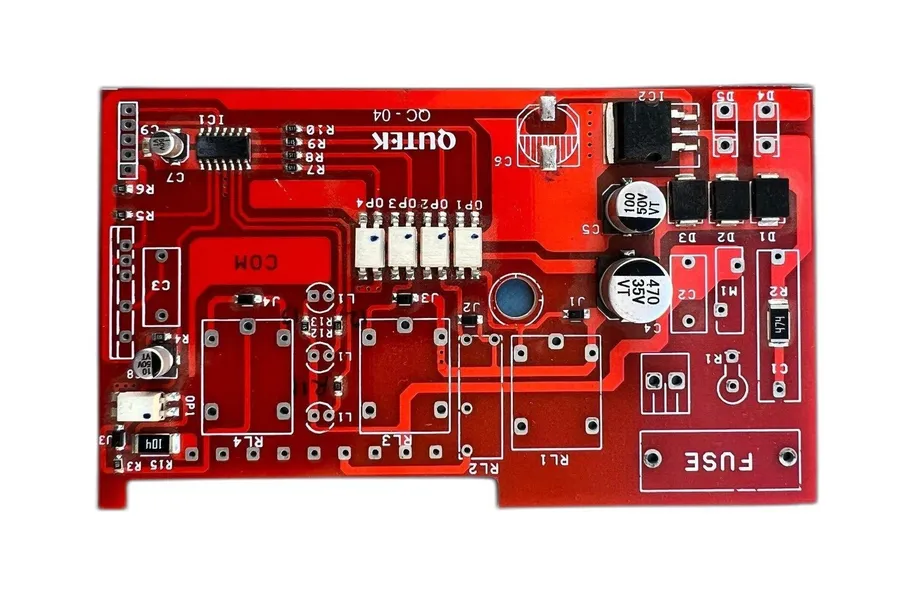
Surface Mount Device (SMD) PCB assembly is the cornerstone of modern electronics, enabling the production of compact, efficient, and high-performance devices. This method involves mounting electronic components directly onto the surface of a printed circuit board (PCB), contrasting with through-hole technology where components have leads that pass through the board.
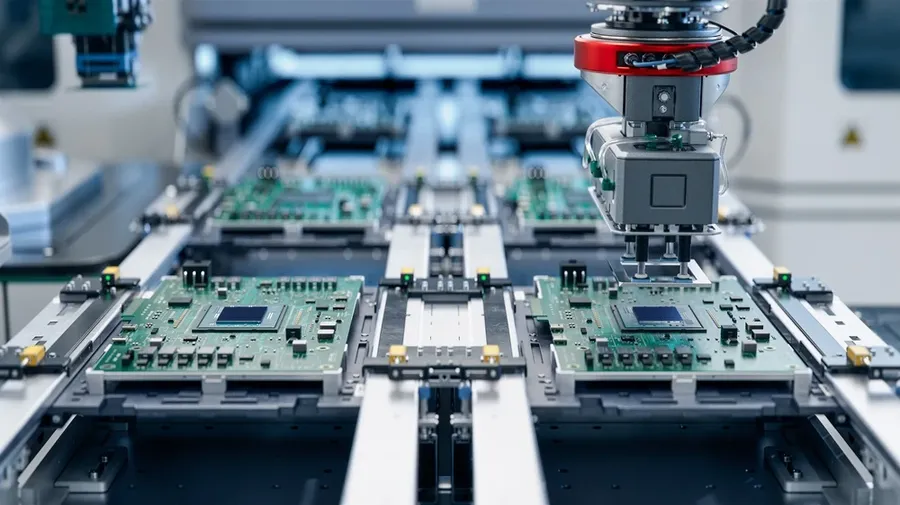
The core processes include precise solder paste application to designated pads, accurate component placement using automated pick-and-place machines, and reflow soldering, a process that uses controlled heat to melt the solder and create a permanent electrical and mechanical connection. This approach allows for higher component densities, smaller PCB footprints and streamlined automated manufacturing, making it essential for producing today's complex electronic devices.
| Feature | Surface Mount Technology (SMT) | Through-Hole Technology (THT) |
|---|---|---|
| Component Mounting | Components mounted directly on the surface | Component leads pass through holes in the board |
| Component Size | Smaller components, higher density | Larger components, lower density |
| Manufacturing | Automated assembly using pick-and-place machines | Manual or semi-automated assembly |
| PCB Size | Smaller board footprint | Larger board footprint |
| Cost | Generally lower cost for high-volume production | Higher cost for high-volume production |
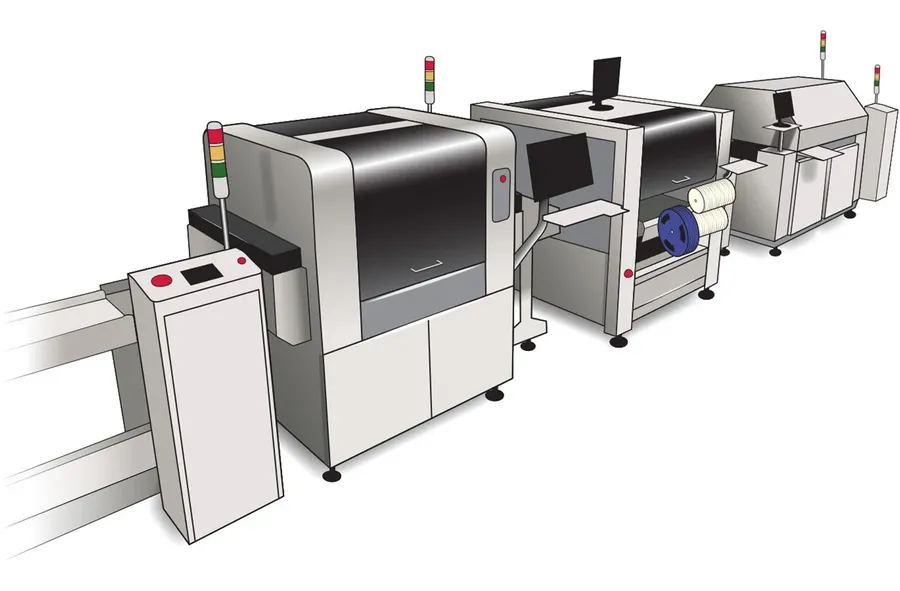
Selecting the right SMD PCB manufacturer is crucial for ensuring the success of your electronic projects. This requires a thorough evaluation of several critical factors that directly impact the quality, cost, and lead time of your PCBs. This section will explore the key parameters to consider when choosing a manufacturing partner, enabling you to make informed decisions that align with your project requirements.
| Factor | Description | Importance |
|---|---|---|
| Manufacturing Capabilities | Ability to produce different PCB types and complexities. | Ensures your design can be manufactured. |
| Assembly Capacity | The volume of PCBs they can produce within a given time frame. | Meets project scaling needs. |
| Lead Times | Time it takes to complete the manufacturing process. | Meets project timelines. |
| Quality Control Processes | Methods used to ensure the quality and reliability of the PCBs. | Critical for product performance and longevity. |
| Material Sourcing | Where they source the components from | Ensures components meet quality standards. |
| Technological Expertise | Specific knowledge relevant to your project's complexity and components. | Experience with the product to ensure a higher quality result. |
| Cost Analysis | Detailed pricing structure including material costs and manufacturing operations. | Ensures your project stays on budget. |
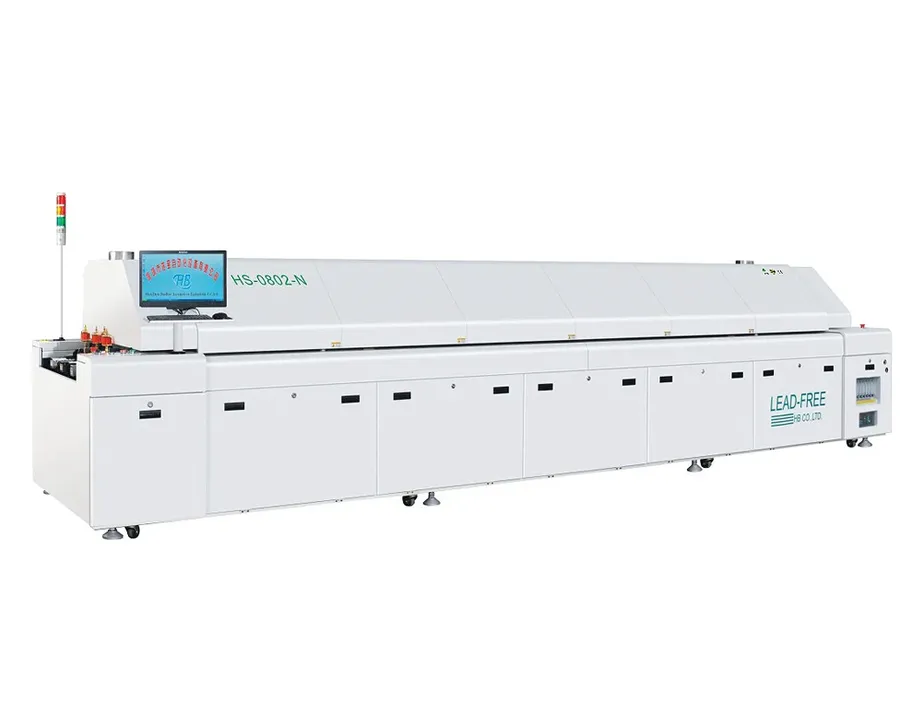
Understanding the cost drivers in SMD PCB manufacturing is crucial for effective budget management, whether you're producing prototypes or embarking on large production runs. The total expenditure is influenced by a range of factors, including design complexity, material selection, the quantity of components, and the overall production volume.
Cost Optimization Strategies: Optimizing your PCB design for cost-effectiveness is essential. This involves considering the number of layers needed, trace widths and spacing, and the number of vias. Standardizing component footprints and using fewer unique parts can also significantly reduce assembly costs. Furthermore, planning your project with expected volumes in mind can unlock volume discounts and reduce per-unit costs.
| Cost Factor | Impact on Cost | Cost Optimization Strategy |
|---|---|---|
| Design Complexity | Increased cost with more layers, finer trace widths/spacing, and complex shapes. | Simplify design when possible, use standard footprints. |
| Material Selection | Cost varies based on material type (FR-4, high-Tg, flex), thickness and copper weight. | Choose materials suitable for application needs, rather than high cost materials for basic applications |
| Number of Components | Higher component count leads to increased assembly time and cost. | Minimize component count by integrating functionalities, consider using more complex ICs. |
| Production Volume | Per-unit cost decreases with higher volumes due to economies of scale. | Plan for anticipated volumes to negotiate cost and schedule with manufacturer. |
| Assembly Process Complexity | Cost increase with complex processes such as BGAs, micro vias, and fine pitch components. | Design for manufacturability, when possible, to reduce cost of more complex processing. |
Low Volume vs. High Volume Production: Low volume production, which typically involves prototypes or small batches, generally incurs higher per-unit costs due to setup fees and lack of economies of scale. Conversely, high volume production benefits from lower per-unit costs, as fixed expenses are spread across a larger number of units and manufacturers can optimize their processes for efficiency. Understanding these dynamics is crucial in planning production runs effectively.
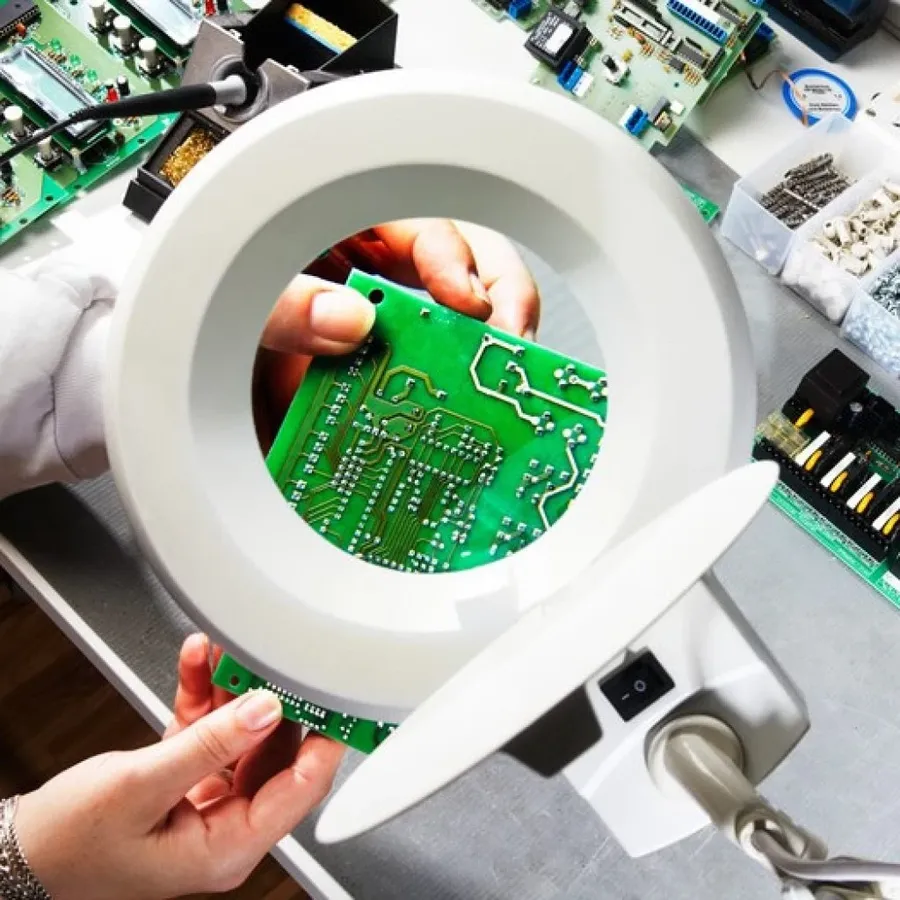
The reliability and quality of Surface Mount Device (SMD) printed circuit boards (PCBs) are paramount for electronic product performance and longevity. Selecting an SMD PCB manufacturer that adheres to stringent certifications and quality standards is essential. These certifications not only signify a manufacturer's commitment to excellence but also offer a standardized framework for consistent and dependable production.
Key certifications and standards in the PCB manufacturing industry include ISO 9001, which focuses on the quality management system, and IPC standards, which provide specific guidelines for PCB design, manufacturing, and assembly.
| Certification/Standard | Description | Implications for PCBs |
|---|---|---|
| ISO 9001 | International standard specifying requirements for a quality management system (QMS). | Ensures consistent production processes, product quality, and customer satisfaction. Manufacturers with ISO 9001 certification demonstrate commitment to quality and continuous improvement. |
| IPC Standards | Industry standards for PCB design, manufacturing, and assembly (e.g., IPC-A-600, IPC-A-610). | Guarantees that PCBs meet specific performance requirements and reliability levels. These standards provide guidelines for acceptable and rejectable criteria for PCB manufacturing. |
| RoHS Compliance | Restriction of Hazardous Substances, limits the use of specific hazardous materials in electronic products. | Ensures PCBs are environmentally friendly and safe. Compliance is often necessary for selling products in many regions. |
| UL Certification | Safety certification for electronic products and their components. | Indicates PCBs have met certain safety standards. Some applications require specific UL ratings for the final device to be approved. |
In addition to certifications, manufacturers should employ advanced testing and inspection methods, such as:
SMD PCB assembly offers two primary models: turnkey and consignment, each presenting distinct advantages and disadvantages based on project needs and resources. Understanding these models is crucial for optimizing cost, quality, and efficiency in your manufacturing process.
| Aspect | Turnkey Assembly | Consignment Assembly |
|---|---|---|
| Component Sourcing | Manufacturer procures all components | Customer provides all or some components |
| Control over Components | Less direct control, manufacturer selects components | More direct control, customer selects components |
| Cost Management | Simplified purchasing, potential for higher component cost per unit | Greater control over component costs, reduced per-unit cost potentially |
| Project Management | Simplified logistics, manufacturer handles all procurement, suitable for most projects | More complex logistics, requires inventory management, suited for specific needs |
| Risk Mitigation | Single point of responsibility, manufacturer takes on risk for component availability | Customer assumes some component risk, potentially affected by market fluctuations |
| Suitability | Ideal for projects where time and simplicity are critical | Best for projects where component control and cost are critical considerations. |
Turnkey assembly offers a streamlined approach where the manufacturer handles all aspects of component procurement, assembly, and testing. This model is suitable for projects where time is a priority, and the customer seeks to minimize their direct involvement in supply chain logistics. Consignment assembly, on the other hand, involves the customer providing some or all of the components. This offers a greater degree of control over the materials used and allows for potential cost savings, but it also increases the customer's responsibility for component sourcing, quality, and inventory management.
This section addresses common questions regarding Surface Mount Device (SMD) PCB assembly, providing clarity on crucial aspects from lead times to design files and component management. A clear understanding of these elements is crucial for successful manufacturing projects.
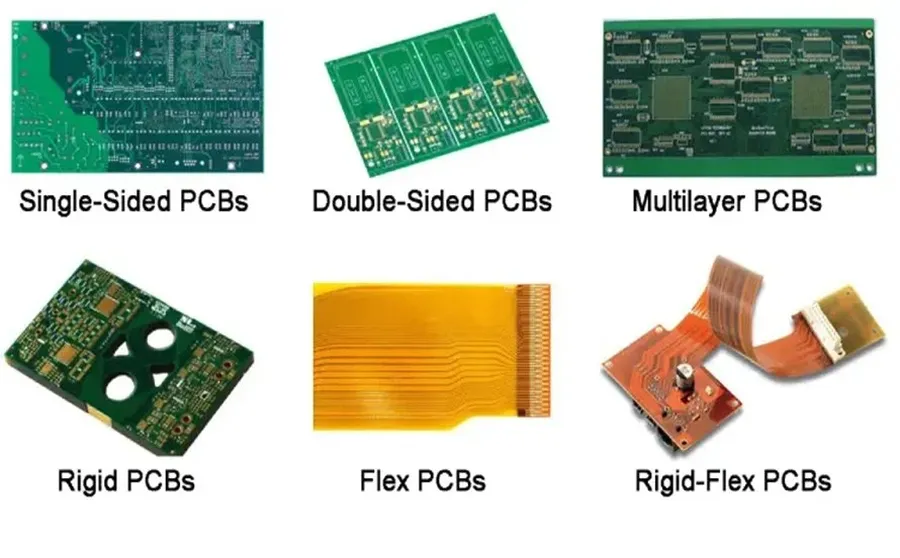
Selecting the right SMD PCB manufacturer is crucial for the success of any electronics project. This section provides a comparative analysis of key factors to help you evaluate and choose a manufacturer that best aligns with your project's specific requirements. We will focus on actionable metrics to guide your decision-making process, rather than a general overview.
| Factor | Description | Importance | Evaluation Metrics |
|---|---|---|---|
| Pricing | Cost per unit and total project cost including setup fees, tooling costs, and recurring costs for production runs. | High. Impacts budget feasibility and profitability. | Cost breakdown transparency, cost per unit for different volumes, quotation accuracy. |
| Service Quality | Responsiveness, customer support, communication and problem resolution capabilities. | High. Ensures smooth project management and prompt issue resolution. | Response times, availability of technical support, user reviews, communication effectiveness. |
| Manufacturing Capabilities | Range of PCB types, complexity, layer count, material options, tolerances. | High. Ensures ability to meet specific technical requirements. | Supported PCB types, minimum trace width and spacing, material certifications, special process availability. |
| Expertise | Experience with similar projects, technical proficiency, design for manufacturability (DFM) feedback, engineering support. | Medium. Contributes to project optimization and problem prevention. | Case studies, DFM support quality, engineering team experience and qualifications, problem-solving abilities. |
| Turnaround Time | Lead time from design submission to delivery, prototyping and production timeline. | Medium. Affects project timelines and market entry. | Quoted lead times for prototype and production, historical on-time delivery data, rush order options. |
| Additional Features | Specific testing, assembly service, component sourcing, supply chain management. | Medium. Can simplify logistics and improve quality. | Test process documentation, component sourcing network, supply chain risk management strategies. |
By using this table as a guide, you can objectively assess potential SMD PCB manufacturers based on your specific needs. Consider assigning weights to each factor based on your project's priorities. Always request detailed quotes and clarify all technical specifications before finalizing your choice.
The landscape of Surface Mount Device (SMD) PCB manufacturing is rapidly evolving, driven by the ever-increasing demands for smaller, faster, and more efficient electronic devices. These advancements are not just about shrinking components; they're about fundamentally changing how PCBs are designed, manufactured, and integrated into products.
Selecting the appropriate SMD PCB manufacturer is a multi-faceted decision, influencing the quality, cost, and timeline of your product. A deep dive into the core principles of SMD assembly, the key selection factors, cost considerations, and quality benchmarks will ultimately inform a better choice for your business needs. Whether you are a hobbyist or a large scale industry, choosing the right SMD PCB manufacturer will be beneficial in the long run, and ensure the best product quality for all applications and needs. This will also promote future technological advances through proper planning and execution.

