Find a Reliable PCB Board Maker Near You: A Comprehensive Guide
2025.01.09
In our increasingly interconnected world, printed circuit boards (PCBs) are the unsung heroes powering everything from our smartphones to sophisticated medical equipment. When you're developing a new electronic device or need to replace a faulty component, finding a reliable 'pcb board maker near me' becomes crucial. This article will guide you through the process of locating and selecting the best PCB manufacturer for your needs, while demystifying some of the complexities of PCB fabrication.
Understanding Your PCB Needs: Key Considerations
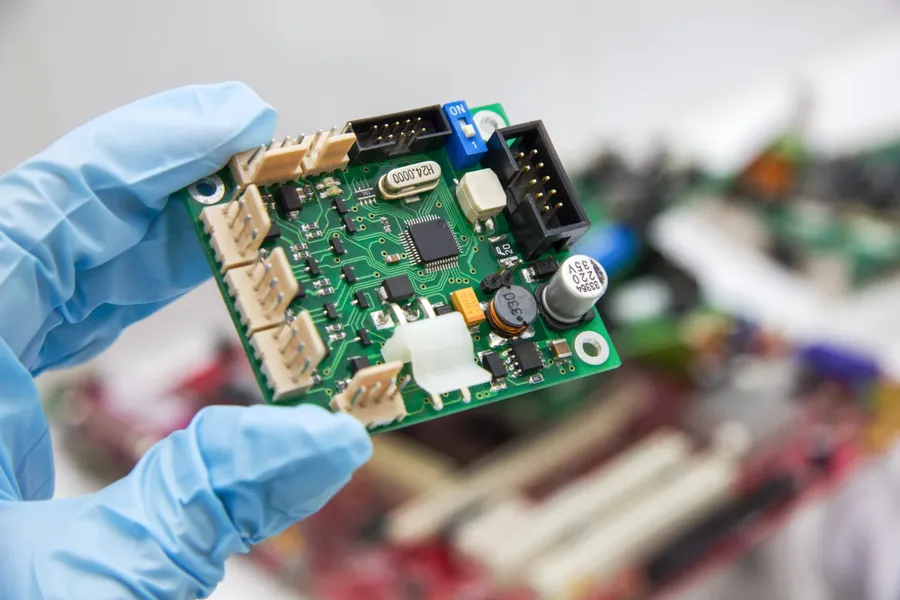
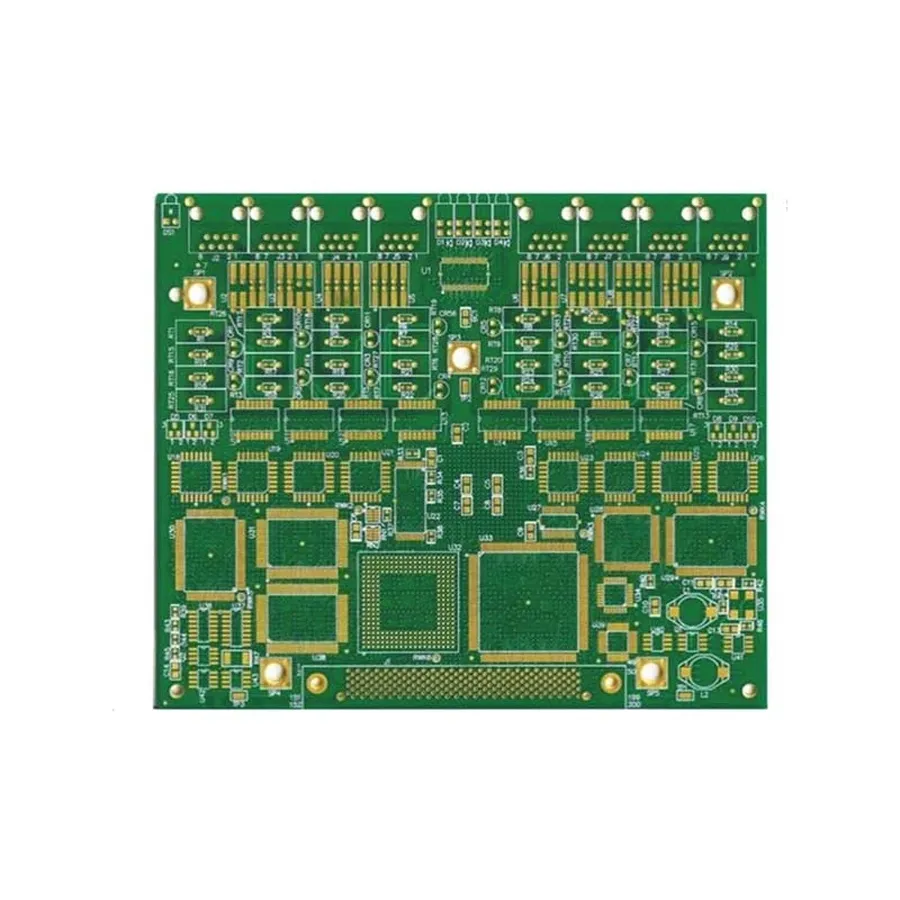
Bare PCB
Before initiating your search for a 'pcb board maker near me,' a thorough understanding of your project's specific needs is paramount. This involves a careful evaluation of several critical parameters that will directly influence the selection of the most suitable manufacturer. Defining these requirements upfront ensures that you're targeting manufacturers equipped to handle your design and production demands, thus streamlining the process and preventing costly missteps.
Board Complexity Determine whether your design requires a single-layer, double-layer, or multi-layer PCB. This will dictate the manufacturing process and potentially limit the number of suitable suppliers.
Material Type Specify the necessary substrate material based on your application's thermal, mechanical, and electrical requirements (e.g., FR-4, aluminum, flex). Different materials have varying performance characteristics and costs.
Quantity Accurately estimate the number of boards needed for prototyping, small-scale production, or high-volume manufacturing. Order quantity impacts the price per unit and manufacturing techniques.
Lead Time Define your project's timeline. Knowing your required turnaround time for production is critical, as local manufacturers often offer faster delivery than overseas options.
Special Requirements Address any specialized requests, such as specific surface finishes (e.g., ENIG, HASL), impedance control, via types (blind, buried), or unusual board dimensions.
Factor
Description
Impact on Manufacturer Selection
Board Complexity
Number of layers in the PCB design.
Limits the range of manufacturers; requires specialized equipment for multi-layer designs.
Material Type
Substrate material for the PCB.
Ensures manufacturer is capable of handling required materials and their associated manufacturing processes. Affects the electrical and thermal characteristics.
Order Quantity
Total number of PCBs required.
Dictates manufacturing methods (e.g., prototyping, mass production) and influences cost per unit; some manufacturers are optimized for specific volumes.
Lead Time
Desired time from order placement to delivery of finished PCBs.
Affects choice between domestic and overseas manufacturers; some manufacturers offer express services.
Special Requirements
Specific design requirements (e.g., impedance control, via types).
Further narrows down the range of manufacturers; requires specialized equipment and processes.
Local vs. Overseas PCB Manufacturers: Weighing the Options
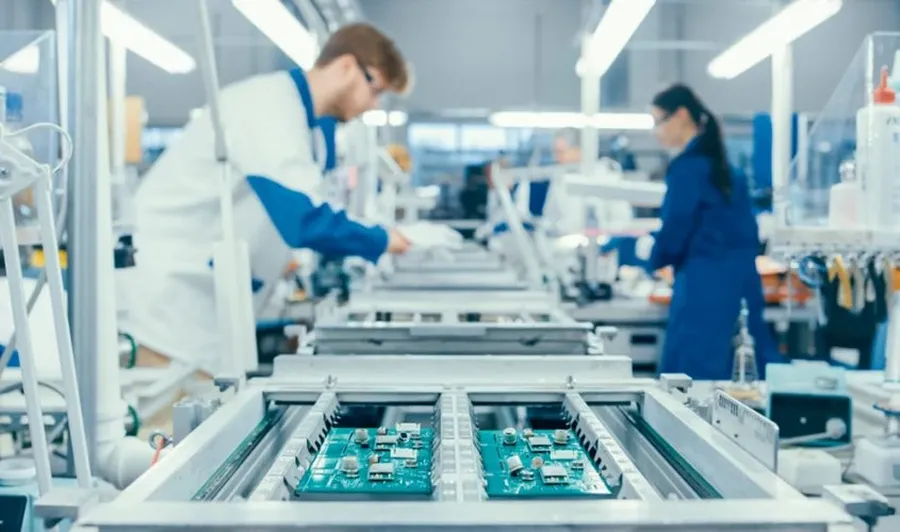
PCB Factory
The choice between a local 'pcb board maker near me' and an overseas manufacturer is a pivotal decision that significantly impacts project timelines, communication efficiency, and overall cost. This section provides a detailed comparison to guide you in selecting the best option for your specific requirements.
Factor
Local PCB Manufacturer
Overseas PCB Manufacturer
Turnaround Time
Faster, often within days or weeks
Longer, typically weeks or months
Communication
Direct, easier, and more immediate
Potential for delays and language barriers
Shipping
Less complex, lower costs, fewer customs issues
More complex, higher costs, potential customs delays
Cost
Potentially higher for large production runs
Generally lower for high-volume orders
Quality Control
Easier to manage and verify
Potentially more difficult to monitor
Minimum Order Quantity
Lower minimum order quantities often available
May require high minimum order quantities
Project Scale
Better for prototyping, small to medium batches, urgent projects
More suited for large production runs, and cost sensitive projects
When deciding between local and overseas manufacturers, carefully consider your project's specific needs, priorities, and budget. For rapid prototyping or projects requiring immediate feedback, a local manufacturer can be highly advantageous despite potentially higher costs. In contrast, for large-scale productions, the lower unit costs offered by overseas manufacturers may be more appealing, though the trade-off includes longer lead times and potential communication hurdles.
How to Find a 'PCB Board Maker Near Me': Search Strategies
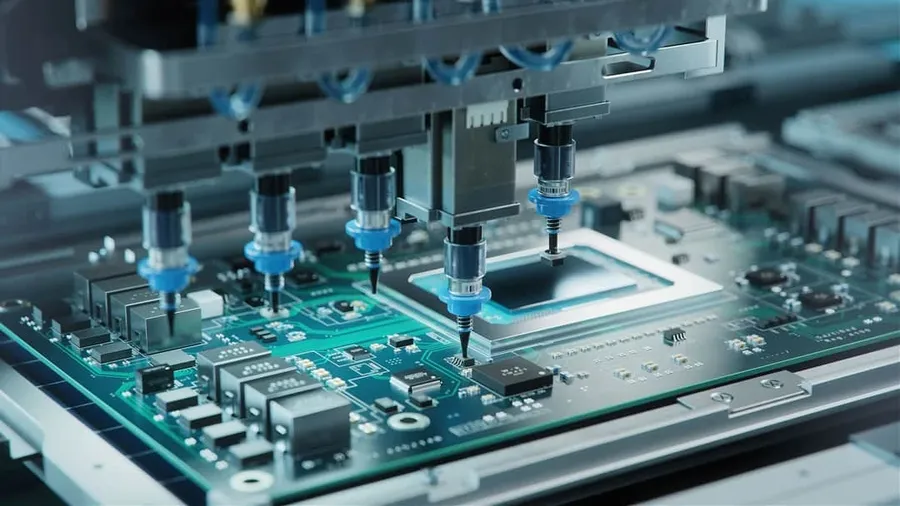
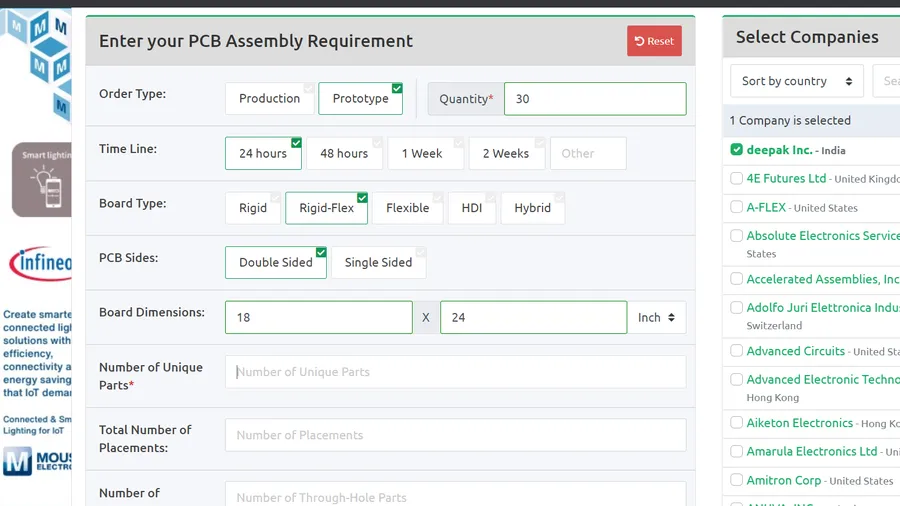
PCB Assembly
Locating a suitable PCB board maker requires a strategic approach, leveraging online resources to identify local manufacturers. The goal is to efficiently narrow down your options and find a partner that meets your specific project requirements, focusing on proximity, capabilities, and reliability.
Utilize Online Directories Begin your search by exploring online directories such as PCB Directory, ThomasNet, and industry-specific platforms. These directories often provide comprehensive listings of PCB manufacturers, allowing you to filter based on location and specialization.
Leverage Search Engines with Specific Keywords Employ search engines like Google, Bing, or DuckDuckGo using precise keywords. Examples include 'printed circuit board manufacturers in [your city]', 'PCB fabrication near me', or 'PCB board assembly near me'. Be as specific as possible to refine your search results.
Explore Google Maps Use Google Maps to visually identify PCB manufacturers in your vicinity. Search for 'PCB manufacturers near me' and view the locations on the map. This tool provides a quick overview of local options and may include reviews and ratings from other customers.
Refine Your Search Refine your searches by adding specific keywords related to your project, such as 'high layer PCB manufacturing', or 'flexible PCB fabrication', enabling a more targeted search.
Verify Information and Contact Manufacturers Always cross-reference information gathered from multiple platforms and check for third party review and ratings. Once you have a list of potential partners, contact them directly to discuss your project in detail. Initial contact is essential to verify capabilities and compatibility with your requirements.
Essential Questions to Ask Potential PCB Manufacturers
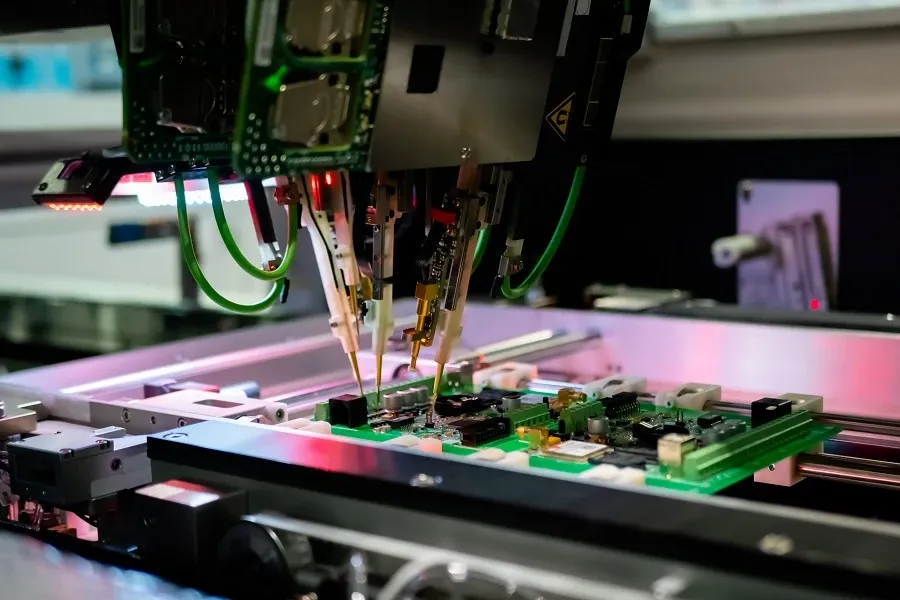
PCB Testing
When vetting a potential 'pcb board maker near me,' it is crucial to engage them with targeted questions to ascertain their suitability for your project. These questions should probe their capabilities, experience, and adherence to quality standards, ensuring they can meet your specific needs and deliver reliable PCBs.
What types of PCBs do you specialize in? Inquire about their experience with single-layer, multi-layer, flexible, rigid-flex, and other specialized board types to ensure they match your project's complexity.
What is your standard lead time for PCB fabrication? Confirm their average turnaround time for prototype and production runs, as well as their ability to meet deadlines.
What are your manufacturing capabilities and limitations? Assess their capabilities in terms of minimum trace width, spacing, via size, and layer count to ensure they can handle your specific design requirements.
Can you provide a detailed description of your quality control process? Inquire about their inspection methods, testing procedures (e.g., electrical testing, AOI), and adherence to quality standards such as IPC to verify the reliability of their PCBs.
Do you offer PCB assembly services, and what are their costs? Determine if they provide PCB assembly in addition to fabrication, and inquire about the cost and turnaround time for assembled boards.
What are your accepted file formats and how should Gerber files be formatted? Confirm that they can work with your design files by inquiring about accepted file formats, including Gerber, DXF, and more.
What are your material options, and what is the price and availability of each? Ask about their standard material offerings (e.g. FR4, Aluminum, Rogers), their costs, and availability. If you need a specialized material, inquire whether they can source it or if you should supply it.
Analyzing PCB Manufacturing Capabilities and Technologies
Multilayer PCB
A thorough evaluation of a PCB manufacturer's technological capabilities is crucial for ensuring the successful production of your circuit boards. This involves understanding the types of processes they offer, the equipment they utilize, and the technological proficiency they possess. Selecting a partner with the correct capabilities is as important as the board design itself.
Key manufacturing capabilities to assess include:
Through-Hole Plating This process is fundamental for creating electrical connections between different layers of a PCB. A reliable manufacturer should have well-established through-hole plating capabilities that produce strong and consistent connections.
Surface Mount Technology (SMT) SMT is a prevalent method used for assembling electronic components directly onto the surface of a PCB. The manufacturer should possess precise SMT assembly equipment to ensure accurate and secure placement of these components.
High-Density Interconnect (HDI) For designs requiring intricate circuitry and miniaturized boards, HDI technologies are essential. These technologies utilize microvias and fine lines, demanding advanced equipment and skilled operators.
In addition to these key areas, consider the following:
Equipment and Software Assess the machinery and software used in the manufacturing process. Modern and well-maintained equipment contributes to higher precision and better quality. Similarly, the software should support your specific design files and enable smooth transitions through the production process.
Material Handling Inquire about their material management and storage practices. The way the board materials are handled and stored can have a direct impact on the quality of the manufactured board, so inquire about humidity control, temperature controlled environments, and material certifications to make sure the correct materials are being used for the application.
Specialized Finishes Determine if the manufacturer offers finishes that meet specific requirements, such as gold plating for high-reliability applications or specific solder mask types for specific environments.
By thoroughly analyzing a potential 'pcb board maker near me' in terms of these manufacturing capabilities and technologies, you can align your needs with a partner who can deliver the quality and reliability you need for your project.
Frequently Asked Questions About PCB Board Makers
Understanding the process of procuring printed circuit boards can often raise several questions. This section addresses common inquiries to help you make informed decisions when selecting a 'pcb board maker near me'.
How much does it typically cost to get a PCB assembled? The cost of PCB assembly is highly variable, influenced by factors such as the complexity of the board, the number of components, the technology used (e.g., SMT, through-hole), and the volume of the order. Simple, low-volume boards may cost a few dollars per board, while complex, high-volume boards can be significantly cheaper per board, with pricing also incorporating setup fees and component procurement costs. It is advisable to obtain a detailed quote from your manufacturer based on your specific design.
Who are the major PCB manufacturers globally, and who is the 'pcb board maker near me'? Major global PCB manufacturers include companies like TTM Technologies, Samsung Electro-Mechanics, and Nippon Mektron. However, for projects seeking a 'pcb board maker near me', the best approach is to use local search engines, industry directories, or maps, filtering by location to identify manufacturers closer to your operation. Local suppliers may provide enhanced communication and faster turnaround, which is beneficial when proximity is a factor.
What is the typical cost for prototyping a PCB? PCB prototyping costs are generally higher than mass production costs per unit because of set-up costs and lower volumes. Prototyping fees often include tooling, programming, and process optimization. Costs depend on complexity, size, and the technology used. It is common practice to pay a higher unit price to get a few samples for testing or verification, allowing for design iterations. It is prudent to inquire about the manufacturer’s prototyping process and request a detailed quote.
Is it feasible to create PCBs at home? While technically possible to create simple PCBs at home using methods like toner transfer, etching, and drilling, it is not recommended for complex or high-quality boards. Home methods typically lack precision and result in lower reliability compared to industrial manufacturing processes. For projects demanding reliability, precision, and high layer count PCBs, it is best to use a commercial ‘pcb board maker near me’. Furthermore, DIY methods can involve hazardous chemicals, posing risks to safety and environment.
What are the key considerations when choosing a PCB material? The choice of PCB material depends on the specific application requirements. FR-4 is a widely used and cost-effective material, suitable for a wide range of applications. For high-frequency applications, materials like Rogers or other specialized laminates are preferable due to better electrical performance. Consideration should also be given to the thermal properties, mechanical strength, and the operating environment of the board, which influences material choice for best performance and reliability.
What are the typical lead times for PCB fabrication and assembly? Lead times for PCB fabrication and assembly vary based on the manufacturer, board complexity, and order volume. Basic, single-layer boards can often be produced within a few days, whereas multi-layer boards or those requiring specialized materials could take weeks. Assembly time depends on component availability and complexity of the pick and place process. Communication with your selected 'pcb board maker near me' to establish accurate timelines and plan your production accordingly is essential.
Cost Considerations and Budget Planning
PCB Quote
When selecting a 'pcb board maker near me,' understanding the cost implications is critical. Pricing for PCB fabrication varies significantly based on numerous factors, requiring a detailed approach to budget planning. It’s essential to move beyond just the bottom line and consider the overall value which includes quality and reliability, not just the immediate expenses.
Cost Factor
Description
Impact on Price
Board Complexity
Number of layers, trace width, hole size
Higher complexity leads to higher costs.
Material Type
FR-4, Rogers, Aluminum
Specialty materials cost significantly more.
Quantity
Number of boards ordered
Price per board decreases with increased quantity due to economies of scale.
Lead Time
Standard vs. expedited production
Faster turnaround times incur higher costs.
Surface Finish
HASL, ENIG, OSP
More advanced finishes increase costs.
Special Features
Controlled impedance, blind vias
Features needing more precise manufacturing raise the price.
To ensure cost-effective choices, it is vital to compare quotes from multiple PCB manufacturers. While lower prices may seem attractive, you must evaluate these offers thoroughly to ensure they don't compromise on quality, reliability, or specified materials, as lower quality can lead to greater cost overruns later. A well-detailed quote should specify all components of the cost, allowing for an ‘apples-to-apples’ comparison.
Quality Control and Certifications
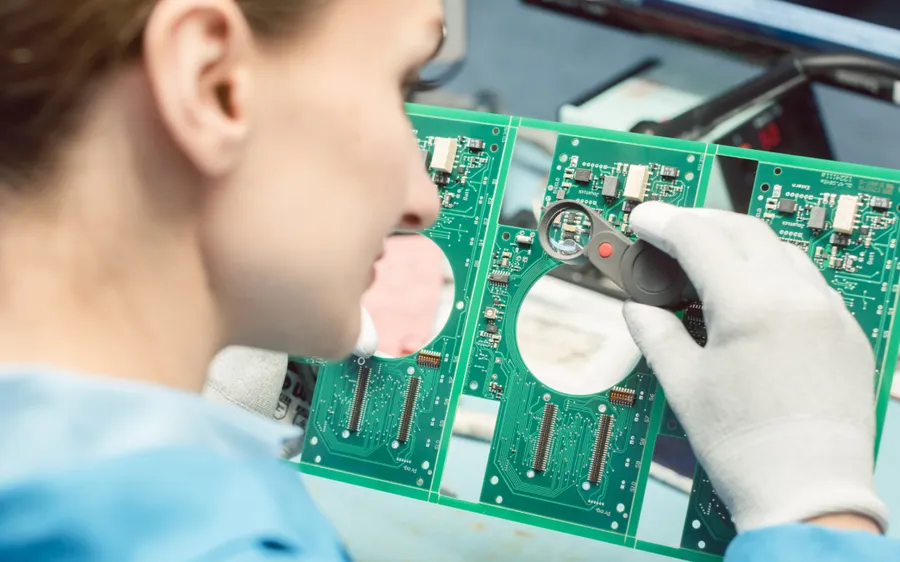
PCB Inspection
Selecting a 'pcb board maker near me' necessitates a rigorous evaluation of their quality control processes and adherence to industry standards. These measures are critical in ensuring the reliability and performance of the manufactured printed circuit boards. A robust quality system mitigates the risk of defects, leading to improved product lifespan and reduced overall project costs.
Certifications serve as an objective verification of a manufacturer's commitment to quality. Key certifications to look for include:
ISO 9001 This is an international standard that specifies requirements for a quality management system (QMS). Compliance with ISO 9001 indicates that the manufacturer has established procedures for controlling all aspects of their production process, from design to delivery, ensuring consistent quality.
IPC Standards The IPC, formerly known as the Institute for Printed Circuits, publishes a range of standards specific to the electronics industry. These standards cover various aspects of PCB manufacturing, including design, fabrication, assembly, and testing. Compliance with IPC standards demonstrates that the manufacturer follows best practices in PCB production. Examples include IPC-A-600 for acceptability of printed boards, and IPC-A-610 for acceptability of electronic assemblies.
Beyond certifications, it's important to understand a manufacturer’s internal quality control process. Inquire about:
Incoming Material Inspection Confirm they have a system for verifying the quality of raw materials before production to ensure that only compliant materials are used.
In-Process Quality Checks The manufacturer should have checks at multiple points during the production cycle to detect and correct errors as early as possible, ensuring that each PCB is built according to design requirements.
Final Inspection Confirm that the manufacturer conducts final inspections on every PCB produced to ensure all the requirements are met. This may include electrical tests, dimensional checks, and visual inspections.
Traceability A robust traceability system helps the manufacturer track components and materials used, enabling effective investigation if any issues or defects arise. It helps to pinpoint where the issues happen in the process.
Calibration of Equipment Ensure that the manufacturer regularly calibrates their equipment for accuracy, which is crucial for maintaining the precision of the manufacturing process.
By diligently assessing a 'pcb board maker near me’'s quality control procedures and certifications, you can significantly reduce the risk of receiving defective or poorly performing boards. This ultimately leads to more robust and reliable end-products and builds trust with the PCB board maker.
Making the Final Decision: Selecting Your Ideal PCB Partner
Selecting the right PCB board maker is a critical step in your project's success. This decision should be based on a thorough evaluation of all gathered information, balancing advantages and disadvantages to choose a partner that best aligns with your project's specific needs and priorities. The ideal PCB partner will meet your criteria for quality, turnaround time, budget, and communication.
The decision-making process should incorporate the following steps:
Review All Collected Information Revisit the data points collected during your search, including manufacturer capabilities, pricing quotes, turnaround times, and quality control processes.
Compare Advantages and Disadvantages Analyze each potential partner based on the pros and cons you've identified. Consider trade-offs between cost and speed, or local convenience and more specialized capabilities.
Align with Project Requirements Choose the PCB board maker whose offerings best match your project's needs, not only based on the lowest bid or best marketing. Ensure that you have thoroughly vetted their ability to meet your technical requirements and that their production capabilities are compatible with your project's complexity.
Prioritize Communication and Responsiveness The chosen manufacturer should demonstrate a proactive approach to communication and have a history of being responsive to inquiries. Smooth communication will be vital to managing the project effectively and addressing any challenges that might arise during production.
Consider Sample or Small-Batch Orders Before committing to a large production run, request sample boards or a small-batch order. This step allows you to assess the final product’s quality, material, dimensional accuracy, and performance under actual usage conditions.
By taking these steps, you’ll be well-positioned to select a reliable PCB manufacturer that will contribute significantly to the overall success of your project.
Finding the right 'pcb board maker near me' is crucial for the success of your electronics project. By understanding your requirements, exploring local and overseas options, and asking the right questions, you can make an informed decision. Remember to prioritize quality, communication, and production capabilities when making your choice. Choosing the right partner ensures the smooth execution of your project and the successful implementation of your ideas, supported by a reliable PCB manufacturing resource close by.