Printed circuit boards (PCBs) are the backbone of modern electronics, silently enabling everything from our smartphones to complex industrial machinery. But before these intricate pathways are populated with components, they start as blank canvases – the humble blank PCB board. Finding the right blank pcb board supplier is crucial for ensuring the quality and success of any electronic project, whether you are a hobbyist or a large-scale manufacturer. This article explores the essential factors in choosing a supplier and guides you through the process, focusing on finding the best fit for your needs, all while highlighting key industry information.
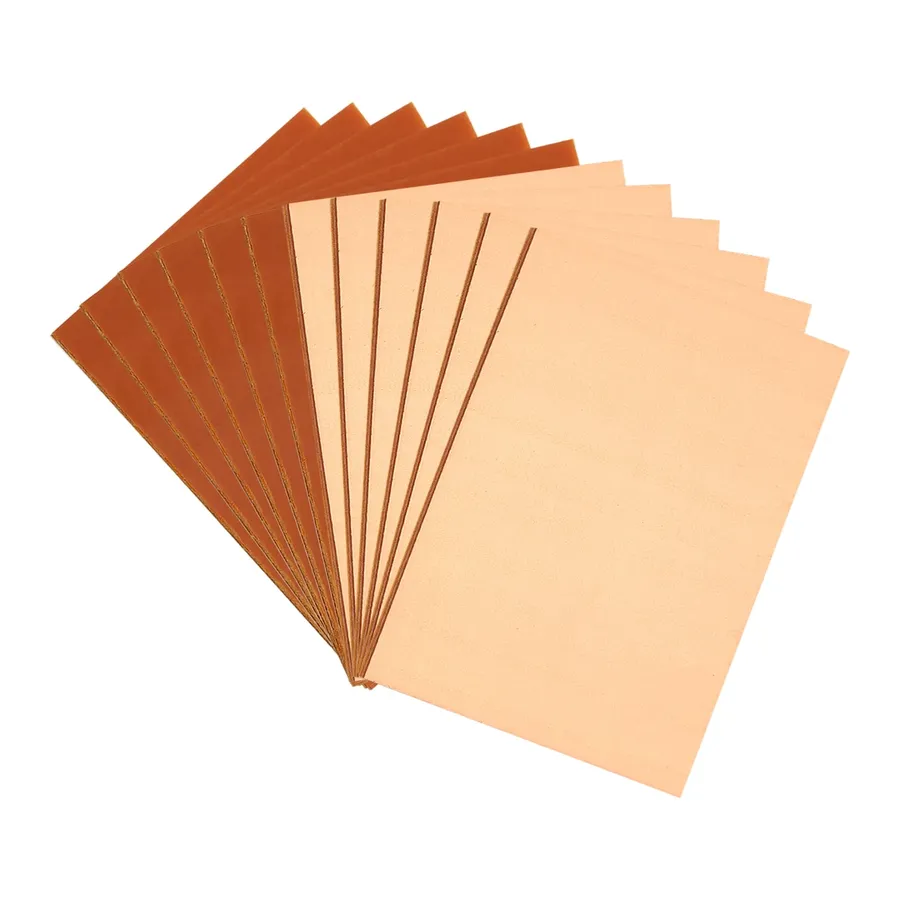
Blank printed circuit boards (PCBs) serve as the foundational substrate for electronic circuits, providing a non-conductive base upon which conductive pathways and components are assembled. Understanding the various types and materials of these boards is crucial for selecting the appropriate option for any electronic project.
The fundamental construction of a blank PCB involves a substrate, which provides mechanical support, and conductive copper layers, which form the electrical traces. These layers are separated by an insulating material. Different types of PCBs vary primarily in the number of conductive layers and the substrate material used.
| Material | Description | Common Applications | Advantages | Disadvantages |
|---|---|---|---|---|
| FR-4 | Glass-reinforced epoxy laminate, the most common PCB substrate material. | Most consumer electronics, industrial controls, and general-purpose circuits. | Good balance of cost, performance, and mechanical strength, widely available | Not suitable for high-frequency applications. |
| Aluminum | Aluminum substrate with a thin dielectric layer and a copper foil. | LED lighting, power electronics, high power circuit. | Excellent heat dissipation, better mechanical strength. | More expensive than FR-4, more challenging fabrication. |
| Flexible Substrates (e.g., Polyimide) | Flexible plastic material with a conductive layer. | Wearable electronics, automotive, aerospace, and mobile phones. | High flexibility, lightweight, good for dynamic applications. | More expensive than FR-4, difficult to handle during assembly. |
The selection of PCB type and material depends on the intended application, performance requirements, cost constraints, and environmental considerations. For example, high-frequency applications might require materials with low dielectric constants, while high-power applications necessitate excellent heat dissipation capabilities. Selecting the correct material is critical for the performance and long-term reliability of the final product.
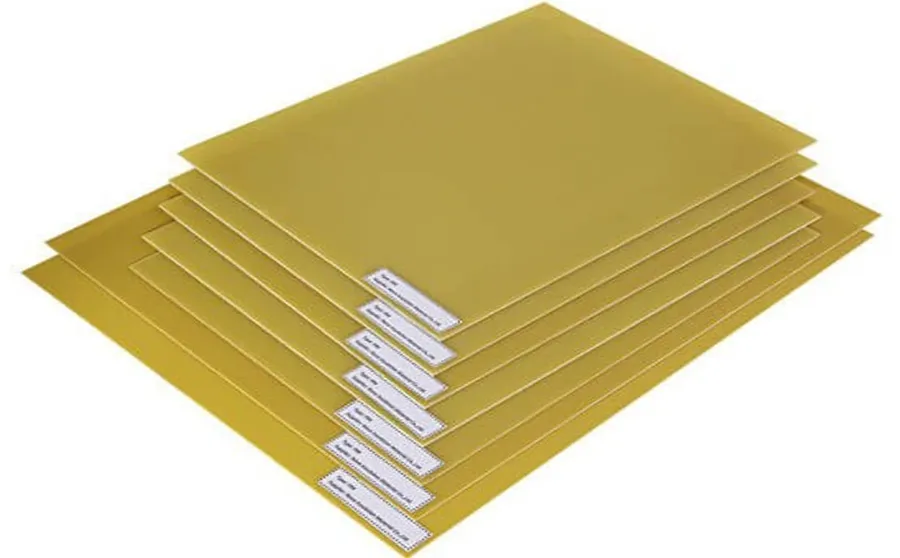
Selecting the right blank PCB board supplier is crucial for ensuring the quality and reliability of your electronic products. Several key factors must be considered, including board quality, manufacturing capabilities, turnaround time, cost, and adherence to industry certifications and standards. A thorough evaluation of these aspects will help in establishing a robust supply chain and reducing potential manufacturing setbacks.
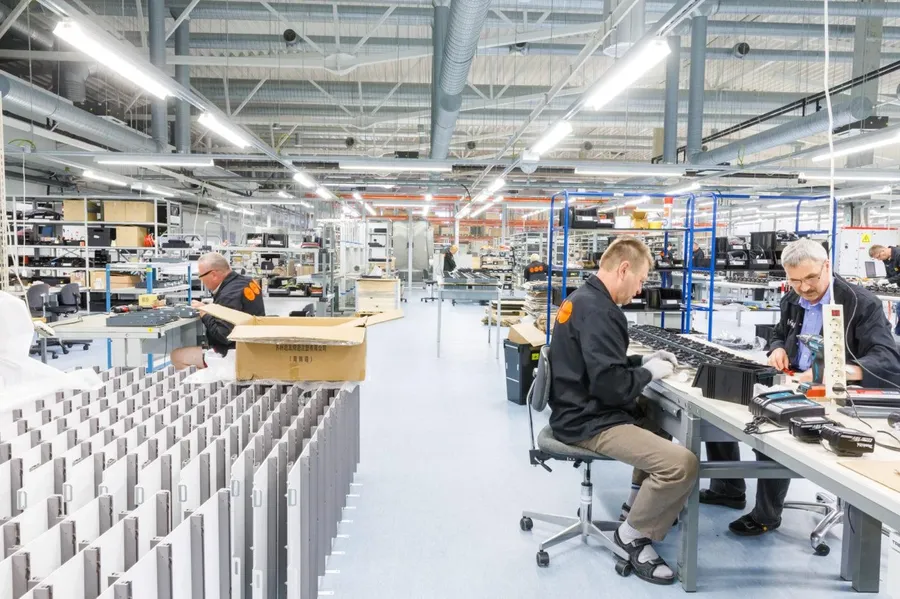
A critical aspect of selecting a blank PCB board supplier is a thorough evaluation of their manufacturing capabilities. This ensures that the supplier can meet your project's specific requirements, from production volume to technical specifications. This section delves into the key capabilities you need to consider, such as minimum order quantities, panelization options, and surface finish choices, to guarantee your designs can be brought to life effectively.
When assessing manufacturing capabilities, there are several crucial factors to consider:
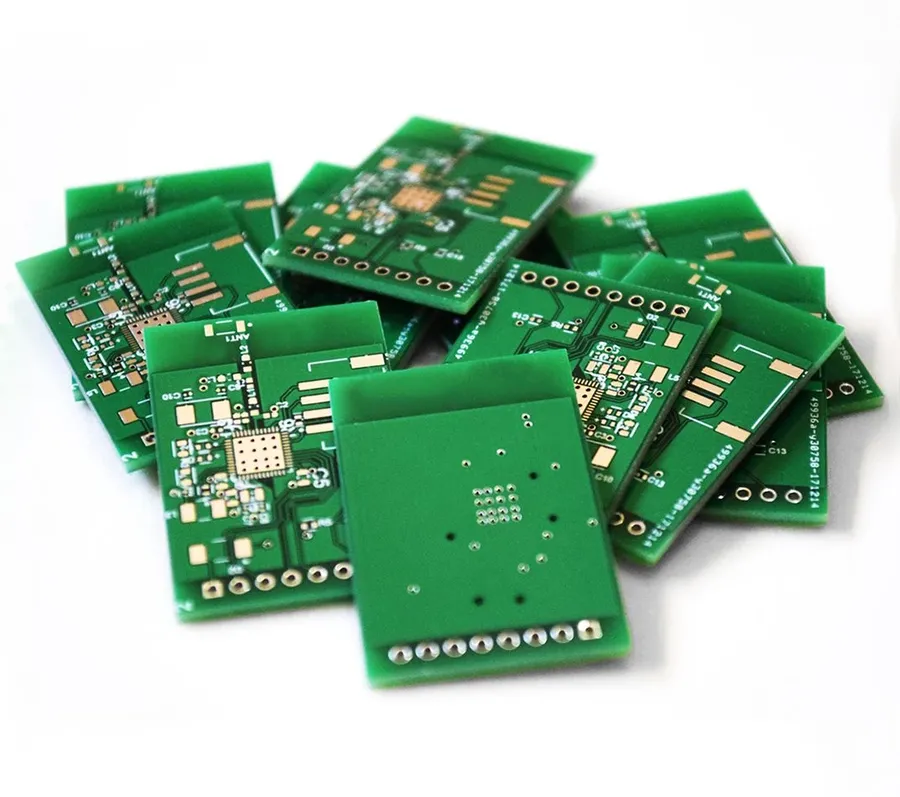
Understanding the pricing structure for blank PCB boards is crucial for budget management and project planning. The cost of a blank PCB is influenced by a multitude of factors, including board size, complexity (number of layers), material type, and order quantity. Effectively evaluating these factors and comparing quotes from multiple suppliers is essential to ensure cost-effectiveness and maximize return on investment.
| Cost Factor | Description | Impact on Price |
|---|---|---|
| Board Size | The physical dimensions of the PCB. | Larger boards require more material, thus increasing cost. |
| Complexity (Number of Layers) | Number of conductive layers within the PCB. | More layers lead to higher manufacturing complexity and cost. |
| Material Type | The substrate material used (e.g., FR-4, aluminum, flexible materials). | Advanced materials like aluminum and flexible substrates are more expensive than standard FR-4. |
| Order Quantity | The number of PCBs ordered at once. | Larger quantities often lead to lower per-unit costs due to economies of scale. |
| Surface Finish | The type of protective coating applied to the board (e.g., HASL, ENIG). | More advanced finishes like ENIG are more expensive than HASL. |
| Panelization | The practice of grouping multiple PCBs on a single panel. | Panelization can reduce costs, but may incur additional tooling charges |
Pricing models often vary among suppliers. Some offer fixed pricing based on board specifications, while others may use a tiered approach where unit costs decrease with higher volume. It is critical to obtain detailed quotes that clearly outline all cost components, including setup fees, tooling charges, and shipping costs to facilitate an informed price comparison. Analyzing these variable costs and fixed costs can determine the best value for your budget.
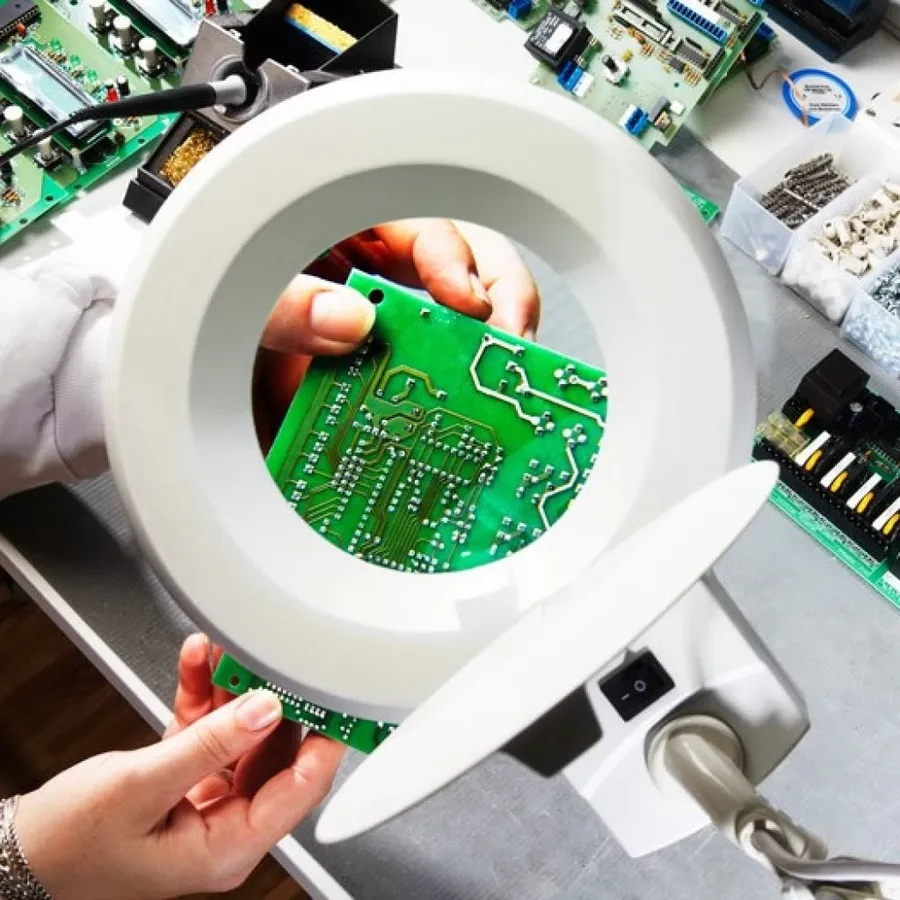
Rigorous quality control is paramount in the blank PCB board manufacturing process to ensure the final product meets specified performance and reliability standards. This involves meticulous inspection, testing, and material traceability throughout the manufacturing cycle, from raw materials to the finished boards.
Material traceability is critical in PCB manufacturing. It ensures that the origin and characteristics of every material used, such as the base laminate, copper foil, and surface finish, are well documented. This not only helps to maintain consistency in the manufacturing process but also allows for quick identification and resolution of issues related to material defects.
Testing is an integral part of quality control. PCB manufacturers often conduct a series of tests, including visual inspections, electrical tests (like continuity and isolation tests), dimensional checks, and often more advanced methods like impedance testing depending on the board requirements. These tests aim to confirm that the board's design, functionality, and integrity adhere to specifications. Furthermore, it should be noted that a key element of any quality control process is maintaining a documented audit trail, which helps to quickly identify and mitigate defects, and allows for continuous process improvement by the manufacturer.
| Quality Control Parameter | Description | Purpose |
|---|---|---|
| Visual Inspection | Examination of physical characteristics of the board such as layer alignment, solder mask quality, and via integrity. | To detect defects that are visible to the naked eye. |
| Electrical Testing | Testing for continuity, shorts, and insulation resistance. | To ensure the circuit functions as designed without any electrical faults. |
| Dimensional Checks | Verification of PCB dimensions, thickness, hole diameters, and spacing. | To ensure the board fits into its intended enclosure and functions accurately. |
| Impedance Control Testing | Measurement of impedance in traces, especially high-speed signaling layers. | To ensure the circuit provides the correct signal integrity for high-speed components and design requirements. |
| Material Verification | Confirmation of material type and thickness. | To ensure the board meets the specified performance requirements. |
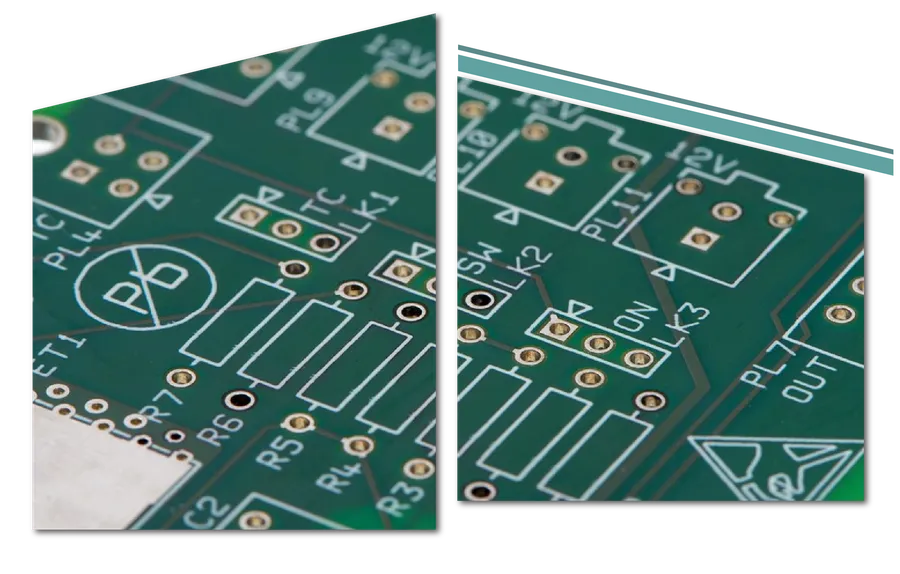
Sourcing blank PCB boards involves a crucial decision: whether to opt for online platforms or local suppliers. Each avenue presents distinct advantages and disadvantages that directly impact project timelines, costs, and communication effectiveness. The optimal choice is heavily dependent on the specific needs and priorities of the project and the organization.
| Feature | Online Suppliers | Local Suppliers |
|---|---|---|
| Lead Times | Typically longer due to shipping and potential production queues. | Potentially faster, especially for prototypes or smaller runs, offering in-person pick-up options. |
| Shipping Costs | Can be substantial, particularly for international shipping. Added costs for expedited shipping. | Generally lower, especially for local pickups. Reduced or no shipping costs with pick up. |
| Pricing | Often more competitive due to economies of scale and higher volume operations. | Potentially higher per-unit cost due to smaller production runs and overhead, but flexible pricing may exist. |
| Communication | Primarily digital communication (email, chat). May have slower response times or less direct interaction. | Direct, face-to-face interactions, enabling easier clarification, quick problem solving and a deeper relationship with the supplier. |
| Manufacturing Capabilities | Wide range of options, from standard to highly specialized. Some may offer turnkey assembly. | May offer specialized processes, and quick turn capabilities for prototyping. Can be less standardized but more flexible. |
| Quality Control | Quality varies widely; crucial to verify certifications and customer reviews. Inspection can be more challenging. | Quality control is easier to assess directly. Can potentially ensure closer adherence to quality standards through in-person visits. |
| Minimum Order Quantities (MOQ) | MOQ are usually higher and can be a barrier for smaller projects. | MOQ are often lower, and more negotiable allowing for flexibility in order size. |
Navigating the world of blank PCB board suppliers can raise several questions. This section addresses common inquiries to provide clarity and assist in making informed decisions. We'll delve into aspects such as supplier size, terminology, and the cost drivers associated with PCBs.
Selecting a blank PCB board supplier requires a careful comparison of multiple factors. This section provides a comparative analysis of several popular suppliers, focusing on key aspects that influence the selection process. By evaluating suppliers based on metrics such as turnaround time, minimum order quantity, quality control, and cost, users can make informed decisions tailored to their specific needs and project requirements.
| Supplier | Turnaround Time | Minimum Order Quantity | Quality Control | Cost (per board) | Key Features |
|---|---|---|---|---|---|
| Supplier A | 3-5 days | 10 | IPC Class 2 | $5-10 | Online platform, good for prototyping |
| Supplier B | 7-10 days | 50 | IPC Class 3 | $8-15 | Good for medium-sized production, offers advanced materials |
| Supplier C | 1-2 weeks | 100 | ISO 9001 certified | $10-20 | High-volume production, strict quality control |
| Supplier D | 2-3 days (express) | 5 | Standard checks | $15-30 | Express service, suitable for urgent projects |
| Supplier E | 10-15 days | 500 | ISO certified | $3-8 | Cost-effective for large orders, bulk discounts |
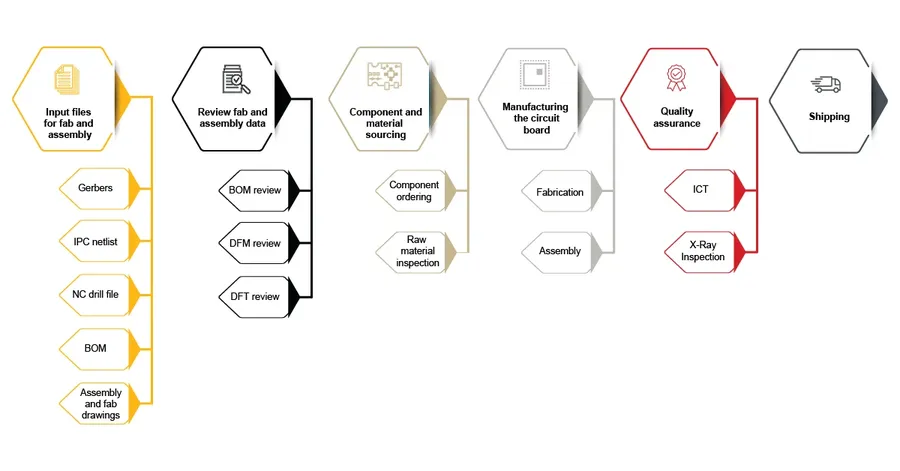
Ordering blank PCBs requires careful preparation and clear communication to ensure a smooth manufacturing process. Following these actionable tips will help avoid common pitfalls and achieve the desired outcome. This includes properly preparing your PCB designs and effectively communicating your needs with the chosen supplier.
Selecting the right blank pcb board supplier is essential for project success. By considering factors like material, quality, capabilities and cost, you can find a partner to support your needs. Whether you're prototyping or producing in bulk, having a reliable source for your blank pcb board needs will ultimately help bring your ideas to life. Remember to always prioritize clear communication and thorough testing for optimal results. Choosing the right blank pcb board supplier will contribute greatly to the quality and efficiency of your electronic devices.

