In our increasingly interconnected world, printed circuit boards (PCBs) are the unsung heroes powering everything from our smartphones to industrial machinery. The demand for fast, reliable, and high-quality circuit boards is rapidly increasing, leading many to search for 'circuit board manufacturing companies near me'. This article will guide you through finding the best local PCB manufacturers, understand what to look for in their services, and get your project off the ground with ease.
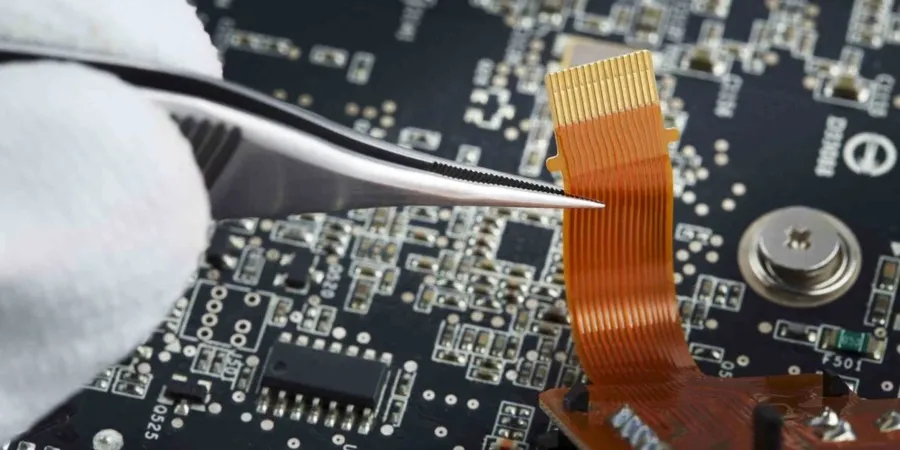
Opting for a local circuit board manufacturer offers significant advantages, primarily due to enhanced communication, reduced lead times, and the opportunity for direct collaboration. This approach can notably streamline both the prototyping and production phases, which is crucial for projects requiring rapid iteration and customization. Local manufacturers are also more likely to provide personalized service and be more responsive to specific requirements.
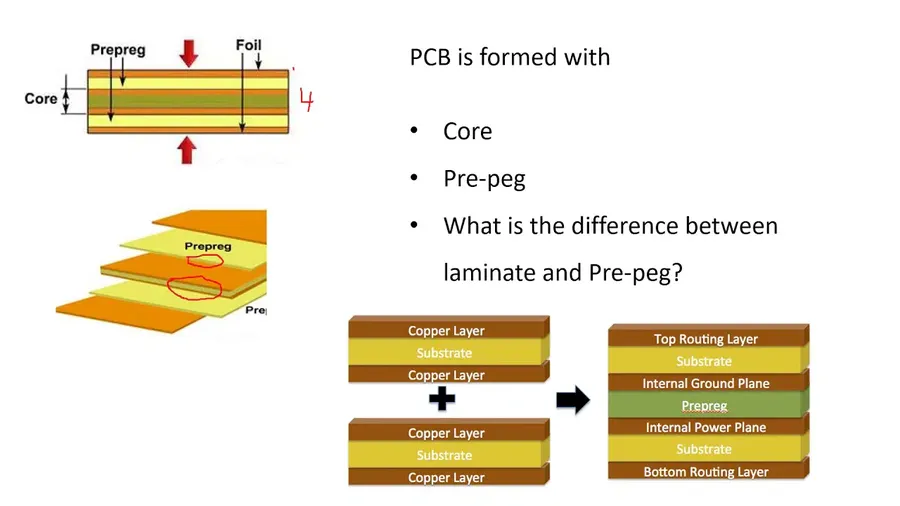
Selecting the right PCB manufacturer is crucial for the success of any electronics project. This decision hinges on several key factors that directly impact the quality, cost, and timeline of your project. A thorough evaluation of a manufacturer's capabilities, certifications, and material expertise is essential to ensure that your specific requirements are met and that the final product performs as intended.
| Factor | Description | Importance |
|---|---|---|
| Manufacturing Capabilities | The range of PCB types the manufacturer can produce (e.g., single-sided, double-sided, multi-layer, flexible, rigid-flex). | Ensures they can handle your specific design complexity and project needs. |
| Certifications | Compliance with industry standards such as ISO 9001 (Quality Management), ISO 13485 (Medical Devices), and RoHS (Restriction of Hazardous Substances). | Demonstrates commitment to quality and environmental standards. |
| Material Expertise | The types of materials they are experienced in working with (e.g., FR-4, Rogers, aluminum-backed PCBs) and their ability to handle different thicknesses and finishes. | Ensures the chosen materials meet performance and durability requirements. |
| Technology and Equipment | The sophistication of their manufacturing processes, including the machinery used for drilling, etching, and plating, and their ability to accommodate specific design features. | Reflects their capacity to handle advanced and precise designs. |
| Turnaround Time | The manufacturer's typical lead times for production, from prototype to large-scale manufacturing, ensuring they meet the project timeline. | Reduces project delays and facilitates faster product development. |
| Customer Support | Availability of support through all project phases, with proactive communication, responsiveness, and design support. | Enables efficient troubleshooting and design optimization. |
| Pricing Structure | The cost per board, including extra charges for expedited turnaround times or special materials. | Essential to meet the financial viability of the project. |
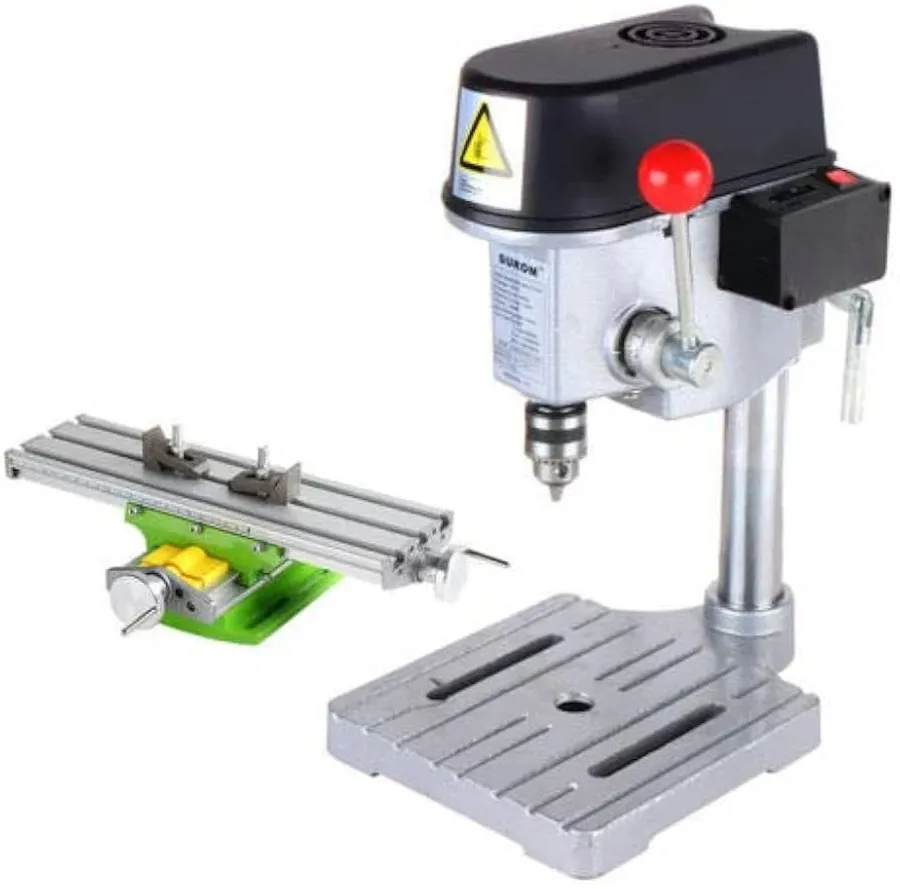
A comprehensive understanding of Printed Circuit Board (PCB) manufacturing capabilities is crucial for selecting the right partner for your project. PCB manufacturers offer a range of services from initial prototyping to full-scale production, with varying levels of complexity and technology.
| Service Type | Description | Typical Application | Key Considerations |
|---|---|---|---|
| Prototyping | Small-scale production runs for testing and design validation. | Early-stage product development, design iteration. | Fast turnaround time, cost-effectiveness, flexibility for design changes. |
| Small-Batch Production | Production of limited quantities for pilot runs or niche applications. | Initial market testing, low-volume specialty products. | Consistent quality, scalability, moderate cost. |
| Large-Scale Manufacturing | High-volume production for mass-market distribution. | Consumer electronics, industrial equipment. | Cost optimization, reliable supply chain, stringent quality control. |
| Surface Mount Technology (SMT) | Component mounting directly onto the PCB surface. | Most modern electronics, high component density. | Precision assembly, automated processes, reduced board size. |
| Through-Hole Technology | Component leads inserted into drilled holes on the PCB. | Older designs, high-power applications, robust connections. | Manual assembly, larger board size, good mechanical strength. |
The choice between SMT and through-hole technology depends on various factors. SMT is the more modern approach, allowing for smaller and denser boards with greater automation possibilities. Through-hole, on the other hand, provides robust connections and is better suited for components that experience mechanical stress or require higher power. Modern PCB designs often utilize a combination of both technologies for optimum performance and flexibility.
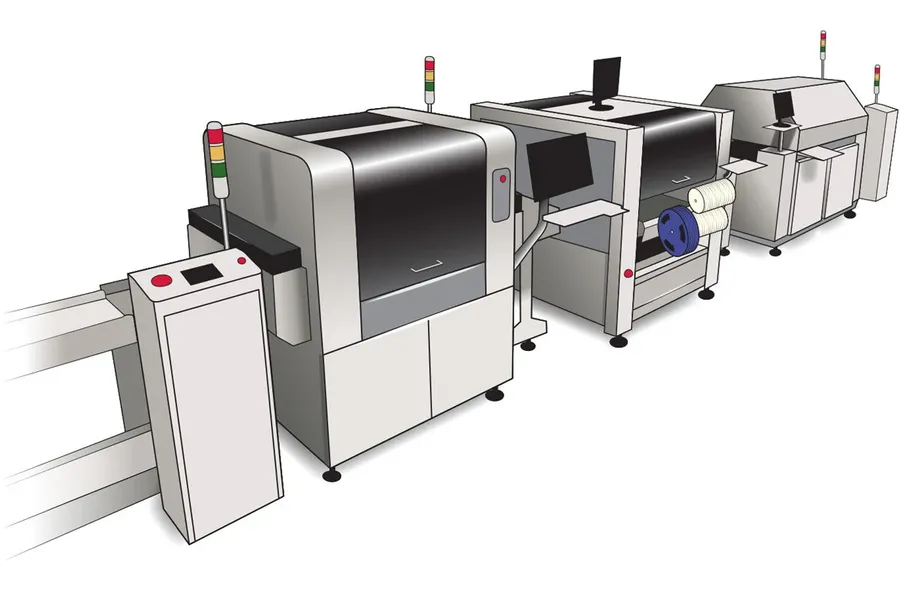
While PCB fabrication focuses on creating the bare circuit board, PCB assembly involves populating that board with electronic components. Opting for a manufacturer that handles both fabrication and assembly can streamline your project, reduce lead times, and ensure better compatibility and quality control across both processes.
Understanding the distinction between these two crucial phases is fundamental in electronics manufacturing. PCB fabrication is the process of creating the physical circuit board from raw materials, involving etching, drilling, and plating to form conductive pathways. This results in an empty board with pads and vias ready for component placement. Conversely, PCB assembly encompasses the meticulous process of mounting electronic components, such as resistors, capacitors, ICs, and connectors, onto the fabricated PCB. Assembly often uses automated processes like pick-and-place machines and reflow soldering, ensuring precise and consistent component mounting, and it includes subsequent stages such as testing and inspection to verify functionality.
Choosing a manufacturer offering both fabrication and assembly services brings several advantages. First, it simplifies logistics. Working with a single vendor reduces coordination efforts and potential delays. Second, it allows for better integration of design and manufacturing considerations, potentially reducing errors and rework. Third, a combined approach can lead to cost savings through optimized processes. Finally, it is often easier to manage the overall project with a single point of contact, ensuring smooth communication and better responsiveness.
PCB assembly services include several critical steps: component sourcing, automated or manual component placement, soldering using techniques like reflow or wave soldering, and rigorous testing and inspection. Component sourcing ensures that the correct and high-quality parts are acquired, avoiding counterfeit or substandard components. During component placement, precision is critical, and for surface mount technology (SMT), high-speed automated pick-and-place equipment is typically used to place tiny components accurately onto the board. Once components are in place, soldering permanently adheres them to the pads on the PCB, ensuring secure electrical connections. This is followed by inspection processes, including visual, X-ray and electrical testing, to ensure proper connections and board functionality.
A comprehensive assembly service also typically includes functional testing of the populated boards. Such testing not only verifies that the board operates correctly but also ensures that component values are within specification and that all interfaces are working. Moreover, manufacturers offering full turnkey services also source the required components directly from reliable vendors, which can save time and reduce the risk of using counterfeit parts. By choosing a manufacturer that can handle both fabrication and assembly, you are streamlining your production process, leading to faster time-to-market and consistent product quality.
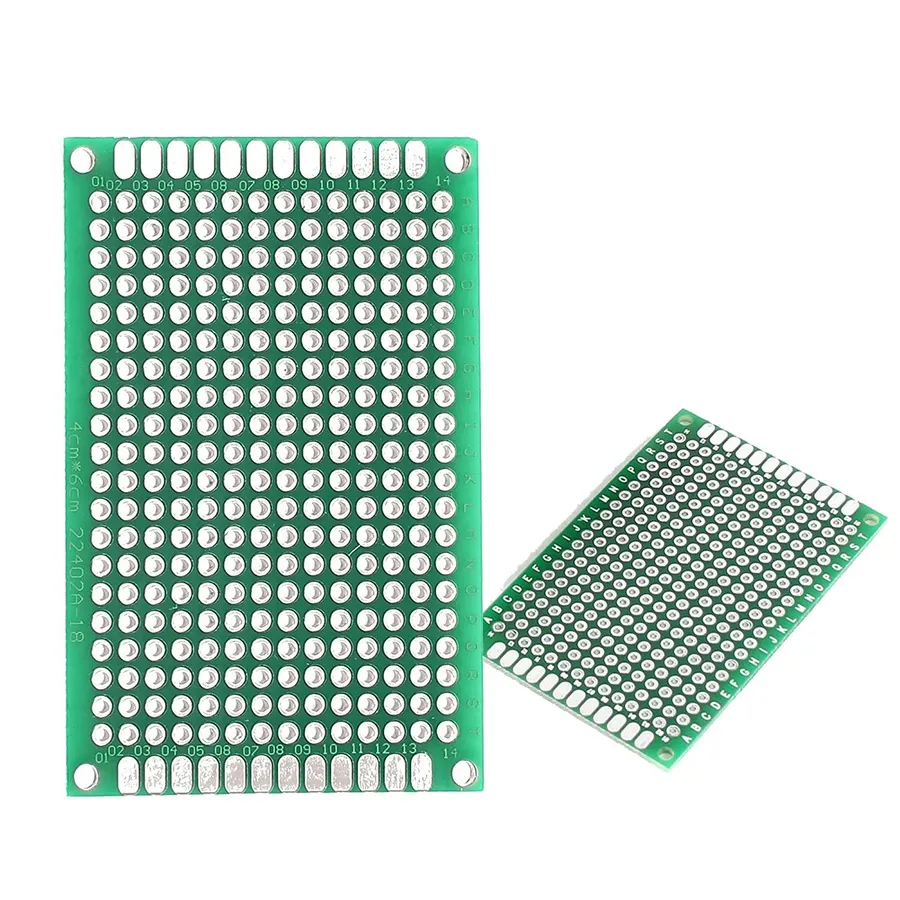
Prototyping is an indispensable step in the PCB design and manufacturing process, serving as a critical validation phase before full-scale production. It allows engineers to identify and rectify design flaws, material incompatibilities, or performance issues early in the product development lifecycle. Selecting a manufacturer that provides comprehensive design support and rapid prototyping services is crucial for minimizing time to market and ensuring a successful final product.
Effective prototyping involves several key aspects:
When evaluating potential PCB manufacturing partners, consider their capacity for providing design assistance to validate the design's manufacturability. Additionally, verify the availability of quick-turn prototype production to maintain momentum during the development process. A fast and efficient prototype phase will significantly reduce the overall development timeframe.
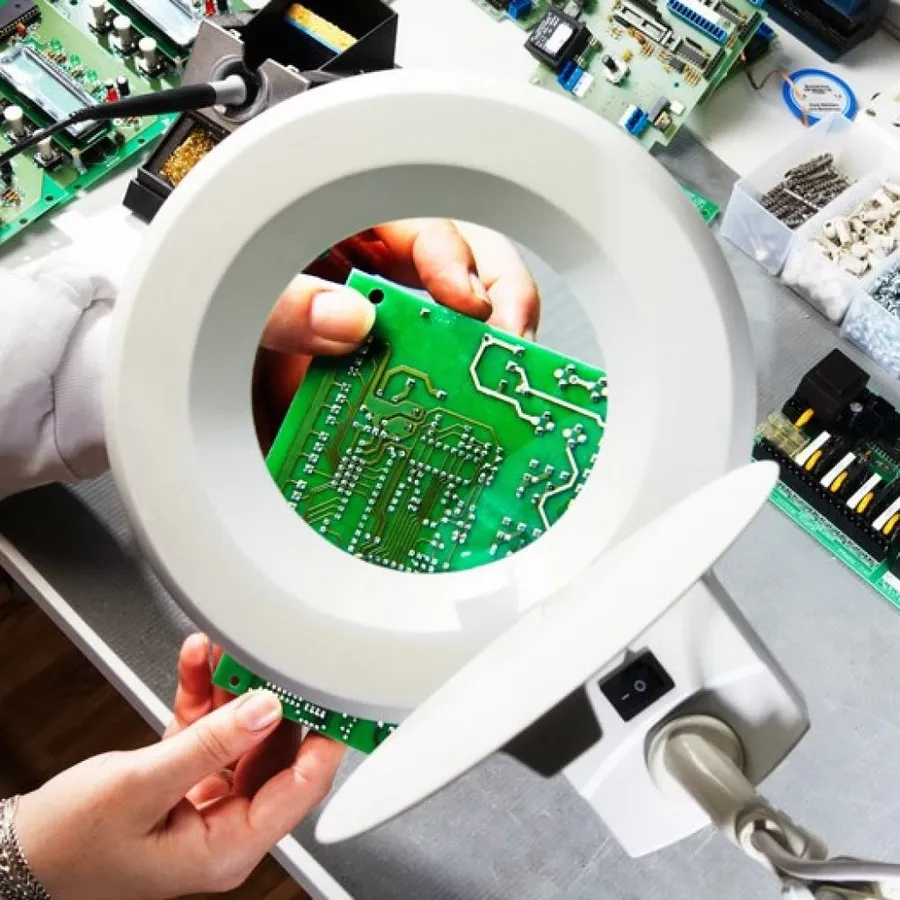
Rigorous quality control and adherence to industry standards are paramount in PCB manufacturing to ensure reliability and performance. Certifications such as ISO 9001 and RoHS compliance provide assurance that a manufacturer meets specific quality management and environmental standards, ultimately safeguarding the integrity of the final product.
This section addresses common queries potential clients have regarding circuit board manufacturing, providing clear and concise answers to aid in your decision-making process.
The global landscape of PCB manufacturing is diverse, with significant variations in technology, material sourcing, and production costs across different regions. Understanding these regional differences is crucial for selecting a manufacturing partner that aligns with specific project needs and budget constraints. This analysis provides a comparative overview of key regions in the PCB manufacturing sector.
| Region | Technology Expertise | Material Sourcing | Cost of Production | Lead Times | Typical Industries Served |
|---|---|---|---|---|---|
| China | High volume, cost-effective, wide range of capabilities from simple to advanced PCBs. Strong SMT capabilities. | Robust domestic supply chain. Wide availability of FR4 and other standard substrates. | Low to very low, driven by labor costs and established supply chains. | Variable, can be shorter for simple PCBs but longer for specialized or complex designs. | Consumer electronics, industrial, automotive |
| United States (Indiana, Wisconsin, South Carolina) | Diverse. Significant expertise in high-reliability PCBs, including military and aerospace applications. Advanced technology like HDI boards. | Mix of domestic and imported materials with a focus on high-quality materials. | Medium to high, reflecting higher labor and regulatory compliance costs. | Shorter than overseas for standard runs, however lead times for high complexity can be extended. | Aerospace, defense, medical, high-reliability industrial |
| Europe (Germany, France, UK) | High standards, sophisticated manufacturing processes, advanced R&D, specialized in automotive and industrial. | Strong focus on sustainability and compliance. Reliable and traceable supply chain of high-quality materials. | Medium to high due to strict regulatory standards and higher labor costs. | Moderate, but can vary depending on the complexity and requirements. | Automotive, industrial, medical |
| Southeast Asia (Vietnam, Thailand) | Growing rapidly. Focus on high-volume, cost-competitive manufacturing with developing expertise in advanced PCBs. | Increasing reliance on local material sourcing. Still heavily importing some specific materials. | Lower cost of production due to developing economies and lower overheads. | Increasingly competitive lead times. Faster for simpler designs. | Consumer electronics, peripherals, white goods |
This comparative analysis highlights the strategic choices businesses face when selecting a PCB manufacturing location. Considerations should be made on the trade-offs between cost, technology capability, lead times and quality standards. These factors depend heavily on the specific project requirements.
Selecting the optimal PCB manufacturing partner is a critical decision that can significantly impact the success of your project. A well-informed choice, grounded in a thorough understanding of your project's specific needs and constraints, is paramount. The process involves more than just finding the closest manufacturer; it necessitates a strategic approach that aligns your technical specifications with a manufacturer's capabilities and resources.
Finding the right circuit board manufacturing companies near me involves more than just a quick search. It's about understanding your project requirements, researching potential partners, and ensuring they meet your needs for quality, speed, and reliability. By following the guidance in this article, you'll be well-equipped to select the best PCB manufacturer for your next project and accelerate the development of your next innovative electronic product. Remember to look for companies that provide full support, from design to manufacturing and assembly, to ensure a seamless project outcome. The future of electronics is bright, and with the right partner, your ideas can become a reality.

