In today's world, flexible PCBs (printed circuit boards) are increasingly vital for creating compact and innovative electronics. From wearable tech to medical devices, their adaptability offers incredible design possibilities. But what about the price? The cost of flexible PCBs can vary widely based on complexity and volume. This article aims to demystify flexible pcb pricing, providing practical insights to help you navigate the options and make informed decisions, ensuring your project stays within budget without compromising quality. We'll explore the elements impacting price, compare different manufacturing options, and offer tips for cost optimization.
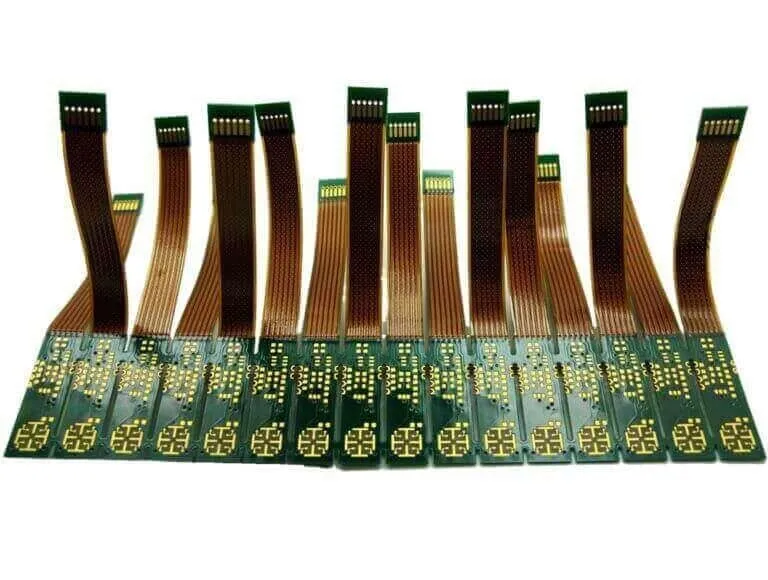
The price of flexible PCBs is governed by a confluence of factors, each contributing to the overall cost. Understanding these key drivers—material selection, layer count, size, complexity, and production quantity—is crucial for effectively managing project budgets and making informed decisions.

The selection of materials for flexible PCBs is a critical factor influencing their final cost. Different substrate materials, such as polyimide (PI) and polyethylene terephthalate (PET), along with varying copper thicknesses, each contribute uniquely to the price of the flexible circuit. This section will delve into how these choices impact the overall cost of flexible PCBs, providing key insights into material-driven expenses.
| Material | Cost | Properties | Common Applications | Impact on Price |
|---|---|---|---|---|
| Polyimide (PI) | Higher | Excellent thermal stability, chemical resistance, and flexibility. | High-reliability applications, aerospace, medical devices. | Increases cost due to higher material cost and specialized processing. |
| Liquid Crystal Polymer (LCP) | Very High | Exceptional electrical performance, low moisture absorption, high-temperature resistance. | High-frequency applications, advanced communication systems. | Highest cost due to premium performance and specialized manufacturing. |
| Polyester (PET) | Lower | Good flexibility, moderate thermal resistance, cost-effective. | Consumer electronics, low-cost applications. | Lower cost due to widely available material and simpler processing. |
| Copper (Thickness) | Variable | Determines current carrying capacity and signal integrity | All flex PCB applications | Thicker copper increases cost due to higher material usage. |
Beyond the base substrate material, the thickness of the copper cladding also plays a role in the final cost. Thicker copper is more expensive, but provides benefits like improved conductivity and current handling capability. The choice of copper thickness should be made based on the circuit requirements and balanced against the budget. Furthermore, additional materials such as coverlays, adhesives, and stiffeners also add to the overall material cost, depending on specific application needs and design requirements.
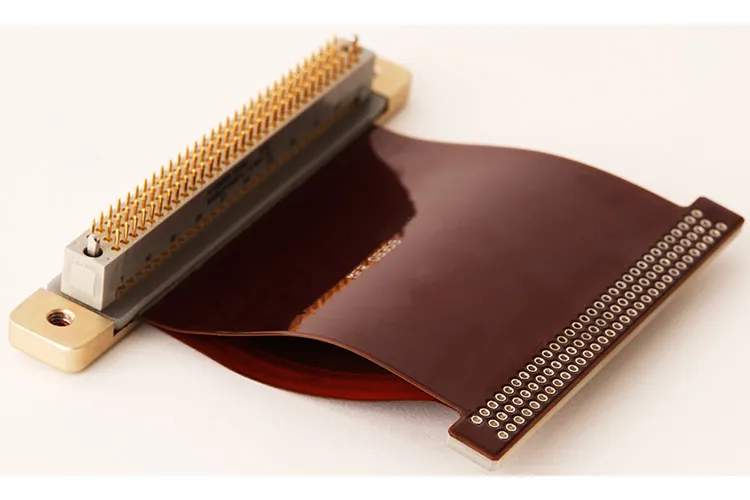
The cost of manufacturing flexible PCBs is significantly influenced by the number of layers and the complexity of the circuit design. Higher layer counts and intricate designs demand more advanced manufacturing processes and precision, thus escalating production costs. This section will delve into how these factors contribute to the overall price of flexible PCBs.
| Feature | Single-Layer Flex PCB | Double-Layer Flex PCB | Multi-Layer Flex PCB |
|---|---|---|---|
| Layer Count | 1 conductive layer | 2 conductive layers | 3+ conductive layers |
| Complexity | Simplest designs | More complex designs | Highly complex designs |
| Cost | Lowest | Moderate | Highest |
| Applications | Simple circuits, basic interconnections | Increased functionality, more complex interconnections | Complex electronics, high-density interconnections |
| Manufacturing Process | Basic processing | More advanced processing | Most advanced processing, tight tolerances required |
The complexity of a flexible PCB is not solely determined by the number of layers but also by the intricacy of the circuit design. Factors such as via density, fine-line traces, and the presence of blind or buried vias all add to the manufacturing complexity and, consequently, the cost. Complex designs necessitate higher precision and specialized manufacturing equipment, which directly impacts the final price of the PCB.
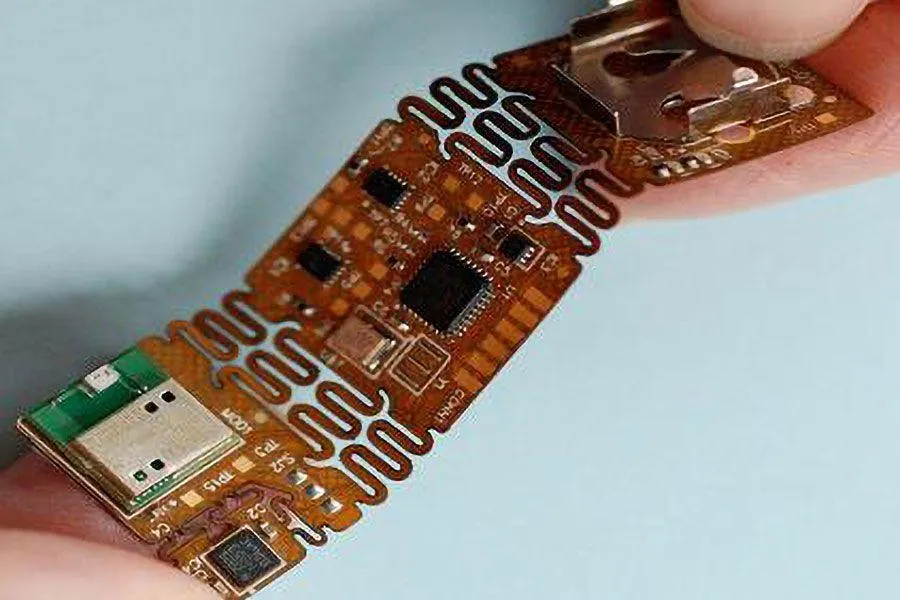
The physical size and dimensions of a flexible PCB significantly impact its final price. This is due to several factors related to manufacturing efficiency and material usage. Larger boards require more substrate material, copper, and processing time, which directly translates to increased costs. Furthermore, the handling and processing of larger flexible PCBs often demand more sophisticated equipment and specialized techniques, further impacting the cost.
When considering the cost implications, it's crucial to note that the impact of size on price is not always linear. While a larger board typically costs more, the per-unit price can decrease with larger production runs due to economies of scale. Conversely, very small and intricate designs can also incur higher costs due to the increased precision required during manufacturing.
In the design phase, careful consideration of board size relative to functional requirements can lead to significant cost reductions. Optimizing panel utilization, which is the number of boards produced from a single sheet of material, is a particularly important method to reduce costs. Panel optimization considers the most efficient way to utilize the available material, minimizing waste and reducing manufacturing expenses.
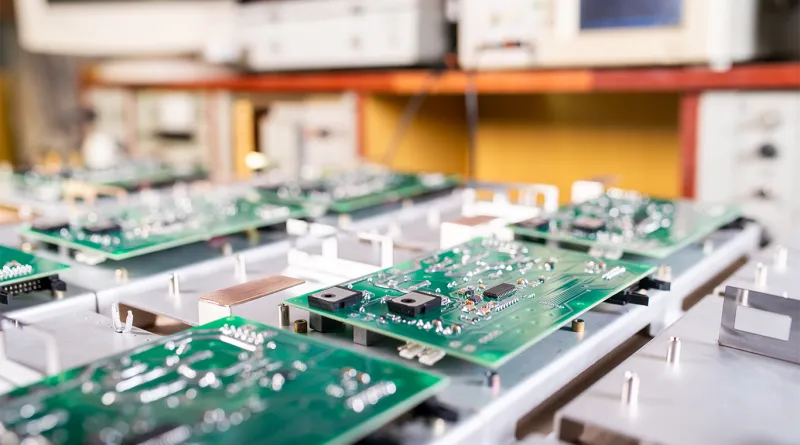
The quantity of flexible PCBs ordered is a significant factor influencing the per-unit cost. This is primarily due to the economies of scale achievable in manufacturing. As production volumes increase, fixed costs are spread across more units, leading to a lower cost per PCB. The manufacturing process also benefits from optimization at higher volumes, reducing waste and improving efficiency.
Understanding the impact of order size on pricing requires differentiation between prototyping, small-batch, and mass production scenarios:
| Production Volume | Typical Quantity | Per-Unit Cost | Purpose |
|---|---|---|---|
| Prototyping | 1-10 units | Highest | Design validation |
| Small-Batch | Tens to hundreds | Medium | Market testing, early launch |
| Mass Production | Thousands or more | Lowest | High volume sales |
Understanding how different manufacturers approach pricing for flexible PCBs is crucial for making informed purchasing decisions. This section explores the pricing strategies of various suppliers, including PCBWay and JLCPCB, and highlights the factors that contribute to their unique pricing structures and target markets.
Key factors influencing pricing across suppliers include production volume, technological capability, material sourcing, and geographic location. While some manufacturers prioritize low-cost, high-volume orders, others focus on high-complexity, specialized flexible PCBs.
| Manufacturer | Target Market | Strengths | Pricing Strategy |
|---|---|---|---|
| PCBWay | Prototyping, Small to Medium Batch Production | Wide range of capabilities, flexible options, good online platform | Competitive pricing for prototyping and small to medium volume orders, discounts for repeat customers |
| JLCPCB | High Volume, Low Cost | Low-cost for high volume, quick turnaround for basic designs | Aggressive pricing for large quantities, cost-effective for simple designs |
| Other Global Suppliers | Varies | Specialized Capabilities, Local Support | Price varies by complexity, location, and services offered |
When selecting a manufacturer, consider the level of complexity of your design, the desired quantity, and your specific performance needs. For prototyping and low-volume production, suppliers such as PCBWay offer a more flexible and accessible entry point. For high-volume standard production runs, JLCPCB often emerges as a cost-effective solution. Other global suppliers may provide specialized services, more localized support, and more competitive pricing for complex or unique flexible PCB designs. Always assess each supplier's technological capabilities, material options, and turnaround times to determine if they are suitable for your project.
The cost of flexible PCBs varies significantly between prototype runs and production-ready quantities. Prototypes typically incur higher per-unit costs due to setup fees and smaller production volumes, while production runs benefit from economies of scale, resulting in lower per-unit prices. Understanding these cost differences is crucial for budgeting and planning.
| Specification | Prototype (1-10 pcs) | Small Batch (100-500 pcs) | Mass Production (1000+ pcs) |
|---|---|---|---|
| Single Layer Flex PCB (Small) | $50 - $200 | $1 - $5 | $0.2 - $0.8 |
| Two Layer Flex PCB (Small) | $80 - $300 | $2 - $10 | $0.4 - $1.5 |
| Single Layer Flex PCB (Medium) | $100 - $350 | $3 - $12 | $0.5 - $2.0 |
| Two Layer Flex PCB (Medium) | $150 - $500 | $5 - $20 | $1.0 - $3.0 |
| Four Layer Flex PCB (Complex) | $300 - $800 | $15 - $40 | $2.5 - $6.0 |
Understanding the cost of flexible PCBs involves addressing several common questions regarding pricing variables and industry standards. This section aims to clarify these concerns by providing precise answers to frequently asked questions about flexible PCB pricing.
Optimizing your flexible PCB budget requires a strategic approach that balances cost reduction with maintaining the required quality and performance. This involves careful consideration of design choices, material selections, and supplier relationships.
Understanding flexible pcb price is crucial for the success of any electronic project. By considering key factors such as material selection, layer count, volume, and choosing the right supplier, you can effectively manage costs while ensuring the quality and reliability of your flexible PCBs. Whether you're working on a prototype or gearing up for mass production, the insights shared in this guide can help you navigate the market effectively and make informed choices, ensuring your flexible PCB project aligns with both your budget and performance goals. As technology evolves, ongoing research and comparison will be beneficial to keeping flexible PCB costs optimized.

