Selecting the Right FPC Manufacturer: A Comprehensive Guide
2025.01.03
In today's rapidly evolving electronics landscape, Flexible Printed Circuits (FPCs) have become integral, seamlessly integrating into our daily lives from smartphones to advanced medical devices. Selecting the right FPC manufacturer is paramount, and this guide will illuminate the critical aspects to consider, ensuring your project achieves the quality and performance it requires, and provide a comprehensive overview of how to identify a suitable partner from the vast array of FPC manufacturers available.
Understanding FPC Technology and Its Applications
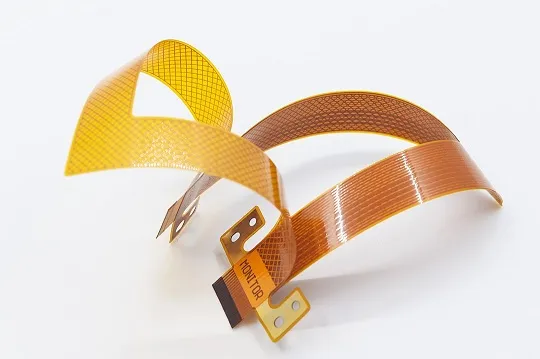
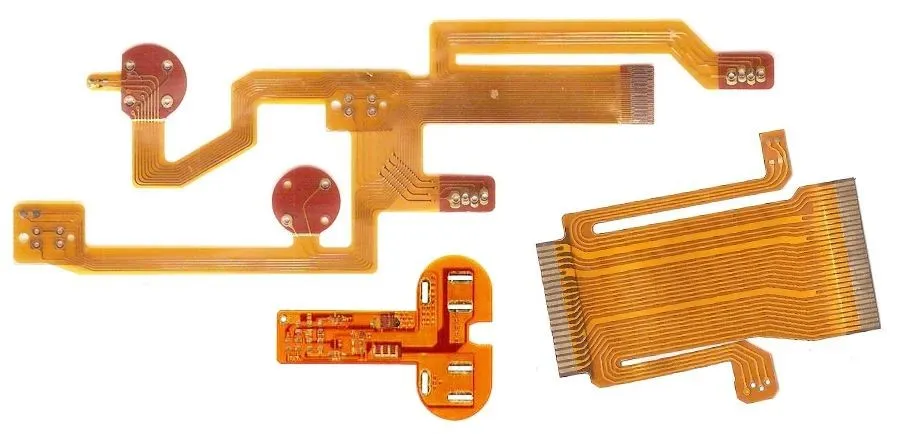
Flexible Printed Circuit Board
Flexible Printed Circuits (FPCs), at their core, are a specialized type of electronic circuit constructed on a flexible substrate, offering a unique combination of electrical functionality and mechanical flexibility. This adaptability makes them indispensable in applications where space is limited or where dynamic movement is required, spanning across diverse industries such as consumer electronics, automotive, and medical devices.
Core Principles of FPC Technology FPCs utilize thin, flexible materials like polyimide or polyester as their base, which are then etched with conductive traces, typically copper. This structure allows the circuits to bend, fold, and twist without compromising electrical integrity, enabling complex designs within compact spaces.
Advantages of FPC Technology FPCs offer numerous advantages over traditional rigid PCBs. They are lighter, thinner, and more flexible, which makes them ideal for miniaturization and wearable devices. Their capacity for dynamic bending also provides solutions for moving parts or interfaces where traditional PCBs can fail due to material fatigue. Additionally, FPCs reduce the need for connectors, which improve reliability and reduce overall system cost.
Diverse Applications of FPC FPCs' flexibility extends to various applications: in consumer electronics, they enable compact designs for smartphones, cameras, and wearables; in the automotive sector, FPCs are integral for sensor connections, dashboard displays, and lighting systems; while in medical devices, they are essential for implantable sensors and minimally invasive surgical tools. The inherent ability of FPC technology to conform to complex shapes and environments opens a wide range of design opportunities across many fields.
Key Factors in Evaluating an FPC Manufacturer
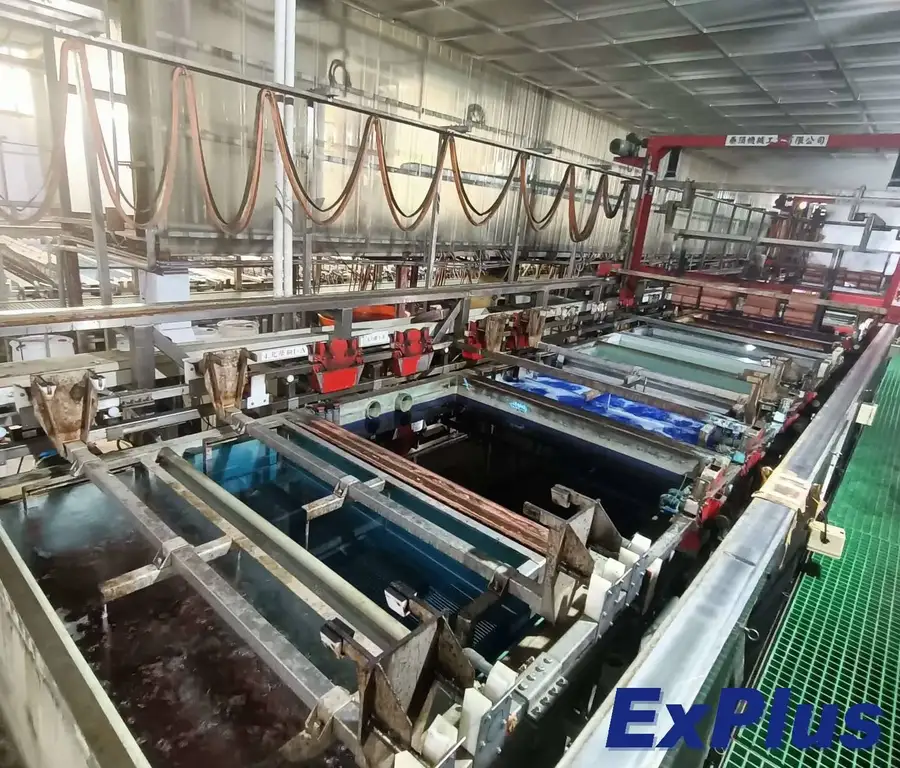
FPC Manufacturing Factory
Selecting the right FPC manufacturer is crucial for ensuring the quality, reliability, and performance of your flexible printed circuit boards. This section details the essential criteria for evaluating potential FPC manufacturing partners, encompassing their capabilities, expertise, certifications, quality control, and customer service.
Evaluation Factor
Description
Importance
Manufacturing Capabilities
Assessing the manufacturer's production capacity, equipment, and technology.
Crucial for handling project volume and complexity.
Material Expertise
Evaluating the manufacturer's knowledge and experience with various FPC materials (e.g., polyimide, polyester) and their properties.
Essential for selecting the right materials for optimal performance and reliability.
Certifications (ISO, UL)
Verifying if the manufacturer holds relevant industry certifications, such as ISO 9001 (quality management) and UL (safety).
Indicates adherence to established quality and safety standards.
Quality Control Processes
Reviewing the manufacturer’s quality assurance procedures, including inspection, testing, and defect prevention.
Critical for ensuring consistent quality and reducing defects.
Customer Service and Support
Evaluating the responsiveness, communication, and technical support provided by the manufacturer.
Necessary for smooth collaboration and resolving issues quickly.
Technology and Equipment Assess whether the manufacturer possesses advanced equipment, such as laser direct imaging (LDI) machines, automated optical inspection (AOI) systems, and other key machinery that allows them to produce FPCs with the required precision and reliability. This technology is paramount for achieving fine line features and tight tolerances, essential for many applications.
Material Handling Expertise An FPC manufacturer's deep understanding of materials, like polyimide, and their behavior during processing, is vital for material selection. Expertise with various adhesives and finishes is crucial for ensuring the integrity and functionality of the final product. A manufacturer should be able to guide material selection based on the project's operating temperature, flexibility requirements, and other performance characteristics.
Scalability and Capacity Manufacturers should have production capacity capable of meeting the project's current needs and the potential for future growth. Assess their ability to handle projects of different scales and complexities. This includes evaluating their manufacturing capacity and lead times, ensuring they can meet project timelines without compromising quality.
Commitment to Innovation Look for manufacturers who are committed to investing in research and development to stay ahead of technological advancements. A forward-thinking FPC manufacturer is more likely to be capable of handling complex or emerging requirements, demonstrating their ability to provide advanced solutions.
Communication and Transparency A strong manufacturing partner will be transparent in their processes and timelines, and maintain a proactive approach to communication. This is essential for avoiding misunderstandings and ensuring projects run smoothly. Good communication facilitates early detection of issues, allowing for quick solutions to keep projects on track.
Geographical Considerations When Selecting an FPC Manufacturer
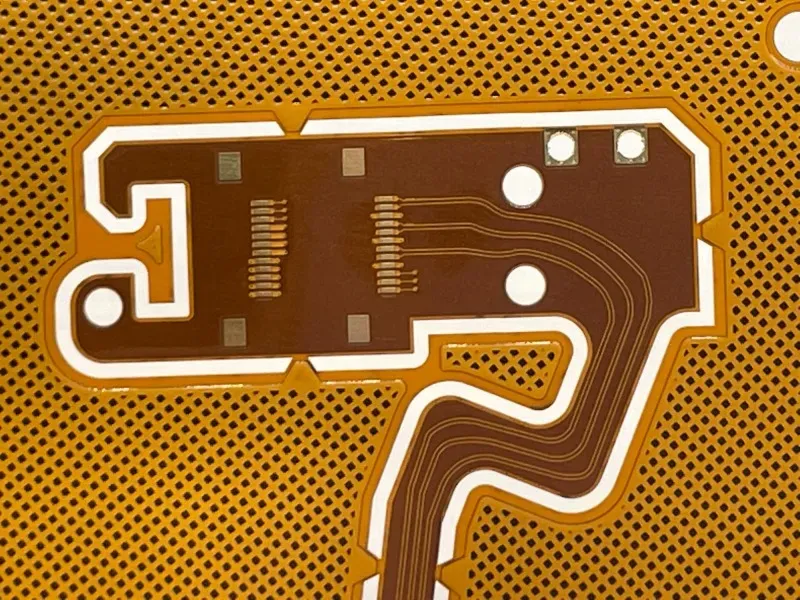
FPC boards from different regions
The geographical location of an FPC manufacturer significantly impacts various aspects of production, including cost, lead times, communication, and overall project management. Choosing between domestic and international manufacturers requires a careful evaluation of these factors to align with specific project needs and constraints.
Factor
Domestic Manufacturers
Overseas Manufacturers (e.g., China)
Cost
Generally higher due to labor and overhead costs
Typically lower due to lower labor costs and economies of scale
Lead Times
Potentially shorter due to proximity and streamlined logistics
Longer lead times due to shipping and customs processes
Communication
Easier communication due to similar time zones and cultural background
Communication can be challenging due to time zone differences, language barriers and cultural differences
Quality Control
Potentially easier to monitor and manage due to proximity
Quality control monitoring may be more challenging due to distance
Intellectual Property Protection
Stronger protection under domestic laws
IP protection may be more complex and challenging
Shipping and Logistics
Simpler logistics and quicker delivery
Complex logistics with potential for delays and increased shipping costs
While overseas manufacturers, particularly those in China, often offer lower production costs, it's crucial to weigh these savings against potential risks. These risks include challenges in communication, differences in cultural business practices, longer lead times, and potential difficulties in ensuring consistent quality control. Conversely, domestic manufacturers offer benefits like enhanced communication, faster response times, easier site visits for quality audits, and more reliable adherence to intellectual property agreements. Ultimately, the ideal geographical choice depends on the specific requirements of the project, the budget, and the risk tolerance of the customer.
Customization and Design Flexibility
Custom Flexible Circuit Board
Customization and design flexibility are paramount when selecting an FPC manufacturer. The ability to tailor FPC products to specific and often unique requirements is essential for product innovation and optimization. A capable manufacturer will demonstrate adaptability to evolving project needs, providing solutions that are not only functional but also cost-effective and efficient.
A manufacturer's proficiency in design for manufacturing (DFM) is critical for ensuring the feasibility of complex FPC designs. This includes considerations for material selection, circuit layout, and impedance control. A good manufacturer will engage early in the design process, offering valuable insights to optimize the design for manufacturability and performance. Effective collaboration between the design team and the manufacturer can greatly reduce the risk of production errors and delays.
Tailoring to Unique Specifications A top-tier FPC manufacturer will have the capability to customize FPC designs, including intricate shapes, specific layer counts, and unique material requirements, to meet the diverse needs of different applications.
Design Collaboration The manufacturer should offer strong collaborative design support, helping to refine and optimize designs for performance, manufacturability, and cost-effectiveness.
Rapid Prototyping A good manufacturer will provide rapid prototyping services, enabling quick testing and refinement of designs before moving to mass production, minimizing risks and accelerating time to market.
Evolving Project Needs The ability to adapt to project changes and evolving requirements is critical, and a flexible manufacturer can accommodate design modifications and adjustments without significant delays or cost overruns.
Material Selection and Manufacturing Processes
FPC Materials
The performance and reliability of Flexible Printed Circuits (FPCs) are intrinsically linked to the materials and manufacturing processes employed. Selecting the appropriate materials and manufacturing techniques is crucial for meeting specific application requirements and ensuring long-term product functionality. This section details common materials used in FPC fabrication, and how variations in manufacturing impact product characteristics.
Material
Description
Typical Applications
Advantages
Disadvantages
Polyimide (PI)
A high-performance polymer with excellent thermal and chemical resistance.
High-temperature applications, aerospace, medical devices
High temperature resistance, excellent electrical properties, good flexibility, chemical stability
Higher cost, can be sensitive to moisture absorption (some types)
Polyester (PET)
A cost-effective polymer with good flexibility and electrical properties.
Low cost, good flexibility, good electrical properties
Lower temperature resistance, less chemical resistance
Liquid Crystal Polymer (LCP)
Advanced material with low moisture absorption and excellent high-frequency performance.
High-speed digital circuits, RF applications, high-frequency communication
Low moisture absorption, superior electrical performance, excellent dimensional stability
Higher cost, can be challenging to process
Copper (Cu)
Highly conductive material used for circuitry
All FPC applications requiring electrical conduction
Excellent electrical conductivity, good mechanical properties
Susceptible to oxidation, requires protective coating
Adhesives
Various polymers used to bond layers of the FPC
All FPC applications requiring laminated construction
Variety of properties, can be customized to specific applications, provides structural integrity
Can be susceptible to degradation in extreme environments, can introduce dimensional instability
Manufacturing processes for FPCs include both subtractive and additive methods. Subtractive methods, such as chemical etching, involve removing material to create the circuit pattern, while additive methods build up the pattern. Key techniques include:
Chemical Etching: A subtractive method that uses chemicals to remove unwanted copper from a laminated substrate to form the circuitry. Precision is determined by the masking and etching processes.
Lamination: The process of bonding together different layers of the FPC, such as the base material, copper, and coverlay, using heat and pressure.
Laser Direct Imaging (LDI): A precise method for directly imaging the circuit pattern onto the substrate using a laser, eliminating the need for physical masks.
Plating: Electroplating and electroless plating are used to deposit metals on conductive surfaces to enhance conductivity or add protective finishes.
Drilling/Punching: Mechanical and laser drilling are used to create holes for vias and component mounting.
Coverlay Application: Applying a protective layer over the circuits using adhesive films, liquid photoimageable coatings, or other dielectric materials, to insulate circuits and provide mechanical protection.
The selection of materials and manufacturing techniques significantly impacts the FPC's performance characteristics, such as flexibility, durability, impedance, and signal integrity. For instance, polyimide is preferred for high-temperature applications due to its superior thermal stability, while LCP is chosen for high-frequency applications because of its low signal loss characteristics and excellent dimensional stability. Additionally, the manufacturing methods used can affect the precision and reliability of the circuitry, particularly in complex designs.
Pricing Structures and Cost Considerations for FPC Production
FPC boards price
Understanding the pricing structures for Flexible Printed Circuit (FPC) production is crucial for cost-effective project management. FPC costs are influenced by a variety of factors, including materials, labor, tooling, and volume, and navigating these factors effectively can significantly impact the overall budget. This section aims to provide a clear understanding of these cost drivers and strategies for securing competitive and fair pricing from FPC manufacturers.
Cost Factor
Description
Impact on Price
Material Costs
The cost of base materials like polyimide, copper, and adhesives. Different material specifications (e.g., thickness, copper weight) will lead to varying costs.
Significant. Higher-grade or specialized materials increase cost.
Labor Costs
The expenses associated with the workforce involved in the manufacturing process, including design, engineering, and production personnel.
Medium. Highly skilled labor and complex designs increase labor expenses.
Tooling Costs
The cost of creating custom tools or stencils for the manufacturing process. Includes costs for molds, dies, and any equipment necessary to manufacture the FPC.
Medium to high. Tooling costs are usually fixed and are amortized over the production volume. New or complex tooling increases this cost.
Volume of Production
The number of FPCs being produced in a single order, which impacts economies of scale.
Significant. Larger volumes generally result in lower per-unit costs due to reduced overhead allocation.
Complexity of Design
The complexity of the FPC design, including the number of layers, line widths and spacing, and special features like stiffeners or shielding.
Medium to high. Complex designs require more labor, material, and precision, resulting in higher production costs.
Surface Finish
The type of finish applied to the conductive copper, such as ENIG, HASL, OSP, or gold plating.
Low to medium. More advanced finishes such as gold plating incur higher costs compared to standard finishes such as OSP.
Lead Time
The time it takes for the manufacturer to complete the production of an FPC order. This can influence manufacturing costs due to expedited production needs.
Low to medium. Shorter lead times usually come with increased manufacturing costs due to overtime and expedited material procurement.
When navigating pricing with FPC manufacturers, it's essential to obtain detailed quotes that break down each cost component. Volume discounts are common, so be sure to explore how pricing changes with order quantity. Comparing multiple quotes allows you to identify the most cost-effective option without compromising on quality or technical specifications. A careful assessment of quotes ensures that the chosen manufacturer not only meets your budget but also provides the necessary services to support a successful FPC production.
Rigid-Flex PCB Manufacturing: When and Why
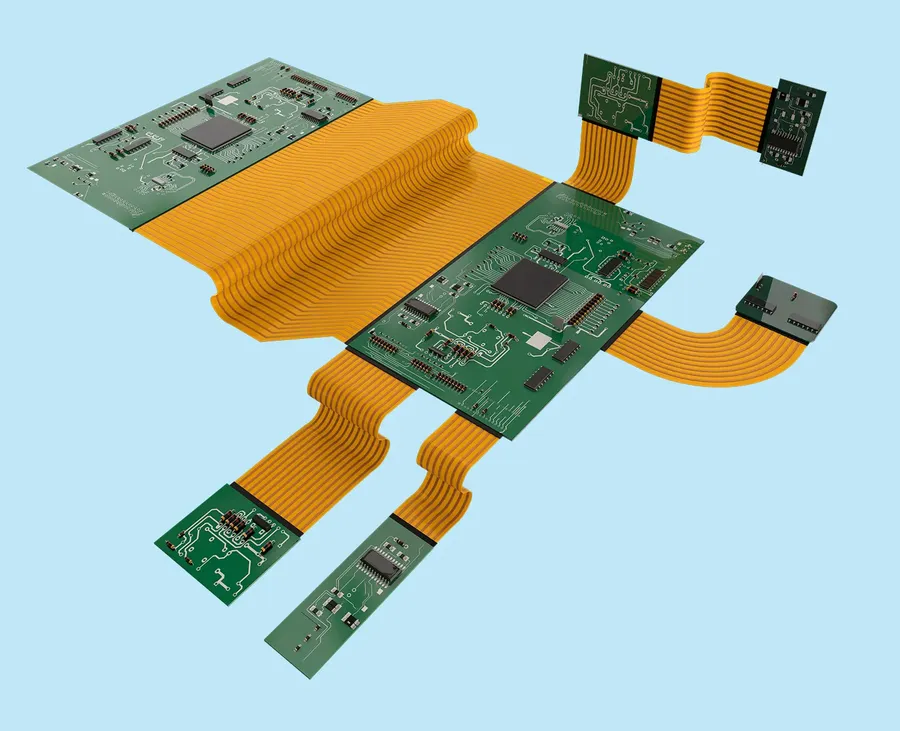
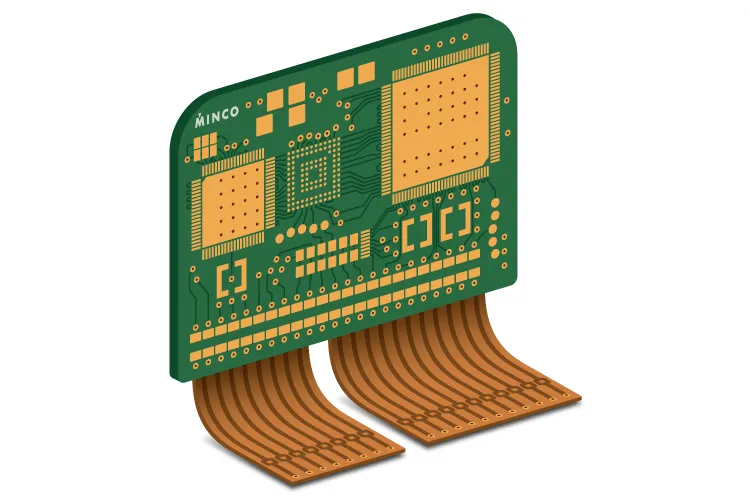
Rigid-Flex PCB
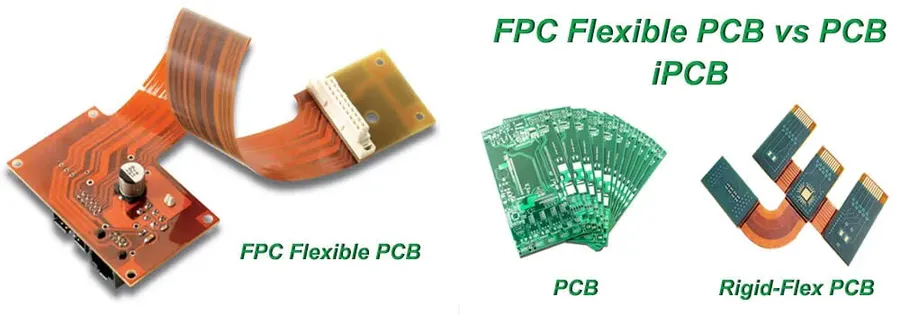
Rigid-flex PCBs combine the advantages of both rigid and flexible circuit boards, offering a versatile solution for complex electronic designs. They integrate rigid sections for component mounting with flexible interconnects for dynamic movement or tight spaces, providing enhanced design freedom and reliability compared to traditional PCBs or FPCs alone. The selection of a manufacturer with specific rigid-flex expertise is paramount to achieving optimal performance.
Feature
Flexible PCB (FPC)
Rigid-Flex PCB
Rigid Areas
None
Present for Component Mounting
Flexibility
High Flexibility Throughout
Flexibility in Designated Areas Only
Complexity
Relatively Simpler Designs
More Complex, Involving Multilayer Rigid and Flexible Layers
Connectors
Often Requires Connectors for Assembly
Eliminates Many Connectors, Improving Reliability and Space Usage
Applications
Dynamic flex applications, tight spaces
Complex interconnects, 3D packaging, high vibration environments
Manufacturing
Simpler FPC processes
More complex and demanding manufacturing process
The added value of an experienced FPC manufacturer in rigid-flex PCB design lies in their deep understanding of the unique material characteristics, manufacturing processes, and design rules that are critical to successful production. This includes precise layer registration, controlled impedance, and the ability to handle the stresses associated with flexing. Furthermore, a skilled manufacturer can advise on design optimization, material selection, and the assembly process, ensuring the end product meets performance requirements and reliability standards. Here's when you might choose Rigid-Flex PCBs over traditional FPC boards:
High-Density Interconnects: When designs require a large number of connections in a small space, rigid-flex PCBs provide high density interconnection, reducing the need for connectors, and improving signal integrity.
3D Packaging: If your product demands complex shapes that can only be achieved by bending part of the circuit, rigid-flex is your only option because it allows for folding and curving the electronic system within the desired product enclosure.
High Vibration or Movement: For applications where continuous movement or vibration is present such as robotics, medical devices, and aerospace equipment, rigid-flex PCBs offer the necessary durability and reliability in harsh operating conditions.
Reliability: Rigid-flex PCBs offer high reliability because they reduce connection points, minimizing failure points and improving overall system robustness. They are suitable for highly specialized and mission-critical equipment where failure is not an option.
Weight and Space Optimization: Rigid-flex is ideal for devices requiring weight and space reduction without compromising on functionality, such as mobile devices, wearable tech, and drone technology, where smaller form factors are crucial.
Frequently Asked Questions About FPC Manufacturing
This section addresses common questions surrounding Flexible Printed Circuit (FPC) manufacturing, aiming to clarify key concepts and differentiate between FPC manufacturers and related services.
What exactly is an FPC in manufacturing? In manufacturing, FPC refers to a Flexible Printed Circuit. Unlike traditional rigid PCBs, FPCs are built on a flexible substrate, allowing them to bend and conform to various shapes. This flexibility enables innovative designs in compact and complex electronic devices.
What is the meaning of FPC in production processes? In production, FPC denotes the utilization of flexible circuits in the construction of electronic assemblies. It impacts the assembly process by allowing for more complex integration of electronic components in tight spaces and dynamic applications. The term also implies a distinct set of production techniques compared to rigid PCB fabrication.
What is a Flexible Printed Circuit (FPC)? An FPC is an electronic circuit fabricated on a flexible base material, such as polyimide or polyester. These circuits can be bent, twisted, and folded without losing their functional integrity, which is in stark contrast with rigid PCBs. FPCs are used where space, weight, and flexibility are critical design constraints.
How do FPC manufacturers differ from traditional PCB manufacturers? FPC manufacturers specialize in the production of flexible circuits, while traditional PCB manufacturers focus on rigid boards. This distinction involves different materials, manufacturing techniques, and design considerations. FPC manufacturers are equipped to handle the intricacies of working with flexible substrates, while PCB manufacturers are specialized for rigid materials. FPC manufacturers may also have in-house assembly for their product, which traditional PCB manufacturers might not.
What are the main advantages of using FPCs? FPCs offer several advantages, including reduced size and weight, enhanced design flexibility, improved reliability in dynamic applications, and simplified assembly processes. Their ability to conform to complex shapes allows for innovative product designs and reduced packaging requirements, making them ideal for modern consumer electronics and specialized applications.
What are the key differences between FPC manufacturers and PCB assemblers? FPC manufacturers are responsible for fabricating the flexible circuits themselves. PCB assemblers, on the other hand, take the bare FPCs (or PCBs) and attach electronic components to them. While some FPC manufacturers may offer assembly services, these are distinct functions and require different expertise. PCB assemblers need component placement and soldering technology, not necessarily the etching, plating and laminating technologies of an FPC manufacturer.
How does the cost of FPC compare to that of traditional PCBs? FPCs often have a higher per-unit cost than rigid PCBs due to the specialized materials and complex manufacturing processes. However, their use can reduce overall system costs by decreasing the number of connectors and interconnections, improving reliability and reducing assembly complexity. The price difference has become smaller as FPC manufacturing volumes have increased.
Case Studies: Illustrating Success with the Right FPC Partner
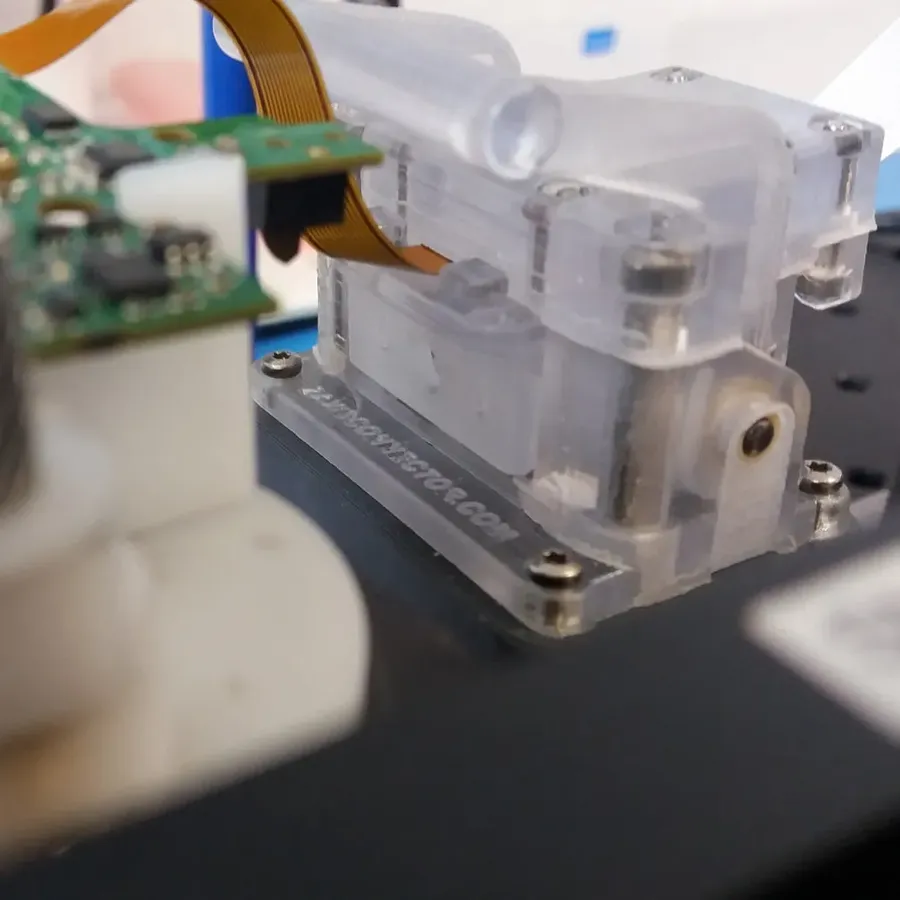
FPC application cases
Real-world case studies provide invaluable insights into the impact of choosing the right FPC manufacturer. By examining specific scenarios, we can understand how manufacturer capabilities directly translate into project success or failure, demonstrating the importance of strategic FPC partner selection.
The following case studies showcase diverse applications of FPC technology and the crucial role of the FPC manufacturer in achieving optimal outcomes.
Case Study 1: High-Density Interconnect for Wearable Technology A wearable device manufacturer required an extremely compact and flexible FPC for a new smartwatch design. The selected FPC manufacturer demonstrated expertise in fine-line technology and high-density interconnect, which was critical to meeting the device's size and performance requirements. This collaboration resulted in a sleek, functional product that met market demands and showcased the impact of a partner who could reliably manufacture intricate, minute, flexible circuits.
Case Study 2: Automotive Sensor Integration An automotive company needed to integrate multiple sensors into a complex, curved surface in a car’s dashboard. The chosen FPC manufacturer was able to provide a custom flexible circuit board that could precisely fit the required space, while also meeting strict automotive environmental and reliability standards. This case shows that the right manufacturer must have the capability to produce both the mechanical structure and the electrical performance required for safety-critical applications. The collaboration was fundamental to achieving seamless integration of critical safety and performance systems, showcasing how a manufacturer’s quality and technical support is key in such critical applications.
Case Study 3: Medical Device Miniaturization A medical device company was developing a minimally invasive surgical tool and required an FPC with high reliability and minimal footprint. By selecting a manufacturer with a proven track record in medical-grade FPC manufacturing, they achieved the required precision and quality, ensuring compliance with stringent healthcare regulations. The manufacturer's ability to handle tight tolerances and perform rigorous testing directly contributed to the device's success in trials, demonstrating that an experienced manufacturer with the right processes can be paramount to success.
These case studies underscore the strategic importance of selecting an FPC manufacturer who not only possesses the required technical capabilities, but also the commitment to quality and collaboration necessary for successful project completion. By choosing a partner wisely, companies can overcome manufacturing challenges and achieve outstanding results in their products.
How to Vet Potential FPC Manufacturers
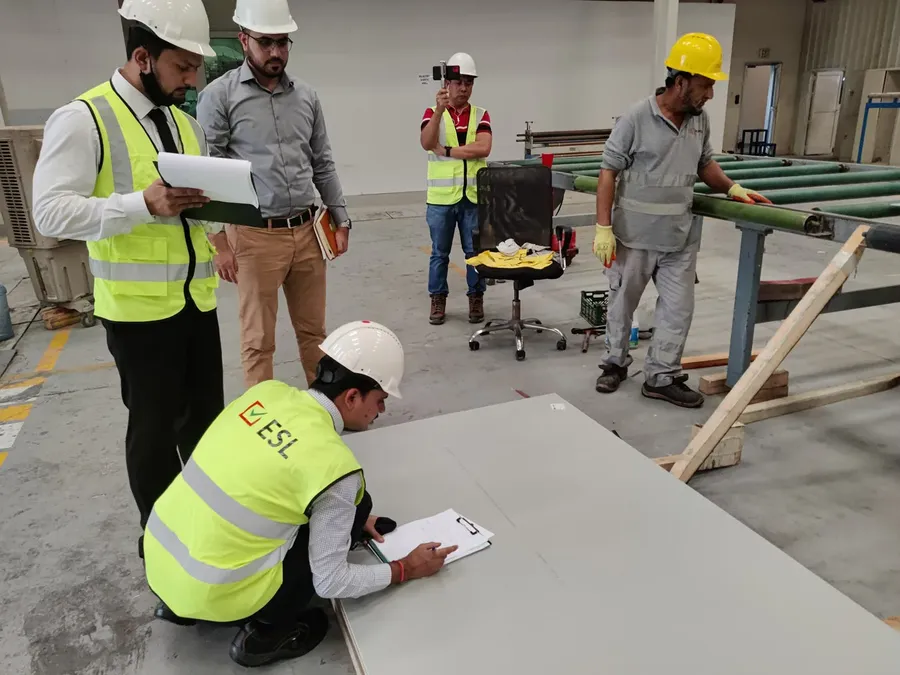
FPC Supplier Audit
Selecting the right FPC manufacturer is a critical decision that directly impacts the quality, cost, and timeline of your project. A thorough vetting process is essential to ensure you partner with a manufacturer capable of meeting your specific needs and delivering high-quality flexible printed circuits. This section provides a structured approach to effectively assess and choose a suitable FPC manufacturer.
Assess Manufacturing Experience and Expertise Start by evaluating the manufacturer's track record. Look for demonstrable experience with similar FPC designs, materials, and production volumes. Inquire about their typical client profiles and the industries they serve to confirm their expertise aligns with your project's demands. Specific experience in handling the intricacies of FPC production is critical to avoid production pitfalls. For example, the manufacturer's ability to handle multilayer FPCs or specialized materials such as those required for high-temperature applications should be clearly verified through evidence.
Review Certifications and Quality Standards Ensure the manufacturer holds relevant industry certifications, such as ISO 9001 for quality management, ISO 14001 for environmental management, and UL certifications for product safety. These certifications demonstrate a commitment to quality and process control. Beyond certifications, investigate the manufacturer's specific quality control practices, including in-process inspections, material traceability, and final product testing procedures. It’s crucial to have data that verifies their quality processes go beyond simply possessing certification documents; effective implementation is key.
Evaluate Technical Capabilities and Equipment A good FPC manufacturer should possess the necessary equipment for advanced FPC manufacturing, including advanced lamination processes, precision drilling and etching technologies, and accurate automated testing equipment. The manufacturer should also have the expertise to manage design rule checks and to translate complex engineering drawings into high-yield manufacturing processes. Look for advanced equipment like laser drilling, automated optical inspection (AOI), and electrical testing systems that confirm they have the technical capabilities to achieve your specifications consistently and precisely. A detailed review of their manufacturing equipment will inform your understanding of their potential to provide the service that you need.
Analyze Client Testimonials and Case Studies Seek out testimonials and case studies from previous clients. These provide practical insights into the manufacturer's reliability, communication effectiveness, problem-solving abilities, and ability to meet deadlines and specifications. Look for recurring themes in client feedback, such as consistent quality or responsive customer service, and pay close attention to any negative trends that could pose risks for your project. Request direct contact information from previous clients so that you can conduct your own inquiries. Be aware that provided testimonials may not always offer an objective assessment.
Assess Customer Service and Support Effective communication is crucial for a successful partnership. Evaluate how responsive the manufacturer is to inquiries, their transparency in providing production updates, and their willingness to address concerns. Assess their technical support capabilities, particularly in resolving design or manufacturing issues. A dedicated project management team can be an asset that keeps your production line moving smoothly. The manufacturer's responsiveness during the vetting process is a good indicator of their likely support throughout production.
Conduct a Site Visit (if possible) If feasible, conduct an on-site visit to the manufacturer's facility. This allows for a first-hand assessment of their manufacturing processes, quality controls, and overall operation. It also provides a chance to engage with their staff directly and understand their commitment to quality and reliability. A site visit will give you an opportunity to verify the manufacturer’s actual capabilities and practices which may differ from what is represented on paper or remotely. An on-site inspection can help clarify if the manufacturer meets your own benchmarks for a professional operation.
Review Cost Structure and Quotations Compare quotations from several FPC manufacturers, and assess their cost breakdown. Evaluate not just the overall cost but also individual cost drivers, such as tooling, material, and labor. Ensure cost quotations are detailed and transparent, without hidden charges. Be certain the manufacturer can give you firm pricing, or price ranges, that accurately reflect the volume and design specifications of your project. A professional manufacturer will not commit to price quotations which do not reflect the reality of production.
By systematically following these steps, you can significantly reduce the risk of choosing an unsuitable FPC manufacturer. A thorough vetting process is an essential investment that will lead to a successful manufacturing partnership, ensuring high-quality FPC production, timely delivery, and project success.
Selecting the right FPC manufacturer is a strategic decision that impacts product quality, cost, and time to market. By considering factors like expertise, materials, geographic location, and flexibility, businesses can identify the ideal partner to transform their designs into successful products. Working with a competent FPC manufacturer is pivotal in today's fast-paced electronics industry, ensuring that innovative ideas are brought to life with the highest level of quality and reliability. Choosing the right FPC manufacturer requires careful consideration of several aspects; a well-considered choice is essential for achieving success in your product development process and for bringing cutting-edge designs to life.