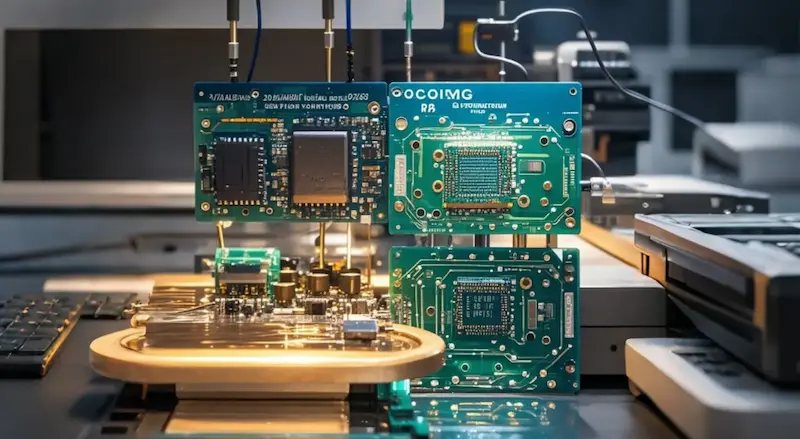
In our increasingly interconnected world, printed circuit boards (PCBs) are the backbone of nearly all electronic devices. From the simplest home appliances to the most sophisticated industrial machinery, PCBs are everywhere. But how much does it cost to manufacture these essential components? Understanding the intricacies of PCB manufacturing cost is crucial for anyone involved in electronics design and production. This guide delves into the key factors impacting price, helping you make informed decisions and optimize your project budget.
The cost of manufacturing a Printed Circuit Board (PCB) is determined by a confluence of factors, each contributing uniquely to the final price. Understanding these key influencers is crucial for effective cost management and informed decision-making throughout the PCB design and production process. These factors broadly include material selection, board complexity, size, and quantity.
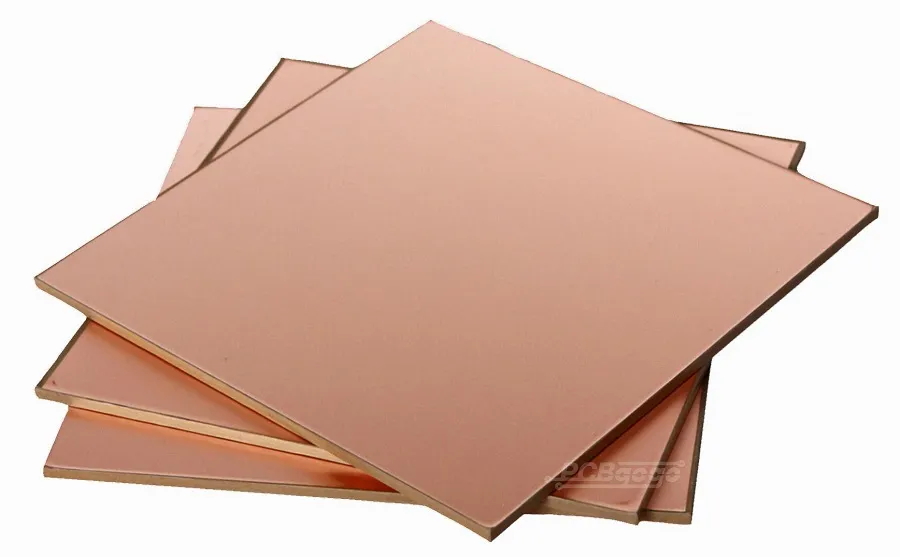
The selection of materials is a pivotal factor influencing the overall cost of Printed Circuit Boards (PCBs). Different substrates offer varying performance characteristics and, consequently, come with different price tags. Understanding these material nuances is crucial for cost-effective PCB design and manufacturing.
| Material | Description | Cost Impact | Typical Applications |
|---|---|---|---|
| FR-4 | The most commonly used PCB substrate. It is a composite material made from woven fiberglass cloth with an epoxy resin binder. | Generally low to moderate cost, making it a cost-effective choice for a wide range of applications. | Consumer electronics, general-purpose PCBs, prototyping |
| Metal Core (e.g., Aluminum, Copper) | Features a metal base, usually aluminum or copper, for enhanced heat dissipation. | Higher cost compared to FR-4 due to the added thermal performance and complex fabrication. | LED lighting, power electronics, high-power applications |
| Flexible Substrates (e.g., Polyimide) | Flexible polymers allowing for bending and shaping of the circuit board. | Higher cost due to specialized materials and processing requirements. | Wearable devices, flexible electronics, applications requiring complex shapes |
| Rogers Materials | High-performance laminates known for their excellent electrical characteristics and low signal loss. | Significantly higher cost than FR-4, often used for high-frequency applications. | RF and microwave applications, high-speed digital circuits, aerospace and defense |
| Teflon (PTFE) | Exhibits superior electrical properties, low dielectric constant, and is chemically inert. | Highest cost due to advanced material processing. | High-frequency, high-performance applications, aerospace, and specialized sensors. |
The choice of PCB material directly impacts the board's performance, durability, and thermal management capabilities. Cost-effective decisions should balance performance needs with budget constraints, taking into account the intended application and operating environment.
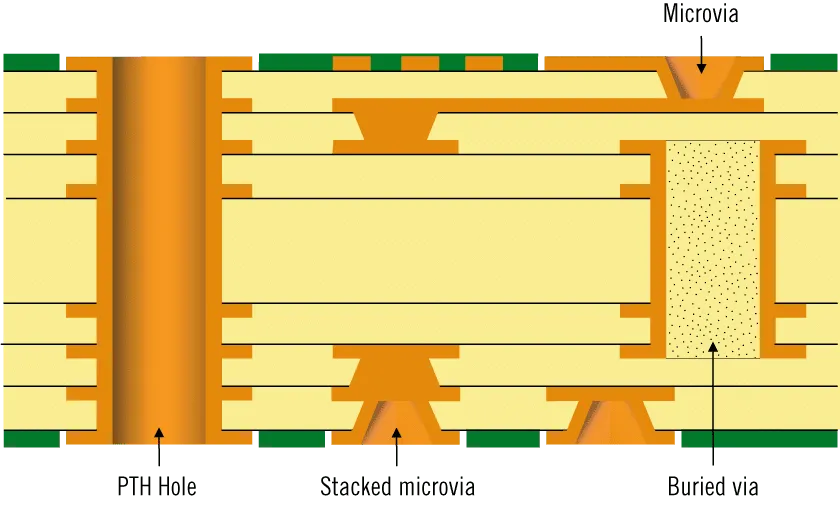
The complexity of a printed circuit board (PCB), primarily defined by its layer count and design features, significantly impacts manufacturing costs. Increased complexity directly translates to higher fabrication expenses due to more intricate manufacturing processes, specialized equipment requirements, and extended production times.
The number of layers in a PCB is a primary driver of cost. Single-layer boards are the simplest and least expensive, while multi-layer boards, commonly ranging from 2 to 32+ layers, incur higher costs due to the increased complexity of the lamination and imaging processes. Moreover, complex designs incorporating features like high-density interconnect (HDI) technology and vias (blind and buried) contribute to higher costs. HDI boards demand finer trace widths and spacing, requiring more advanced fabrication techniques and equipment. Similarly, blind and buried vias, which connect layers within the board without passing through all of them, also necessitate complex, precise manufacturing processes.
| Feature | Cost Impact | Complexity Level |
|---|---|---|
| Single-layer board | Lowest | Lowest |
| Double-layer board | Low to Moderate | Low |
| 4-layer board | Moderate | Moderate |
| 6-8 layer board | Moderate to High | Moderate to High |
| 10+ layer board | High | High |
| HDI (High-Density Interconnect) | Very High | Very High |
| Blind/Buried Vias | High | High |
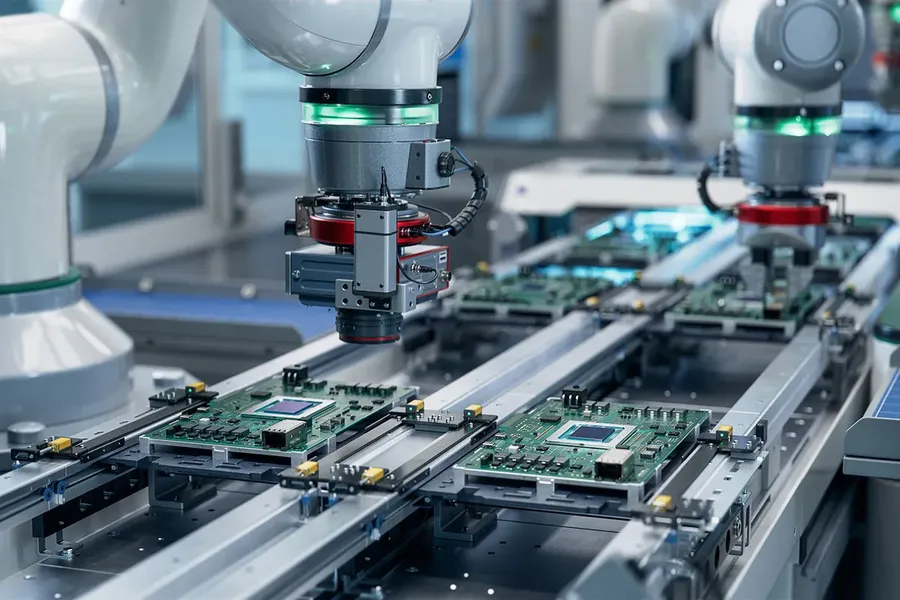
The dimensions of a PCB and the volume of units manufactured significantly impact the per-unit cost due to economies of scale. Larger boards generally require more material, increasing the base cost, while higher production volumes allow manufacturers to optimize processes, reducing costs.
| Factor | Impact on Cost | Explanation |
|---|---|---|
| Board Size | Directly proportional to cost | Larger boards consume more raw materials (e.g., substrate, copper), leading to higher material costs. |
| Production Volume | Inversely proportional to cost | Higher production volumes allow manufacturers to spread fixed costs (e.g., setup, tooling) across more units, decreasing the per-unit cost. Discounts may also be applied for large orders due to bulk material purchases and streamlined processes. |
| Panelization | Reduces per-unit cost | Manufacturing multiple PCBs on a single larger panel increases throughput, reducing per-unit labor and material costs. |
The effect of production volume is particularly notable because fixed costs, such as the cost of setting up the production line and creating necessary tooling, remain relatively constant regardless of the number of PCBs produced. As the number of units increases, these fixed costs are distributed across more boards, leading to a reduction in the per-unit cost. Additionally, manufacturers often offer volume discounts on material purchases when dealing with larger orders, further contributing to cost reductions.
Panelization, the process of creating a single board containing multiple PCBs, also capitalizes on economies of scale. By manufacturing multiple copies on a larger panel, manufacturers increase throughput and minimize material waste, reducing the effective per-unit cost. This method is effective, especially for smaller, standardized designs, or when combined with high-volume production orders.
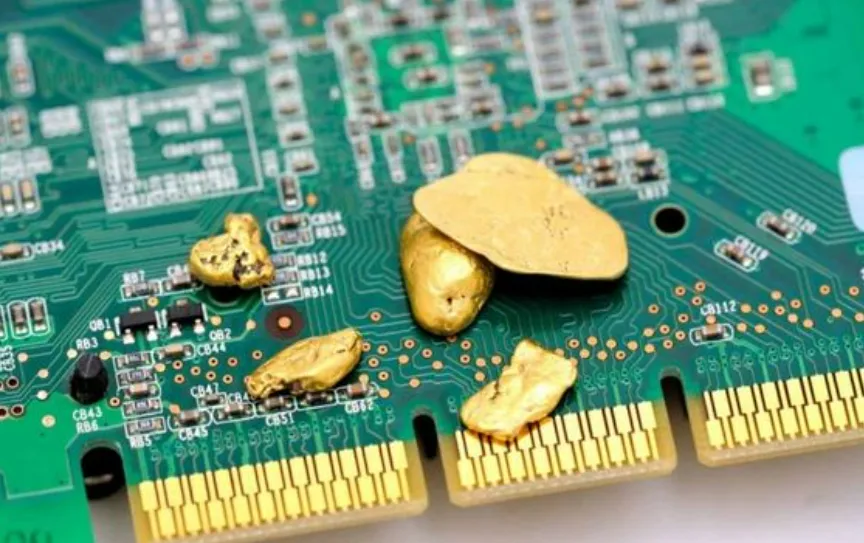
The selection of surface finish and adherence to special design requirements are critical factors that significantly influence the overall cost of PCB manufacturing. These choices impact not only the board's performance but also its manufacturability and reliability, thus directly affecting the final price.
| Surface Finish | Description | Cost Impact | Typical Use Cases |
|---|---|---|---|
| HASL (Hot Air Solder Leveling) | A molten solder coating is applied and leveled with hot air. Lead-free HASL is a common variant. | Low to moderate | General-purpose PCBs, suitable for through-hole and SMT assembly where precise flatness is not critical. |
| ENIG (Electroless Nickel Immersion Gold) | A layer of nickel is applied, followed by a thin layer of gold. Offers excellent corrosion resistance and solderability. | High | High-reliability applications, fine-pitch components, and where good shelf life and solderability are required. |
| Immersion Tin | A thin layer of tin is deposited through a chemical process. | Moderate | RoHS compliant boards, and fine pitch SMT applications. |
| OSP (Organic Solderability Preservative) | A thin organic coating is applied to protect the copper from oxidation. It is relatively inexpensive, but provides limited shelf life. | Low | Cost-sensitive and high-volume manufacturing where boards are assembled soon after production. |
| Electrolytic Gold | Gold is deposited via electroplating, resulting in a robust, highly conductive and durable surface. | Very High | Edge connectors, high-wear surfaces, and where very low contact resistance is needed. |
Beyond surface finishes, special requirements like controlled impedance and specific design rules add complexity and costs. Controlled impedance, necessary for high-speed signal integrity, requires tight manufacturing tolerances and additional testing. Specific design rules, like minimum trace widths or via sizes, can impact the complexity of the manufacturing process, potentially requiring more precise and expensive machinery, thereby increasing costs.
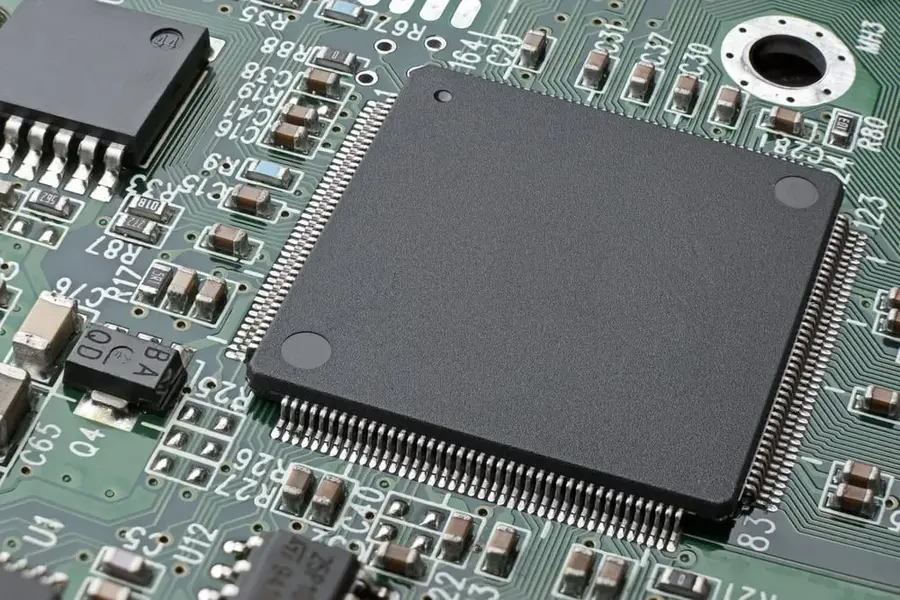
PCB assembly costs represent a significant portion of the total expense in bringing an electronic product to market. These costs are incurred after the bare PCB is fabricated and encompass the process of placing and soldering electronic components onto the board. Understanding these costs is crucial for accurate budgeting and cost optimization.
PCB assembly costs can be broadly categorized into the following key areas:
| Cost Factor | Description | Cost Driver |
|---|---|---|
| Labor | Wages of personnel involved in assembly, including SMT operation and manual assembly | Assembly time, complexity of components, and location |
| Components | Expense of procuring electronic parts (resistors, capacitors, ICs, etc.) | Type of components, quantity, and market availability |
| Solder Paste | Expense of solder paste and materials, such as stencils | Board complexity, area of soldering, and required solder quality |
| Equipment | Expenses associated with maintaining and using assembly machines, tooling, etc. | Type of assembly process and equipment required for the job |
| Testing | Cost of performing tests, including visual inspection and electrical testing | Testing depth and complexity and equipment required |
This section addresses common questions concerning PCB manufacturing costs, providing clarity on factors that influence pricing and offering practical guidance for budget-conscious projects.
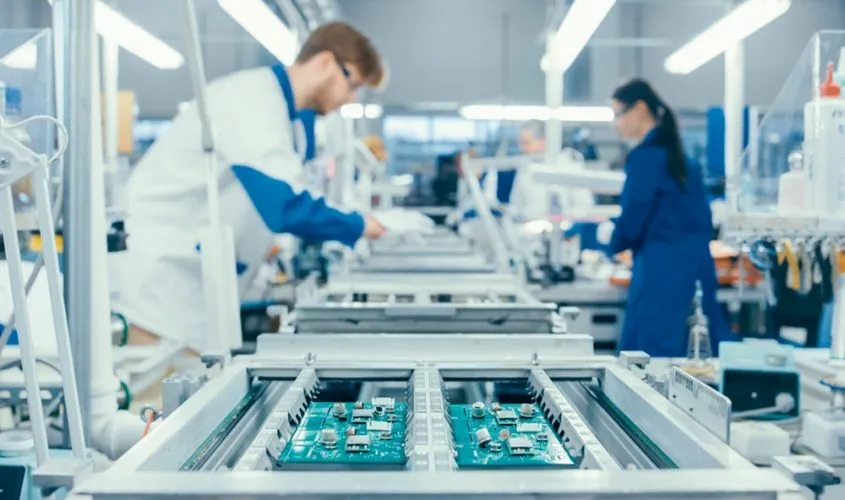
The decision of whether to manufacture PCBs in the USA or overseas involves a complex trade-off between cost, lead time, quality, and intellectual property considerations. While overseas manufacturing often presents a lower unit cost, domestic production offers advantages in terms of quicker turnaround and potentially better quality control, making the optimal choice contingent on project-specific priorities.
| Factor | USA | Overseas (e.g., China) |
|---|---|---|
| Unit Cost | Higher | Lower |
| Labor Costs | Significantly Higher | Significantly Lower |
| Lead Times | Shorter | Longer (especially with shipping) |
| Shipping Costs | Lower for domestic | Higher and more complex |
| Quality Control | Potentially higher, easier to monitor | Variable, requires careful vendor selection and QC processes |
| Communication | Easier, often in same language and time zone | Can be more difficult due to language barriers and time zone differences |
| Intellectual Property Protection | Stronger | Risk of IP infringement, requires extra precautions |
| Minimum Order Quantities | Lower MOQ sometimes possible | Higher minimum order quantity usually |
| Flexibility | More flexible on changes or rush orders | Less flexible due to production scheduling, long distance |
The choice between domestic and overseas manufacturing ultimately depends on the specific needs of the project. Factors such as the required quality level, production volume, budget constraints, and project timeline will dictate the optimal approach. For low-volume, high-complexity projects, domestic manufacturing may offer a better balance of quality and lead time. In contrast, higher-volume, less complex designs may benefit significantly from the lower cost offered by overseas manufacturers, so long as risks of quality control and IP protection are mitigated.
Minimizing PCB manufacturing costs without sacrificing quality requires a multifaceted approach, encompassing design optimization, material selection, and strategic manufacturer partnerships. By implementing thoughtful practices and making informed decisions, significant cost savings can be achieved.
Understanding the nuances of PCB manufacturing cost is critical for successful electronic product development. By considering factors like material selection, design complexity, and production volume, you can make informed decisions that optimize your budget. Remember, investing time in design and choosing the right manufacturing partner is essential to control the final PCB manufacturing cost. Whether you're creating a simple prototype or mass-producing complex PCBs, awareness of these aspects ensures your project's success, making sure both the design and its affordability are on par.