From the smartphones in our pockets to the complex systems powering industries, Printed Circuit Boards (PCBs) are the unsung heroes of modern technology. The question many aspiring entrepreneurs and established manufacturers face is, "What's the real cost of equipping a PCB production line?" This article dives deep into the world of PCB manufacturing equipment prices, providing clarity on the costs associated with various machines, factors influencing those costs, and how to make informed purchasing decisions to balance performance and budget effectively.
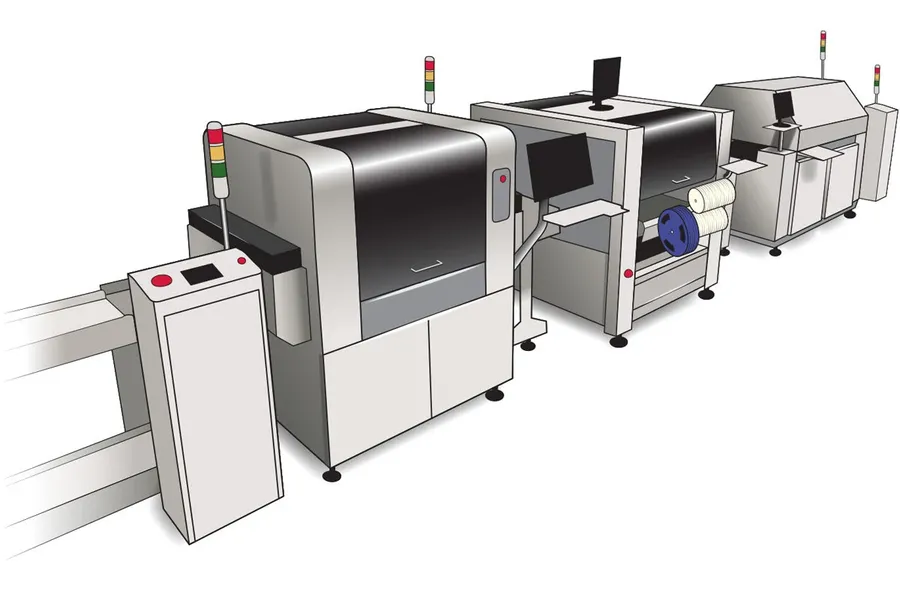
The landscape of Printed Circuit Board (PCB) manufacturing necessitates a diverse array of specialized equipment, each playing a crucial role in the fabrication process. These machines range from those used in the initial stages of creating the board's pattern to those responsible for component placement and final quality assurance, all contributing to the functionality and reliability of the finished PCB.
The following list provides an overview of key equipment categories, illustrating the breadth of technology involved in PCB manufacturing:
Each category includes a variety of options with differing capabilities, precision, and production rates. The selection of specific equipment is a careful balance between cost, throughput requirements, and the complexity of the PCBs being manufactured. Understanding the different equipment types and their associated costs is paramount for planning a new manufacturing facility or upgrading an existing line.
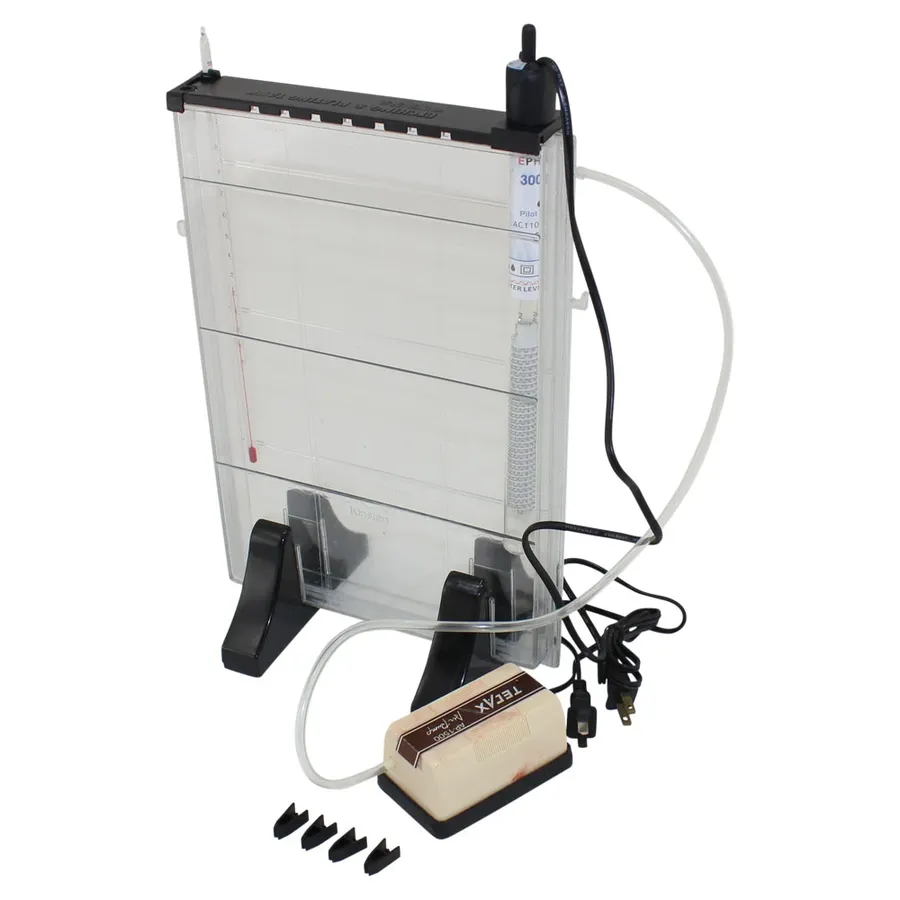
The cost of basic PCB etching machines varies significantly based on the level of automation and the etching process employed. Manual systems, suitable for low-volume prototyping or educational purposes, are considerably cheaper than automated systems designed for high-throughput production. Furthermore, the choice between chemical and laser etching significantly impacts the overall cost, with laser etching generally demanding a higher initial investment but offering greater precision and flexibility.
| Feature | Manual Etching System | Automated Etching System |
|---|---|---|
| Initial Cost | $100 - $1,000 | $5,000 - $50,000+ |
| Throughput | Low | High |
| Precision | Lower | Higher |
| Labor Requirements | High | Low |
| Process Control | Manual | Automated |
| Etching Process | Cost Implications | Application |
|---|---|---|
| Chemical Etching | Lower initial equipment cost, higher consumable costs (chemicals) | Ideal for prototyping, large scale production of simple designs |
| Laser Etching | Higher initial equipment cost, lower consumable costs, maintenance cost can be high | Suitable for high-precision designs, complex layouts, microelectronics |
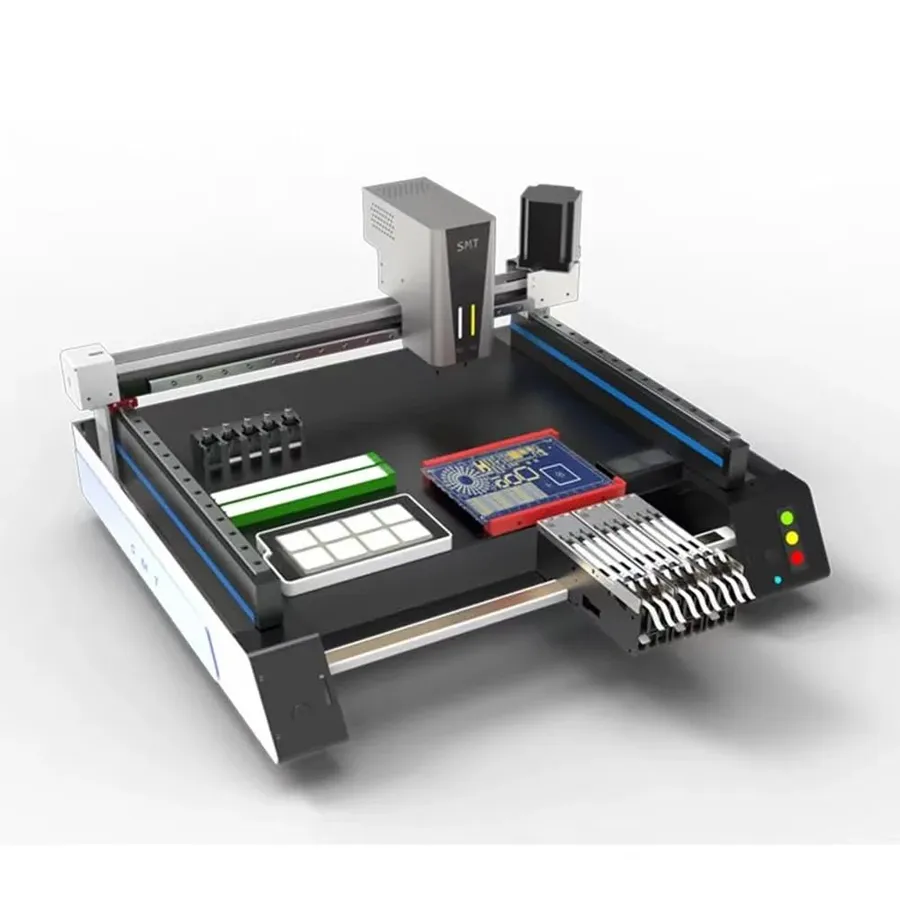
Pick and place machines are pivotal in Surface Mount Technology (SMT) assembly, automating the precise placement of electronic components onto printed circuit boards. The cost of these machines varies significantly based on their capabilities, ranging from entry-level models suitable for small-scale operations to high-end systems designed for high-volume production.
| Feature | Entry-Level | Mid-Range | High-End |
|---|---|---|---|
| Placement Speed (Components/Hour) | 500 - 3,000 | 3,000 - 15,000 | 15,000+ |
| Feeder Capacity | Limited (e.g., 20-50) | Moderate (e.g., 50-120) | High (120+) |
| Component Size Range | Basic | Extended | Advanced (including micro-components) |
| Vision System | Optional | Standard | Advanced multi-camera |
| Software Capabilities | Basic | Advanced | Integrated MES/ERP |
| Approximate Price | $5,000 - $30,000 | $30,000 - $150,000 | $150,000 - $500,000+ |
Several factors influence the pricing of pick and place machines. Higher placement speeds, increased feeder capacity to handle more components, and sophisticated vision systems are common drivers for increased cost. Additionally, advanced software capabilities such as offline programming, component library management and integration with Manufacturing Execution Systems (MES) also affect the price.
Entry-level pick and place machines are primarily designed for prototyping and low-volume production runs. They often offer manual adjustments, limited feeder options, and basic placement capabilities. Mid-range machines offer more automated features, higher placement speeds and greater flexibility in terms of component handling. High-end machines are capable of fully automated, high-speed operation, with advanced vision, large feeder capacity, precision component placement, and advanced software systems. These models typically cater to large-scale, high-volume SMT assembly needs.
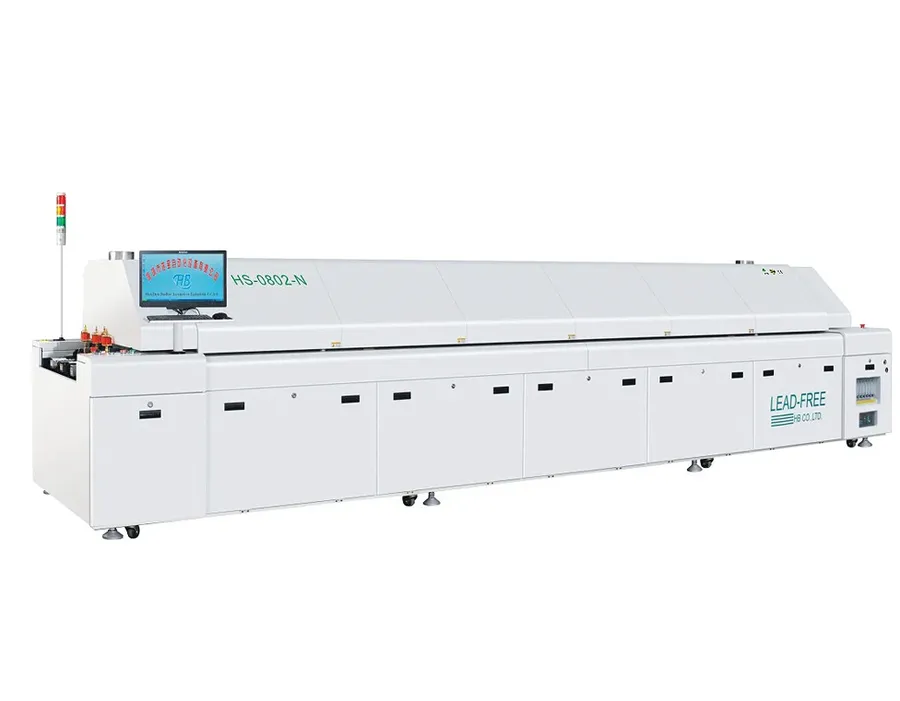
Reflow ovens are critical for surface mount technology (SMT) assembly, and their costs vary significantly based on type, size, and capabilities. Understanding these variations is essential for budgeting effectively for PCB manufacturing.
| Feature | Batch Oven | Continuous Conveyor Oven |
|---|---|---|
| Throughput | Lower; suitable for smaller production runs or prototyping. | Higher; designed for medium to high volume production. |
| Cost | Generally lower initial cost. | Generally higher initial cost. |
| Size | Compact, suitable for limited space. | Larger footprint, requires more space. |
| Temperature Control | Can be precise, but profile adjustments require more manual effort. | Highly precise and automated temperature profiling. |
| Automation | Less automated, requires more manual loading and unloading. | Highly automated, supports continuous flow production. |
| Profile Flexibility | Less flexible for complex thermal profiles. | Highly flexible, can handle complex thermal profiles required by advanced components. |
The ability to create and control specific temperature profiles during the reflow process directly impacts the final quality of the PCB assembly. Larger ovens with advanced features such as multi-zone heating and precise temperature controls tend to be significantly more expensive, these capabilities are crucial for achieving the desired solder joint quality and reliability. Conversely, entry-level batch ovens are available at lower costs but offer more limited control over thermal profiles.
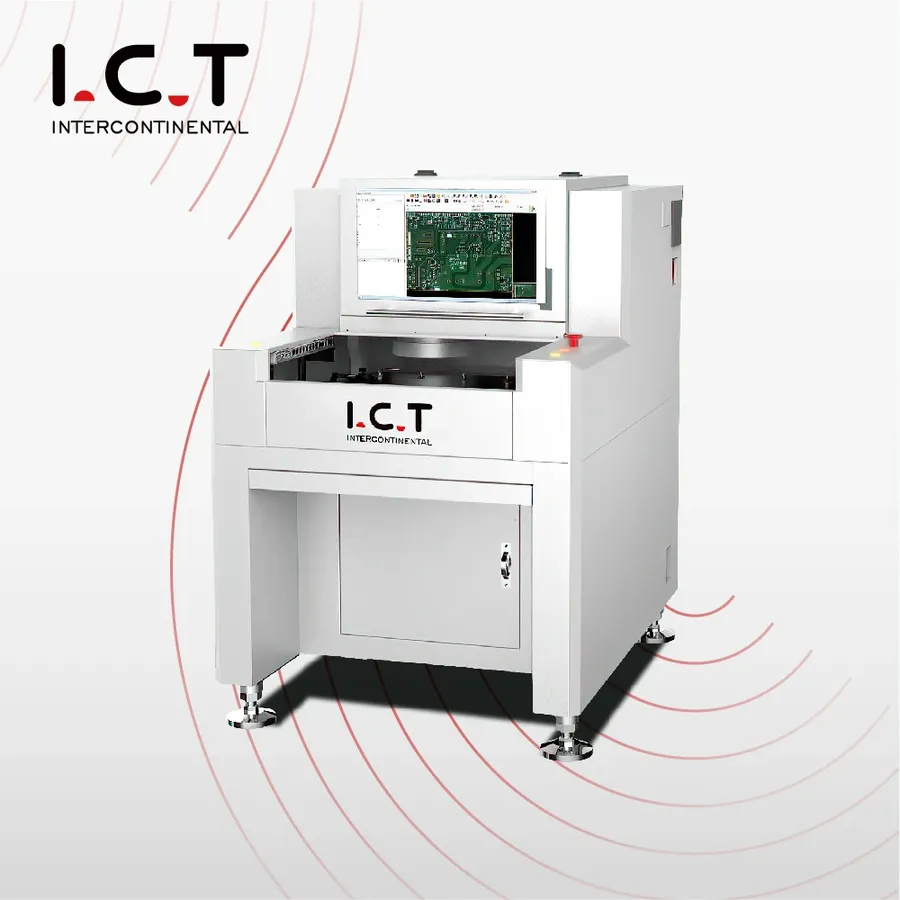
The cost of inspection and test equipment for PCB manufacturing is a critical consideration, directly impacting the final product's reliability and performance. These systems, such as Automated Optical Inspection (AOI) and In-Circuit Testing (ICT), are essential for detecting defects and ensuring quality standards are met.
| Equipment Type | Description | Typical Cost Range (USD) | Key Features |
|---|---|---|---|
| Automated Optical Inspection (AOI) | Uses cameras to visually inspect PCBs for defects such as missing components, solder shorts, and incorrect polarity. | $20,000 - $150,000+ | 2D or 3D inspection, variable resolution, defect reporting software |
| In-Circuit Testing (ICT) | Tests the electrical performance of individual components on a PCB. Uses a 'bed of nails' fixture to contact test points. | $30,000 - $250,000+ | Functional tests of components, fault diagnosis, programmable test sequences |
| X-ray Inspection | Uses X-rays to inspect internal features of PCBs such as solder joints under BGA packages. | $80,000 - $500,000+ | Internal layer analysis, solder joint integrity, high precision imaging |
| Flying Probe Tester | Uses probes to test the board, suitable for prototype and low-volume production. | $40,000 - $200,000 | Flexibility for diverse layouts, no fixture cost, slower cycle time |
The cost variations are primarily driven by the complexity and capabilities of the systems. Entry-level AOI systems, for example, may be sufficient for basic defect detection, while advanced systems that offer 3D inspection capabilities or higher resolution imaging command significantly higher prices. Similarly, ICT systems vary based on the number of test points and their test frequency ranges, with complex, high-density boards requiring more advanced and costly testers. X-ray inspection, necessary for inspecting the quality of solder joints beneath Ball Grid Array (BGA) packages, will be in the higher end of the price scale. Flying probe testers offer high flexibility for prototyping and low volume production, where the cost of traditional fixtures for ICT cannot be justified.
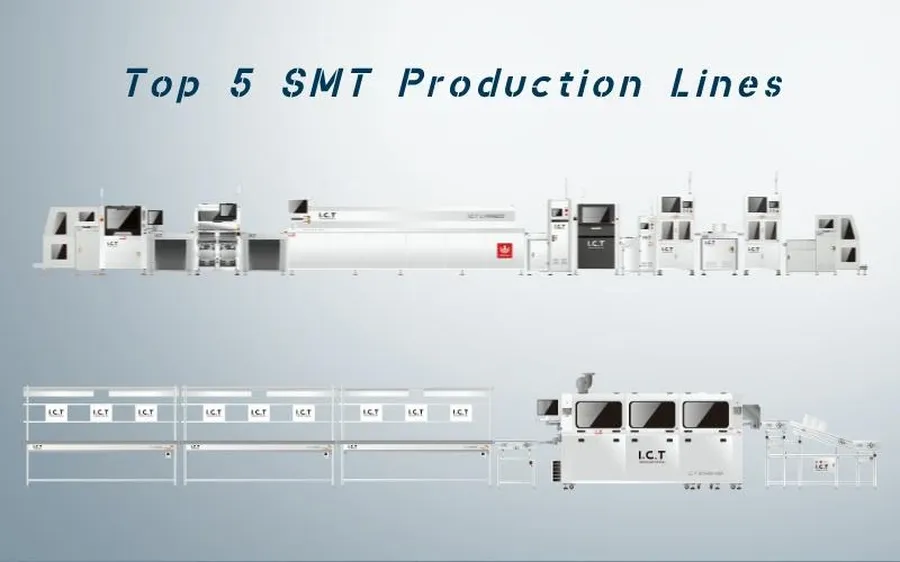
A complete Surface Mount Technology (SMT) line represents a significant investment for PCB assembly, encompassing a series of interconnected machines that work together to efficiently populate circuit boards with surface mount components. Understanding the costs associated with each component of the line is crucial for accurate budgeting and financial planning. The expenses can vary considerably based on the line's capacity, automation level, and the brand of the equipment.
| Equipment Type | Description | Starter Line Cost (USD) | Mid-Range Line Cost (USD) | High-End Line Cost (USD) |
|---|---|---|---|---|
| Screen Printer | Applies solder paste onto the PCB pads. | 5,000 - 15,000 | 15,000 - 40,000 | 40,000 - 100,000+ |
| Pick and Place Machine | Places components accurately on the solder paste. | 10,000 - 30,000 | 30,000 - 150,000 | 150,000 - 500,000+ |
| Reflow Oven | Melts solder paste to create permanent component connections. | 8,000 - 20,000 | 20,000 - 80,000 | 80,000 - 250,000+ |
| Conveyor System | Transports PCBs between stations. | 2,000 - 5,000 | 5,000 - 15,000 | 15,000 - 40,000+ |
| Inspection System (AOI) | Checks for placement, soldering, and other defects. | 5,000 - 15,000 | 15,000 - 50,000 | 50,000 - 200,000+ |
| Miscellaneous Accessories | Includes feeders, nozzles, cleaning equipment, etc. | 2,000 - 5,000 | 5,000 - 10,000 | 10,000 - 30,000+ |
| Total Line Cost | Aggregated cost of all SMT line components. | 32,000 - 90,000 | 85,000 - 355,000 | 305,000 - 1,220,000+ |
It's important to note that these are approximate cost ranges. Starter lines often utilize manual or semi-automatic equipment suitable for small-scale production or prototyping. Mid-range lines incorporate more automated features and offer higher throughput. High-end configurations represent fully automated, high-precision systems designed for mass production with exceptional component placement accuracy. The addition of extra features like advanced vision systems, higher placement speeds, and more sophisticated software can significantly increase the cost of a line.
The price of PCB manufacturing equipment is influenced by a multitude of interconnected factors, extending beyond just the basic functionality of the machine. These factors can dramatically impact the overall investment required for a PCB manufacturing operation. This section delves into these key determinants to help stakeholders understand the landscape of pricing within this industry.
| Factor | Impact on Price | Considerations |
|---|---|---|
| Automation Level | Higher automation, higher price | Evaluate production volume and precision needs. |
| Brand | Established brands, higher price | Balance reputation and budget. |
| Production Capacity | Higher capacity, higher price | Choose equipment to meet current and projected needs. |
| Features | Advanced features, higher price | Select features according to specific production requirements. |
| Condition | Used equipment, lower price | Assess the condition and maintenance costs of used options. |
Making informed decisions about purchasing PCB manufacturing equipment involves balancing these cost factors against long-term objectives. Understanding these nuanced elements ensures a more strategic and cost-effective investment in PCB manufacturing capabilities.
Understanding the costs associated with PCB manufacturing equipment is crucial for effective budgeting and production planning. This section addresses frequently asked questions to provide clarity on pricing and related factors.
Strategic budgeting is crucial when acquiring PCB manufacturing equipment. This involves a comprehensive assessment of current production needs, accurate forecasting of future demands, and a thorough exploration of financing and leasing options to optimize capital expenditure.
Understanding PCB manufacturing equipment prices is a complex but crucial step for anyone looking to start or expand their PCB production capabilities. From basic etching setups ranging from a few thousand dollars to advanced SMT lines costing hundreds of thousands or even millions of dollars, the price range is vast. By carefully evaluating the type of equipment needed, considering factors that influence pricing, and planning your budget wisely, you can navigate the market and acquire the necessary tools to meet your PCB manufacturing requirements effectively and economically. Keeping up-to-date with market trends and available technology is key for successful PCB production and long-term success.

