In today's interconnected world, printed circuit boards (PCBs) are the backbone of countless electronic devices. From smartphones to complex industrial machinery, PCBs enable functionality. PCBWay stands as a popular choice for both PCB fabrication and assembly. But what impacts the PCBWay assembly cost? Whether you are a seasoned engineer or a hobbyist, understanding the cost drivers can save you money and time. This guide will walk you through everything you need to know to get the best PCB assembly cost at PCBWay and answer all the questions you might have.
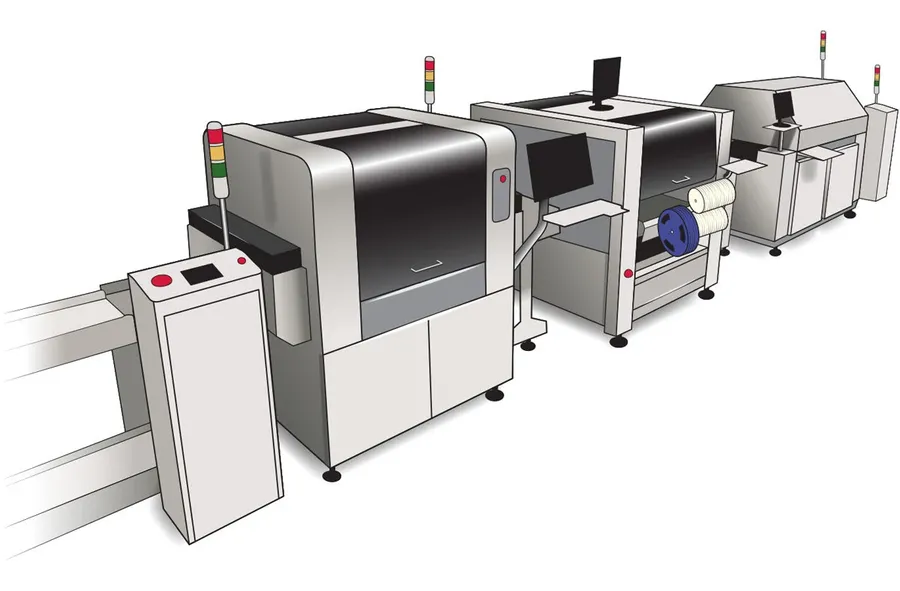
The final cost of PCB assembly at PCBWay is a multifaceted calculation influenced by several key factors. Understanding these elements is crucial for effective budgeting and cost management in your electronics projects. These factors range from the fundamental type of assembly to the intricacies of component sourcing and board complexity.
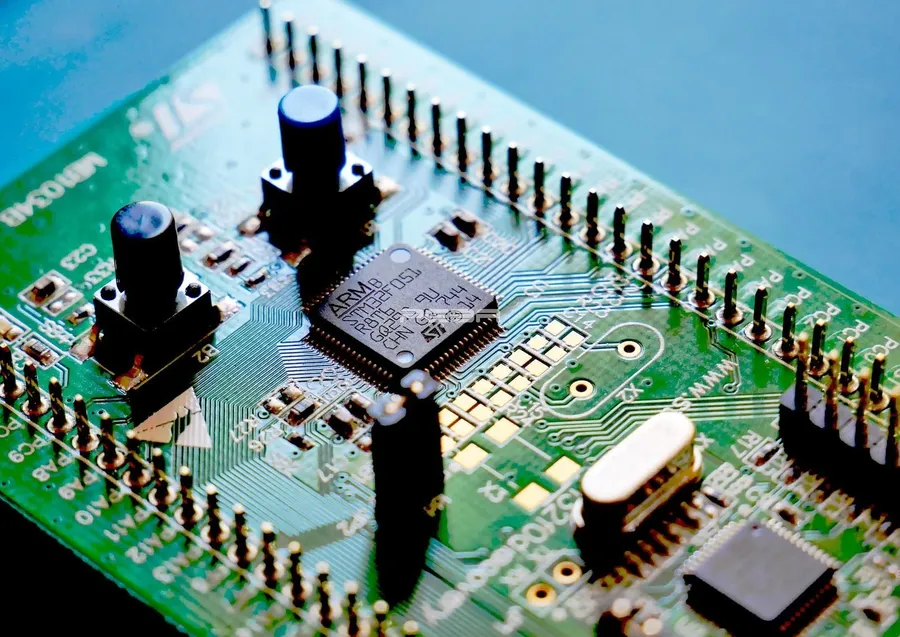
PCBWay's assembly service includes base fees that form the initial cost component, and it's vital to understand how these are structured, as these costs can vary based on several factors, primarily the quantity of boards being assembled and the complexity of the board.
The base assembly fee is typically a fixed cost for each order, regardless of the number of components. It is charged to cover setup costs for the assembly process, including machine programming and stencil preparation. This fee is essentially an overhead cost that PCBWay incurs for every assembly job.
While the base fee may be a fixed cost per order, it can scale based on factors such as the number of boards in each production run, with high volume orders often experiencing lower per-unit base fees, reflecting economies of scale.
| Order Quantity | Base Fee (Example) | Per-Unit Base Fee (Example) |
|---|---|---|
| 1-5 Boards | $50 | $10 - $50 |
| 6-20 Boards | $75 | $3.75 - $12.5 |
| 21-50 Boards | $100 | $2 - $4.76 |
| 50+ Boards | $150 | $3 or less |
It's important to note that the example base fees listed above are for illustrative purposes only and do not reflect real pricing from PCBWay. It is critical to consult their website directly for the most up-to-date and accurate costs. Base assembly fees can also be dependent on current market factors, so it is wise to receive a quote from PCBWay prior to production.

After the cost of PCB fabrication, component sourcing typically represents the most substantial expense in PCB assembly. PCBWay provides various options for component procurement, but it is essential to understand their associated markups to manage costs effectively. Strategic component selection can significantly influence the overall project budget.
| Factor | Impact on Cost | Mitigation Strategies |
|---|---|---|
| Component Type | High cost for specialized or low-volume components. | Choose standard, readily available parts. |
| Sourcing Method | Turnkey assembly has higher costs due to component markup. | Consider consignment assembly with careful planning. |
| Component Availability | Parts shortages increase prices and can delay projects. | Plan and check component availability in advance. Consider using alternative components that are functionally equivalent and readily available. |
| Order Volume | Low-volume orders increase the per-unit cost of components. | Order components in optimal quantities to reduce individual unit costs. |
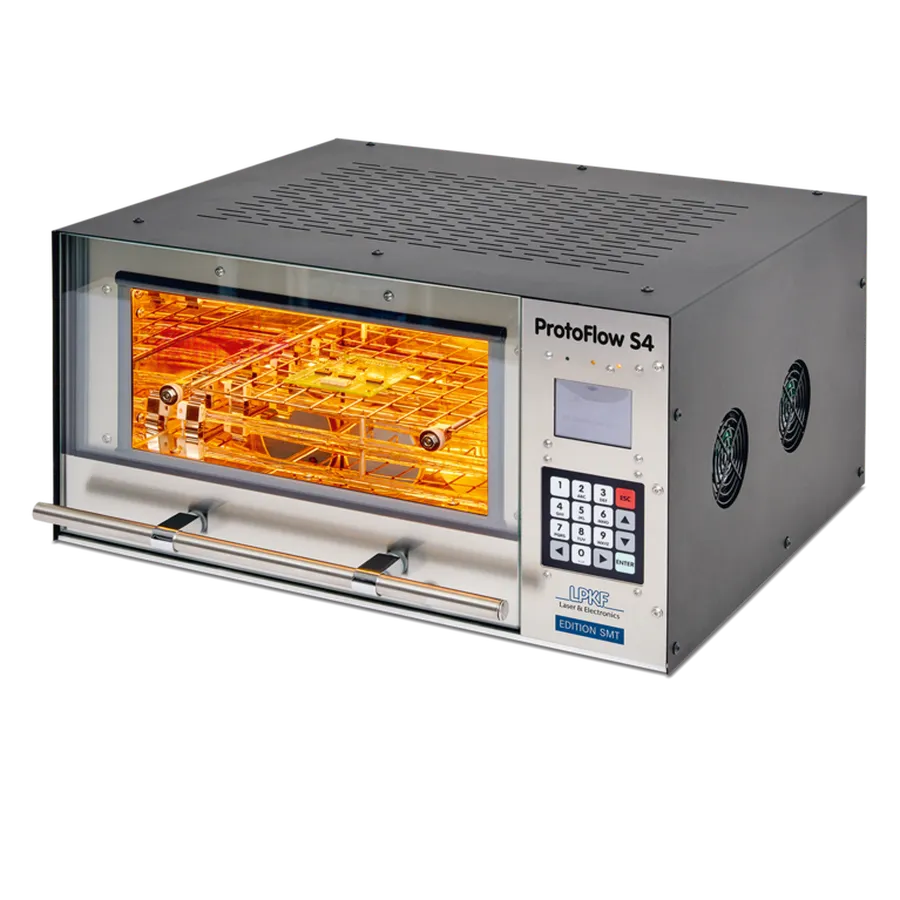
PCBWay provides two primary assembly options: turnkey and consignment. Selecting the appropriate method is essential for balancing budget and project management needs. Understanding the nuances of each approach is crucial for making an informed decision.
| Feature | Turnkey Assembly | Consignment Assembly |
|---|---|---|
| Component Sourcing | PCBWay sources all components | Customer provides all components |
| Cost | Higher due to component sourcing and handling | Lower assembly cost; customer bears component cost |
| Lead Time | Potentially faster overall lead time, all components sourced in one place | Lead time depends on customer providing components on-time |
| Responsibility | PCBWay handles component procurement and inventory management | Customer is responsible for component procurement, quality, on-time delivery, and inventory management |
| Suitability | Ideal for projects needing quick turnaround, large quantities, or where internal component sourcing is a challenge | Ideal for projects with tight budgets, specialized components, and strict control over component selection, lower labor costs |
Turnkey assembly at PCBWay entails them handling all aspects of the assembly process, including parts procurement and assembly. This approach streamlines the production process by having the manufacturer manage the component supply chain. Conversely, consignment assembly involves the customer providing all the necessary components to PCBWay for assembly. The cost benefits of consignment assembly must be balanced against the added workload of acquiring and managing parts on the customer's end. Selection between turnkey and consignment depends on the priorities of the project, balancing cost, speed, and the need for component control.
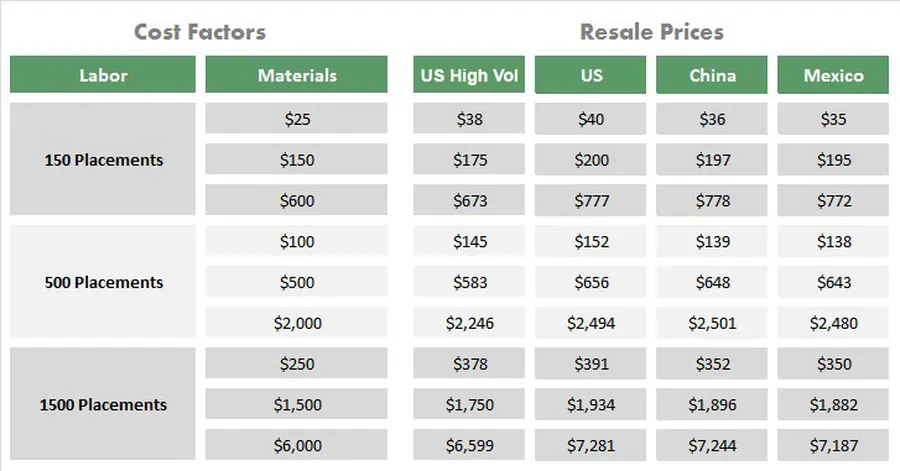
Understanding the intricacies of component costs is crucial for effective budget management in PCB assembly. PCBWay, like other assembly services, calculates these costs based on several factors, including component type, quantity, and sourcing.
| Component Type | Cost Drivers | Cost Variation Factors | Potential Additional Fees |
|---|---|---|---|
| Resistors and Capacitors | Size (e.g., 0603, 0805), Tolerance, Quantity | Standard vs. Precision, Brand, Availability | Markup for Non-standard Values or Tolerances |
| Integrated Circuits (ICs) | Complexity, Package Type (e.g., SOIC, QFP, BGA), Functionality | Market demand, Lead Time, Availability | Programming or Testing Fees, Special Handling |
| Diodes and Transistors | Power Rating, Voltage, Current, Package Type | Specific part availability, Lead time | Markup for Non-standard specifications |
| Connectors and Headers | Pin Count, Type (e.g., SMT, Through-hole), Material | Availability of Specific connectors, Plating Material | Markup for unusual connectors |
| Specialty Components (e.g., sensors) | Specific function, integration complexity | Market availability, lead time | Markup for niche components |
Beyond the component cost itself, PCBWay may apply additional charges. These can include a markup on the purchased components, handling fees, and potentially extra fees for specialized components. Furthermore, components with specific requirements, like precise tolerance or high power ratings, may have an increased cost due to sourcing challenges or the necessity for specialized testing and handling. It's essential to note that components that are sourced and stocked at PCBWay will be generally more cost-effective than components that need to be specifically sourced and purchased for a low quantity order.

The complexity of a PCB design exerts a considerable influence on the final assembly cost at PCBWay. Factors such as the number of layers, component density, and the utilization of specialized materials all contribute to variations in cost. Complex designs may necessitate more sophisticated assembly processes, potentially increasing component sourcing expenses due to difficulty in obtaining certain components. This section details how these design parameters affect the overall assembly cost.
| Complexity Factor | Impact on Assembly Cost | Additional Considerations |
|---|---|---|
| Number of Layers | Increased cost due to more complex fabrication and assembly processes. | Multi-layer boards require more precise alignment and handling. |
| Component Density | Higher density leads to increased placement complexity and potential need for specialized equipment. | Fine-pitch components increase placement difficulty. |
| Specialized Materials | Specialized materials such as High-Tg or Rogers materials, may have higher material costs and require specific assembly processes, increasing cost. | Availability of these materials can affect lead time. |
| Fine Pitch Components | Components with fine pitch lead to the need for more complex assembly processes and increase the chance for rework. | Component cost may be increased due to difficulty in sourcing. |
| Board Size | Larger board sizes can increase the cost of fabrication and the assembly processes. | Larger boards may require custom reflow oven pallets. |
In summary, designers should weigh the benefits of a complex PCB design against the increased assembly costs. Simplifying the design where possible, optimizing for standard components, and choosing readily available materials can lead to significant savings.
Understanding the costs associated with PCB assembly at PCBWay can be complex. This section addresses common questions to provide clarity and help you make informed decisions.
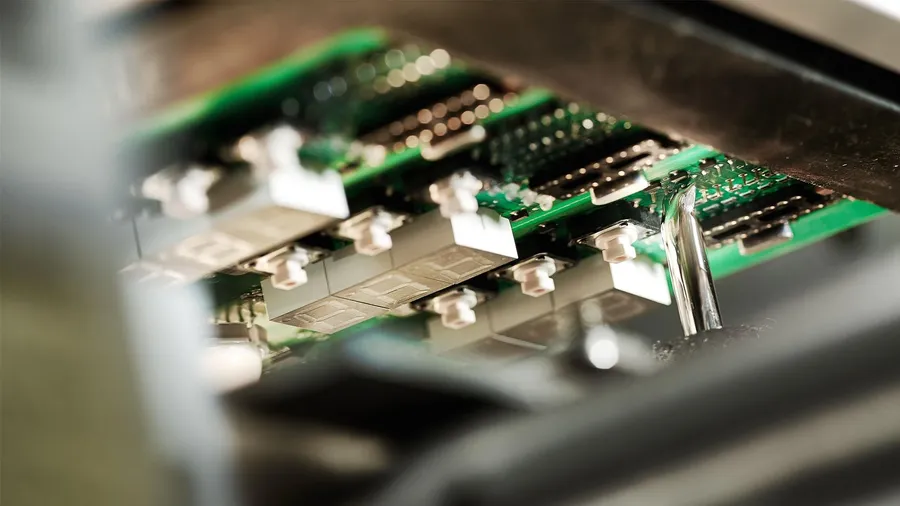
Reducing PCB assembly costs at PCBWay requires a strategic approach, focusing on design optimization, component selection, and efficient ordering practices. Implementing these tips can lead to significant savings without compromising the quality and functionality of your electronic product.
When selecting a PCB assembly service, a thorough cost-benefit analysis is essential, extending beyond just the unit price. This section compares PCBWay with key competitors like JLCPCB, focusing on pricing, lead time, and quality, to aid in making a well-informed decision.
| Feature | PCBWay | JLCPCB | Other Potential Competitors |
|---|---|---|---|
| Assembly Pricing (Small Batch) | Competitive, varies with complexity and components | Often lower for standard components, higher for specialty | Varies widely, requires individual quotes |
| Assembly Pricing (Large Batch) | Negotiable for volume orders, potential discounts available | Volume discounts often less aggressive than others | Significant bulk discounts available from several |
| Lead Time (Assembly) | Standard lead time can vary, expedited services available for a premium | Generally fast, but can vary with complexity | Highly variable; depends on location and load |
| Component Sourcing | Extensive library, potential for markups | Good selection, but sourcing constraints on uncommon components | Some have strong partnerships and can source at lower cost |
| Assembly Quality | Generally good, reports of occasional issues that are often resolved | Generally good, but may vary | Quality often depends on the individual assembly house |
| Turnkey Options | Available, streamlining the assembly process | Available, but may have limited component options | Varies; some offer full turnkey and some consignment |
| Consignment Options | Available for cost savings | Available, requires meticulous preparation of parts | Available, terms and procedures vary greatly |
| Customer Service | Responsive, but there are reports of varying issue resolution times | Strong reputation for customer support | Variable customer support, can be a differentiator |
The above table provides a comparative overview, however, each project has different specific needs. It is paramount that one understands their requirements before making a choice. PCBWay offers a reliable service, and while they are more costly than JLCPCB, it is important to balance the total cost with quality and responsiveness.
Understanding PCBWay assembly cost involves navigating various interconnected factors, from the base assembly fees to component sourcing and design complexity. By carefully considering all these elements, you can optimize your budget and achieve cost-effective, high-quality PCB assembly with PCBWay. Keep in mind that pcbway assembly costs are variable based on the components, quantities, and time required. Always get a quote first before making a decision. With detailed understanding of these drivers, you can make the best decisions for your project’s budget and goals.

