Decoding PCBWay Cost: A Comprehensive Guide to Pricing & Optimization
2025.01.05
In today's world, electronic circuits are the lifeblood of countless innovations. PCBWay has emerged as a crucial player in facilitating the manufacturing of these essential components, but understanding their cost structure is often a confusing process. This guide dives deep into the factors influencing PCBWay cost, from material selection and fabrication complexity to assembly options, providing you with a comprehensive breakdown to optimize your project's budget and ensure a high quality product at a cost that makes sense. This analysis helps bridge the gap between cutting-edge technology and financial feasibility, so you can get your next project off the ground.
Key Factors Influencing PCBWay Cost
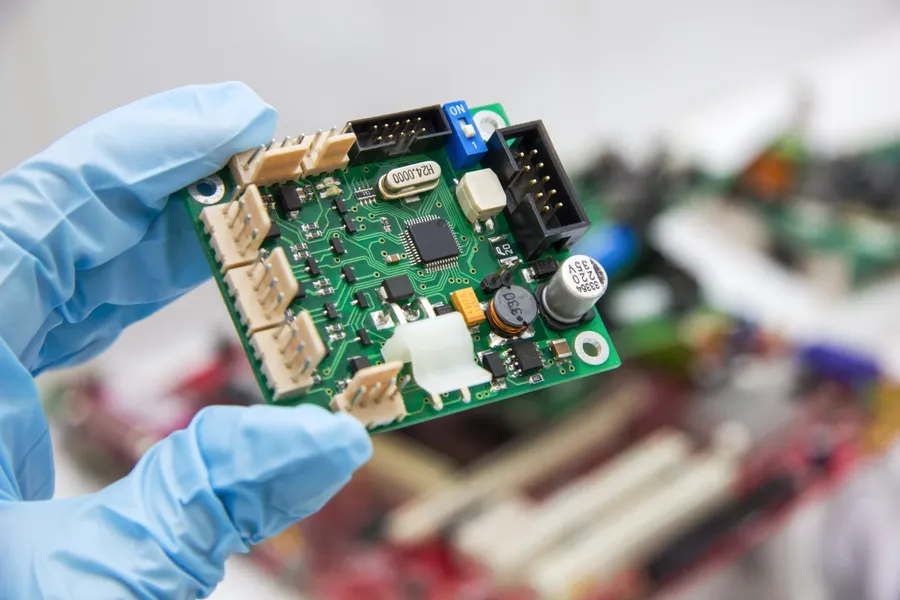
Multi-layer PCB
Understanding the primary drivers behind PCBWay's pricing model is crucial for optimizing costs. The expenses associated with PCB fabrication and assembly are largely determined by a combination of design specifications, material choices, and manufacturing complexity. This section will explore these key influencing factors in detail.
Board Dimensions The overall size of your PCB directly correlates with material usage and processing time, thus impacting cost. Larger boards consume more raw materials and require more processing effort, resulting in higher expenses.
Layer Count The number of conductive layers within your PCB significantly affects its cost. Multi-layer boards, offering increased routing flexibility and complexity, require more manufacturing steps and materials, leading to higher prices. For example, a 4-layer board is more expensive than a 2-layer board, and so on.
Material Choices The base material used for your PCB is a key factor in pricing. Standard FR-4 is cost-effective for most applications, whereas materials like aluminum, Rogers, or polyimide, which provide enhanced thermal or electrical characteristics, will increase the overall cost. Selection of the appropriate material according to your application is critical.
Surface Finish The surface finish applied to your PCB, such as HASL (Hot Air Solder Leveling), ENIG (Electroless Nickel Immersion Gold), or OSP (Organic Solderability Preservative), impacts both the performance and the cost of the board. While ENIG offers better solderability and corrosion resistance, it is more expensive than HASL. The selected finish should match your specific application needs and budget.
Via Types and Density The type of vias (e.g., through-hole, blind, buried) and their density affect manufacturing complexity and costs. Blind and buried vias, which connect non-adjacent layers, are more costly due to increased manufacturing steps.
Solder Mask and Silkscreen While often considered minor details, the type and color of solder mask and silkscreen can contribute to cost. Standard options are typically more affordable, while custom colors or specific inks may add to expenses.
Minimum Trace and Spacing Widths Demanding minimum trace and spacing widths for higher circuit density necessitate higher precision in the fabrication process, and thus may increase costs.
Understanding PCB Prototype Pricing at PCBWay
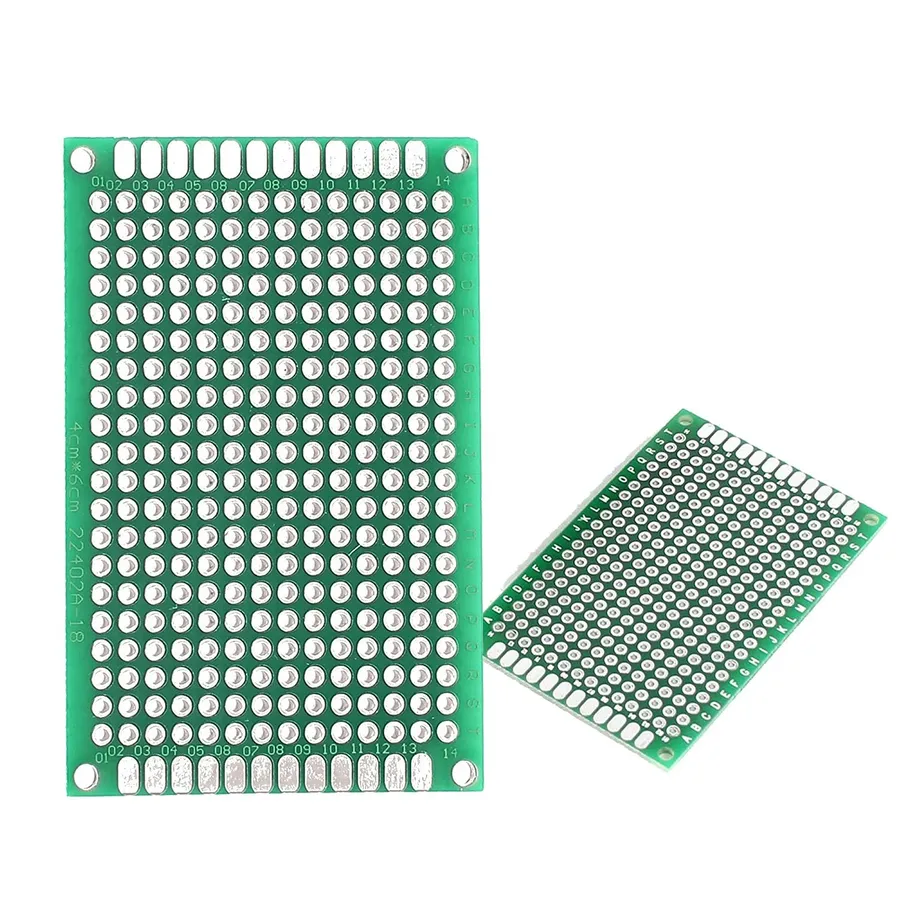
PCB Prototypes
PCBWay's prototype pricing structure is designed to be accessible for initial design iterations, but understanding its nuances is crucial to accurately estimate project costs. While they often advertise a 'starts at' price, this figure typically represents the base cost for the simplest configurations and lowest quantities. The final cost is highly dependent on various factors that escalate the price beyond the initial base quote.
The 'starts at' price is generally for a single or very small quantity of a standard double-layer board with basic specifications such as a small size, standard thickness, and basic surface finish, without any advanced or custom features. Therefore, it is crucial to not assume this price will apply to your specific board requirements, especially if your design incorporates more complex features.
PCBWay's pricing model scales with quantity and complexity. As the number of PCBs ordered increases, the per-unit cost generally decreases, but it’s not always linear. For prototypes, the initial small quantity runs are significantly more expensive per board due to setup costs, which are amortized over larger production runs. The pricing of prototypes will be affected by the following factors:
Quantity: The most significant factor affecting the price of PCBs is the quantity ordered. Prototype runs typically include from one to a few boards, and the unit cost is considerably higher than for larger production runs. The price per board will be significantly higher at lower volumes than at higher volumes.
Board dimensions: Larger boards naturally require more material and processing time, therefore increasing the price. This is one of the key factors that push the price up.
Layer Count: The number of copper layers is a major driver for cost. Simple prototypes will be 1 or 2 layers but multilayer boards such as 4 or 6 layers are more expensive to manufacture.
Material type: Standard FR-4 is usually the most cost-effective choice, but specialized materials like aluminum or high-frequency laminates will increase the final price.
Surface finish: Different surface finish options such as HASL, ENIG, and Immersion Tin will have a different cost impact on the final price. ENIG is the most expensive finish, while HASL is the least expensive.
Copper weight: Standard copper thickness is generally the lowest cost, while increasing the copper weight can increase the price.
Solder mask and silkscreen: A basic solder mask and silkscreen color is included in the price, while other custom colors will increase the cost.
Custom features: Advanced custom features such as blind vias, buried vias, impedance control, and custom shapes will also significantly increase the cost.
To obtain an accurate price for your prototype, always use PCBWay's online quote calculator, being sure to accurately specify the board dimensions, layer count, material, surface finish, and any other custom requirements for your design.
PCB Assembly Cost Analysis at PCBWay
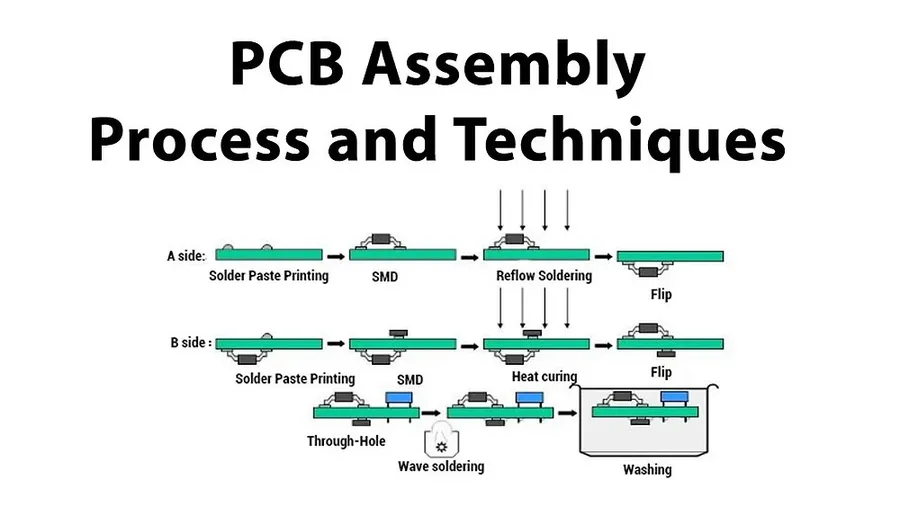
PCB assembly
PCB assembly costs at PCBWay are multifaceted, encompassing surface mount technology (SMT) processes, component procurement, and tooling. Understanding these elements is crucial for accurately budgeting your project, as prices can vary significantly between prototype runs and mass production.
PCBWay's assembly pricing model differentiates between prototype and large-scale production, reflecting variations in setup and labor costs. Component costs, largely dependent on the type, quantity, and availability, also have a significant impact. Complex components such as microcontrollers or specialized ICs will increase costs considerably compared to basic resistors or capacitors.
Cost Factor
Description
Impact on Price
SMT Assembly
Cost of placing components using SMT technology
Major influence; varies based on number of components and complexity
Component Sourcing
Cost of obtaining electronic components from suppliers
Highly variable; depends on component type, availability, and quantity
Tooling Fees
Costs associated with setting up the SMT assembly line and creating stencils
Typically higher for prototypes and lower for mass production
Prototype vs. Mass Production
Cost differences between small and large quantity orders
Prototypes have higher per-unit costs; mass production provides economies of scale
Component Type and Complexity
The type of components (e.g., basic vs. complex ICs) and the intricacies of assembly
Directly proportional; more complex and specialized components result in higher costs
Comparing PCBWay with Competitors: A Pricing Showdown
Various PCB manufacturers
A critical aspect of PCB manufacturing involves evaluating different vendors. This section provides a comparative analysis of PCBWay's pricing against a prominent competitor, JLCPCB, focusing on cost, lead times, and quality. This comparison aims to equip readers with the information necessary to make informed decisions based on project-specific requirements.
Feature
PCBWay
JLCPCB
Notes
Prototype PCB Cost (5-10 boards)
Moderate
Generally Lower
Pricing can vary slightly based on board complexity and materials. JLCPCB tends to have a lower base price for standard specs.
Standard Lead Time (Prototype)
2-5 days
3-7 days
Lead times can fluctuate based on order volume and specifics of the manufacturing process. PCBWay is generally known for slightly faster turnaround
Standard Lead Time (Assembly)
5-10 days
7-12 days
Lead time is subject to change based on parts availability and order complexity. PCBWay may have slightly quicker assembly times
Board Complexity Handling
Good
Good
Both manufacturers are capable of handling complex PCBs, including multi-layer boards, although more intricate designs may incur additional costs.
Material Choices
Extensive
Moderate
PCBWay typically provides a broader selection of materials and surface finishes compared to JLCPCB.
Component Sourcing
Varied
Standard
PCBWay offers more flexibility in component sourcing, which can affect the overall assembly cost.
Shipping Cost
Variable
Variable
Shipping costs depend heavily on the delivery location, selected shipping method and package weight.
Quality
Generally High
Generally High
Both manufacturers offer comparable quality, but reviews may vary by specific board and batch.
It's crucial to note that cost-effectiveness depends on your specific project needs. For instance, if cost is your primary concern, JLCPCB often offers a lower entry point for basic PCBs. However, PCBWay might be preferable if you require more material options or have tighter delivery constraints, and the overall project budget is able to absorb the difference. Therefore, consider all facets of your project requirements before deciding on a manufacturer.
Tips for Minimizing Your PCBWay Cost
PCB panel
Reducing PCBWay costs involves strategic decisions during the design and component selection phases. By focusing on optimizing board size, minimizing complexity, selecting cost-effective materials, and employing efficient component placement, significant savings can be achieved without compromising functionality. This section offers actionable insights to help you navigate these crucial cost-saving measures.
Optimize Board Size Reducing the board's dimensions directly lowers material costs. If possible, design your PCB to be as compact as necessary for its intended functionality. Unnecessary board area adds to material expenses and is often avoidable.
Minimize Layer Count Layer count significantly affects the cost of PCB fabrication. Opt for the minimum number of layers that meet the electrical requirements of your design. A single- or double-layer PCB is considerably cheaper than a multi-layer board.
Avoid Unnecessary Features Every additional feature adds complexity and cost. Remove non-essential features such as excessive silkscreen markings, unnecessary vias, or overly complex routing. Keep the design as simple as possible while still meeting its functional purpose.
Choose Cost-Effective Materials Standard FR-4 is a cost-effective material for most applications. Unless there's a clear need for specific material properties, avoid expensive alternatives. Evaluate and select the material based on your specific requirements and cost constraints.
Optimize Component Selection Consider the cost of components as well. Opt for standard, readily available components that are cost-effective for your functionality. Avoid special or hard-to-source parts that increase both cost and lead times. It is better to select the commonly used components rather than choosing rarely used ones, which can improve the efficiency of PCB assembly.
Efficient Component Placement Arrange components with assembly in mind. Proper placement can streamline the assembly process and reduce labor costs. Aim for clear component spacing for easy assembly, which also reduces the error rate. In short, good component placement will reduce the overall costs for fabrication.
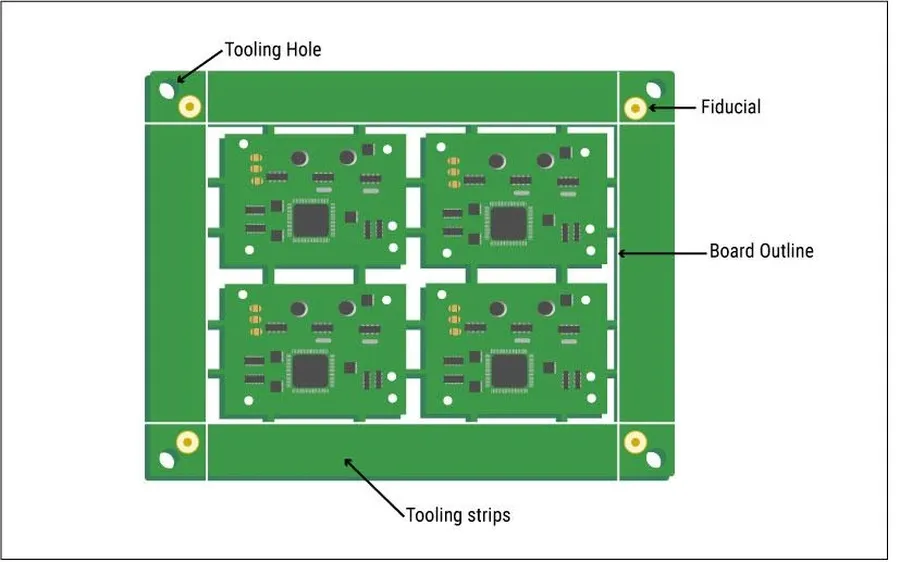
Panelization for Multiple PCBs If you're manufacturing multiple copies of the same board, consider panelizing them into a larger panel. This can reduce costs associated with board setup and handling. The production cost is reduced by panelization for several PCBs at the same time. Please note that you need to pay attention to the PCB layout when designing the panel.
PCBWay CNC Machining Costs: A Closer Look
CNC Enclosure
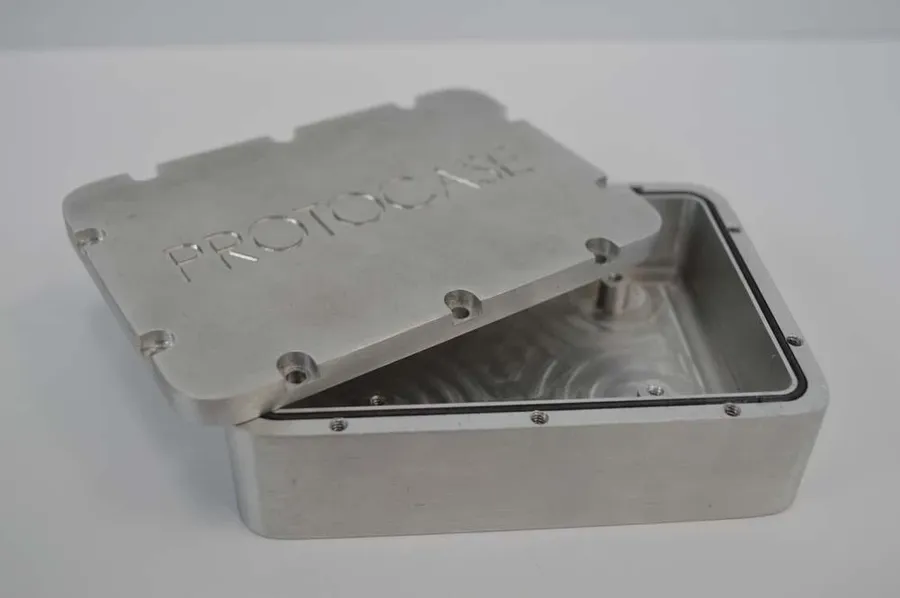
PCBWay's CNC machining services offer a versatile solution for creating custom enclosures, panels, and other mechanical parts complementing your PCBs, however, the costs are influenced by several key factors, primarily material selection and design complexity.
Unlike PCB fabrication, where costs are largely driven by board size and layer count, CNC machining costs are more sensitive to the volume of material removed, the type of material being machined, and the precision required.
Cost Factor
Description
Impact on Cost
Material Choice
Different materials (e.g., aluminum, acrylic, ABS, POM) vary significantly in cost and machinability.
Higher-cost materials, such as specific grades of aluminum, will increase costs, as will materials with higher hardness that are more difficult to machine.
Design Complexity
Intricate designs with features such as complex curves, tight tolerances, or numerous machining operations result in increased machining time and potentially require more specialized tooling.
More complex designs will require more machining time, therefore increasing overall cost.
Part Size
Larger parts require more raw material and more machining time to remove the excess material.
Larger parts will inevitably cost more due to increased material and machining time.
Quantity
The number of parts ordered affects the cost per unit, with larger quantities generally resulting in reduced unit costs due to economies of scale.
Larger batches typically offer a lower cost per unit.
Surface Finish
Specific surface finish requirements such as polishing or anodizing affect the production time and cost.
More demanding surface finishes require additional processing steps which increase costs.
PCBWay Shipping Costs and Delivery Times
PCBWay's shipping costs are a crucial element in the total project budget and timeline, influenced by several factors including shipping method, destination, and package weight. Understanding these factors allows for informed decisions on how to manage both costs and delivery schedules effectively.
PCBWay offers a range of shipping options, each with varying costs and delivery times:
Express Shipping Typically handled by carriers like DHL, FedEx, or UPS, express shipping is the fastest option, often delivering within 3-7 business days. However, it is the most expensive choice. This is suitable when time is of the essence.
Standard Shipping A more economical option, using postal services or other carriers, that provides delivery within 7-15 business days. This is a balance between speed and cost.
Economy Shipping This is the most cost-effective but slowest shipping option, usually taking 15-30 business days for delivery. This is suitable for projects that aren't time-sensitive.
Shipping costs are calculated based on several key parameters:
Weight The total weight of the package significantly impacts the cost, with heavier packages costing more to ship.
Dimensions The size of the package affects the shipping cost; larger packages may incur additional fees due to volume.
Destination Shipping costs vary based on the destination; international shipping is generally more expensive due to customs and handling.
Shipping Option As mentioned above, express shipping will cost significantly more than standard or economy options.
To optimize shipping costs and delivery times:
Plan Ahead Start ordering or production in advance when possible to allow for the use of cheaper shipping options.
Combine Orders If you have multiple projects, consider combining them into a single order to reduce overall shipping costs.
Optimize Packaging Ensure your products are well-packaged, but not unnecessarily bulky, to minimize package size and weight.
Track Your Order Use the tracking number provided by PCBWay to monitor your shipment's progress and address any issues proactively.
Frequently Asked Questions About PCBWay Costs
Understanding the costs associated with PCB fabrication and assembly at PCBWay can be complex. This section addresses common questions to provide clarity and actionable insights into PCBWay's pricing structure.
How much does a PCB cost at PCBWay? The cost of a PCB at PCBWay is not fixed and depends on several factors, including the board's dimensions, the number of layers, the materials used (such as FR-4 or aluminum), and the surface finish required. Smaller, simpler PCBs with fewer layers will generally cost less, while larger, more complex PCBs with multiple layers and specialized materials will cost more. It is best to use PCBWay's online quote system to get a precise estimate for your specific design.
How can I estimate PCB assembly costs at PCBWay? Estimating PCB assembly costs involves considering the complexity of the assembly, the number of components, component types (surface mount or through-hole), component sourcing, and whether you are ordering a prototype or a larger batch. PCBWay's online quote tool will allow you to upload a BOM (Bill of Materials) to get a specific price. The assembly cost generally includes labor, component placement, and tooling costs. Prototypes usually have a higher per-unit cost due to setup fees.
What is the impact of board complexity on PCBWay costs? Board complexity is a significant cost driver. Higher layer counts, smaller trace widths, finer pitch components and vias, and complex geometries all require more precision and time to fabricate and assemble, directly increasing costs. The more complex your design, the higher the labor, materials, and specialized equipment costs.
How can I reduce my PCBWay costs? To minimize PCBWay costs, optimize your board design. Use the minimum board size necessary, and avoid unnecessary features. Choose standard, readily available materials like FR-4. Use larger component packages where possible and reduce the number of unique components. Place components efficiently to reduce assembly time. Consider panelizing your boards to reduce per-unit cost when ordering multiple boards and use the online quote tools.
What are the key differences in pricing between prototype and large-scale PCB orders at PCBWay? Prototype PCB orders typically have higher per-unit costs compared to large-scale orders. This is mainly because of the setup costs associated with small batches. When production increases, these fixed costs are spread over a larger number of units, reducing the cost per board significantly. Also, large-scale orders may have volume discounts available. Assembly costs also benefit from economies of scale.
Does PCBWay offer cost calculators? Yes, PCBWay provides an online quote tool that acts as a cost calculator. You can upload your design files (Gerber files) and BOM to get an immediate quote. You can specify parameters such as board dimensions, layer count, material, and assembly requirements. This tool gives you the most accurate cost estimation and allows you to evaluate design options and their cost tradeoffs.
How do shipping costs affect the final PCBWay costs? Shipping costs significantly impact the final price of your PCB order. PCBWay offers different shipping options, including express and economy shipping. Express shipping is faster but more expensive, while economy shipping is more affordable but takes longer. The shipping method you choose should be based on your project timeline and budget, as it can significantly affect the total cost and delivery schedule. Consider that delays in shipping can also affect your final project cost if you have project timelines.
Understanding PCBWay cost is crucial for managing electronic project expenses effectively. By carefully considering all factors such as material choices, component sourcing, shipping methods, and leveraging cost-saving strategies, users can successfully navigate PCBWay's pricing model. While PCBWay offers competitive rates, it's essential to conduct a thorough analysis, compare it with other manufacturers like JLCPCB, and focus on value as well as cost. Armed with this knowledge, you can confidently control your PCB project budgets and bring your designs to life, taking advantage of PCBWay's capabilities while keeping costs manageable.