In today's technology-driven world, printed circuit assemblies (PCAs) are the backbone of countless electronic devices. The printed circuit assembly price directly impacts product cost and profitability, making cost optimization crucial. This guide explores the intricacies of PCA pricing, offering insights into cost drivers and effective strategies for managing your budget. Understanding the nuances of PCB assembly is crucial for both hobbyists and large manufacturers.
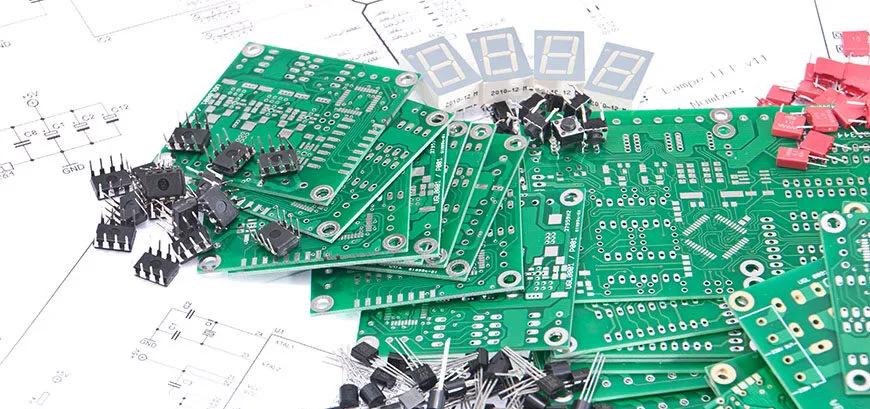
The price of a printed circuit assembly (PCA), also known as a printed circuit board assembly (PCBA), is determined by a confluence of factors. Material costs, design complexity, and labor expenses are primary drivers, but manufacturing processes, turnaround time, and order quantity also significantly influence the final price. Understanding these key factors is crucial for accurate cost estimation and effective budget management when procuring PCBAs.
| Factor | Description | Impact on Price |
|---|---|---|
| Material Costs | Cost of PCB substrate, components (resistors, capacitors, ICs), and surface finishes. | Directly proportional. Higher grade materials and specialized components increase the price. |
| Design Complexity | Number of layers, component density, use of vias, fine-pitch components, and specialized features. | Positive correlation. More complex designs require advanced manufacturing techniques, resulting in higher costs. |
| Labor Costs | Expenses associated with assembly processes, including manual labor and automated equipment operation. | Variable. Influenced by location of production and the level of automation. |
| Manufacturing Processes | Selection of SMT, through-hole assembly, wave soldering, reflow soldering, etc. | Process selection and setup contribute significantly to the overall cost. |
| Turnaround Time | Lead time requirements (e.g., standard vs. expedited). | Inverse relationship. Faster turnarounds require prioritization and usually incur higher charges. |
| Quantity | Number of PCBA units ordered. | Inverse relationship. High-volume orders benefit from economies of scale, reducing the per-unit price. |
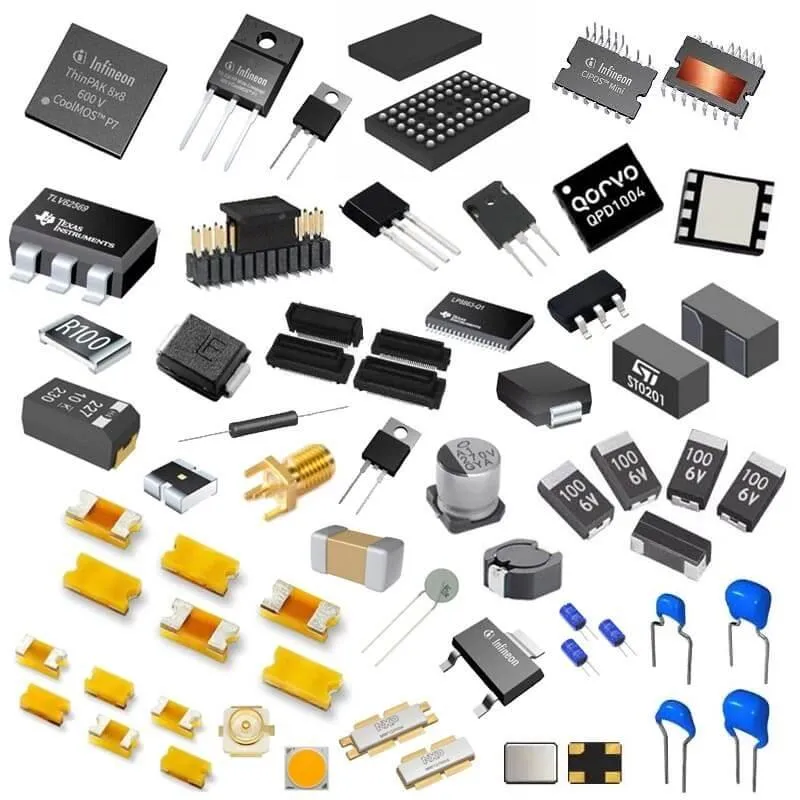
The selection of materials for Printed Circuit Board Assembly (PCBA) is a critical factor that significantly influences the final price. Material costs encompass the PCB substrate, electronic components, and surface finishes. Each choice has a direct bearing on the manufacturing process and, consequently, the overall expense. Optimizing material selection is crucial for achieving cost-effective PCBA without compromising quality or performance.
| Material Category | Material Options | Cost Impact | Considerations |
|---|---|---|---|
| PCB Substrate | FR-4, Aluminum, Flexible materials (e.g., polyimide) | FR-4 is cost-effective, aluminum adds to cost, flexible materials are premium | Application environment, thermal requirements, flexibility needs |
| Electronic Components | Standard passives (resistors, capacitors), ICs, connectors, specialized parts | Standard parts are lower cost, ICs and specialized parts contribute significantly to cost | Functionality, availability, lifecycle management |
| Surface Finishes | HASL (Hot Air Solder Leveling), ENIG (Electroless Nickel Immersion Gold), Immersion Tin/Silver | HASL is generally the least expensive, ENIG provides better solderability but is more costly, Immersion Tin/Silver are mid-range | Environmental exposure, solderability, shelf life |
For example, FR-4 is the most common and affordable substrate, suitable for many standard applications. However, for high-frequency or high-temperature applications, materials like Rogers or ceramic may be necessary, significantly increasing material costs. Similarly, the choice between standard passives and specialized integrated circuits will affect the budget dramatically. The final material costs will also be greatly influenced by market forces, including raw material availability, supply chain issues, and the cost of manufacturing processes.

The design complexity of a Printed Circuit Board Assembly (PCBA) is a pivotal factor influencing its final cost. Intricate designs necessitate more sophisticated manufacturing processes, precise component placement, and potentially specialized equipment, all of which contribute to increased expenses. Understanding these complexities is essential for effective cost management.
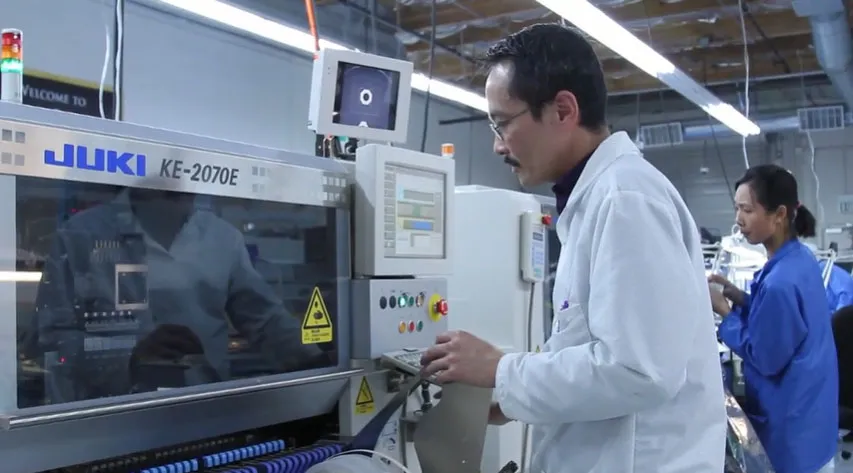
Labor costs are a significant component of the overall printed circuit assembly (PCBA) price, influenced by the level of automation and the geographical location of the assembly facility. The balance between manual labor and automation directly affects production efficiency and cost.
The impact of labor costs on PCBA pricing is multifaceted, encompassing not just wages but also the expertise required for complex assembly tasks. Regions with lower labor costs may offer more competitive prices, but this advantage must be weighed against factors like potential differences in quality and technological capabilities. This section delves into these nuances to provide a clearer understanding of how labor costs shape PCBA pricing.
| Factor | Manual Assembly | Automated Assembly |
|---|---|---|
| Initial Investment | Lower | Higher |
| Labor Costs | Higher | Lower per unit |
| Production Speed | Slower | Faster |
| Accuracy | Subject to human error | Higher precision |
| Flexibility | Higher flexibility for complex designs | Limited flexibility |
| Scalability | Less scalable | Highly scalable |
The geographic location of the assembly facility plays a pivotal role due to varying labor rates and standards. Regions with lower labor costs might reduce PCBA prices, but this should be balanced against potential drawbacks in quality control, turnaround times, and the availability of skilled personnel. Conversely, regions with higher labor costs may provide higher quality and a faster turnaround, however this can result in a greater overall expense.
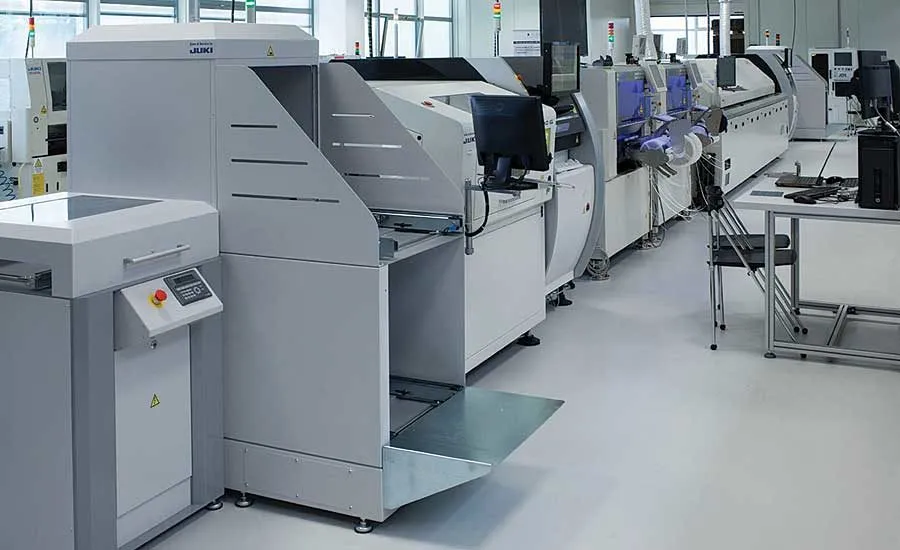
The selection of manufacturing processes significantly impacts the final printed circuit assembly (PCA) price. Different techniques, such as Surface Mount Technology (SMT) and Through-Hole Technology (THT), each with unique cost structures, are employed depending on design requirements and component types. Understanding these differences is crucial for cost-effective PCA production.
| Manufacturing Process | Description | Cost Implications | Suitable Applications |
|---|---|---|---|
| Surface Mount Technology (SMT) | Components are mounted directly onto the surface of the PCB. Automated processes are typically employed. | Generally lower labor costs due to automation, but requires more precise equipment and higher initial setup costs. Suitable for smaller, high-density boards. | High-volume production, small components, surface mount devices (SMDs) |
| Through-Hole Technology (THT) | Components have leads that are inserted into holes on the PCB and soldered on the opposite side. Often requires manual labor for insertion and soldering. | Higher labor costs due to manual processes but more robust connections. Suitable for larger, heavier components or components with high mechanical stress. | Larger components, connectors, components requiring high mechanical strength |
| Mixed Assembly (SMT and THT) | Combines both SMT and THT on the same PCB to leverage the benefits of each. | Moderate to high cost due to additional steps. Offers flexibility but requires skilled technicians. | Boards with a mix of small SMDs and larger THT components |
The choice between SMT and THT, or a combination, is not merely a technical decision but a significant cost driver. Factors such as the complexity of the design, the types of components used, and the required production volume dictate the most appropriate process and associated costs.
Expedited manufacturing and assembly timelines significantly influence the final printed circuit assembly (PCBA) price. The urgency of a project directly correlates with increased costs, as manufacturers must often prioritize these orders, disrupting standard production schedules and potentially incurring additional expenses. Understanding this relationship is crucial for effective cost management.
The impact of turnaround time on PCBA pricing stems from several factors. Shorter lead times may require manufacturers to allocate resources away from other projects, leading to overtime pay for staff and potentially higher costs for expedited shipping of components and raw materials. Additionally, rush orders typically involve higher per-unit costs due to the disruption of planned production flow and the need for quick response from all departments involved.
Conversely, allowing ample time for PCB assembly can lead to cost savings. Manufacturers can optimize their production schedules, procure materials more efficiently, and avoid premium prices for expedited services. This approach also reduces the likelihood of errors due to rushed processes, potentially saving on rework costs. Therefore, the trade-off between turnaround time and assembly cost should always be considered.
| Turnaround Time | Impact on Price | Potential Trade-offs |
|---|---|---|
| Standard Lead Time | Lower Cost | Longer wait times |
| Expedited Lead Time | Higher Cost | Faster delivery, but increased risk of errors and rework. |
| Same-Day or Next-Day Rush | Significantly Higher Cost | Extremely rapid delivery, but can lead to significant costs and very low flexibility for design changes. |
The quantity of printed circuit assemblies (PCBs) ordered directly influences the per-unit cost due to economies of scale. Larger production runs typically result in lower individual prices, a principle rooted in the distribution of fixed costs across a greater number of units.
This effect is not merely a linear reduction. Instead, the cost reduction curve tends to flatten out at higher production volumes. Initial price drops per unit are most significant when moving from prototype to low-volume production. As quantities continue to increase, the rate of price reduction decreases as well, due to diminishing returns.
| Production Quantity | Per-Unit Price Trend | Cost Drivers |
|---|---|---|
| Prototype (1-10 units) | Highest | Setup costs, manual processes |
| Low-Volume (10-100 units) | High | Some automation, component setup |
| Medium-Volume (100-1000 units) | Medium | Increased automation, bulk component purchasing |
| High-Volume (1000+ units) | Lowest | Maximized automation, volume discounts |
Several factors contribute to this phenomenon. With larger orders, manufacturers can optimize their production lines and reduce setup times. Bulk purchasing of components often yields significant cost savings which are then passed on to the customer. Further, automation is more cost effective with higher quantities, minimizing the labor costs per unit. However, warehousing, potential obsolescence of components, and risk of design changes are factors that a manufacturer must consider when quoting for larger quantities.
Understanding the costs associated with printed circuit assembly (PCA) can be complex, as numerous factors influence the final price. This section addresses common questions to provide clarity on PCA pricing.
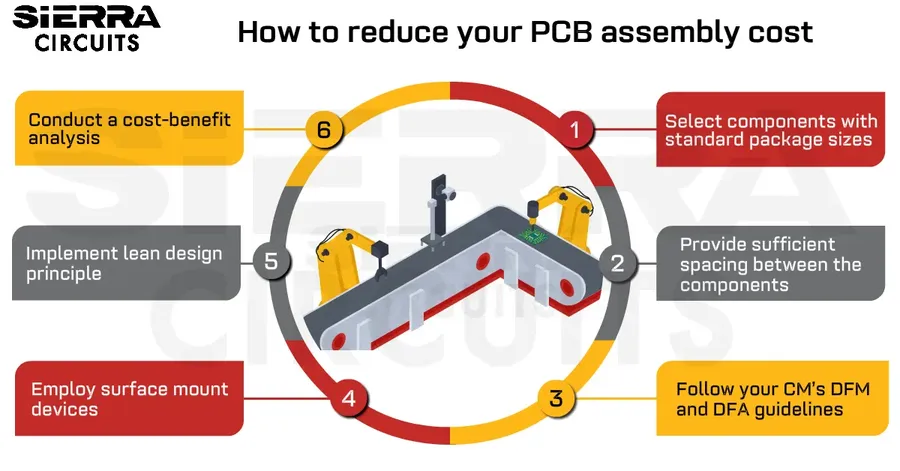
Optimizing the cost of printed circuit assembly (PCBA) requires a multifaceted approach, focusing on design efficiency, component selection, and strategic vendor relationships. Implementing these strategies can significantly reduce the overall PCBA price without compromising quality or functionality.
Navigating the complexities of printed circuit assembly price requires a thorough understanding of the factors involved. By meticulously planning, optimizing your designs, and carefully selecting your manufacturing partner, you can significantly reduce costs. Keep in mind that focusing on value over price alone is key to achieving the optimal balance between cost and performance for your product. Ultimately, a well-informed approach to managing the printed circuit assembly price ensures both economic efficiency and reliable final product performance.

