Ever noticed those fluctuations in your electricity bill? Often, it's not just about the energy you use, but how efficiently you use it. A 15 kVAR capacitor plays a critical role in improving this efficiency, especially in industrial and commercial settings. Understanding its function and price, like the current market value for a 15 kvar capacitor price, is key to optimizing your electrical system and saving on costs. This article provides a breakdown of what affects 15 kVAR capacitor prices, what they do, and how you can choose the right one.
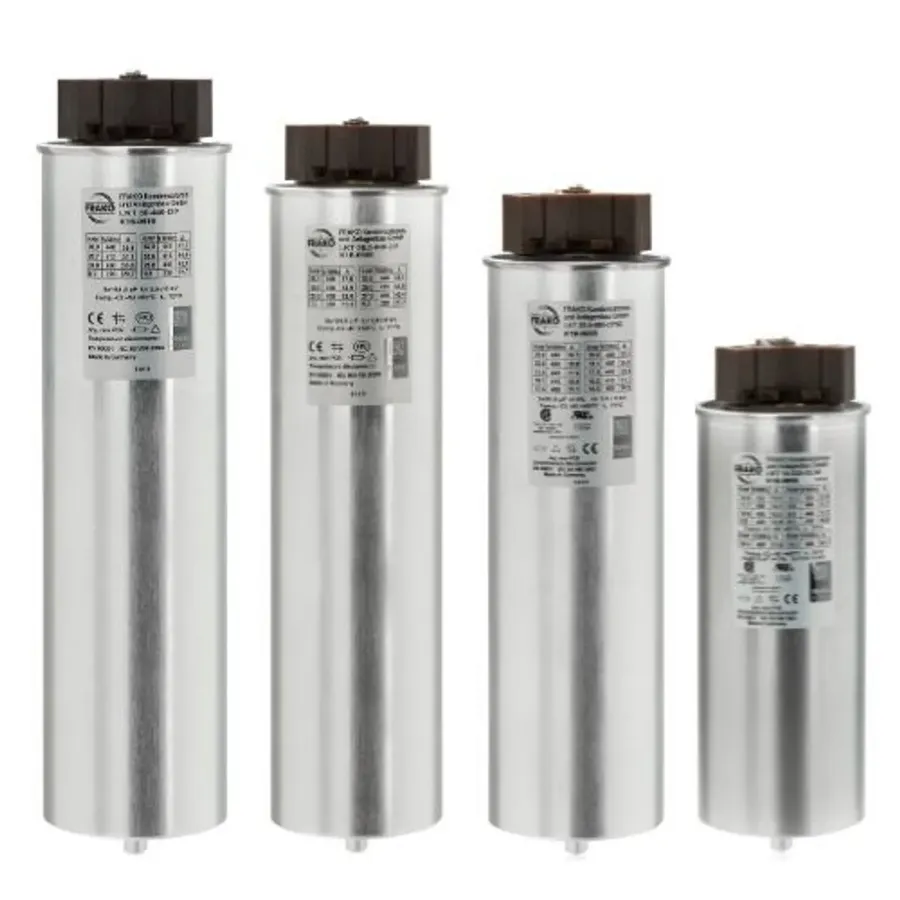
A 15 kVAR capacitor is a specialized electrical component designed to supply 15 kilovars (kVAR) of reactive power within an electrical system. Unlike active power, which performs real work, reactive power is required to establish and maintain electromagnetic fields in inductive loads such as motors and transformers. By providing this reactive power, a 15 kVAR capacitor improves the power factor, leading to enhanced energy efficiency and reduced energy costs.
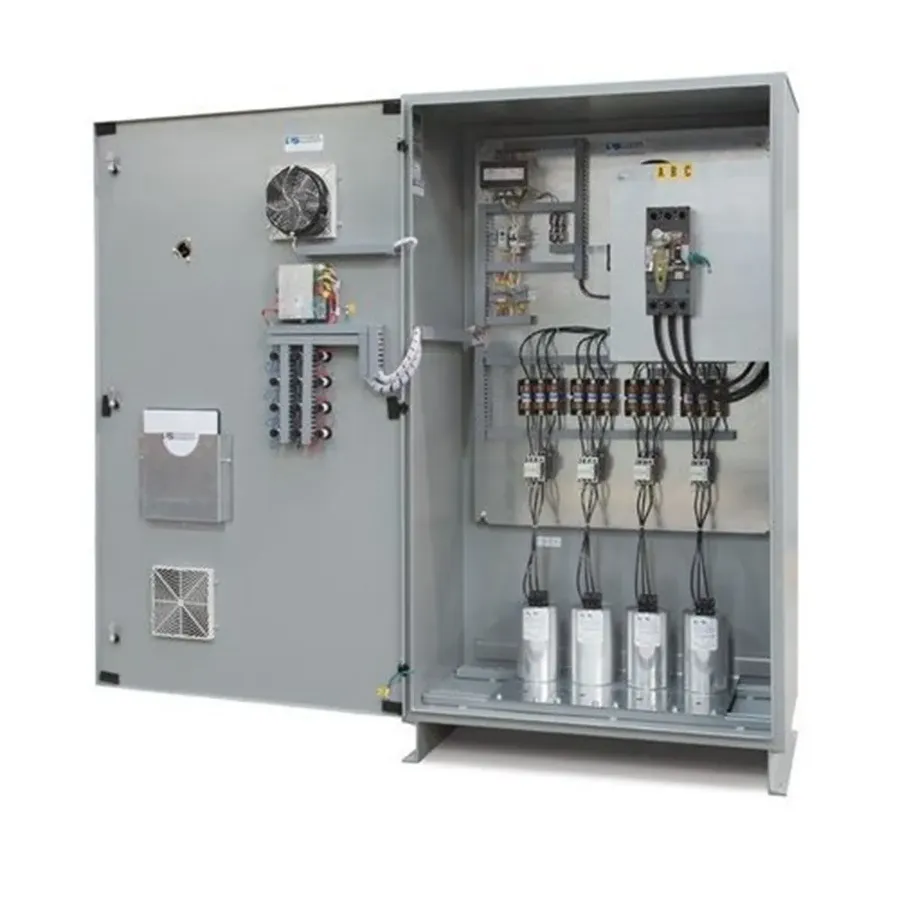
A 15 kVAR capacitor plays a vital role in enhancing the efficiency and reliability of electrical systems by addressing the detrimental effects of reactive power. Reactive power, while necessary for the operation of inductive loads like motors and transformers, contributes to energy inefficiencies and increased costs. The strategic implementation of a 15 kVAR capacitor mitigates these issues by supplying the required reactive power locally, thereby reducing the burden on the overall power grid.
This localized reactive power compensation leads to several significant benefits. First, it reduces the apparent power demand from the utility, lowering electricity consumption and associated costs. Second, it minimizes voltage drops, ensuring a more consistent and stable power supply to electrical equipment. This stable power delivery is critical for maintaining optimal performance and extending the lifespan of sensitive devices. Furthermore, by improving the power factor, the system becomes more efficient, minimizing the energy wasted in the form of heat due to excessive current flow through conductors and transformers.
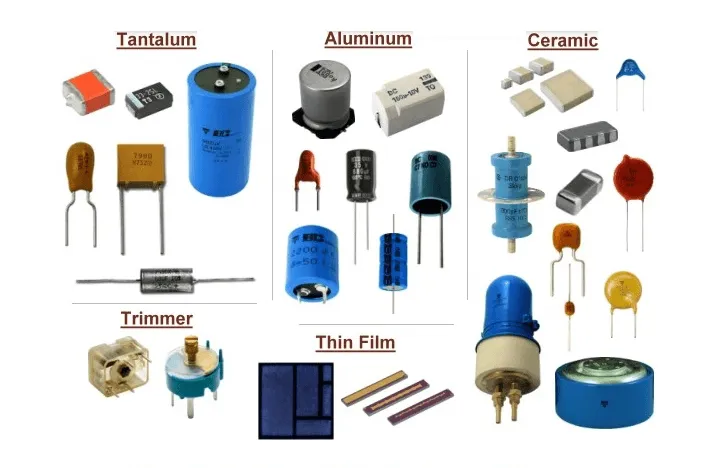
The price of a 15 kVAR capacitor is not fixed and is subject to variations based on several key factors. These factors range from the fundamental characteristics of the capacitor itself to external market conditions.
| Factor | Description | Impact on Price |
|---|---|---|
| Manufacturer and Brand | Established manufacturers with a strong reputation for reliability and quality tend to command higher prices. | Higher price for premium brands, lower for less established ones. |
| Voltage Rating | Capacitors with higher voltage ratings, such as 600V, often cost more due to their ability to handle greater electrical stress. | Higher voltage rating results in increased price. |
| Build Quality | Capacitors designed with heavy-duty construction, superior insulation, or resin filling for enhanced protection are generally more expensive. | Premium build quality increases the price |
| Features | Additional features like built-in protection mechanisms, temperature control, and smart monitoring systems can increase the overall cost of a capacitor. | Advanced features raise the cost |
| Geographical Location | Prices can vary significantly based on regional differences in material costs, labor rates, and transportation expenses. | Prices can vary by location |
| Supplier Availability | Limited availability from certain suppliers can result in higher prices due to supply and demand dynamics. | Limited supply increases prices |
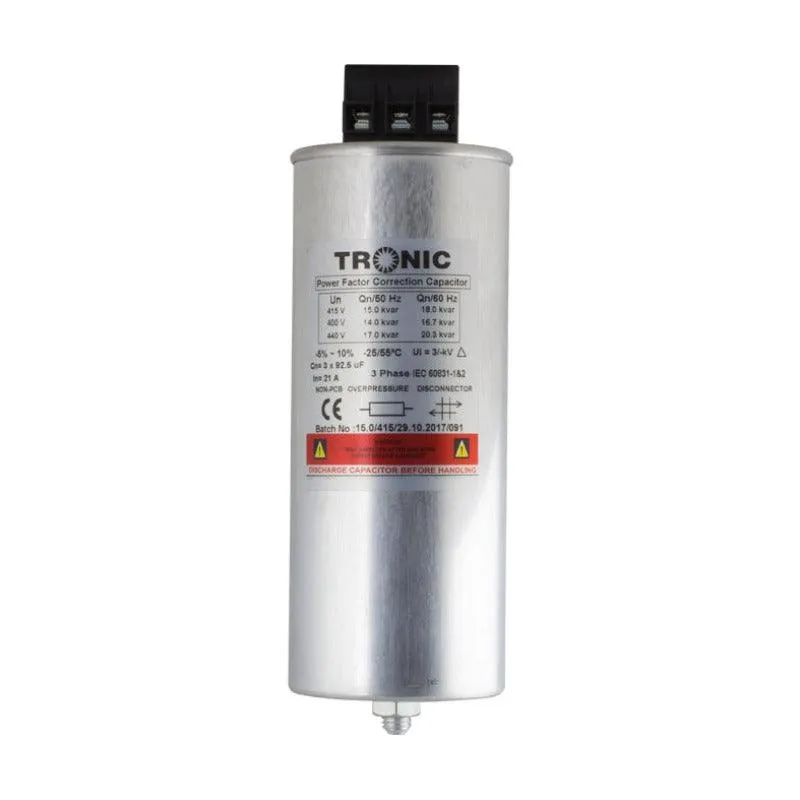
Understanding the typical specifications of a 15 kVAR capacitor is crucial for ensuring its correct application and compatibility within an electrical system. These specifications primarily revolve around voltage ratings, phase configurations, and physical dimensions, each playing a vital role in the capacitor's performance and integration.
| Specification | Typical Values | Importance |
|---|---|---|
| kVAR Rating | 15 kVAR | Indicates the reactive power compensation capacity; defines the capacitor's ability to reduce reactive power in the system |
| Voltage Ratings | 440V, 480V, 600V | Must match the system's line voltage to prevent capacitor damage and ensure proper operation; using the wrong voltage can cause failure |
| Phase Configuration | Three-Phase | Reflects the standard electrical distribution system; ensuring system compatibility; most industrial applications need three-phase |
| Frequency | 50/60 Hz | Matches the system frequency; must match the frequency of the electrical grid to avoid resonance or improper functionality |
| Physical Dimensions | Varies with manufacturer | Crucial for installation planning; consider space limitations in the electrical panel or other mounting locations; compact models available |
| Dielectric Material | Polypropylene Film | Defines the capacitor's longevity and performance; commonly used in power factor correction capacitors; good heat tolerance and stability |
| Operating Temperature | -25°C to +55°C | Important for ensuring the capacitor operates safely under different environmental conditions; proper temperature maintenance helps extend the life of the component |
| Discharge Resistors | Internal or External | Safety measure to reduce residual voltage after disconnection; protects personnel from electric shock hazards; critical for safe maintenance and handling |
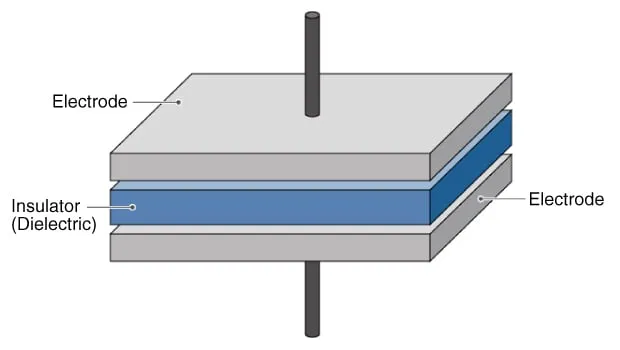
Selecting the appropriate 15 kVAR capacitor involves understanding the various types available, each tailored for specific operational requirements. These types differ significantly in construction, performance, and suitability for diverse applications, influencing factors like heat dissipation, durability, and installation conditions.
| Capacitor Type | Description | Advantages | Disadvantages | Typical Applications |
|---|---|---|---|---|
| Heavy-Duty Capacitors | Robustly constructed with enhanced materials to withstand harsh conditions. | High durability, excellent heat dissipation, suitable for demanding environments. | Typically more expensive, can be bulkier. | Industrial plants, heavy machinery, areas with high harmonic distortion. |
| Resin-Filled Capacitors | Encapsulated in resin, which provides good protection against environmental factors. | Good protection against moisture and dust, quieter operation, long lifespan. | May have slightly lower heat dissipation compared to heavy-duty types, not easily repairable. | Outdoor installations, areas with high humidity, commercial buildings. |
| Square-Type Capacitors | Compact, often metal-encased capacitors with a square or rectangular form factor. | Space-saving design, easy to install in control panels, cost-effective. | May have lower heat dissipation than other types, less robust for severe conditions. | Control panels, distribution boards, smaller industrial equipment. |
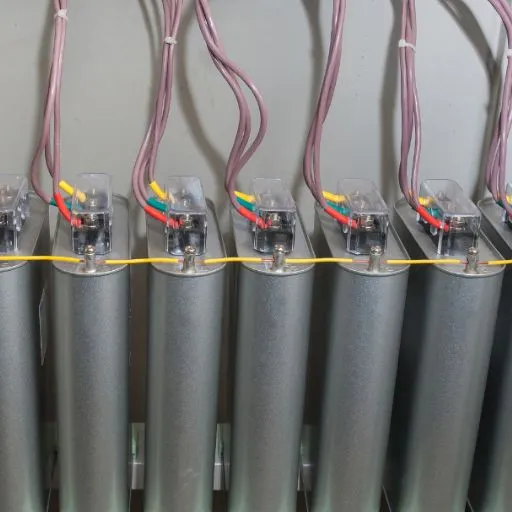
Proper installation and regular maintenance are crucial for ensuring the optimal performance and longevity of 15 kVAR capacitors. These procedures not only guarantee efficient power factor correction but also prevent potential safety hazards and costly downtime. Adhering to established best practices is paramount for realizing the full benefits of these reactive power compensation devices.
This section addresses common inquiries regarding 15 kVAR capacitors, providing clear, concise answers to assist users in understanding their application, selection, and maintenance. We focus on the practical aspects of these devices, including how to determine the correct kVAR rating and ensuring safe and efficient operation.
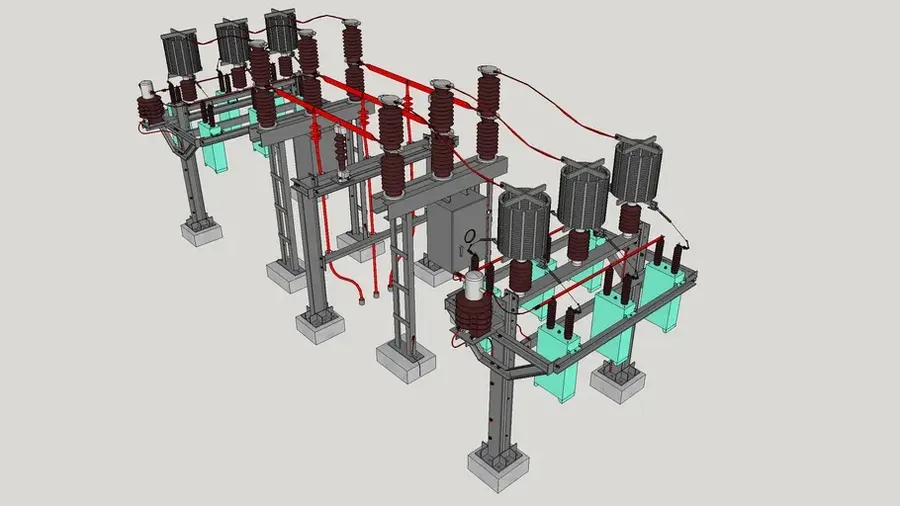
Sourcing a 15 kVAR capacitor requires careful consideration of vendor reputation and product authenticity to ensure reliable performance and adherence to safety standards. Identifying the right supplier is critical for obtaining high-quality components at competitive prices.
The capacitor industry is experiencing rapid evolution, driven by demands for higher performance, greater efficiency, and reduced costs. These trends are significantly impacting capacitor technology and pricing, and are important considerations when evaluating future applications and costs of 15 kVAR capacitors.
Advancements in materials science are yielding new dielectric materials with higher energy densities and improved temperature stability. These innovations are enabling the production of smaller, more efficient capacitors. Similarly, novel manufacturing processes, such as thinner film technologies, are also contributing to size reduction and cost savings.
The integration of smart technologies into capacitors is a growing trend. This includes built-in sensors that monitor performance and diagnostics, enabling predictive maintenance and improving system reliability. Additionally, self-healing capacitors, which can recover from minor insulation failures, promise increased longevity and lower replacement costs.
Pricing trends for 15 kVAR capacitors are influenced by market conditions, raw material costs, and the adoption of new technologies. Increased demand, driven by growing renewable energy integration and power quality initiatives, can lead to price fluctuations. However, the long-term outlook suggests that technological advancements will continue to lower costs while enhancing capacitor performance.
| Trend | Description | Impact on 15 kVAR Capacitors |
|---|---|---|
| Advanced Dielectric Materials | New materials with higher energy density and temperature stability. | Smaller size, higher efficiency. |
| Smart Capacitor Technologies | Built-in sensors for performance monitoring and diagnostics. | Predictive maintenance, improved system reliability. |
| Self-Healing Capacitors | Capacitors capable of recovering from minor insulation failures. | Increased lifespan, lower replacement costs. |
| Thinner Film Technologies | New manufacturing processes using thinner films for capacitors. | Reduced size and cost. |
Understanding the nuances of 15 kVAR capacitor price and functionality is essential for effective power factor correction. By choosing the right capacitor based on your electrical system needs, you can achieve significant cost savings and improved energy efficiency. Whether you are looking to make a purchase or to just be better informed, knowing about a 15 kvar capacitor price and the technology is beneficial for any operation. With advancements in technology, we can expect even more efficient and cost-effective solutions in the future, further contributing to sustainable energy usage.

