In our tech-driven world, Uninterruptible Power Supplies (UPS) are crucial for maintaining consistent power, safeguarding electronics from unexpected outages. At the heart of every UPS lies a Printed Circuit Board (PCB), the unsung hero ensuring stable power delivery. Understanding the factors influencing the ups pcb board price, from raw materials to technology, is vital for both manufacturers and consumers. This article demystifies the often-opaque world of UPS PCB pricing, helping you make informed purchasing decisions and grasp the complexities behind this essential piece of technology.
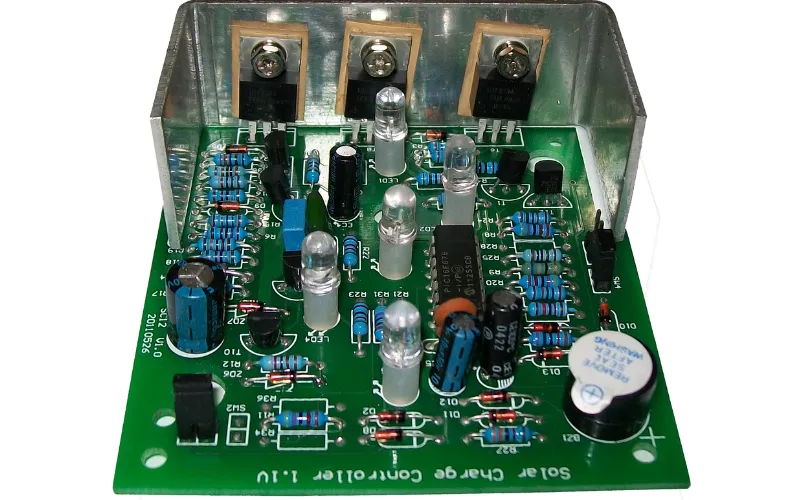
The price of a UPS (Uninterruptible Power Supply) PCB (Printed Circuit Board) is determined by a confluence of factors, including raw material costs, the complexity of the board's design, the manufacturing processes employed, and the overall production volume. These elements interact to establish the final cost, making a nuanced understanding of each essential for accurate price assessment.
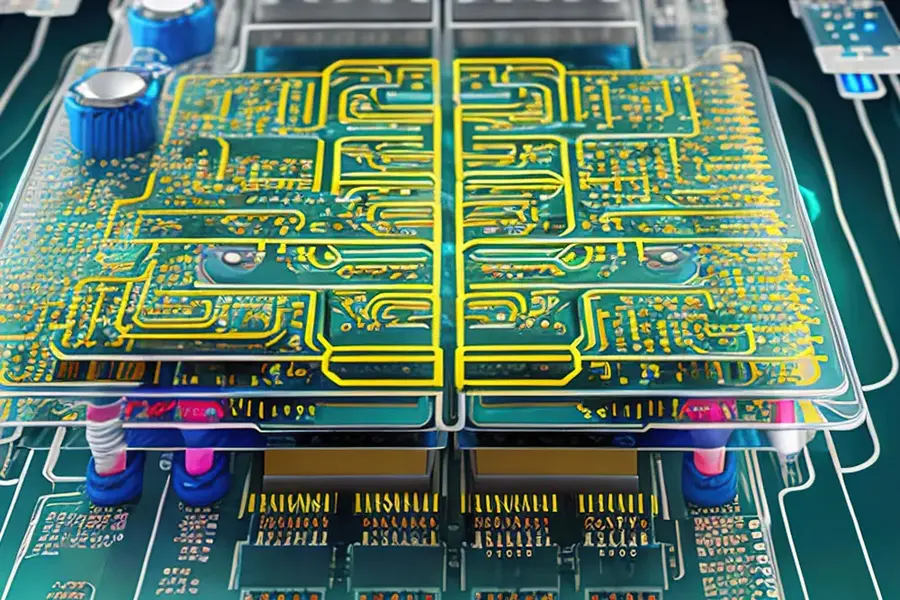
The complexity of a Printed Circuit Board (PCB) is a primary driver of its cost, directly impacting the final price of a UPS (Uninterruptible Power Supply) system. This complexity is not just about the number of components but also the intricacy of the board's design, layering, and component density.
| PCB Complexity Factor | Impact on Cost | Description |
|---|---|---|
| Number of Layers | Directly Proportional | Single-layer PCBs are the least expensive, while multi-layer PCBs, which incorporate more conductive layers for complex signal routing, are considerably more expensive. Each additional layer involves increased manufacturing steps and material costs. |
| Component Density | Directly Proportional | Higher component density, meaning more components placed in a smaller area, requires precise manufacturing techniques, thus increasing the cost. It also necessitates finer traces and vias. |
| Board Size | Directly Proportional | Larger PCBs require more material, have higher manufacturing costs, and can have lower production yields. Especially for multi-layer boards, the cost increases substantially with area. |
| Routing Complexity | Directly Proportional | Complex trace routing with many signal paths, especially for high-speed circuits, increases the difficulty of design and manufacturing. This complexity requires more advanced manufacturing equipment. |
| Use of Advanced Components | Directly Proportional | Use of surface mount components (SMT), fine pitch components, or Ball Grid Array (BGA) packages, which have higher manufacturing costs than through hole technology, also adds complexity and cost to the PCB design. |
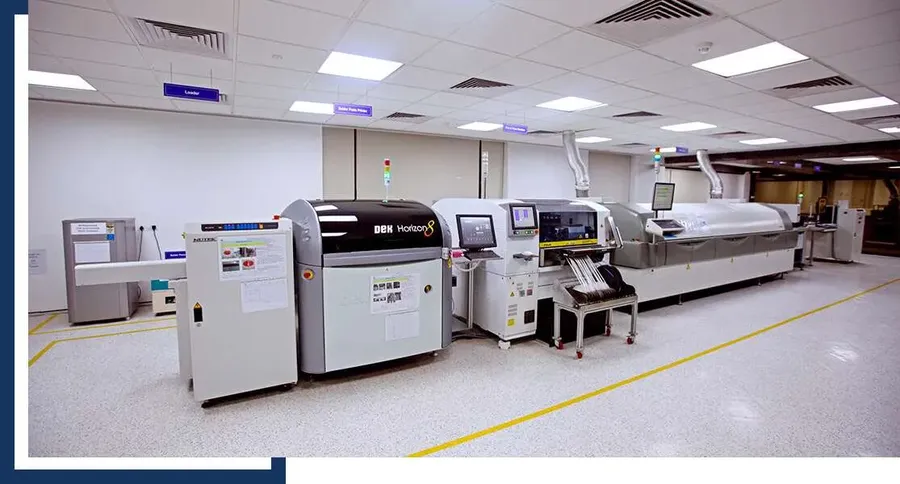
The manufacturing process significantly influences the final cost of a UPS PCB board. The choice between automated and manual assembly, as well as the implementation of surface mount technology (SMT) versus through-hole technology, directly affects production expenses. Furthermore, stringent quality control measures, while increasing initial costs, are crucial for ensuring the long-term reliability of the board.
| Manufacturing Process Aspect | Impact on Cost | Impact on Quality |
|---|---|---|
| Automated Assembly | Generally lower per-unit cost for high volume production due to efficiency and speed. | High consistency and precision, leading to fewer errors. |
| Manual Assembly | Higher per-unit cost, especially for high volume production, labor intensive. | Potentially variable quality, dependent on operator skill, may lead to defects. |
| Surface Mount Technology (SMT) | Cost-effective for small components and high-density boards, good for automated process. | Excellent electrical performance and reliability; good for automated process. |
| Through-Hole Technology | Higher assembly cost due to manual insertion and soldering, particularly for complex boards. | Strong mechanical bond but can be less precise than SMT, more susceptible to human error. |
| Strict Quality Control | Increases the initial costs due to testing, inspections, and rework. | Improved reliability, reduced failure rates, and increased product lifespan; also reduces long term cost. |
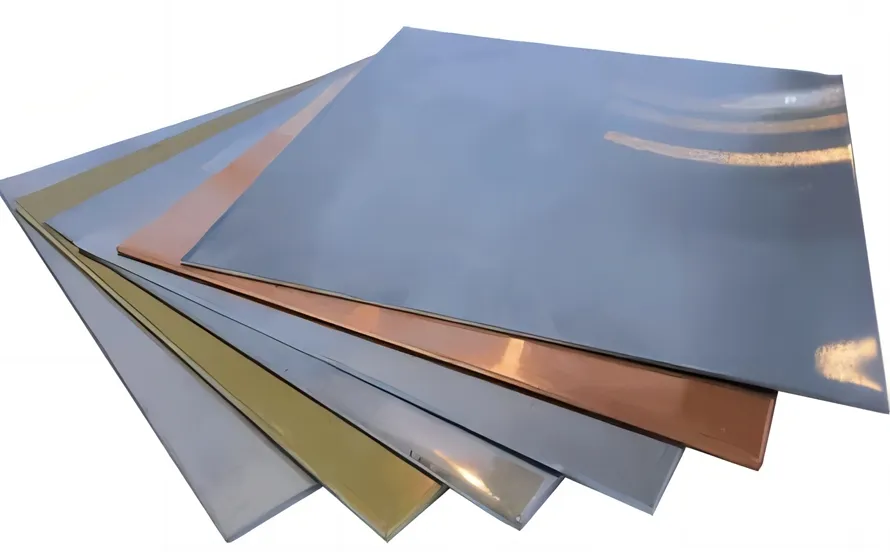
The selection and origin of materials are pivotal factors determining the cost of a UPS PCB. The price is significantly influenced by the types of materials used—such as copper, solder, and substrate—with premium options and environmentally conscious choices typically leading to higher expenses. Fluctuations in raw material market conditions also exert a considerable impact on the final PCB cost.
| Material | Impact on Cost | Considerations |
|---|---|---|
| Copper | High | Purity and thickness affect conductivity and cost; sourcing from reputable suppliers ensures quality. |
| Solder | Medium | Lead-free solder is often more expensive but environmentally compliant; alloy composition influences joint strength and reliability. |
| Substrate (e.g., FR-4) | High | The type of substrate (e.g., FR-4, aluminum-backed, high-frequency) affects thermal and electrical performance; specialized materials drive up cost. |
| Component Materials | Variable | Quality, origin, and specific requirements of integrated circuits, capacitors, resistors, and other components directly impact price. |
| Gold Plating | High | Used for high reliability or high frequency signals; gold plating adds significantly to cost |
Furthermore, sourcing decisions impact cost, with local and long-term suppliers often offering more competitive pricing compared to spot purchases from different suppliers. The selection of raw materials is a complex process where performance needs, cost constraints, and sustainability concerns must be carefully balanced.
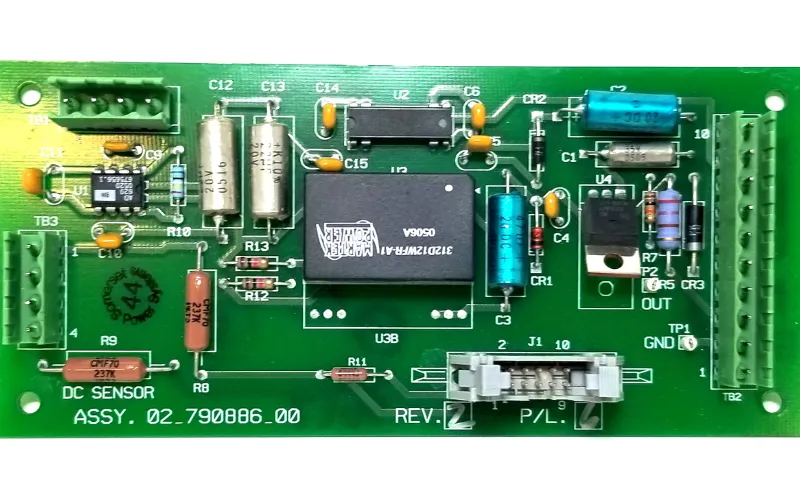
The pricing landscape for UPS PCB boards is broad, influenced by factors such as complexity, functionality, and quantity. Basic, single-layer boards are at the lower end of the price spectrum, while high-end, complex multi-layer boards command significantly higher prices. Bulk purchasing can lead to substantial discounts, further impacting the per-unit cost.
| PCB Type | Description | Typical Price Range (USD per board) |
|---|---|---|
| Low-end | Basic single-layer PCB with minimal functionality. | $1 - $10 |
| Mid-range | Multi-layer PCB with basic to moderate functionality. | $10 - $50 |
| High-end | Advanced, complex multi-layer PCB with high component density. | $50 - $500+ |
It's important to note that these price ranges are approximate and can fluctuate based on market conditions, specific design requirements, and the chosen manufacturer or supplier. Additionally, factors such as component sourcing, lead times, and quality control standards will also influence the overall cost.
Procuring UPS PCB boards involves navigating various supply channels, each with its own implications for cost, lead time, and quality. Understanding these differences is critical for making informed purchasing decisions that align with project requirements and budget constraints.
| Supplier Type | Pricing | Lead Time | Quality | Additional Notes |
|---|---|---|---|---|
| Online Platforms (e.g., Alibaba, Amazon) | Variable, often competitive for standard boards; can fluctuate significantly. | Moderate to long, especially for overseas suppliers; can vary with seller and location. | Variable; quality control depends on the individual seller; requires careful vetting. | Good for initial sourcing and exploring options. Suitable for smaller orders, but due diligence is needed to avoid counterfeit or substandard products. |
| Specialized Component Suppliers | Moderate to high, typically offering better consistency in pricing within their range. | Generally moderate; may depend on supplier stock and order complexity. | High; often provides certification and detailed technical specifications. | Ideal for higher-quality components and designs. Offers better support and expertise, but at a premium. |
| Direct Manufacturers | Potentially competitive for large volumes; negotiation and volume discounts may be available. | Variable but often the longest, including production and delivery; can be reduced with prior agreements and scheduling. | High; can be customized to specific quality standards; may involve extensive quality control processes. | Best for large-scale projects, enabling customization and direct technical support, but usually requires volume commitments. |
Understanding the nuances of UPS PCB boards is crucial for ensuring system reliability and cost-effectiveness. This section addresses common inquiries regarding their lifespan, failure indicators, efficiency optimization, and repair considerations, providing essential insights for informed decision-making.
The pricing landscape for UPS PCB boards is not static; it is shaped by technological advancements, raw material costs, and shifts in global demand. Understanding these dynamics is crucial for making informed purchasing decisions. Expect to see continued evolution in pricing due to these factors, with a particular emphasis on energy efficiency and miniaturization.
| Trend | Potential Impact on Price |
|---|---|
| Adoption of Advanced Materials | Potential for both price increases (for high-performance materials) and decreases (due to increased efficiency) based on the specific material. |
| Increased Automation | Likely to decrease production costs and potentially lower prices over time. |
| Focus on Green PCBs | Higher initial costs due to special materials and processes, but potential for long-term savings and compliance with environmental standards. |
| Miniaturization of Components | Potential price reduction due to less material used, and increased production efficiency, but specialized component prices may be higher. |
Optimizing UPS PCB procurement requires a strategic approach that encompasses planning, negotiation, and design considerations. By adopting these practical tips, businesses can achieve significant cost reductions without compromising the quality or reliability of their UPS systems.
Navigating the world of UPS PCB board prices requires an understanding of the factors that influence cost, from raw materials to manufacturing. The ups pcb board price can vary widely based on these factors, and it’s crucial to balance cost with quality and performance. Whether you're purchasing for manufacturing or repair, this guide equips you with the knowledge to make informed decisions, ensuring you get the best value for your investment. Remember to evaluate your needs, compare different options, and always prioritize quality and reliability for the smooth operation of your electronic systems, always considering the total cost of ownership, not just the upfront purchase price.

