In today's technology-driven world, printed circuit boards (PCBs) are the backbone of almost every electronic device. From smartphones to complex industrial machinery, PCBs play a crucial role in connecting components and enabling functionality. Finding reliable printed circuit board manufacturers near you is essential for bringing your electronic projects to life. This article will guide you through what to look for in a PCB manufacturer, offering insights and advice on sourcing the best options to meet your specific requirements and bring those designs to life.
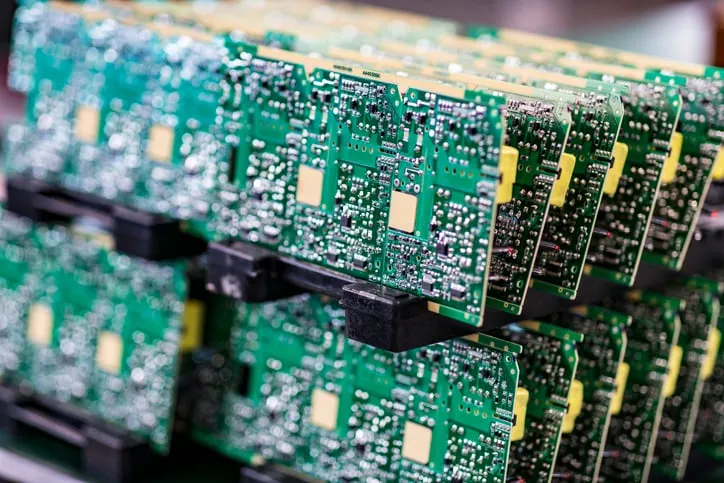
Before engaging with printed circuit board manufacturers, a clear understanding of your project's specific requirements is paramount. This foundational step ensures that the selected manufacturer can meet your needs effectively and efficiently, leading to a successful production run.
| Specification | Considerations | Impact on Manufacturing |
|---|---|---|
| Board Type | Complexity, application environment | Manufacturing process, cost |
| Material | Electrical/thermal properties, application environment | Performance, material cost |
| Quantity | Production volume requirements | Unit cost, tooling requirements |
| Turnaround Time | Project deadlines, production needs | Production planning, delivery logistics |
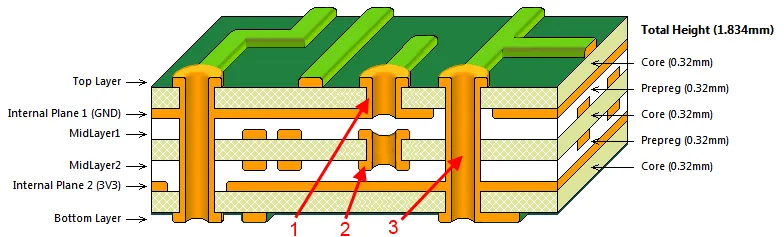
Selecting the right printed circuit board (PCB) manufacturer is crucial for the success of any electronics project. A thorough evaluation of potential manufacturers, focusing on their capabilities, quality standards, and support services, will ensure a reliable and high-quality end product.
| Factor | Description | Importance |
|---|---|---|
| Experience | Years in operation and track record with similar projects. | Ensures familiarity with industry best practices and reduces the likelihood of errors. |
| Quality Certifications | Adherence to ISO 9001, UL, and other industry-specific standards. | Guarantees that the manufacturer follows stringent quality control processes. |
| Technology Capabilities | Ability to handle various manufacturing techniques (SMT, through-hole), board types, and materials. | Ensures compatibility with the project's technical needs and allows for flexibility in design choices. |
| Production Capacity | Capability to meet the quantity requirements within the specified timeframe. | Avoids production delays and ensures timely delivery of finished PCBs. |
| Turnaround Time | The time required from design submission to delivery of finished boards. | Critical for projects with strict deadlines; impacts overall project timeline. |
| Customer Support | Availability of responsive and knowledgeable support staff during the manufacturing process. | Facilitates clear communication and quick resolution of issues. |
| Design Assistance Services | Offering of design rule checks, manufacturability analysis, and other design-related assistance. | Optimizes designs for efficient and cost-effective manufacturing. |
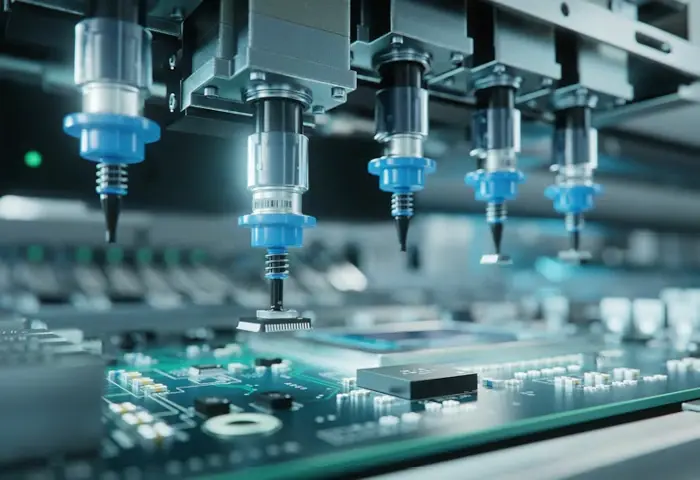
Selecting between local and offshore PCB manufacturers requires a careful analysis of various trade-offs. This decision impacts not only the cost but also the project's timeline, communication effectiveness, and the overall quality assurance process. Understanding these aspects is crucial for making an informed choice that aligns with your specific needs and priorities.
| Factor | Local Manufacturers | Offshore Manufacturers |
|---|---|---|
| Cost | Generally higher due to labor and overhead expenses. | Typically lower, driven by economies of scale and lower labor costs. |
| Communication | Direct communication, often in the same language and time zone, facilitating smoother interaction and quicker problem-solving. | Communication may be indirect, affected by language barriers and time zone differences, which can slow down the process. |
| Shipping Time | Significantly shorter shipping times due to geographical proximity, enabling faster prototyping and production. | Longer shipping times, which can delay project completion and impact time-sensitive deadlines. |
| Quality Control | Easier to visit and audit facilities, allowing for more direct quality oversight and immediate issue resolution. | Quality control may be challenging due to geographical distance, making it harder to audit facilities or address problems quickly. |
| Intellectual Property Protection | Lower risk of intellectual property theft, although NDAs should still be in place. | Higher risk of intellectual property concerns, especially in regions with laxer enforcement. |
| Turnaround Time | Generally faster turnaround times, especially for prototyping and small-batch orders. | Longer lead times, especially for complex or high-volume orders, due to transportation and customs. |
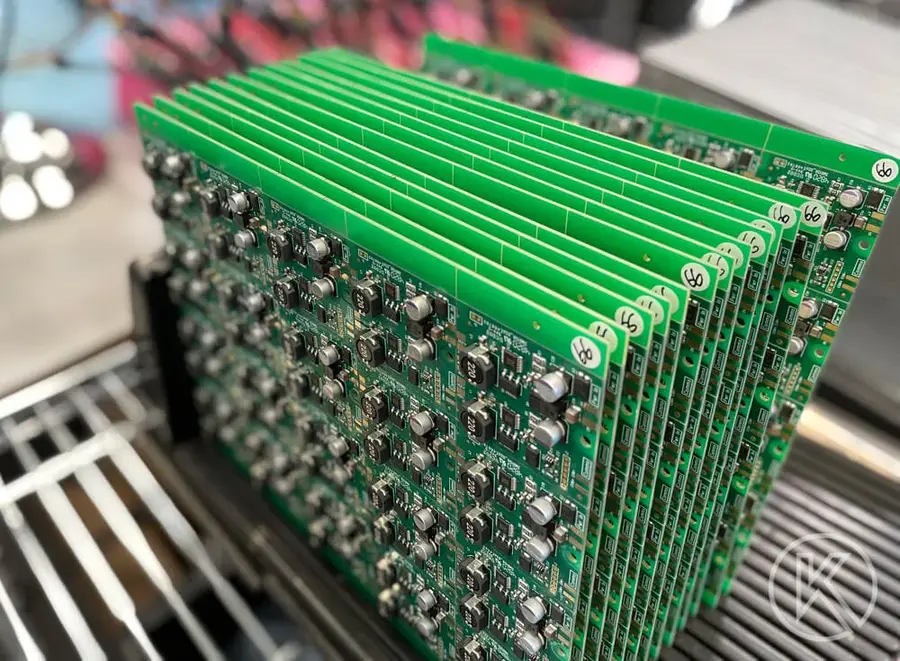
Printed circuit board (PCB) manufacturing encompasses a range of services, each critical to the creation of functional electronic devices. Understanding these services—fabrication, assembly, prototyping, and testing—is essential for selecting a manufacturer that meets your specific project requirements. Comprehensive solutions involve a combination of these processes, tailored to design complexity and production volume.
| Service Type | Description | Key Considerations |
|---|---|---|
| PCB Fabrication | The core process of creating the bare PCB, involving etching conductive layers, drilling holes, and applying solder mask. | Material selection (FR-4, aluminum, etc.), layer count, copper thickness, and tolerance requirements. |
| PCB Assembly | The process of mounting electronic components onto the fabricated PCB through surface-mount technology (SMT) or through-hole technology. | Component types, placement accuracy, soldering quality, and handling of complex parts. |
| PCB Prototyping | A crucial step to test the design and functionality of a new PCB before mass production. | Rapid turnaround time, small batch runs, and the ability to iterate on designs. |
| PCB Testing | Verifying the functionality of a fabricated and assembled PCB through visual inspection, in-circuit testing (ICT), functional testing, and other quality control measures. | Test coverage, defect detection capability, and compliance with required standards. |
By carefully assessing the services offered by different PCB manufacturers, you can pinpoint providers that not only meet your current project needs but also support future scale and diversification of your electronic product development.
Evaluating quotes from printed circuit board (PCB) manufacturers requires a comprehensive approach that goes beyond just the bottom line. A thorough comparison involves scrutinizing material costs, manufacturing quality, service inclusions, and potential hidden fees. This meticulous analysis ensures you select a manufacturer that meets your project's needs without compromising on quality or incurring unexpected expenses.
| Factor | Description | Importance |
|---|---|---|
| Price per PCB | Unit cost of the fabricated PCB. | Primary factor, but should be considered alongside other quality and service metrics. |
| Material Costs | Cost associated with the base material (e.g., FR-4, aluminum) and other components. | Significantly impacts the total price and performance, should match project requirements. |
| Manufacturing Quality | Includes dimensional tolerances, finish quality, and adherence to industry standards. | Critical for PCB reliability and performance, should align with project specifications. |
| Included Services | Services such as testing, assembly, or design assistance that may be bundled. | Assess whether the manufacturer's offerings match your specific needs and requirements. |
| Turnaround Time | The time required for manufacturing and delivery. | Crucial for projects with tight deadlines. |
| Hidden Costs | Potential charges such as tooling fees, minimum order quantities, or expedited shipping. | Should be transparently identified and factored into the total cost analysis. |
Carefully examine each quote, and if there are inconsistencies or gaps in information, seek clarification from the manufacturer. Compare quotes based on the total cost of ownership rather than merely the price per board. A slightly higher price from one manufacturer may be more beneficial if it includes essential services or offers superior quality, potentially reducing long-term costs and risks. Prioritize understanding the complete breakdown of costs in order to avoid unforeseen expenditures and ensure a reliable and successful production run.
Navigating the world of PCB manufacturing can raise several questions. This section addresses common queries to provide clarity and ensure you make informed decisions when selecting a PCB manufacturer.
Effectively leveraging online directories and supplier platforms is crucial for identifying and comparing printed circuit board (PCB) manufacturers that align with specific project needs. These resources provide a wealth of information, enabling informed decision-making when selecting a manufacturing partner.
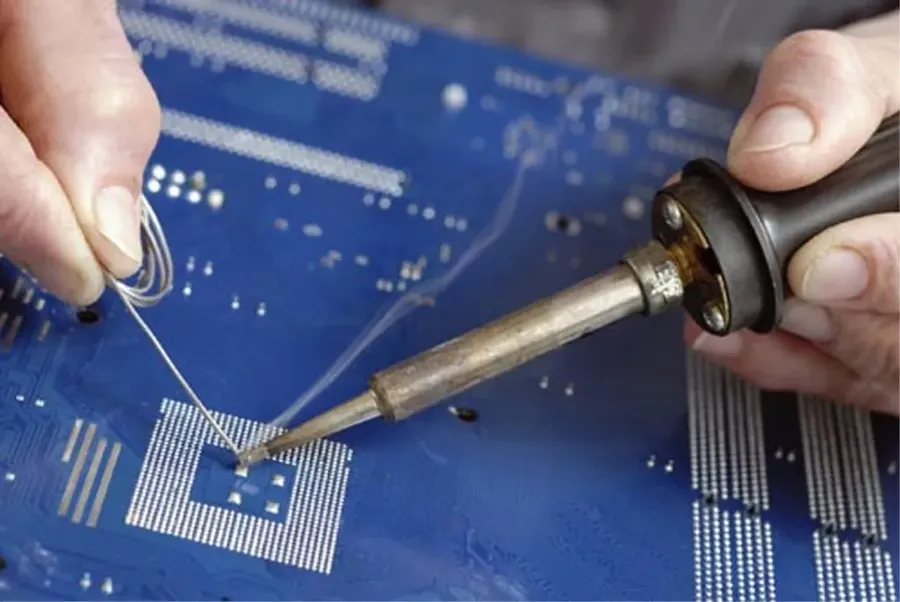
Successful PCB manufacturing hinges on meticulous planning and execution. This section provides actionable advice to ensure your project proceeds smoothly, from initial design to final production, emphasizing proactive steps and clear communication to mitigate potential issues.
Finding the right printed circuit board manufacturers near me is a critical step in the success of any electronics project. By understanding your needs, evaluating manufacturer capabilities, and utilizing online resources, you can secure a partner that will provide high-quality PCBs on time. Remember, a collaborative approach with your chosen printed circuit board manufacturer, from design to delivery, is key to achieving optimal results and bringing your innovative ideas to life.

