Just like a heart needs a pulse, single-phase electric motors often rely on electric motor capacitors to get started and run efficiently. These unassuming components play a vital role in various applications, from your home appliances to industrial machinery. This article delves into the world of electric motor capacitors, explaining their types, functions, and how to choose the right one, ensuring your motors operate smoothly.
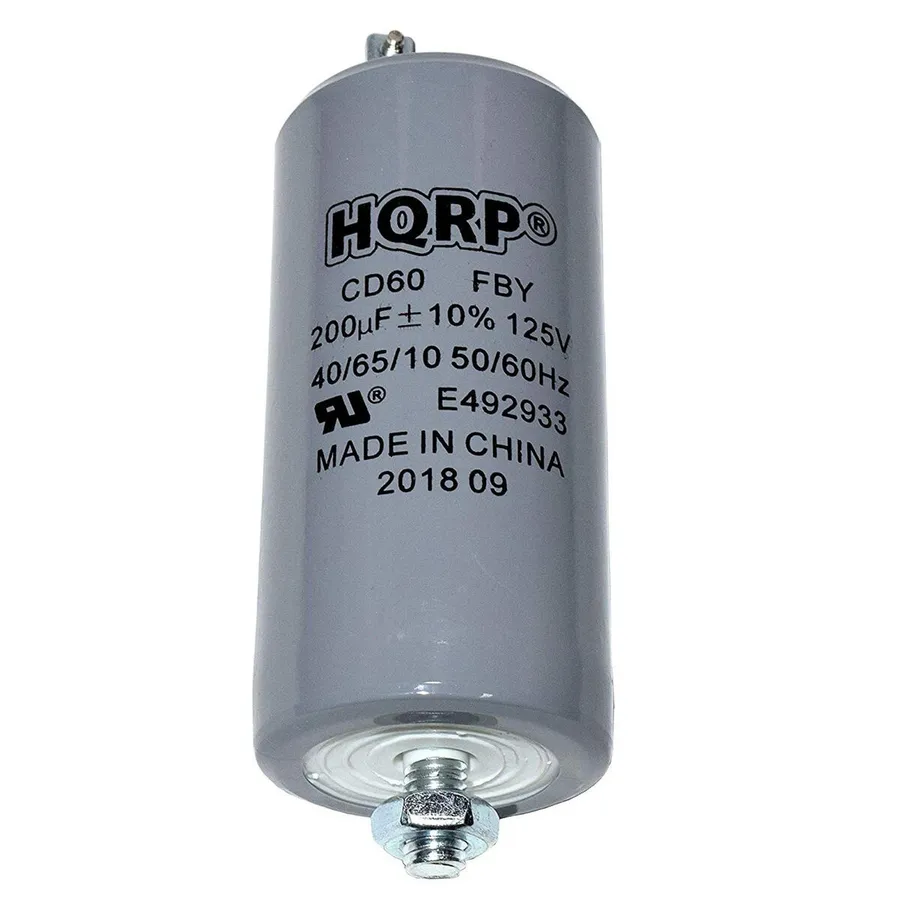
An electric motor capacitor is a crucial component, particularly in single-phase AC motors, functioning as an energy storage device to facilitate motor startup and operation. Unlike three-phase motors, which inherently possess a rotating magnetic field, single-phase motors require an external means of phase shifting the current to generate the necessary torque for rotation; this is where the capacitor plays its vital role.
The capacitor achieves this by altering the phase relationship of current in the auxiliary winding, creating a rotating magnetic field that initiates and sustains motor rotation. Without a capacitor, a single-phase AC motor would not be able to start on its own and would produce only a pulsating field rather than the required rotating field, leading to the motor simply humming and failing to start.
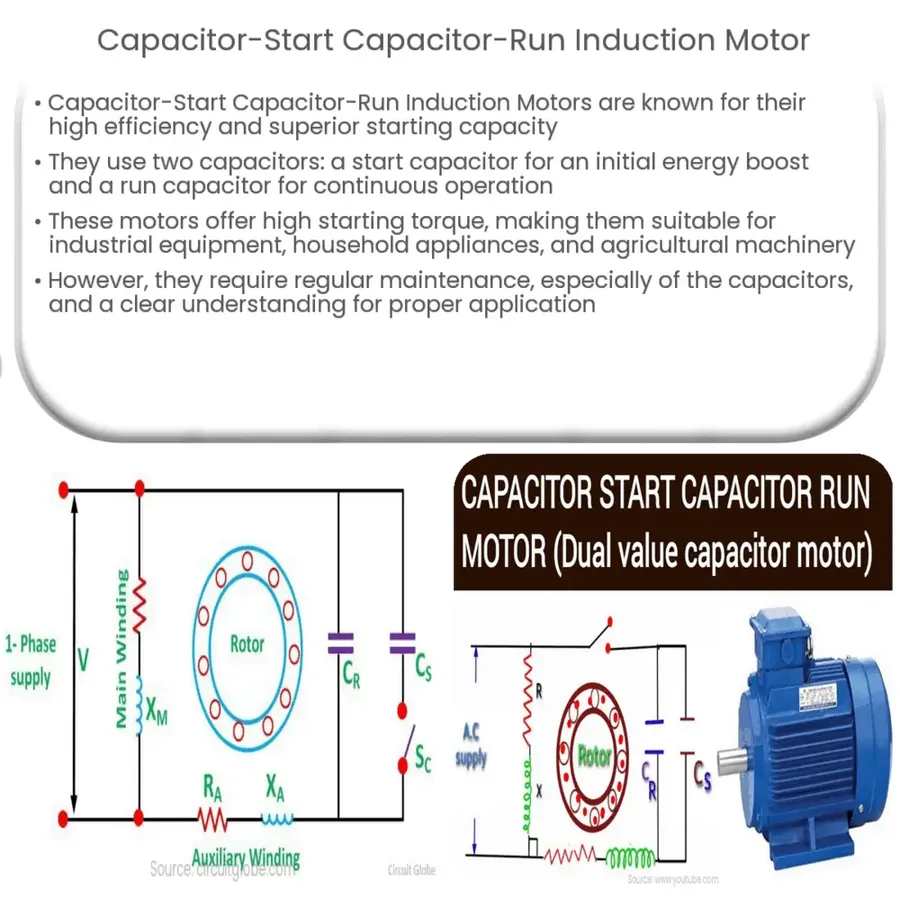
Electric motors, particularly single-phase AC motors, rely on capacitors to initiate rotation and maintain efficient operation. These capacitors are broadly categorized into two types: start capacitors and run capacitors, each designed with distinct functions, materials, and operating characteristics that are crucial for motor performance.
| Characteristic | Start Capacitor | Run Capacitor |
|---|---|---|
| Primary Function | Provides high starting torque, used for initial motor start. | Improves motor efficiency and power factor during continuous operation. |
| Duty Cycle | Short-term use; typically disconnected after the motor reaches a certain speed. | Continuous use; remains in the circuit during motor operation. |
| Capacitance Value | High capacitance to provide the necessary starting torque. | Lower capacitance compared to start capacitors, for ongoing motor efficiency. |
| Construction | Typically uses non-polarized electrolytic construction. designed for high surge currents | Typically uses non-polarized film construction, designed for continuous operation. |
| Impact on Current Flow | Creates a phase shift in the start winding current, generating the initial torque. | Maintains the phase shift and optimizes the current flow in the auxiliary winding, leading to better efficiency and torque consistency. |
| Materials | Electrolytic materials are common, which can be sensitive to heat and have a shorter lifespan | Film type materials are common, offering a longer lifespan and better temperature tolerance |
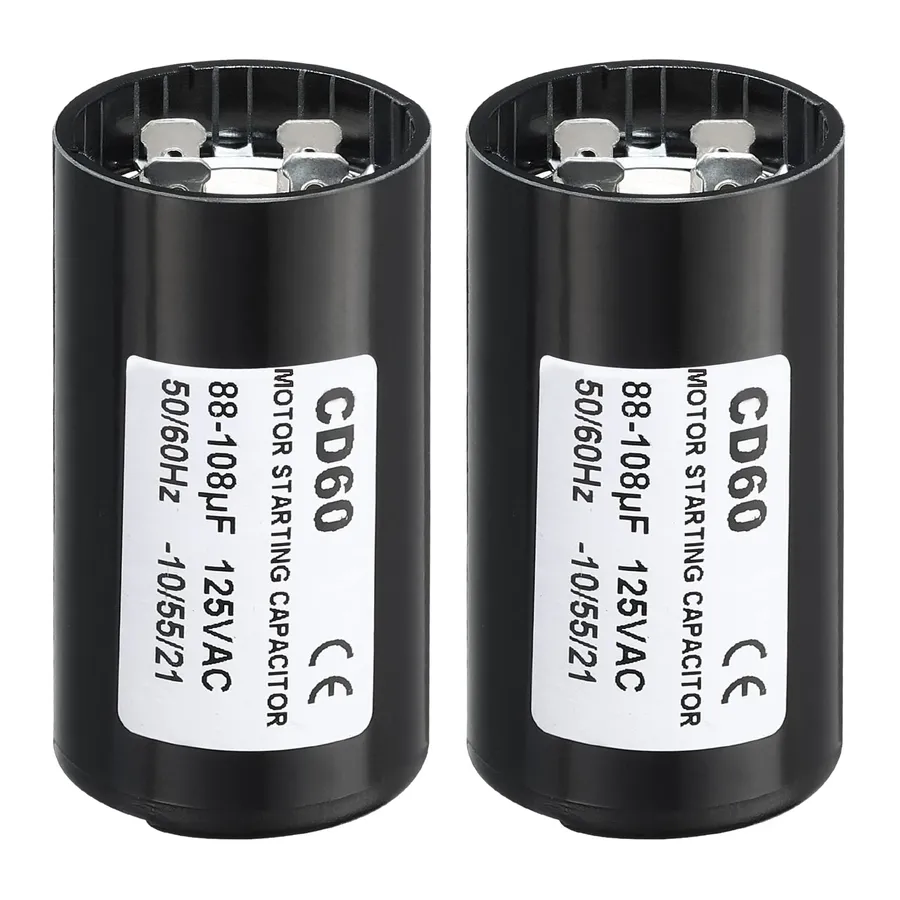
Motor start capacitors are crucial for initiating the rotation of single-phase AC induction motors. Unlike three-phase motors, single-phase motors lack the inherent rotating magnetic field necessary for self-starting. Start capacitors provide the required phase shift to create this initial rotating magnetic field, effectively 'kickstarting' the motor.
Specifically, the start capacitor is placed in series with the start winding of the motor. When power is applied, the capacitor introduces a phase shift of approximately 90 degrees between the current in the start winding and the current in the main winding. This phase difference generates a rotating magnetic field that interacts with the rotor, producing the initial torque required for the motor to begin rotating.
Crucially, start capacitors are designed for short-duration use, typically only during the start-up phase. Once the motor reaches a certain speed (typically 75% of its rated speed) , a centrifugal switch or other mechanism disconnects the start winding and capacitor from the circuit. Continuous operation with a start capacitor in the circuit can lead to overheating and premature failure of both the capacitor and the motor. Their intermittent function is key to their operational design, with materials chosen to emphasize high capacitance for a brief period.
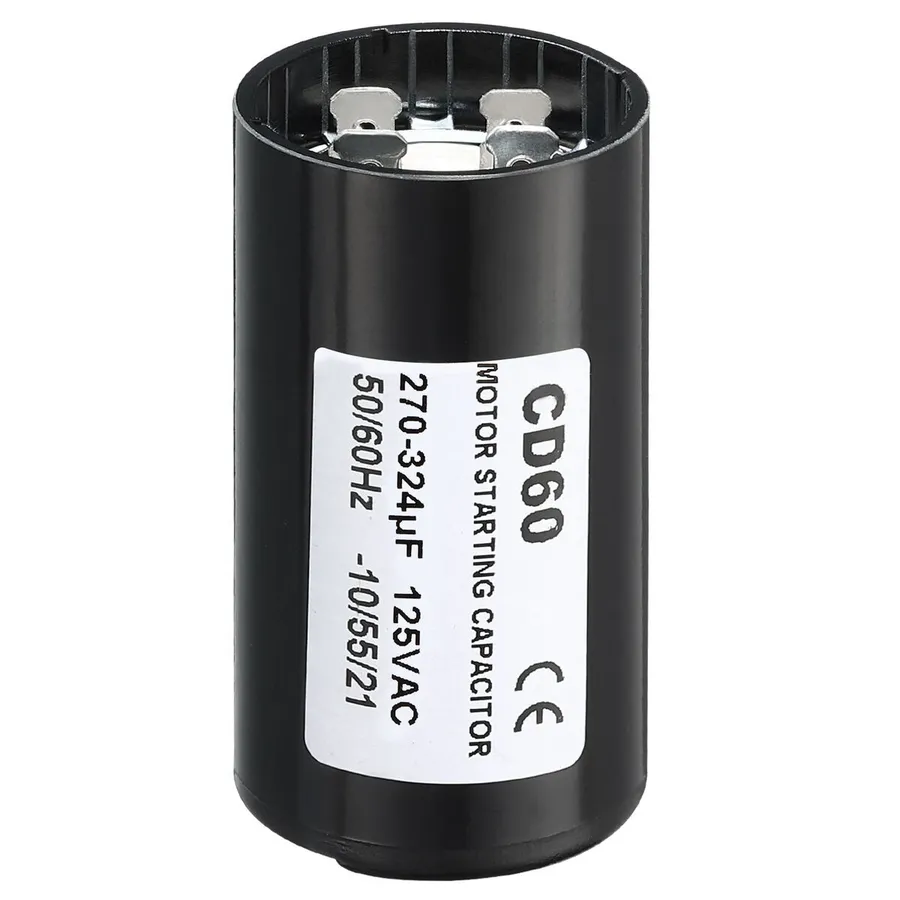
Run capacitors are integral to the sustained operation of single-phase AC motors, significantly enhancing their efficiency and performance once the motor has started. Unlike start capacitors, which are designed for brief use during the startup phase, run capacitors are continuously engaged while the motor is running, playing a vital role in optimizing the motor's electrical characteristics.
The core function of a run capacitor is to correct the phase difference between the current and voltage in the auxiliary winding of the motor. This phase correction is crucial for creating the rotating magnetic field necessary for consistent motor operation. By manipulating the phase angle, run capacitors ensure that the motor operates smoothly, reduces energy consumption, and improves power factor.
By minimizing the phase shift between voltage and current, run capacitors contribute to a higher power factor. A higher power factor translates to more efficient use of electrical power, with less energy wasted as reactive power, thus improving overall motor efficiency and reducing operational costs. The continuous engagement of run capacitors during motor operation allows the motor to maintain optimal running torque and speed.
Furthermore, a correctly sized run capacitor will minimize harmonic distortion in the motor's current waveform. This contributes to a longer motor lifespan by reducing the heat generated by electrical inefficiencies, and it lowers the risk of damage to the motor's winding insulation. In essence, run capacitors are not just about getting a motor running; they are essential components in maintaining its efficiency, longevity, and optimal torque output.
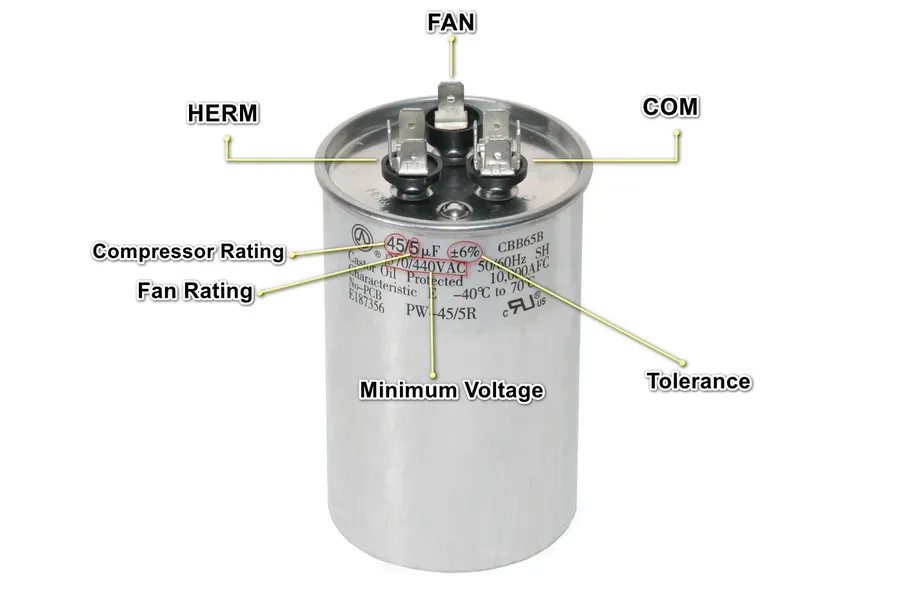
A failing electric motor capacitor manifests in several noticeable ways, often hindering the motor's ability to function correctly. These symptoms can range from subtle performance issues to complete motor failure, and understanding these signs is crucial for timely diagnosis and repair, preventing further damage to the motor and connected machinery.
Capacitor malfunctions directly impact the motor's starting torque and running efficiency, as these components are integral to creating the necessary phase shift in the motor's windings. The primary function of a capacitor in a single phase AC motor is to assist with the starting process (start capacitors) and maintain optimal running conditions (run capacitors), therefore their failure leads to clear and predictable symptoms.
To diagnose a faulty capacitor, a multimeter can be used to test its capacitance and resistance. A capacitor with a value outside of its specified tolerance range is considered faulty and needs to be replaced, also a capacitor that has internal resistance should also be replaced, as it is no longer working at its designed parameters. Additionally, visually inspect the capacitor for any of the physical symptoms noted above.
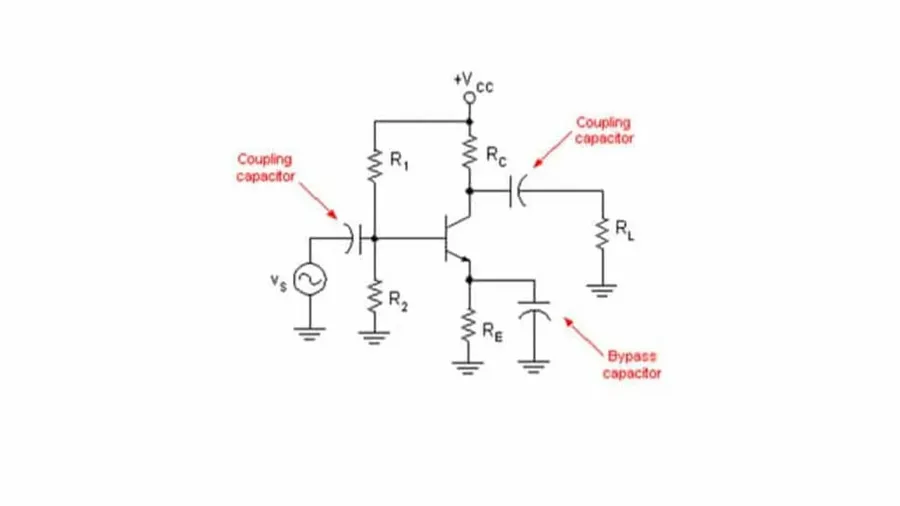
Selecting the correct capacitor for an electric motor is crucial for optimal performance and longevity. The capacitor's specifications must match the motor's requirements to ensure proper starting torque, running efficiency, and prevent premature failure. Incorrect capacitor selection can lead to reduced motor performance, overheating, or even motor damage. Several key factors must be considered to make an informed selection.
| Factor | Description | Impact of Incorrect Selection |
|---|---|---|
| Capacitance (μF) | Measured in microfarads (μF), this value determines the amount of electrical charge the capacitor can store. It must match the motor's specified requirement, which is often indicated on the motor's nameplate. | Insufficient capacitance will lead to poor starting torque, while excessive capacitance can cause overheating and winding damage. |
| Voltage Rating (V) | The capacitor must have a voltage rating that equals or exceeds the motor's operating voltage. Operating a capacitor above it's voltage rating can lead to failure and safety concerns. | Using a capacitor with a lower voltage rating than the circuit can result in immediate failure and potential safety hazards. Using a much higher rating will not cause any immediate issues but may be cost prohibitive. |
| Type (Start or Run) | Start capacitors are designed for short-duration, high-current operation during motor startup. Run capacitors are designed for continuous operation and are essential for maintaining motor efficiency. They have distinct operational characteristics and construction. | Using a start capacitor for continuous running will lead to premature failure due to overheating. Using a run capacitor as a start capacitor may not provide enough torque to start the motor. |
| Physical Size and Dimensions | The physical dimensions of the capacitor must be compatible with the space allocated within the motor housing or electrical panel. It must be secure and allow for safe and effective heat dissipation. | A physically oversized capacitor may not fit correctly or have adequate ventilation which can cause safety issues or lead to premature failure. |
| Operating Temperature | Capacitors have an operating temperature range. Ensure the capacitor's rating meets or exceeds the operational environment to ensure component longevity. | Operating a capacitor outside it's temperature range can lead to failure and safety concerns. |
| Motor Specifications | Always refer to the motor's nameplate for specific capacitance and voltage requirements. This is critical information needed to make the proper selection. | Using a different capacitance value than specified on the motor nameplate will lead to sub-optimal performance and may lead to premature failure of the motor or capacitor. |
It is always recommended to consult the motor's manufacturer's specifications or a qualified technician for proper capacitor selection. Failing to match the capacitor to the motor can have cascading effects on the entire system.
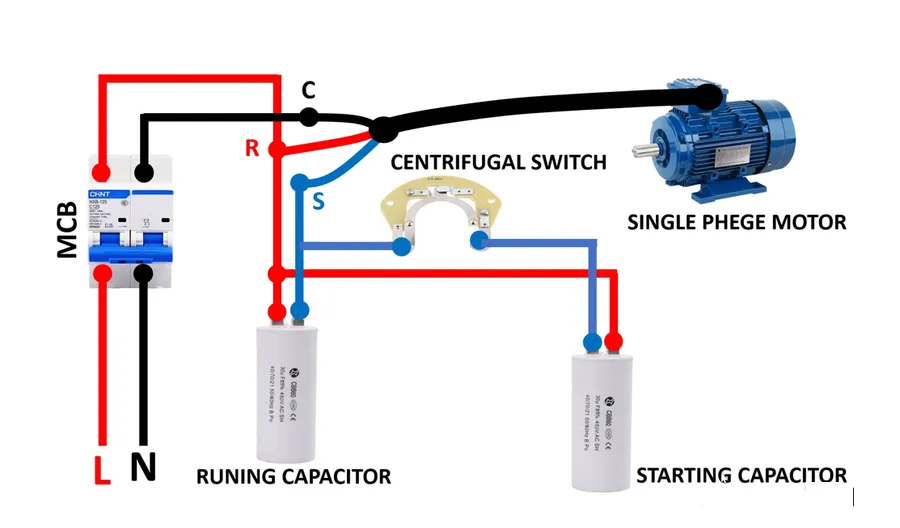
Connecting a capacitor to a single-phase AC motor requires careful attention to detail and safety. This process is critical for ensuring proper motor function, whether it's for starting torque or continuous operation. Understanding the correct wiring and safety precautions will prevent damage to the motor and reduce risk of electrical shock.
The following step-by-step guide provides a detailed approach to connecting a capacitor to a single-phase AC motor. Before initiating the process, it's imperative to disconnect the motor from the power source to avoid electrical hazards.
Common Mistakes to Avoid: Incorrect capacitor size can lead to poor motor performance or failure. Also, wiring the capacitor incorrectly can lead to damage and safety concerns, so always refer to the specific wiring diagram for the motor model. Always disconnect the power before working on the wiring, and discharge the capacitor before handling.
A visual wiring diagram or schematic is essential for correct motor capacitor connection. Always use insulated tools and safety equipment to reduce the risk of electrical hazards.
Understanding the role and function of electric motor capacitors is crucial for ensuring the reliable operation of single-phase AC motors. This section addresses common queries regarding these vital components.
Replacing an electric motor capacitor is a task that, while not overly complex, demands strict adherence to safety protocols and correct procedures. This section outlines the crucial steps for safe and effective capacitor replacement, with emphasis on working with potentially high voltage components.
Electric motor capacitors are essential components in single-phase AC motors, ensuring efficient starting and operation. Understanding their different types, functions, and selection criteria is vital for maintaining motor performance. By correctly identifying issues and making informed choices, you can extend the life of your electric motors and avoid costly repairs. The world of electric motor capacitors is often overlooked, but essential to our modern world and the many machines that make our world function. From your washing machine to complex industrial equipment, proper electric motor function relies on these simple devices, making their understanding and proper maintenance paramount.

