Electrolytic Capacitors: Deep Dive into Types, Uses & Selection
2025.01.19
In our increasingly electronic world, tiny components like the electrolytic capacitor play a critical role. These seemingly simple devices, vital in everything from your smartphone to industrial machinery, store electrical energy. This article will demystify electrolytic capacitors, exploring their types, applications, and how they differ from other capacitors, all explained with clear, understandable language.
What is an Electrolytic Capacitor?
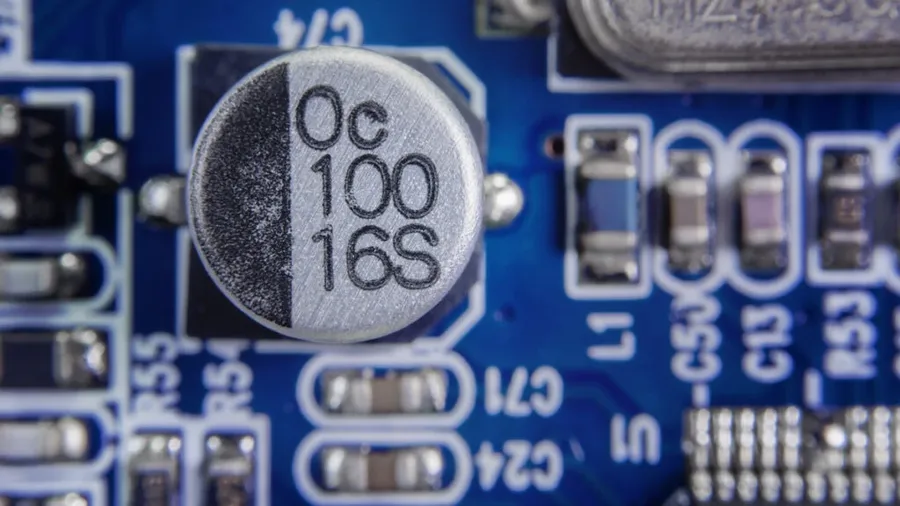
Electrolytic Capacitors
An electrolytic capacitor is a polarized capacitor that utilizes an electrolyte, either liquid or solid, to achieve exceptionally high capacitance values compared to other types of capacitors. This unique characteristic makes them indispensable in applications requiring significant charge storage or high filtering capabilities, particularly within power electronics and audio circuits.
Types of Electrolytic Capacitors
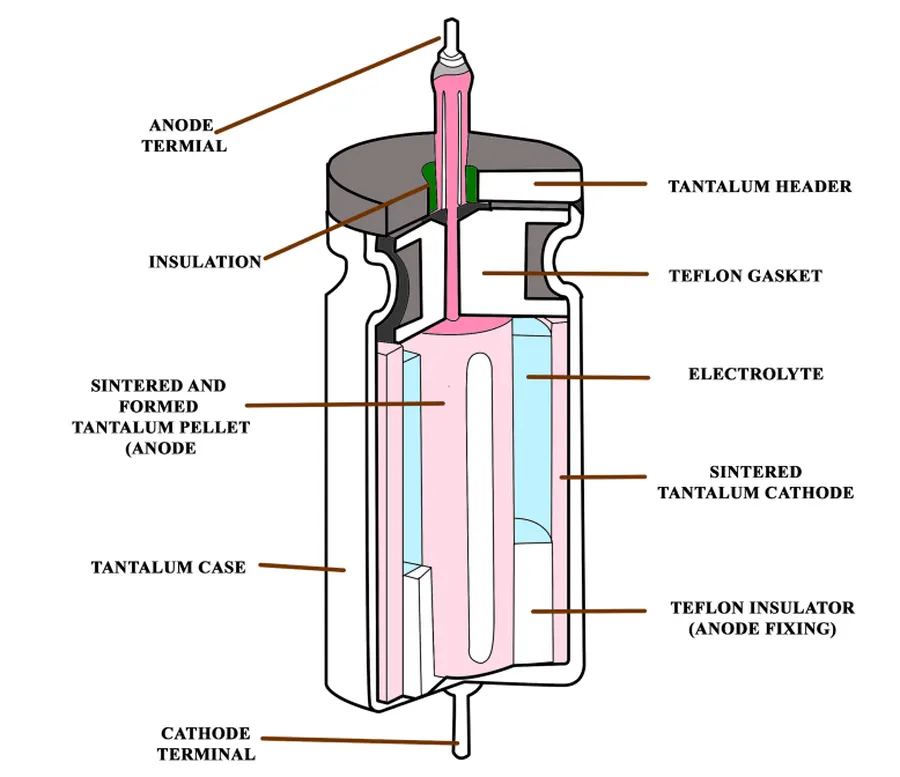
Tantalum Electrolytic Capacitors
Electrolytic capacitors are a diverse family, with each type offering a unique set of characteristics that cater to specific applications. The primary variations stem from the materials used for the anode and electrolyte, each having its own advantages and limitations in terms of capacitance, operating voltage, temperature stability, and longevity. This section delves into the most prevalent types: aluminum, tantalum, and niobium electrolytic capacitors.
Feature
Aluminum Electrolytic
Tantalum Electrolytic
Niobium Electrolytic
Anode Material
Aluminum Foil (etched)
Sintered Tantalum Powder
Sintered Niobium Powder
Electrolyte
Liquid or Polymer
Solid Manganese Dioxide (MnO2) or Polymer
Solid Manganese Dioxide (MnO2) or Polymer
Capacitance Range
High (µF to mF)
Moderate (µF)
Moderate (µF)
Voltage Rating
Wide range, low to high
Moderate
Moderate
ESR (Equivalent Series Resistance)
Moderate to High
Low to Moderate
Low to Moderate
Temperature Stability
Moderate
Good
Good
Cost
Low
Moderate to High
Moderate
Polarity
Polarized
Polarized
Polarized
Longevity
Can be limited, affected by drying electrolyte
Good
Good
Typical Applications
Power supply filtering, general purpose
High reliability, portable devices
High reliability, low profile applications
Each type of electrolytic capacitor is chosen based on the specific requirements of an application. Aluminum electrolytic capacitors are widely used due to their cost-effectiveness and high capacitance, making them suitable for power filtering applications. Tantalum capacitors are favored for their stability and reliability in environments where size and performance are critical, such as in portable electronics and medical equipment. Niobium capacitors, while similar to tantalum in many respects, offer some advantages in terms of cost and availability and are becoming increasingly popular in similar application spaces. The next sections explore the operational principles and the key electrical parameters of these devices.
How Electrolytic Capacitors Work
Electrolytic capacitor structure
Electrolytic capacitors achieve high capacitance values through a unique internal structure and electrochemical processes. The core principle involves an electrolyte in contact with a metal anode, forming a thin oxide layer which acts as the capacitor's dielectric. This structure enables a much higher capacitance per unit volume compared to other capacitor types.
Key components and their functions are detailed below:
Anode Typically a metal foil (e.g., aluminum, tantalum, or niobium) that forms the positive electrode. Its surface area is often increased by etching to maximize charge storage capacity.
Cathode Can be a liquid or solid electrolyte, that makes electrical contact with the dielectric and acts as the negative terminal of the capacitor.
Electrolyte A conductive substance (liquid, solid, or gel) that facilitates the ionic conduction and helps in forming and maintaining the oxide layer. The composition of the electrolyte determines key characteristics like ESR and temperature range.
Dielectric (Oxide Layer) A very thin insulating layer formed by anodization on the surface of the anode metal. This layer is responsible for storing the electrical charge. The thickness and composition determine the capacitance and voltage rating.
The anodization process is crucial to capacitor operation: When a positive voltage is applied to the anode in an electrolytic bath, an oxide layer forms on the metal surface. This process is called anodization. By controlling the voltage during this process, the thickness of the oxide layer can be precisely controlled which in turn defines the capacitance value. Once formed the oxide layer acts as the dielectric, and the capacitance is directly proportional to the surface area and inversely proportional to the oxide thickness.
The combination of a large anode surface area (due to etching) and the extremely thin oxide dielectric allows for electrolytic capacitors to offer high capacitance values in compact sizes. However, the presence of the electrolyte and the electrochemical nature of operation gives it unique properties like polarity and ESR.
Key Characteristics and Parameters of Electrolytic Capacitors
Understanding the key characteristics and parameters of electrolytic capacitors is crucial for selecting the appropriate component for a given application. These parameters dictate the capacitor's performance, reliability, and lifespan within a circuit. Key specifications include capacitance, voltage rating, Equivalent Series Resistance (ESR), ripple current, temperature range, and operational life.
Parameter
Description
Impact on Application
Capacitance (C)
The ability of the capacitor to store electrical charge, measured in Farads (F).
Determines the amount of charge the capacitor can hold, affecting filtering, energy storage, and timing circuits.
Voltage Rating (V)
The maximum voltage that the capacitor can safely withstand without dielectric breakdown.
Exceeding the voltage rating can lead to catastrophic failure, so it must be greater than the operating voltage.
Equivalent Series Resistance (ESR)
The internal resistance of the capacitor, which causes power dissipation and heat generation.
Low ESR is desired for efficient power delivery, especially in high-frequency applications. Higher ESR can reduce ripple filtering and increase heat generation.
Ripple Current (I)
The alternating current that the capacitor can handle without overheating.
Exceeding the ripple current rating can cause the capacitor to overheat, degrade, and fail prematurely, especially in switching power supplies.
Temperature Range (T)
The range of operating temperatures within which the capacitor will perform reliably.
Operating outside of the temperature range will lead to performance degradation and capacitor failure. Application specific operating temperature range must be considered when selecting a capacitor.
Lifespan
The expected operational life of the capacitor, often specified in hours, or as a specific amount of time under rated conditions.
Higher rated lifespan capacitors reduce replacement costs, however, it comes at a premium cost. Lifespan of the component should be considered during the design phase to ensure the total application design lifespan matches or exceeds the application requirements.
The selection of electrolytic capacitors requires careful consideration of these parameters based on the application requirements, operating environment, and expected lifetime.
Electrolytic Capacitor Applications
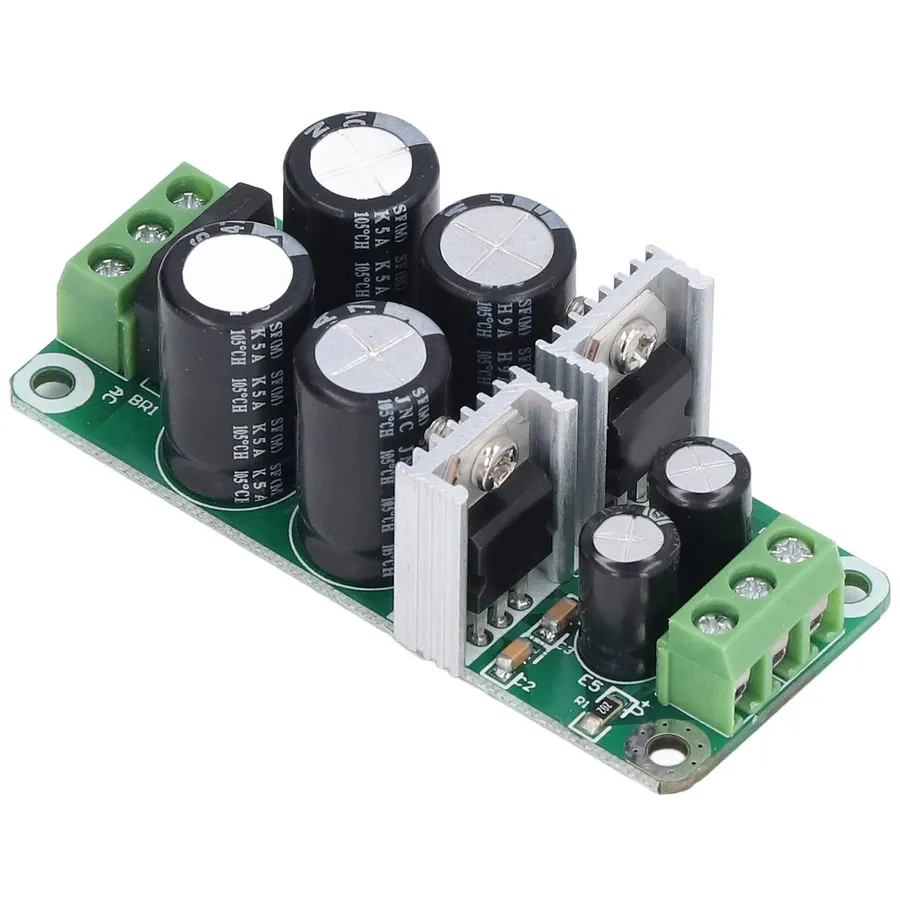
Electrolytic capacitors on PCB
Electrolytic capacitors, with their high capacitance-to-volume ratio, are indispensable in various electronic applications. Their ability to store significant electrical charge makes them ideal for tasks such as filtering, decoupling, signal coupling, energy storage, and motor starting circuits across numerous industries.
Power Supply Filtering Electrolytic capacitors are crucial in power supplies for smoothing out voltage fluctuations and reducing ripple, ensuring a stable DC output. This is vital for sensitive electronic circuits that require clean power.
Decoupling Used to minimize noise and voltage fluctuations in circuits by providing a local source of charge near integrated circuits. This prevents unwanted signal interference and ensures stable operation.
Signal Coupling Electrolytic capacitors facilitate the transfer of AC signals between different stages of a circuit while blocking DC components. This is essential in audio and communication systems.
Energy Storage Due to their large capacitance, electrolytic capacitors are used for temporary energy storage in applications like flash photography, backup power systems, and surge protection devices.
Motor Start Circuits In single-phase AC motors, electrolytic capacitors provide the necessary phase shift to initiate the rotation. These starting capacitors are critical for the motor's operational performance.
Application
Description
Industry Examples
Power Supply Filtering
Reduces voltage ripple and noise in DC power supplies.
Computers, consumer electronics, industrial control systems
Decoupling
Bypasses noise by providing local energy storage to integrated circuits.
Microcontrollers, communication circuits, digital systems
Signal Coupling
Transfers AC signals while blocking DC components in circuits.
Audio amplifiers, communication equipment, signal processing units
Energy Storage
Provides temporary power backup or surge protection.
Cameras with flashes, emergency power systems, uninterruptible power supplies (UPS)
Motor Starting
Provides starting torque for single-phase AC motors.
Washing machines, air conditioners, pumps
Electrolytic vs. Other Capacitor Types
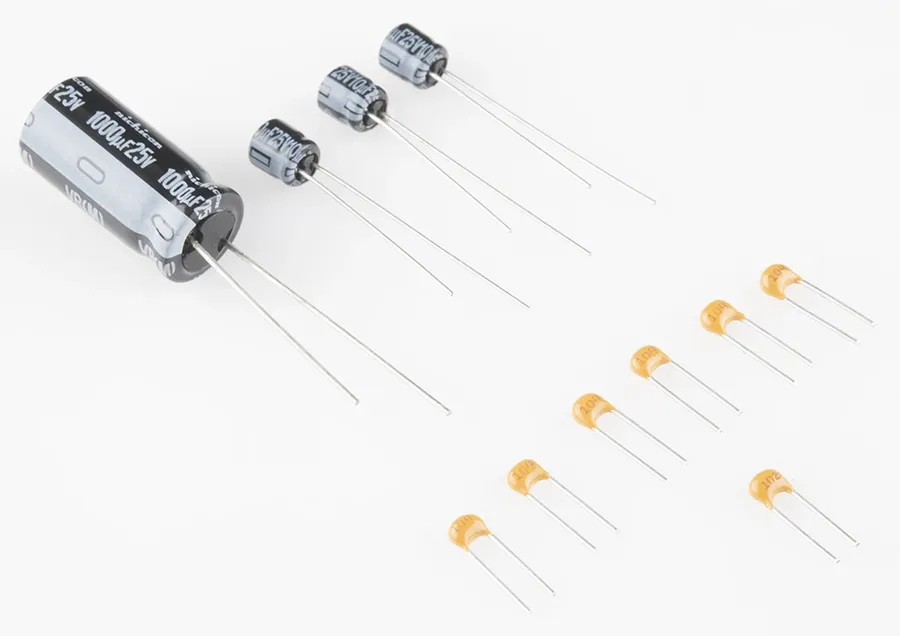
Ceramic vs Electrolytic Capacitors
Electrolytic capacitors, while offering high capacitance in a small package, are not the only option available for circuit design. Understanding their strengths and weaknesses compared to ceramic, film, and supercapacitors is crucial for optimal component selection. Each type has unique characteristics that make it suitable for specific applications, and the choice often involves a trade-off between various factors such as capacitance, cost, size, and performance.
Attribute
Electrolytic Capacitor
Ceramic Capacitor
Film Capacitor
Supercapacitor
Capacitance Range
High (µF to mF)
Low (pF to µF)
Medium (nF to µF)
Very High (F)
Voltage Rating
Medium to High
Low to Medium
Medium to High
Low
Polarity
Polarized
Non-polarized
Non-polarized
Polarized
ESR
Moderate to High
Low
Low
Moderate to High
Temperature Stability
Moderate
Good to Excellent
Good
Poor
Frequency Response
Low to Moderate
Excellent
Good
Very Low
Cost
Low to Moderate
Low
Moderate
High
Size
Small to Large
Very Small
Small to Medium
Medium to Large
Life Span
Moderate (limited by electrolyte drying)
Very Long
Long
Moderate
Typical Applications
Power supplies, filtering, decoupling
High-frequency circuits, bypass
Audio circuits, power conditioning
Energy storage, backup power
The key trade-offs should be understood to facilitate proper design decisions. Electrolytic capacitors excel in applications needing high capacitance, such as power supply filtering and energy storage within a limited space. However, they are polarized, which requires careful attention during circuit design. Their Equivalent Series Resistance (ESR) is also higher than ceramic and film capacitors, and the operating lifespan is finite due to electrolyte evaporation. Ceramic capacitors, on the other hand, are compact, non-polarized, and exhibit excellent high-frequency performance making them ideal for bypass and decoupling. They offer lower capacitance values but with superior temperature stability compared to electrolytic capacitors. Film capacitors, offering a middle ground in terms of capacitance and ESR, are often used for audio circuitry and high-performance signal conditioning due to their high stability and low losses. Supercapacitors are suitable for energy storage but often have a low voltage rating and high ESR, limiting the application compared to electrolytic capacitors.
Proper Handling and Troubleshooting of Electrolytic Capacitors
Electrolytic capacitors, due to their polarized nature and internal construction, require careful handling and attention to polarity during installation and operation. Proper handling prevents premature failures and ensures reliable performance, making understanding their failure modes crucial for effective troubleshooting.
Polarity Considerations Electrolytic capacitors are polarized, with a designated anode (+) and cathode (-). Incorrect polarity can lead to capacitor failure, potentially causing short circuits, overheating, and even explosions. Always ensure correct polarity alignment during installation. A stripe on the capacitor body typically indicates the negative terminal.
Handling Precautions Avoid applying mechanical stress or excessive force to the capacitor's leads or body during installation. Also, avoid bending the leads too close to the capacitor body. These practices can damage internal components, leading to compromised performance and premature failure.
Storage Guidelines Electrolytic capacitors are best stored in a dry, temperature-controlled environment, avoiding extreme heat or cold, which can degrade the electrolyte and oxide layer. Prolonged storage at high temperature should be avoided to prevent electrolyte dry-out. If stored for long periods, the capacitor may require re-forming (applying the rated voltage for a period of time to regenerate the oxide layer) before use.
Failure Modes Common failure modes include electrolyte dry-out, which increases ESR and reduces capacitance, internal shorts, and open circuits due to physical damage. Overvoltage and overcurrent conditions can also accelerate degradation or cause catastrophic failures. The bulging of the capacitor body is a clear sign of a serious failure.
Identifying Capacitor Issues Visual inspection can often reveal signs of failure, such as bulging, leakage, or physical damage. ESR meters and capacitance meters can provide quantitative measurements to assess the capacitor's condition. A significantly higher ESR or lower capacitance than the rated value indicates a degraded or faulty capacitor. A multimeter can also check for open circuits or short circuits.
Troubleshooting Tips If the circuit is malfunctioning or there is evidence of an issue with the capacitor, the capacitor should be removed from the circuit and tested using a multimeter for a short circuit or an open circuit. A component tester can be used to measure the capacitance, ESR and loss factor. If any measured values are outside the components specifications then the component needs to be replaced. Always ensure the circuit is de-energized when working on the circuit.
Electrolytic Capacitor Selection Guide
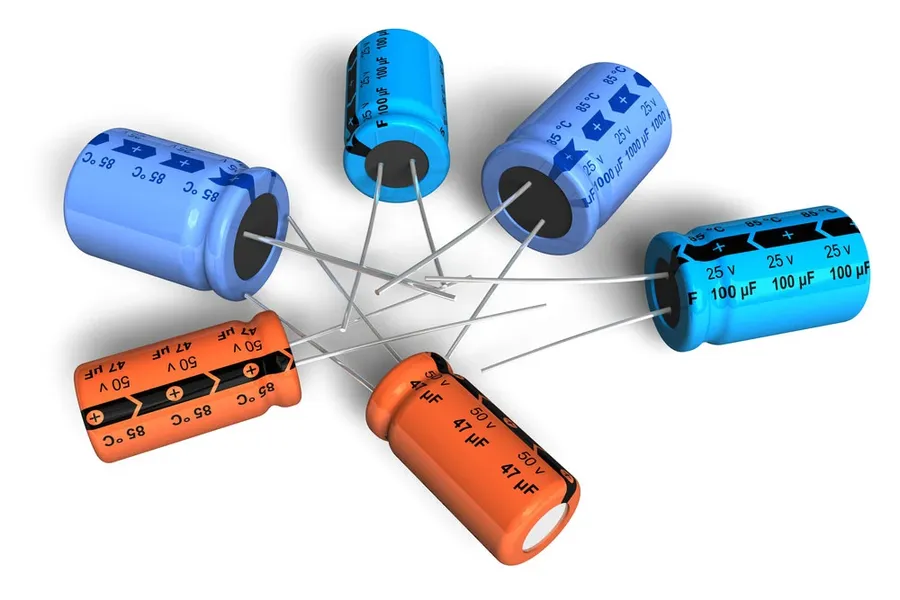
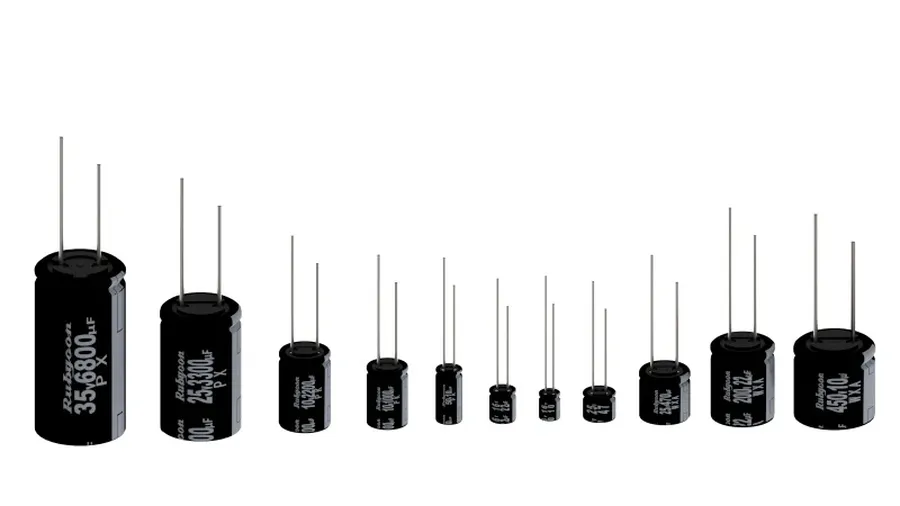
Electrolytic capacitor sizes
Selecting the appropriate electrolytic capacitor for a specific application is crucial for ensuring circuit performance, reliability, and longevity. This section provides a practical guide, outlining key parameters and considerations for making informed choices.
Key factors to consider when selecting an electrolytic capacitor:
Voltage Rating The capacitor's rated voltage must be greater than the maximum voltage expected in the circuit to prevent dielectric breakdown and potential failure. A safety margin is generally recommended.
Capacitance The required capacitance value is dictated by the application. Filtering, decoupling, and energy storage applications require specific capacitance ranges. Always select a value that meets or exceeds the design requirement, noting tolerance is typically wide for electrolytic capacitors.
Temperature Range Electrolytic capacitors are highly temperature-sensitive. Choose a capacitor with an operating temperature range suitable for the environment where it will operate, especially in harsh conditions, as temperature greatly affects the ESR and life of the capacitor. Higher temperature-rated capacitors will likely be physically larger and more expensive.
ESR (Equivalent Series Resistance) ESR impacts ripple current handling and heat dissipation. Lower ESR is preferred for high-current applications to minimize power loss and prevent overheating. High ESR can also lead to poor filtering performance, especially at high frequencies.
Ripple Current This parameter is the maximum AC current that the capacitor can handle continuously without overheating. Ensure the selected capacitor has a sufficient ripple current rating for the application.
Physical Size Physical dimensions are critical for PCB layout and integration. Consider case size, lead spacing, and mounting requirements during capacitor selection. Electrolytic capacitors are physically larger than other capacitor types for the same capacitance and voltage ratings.
Lifetime and Reliability The lifespan of an electrolytic capacitor is highly dependent on operating conditions (temperature, voltage, and ripple current). Pay attention to the capacitor's life specification provided by the manufacturer and ensure that it is adequate for your product's expected service life. Higher quality capacitors with long lifespan ratings should be used in circuits where failures can have severe consequences.
Specific application-driven selection criteria:
Power Supply Filtering For power supply filtering, prioritize low ESR and high ripple current capability. Sufficient capacitance is essential to reduce output ripple and maintain stable DC voltage. Ensure the selected capacitor has a working voltage margin. Longer lifetime capacitors are preferred for reliability.
Decoupling For decoupling applications, focus on low impedance across a wide frequency range, with smaller case sizes preferred to place the capacitor as close as possible to the integrated circuit (IC) pin. Capacitance values can be significantly lower than what is needed for power supply filtering.
Energy Storage For energy storage, select capacitors with a high capacitance value and minimal leakage current, with higher rated voltages and lifetimes often being needed to avoid premature failures.
By carefully evaluating these parameters against your application's requirements, you can effectively select the appropriate electrolytic capacitor. Always refer to the manufacturer’s datasheet for detailed specifications and consider testing capacitors in your application in the design phase for verification.
Frequently Asked Questions About Electrolytic Capacitors
This section addresses common queries regarding electrolytic capacitors, providing clear and concise answers to enhance understanding and practical application.
What is the primary function of an electrolytic capacitor? Electrolytic capacitors are primarily used for high-capacitance applications, such as filtering in power supplies, decoupling in electronic circuits, energy storage, and start circuits for motors. Their key advantage lies in their ability to store a substantial amount of charge in a relatively small volume, albeit with limitations in voltage rating and operating frequency.
How do electrolytic capacitors differ from other types of capacitors? Unlike ceramic or film capacitors, electrolytic capacitors utilize an electrolyte to achieve high capacitance. This construction results in larger capacitance values within a smaller physical size but introduces polarization, limiting their use in AC circuits. Compared to supercapacitors, they have a lower energy density and lower maximum capacitance but have higher voltage ratings and higher operational frequency range. While ceramic capacitors offer low ESR and high-frequency performance they have much lower capacitance, and film capacitors offer better stability and accuracy but have a larger footprint for the same capacitance and are more expensive.
What are the common signs of a failing electrolytic capacitor? A failing electrolytic capacitor may exhibit several symptoms, such as bulging or leaking electrolyte, increased equivalent series resistance (ESR) leading to circuit malfunction, loss of capacitance, and inability to provide required filtering. Visually, bulges on the top of the capacitor are common. Changes in electrical characteristics can be detected using an ESR meter or capacitor tester, measuring capacitance values, or changes in current when inserted in circuit. Failure can occur due to exceeding voltage ratings, operation outside temperature limits, or simply age-related degradation of the electrolyte.
What is the significance of polarity in electrolytic capacitors? Electrolytic capacitors are polarized components, meaning they have a defined positive (anode) and negative (cathode) terminal. Incorrect polarity connection can lead to damage to the component, potentially leading to failure, overheating, or even explosion due to reverse electrolysis and build up of gas. Always verify polarity markings during installation or replacement. Proper polarity ensures that the electrochemical processes in the capacitor occur in the correct direction, maintaining the integrity of the oxide layer that determines the capacitance. Typically, the cathode is marked with a band or other sign on the body of the device, and the lead nearest the mark is the negative terminal.
What are the primary advantages of using electrolytic capacitors? The main advantage of electrolytic capacitors is their high capacitance per unit volume, making them suitable for applications where space is limited. This high capacitance is achieved due to the extremely thin dielectric (oxide) layer that is formed electrochemically. They are cost-effective for high-capacitance applications, but their performance is temperature and age-dependent, and they have higher ESR than ceramic or film capacitors. For energy storage, they fall between standard capacitors and supercapacitors, but have a better voltage range. They are most commonly used for filtering and smoothing of DC voltages.
How does temperature affect the performance and lifespan of electrolytic capacitors? Electrolytic capacitors are significantly affected by temperature variations. High temperatures accelerate electrolyte evaporation and degradation, leading to increased ESR, decreased capacitance, and reduced lifespan. Low temperatures increase ESR and reduce capacitance and can also freeze the electrolyte potentially damaging the capacitor. The operating temperature range is a critical specification to consider. A capacitor operated outside its rated temperature range will have a severely reduced lifetime and experience premature failure. It's imperative to select capacitors with temperature ratings that match the application's operating environment.
What are the main application areas of electrolytic capacitors? Electrolytic capacitors find extensive use in power supplies for filtering and smoothing rectified AC signals and voltage regulation circuits. In audio equipment, they are used for coupling and decoupling signals. They are also vital in motor starting circuits, providing the necessary current surge. Furthermore, electrolytic capacitors are essential in numerous electronic devices for charge storage, decoupling, and voltage stabilization, ensuring the stability and reliability of electronic systems.
Electrolytic capacitors are essential components in modern electronics, offering high capacitance in a compact form, making them ideal for various applications. While they are polarized and have limitations, their specific advantages often make them irreplaceable. Understanding the nuances of different types of electrolytic capacitors, their parameters, and applications helps in making informed decisions when designing and troubleshooting electronic circuits. The electrolytic capacitor continues to play a vital role in shaping the functionality of our devices and the technological advancements around us.